

Lisbeth Salander Books: Complete Reading Guide
The complex character of Lisbeth Salander has captivated millions of readers worldwide since her first appearance in Stieg Larsson's groundbreaking Millennium series. These lisbeth salander books have transformed the landscape of Nordic crime fiction, introducing a fiercely independent hacker whose troubled past and extraordinary intellect drive some of the most compelling narratives in contemporary literature. Whether you're planning to read the series for the first time or exploring Stockholm's literary landmarks tied to these stories, understanding the full scope of lisbeth salander books offers both reading pleasure and cultural insight into modern Swedish storytelling.
The Original Trilogy: Stieg Larsson's Vision
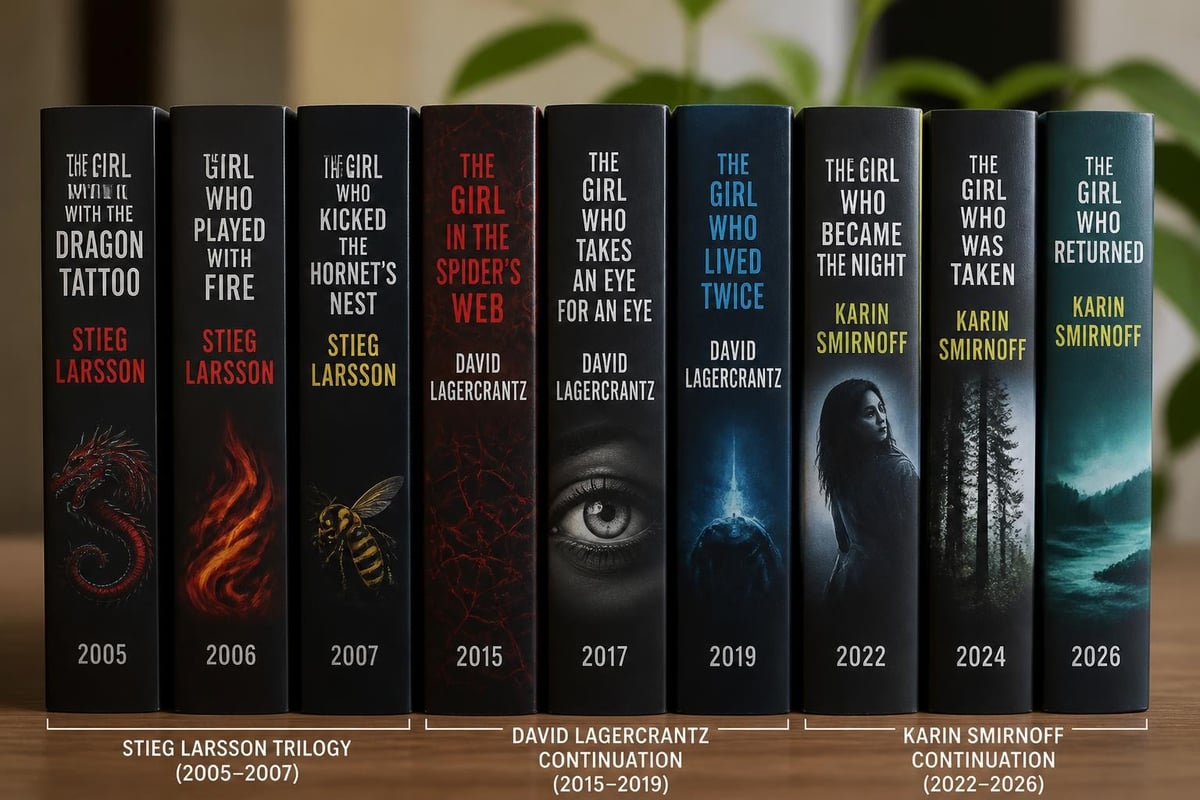
Stieg Larsson created Lisbeth Salander as the central figure in his Millennium series, though he tragically passed away in 2004 before witnessing the phenomenal global success of his work. The three original lisbeth salander books form what many consider the definitive core of the series, establishing the character's backstory, relationships, and ongoing battle against systemic corruption.
The Girl with the Dragon Tattoo (2005)
The first installment introduces readers to Lisbeth Salander, a brilliant but socially isolated private investigator with an eidetic memory and exceptional hacking skills. Paired with journalist Mikael Blomkvist, she investigates a decades-old disappearance on a remote Swedish island. The book establishes key themes that run throughout all lisbeth salander books:
- Systemic abuse and institutional failure
- Corporate corruption and media ethics
- Personal trauma and survival
- Technology as both weapon and shield
This novel became a cultural phenomenon, with The Guardian extensively covering Larsson’s impact on crime fiction and broader literary culture. For visitors to Stockholm, many locations from this book remain accessible today through specialized literary walking tours.
The Girl Who Played with Fire (2006)
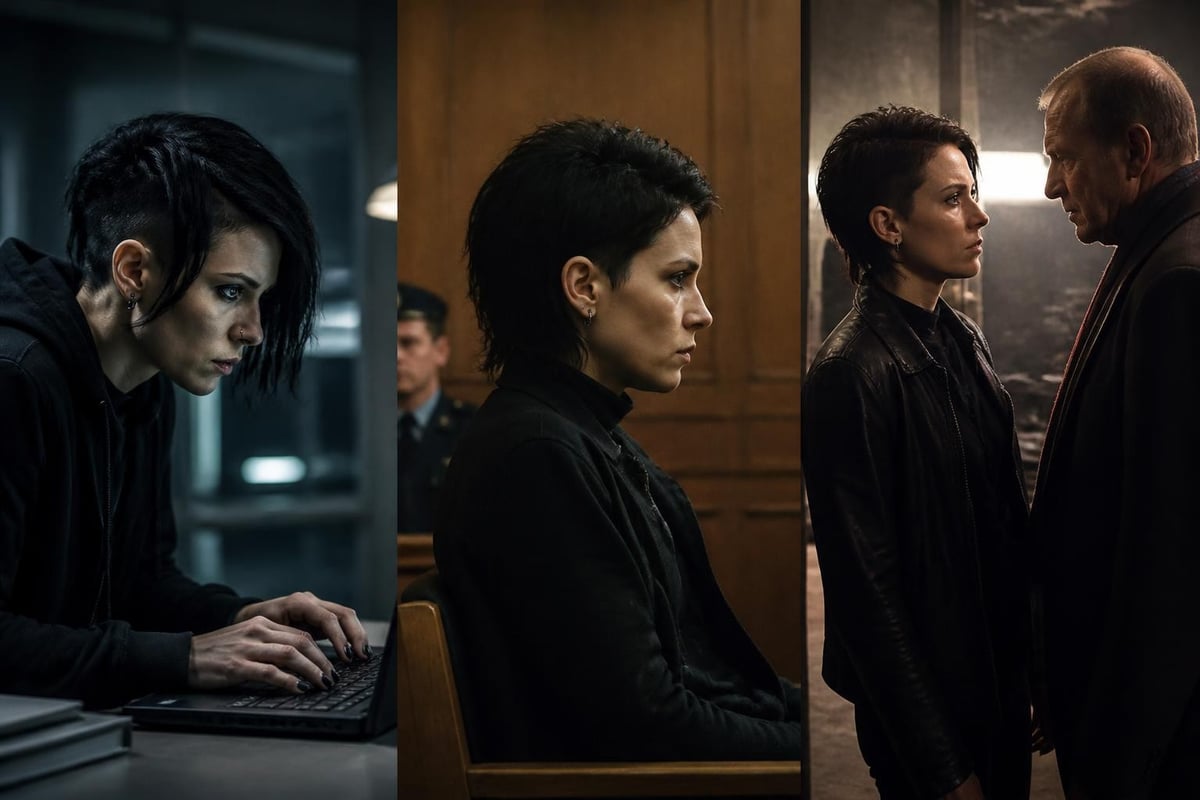
The second book in the original trilogy places Lisbeth Salander directly in the crosshairs when she becomes the prime suspect in a triple murder investigation. This installment deepens her backstory significantly, revealing traumatic childhood experiences and introducing characters who will become central to the series mythology.
The narrative structure shifts between Lisbeth on the run and Blomkvist working to clear her name. This book demonstrates why lisbeth salander books resonate so powerfully, balancing breakneck thriller pacing with serious examination of sex trafficking, government corruption, and the failures of Sweden's social welfare system.
The Girl Who Kicked the Hornet's Nest (2007)
The trilogy's conclusion brings Lisbeth Salander's personal war against those who've wronged her to a climactic courtroom battle. Hospitalized and under arrest, she must fight for her freedom and expose the shadowy government conspiracy that destroyed her childhood. Larsson's final completed manuscript offers the most direct engagement with Swedish institutional politics, making these lisbeth salander books as much social commentary as thriller entertainment.
| Book Title | Swedish Publication | English Publication | Primary Theme |
|---|---|---|---|
| The Girl with the Dragon Tattoo | 2005 | 2008 | Corporate corruption |
| The Girl Who Played with Fire | 2006 | 2009 | Human trafficking |
| The Girl Who Kicked the Hornet's Nest | 2007 | 2010 | State conspiracy |
The Continuation Series: New Authors, Same Character
Following Larsson's death, his partner and Swedish publisher decided to continue the Millennium series with new authors. These later lisbeth salander books have generated significant debate among fans about authenticity, character development, and whether continuation honors or dilutes Larsson's original vision.
David Lagercrantz's Contributions
Swedish author David Lagercrantz wrote three installments between 2015 and 2019, attempting to maintain Lisbeth Salander's core characteristics while introducing contemporary technological and political themes.
The Girl in the Spider's Web (2015) introduces artificial intelligence, NSA surveillance, and modern cyber-warfare into the Millennium universe. Lagercrantz brings Lisbeth face-to-face with her twin sister Camilla, a character only briefly mentioned in Larsson's original notes.
The Girl Who Takes an Eye for an Eye (2017) explores Lisbeth's time in youth detention facilities and introduces new characters from her institutional past. The book addresses immigration, radicalization, and Sweden's contemporary social tensions.
The Girl Who Lived Twice (2019) sends Lisbeth Salander to the Himalayas and Russia, significantly expanding the geographic scope beyond Stockholm-centered narratives that defined earlier books.
Scholarly analysis, including research available through academic repositories examining the Millennium series, has explored how these continuation books maintain or alter Larsson's original social critique.
Karin Smirnoff's New Direction
In 2024, Swedish author Karin Smirnoff took over the series, bringing a fresh perspective to these lisbeth salander books. Her first installment represents the sixth book overall in the Millennium series, confirmed in Library of Congress cataloging records documenting recent additions to the franchise.
Smirnoff's approach emphasizes:
- Deeper psychological exploration of Lisbeth's interior life
- Contemporary Swedish social issues including climate activism
- Technology developments since Larsson's 2000s-era hacking scenarios
- Female perspectives on power and institutional change
Reading Order and Recommendations
For new readers approaching lisbeth salander books, the question of reading order matters significantly. While each book contains some standalone mystery elements, character development and backstory build cumulatively across the series.
Recommended Reading Sequence
The chronological publication order remains the best approach for most readers:
- Start with The Girl with the Dragon Tattoo to understand Lisbeth's introduction and core characteristics
- Continue through Larsson's original trilogy before considering continuation books
- Approach Lagercrantz's trilogy as distinct "Season Two" of the series
- Evaluate Smirnoff's books based on your response to earlier continuations
Alternative Entry Points
Some readers prefer different approaches to these lisbeth salander books:
- Film-first viewers: Those who've seen adaptations might start with whichever book corresponds to the version they watched
- Character-focused readers: Begin with The Girl Who Played with Fire for maximum Lisbeth backstory concentration
- Contemporary preference: Jump to Lagercrantz or Smirnoff books for more current technological and social contexts
| Reading Approach | Best For | Considerations |
|---|---|---|
| Publication order | First-time readers | Optimal character development arc |
| Original trilogy only | Larsson purists | Leaves story somewhat unresolved |
| Film adaptation order | Visual learners | May spoil plot surprises |
| Contemporary start | Tech enthusiasts | Misses foundational character work |
Literary and Cultural Significance
The lisbeth salander books occupy a unique position in 21st-century literature, transcending their thriller genre classification to become cultural touchstones. Academic studies of Nordic noir examine how Larsson's creation influenced everything from publishing trends to tourism patterns in Stockholm.
Why These Books Matter
Gender representation: Lisbeth Salander challenged traditional crime fiction archetypes, presenting a female protagonist who refuses victimhood while acknowledging trauma. Research published through university repositories analyzing the character examines how Larsson's portrayal differs from conventional female detective figures.
Social critique: These lisbeth salander books function as vehicles for examining Swedish institutions, from journalism ethics to psychiatric care systems to government accountability. The novels suggest that even in societies perceived as progressive, systemic failures endanger vulnerable individuals.
Technological prophecy: Larsson's early-2000s depiction of hacking, surveillance, and digital privacy anticipated many contemporary debates about data security and governmental overreach.
Impact on Stockholm Tourism
The global success of lisbeth salander books has transformed Stockholm's tourism landscape. Visitors increasingly seek connections to fictional locations, creating demand for literary-themed experiences. Walking tours now incorporate settings from the novels, including cafés where Blomkvist works, neighborhoods where Lisbeth lives, and government buildings featured in conspiracy plotlines.
Stockholm sightseeing experiences increasingly incorporate literary elements alongside traditional historical attractions. For fans of these novels, experiencing Stockholm through the lens of the Millennium series adds depth to understanding both the fiction and the real city that inspired it.
Adaptations and Multimedia Presence
The lisbeth salander books have spawned multiple film and television adaptations, each interpreting the character differently. These adaptations have, in turn, influenced how readers visualize Lisbeth and understand her world.
Swedish Film Trilogy (2009)
Noomi Rapace's portrayal established the definitive visual interpretation for many fans. These films stayed relatively faithful to Larsson's original books, though compressed timelines and eliminated subplots for cinematic pacing.
American Adaptation (2011)
David Fincher's The Girl with the Dragon Tattoo, starring Rooney Mara, reimagined the story for English-speaking audiences with a darker aesthetic and extended runtime that allowed for more character development.
Contemporary Series Development
As of 2026, streaming platforms continue developing new adaptations of lisbeth salander books, with particular interest in series formats that can accommodate the novels' complex plotting and extensive character rosters.
Connecting Books to Real Stockholm
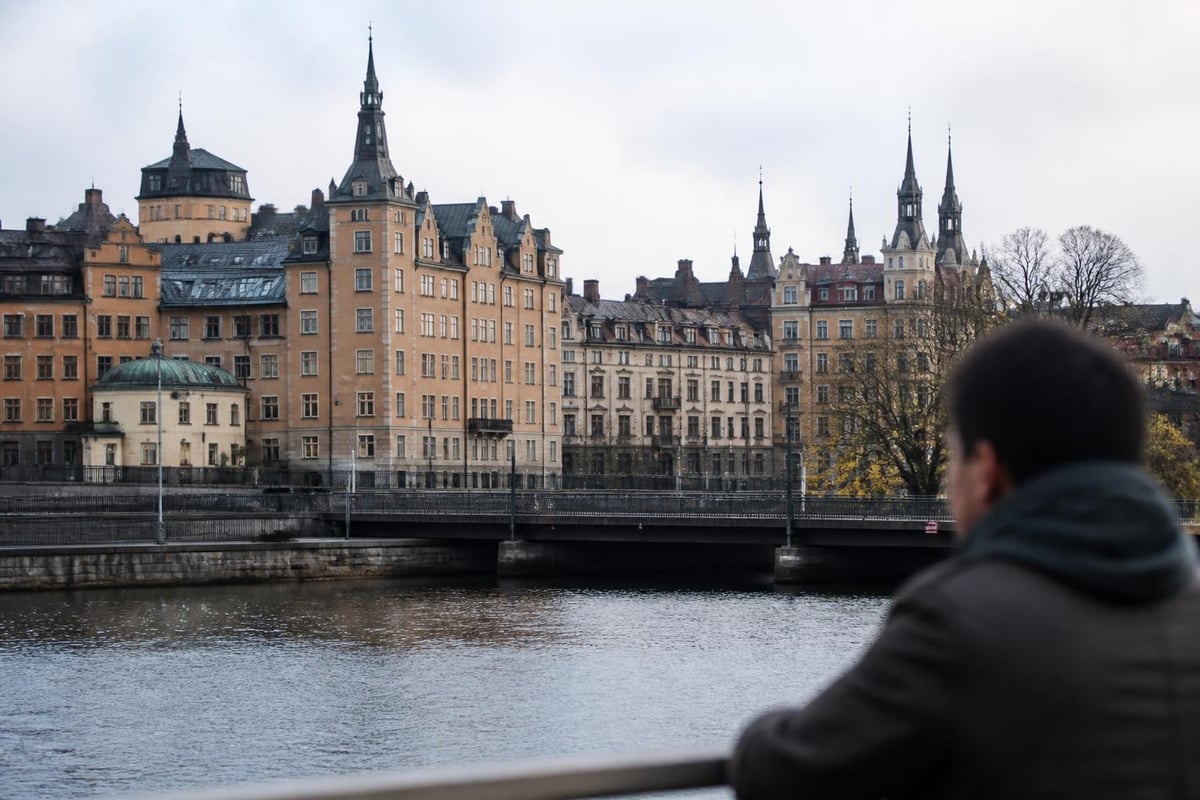
One unique aspect of lisbeth salander books is their grounding in specific Stockholm geography. Unlike many thrillers that use cities as generic backdrops, Larsson embedded his narratives in real streets, actual neighborhoods, and identifiable landmarks.
Notable Locations from the Series
Södermalm: Lisbeth's primary neighborhood features heavily throughout the books, with detailed descriptions of apartment buildings, cafés, and street corners that readers can visit today.
Millennium Magazine offices: Based on real locations in Stockholm's Gamla Stan area, these settings allow fans to walk the same routes as fictional characters.
Governmental buildings: Various ministries and institutional structures appear throughout the series, many accessible through guided tours of Stockholm that highlight both historical and literary significance.
For visitors interested in literary tourism, exploring these locations provides tangible connection to the lisbeth salander books. Walking tours specializing in Stockholm’s Old Town often incorporate Millennium series elements alongside traditional historical commentary.
Publisher Resources and Official Information
For those seeking authoritative information about lisbeth salander books, several publisher resources provide reliable details about editions, translations, and series chronology.
The official Swedish publisher Norstedts maintains comprehensive information about the Millennium series, including publication history, author backgrounds, and announcements about forthcoming installments. Penguin Random House’s series page offers similar resources for English-language readers, with details about available formats and recent editions.
Collecting Considerations
First editions of Larsson's original trilogy have become collectible, particularly Swedish-language printings from 2005 to 2007. Later books in the series, while popular, haven't achieved the same collectible status, though signed editions from continuation authors command premium prices.
For readers interested primarily in content rather than collecting, modern editions offer:
- Updated introductions providing context about series development
- Reader's guides with discussion questions and background information
- Maps of Stockholm showing key locations
- Character glossaries helpful for tracking the extensive cast across multiple books
The Reading Experience Today
In 2026, approaching lisbeth salander books offers different contexts than when the original trilogy debuted two decades ago. Contemporary readers encounter these stories with awareness of subsequent adaptations, continuation novels, and evolved discussions about representation and social issues.
What Makes These Books Endure
Despite changing literary trends and the passage of time since Larsson's original publications, these lisbeth salander books continue attracting new readers for several reasons:
- Universal themes: Questions about power, justice, and institutional accountability remain relevant across cultures and decades
- Compelling protagonist: Lisbeth Salander's complexity and unconventionality continue to fascinate readers seeking alternatives to conventional characters
- Intricate plotting: The novels reward careful reading with layered mysteries and interconnected storylines
- Accessible prose: Despite complex subjects, the writing remains clear and engaging for general audiences
Challenges for Modern Readers
Certain aspects of lisbeth salander books have generated criticism or require contextual understanding:
- Graphic violence: Particularly in the first novel, detailed descriptions of sexual violence may disturb some readers
- Technical detail: Extensive passages about hacking and financial investigations can slow pacing
- Cultural specifics: Understanding Swedish political and social contexts enhances appreciation but isn't always explained for international readers
- Character consistency: Some readers find the continuation books alter Lisbeth's characterization from Larsson's original vision
Beyond Reading: Experiential Engagement
For dedicated fans of lisbeth salander books, reading represents just one avenue for engagement with the Millennium universe. Stockholm offers multiple opportunities to experience the world of these novels firsthand.
Literary Tourism in Stockholm
Specialized tours focusing on Stieg Larsson's life and the Millennium series locations have become increasingly popular. These experiences combine traditional sightseeing with literary exploration, visiting apartments, offices, restaurants, and other settings described in the books.
Private group tours in Stockholm can be customized to emphasize literary connections while also covering historical and cultural landmarks that provide broader context for understanding the city that shaped these stories.
Combining Interests
Many visitors to Stockholm balance multiple interests, from music history to Nordic design to crime fiction. Customizable tour experiences allow groups to create itineraries that reflect diverse interests, perhaps combining Millennium series locations with other cultural attractions.
For those planning visits around literary interests, spring and autumn typically offer comfortable walking weather and smaller crowds than peak summer months. The atmospheric quality of Stockholm during these seasons also evokes the mood of lisbeth salander books more effectively than bright summer days.
The Series' Future
As of 2026, the Millennium series shows no signs of concluding. With Karin Smirnoff now writing new installments and continued international interest in Lisbeth Salander's character, readers can anticipate additional lisbeth salander books in coming years.
What to Expect
Future books will likely continue addressing contemporary issues through the lens of thriller plotting, maintaining the social critique that distinguished Larsson's original work while updating technological and political contexts for current readers.
Publisher announcements suggest:
- Regular release schedule: New installments approximately every two years
- International focus: While maintaining Stockholm as home base, expect more global settings
- Technology evolution: Continued updating of hacking scenarios and digital threats
- Character aging: Unlike some series that freeze protagonists in time, Lisbeth Salander ages in real time
The ongoing development of lisbeth salander books ensures that both longtime fans and new readers will continue finding fresh material, though debates about authenticity and quality compared to Larsson's originals will undoubtedly persist.
The lisbeth salander books offer readers compelling narratives, complex characters, and sharp social commentary that transcends typical thriller fare. For those visiting Stockholm, these stories provide an additional lens through which to view the city, connecting fictional narratives to real locations and cultural contexts. Adding:tours specializes in bringing Stockholm's literary heritage to life through personalized walking experiences that trace Millennium series locations alongside traditional historical sites, creating memorable connections between the books you've read and the streets where those stories unfold. Whether you're a dedicated fan seeking to walk in Lisbeth Salander's footsteps or a curious visitor interested in Stockholm's cultural landscape, our expert guides craft experiences that make your time in Sweden's capital truly special.