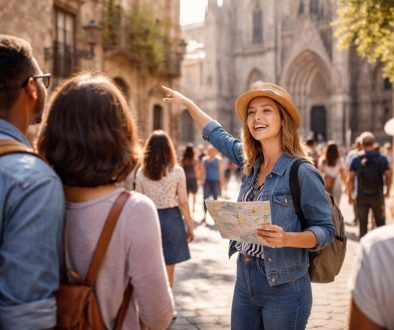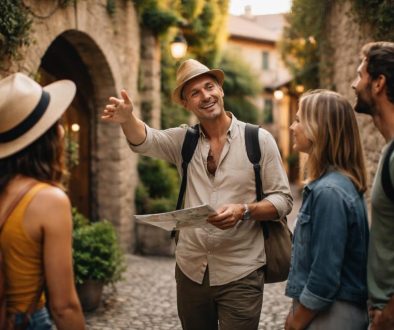
Local Tour Guide: Creating Personalized Travel Experiences
Traveling to a new destination offers countless opportunities to explore, but nothing compares to the authentic experience a local tour guide provides. These passionate professionals transform ordinary sightseeing into memorable journeys filled with insider knowledge, cultural nuances, and stories that no guidebook can capture. Whether wandering through ancient cobblestone streets, uncovering literary landmarks, or discovering hidden gems known only to residents, the right guide elevates every moment of your trip. For visitors to Stockholm and other culturally rich cities, working with a knowledgeable local expert ensures you experience destinations through an authentic lens while maximizing your limited travel time.
The Essential Role of a Local Tour Guide in Modern Travel
A local tour guide serves as more than just a walking encyclopedia of facts and dates. These professionals bridge the gap between tourist and resident, offering context that transforms historical sites into living stories. When you explore a city with someone who calls it home, you gain access to perspectives that typical visitors never encounter.
The value proposition extends far beyond simple navigation assistance. Native guides understand seasonal rhythms, know when attractions are least crowded, and can recommend authentic dining experiences away from tourist traps. They read weather patterns, anticipate crowd flows, and adjust itineraries in real-time to ensure optimal experiences.
Building Authentic Connections Through Local Expertise
Professional guides invest years developing their craft, combining formal education with lived experience. Many pursue quality training programs focused on sustainable tourism practices that emphasize cultural sensitivity, environmental awareness, and storytelling techniques. This preparation enables them to deliver experiences that resonate on multiple levels.
The most effective guides master several key competencies:
- Cultural interpretation: Translating local customs, traditions, and social norms for international audiences
- Historical contextualization: Connecting past events to present-day realities
- Storytelling excellence: Weaving facts into engaging narratives that captivate diverse groups
- Flexibility and adaptability: Adjusting tours based on group interests, energy levels, and unexpected circumstances
- Safety awareness: Managing risks while maintaining seamless, worry-free experiences
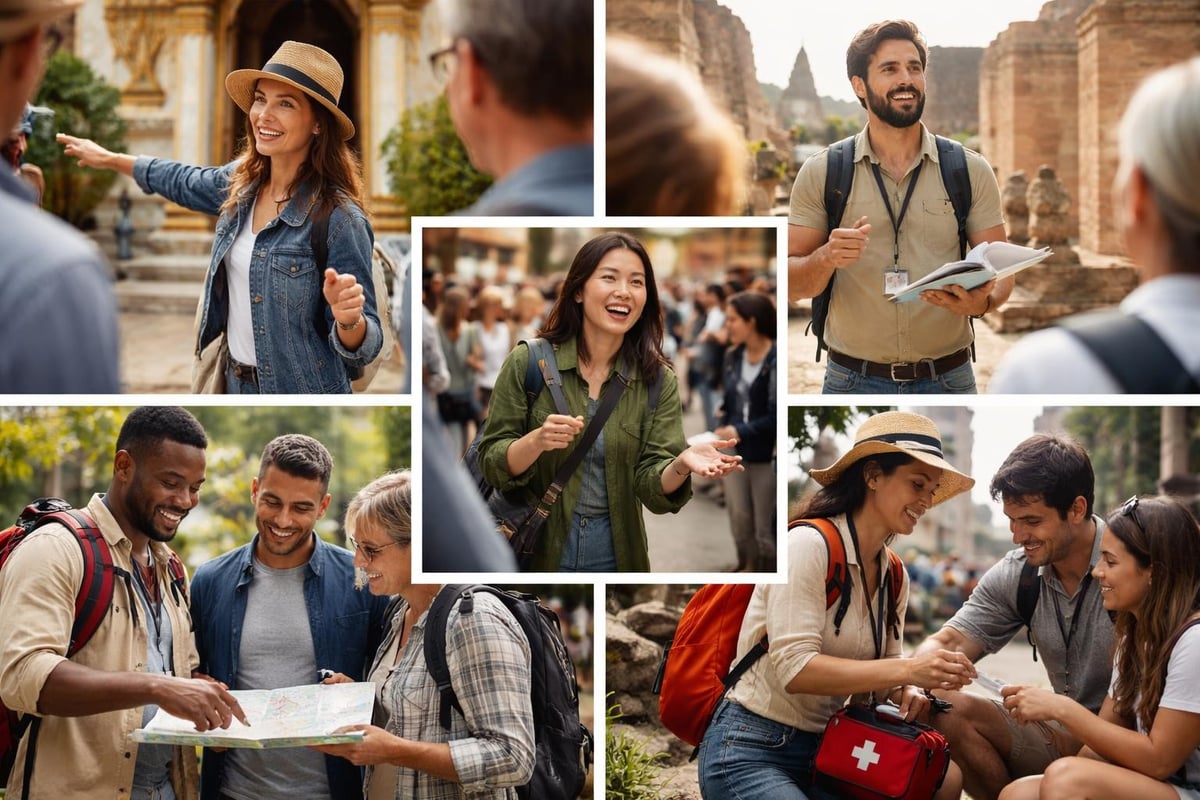
Personalizing Experiences for Small Groups and Private Tours
The shift toward intimate, customized travel experiences reflects changing consumer preferences. Travelers in 2026 increasingly value quality over quantity, seeking depth rather than superficial encounters with destinations. This trend particularly benefits those offering tailored tours designed around specific interests and group dynamics.
Small group formats allow guides to foster genuine conversations and accommodate individual preferences. With fewer participants, guides can adjust pacing, dive deeper into topics that spark curiosity, and create space for spontaneous discoveries. This flexibility proves impossible in large coach tours where rigid schedules dominate.
Crafting Itineraries That Reflect Individual Interests
Professional guides excel at pre-tour consultation, asking thoughtful questions to understand what truly matters to their clients. Are you passionate about architecture? Fascinated by culinary traditions? Interested in literary history? Each focus demands different route planning and research preparation.
For Stockholm visitors, customization might mean emphasizing Nordic design heritage, Scandinavian cuisine, Viking history, or contemporary Swedish culture. A local tour guide with native knowledge can seamlessly integrate these themes while maintaining coherent narrative flow throughout the experience.
The consultation process typically includes:
- Interest assessment: Identifying primary themes and must-see priorities
- Mobility consideration: Matching itinerary difficulty to participants' physical capabilities
- Time optimization: Structuring experiences to align with available hours
- Special accommodations: Addressing dietary restrictions, accessibility needs, or language preferences
- Expectation alignment: Ensuring clear understanding of what the tour includes and excludes
Creating Memorable Walking Tours in Historic Districts
Walking tours represent the most intimate way to explore urban environments, engaging multiple senses while maintaining human-scale perspectives. When led by knowledgeable locals, these experiences reveal layers of history, architecture, and daily life that remain invisible from tour buses or self-guided apps. Stockholm's Old Town walking tours exemplify how pedestrian-paced exploration unveils centuries of stories embedded in medieval streets.
Effective walking tour design balances movement with meaningful stops. Guides must read their groups, recognizing when to pause for rest, when to dive into detailed explanations, and when to simply let spaces speak for themselves. This intuitive pacing separates exceptional guides from adequate ones.
| Walking Tour Element | Purpose | Best Practice |
|---|---|---|
| Opening introduction | Build rapport and set expectations | Share personal connection to area |
| Narrative structure | Create coherent story arc | Link individual stops thematically |
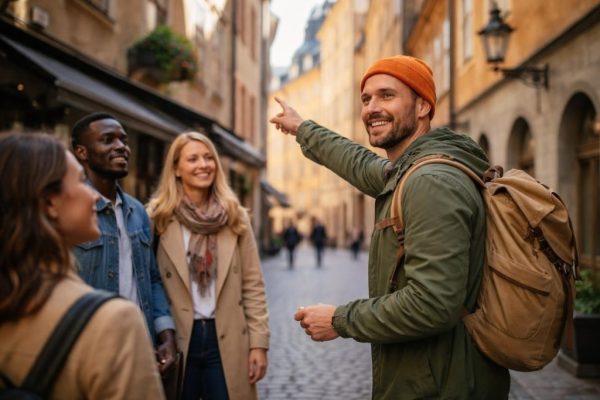
| Visual engagement | Encourage active observation | Point out details visitors might miss |
| Interactive moments | Foster participation and retention | Ask questions, invite sharing |
| Closing reflection | Synthesize experience meaningfully | Connect learning to broader contexts |
Navigating Stockholm's Architectural Treasures
A skilled local tour guide knows that Stockholm's narrow alleys and preserved medieval architecture tell stories of royal intrigue, merchant prosperity, and urban evolution spanning eight centuries. These guides don't merely recite construction dates; they illuminate how architectural styles reflect political shifts, economic transformations, and cultural exchanges.
The changing of the guard at the Royal Palace becomes more than a photo opportunity when guides explain ceremonial traditions, military history, and constitutional monarchy's role in modern Sweden. Context transforms observation into understanding.
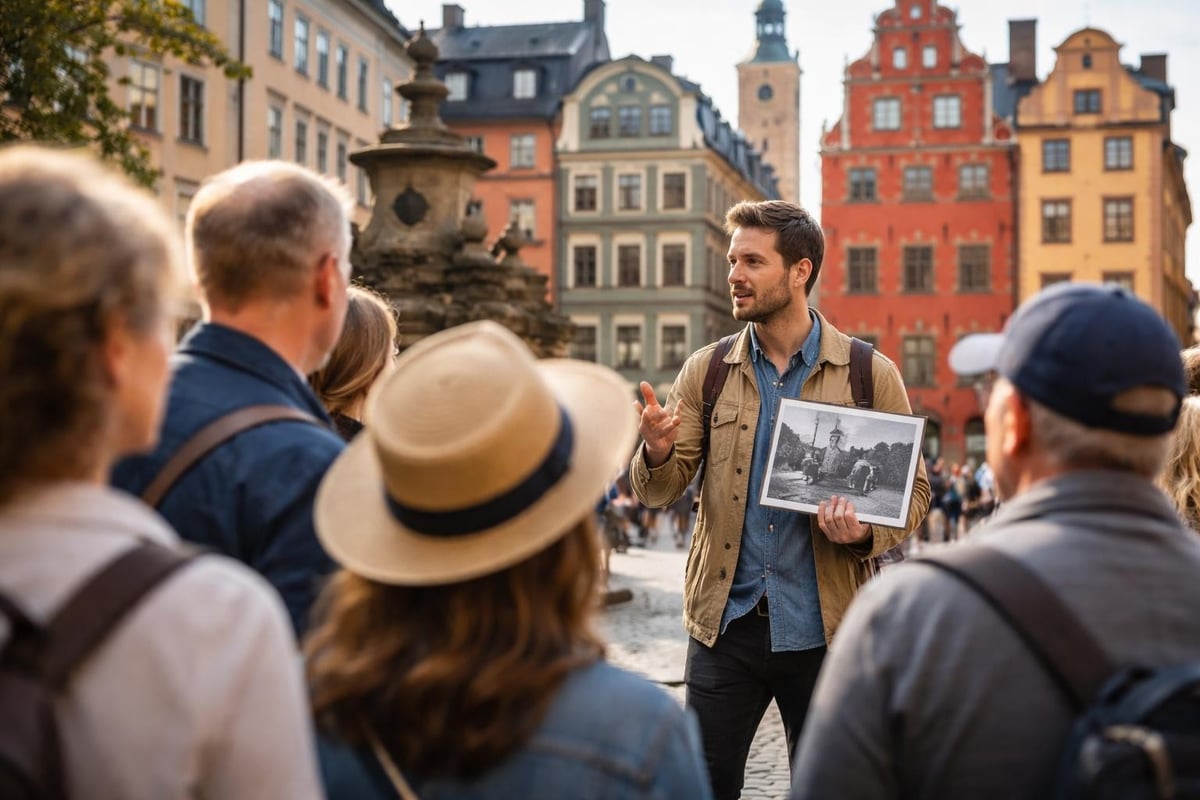
Thematic Tours: From Literary Landmarks to Musical Heritage
Specialized thematic tours demonstrate how a local tour guide can transform niche interests into comprehensive experiences. These focused explorations attract passionate enthusiasts while introducing casual participants to new areas of appreciation. The key lies in balancing expertise with accessibility, ensuring content engages both experts and newcomers.
Following Literary Footsteps Through Stockholm
Literary tourism has grown substantially, with readers eager to walk where their favorite authors lived and set their stories. For Stieg Larsson fans, Stockholm offers rich material, as locations from "The Girl with the Dragon Tattoo" trilogy pepper the cityscape. A knowledgeable guide connects fictional events to real places while providing biographical context about the author's life and journalistic career.
These tours require guides who understand both literature and urban geography. They must locate specific addresses, explain how neighborhoods have changed since publication, and separate fictional elements from biographical reality. This scholarly approach satisfies serious readers while keeping casual fans engaged through compelling storytelling.
Celebrating ABBA's Musical Legacy
Music-themed tours offer another avenue for specialized exploration, particularly in cities with strong musical heritage. Stockholm's connection to ABBA provides framework for experiences that combine city exploration with cultural celebration. The ABBA journey from Stockholm to Viggsö illustrates how guides can create multi-dimensional experiences incorporating transportation, dining, and social interaction.
These specialized tours often attract international participants, creating opportunities for cultural exchange. A skilled local tour guide facilitates these interactions, helping strangers become friends through shared interests. This social dimension adds unexpected value, with many participants citing new friendships as highlights of their travels.
Professional Standards and Best Practices
The guided tour industry benefits from established professional standards that ensure quality, safety, and ethical practices. Organizations worldwide advocate for best practices that emphasize preparation, effective communication, and cultural respect, setting benchmarks that distinguish professional guides from casual amateurs.
Continuous education remains essential. Cities evolve, historical interpretations update based on new research, and visitor expectations shift with broader travel trends. The most respected guides commit to ongoing learning, attending workshops, reading current scholarship, and refining their craft throughout their careers.
Ethical Considerations in Cultural Interpretation
A responsible local tour guide navigates complex ethical terrain when presenting cultural heritage to outsiders. This involves respecting sacred sites, acknowledging difficult historical chapters honestly, and avoiding stereotypes or oversimplifications. The goal involves sharing culture authentically while maintaining appropriate boundaries between education and commodification.
Transparency about commission relationships, admission fees, and tour inclusions demonstrates professional integrity. Visitors appreciate honesty about what they're paying for and what additional costs they might encounter. Clear communication prevents misunderstandings that could diminish otherwise excellent experiences.
Building Digital Presence for Local Tour Guides
In 2026, even the most talented guides must maintain robust online visibility to attract clients. Local SEO strategies for tour operators have become essential tools for reaching travelers during their planning phases. This digital presence extends beyond simple websites to encompass social media, review platforms, and booking systems.
Successful professional tour guide websites balance informative content with ease of navigation, featuring clear descriptions of offered tours, transparent pricing, booking functionality, and compelling photography. Mobile optimization matters critically, as travelers increasingly research and book experiences via smartphones.
Content Marketing That Showcases Local Expertise
Blog posts, destination guides, and cultural insights position guides as authorities while providing value to potential clients before they book. This content strategy serves dual purposes: improving search engine rankings while demonstrating the depth of knowledge clients can expect on actual tours. Articles about neighborhood histories, seasonal events, and insider tips attract organic traffic from travelers researching destinations.
Video content offers particular advantages, allowing prospective clients to experience guides' personalities and communication styles before committing. Short clips highlighting tour segments, client testimonials, or cultural explanations build trust and differentiate individual guides in crowded markets.
Adapting to Technology While Maintaining Human Connection
Modern tour guiding balances technological tools with irreplaceable human elements. GPS systems, translation apps, and digital payment platforms streamline logistics, but they cannot replicate the spontaneity, emotional intelligence, and adaptive storytelling that define exceptional local tour guide experiences.
Some platforms now employ artificial intelligence for itinerary recommendations, with systems analyzing preferences and suggesting personalized routes. While these tools offer convenience, they lack the contextual understanding and real-time responsiveness that human guides provide when weather changes, unexpected closures occur, or group dynamics shift.
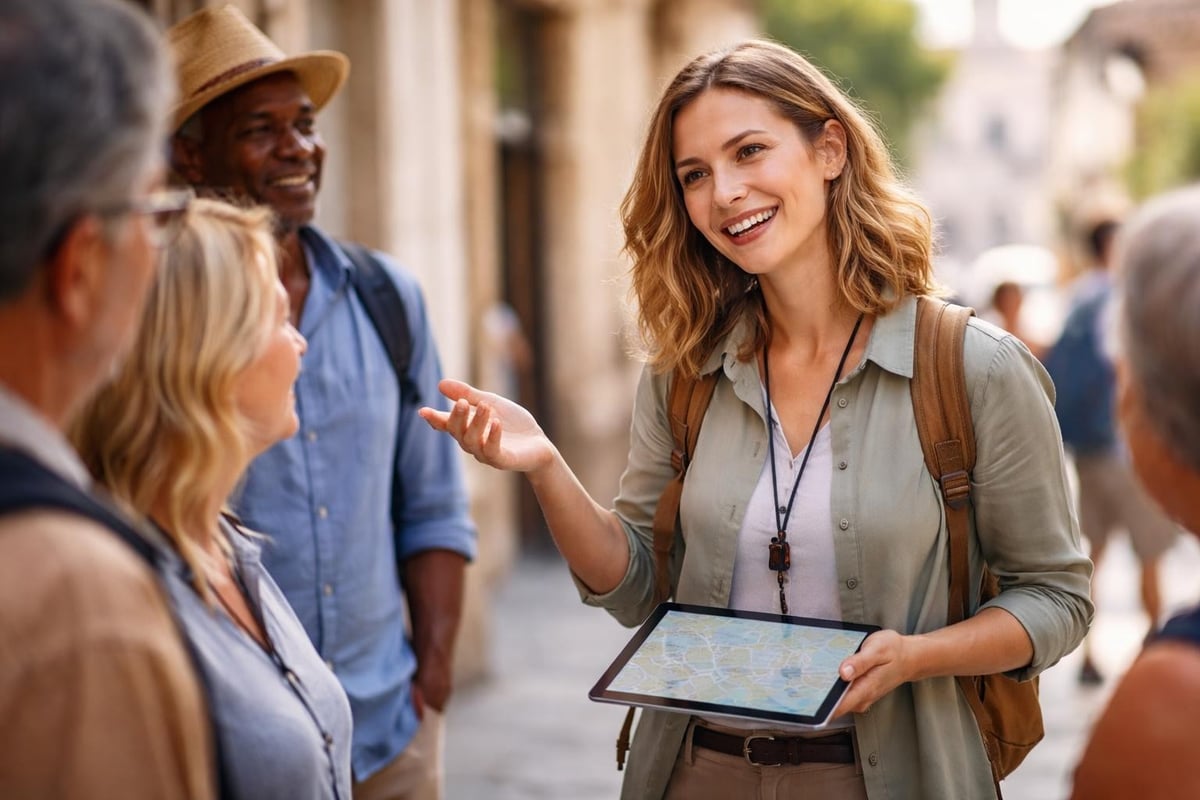
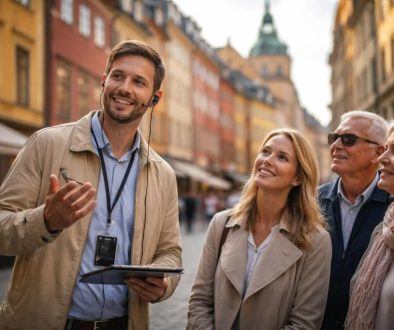
The most successful guides use technology as enhancement rather than replacement. They might employ wireless audio systems for clearer communication in crowded spaces, use tablets to display historical photographs comparing past and present, or leverage weather apps to make informed decisions about route modifications.
The Economic Impact of Quality Guided Experiences
Professional guides contribute significantly to local economies beyond their direct fees. By recommending authentic restaurants, artisan shops, and cultural venues, they distribute tourism revenue throughout communities rather than concentrating it in large commercial operations. This economic multiplier effect supports small businesses, preserves traditional crafts, and maintains neighborhood character.
Tourism boards increasingly recognize that quality guided experiences encourage longer stays, repeat visits, and positive word-of-mouth marketing. Satisfied participants become destination advocates, sharing experiences through social media and personal recommendations. This organic promotion proves more valuable than traditional advertising, particularly among travelers seeking authentic experiences.
Supporting Sustainable Tourism Development
Thoughtful guides educate visitors about environmental conservation, cultural preservation, and responsible travel behaviors. They model appropriate conduct at sacred sites, explain waste reduction initiatives, and highlight community projects worthy of support. This educational role extends tourism's benefits while minimizing its negative impacts.
When visitors understand local challenges, conservation efforts, and cultural sensitivities, they become more conscientious travelers. A knowledgeable local tour guide facilitates this awareness naturally through storytelling and example, creating ripple effects that extend far beyond individual tours.
Measuring Success Beyond Customer Satisfaction
While positive reviews and repeat bookings indicate successful tours, the best guides measure impact more holistically. Did participants gain deeper cultural understanding? Will they approach future travels differently? Did the experience challenge assumptions or broaden perspectives? These outcomes matter as much as entertainment value.
Professional satisfaction also stems from continuous improvement. Guides who regularly solicit feedback, experiment with new storytelling techniques, and expand their knowledge bases find renewed purpose in familiar routes. This growth mindset prevents burnout and keeps experiences fresh for both guides and participants.
The table below illustrates various success metrics beyond simple satisfaction scores:
| Success Metric | Measurement Method | Long-term Impact |
|---|---|---|
| Cultural understanding | Post-tour surveys about learning | Visitors become cultural ambassadors |
| Behavioral change | Questions about future travel intentions | More responsible tourism practices |
| Local economic support | Tracking visitor spending patterns | Sustained community economic benefit |
| Relationship building | Social media connections, return visits | Ongoing destination advocacy |
| Personal transformation | Testimonials about perspective shifts | Broader global awareness |
Training and Certification Pathways
Aspiring guides benefit from structured training programs that cover history, cultural interpretation, customer service, first aid, and business management. While some regions require formal licensing, others maintain voluntary certification systems. Regardless of regulatory requirements, serious professionals pursue education that enhances their capabilities and credibility.
Mentorship programs pair experienced guides with newcomers, transmitting tacit knowledge that formal coursework cannot capture. These relationships teach route timing, crowd management techniques, difficult question handling, and the subtle art of reading group dynamics. Many successful guides credit mentors with helping them develop signature styles and professional confidence.
Organizations like GANYC demonstrate how professional associations support guides through advocacy, education, and networking opportunities. These groups establish standards, provide continuing education, and create communities where guides exchange best practices and support each other's professional development.
The Future of Localized Travel Experiences
Travel trends increasingly favor depth over breadth, with visitors seeking meaningful engagement rather than checkbox tourism. This shift benefits skilled local tour guides who excel at creating substantive connections between places and people. As mass tourism faces growing criticism for environmental and cultural impacts, personalized English walking tours and small group experiences represent sustainable alternatives.
Platforms like ToursByLocals and Withlocals connect independent guides with travelers worldwide, demonstrating market demand for personalized local expertise. These services democratize access to professional guiding while maintaining quality through review systems and vetting processes. The model empowers guides to build independent businesses while providing travelers with curated options.
Emerging Opportunities in Niche Markets
Specialized interests create opportunities for guides who develop deep expertise in specific areas. Culinary tours, architectural walks, photography expeditions, sustainability-focused experiences, and wellness retreats all benefit from local knowledge combined with subject matter expertise. These niche markets often command premium pricing while attracting highly engaged participants.
The intersection of multiple interests creates particularly compelling offerings. A local tour guide might combine food history with neighborhood evolution, or link architectural styles to political movements. These interdisciplinary approaches appeal to sophisticated travelers seeking comprehensive understanding rather than surface-level encounters.
Quality guided experiences transform how we encounter unfamiliar places, replacing confusion and superficiality with understanding and connection. The insights shared here demonstrate why working with knowledgeable professionals elevates travel from mere sightseeing to genuine cultural exchange. If you're planning to explore Stockholm, Adding:tours offers the personalized, insider perspective that makes all the difference, with native English-speaking guides ready to craft experiences perfectly suited to your group's interests and curiosity.