Self Guided Freedom Trail: Your Complete Boston Guide
Boston's Freedom Trail stands as one of America's most iconic historical walking routes, and experiencing it on a self guided Freedom Trail tour offers travelers unmatched flexibility and personal discovery. This 2.5-mile path through downtown Boston and Charlestown connects 16 historically significant sites that tell the story of the American Revolution. Whether you're a history enthusiast, a family looking for an educational adventure, or a traveler who prefers exploring at your own pace, the self guided Freedom Trail provides an enriching experience that can be tailored to your schedule and interests.
Understanding the Self Guided Freedom Trail Experience
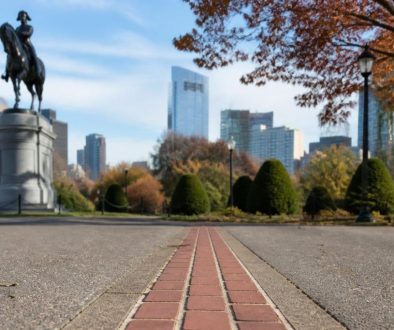
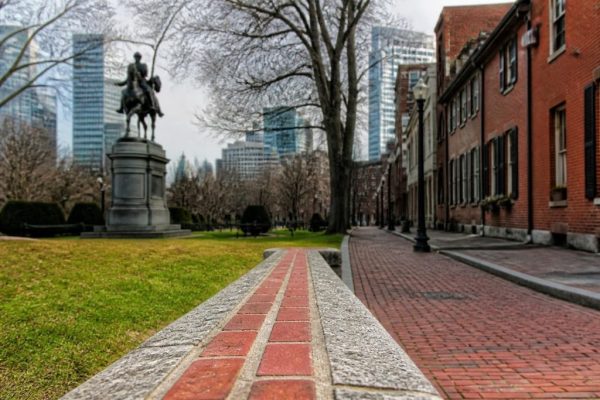
The self guided Freedom Trail begins at Boston Common, America's oldest public park, and winds through the city following a distinctive red-brick path. This marked route ensures that even first-time visitors can navigate with confidence, making it an ideal choice for those who appreciate independence while exploring historical destinations.
Unlike traditional guided sightseeing tours, a self guided Freedom Trail adventure allows you to control your pace completely. You can spend extra time photographing the Old State House, linger in the Granary Burying Ground reading weathered headstones, or pause for lunch in the North End without worrying about keeping up with a group.
The 16 Historic Sites Along Your Route
The Freedom Trail encompasses locations that witnessed pivotal moments in American history. Each site offers unique insights into the colonial and Revolutionary periods.
Key landmarks include:
- Boston Common and the State House
- Park Street Church and Granary Burying Ground
- King's Chapel and the first King's Chapel Burying Ground
- Boston Latin School site and Old Corner Bookstore
- Old South Meeting House and Old State House
- Boston Massacre Site and Faneuil Hall
- Paul Revere House and Old North Church
- Copp's Hill Burying Ground
- USS Constitution and Bunker Hill Monument
The National Park Service provides comprehensive planning resources that help visitors understand what to expect at each location, including current hours of operation and any temporary closures.
Planning Your Self Guided Freedom Trail Journey
Successful self guided tours require thoughtful preparation. The Freedom Trail can be completed in different timeframes depending on your depth of interest, from a brisk 2-hour walk touching each site briefly to a full-day immersion with museum visits and meal breaks.
Timing and Seasonal Considerations
Spring through fall offers the most comfortable weather for walking, though the trail remains accessible year-round. Summer brings peak crowds, particularly in July and August when families vacation. Consider these seasonal factors:
| Season | Advantages | Considerations |
|---|---|---|
| Spring (March-May) | Moderate temperatures, blooming gardens | Variable weather, pack layers |
| Summer (June-August) | Long daylight hours, all sites open | Crowded, hot, higher prices |
| Fall (September-November) | Beautiful foliage, comfortable walking | Popular season, book ahead |
| Winter (December-February) | Fewer crowds, atmospheric snow scenes | Cold weather, shorter days, some closures |
Most visitors find that starting early in the morning provides the best experience. Sites open progressively throughout the morning, and you'll avoid both crowds and afternoon heat during summer months.
Creating Your Self Guided Itinerary
The beauty of a self guided Freedom Trail tour lies in customization. Some travelers prioritize Revolutionary War battles, others focus on colonial daily life, and many seek photo opportunities at iconic locations.
Half-day itinerary (4-5 hours):
- Start at Boston Common Visitor Information Center (obtain free map)
- Walk to Massachusetts State House for exterior viewing
- Visit Park Street Church and Granary Burying Ground
- Tour Old South Meeting House (admission fee)
- Walk through Faneuil Hall and Quincy Market for lunch
- Continue to Paul Revere House and Old North Church
- End at North End for Italian pastries
Full-day comprehensive tour (7-8 hours):
Follow the complete 16-site route with extended stops at museums and historic houses. This pace allows for guided components at specific sites that offer ranger talks or docent tours while maintaining overall independence.
The Freedom Trail Foundation offers detailed maps and itineraries that can be downloaded and customized based on your interests and physical abilities.
Navigation Tools and Resources for Independent Explorers
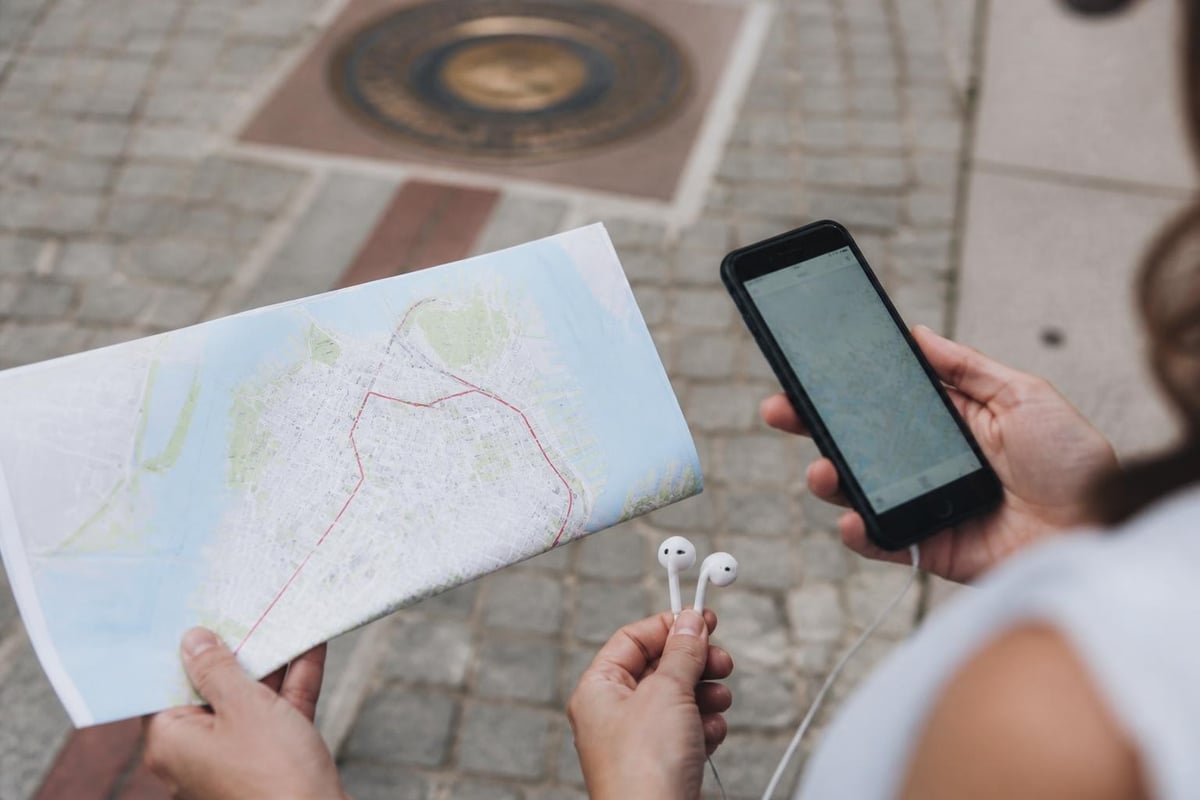
Modern technology has transformed self guided exploration, offering navigation aids that previous generations could never have imagined. However, traditional paper maps remain valuable backup resources, particularly in areas with spotty cellular service.
Digital Navigation Options
Smartphone apps designed specifically for the Freedom Trail provide GPS navigation, historical audio commentary, and offline map capabilities. The official Freedom Trail app includes narrated stops at each of the 16 sites, archival images, and options for different tour lengths.
For those interested in the technical aspects, Mapbox documentation on offline maps explains how mobile applications can cache map data for use without cellular connection, ensuring uninterrupted navigation throughout your walk.
Benefits of app-based navigation:
- Real-time positioning along the trail
- Audio commentary triggered by GPS location
- Ability to skip or revisit sites easily
- Integrated information about operating hours
- Emergency services and facilities locator
Accessibility Considerations
The self guided Freedom Trail accommodates visitors with various mobility needs, though some historic sites present challenges due to their age and original construction. The NPS accessibility guidelines for interpretive media ensure that official materials meet Section 508 compliance standards for people with disabilities.
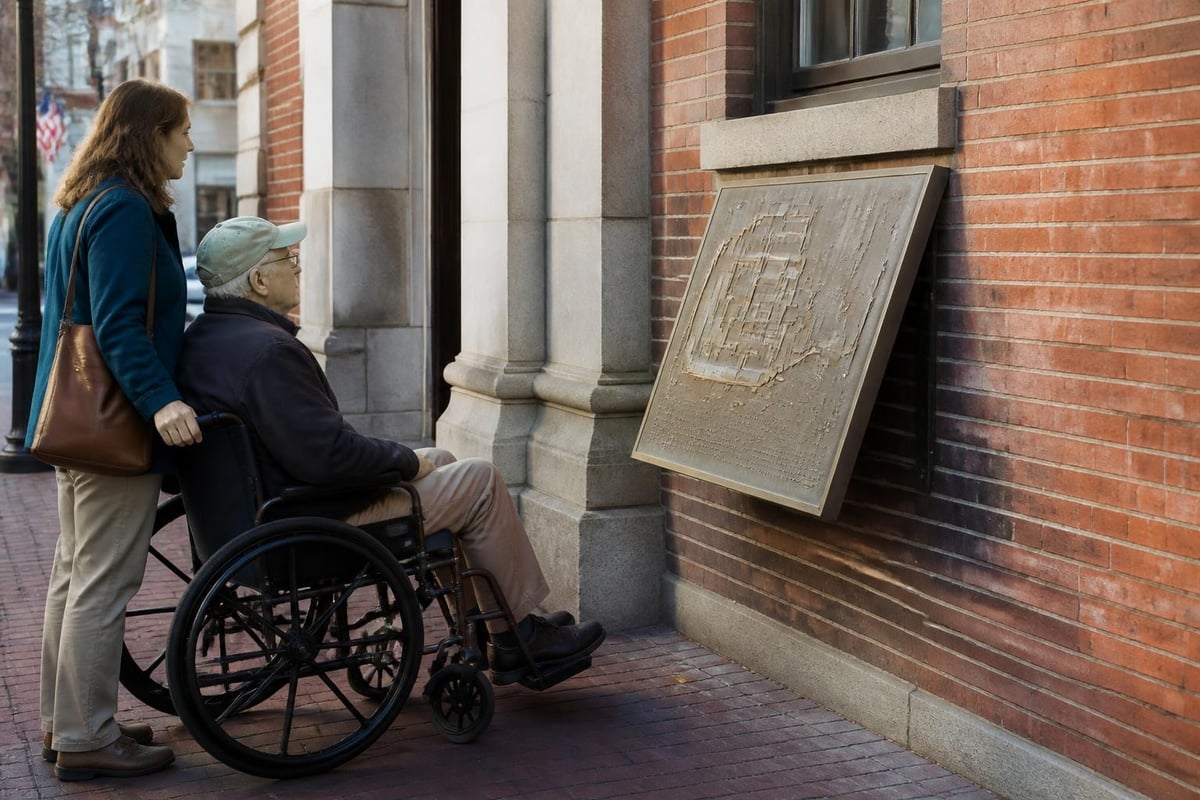
Most of the trail follows sidewalks that meet ADA standards, though cobblestone sections in historic areas may prove challenging for wheelchairs or strollers. Several sites offer alternative accessible entrances, and tactile maps assist visually impaired visitors at major stops.
Enhancing Your Self Guided Freedom Trail Experience
While the marked path provides the basic framework, enriching your self guided Freedom Trail adventure requires additional research and preparation. Understanding historical context transforms a simple walk into a meaningful journey through America's founding story.
Pre-Visit Research and Educational Resources
Reading about the American Revolution before your visit dramatically increases comprehension and appreciation. Many travelers find that exploring specific themes-such as women in the Revolution, African American patriots, or the economics of colonial trade-provides focus and depth.
The National Park Service offers downloadable educational materials covering each trail site in detail. These resources include primary source documents, archaeological findings, and scholarly interpretations that reveal layers of history beyond plaques and markers.
Combining Self Guided Exploration with Expert Insights
One effective approach blends independent exploration with scheduled expert-led components. For example, you might walk the trail independently but join a ranger program at the Old State House or book a specialized tour of the USS Constitution.
This hybrid model mirrors the philosophy behind tailored tours that respect individual preferences while providing expert knowledge at crucial moments. Just as personalized experiences in Stockholm allow travelers to focus on specific interests, a thoughtfully planned self guided Freedom Trail tour can incorporate expert commentary where it adds maximum value.
Photography and Documentation
The Freedom Trail provides exceptional photography opportunities throughout its route. Golden hour lighting (early morning or late afternoon) enhances the historic architecture, particularly at sites like the Old North Church and Paul Revere House.
Photography tips for self guided visitors:
- Capture context shots showing the red-brick path winding through modern Boston
- Document architectural details that reveal colonial construction methods
- Photograph interpretive signage for later reference
- Take images at less popular sites that crowds often rush past
- Record your journey chronologically to create a visual narrative
Advanced Planning for Serious History Enthusiasts
Those with deep historical interests can extend the basic self guided Freedom Trail into a multi-day exploration of Revolutionary Boston. This approach allows time for archival research, specialized museum collections, and sites beyond the main trail.
Extended Itineraries and Side Excursions
The official trail represents only a fraction of Revolutionary War sites in the Boston area. Nearby locations like the Boston Tea Party Ships & Museum, the Warren Tavern in Charlestown, and sites across the harbor in Dorchester Heights offer additional historical context.
| Site Type | Examples | Time Required | Best For |
|---|---|---|---|
| Museum deep-dives | Museum of Fine Arts, Boston Tea Party Museum | 2-3 hours each | Art, artifacts, interactive exhibits |
| Historic neighborhoods | Beacon Hill, North End, Charlestown | Half to full day | Architecture, atmosphere, dining |
| Revolutionary sites | Dorchester Heights, Cambridge Common | 2-4 hours | Military history, strategic planning |
| Literary connections | Boston Public Library, Parker House | 1-2 hours each | Literature, intellectual history |
Similar to how literary adventures following Stieg Larsson’s footsteps reveal layers of Stockholm beyond the obvious tourist route, exploring Boston's lesser-known Revolutionary sites uncovers stories that enriched the familiar Freedom Trail narrative.
Research and Academic Resources
Recent scholarship continues to reveal new perspectives on the American Revolution and the sites along the Freedom Trail. Academic journals publish findings from archaeological digs, analysis of newly discovered documents, and reinterpretations of familiar events through different cultural lenses.
A 2024 research article on mobile mapping systems for historic heritage demonstrates how modern surveying technology creates detailed digital models of historic sites, helping preserve them for future generations while enabling virtual exploration for those unable to visit in person.
Practical Logistics for Your Self Guided Adventure
Beyond historical knowledge and navigation, practical considerations ensure a comfortable and successful self guided Freedom Trail experience. Boston's compact geography makes the trail walkable, but urban logistics require attention.
Transportation and Parking
Most visitors find public transportation the most efficient way to reach the Freedom Trail. Boston's subway system (the "T") provides service to multiple points along the route, with the Park Street station offering the most convenient access to the trail's starting point at Boston Common.
Transportation options:
- MBTA subway: Red and Green lines to Park Street
- Bus service: Multiple routes serve downtown Boston
- Water taxi: Scenic approach from Logan Airport or harbor islands
- Parking garages: Limited and expensive; pre-book if driving
- Bike share: BlueBikes stations throughout the route
Walking remains the intended mode of experiencing the trail itself. Comfortable footwear is essential, as you'll cover 2.5 to 3 miles minimum, with additional distance if you explore museum interiors or take detours.
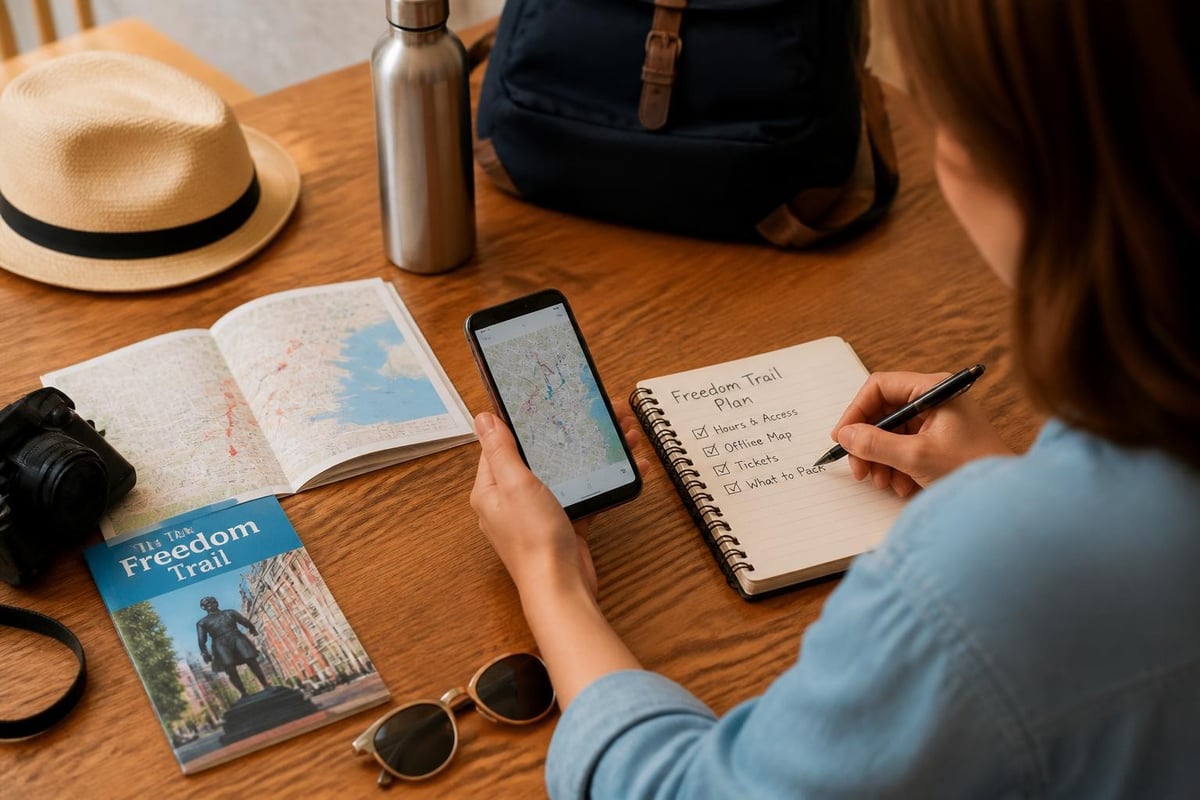
Admission Fees and Combination Tickets
While walking the trail itself costs nothing, several sites charge admission for interior access. Planning your budget and potentially purchasing combination tickets saves money for visitors who want comprehensive access.
Admission structure:
- Free sites: Boston Common, State House tours, Granary Burying Ground, Boston Massacre site, Faneuil Hall, Copp's Hill Burying Ground
- Paid sites: Old South Meeting House, Old State House, Paul Revere House, USS Constitution Museum
- Donation-based: Old North Church, King's Chapel
- National Park Service sites: Some ranger programs free; special events may require tickets
Combination passes offer discounted access to multiple historic houses and museums. Evaluate these against your actual itinerary, as many visitors find they prefer spending time at fewer sites rather than rushing through many locations.
Food, Rest, and Facilities
The trail passes through several neighborhoods with diverse dining options. Planning meal and rest stops prevents fatigue while providing opportunities to experience Boston's culinary culture.
Quincy Market and Faneuil Hall offer numerous quick-service options at mid-trail. The North End, Boston's historic Italian neighborhood, provides excellent restaurants and cafes near the trail's northern section. Many travelers schedule lunch here, combining rest with authentic Italian cuisine.
Public restrooms are available at the Boston Common Visitor Center, Faneuil Hall, and the USS Constitution Museum. Several sites along the route provide water fountains, though carrying a refillable water bottle is recommended.
Technology and Innovation in Self Guided Tours
The evolution of self guided touring continues to accelerate with technological advances. Modern travelers expect seamless digital experiences that enhance rather than distract from historical immersion.
Open-Source Mapping and Community Resources
Beyond commercial apps, open-source mapping projects provide alternatives for tech-savvy travelers who prefer customizable navigation tools. The OpenStreetMap offline usage guide explains how developers and advanced users can create personalized offline maps using crowd-sourced geographic data.
These technical resources appeal particularly to international travelers concerned about data roaming charges or those visiting from locations where commercial apps may not function optimally.
Audio Tours and Multimedia Content
The National Park Service offers audio tour resources that can be downloaded before your visit, ensuring access regardless of cellular connectivity. These professionally produced audio guides feature historians, park rangers, and reenactors who bring historical events to life through narrative storytelling.
Many self guided visitors create hybrid experiences by combining official audio content with podcasts, documentaries, and even period music to enhance atmosphere during their walk. This personalized multimedia approach mirrors how modern English-speaking guides blend factual information with engaging storytelling to create memorable experiences.
Comparing Self Guided and Professionally Guided Experiences
Both self guided and professionally guided tours offer distinct advantages. Understanding these differences helps travelers choose the approach that best matches their priorities, learning style, and travel circumstances.
Advantages of Self Guided Freedom Trail Tours
Independence stands as the primary benefit. You control timing, pace, and focus areas without conforming to group dynamics. This flexibility proves especially valuable for families with young children, photographers who need time to compose shots, or scholars conducting research.
Self guided benefits:
- Start and finish at times convenient to your schedule
- Spend more time at sites that interest you personally
- Take breaks when needed without feeling rushed
- Cost-effective option for budget-conscious travelers
- Revisit favorite sites multiple times
- Integrate the trail into a broader Boston itinerary seamlessly
When Professional Guidance Adds Value
Certain aspects of history benefit significantly from expert interpretation. Professional guides provide context that written materials cannot convey, answer questions in real-time, and share stories that bring historical figures to life as real people rather than names on plaques.
For complex historical topics-the economic causes of the Revolution, the role of various social classes, or the military strategy behind specific battles-expert guidance often deepens understanding beyond what self guided research achieves. This parallels how professional tour guides in any city reveal layers of meaning that independent exploration might miss.
Seasonal Variations and Special Events
The self guided Freedom Trail experience changes throughout the year, with seasonal events, weather patterns, and tourist volumes creating distinct atmospheres during different periods.
Annual Events and Historical Commemorations
Boston celebrates its Revolutionary heritage throughout the year, with concentrated activities around patriotic holidays. These events often provide enhanced programming along the Freedom Trail, from reenactments to special ranger talks.
Notable annual events:
- Patriots' Day (third Monday in April): Reenactments of Paul Revere's ride and battles at Lexington and Concord
- Bunker Hill Day (June 17): Commemoration at the battle site with ceremonies and historical programs
- Independence Day: Readings of the Declaration of Independence, colonial music, and fireworks
- Harbor Illumination (early December): Colonial lantern lighting along the waterfront
Planning your self guided Freedom Trail visit around these events adds depth and atmosphere, though expect larger crowds during peak celebrations.
Weather Preparation Throughout the Year
Boston's four-season climate demands different preparation depending on visit timing. Summer humidity can prove challenging during midday walks, while winter snow and ice create both beauty and navigational difficulties.
Layered clothing works best for spring and fall, when temperatures fluctuate throughout the day. Summer visitors should carry water, sunscreen, and sun protection. Winter explorers need warm, waterproof outerwear and traction devices for icy sidewalks.
Making the Most of Your Historical Journey
A successful self guided Freedom Trail experience combines careful planning with flexibility, historical knowledge with personal discovery, and respect for the past with enjoyment of the present.
Documenting Your Experience
Many travelers find that journaling, sketching, or maintaining detailed photo documentation enhances both the immediate experience and long-term memory. Recording personal reactions to historical sites, questions that arise during the walk, and connections between past and present creates a valuable record beyond simple tourism.
Some visitors approach the trail as a learning project, creating research notebooks that combine historical facts, personal observations, and follow-up questions for later investigation. This scholarly approach transforms casual sightseeing into meaningful historical engagement.
Sharing and Preserving Historical Knowledge
The self guided Freedom Trail experience often inspires visitors to share what they've learned with others, whether through social media, travel blogs, or conversations with friends and family. This knowledge transmission serves the broader purpose of historical preservation, keeping Revolutionary history relevant for new generations.
Contributing reviews, photography, and observations to travel platforms helps future visitors plan more effectively. Constructive feedback about trail conditions, site accessibility, or navigation challenges assists organizations like the National Park Service and Freedom Trail Foundation in maintaining and improving the experience.
A self guided Freedom Trail journey offers unmatched flexibility for exploring American Revolutionary history at your own pace while providing the structure needed for comprehensive discovery. Whether you're drawn to military history, colonial architecture, or the personal stories of Revolutionary figures, this iconic Boston trail adapts to your interests and schedule. If you're inspired by the concept of personalized historical exploration, Adding:tours brings the same philosophy to Stockholm, where our native English-speaking guides create tailored experiences for small groups-from Old Town walking tours to literary adventures following Stieg Larsson's footsteps, each journey designed around your unique interests and delivered at a pace that lets you truly connect with the city's rich heritage.