Small Group Irish Tours: Your Complete 2026 Guide
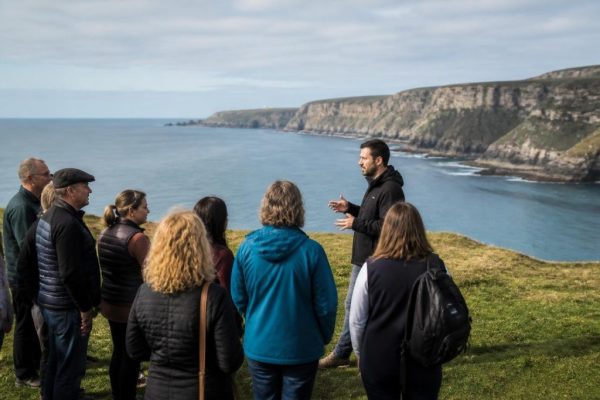
Exploring Ireland with a small group transforms a standard vacation into an intimate, personalized adventure. Unlike large coach tours where you're one face among dozens, small group Irish tours offer meaningful connections with fellow travelers, deeper engagement with local culture, and the flexibility to adapt your itinerary based on group interests. This approach to Irish exploration has gained significant momentum in 2026, as travelers increasingly seek authentic experiences over mass-market tourism. Whether you're wandering through ancient Celtic ruins, sampling craft whiskey in a family-run distillery, or listening to traditional music in a cozy pub, the small-group format ensures you experience Ireland's magic without the crowds.
Why Small Group Irish Tours Stand Out in 2026
The travel landscape has shifted dramatically toward personalized, meaningful experiences. Small group Irish tours typically accommodate between six and sixteen participants, creating an environment where guides can share insider knowledge and travelers can form genuine connections.
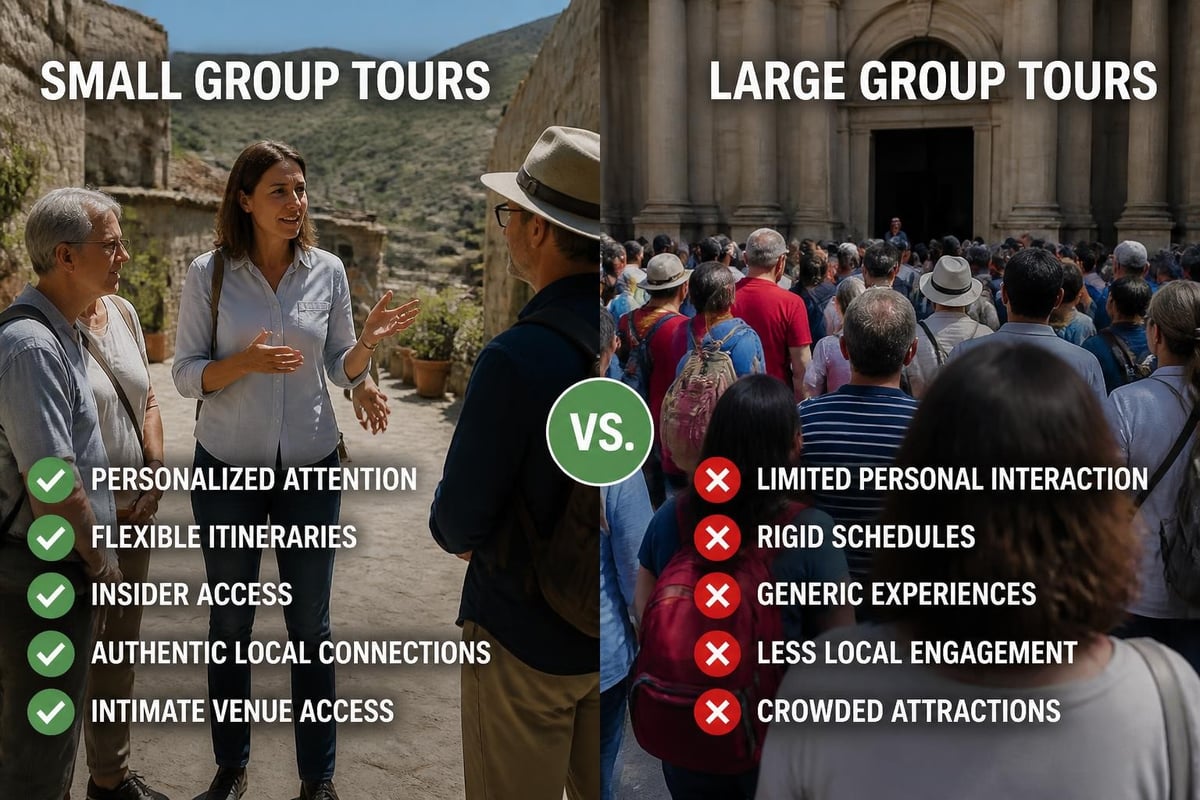
This intimate format delivers several distinct advantages over traditional tour models. Personalized attention from your guide means every question gets answered, every interest gets explored, and every traveler feels valued. Your guide can adjust the day's pace, spend extra time at locations that captivate your group, or skip attractions that don't resonate.
Accessibility becomes a major benefit when navigating Ireland's narrow medieval streets and remote coastal paths. Small groups can explore locations that large coaches simply cannot reach, including hidden villages, unmarked archaeological sites, and family-owned establishments that don't accommodate crowds.
The Flexibility Factor
Small group formats allow for spontaneous discoveries that make trips memorable. When your guide spots a traditional music session starting early at a local pub, or a farmer's market featuring artisan cheeses, your small group can pivot instantly. This agility mirrors the approach taken by professional tour guides who prioritize authentic experiences over rigid schedules.
The seasonal patterns analyzed in Tourism Ireland’s market reports reveal that spring and autumn increasingly attract sophisticated travelers seeking smaller, quality-focused experiences rather than peak-season crowds.
Planning Your Small Group Irish Tour Experience
Strategic planning elevates a good Irish tour into an exceptional one. Understanding what distinguishes quality operators from mediocre ones protects your investment and ensures memorable experiences.
Evaluating Tour Operators
| Criterion | Quality Indicator | Red Flag |
|---|---|---|
| Group Size | 6-16 participants maximum | Vague "small group" claims without numbers |
| Guide Credentials | Native expertise, formal training, storytelling ability | Generic scripted tours |
| Itinerary Flexibility | Built-in free time, adaptable schedule | Every minute regimented |
| Accommodation | Character properties, local guesthouses | Generic chain hotels exclusively |
| Sustainability Practices | Environmental commitments, local partnerships | No mention of responsible tourism |
When reviewing operators, examine their commitment to sustainable practices. The Green Hospitality accreditation program sets standards that responsible small-group operators increasingly adopt, reducing environmental impact while supporting local communities.
Seasonal Considerations for Small Group Irish Tours
Each season offers distinct advantages for small group travelers:
Spring (March-May) brings milder weather, blooming landscapes, and fewer crowds at major attractions. This season works particularly well for photography-focused groups and those interested in Ireland's gardens and natural beauty.
Summer (June-August) delivers the longest daylight hours and warmest temperatures, though popular sites see increased visitor numbers. Small groups still benefit from better access than large tours, especially at lesser-known locations.
Autumn (September-November) may be the optimal season for small group Irish tours. Comfortable temperatures, autumn colors, harvest festivals, and reduced crowds create ideal touring conditions. According to Tourism Ireland’s market profiles, autumn visitors tend to be more experienced travelers seeking cultural depth over beach weather.
Winter (December-February) appeals to travelers interested in authentic local life without tourist overlay. Traditional festivals, Christmas markets, and cozy pub culture shine during these months. Small groups can secure better accommodation rates and enjoy more meaningful interactions with locals.
Regional Highlights for Small Group Exploration
Ireland's diverse regions each offer unique appeal, and small group formats excel at revealing their distinct characters.
The Wild Atlantic Way
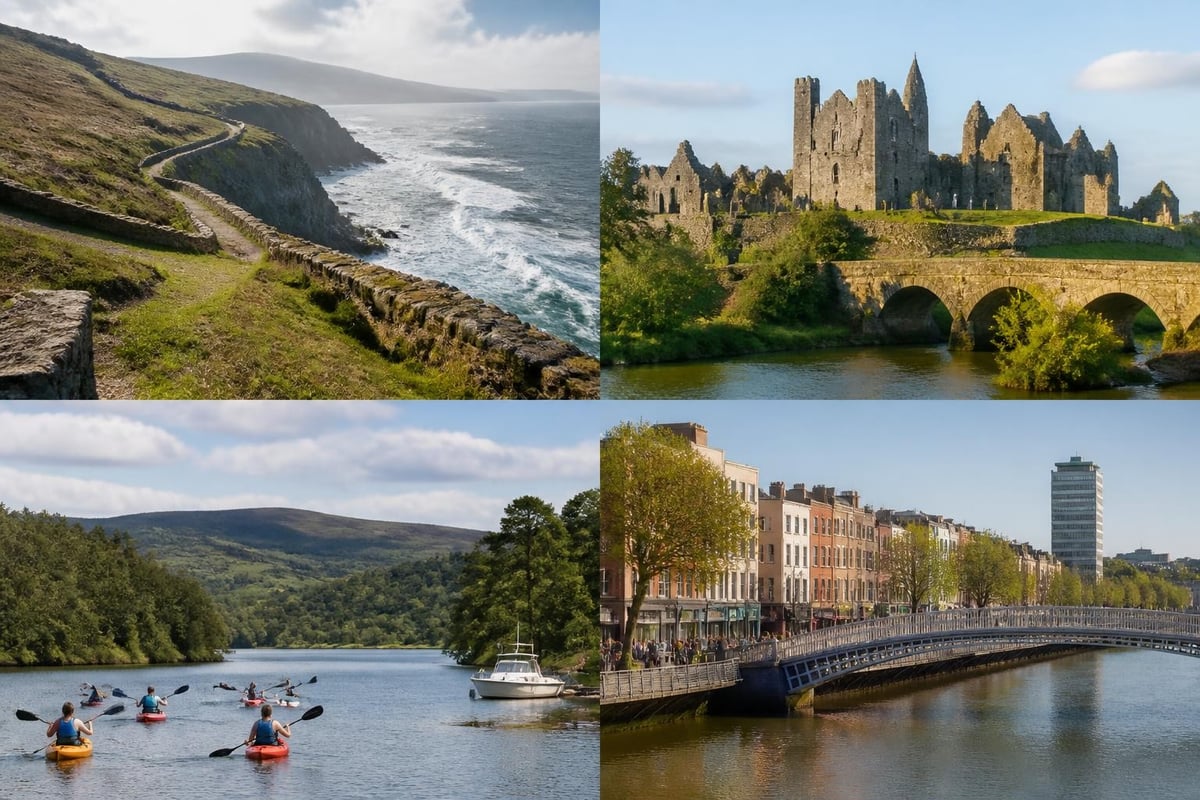
This 1,600-mile coastal route showcases Ireland's dramatic western seaboard. Small groups can navigate the narrow coastal roads that large coaches avoid, stopping at cliffside viewpoints, remote beaches, and fishing villages where you'll interact with locals rather than tour groups.
- Connemara's rugged mountains and pristine lakes
- The Cliffs of Moher from less-crowded northern approaches
- Dingle Peninsula's archaeological treasures and artisan food producers
- Donegal's unspoiled beaches and traditional music strongholds
Ireland's Ancient East
This region encompasses 5,000 years of history across Ireland's sunny southeast. Small group Irish tours here emphasize storytelling and deep historical context impossible to achieve with larger groups.
The Heritage Ireland visitor guidance provides valuable information about accessing historic sites, including considerations for organized groups that help tour operators plan seamless visits to ancient monuments, medieval castles, and Viking settlements.
Hidden Heartlands
Ireland's least-visited region rewards small groups with authentic rural experiences. Shannon River cruises, bog landscapes, and traditional farming communities offer insights into Irish life beyond the tourist trail.
Dublin and Urban Centers
Cities benefit significantly from small-group approaches. Rather than herding through Temple Bar with forty others, intimate groups can explore cultural neighborhoods with guides who know proprietors personally, securing access to workshops, studios, and establishments that don't accommodate large groups.
Creating Meaningful Connections Through Small Group Travel
The social dimension of small group Irish tours often becomes the unexpected highlight. Traveling with a carefully sized group creates natural opportunities for friendship without the isolation of independent travel or the anonymity of large tours.
The Ideal Group Dynamic
Groups of eight to twelve people create optimal dynamics. This size encourages conversation during meals, supports multiple perspectives during guided discussions, and allows everyone to hear the guide without amplification systems. You're likely to find traveling companions who share your interests while maintaining enough diversity to keep conversations engaging.
Many operators carefully curate group composition, considering factors like age ranges, travel styles, and interests. This thoughtful approach mirrors the personalized experiences that define quality small-group touring globally.
Solo Travelers in Small Groups
Small group Irish tours serve solo travelers exceptionally well, providing built-in companionship without requiring you to sacrifice personal space or preferences. The format eliminates single supplement fees with many operators, and you'll never eat dinner alone unless you choose to.
The social structure of small gatherings naturally facilitates conversation and shared experiences while respecting individual boundaries and different energy levels.
Thematic Small Group Irish Tours
Specialized interest tours represent where small groups truly excel. When everyone shares passion for a specific aspect of Irish culture, the collective knowledge and enthusiasm elevate the entire experience.
Literary and Artistic Journeys
Ireland's literary heritage runs deep, from ancient manuscripts to Nobel Prize winners. Small groups can explore:
- James Joyce's Dublin, visiting locations from "Ulysses" with scholars who provide context
- Yeats Country in Sligo, understanding how landscape shaped poetry
- Contemporary literary Dublin, meeting working authors and publishers
- Celtic mythology sites with storytellers who bring ancient tales alive
This approach parallels experiences like following Stieg Larsson’s Stockholm, where location and narrative intertwine to create powerful connections.
Music and Arts Experiences
Traditional Irish music requires intimate settings to appreciate fully. Small group Irish tours focused on music provide:
- Private sessions with master musicians explaining instruments and techniques
- Pub session participation where you learn basic rhythms and join in
- Instrument-making workshops with craftspeople who create tin whistles, bodhráns, and fiddles
- Festival access during events like Fleadh Cheoil with insider guidance
Just as ABBA journeys connect music history with place, Irish music tours link melody, landscape, and cultural identity.
Culinary and Craft Beverage Tours
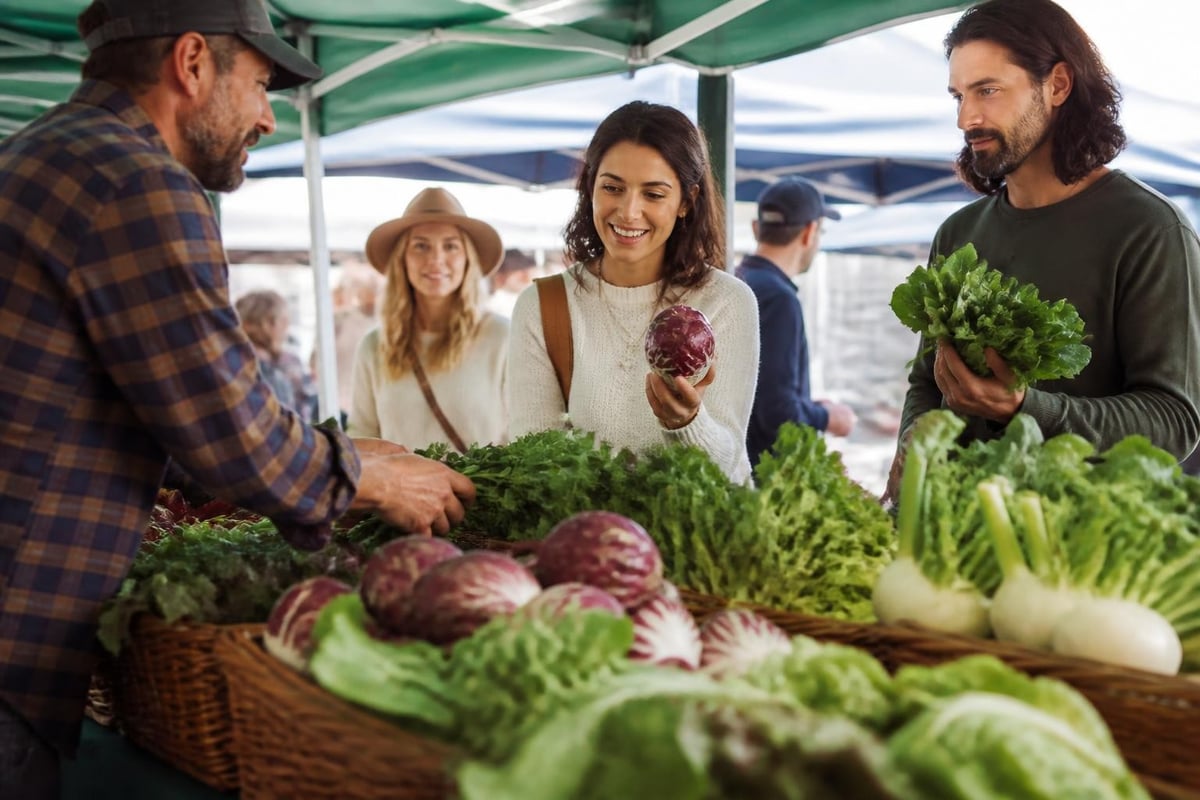
Ireland's food revolution offers rich territory for small groups. Farm-to-table restaurants, artisan cheese makers, craft distilleries, and innovative chefs create experiences designed for intimate groups:
| Experience Type | What You'll Discover | Why Small Groups Matter |
|---|---|---|
| Farmhouse Cheese | Traditional methods, raw milk varieties, aging caves | Producers host small groups personally |
| Craft Distilleries | Whiskey-making process, tastings, barrel selection | Meaningful conversations with distillers |
| Foraging Expeditions | Wild foods, seasonal ingredients, coastal harvesting | Safety and learning require small numbers |
| Cooking Classes | Traditional recipes, modern techniques, market visits | Hands-on participation needs space |
Practical Considerations for Small Group Irish Tours
Understanding logistics ensures your small group experience meets expectations and delivers value for your investment.
Pricing and Value Assessment
Small group Irish tours typically cost more per person than large coach tours but significantly less than private tours. Expect to invest $250-400 per person daily for quality experiences including accommodation, most meals, transportation, entrance fees, and expert guiding.
This premium reflects:
- Superior accommodation in character properties rather than highway hotels
- Experienced guides with deep knowledge and storytelling ability
- Exclusive access to locations and experiences unavailable to large groups
- Quality over quantity with fewer stops but deeper engagement
The Irish Tourism Industry Confederation reports indicate that small-group and personalized touring represents the fastest-growing segment of Irish tourism, with travelers prioritizing experience quality over budget pricing.
Transportation and Logistics
Small groups typically travel in Mercedes Sprinter vans or similar vehicles accommodating 12-16 passengers comfortably. This size navigates Ireland's narrow roads while providing:
- Individual reserved seating with good visibility
- Onboard WiFi and charging ports
- Climate control and comfort features
- Storage for luggage and purchases
The driver-guide model common in small group Irish tours creates efficiency while maintaining the personal connection that makes these experiences memorable.
Accommodation Standards
Quality small-group tours feature carefully selected properties that reflect Irish character:
- Historic manor houses offering authentic period atmosphere
- Family-run guesthouses where proprietors share local knowledge
- Boutique hotels in town centers for easy evening exploration
- Castle accommodations for special occasions and memorable experiences
Location matters as much as comfort. The best operators choose properties within walking distance of evening activities, allowing you to explore independently after group dinners.
Booking and Preparation Strategies
Securing your ideal small group Irish tour requires understanding booking timelines, preparation requirements, and how to maximize your investment.
Booking Timeline Recommendations
Popular small group Irish tours fill quickly due to limited capacity. Follow this timeline:
- 12-18 months ahead: Book tours during peak season (July-August) or special events
- 6-12 months ahead: Secure shoulder season departures (May-June, September-October)
- 3-6 months ahead: Find availability for off-peak travel and last-minute opportunities
Early booking ensures better flight options, preferred departure dates, and time to prepare properly. Some operators offer early-booking discounts that offset advance planning requirements.
Essential Preparation Steps
Beyond standard travel preparation, small group Irish tours benefit from:
- Research group composition by asking operators about typical traveler profiles
- Communicate dietary requirements early so guides can arrange appropriate meals
- Understand physical requirements honestly assessing your fitness for walking components
- Pack strategically for variable weather and casual-elegant dining occasions
- Prepare questions about Ireland's history, culture, and contemporary life
The tailored approach that characterizes quality small-group experiences begins before departure, with operators helping you prepare for maximum enjoyment.
Travel Insurance and Flexibility
Comprehensive travel insurance becomes essential when booking small group Irish tours months in advance. Look for policies covering:
- Trip cancellation for medical reasons and family emergencies
- Medical coverage including evacuation if needed
- Baggage loss and delay protection
- Trip interruption if you must leave mid-tour
Read cancellation policies carefully, understanding what refunds or credits operators provide for various scenarios. Reputable operators offer clear, fair policies that protect both parties.
Maximizing Your Small Group Irish Tour Experience
Getting the most from your investment requires engagement, flexibility, and strategic participation throughout your journey.
Building Rapport with Your Guide
Your guide serves as translator, historian, storyteller, problem-solver, and cultural interpreter. Building positive relationships enhances everyone's experience:
- Ask thoughtful questions that show genuine interest
- Share relevant knowledge or experiences that add perspective
- Respect their expertise while contributing to group discussions
- Provide constructive feedback about pacing and content
- Express appreciation for exceptional efforts
The best guides adapt constantly based on group feedback, creating collaborative experiences rather than delivering scripted presentations. This interactive approach mirrors the insider access and local perspective that defines exceptional guided experiences worldwide.
Embracing Spontaneity
While small group Irish tours follow planned itineraries, the best moments often arrive unexpectedly. When your guide suggests an unplanned stop at a centuries-old holy well, a detour to photograph rainbows over stone walls, or extending lunch to hear a local's story, embrace these opportunities.
The rigid schedule serves as framework, not prison. Flexibility separates memorable tours from merely adequate ones.
Contributing to Group Chemistry
You share responsibility for group atmosphere. Simple actions create positive dynamics:
- Punctuality respects everyone's time and keeps schedules flowing
- Inclusiveness ensures quieter members feel welcomed in conversations
- Patience during others' photo stops or shopping interests
- Humor about inevitable travel mishaps and weather surprises
- Generosity sharing discovered knowledge, restaurant recommendations, or travel tips
Small groups function as temporary communities. Your contributions shape the experience for everyone.
Documentation and Reflection
Capturing your small group Irish tour enriches both immediate experience and long-term memories:
- Daily journaling while details remain fresh
- Selective photography balancing documentation with presence
- Collecting ephemera like ticket stubs, menus, and local maps
- Recording names and contact information for guides and fellow travelers
- Note-taking during presentations for later reference and research
These practices deepen engagement during the tour while creating resources for future reflection and sharing.
Small group Irish tours deliver personalized exploration, authentic cultural connections, and memories that last far beyond your return flight. The intimate format combines expert guidance with flexibility, insider access with meaningful relationships, and structured itineraries with spontaneous discoveries. Whether you're drawn to Ireland's ancient history, vibrant contemporary culture, dramatic landscapes, or welcoming people, small group experiences reveal the country's soul in ways large tours cannot match. While Adding:tours specializes in creating personalized Stockholm experiences for small gatherings and private groups, the same principles of tailored itineraries, insider knowledge, and intimate group dynamics apply wherever you explore. The right small-group tour transforms sightseeing into genuine discovery and strangers into lifelong friends.