

To Go Tours: The Future of Flexible Travel Experiences
The travel industry has experienced a fundamental shift in how visitors engage with destinations. Modern travelers increasingly seek experiences that balance expert guidance with personal freedom, leading to the rise of to go tours. These flexible touring options allow groups and individuals to explore at their own pace while still benefiting from curated content and insider knowledge. Whether delivered through digital platforms, downloadable audio, or customizable private experiences, to go tours represent a response to contemporary expectations for autonomy, accessibility, and personalization in travel.
Understanding the To Go Tours Model
To go tours fundamentally reimagine the relationship between travelers and guided experiences. Rather than adhering to fixed schedules with large groups, these tours provide the framework and expertise of professional guiding while granting visitors control over timing, pace, and depth of exploration.
The concept encompasses several delivery methods. Self-guided audio tours allow visitors to download content and explore independently, while private customizable tours enable small groups to work with guides who adapt itineraries in real time. Hybrid models combine pre-recorded content with live assistance, and app-based platforms deliver multimedia experiences that visitors can pause, rewind, or extend as desired.
Key Benefits for Tour Operators
Tour companies adopting to go tours models discover multiple operational advantages:
- Scalability: Digital content reaches unlimited visitors without proportional staffing increases
- Accessibility: Multiple delivery formats accommodate diverse visitor needs and preferences
- Revenue diversification: Operators can serve both in-person and remote audiences simultaneously
- Resource optimization: Guides focus on high-value personalized experiences rather than repetitive standard tours
- Extended reach: Visitors can engage with content before, during, and after their physical visit
When Adding:tours designs personalized experiences for private groups, the flexibility inherent in smaller gatherings allows guides to adjust pacing and content depth based on real-time feedback, creating a premium version of the to go concept.
Designing Effective To Go Tour Content
Creating compelling to go tours requires different skills than traditional live guiding. The Texas Historical Commission heritage tourism guidebook offers valuable frameworks for balancing interpretation with visitor autonomy, emphasizing narrative structure and layered content delivery.
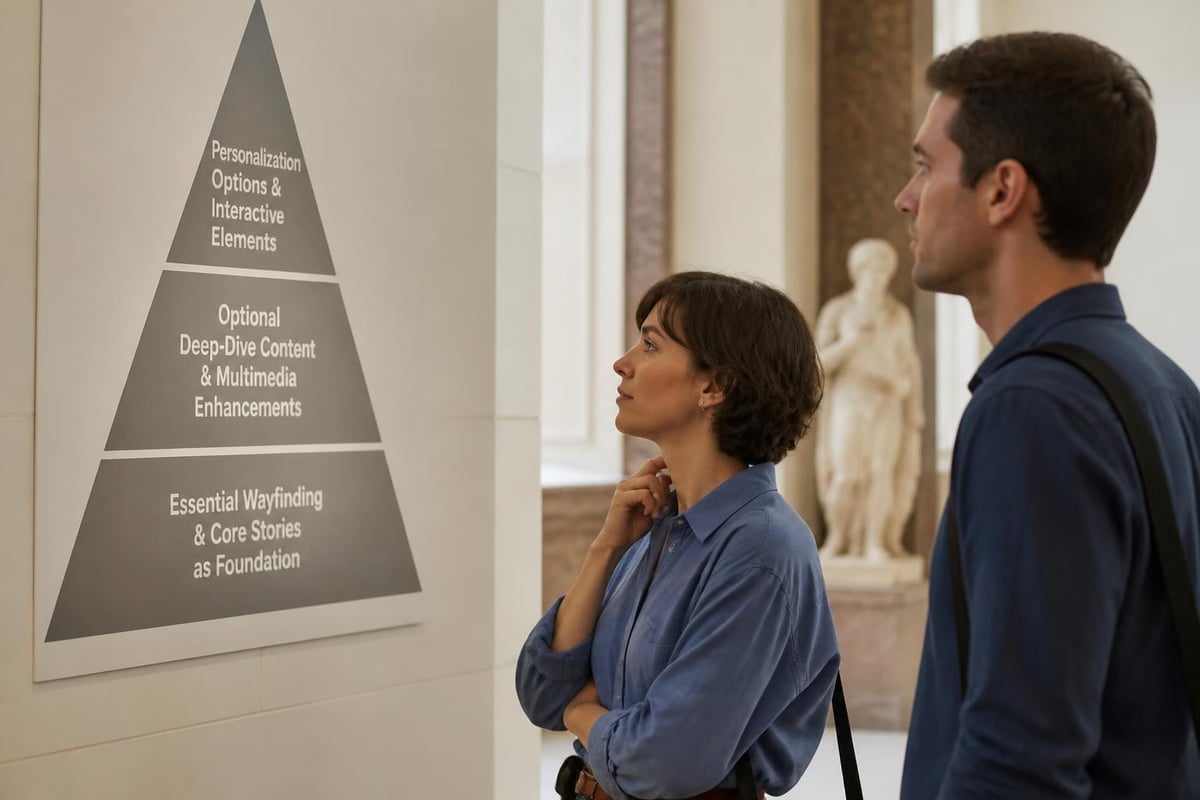
Successful to go tours typically include these components:
- Clear navigation: Visitors need intuitive wayfinding whether using maps, apps, or written directions
- Layered storytelling: Essential information supplemented by optional deeper content for engaged learners
- Sensory engagement: Visual, auditory, and kinesthetic elements that work across delivery platforms
- Contextual flexibility: Content organized so visitors can follow linearly or jump between points of interest
- Local authenticity: Insider perspectives and lesser-known details that differentiate professional content from generic guidebooks
Scripting for Self-Guided Delivery
Writing for to go tours demands precision and engagement without live interaction. The Cambridge University Press chapter on self-guided tours examines pedagogical principles applicable to tourism, including attention management, cognitive load, and multimodal reinforcement.
Effective scripts incorporate conversational language that feels personal rather than institutional. They anticipate questions, provide context before details, and use vivid descriptions that help visitors notice elements they might otherwise overlook. Duration matters: segments should typically run three to seven minutes to maintain engagement without causing fatigue.
Technology Platforms and Distribution
The technical infrastructure supporting to go tours has matured significantly, offering operators numerous options for content delivery and visitor engagement.
| Platform Type | Best For | Implementation Complexity | Typical Cost |
|---|---|---|---|
| Dedicated Apps | Branded experiences with rich media | High | $15,000-$50,000+ development |
| GPS-triggered Audio | Outdoor/walking tours with automatic waypoints | Medium | $5,000-$20,000 platform fees |
| Web-based Guides | Quick deployment, device-agnostic access | Low | $500-$3,000 annually |
| Downloadable Content | Offline access in areas with poor connectivity | Low | Minimal (hosting only) |
| QR-code Systems | Low-tech distribution at physical locations | Low | $200-$1,000 setup |
The U.S. National Park Service provides extensive operational guidance for implementing self-guided audio tours, including technical specifications, accessibility requirements, and best practices developed across hundreds of sites.
For operators focused on private guided trips, technology serves as enhancement rather than replacement. Digital materials can provide pre-tour context, supplement live narration with visuals, or extend the experience through post-tour resources.
Accessibility and Inclusion in To Go Tours
Universal design principles elevate to go tours from convenient to essential for many visitors. G3ict publications on digital inclusion in museums and cultural sites outline standards for making self-guided content accessible to people with disabilities.
Multi-Sensory Design Considerations
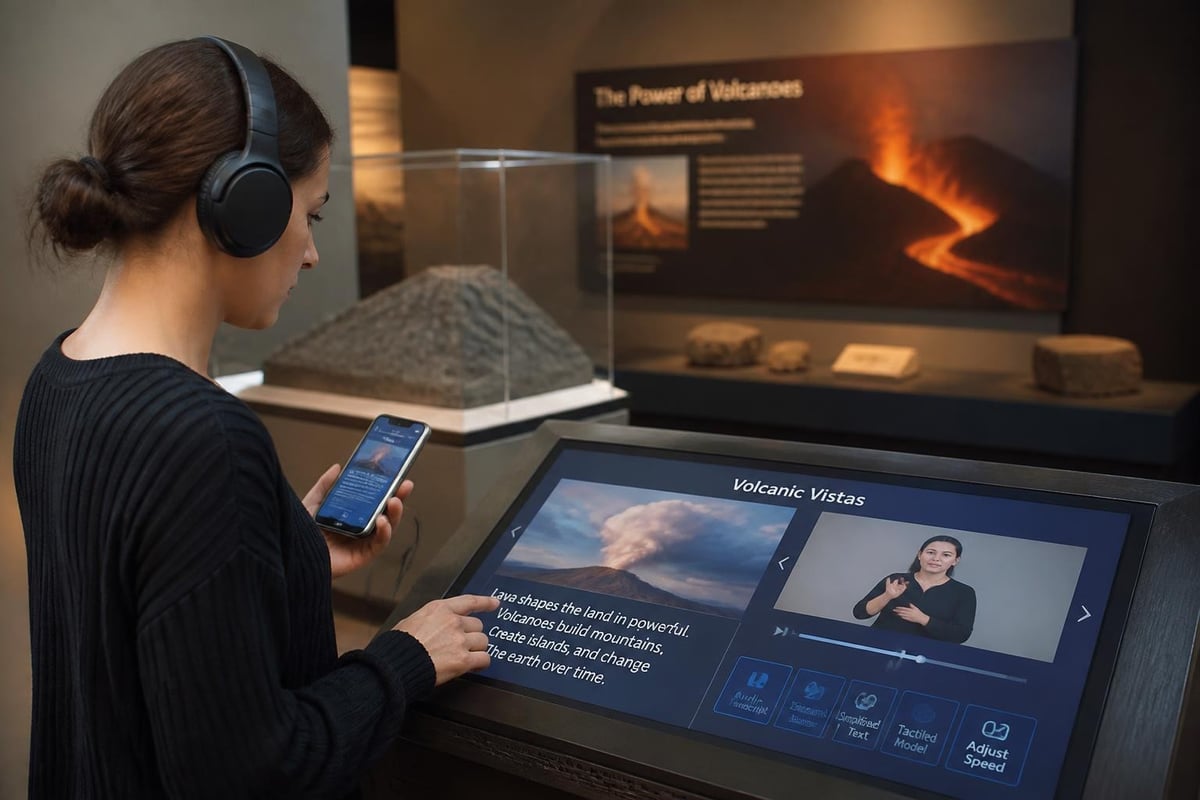
To go tours should accommodate diverse sensory needs:
Visual accessibility includes high-contrast interfaces, screen-reader compatibility, alternative text for images, and tactile maps or models at physical locations. Auditory accessibility requires accurate transcripts, captioning for video content, visual cues for audio-triggered content, and sign language interpretation for key narratives.
Cognitive accessibility involves clear language at appropriate reading levels, consistent navigation patterns, options to control pace and complexity, and simplified alternatives for dense information.
The Library of Congress resources on accessible cultural heritage experiences demonstrate how institutions deliver inclusive audio-descriptive tours that serve both standalone accessibility and general audience enrichment.
Recent practical examples, such as the English Heritage Stonehenge access guide, showcase multimodal delivery including downloadable audio, British Sign Language video alternatives, and sensory-friendly tour options, all available as to go resources.
Monetization Strategies for To Go Tours
Converting to go tours into sustainable revenue requires thoughtful pricing and packaging. Operators employ several models successfully.
Direct sales involve one-time purchase of downloadable content or app access, typically priced 30-50% below live guided tour rates. Subscription models provide access to multiple tours or ongoing content updates for monthly or annual fees. Freemium approaches offer basic tours free while charging for premium content, extended coverage, or enhanced features.
Bundling strategies combine to go tours with admission tickets, accommodation packages, or transportation, creating perceived value while increasing average transaction size. Corporate licensing allows organizations to provide tours as employee benefits or client entertainment, generating bulk revenue.
For companies like those offering guided excursions in Stockholm, to go elements can serve as pre-experience orientation or post-visit reinforcement, enhancing rather than competing with core live tour offerings.
Hybrid Revenue Models
The most resilient operators blend to go and live experiences strategically:
- Introductory to go content drives bookings for premium private tours
- Live tour participants receive complementary to go resources for independent exploration
- Seasonal variations shift between live and to go offerings based on demand and capacity
- Geographic expansion starts with to go tours, establishing presence before deploying guides
Marketing To Go Tours Effectively
Promoting to go tours requires emphasizing benefits that resonate with target audiences. Convenience-focused travelers respond to flexibility messaging, while value-conscious visitors appreciate cost comparisons. Quality-focused audiences need reassurance about content depth and authenticity.
Content Marketing Approaches
Effective promotional strategies include:
- Sample content: Free preview segments that demonstrate production quality and storytelling approach
- User testimonials: Reviews emphasizing specific benefits like accessibility, family-friendliness, or time savings
- Behind-the-scenes content: Stories about research, guide expertise, and production processes that build credibility
- Comparative guides: Resources helping visitors choose between to go and live options based on their circumstances
Walking tours particularly benefit from to go supplementation, as visitors can preview routes, adjust for mobility needs, and revisit favorite segments at leisure.
Quality Control and Content Updates
Maintaining to go tours requires ongoing investment in accuracy and relevance. Historical content needs periodic fact-checking, location-specific details require updates as venues change hours or access policies, and technological compatibility demands regular testing across devices and platforms.
| Update Category | Recommended Frequency | Priority Level |
|---|---|---|
| Safety/access information | Monthly | Critical |
| Hours, prices, contact details | Quarterly | High |
| Historical facts and dates | Annually | High |
| Technology compatibility | Quarterly | High |
| Narrative refinement | Every 2-3 years | Medium |
| Audio/video rerecording | Every 5-7 years | Medium |
Quality assurance should include user testing with diverse visitor demographics, technical testing across operating systems and devices, accessibility audits by specialists, and content review by subject matter experts.

Integrating To Go Tours with Traditional Offerings
Rather than viewing to go tours as competitors to live guided experiences, forward-thinking operators integrate both models into cohesive portfolios. Each format serves distinct visitor needs and circumstances, and strategic combination amplifies overall value.
Visitors uncertain about commitment appreciate to go options as low-risk introductions to destinations or tour companies. Families with varied age ranges or interests benefit from to go flexibility allowing subgroups to explore different content. Return visitors seeking deeper engagement use to go tours to explore niche topics beyond standard itineraries.
For specialized experiences like the ABBA journey from Stockholm to Viggsö, to go elements can provide background on band history and song lyrics, enriching the live experience without extending its duration.
Training Guides for Hybrid Models
Tour guides working within hybrid models need skills beyond traditional interpretation:
- Content creation: Contributing to script development and multimedia production
- Technology liaison: Helping visitors troubleshoot apps and devices
- Experience design: Recommending personalized combinations of to go and live elements
- Feedback collection: Gathering user insights to improve digital offerings
Professional development for guides should include technical training, instructional design principles, and understanding of accessibility standards to ensure consistent quality across delivery methods.
Data and Analytics for Continuous Improvement
Digital to go tours generate valuable data unavailable from traditional guided experiences. Completion rates reveal which segments maintain engagement and where visitors lose interest. Time-on-segment metrics indicate content that resonates or confuses. Geographic tracking shows actual paths versus intended routes, exposing navigation challenges.
User ratings and qualitative feedback provide direct improvement guidance. Demographic data helps operators understand audience composition and adjust marketing accordingly. Seasonal patterns inform resource allocation and promotional timing.
Privacy considerations require transparent data policies, anonymization of individual user information, compliance with regional regulations like GDPR, and clear opt-in mechanisms for enhanced tracking.
Analytics from to go tours can inform improvements to live experiences as well. Consistently skipped content may need revision or elimination. Highly rated segments suggest topics for expanded coverage. Questions appearing repeatedly in feedback indicate gaps in explanation requiring clarification.
Regional Considerations and Cultural Adaptation
To go tours crossing cultural or linguistic boundaries require careful adaptation. Direct translation rarely suffices; successful localization considers cultural context, local knowledge levels, historical perspectives, and communication norms.
Content appropriate in one region may require modification elsewhere. Humor translates poorly and risks misinterpretation. Historical narratives should acknowledge multiple perspectives without imposing single viewpoints. Local significance may differ from international perception, requiring balanced treatment.
For operators serving international visitors to specific destinations, like those offering sightseeing tours in Stockholm, to go content can provide cultural orientation helping visitors understand Swedish customs, social norms, and practical considerations before arrival.
Future Trends in To Go Tour Development
The evolution of to go tours continues accelerating with technological advances and shifting visitor expectations. Augmented reality overlays will increasingly supplement physical environments with historical reconstructions, contextual information, and interactive elements. Artificial intelligence will enable personalized content selection based on visitor profiles, previous behavior, and expressed preferences.
Voice interaction will replace text-based navigation, making experiences more natural and accessible. Social features will allow visitors to share discoveries, compare experiences, and connect with others exploring similar interests. Gamification elements will increase engagement, particularly for younger audiences and repeat visitors.
Integration with smart city infrastructure will enable seamless transitions between transportation, attractions, dining, and accommodation, with to go tours serving as coordinating framework. Environmental sensors will provide real-time information about crowd levels, weather impacts, and optimal timing for specific experiences.
Despite technological sophistication, the core value proposition remains human expertise and authentic storytelling. Technology serves as delivery mechanism, but compelling narratives, insider knowledge, and genuine connection to place remain essential differentiators between professional to go tours and amateur content.
The flexibility and accessibility of to go tours represent significant opportunities for both operators and visitors seeking personalized experiences. By combining expert curation with visitor autonomy, these models serve diverse needs while maintaining quality and authenticity. Whether you're planning an intimate exploration with family or organizing a small corporate gathering, Adding:tours creates tailored experiences throughout Stockholm that adapt to your group's interests, schedule, and preferences, ensuring every moment reflects the insider perspective and personalized attention that transforms sightseeing into genuine discovery.