Visit Sights: Expert Guide to Memorable Sightseeing Tours
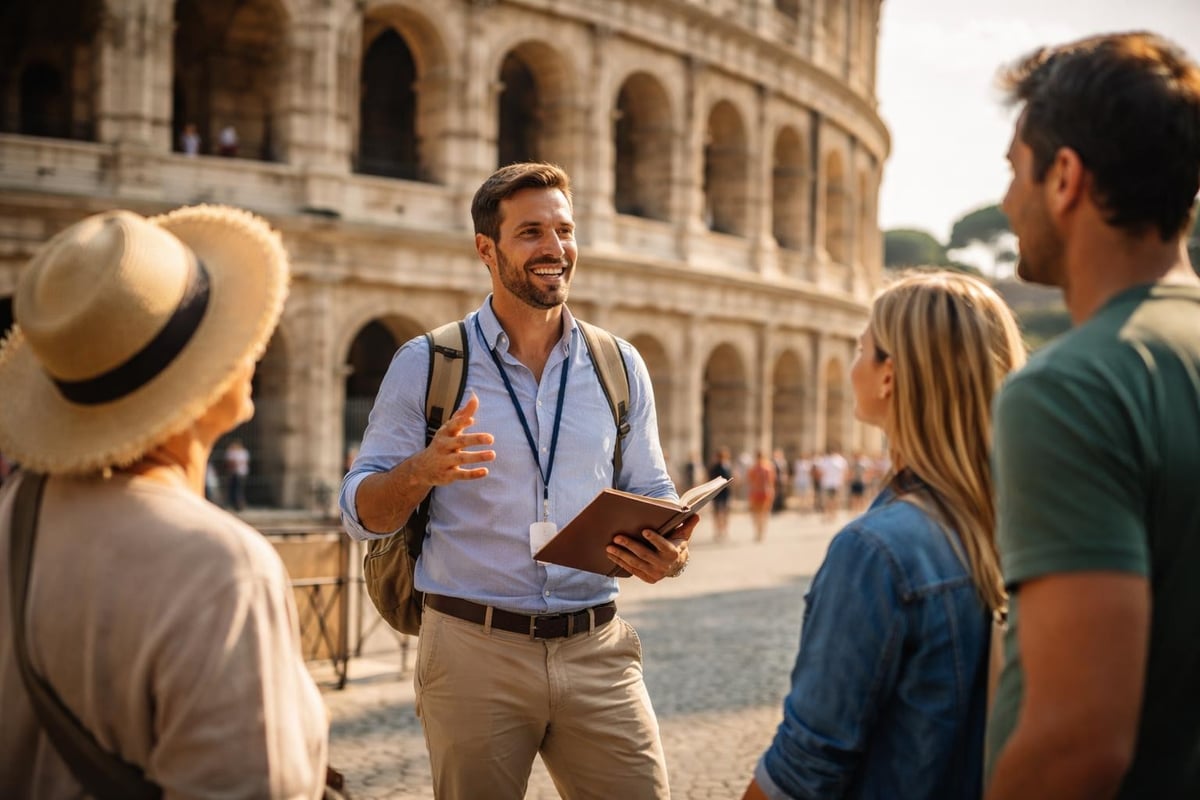
Planning to visit sights in a new destination involves more than simply checking landmarks off a list. The most rewarding travel experiences happen when you discover the stories, history, and culture that bring each location to life. Whether you're exploring ancient architecture, witnessing ceremonial traditions, or following literary trails through narrow alleyways, the way you approach sightseeing fundamentally shapes your journey. Professional guided tours offer travelers the opportunity to transform standard tourist activities into personalized adventures that reveal the authentic character of a destination.
Understanding the Value of Professional Sightseeing
When travelers visit sights with experienced guides, they gain access to insights that independent exploration simply cannot provide. Professional tour guides bring years of knowledge, local connections, and storytelling expertise that illuminate the significance of each location. This depth of understanding transforms buildings, monuments, and streets from photographic backdrops into meaningful experiences.
The Difference Between Seeing and Experiencing
Many tourists rush through destinations, capturing images without truly understanding what they're witnessing. Meaningful sightseeing requires context, narrative, and perspective. A professional tour guide provides the historical background, cultural significance, and personal anecdotes that make locations memorable.
Consider these fundamental differences:
- Surface-level visits: Quick photos, basic facts, limited engagement
- Deep exploration: Historical context, hidden details, local perspectives
- Rushed itineraries: Checklist mentality, exhausting schedules
- Thoughtful pacing: Time to absorb, ask questions, reflect
The travel industry has recognized this shift toward experiential tourism. According to TIME’s World’s Greatest Places for 2024, destinations that offer unique and enriching experiences continue to attract discerning travelers who value quality over quantity.
Personalizing Your Sightseeing Journey
Generic group tours often fail to address individual interests and preferences. When you visit sights as part of a customized experience, every moment aligns with what genuinely fascinates you. Personalized sightseeing recognizes that travelers have diverse motivations, from architectural appreciation to literary pursuits to musical heritage.
Tailoring Tours to Group Interests
Private groups benefit enormously from tailored tours that adapt to specific preferences. Families with children need different pacing and engagement strategies compared to corporate groups or friend gatherings. Small group settings allow guides to adjust explanations, answer detailed questions, and explore tangential topics that spark curiosity.
| Tour Type | Ideal For | Key Benefits |
|---|---|---|
| Family Tours | Multi-generational groups | Age-appropriate content, flexible breaks, interactive elements |
| Corporate Tours | Colleagues and teams | Professional insights, networking opportunities, team building |
| Friend Groups | Social gatherings | Casual atmosphere, shared experiences, memorable moments |
| Literary Tours | Book enthusiasts | Author connections, fictional locations, cultural context |
Customization extends beyond content to logistics. Starting times, walking pace, break frequency, and route selection all contribute to comfort and enjoyment.
Focusing on Specialized Interests
Thematic tours allow visitors to visit sights connected by specific threads of interest. Literary enthusiasts might trace an author's footsteps through urban landscapes, while music lovers explore venues and neighborhoods associated with famous performers. These focused experiences create coherent narratives that deepen appreciation.
Stockholm offers particularly rich opportunities for specialized exploration. The city's role in Stieg Larsson's "The Girl with the Dragon Tattoo" trilogy draws readers to visit sights featured in the novels. Similarly, ABBA's global legacy creates musical pilgrimage opportunities that combine sightseeing with cultural immersion.
Maximizing Historic District Exploration
Historic districts represent concentrated repositories of architectural heritage, cultural evolution, and urban development. When travelers visit sights in these areas, they encounter layers of history compressed into walkable neighborhoods. Old Town walking tours reveal how medieval street patterns, Renaissance facades, and modern life coexist within compact spaces.
Navigating Architectural Treasures
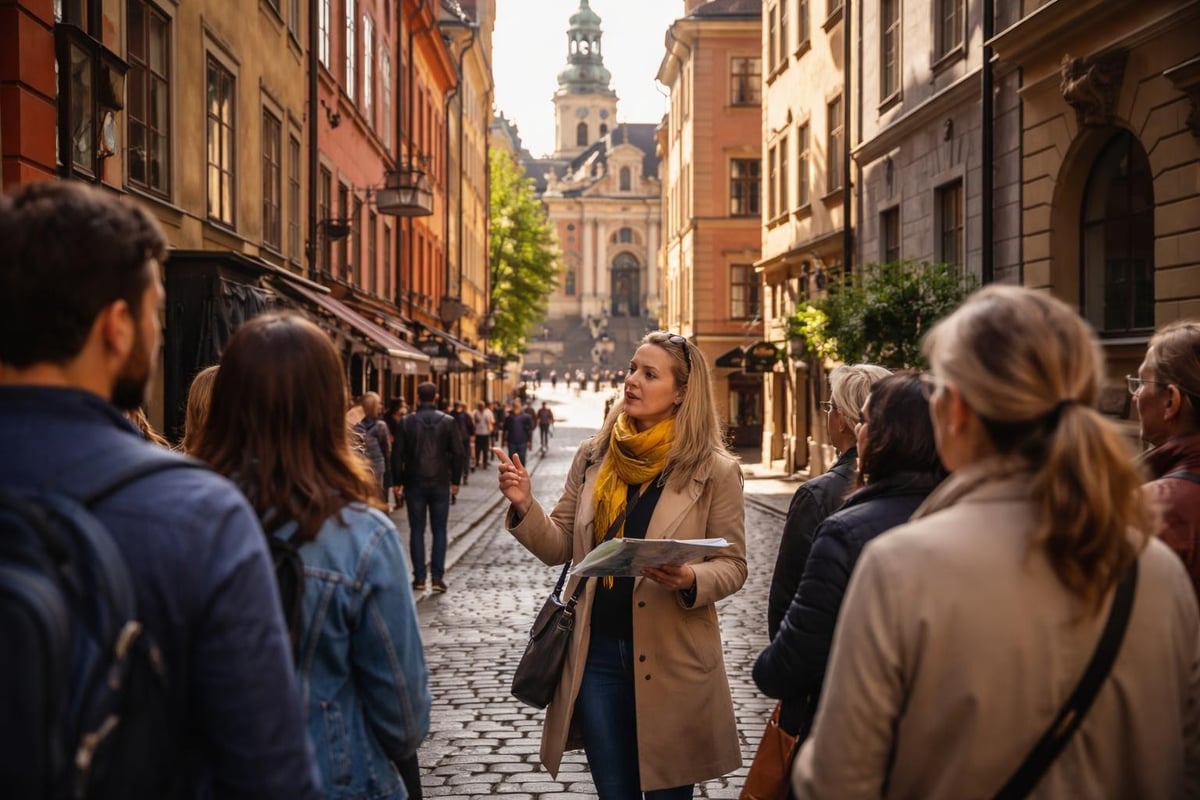
Stockholm's Gamla Stan (Old Town) exemplifies how thoughtful guidance transforms architectural sightseeing. The district's narrow alleys, colorful buildings, and historic squares tell stories spanning centuries. Without expert interpretation, visitors see attractive buildings but miss the significance of architectural details, construction techniques, and historical events.
Key elements professional guides illuminate:
- Architectural style evolution across different periods
- Building purposes and functional transformations
- Historical events connected to specific locations
- Restoration efforts preserving heritage
- Hidden details in facades, doorways, and windows
The Royal Palace's changing of the guard ceremony demonstrates how traditional events enhance sightseeing. This ceremonial spectacle connects modern visitors to Sweden's constitutional monarchy while showcasing military precision and pageantry. Understanding the ceremony's history and significance deepens appreciation beyond visual entertainment.
Leveraging Local Knowledge and Insider Access
Destination expertise separates memorable tours from forgettable ones. When you visit sights with native guides who genuinely know their cities, you access perspectives unavailable through guidebooks or apps. English-speaking guides who are also local residents provide authentic cultural translation while ensuring clear communication.
Understanding the Insider Advantage
Local guides know when to visit sights for optimal experiences. They understand crowd patterns, lighting conditions, and seasonal variations that affect enjoyment. More importantly, they recognize when to deviate from standard routes to reveal hidden gems that most tourists never discover.
Insider knowledge includes:
- Optimal timing: Best hours to avoid crowds, capture photos, experience atmosphere
- Hidden locations: Lesser-known viewpoints, quiet squares, local favorites
- Practical tips: Where to find authentic food, reliable services, genuine crafts
- Current events: Temporary exhibitions, local festivals, recent changes
- Cultural nuances: Social customs, appropriate behavior, local etiquette
This local perspective proves particularly valuable in destinations experiencing tourism growth. National Geographic’s most exciting travel destinations highlights locations where expert guidance helps travelers navigate emerging attractions responsibly.
Building Meaningful Connections
Small group tours facilitate genuine interactions between guides and travelers. This conversational dynamic allows for spontaneous discussions, detailed explanations, and personal recommendations. Guides become cultural ambassadors who help visitors understand not just what they're seeing, but why it matters to local communities.
| Group Size | Interaction Quality | Flexibility | Personal Attention |
|---|---|---|---|
| Large Groups (20+) | Limited | Minimal | Low |
| Medium Groups (10-19) | Moderate | Some | Medium |
| Small Groups (5-9) | High | Significant | High |
| Private Groups (1-4) | Maximum | Complete | Exceptional |
Combining Classic and Creative Sightseeing Approaches
The most satisfying travel experiences balance iconic landmarks with unconventional discoveries. When planning to visit sights, smart travelers include both must-see attractions and creative alternatives that reveal different facets of a destination. Stockholm city tours demonstrate how combining traditional and innovative approaches creates comprehensive understanding.
Honoring Essential Landmarks
Certain attractions define destinations and merit inclusion despite their popularity. The Royal Palace, City Hall, and Vasa Museum represent Stockholm's architectural heritage, political significance, and maritime history respectively. Skipping these landmarks leaves gaps in cultural comprehension.
Professional guides enhance these experiences by:
- Providing historical context that explains significance
- Pointing out details casual observers miss
- Connecting landmarks to broader cultural narratives
- Sharing lesser-known stories about familiar places
- Managing logistics to optimize limited time
Exploring Creative Alternatives
Beyond standard attractions, creative tour concepts appeal to specific interests and offer fresh perspectives. Literary tours, musical journeys, and thematic explorations transform sightseeing into participatory adventures rather than passive observation.
The ABBA experience exemplifies creative sightseeing. Following the legendary group's journey from Stockholm to Viggsö combines musical heritage with scenic beauty, social interaction, and culinary enjoyment. Participants visit sights connected to ABBA's history while creating their own memorable experiences.

Planning Effective Sightseeing Logistics
Even the most interesting destinations become exhausting without proper planning. When you visit sights efficiently, you preserve energy for genuine engagement rather than wasting it on logistical confusion. Strategic planning addresses timing, pacing, transportation, and physical demands.
Optimizing Time and Energy
Thoughtful itinerary design recognizes that quality trumps quantity. Attempting to visit sights rapidly creates fatigue that diminishes enjoyment of each location. Professional tour operators structure experiences to balance activity with rest, movement with reflection.
Effective pacing strategies include:
- Starting with orientation to establish geographic understanding
- Grouping nearby attractions to minimize travel time
- Incorporating breaks at cafes or parks for recovery
- Alternating intensive activities with lighter experiences
- Allowing spontaneous detours when interesting opportunities arise
Addressing Practical Considerations
Physical accessibility, weather preparedness, and group dynamics all influence sightseeing success. Stockholm walking tours account for varying fitness levels by adjusting routes, incorporating rest stops, and offering alternative transportation when needed.
| Consideration | Planning Strategy | Backup Options |
|---|---|---|
| Weather | Check forecasts, prepare accordingly | Indoor alternatives, covered routes |
| Mobility | Assess walking distances, terrain | Transportation options, shorter routes |
| Time Constraints | Prioritize must-sees | Flexible scheduling, condensed versions |
| Group Size | Reserve space, coordinate logistics | Split groups, staggered timing |
Enhancing Sightseeing Through Cultural Context
Truly understanding what you see requires cultural framework. When travelers visit sights without contextual knowledge, they miss the significance that makes locations meaningful. Historical background, social customs, and contemporary relevance all contribute to comprehensive appreciation.
Connecting Past and Present
Stockholm's evolution from medieval trading post to modern capital creates rich opportunities for cultural exploration. City sightseeing tours reveal how historical events shaped current realities, helping visitors understand contemporary culture through historical lens.
Guides who explain Sweden's development provide context for architectural choices, urban planning decisions, and cultural traditions. This temporal perspective transforms static buildings into dynamic records of human creativity and adaptation.
Recognizing Living Culture
Destinations are not museums frozen in time but living communities continuing to evolve. The best sightseeing experiences acknowledge this vitality by connecting visitors with contemporary culture alongside historical heritage. Local restaurants, current events, and modern innovations deserve attention equal to ancient monuments.
When travelers visit sights with this balanced perspective, they develop genuine appreciation rather than superficial familiarity. They understand how traditions adapt, why certain practices persist, and how communities navigate change while preserving identity.
Choosing the Right Tour Partner
Selecting appropriate tour providers significantly impacts sightseeing quality. Rough Guides’ travel destinations emphasizes the importance of meaningful and responsible travel experiences, which begin with choosing operators who prioritize quality over volume.
Evaluating Tour Characteristics
Key factors distinguish exceptional tour experiences from mediocre ones:
- Group size: Smaller groups enable personal attention and flexibility
- Guide expertise: Local knowledge and communication skills matter immensely
- Customization options: Ability to adapt content to interests
- Language proficiency: Clear communication ensures understanding
- Value alignment: Sustainable, respectful, community-focused practices
Understanding Value Beyond Price
The cheapest tours often prove most expensive when measured by disappointment and missed opportunities. When you visit sights with quality-focused operators, higher costs reflect better guides, smaller groups, and superior experiences. This investment pays dividends through memories, understanding, and satisfaction that bargain tours cannot deliver.
Lonely Planet’s Best in Travel destinations highlights how sustainable and value-focused travel creates more meaningful experiences. This philosophy applies equally to tour selection, where authentic expertise justifies premium pricing.
Building Social Connections Through Group Tours
Shared experiences create bonds between travelers who might never otherwise meet. When small groups visit sights together, they develop camaraderie through common discoveries, shared reactions, and collective enthusiasm. These social dimensions add unexpected value to sightseeing adventures.
Creating Memorable Group Dynamics
Well-designed tours facilitate natural interaction without forced socialization. During breaks, at meal stops, and throughout exploration, participants exchange perspectives, share backgrounds, and build friendships. The ABBA journey to Viggsö exemplifies this social element, bringing music lovers together around shared passion while exploring beautiful landscapes.
Benefits of group sightseeing:
- Diverse perspectives enriching understanding
- Shared enthusiasm amplifying enjoyment
- Safety and comfort in unfamiliar environments
- Lasting friendships extending beyond travel
- Cultural exchange among international participants
Balancing Privacy and Community
Private group tours offer different social benefits than mixed groups. Families, friends, and colleagues enjoy exclusive experiences tailored precisely to their relationships. This privacy allows deeper conversations, inside jokes, and personalized pacing impossible in larger gatherings.
Both formats have merit. The choice depends on whether travelers prioritize intimate experiences with known companions or social expansion through new connections.
Planning to visit sights effectively requires balancing iconic landmarks with personalized interests, combining professional expertise with authentic local perspectives, and recognizing that meaningful travel transcends simple tourism. Whether you're exploring historic districts, following literary trails, or celebrating musical heritage, the quality of guidance fundamentally shapes your experience. Adding:tours specializes in creating these transformative sightseeing journeys for private groups and small gatherings throughout Stockholm, offering native English-speaking guides who provide insider access, personalized experiences, and the cultural context that makes every visit truly special.