Your Tour Guide: The Key to Unforgettable Experiences
The difference between a good trip and an extraordinary one often comes down to a single factor: the person leading your journey. Your tour guide serves as the bridge between you and your destination, transforming streets and buildings into stories, and facts into meaningful connections. Whether you're exploring narrow cobblestone alleys in Stockholm's Old Town or following literary footprints through a city's most iconic locations, the right guide elevates every moment from simple observation to genuine understanding. In 2026, as travelers increasingly seek authentic and personalized experiences, the role of a skilled guide has never been more critical.
The Essential Role Your Tour Guide Plays in Travel
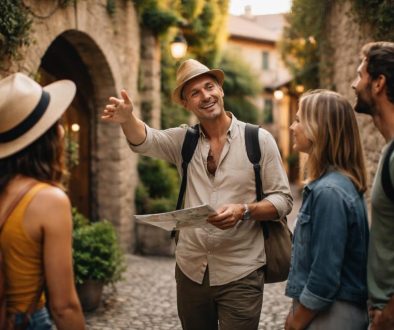
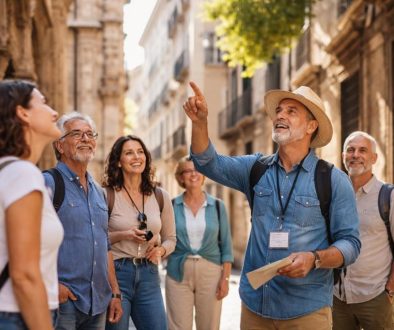
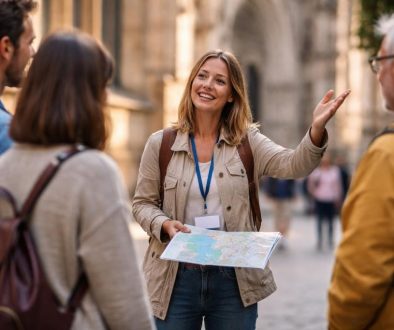
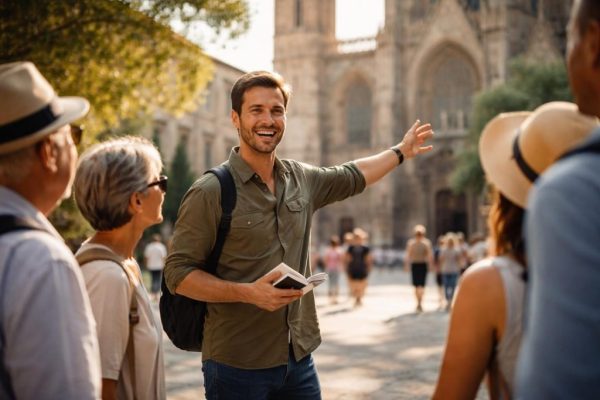
Your tour guide does far more than recite historical dates or point out landmarks. They curate your entire experience, reading the group's energy and adjusting the pace, content, and route accordingly. A skilled guide recognizes when travelers need a moment to photograph a stunning view, when they're ready for deeper historical context, or when a lighter anecdote will refresh engagement.
The best guides blend knowledge with entertainment, education with emotion. They transform a walk through historic streets into a journey through time, making centuries-old events feel relevant to modern visitors. This ability to connect past and present requires not just memorized facts, but genuine passion for the destination and its stories.
Building Connections Beyond the Itinerary
Professional guides create space for meaningful interactions between travelers and local culture. They introduce visitors to hidden cafes where locals gather, explain cultural nuances that might otherwise cause confusion, and share insider perspectives that no guidebook can provide. These connections often become the most treasured memories of any trip.

According to best practices in tour guiding, flexibility and personalized engagement distinguish exceptional guides from average ones. Your tour guide should listen actively to your interests and adjust the experience accordingly, creating a dynamic rather than scripted journey.
What Makes Your Tour Guide Exceptional
The qualities that separate memorable guides from forgettable ones extend well beyond basic knowledge of a destination. Exceptional guides possess a unique combination of skills, training, and personal attributes that together create transformative experiences.
Professional Training and Certification
| Certification Aspect | Value to Travelers | Impact on Experience |
|---|---|---|
| Historical Knowledge | Accurate, detailed information | Deeper understanding of sites |
| Communication Skills | Clear, engaging delivery | Enhanced retention and enjoyment |
| Safety Training | Risk management protocols | Peace of mind during tours |
| Cultural Competency | Respectful, inclusive approach | Comfortable experience for all |
Many professional guides pursue formal training through programs like those offered by the International Tour Management Institute, which provides comprehensive certification recognized globally. These programs ensure guides meet rigorous standards in everything from historical accuracy to emergency response.
For specialized destinations, organizations such as the Association of Philadelphia Tour Guides and the Professional Tour Guide Association of San Antonio offer location-specific certifications that test deep knowledge of local history, geography, and cultural significance.
The Power of Storytelling
Your tour guide's ability to craft and deliver compelling narratives determines how well you'll remember and value the experience. Great storytellers don't just relay facts; they build suspense, create emotional connections, and help you see familiar sights through fresh eyes.
Consider a guide leading a literary tour inspired by Stieg Larsson's "The Girl with the Dragon Tattoo." Rather than simply pointing out filming locations, an exceptional guide weaves the fictional narrative with Stockholm's real history, discusses the author's investigative journalism background, and explains how the books reflect Swedish society. This layered approach creates intellectual engagement that resonates long after the tour ends.
How Your Tour Guide Personalizes Your Experience
The shift toward customized travel experiences has fundamentally changed what travelers expect from their guides. In 2026, cookie-cutter tours with identical scripts for every group no longer satisfy discerning visitors. Your tour guide must act as a curator, tailoring content and pacing to match your specific interests, energy levels, and learning preferences.
Adapting to Group Dynamics
Private group tours present unique opportunities for personalization. Whether you're traveling with family spanning multiple generations, colleagues on a corporate retreat, or friends celebrating a special occasion, your tour guide reads the room and adjusts accordingly.
Key adaptation strategies include:
- Modifying walking pace for groups with varying mobility levels
- Adjusting historical depth based on expressed interest levels
- Incorporating unexpected discoveries when group enthusiasm suggests detours
- Balancing structured information with spontaneous interactions
- Creating photo opportunities at moments of genuine engagement
The English walking tours approach emphasizes this flexibility, ensuring native English-speaking guides can communicate nuances and respond to questions with cultural fluency that non-native speakers might struggle to provide.
Reading and Responding to Individual Needs
Exceptional guides develop almost intuitive abilities to sense what different travelers need. Some visitors want extensive historical context and appreciate detailed explanations. Others prefer atmospheric impressions and visual experiences with minimal narration. Your tour guide balances these varying preferences within a single group, ensuring everyone feels the experience speaks to them personally.

For specialized interests like the ABBA journey in Stockholm, guides must possess deep knowledge of specific subjects while remaining accessible to varying levels of fan enthusiasm. This requires research skills, authentic passion for the topic, and the ability to gauge how much detail enhances versus overwhelms the experience.
The Local Expertise Advantage
Your tour guide's local knowledge transforms standard sightseeing into insider access. Native guides or those with years of residence bring perspectives that even the most thorough research cannot replicate. They know which bakery makes the best cinnamon buns, when the changing of the guard provides the most dramatic viewing angles, and which narrow alleys in the Old Town reveal architectural details most visitors miss.
Beyond the Guidebook
While preparation and research matter enormously, your tour guide's real value lies in current, living knowledge of a destination. They notice seasonal changes in popular sites, know about temporary exhibitions or events that align with your interests, and can recommend restaurants based on what's currently excellent rather than what was good three years ago.
This real-time expertise proves especially valuable for Stockholm tours, where seasonal variations dramatically affect the visitor experience. A knowledgeable guide adjusts routes to account for construction projects, special events, or weather conditions, ensuring you see the city at its best regardless of circumstances.
Insider Access and Special Opportunities
Experienced guides often develop relationships with venue managers, local artisans, and other community members that enable exclusive experiences. Your tour guide might arrange early access to popular sites before crowds arrive, introduce you to craftspeople who demonstrate traditional techniques, or secure reservations at sought-after restaurants that typically require weeks of advance booking.
Insider access can include:
- Priority entry to high-demand attractions
- Behind-the-scenes access to museums or cultural sites
- Introductions to local experts in specialized fields
- Access to private collections or restricted areas
- Connections with local families for authentic cultural exchanges
Safety, Logistics, and Peace of Mind
While the educational and entertainment aspects of your tour guide's role receive most attention, their logistical and safety functions prove equally essential. Professional guides handle countless details that allow you to relax and fully engage with the experience.
Risk Management and Emergency Preparedness
Trained guides understand crowd management, weather contingencies, and emergency protocols. They assess routes for accessibility issues, identify potential hazards, and maintain awareness of group members' locations and wellbeing throughout the experience.
Organizations like Oregon Sea Grant’s Guide & Tour Operator Program emphasize international best practices in safety training, ensuring guides can handle everything from minor injuries to serious emergencies with professionalism and competence.
Navigating Complex Logistics
Your tour guide manages timing, transitions between locations, and coordination with transportation providers or venue staff. This invisible work ensures smooth experiences where you never worry about getting lost, missing important sights, or dealing with language barriers at ticket counters or restaurants.
For experiences like guided vacations that span multiple days or involve various components, this logistical expertise becomes even more critical. Your tour guide coordinates multiple moving parts while making the entire experience feel effortless.
Enhancing Group Chemistry and Social Connection
An often-overlooked aspect of your tour guide's role involves facilitating connections between group members. Skilled guides create atmospheres where strangers become friends, where solo travelers feel welcomed, and where diverse groups find common ground through shared discoveries.
Creating Community Among Travelers
Your tour guide employs various techniques to build group cohesion. They might start with light icebreakers that encourage introductions, pose questions that invite multiple perspectives, or create moments of shared wonder that naturally bond people together.

For solo travellers group holidays, this social facilitation becomes a primary value proposition. Your tour guide ensures everyone feels included, introduces people with common interests, and creates opportunities for connections that often extend beyond the tour itself.
Managing Group Dynamics
Every group contains different personalities, energy levels, and communication styles. Your tour guide navigates these dynamics diplomatically, ensuring enthusiastic participants don't dominate quieter ones, that different paces and interests find accommodation, and that minor conflicts get resolved before they affect the overall experience.
The Continuous Learning Journey
The best guides never stop developing their knowledge and skills. They continuously research their destinations, stay current with historical scholarship, attend professional development programs, and seek feedback to refine their techniques.
Professional Development and Skill Enhancement
Programs like the Chicago Tour-Guide Professionals Association certification test comprehensive knowledge of local history and attractions, but certification represents just the beginning of professional development. Exceptional guides regularly participate in training workshops, visit new exhibitions, read recent publications, and explore emerging neighborhoods or attractions.
Your tour guide's commitment to ongoing learning directly benefits your experience. When guides stay current, they share the latest archaeological discoveries, newly opened museums, or evolving interpretations of historical events that reflect contemporary scholarship.
Adapting to Changing Traveler Expectations
The tourism industry evolves constantly, and your tour guide must adapt to shifting preferences and values. In 2026, travelers increasingly prioritize sustainability, authentic cultural engagement, and meaningful learning over superficial sightseeing. Professional guides adjust their approaches to align with these values, emphasizing quality over quantity and depth over breadth.
Resources like the educational best practices guide inform how guides structure experiences for maximum educational impact, whether leading student groups or adult learners seeking intellectually rigorous travel.
Specialized Expertise for Unique Interests
While general city tours provide valuable overviews, specialized guides who focus on particular themes or topics offer deeper, more satisfying experiences for travelers with specific interests. Your tour guide might specialize in architecture, culinary traditions, literary history, music heritage, or any number of niche subjects.
Thematic Tours and Deep Dives
Specialized tours allow your tour guide to share expert-level knowledge that transforms how you understand a destination. A music-focused guide leading an ABBA-themed experience doesn't just point out related locations; they discuss the group's musical innovations, explain their cultural impact, analyze their songwriting techniques, and connect their success to broader Swedish pop music traditions.
Similarly, guides specializing in cultural tours possess deep understanding of artistic movements, architectural styles, or historical periods that enable sophisticated analysis and interpretation beyond surface-level descriptions.
Matching Guides to Interests
The most satisfying experiences occur when your tour guide's expertise and passion align perfectly with your interests. This matching process requires tour operators to maintain diverse guide rosters with varied specializations and to carefully consider which guide best suits each group's stated preferences.
Organizations offering tailored tours invest significant effort in understanding client interests during booking processes, then selecting guides whose knowledge and enthusiasm match those specific themes.
The Technology Balance
Modern tour guides navigate the intersection of traditional storytelling and contemporary technology. Your tour guide might use apps for navigation, tablets to display historical images, or audio equipment to ensure everyone hears clearly in crowded environments. However, the best guides ensure technology enhances rather than dominates the experience.
Effective technology integration includes:
- Historical photographs that illustrate how sites appeared in previous eras
- Digital maps that clarify complex geographical relationships
- Audio enhancement systems for larger groups
- QR codes linking to additional resources for post-tour exploration
- Social media integration for sharing experiences in real-time
The key lies in your tour guide's judgment about when technology adds value versus when it creates distraction. Exceptional guides use tools purposefully while keeping human connection and direct observation central to the experience.
Measuring Guide Quality and Selecting Wisely
Not all guides deliver equal value, and discerning travelers should understand how to evaluate guide quality before booking experiences. Several factors indicate whether your tour guide will provide exceptional service.
| Quality Indicator | What to Look For | Why It Matters |
|---|---|---|
| Professional Credentials | Recognized certifications, training programs | Demonstrates commitment to standards |
| Experience Level | Years of guiding, number of tours conducted | Indicates refined skills and knowledge |
| Language Proficiency | Native or fluent language skills | Ensures nuanced communication |
| Specialization Match | Expertise aligning with your interests | Provides deeper, more relevant content |
| Reviews and Testimonials | Consistent positive feedback | Reflects actual client satisfaction |
Reading reviews from previous travelers provides valuable insights into guide performance, though wise consumers look for patterns across multiple reviews rather than focusing on individual comments.
The right guide transforms sightseeing into storytelling, facts into fascination, and strangers into friends who share unforgettable experiences. When you choose Adding:tours for your Stockholm adventure, you gain access to native English-speaking guides who combine professional expertise with genuine passion for helping you discover the city's treasures. Whether you're interested in walking through historic streets, following literary legends, or exploring music heritage, our personalized approach ensures your tour guide creates exactly the experience you're seeking.