How to Offer Tours That Stand Out in 2026
The tourism industry in 2026 demands more than generic sightseeing experiences. Today's travelers seek authentic connections, personalized journeys, and stories that bring destinations to life. Whether you're launching a new tour business or refining existing offerings, understanding how to effectively offer tours requires careful planning, strategic positioning, and a deep commitment to delivering memorable experiences. The most successful tour operators recognize that every group deserves a unique adventure tailored to their specific interests and expectations.
Understanding What Modern Travelers Want
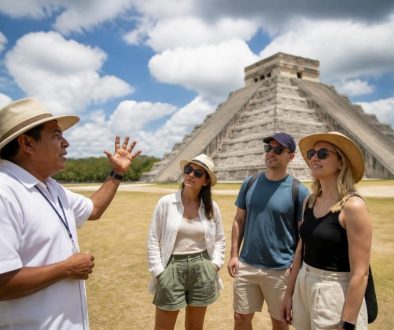
Today's tourists have evolved far beyond passive observers. They want to actively engage with destinations, understand local culture, and create meaningful memories. When you offer tours in 2026, you're competing with countless options, from self-guided apps to large bus operations.
The key differentiator lies in personalization and authenticity. Small group experiences consistently outperform mass-market alternatives because they allow for deeper connections and flexible itineraries. According to best practices for creating engaging tours, storytelling combined with audience-focused outcomes creates the foundation for exceptional visitor engagement.
Identifying Your Target Audience
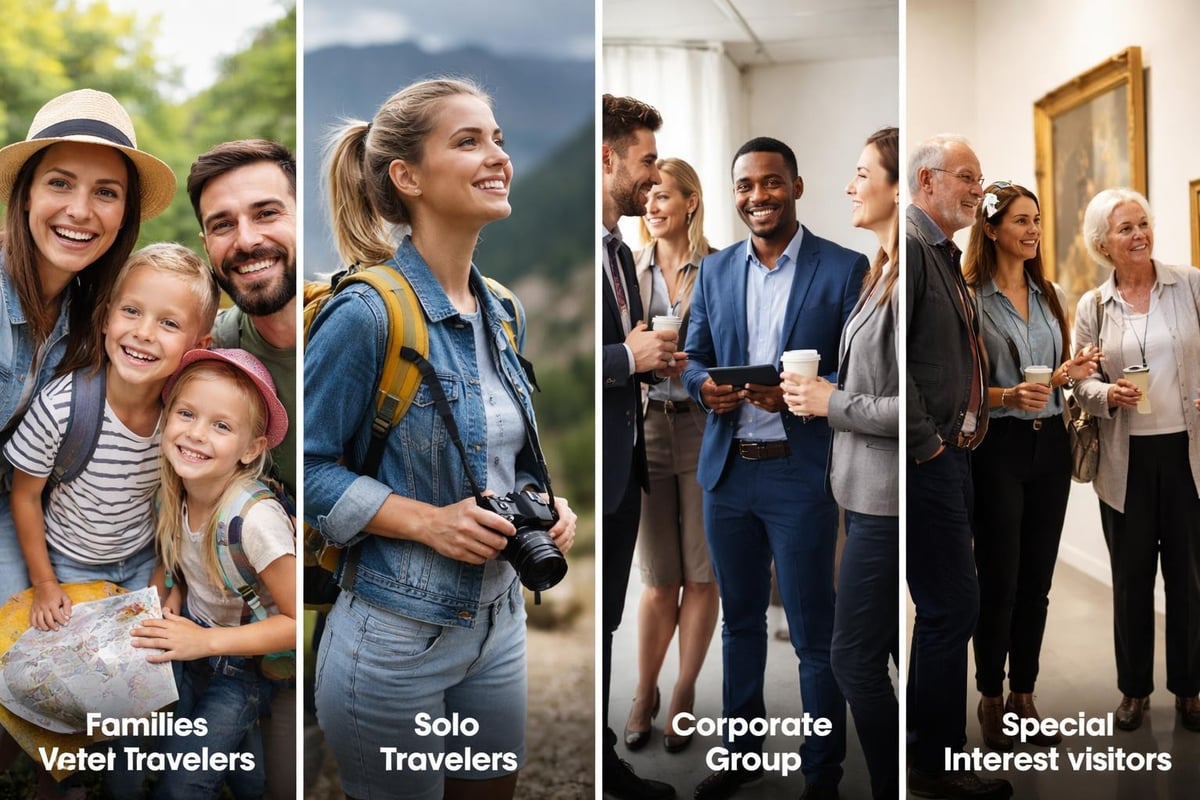
Before you offer tours, define exactly who you're serving. Are you catering to families seeking educational experiences, couples wanting romantic getaways, or corporate groups looking for team-building activities? Each demographic requires different approaches, pacing, and content.
Consider these audience segments:
- Solo travelers seeking social connections
- Multigenerational families needing varied engagement levels
- Special interest groups focused on specific themes
- Corporate teams requiring professional facilitation
- International visitors wanting insider perspectives
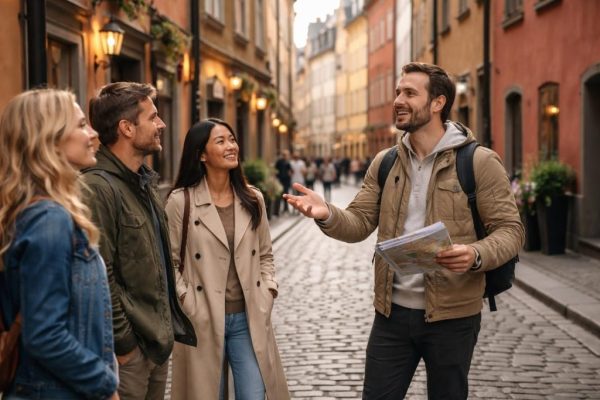
Understanding your audience shapes everything from route selection to communication style. For instance, Stockholm walking tours designed for intimate groups allow guides to adapt content based on real-time feedback and interests.
Developing Distinctive Tour Experiences
Generic tours get lost in crowded marketplaces. The most successful operators offer tours that showcase unique perspectives, hidden locations, or specialized knowledge that visitors can't easily find elsewhere.
Thematic specialization creates powerful positioning. Consider focusing on literary tourism, culinary adventures, architectural deep-dives, or pop culture pilgrimages. When you build expertise in specific niches, you attract passionate audiences willing to invest in quality experiences.
Building Compelling Narratives
Every location has layers of stories waiting to be discovered. The difference between forgettable and unforgettable tours often comes down to narrative structure. Rather than listing historical facts, weave information into engaging stories that connect past and present.
Developing guided tours with strong storytelling requires interpretive planning that goes beyond basic information delivery. Your guides should reveal the "why" behind landmarks, not just the "what" and "when."
For example, an ABBA journey becomes memorable when guides connect the band's music to Swedish cultural history, personal anecdotes, and the social context of their era. This layered approach transforms sightseeing into meaningful learning.
| Tour Element | Basic Approach | Distinctive Approach |
|---|---|---|
| Historical site | "Built in 1650" | Story of the architect's vision and the political climate that shaped design decisions |
| Local restaurant | "Famous for meatballs" | Connection between ingredients, regional traditions, and family recipes passed through generations |
| City viewpoint | "Best photo spot" | Explanation of urban development patterns visible in the landscape and how they reflect social change |
| Cultural landmark | "Popular attraction" | Behind-the-scenes access or lesser-known details that most visitors miss |
Operational Excellence and Legal Considerations
When you offer tours professionally, operational details make or break the experience. Logistics, safety protocols, and legal compliance aren't glamorous, but they're essential for sustainable operations.
Permits and Insurance Requirements
Different jurisdictions require specific permits, especially for group activities in public spaces or protected areas. Research local regulations thoroughly before launching tours. Understanding permits and legal requirements helps ensure compliance with insurance, special event permits, and health and safety standards.
Essential operational considerations:
- Liability insurance covering guides and participants
- Special permits for protected historical sites
- Business licenses and tax registrations
- Emergency protocols and first aid certification
- Data protection compliance for customer information
- Accessibility accommodations for diverse abilities
Don't overlook the importance of inclusive best practices when planning routes and content. Preparing accessible routes, incorporating multisensory elements, and managing diverse group needs ensures everyone can participate fully.
Selecting and Training Exceptional Guides
Your guides represent your brand during every interaction. When you offer tours, guide quality directly impacts customer satisfaction, reviews, and repeat business. Investing in recruitment and training pays immediate dividends.
The Hiring Process
Look beyond language skills and historical knowledge. The best guides combine subject expertise with emotional intelligence, adaptability, and genuine passion for sharing their knowledge. Best practices for hiring tour guides emphasize evaluating communication style, problem-solving abilities, and cultural sensitivity during interviews.
Native English-speaking guides offer particular advantages for international audiences, eliminating language barriers and enabling nuanced storytelling. However, local knowledge remains equally critical. The ideal combination brings authentic insider perspectives delivered in clear, engaging language.

Ongoing Development
Initial training represents just the beginning. Regular skill development keeps guides sharp and motivated. Establish systems for:
- Monthly content updates on new research or local developments
- Peer observation and constructive feedback sessions
- Customer review analysis and responsive improvements
- Specialized workshops on topics like conflict resolution or inclusive communication
- Refresher training on safety protocols and emergency procedures
Create a culture where guides feel empowered to personalize experiences while maintaining brand standards. When offering customized tours, guides need flexibility to respond to group dynamics and special requests without compromising quality.
Marketing Strategies That Convert
Even exceptional tours need strategic promotion to reach target audiences. When you offer tours in competitive markets like Stockholm, visibility and positioning determine success.
Digital Presence and Content Marketing
Your website serves as the primary conversion tool. Clear descriptions, authentic photography, and easy booking processes remove friction from the customer journey. Blog content, social media engagement, and email marketing build awareness and trust over time.
Consider these proven tour marketing strategies that increase engagement and bookings:
- Behind-the-scenes content showing guide preparation and hidden locations
- Customer testimonials and video reviews from recent participants
- Seasonal promotions tied to local events or cultural celebrations
- Partnership collaborations with hotels, travel agents, and complementary businesses
- Search engine optimization targeting specific tour themes and locations
For niche offerings like cultural tours or literary adventures, content marketing establishes authority and attracts qualified leads. Regular blog posts, destination guides, and insider tips position your business as the go-to expert.
Review Management and Reputation Building
Online reviews profoundly influence booking decisions. Actively request feedback after tours, respond professionally to all reviews, and use criticism as improvement opportunities. When you consistently offer tours that exceed expectations, positive reviews accumulate naturally.
Display testimonials prominently on your reviews page and throughout your website. Video testimonials carry particular weight, showing genuine emotion and enthusiasm that text alone cannot convey.
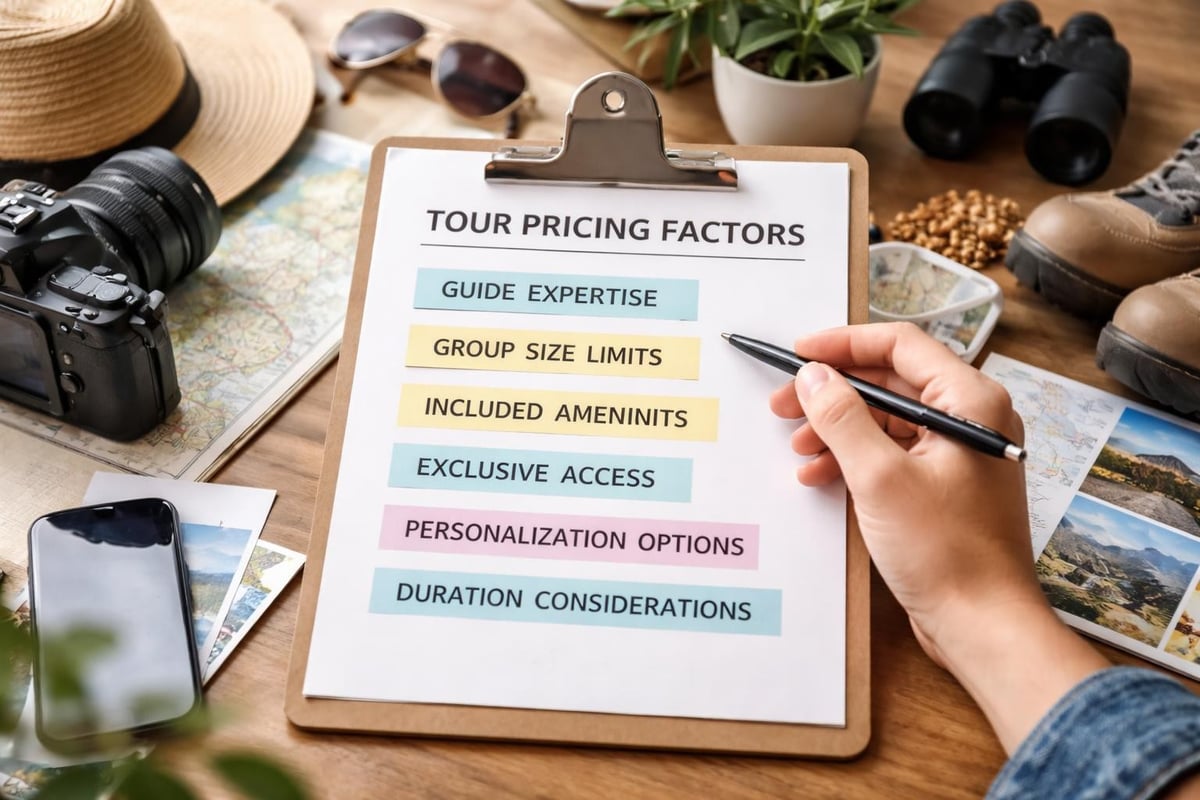
Pricing Strategies and Value Communication
Determining how to price tours requires balancing profitability with market competitiveness. Premium positioning works when value justifies higher rates through personalization, exclusivity, or specialized expertise.
| Pricing Model | Best For | Considerations |
|---|---|---|
| Per-person flat rate | Larger groups, standardized routes | Simple to communicate, predictable revenue |
| Private group pricing | Intimate experiences, flexible itineraries | Higher per-person value, exclusive feel |
| Tiered packages | Multiple service levels | Appeals to different budgets, upsell opportunities |
| Dynamic pricing | High-demand periods, seasonal variation | Maximizes revenue, requires sophisticated systems |
Transparent pricing builds trust. Clearly communicate what's included (and excluded) to prevent misunderstandings. When you offer tours with meals, transportation, or entrance fees included, itemize the value to justify premium pricing.
Creating Memorable Moments
The most successful tour operators understand that exceptional experiences come from intentional moments, not accident. Small details create emotional resonance that guests remember and share.
Surprise and Delight Elements
Incorporate unexpected touches that exceed expectations. This might include:
- Local treats or refreshments at strategic points
- Exclusive access to locations typically closed to tourists
- Personal connections with local artisans, shopkeepers, or historians
- Customized recommendations based on individual interests expressed during the tour
- Follow-up resources like reading lists, recipes, or location maps
When you offer tours in Stockholm's Old Town, for instance, pausing at a historic café for traditional Swedish pastries transforms a walking tour into a multisensory cultural immersion. These moments create Instagram-worthy experiences that generate organic marketing.
Encouraging Social Connections
Group tours offer unique opportunities for participants to meet like-minded travelers. Skilled guides facilitate introductions and create spaces for conversation. This social dimension often becomes the most cherished aspect of the experience, particularly for solo travelers.
Consider structuring tours to include natural mingling opportunities. Meal components, as featured in specialized offerings like guided vacations, encourage conversation and friendship formation that extends beyond the tour itself.
Sustainability and Responsible Tourism
Modern travelers increasingly prioritize sustainability when selecting tours. When you offer tours with environmental and social consciousness, you appeal to values-driven consumers while contributing positively to destinations.
Environmental Considerations
Minimize ecological impact through thoughtful planning:
- Choose walking routes over vehicle transportation when possible
- Partner with environmentally responsible vendors and venues
- Educate guests about local conservation efforts
- Implement digital-first operations to reduce paper waste
- Support local businesses rather than international chains
Cultural Sensitivity
Respect for local communities and traditions should underpin every tour. Train guides to present cultural information accurately and respectfully, avoiding stereotypes or oversimplifications. When visiting residential neighborhoods or sacred sites, establish clear behavioral expectations.
Technology Integration and Innovation
While personal connection remains central to excellent tours, strategic technology enhances rather than replaces human interaction. When you offer tours in 2026, certain tools improve efficiency and guest experience.
Useful technology applications include:
- Mobile booking apps with real-time availability
- Digital payment processing for seamless transactions
- GPS tracking for safety and logistics coordination
- Post-tour digital photo sharing
- Customer relationship management for personalized follow-up
However, resist technology for its own sake. Tools should solve real problems or enhance experiences, not create complexity. The core value of guided tours remains the knowledgeable human presence that responds dynamically to group needs.
Building Long-Term Customer Relationships
First-time visitors represent one revenue source, but repeat customers and referrals drive sustainable growth. When you offer tours that genuinely delight participants, you create advocates who return and recommend your services.
Loyalty Programs and Incentives
Reward returning customers with:
- Discounted rates on subsequent bookings
- Priority access to new tour launches
- Exclusive seasonal experiences
- Referral bonuses for bringing friends
- Alumni newsletters with insider tips and special offers
Track customer preferences and past participation to personalize future recommendations. Someone who enjoyed a literary tour might appreciate notification about a new author-themed experience.
Community Building
Create spaces where past participants can stay connected. Private social media groups, annual reunion events, or exclusive content access foster ongoing relationships. When customers feel part of a community rather than mere transactions, loyalty strengthens naturally.
Continuous Improvement Through Feedback
The best tour operators never stop evolving. Regular evaluation identifies strengths to amplify and weaknesses to address. When you offer tours with a mindset of continuous improvement, quality compounds over time.
Implement systematic feedback collection:
- Post-tour surveys with specific, actionable questions
- Guide debriefs after each tour to capture observations
- Mystery shopping to experience tours from customer perspective
- Quarterly review of booking patterns and cancellation reasons
- Annual strategic planning incorporating market trends and customer insights
Don't just collect feedback-act on it visibly. When customers see their suggestions implemented, they feel valued and invested in your success. Share improvements in newsletters or social media, crediting customer input when appropriate.
According to comprehensive tour planning guidance, conducting test runs and gathering feedback before officially launching new tours prevents costly mistakes and ensures polished execution from day one.
Successfully offering tours in today's competitive landscape requires balancing operational excellence with authentic storytelling and genuine hospitality. By focusing on personalization, investing in exceptional guides, and continuously refining your approach based on feedback, you create experiences that transform sightseeing into meaningful cultural exchange. Adding:tours specializes in exactly this approach, delivering tailored Stockholm experiences for private groups and small gatherings with native English-speaking guides who share insider perspectives you won't find elsewhere. Whether you're interested in exploring the Old Town's narrow alleys, following Stieg Larsson's literary footsteps, or joining an ABBA adventure to Viggsö, we'll make your time in Stockholm truly special.