Best Tour Guides: Qualities That Transform Travel
Exceptional travel experiences rarely happen by accident. Behind every memorable journey through a historic city, cultural landmark, or hidden neighborhood stands a skilled guide who transforms ordinary sightseeing into something remarkable. The best tour guides do more than recite facts from a script-they breathe life into stories, connect past and present, and create personalized experiences that resonate long after the journey ends. Understanding what separates exceptional guides from merely adequate ones helps travelers make informed choices and ensures every excursion delivers genuine value.
What Defines Exceptional Tour Leadership
Outstanding guides possess a unique combination of knowledge, communication skills, and emotional intelligence that elevates every interaction. These professionals understand that their role extends far beyond pointing out landmarks and sharing historical dates.
Deep Local Knowledge and Expertise
The foundation of excellent guiding begins with comprehensive knowledge of the destination. Professional tour guides invest years developing expertise about their city's history, architecture, culture, and contemporary developments. This depth allows them to answer unexpected questions, provide context that enhances understanding, and share insights that guidebooks simply cannot capture.
Key areas of expertise include:
- Historical events and their lasting impact on modern culture
- Architectural styles and building techniques specific to the region
- Local customs, traditions, and social dynamics
- Contemporary issues affecting the community
- Hidden stories and lesser-known facts that surprise visitors
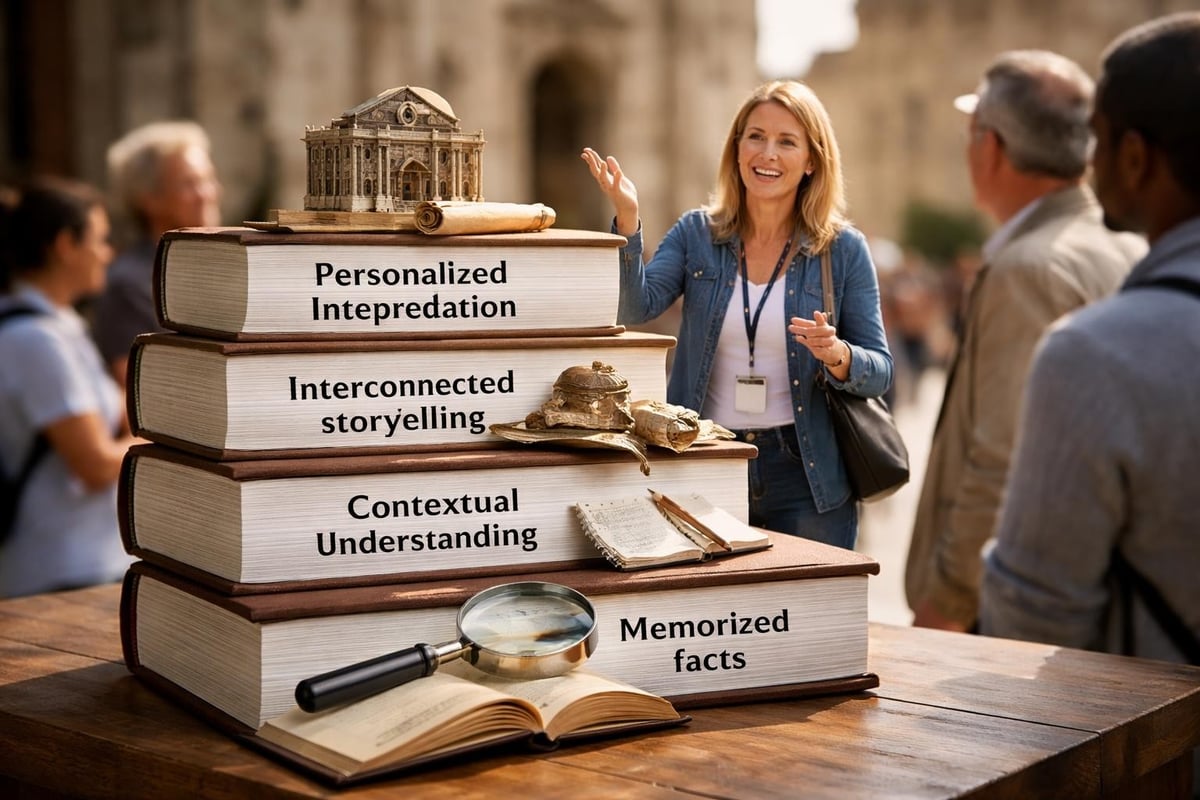
The difference becomes apparent when guides move beyond surface-level information. Rather than simply stating when a building was constructed, exceptional guides explain why it matters, who lived there, and how it connects to broader historical narratives.
Storytelling and Engagement Skills
Information becomes memorable when delivered through compelling narratives. The best tour guides master the art of storytelling, transforming dates and facts into vivid tales that capture imagination and sustain interest throughout the experience.
Effective storytellers employ several techniques:
- Character-driven narratives that humanize historical events
- Sensory descriptions that help visitors visualize past eras
- Emotional connections that make history personally relevant
- Strategic pacing that maintains energy and attention
- Interactive elements that encourage participation
According to Rick Steves’ analysis of great guides, the ability to connect with diverse audiences while maintaining authenticity distinguishes truly exceptional professionals from those simply going through the motions.
Cultural Sensitivity and Adaptability
Modern tourism brings together people from countless backgrounds, each with unique perspectives, expectations, and needs. Superior guides navigate this diversity with grace and cultural awareness.
Reading and Responding to Group Dynamics
Every group presents different challenges and opportunities. Small private tours require different approaches than larger gatherings. Families with children need different pacing than corporate groups or solo travelers.
| Group Type | Key Considerations | Adaptation Strategies |
|---|---|---|
| Families | Children's attention spans, safety concerns | Interactive activities, shorter segments, frequent breaks |
| Corporate Groups | Professional atmosphere, time constraints | Efficiency, networking opportunities, business-relevant insights |
| Cultural Enthusiasts | Depth over breadth, specialized interests | Extended discussions, lesser-known sites, expert-level detail |
| First-time Visitors | Orientation needs, iconic highlights | Clear navigation, essential landmarks, practical tips |
The most skilled guides assess group composition quickly and adjust their delivery, pace, and content accordingly. They recognize when participants are engaged versus fatigued, when to provide more information versus allowing quiet reflection, and how to balance individual interests within group settings.
Language and Communication Clarity
Native English-speaking guides offer distinct advantages for international visitors. Clear communication eliminates misunderstandings and ensures everyone fully comprehends the information being shared. Beyond basic fluency, the best guides articulate complex concepts in accessible language, avoid jargon unless explaining it, and verify understanding throughout the experience.
Personalization and Flexibility
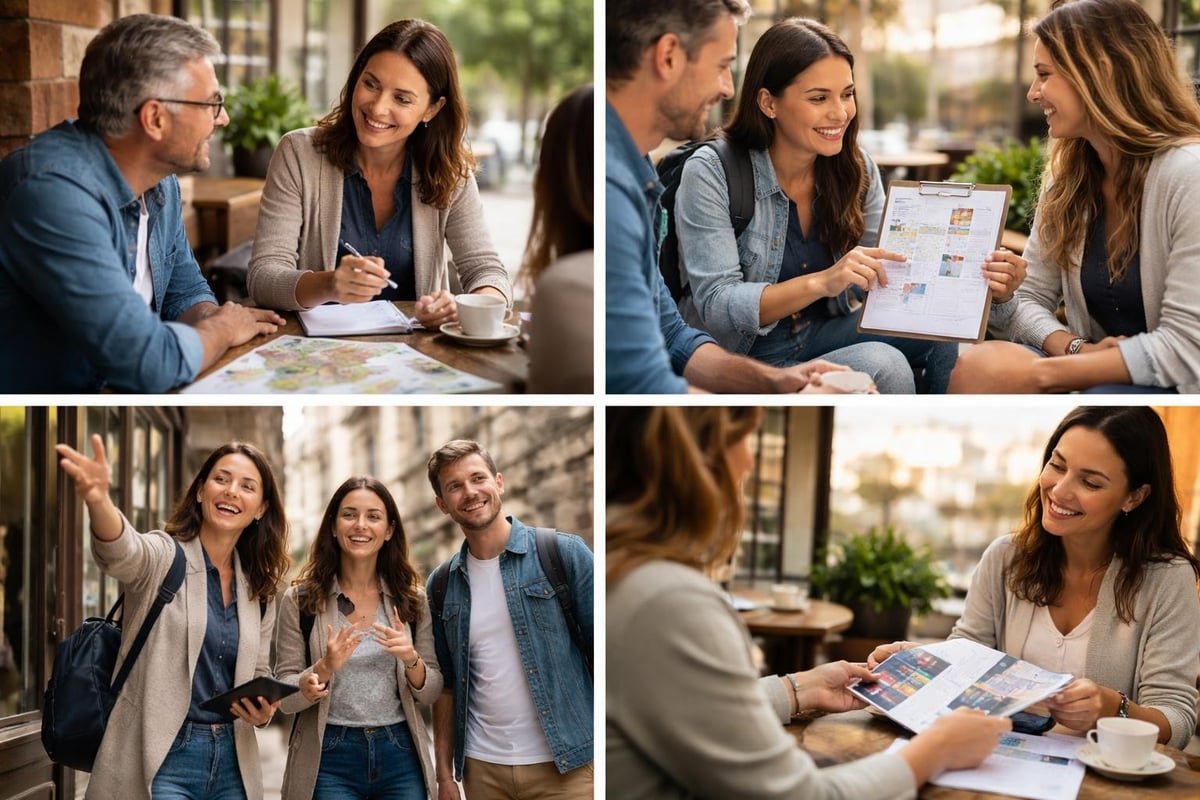
Generic, one-size-fits-all tours rarely satisfy discerning travelers. The defining characteristic of the best tour guides involves their ability to customize experiences based on specific interests, preferences, and circumstances.
Tailoring Content to Interests
Professional guides begin by understanding what matters most to their clients. Are they photography enthusiasts seeking perfect shots? History buffs wanting deep dives into specific periods? Food lovers hoping to discover local cuisine? Music fans eager to explore cultural connections?
National Geographic’s profiles of exceptional tour guides consistently highlight personalization as a common trait among the world's most celebrated professionals. These guides transform standard itineraries into bespoke experiences that align with visitor passions.
For example, a Stockholm walking tour can emphasize medieval architecture for some groups, literary connections for others, or contemporary design and innovation for those interested in modern Scandinavian culture. The best guides seamlessly adjust focus without losing narrative coherence.
Responding to Real-Time Situations
Flexibility extends beyond pre-tour planning. Weather changes, unexpected closures, energy fluctuations, and spontaneous discoveries all require adaptability. Superior guides maintain backup plans, know alternative routes, and pivot gracefully when circumstances demand changes.
This adaptability proves especially valuable for guided sightseeing tours designed for private groups, where individual preferences can be accommodated more easily than in large commercial operations.
Practical Skills and Logistics Management
Behind every smooth tour experience lies meticulous planning and execution. The best tour guides excel at invisible work that prevents problems before they occur.
Navigation and Time Management
Effective guides master their cities' geography, understanding not just where locations exist but the most efficient routes between them. They account for:
- Peak tourist times and how to avoid crowds
- Walking distances appropriate for group fitness levels
- Optimal timing for lighting, photography, or special events
- Break locations with facilities and refreshment options
- Weather considerations and shelter alternatives
Time management becomes particularly crucial. Tours should feel leisurely yet purposeful, never rushed or dragging. Skilled guides allocate time proportional to each site's significance while building in flexibility for unexpected interests or questions.
Safety and Comfort Considerations
Responsible guides prioritize participant wellbeing throughout every experience. This includes awareness of physical limitations, medical needs, accessibility requirements, and general safety protocols.
Essential safety practices include:
- Clear communication about physical requirements before booking
- Regular headcounts in crowded areas
- Awareness of traffic patterns and safe crossing procedures
- Knowledge of nearby medical facilities
- Emergency contact protocols
- Weather-appropriate scheduling and contingency plans
Building Connections and Creating Community
Truly exceptional guides transform strangers into temporary communities, fostering connections that extend beyond the tour itself.
Facilitating Interactions
The best guides create environments where participants feel comfortable engaging with each other and the local culture. They introduce travelers with similar interests, encourage questions, and facilitate conversations that might not occur naturally.
This community-building aspect proves particularly powerful in specialized experiences. An ABBA journey through Stockholm naturally brings together music enthusiasts who share common interests, while the guide facilitates interactions that can lead to lasting friendships.
Authentic Local Perspective
Visitors increasingly seek authentic experiences rather than sanitized tourist versions of destinations. Tour guides who provide insider access to local perspectives, hidden gems, and genuine cultural understanding deliver significantly more value than those sticking to standard tourist circuits.
Native guides share personal anecdotes, family histories, and community insights that external tour operators simply cannot replicate. They recommend restaurants locals actually frequent, explain social customs from lived experience, and provide nuanced perspectives on contemporary issues.
Continuous Learning and Professional Development
The tourism industry constantly evolves, and the best tour guides commit to ongoing education and skill development.
Staying Current
Exceptional guides regularly update their knowledge about:
- New historical research and archaeological discoveries
- Contemporary cultural developments and social changes
- Updated accessibility options and inclusive practices
- Emerging neighborhoods and attractions
- Evolving visitor preferences and expectations
Professional organizations like the Guides Association of New York City provide resources, training, and networking opportunities that help guides maintain high standards and stay informed about industry best practices.
Specialized Knowledge Development
Many outstanding guides develop specialized expertise that sets them apart. This might involve deep knowledge of specific historical periods, architectural styles, cultural movements, or thematic connections. Literary tours following Stieg Larsson’s footsteps require different expertise than traditional historical tours, just as music-themed experiences demand specific cultural knowledge.
This specialization allows guides to serve niche markets exceptionally well while maintaining broad general knowledge for diverse audiences.
Technology Integration and Modern Tools
Contemporary guiding increasingly incorporates technology that enhances rather than replaces human expertise.
Digital Enhancement
The best tour guides leverage technology strategically:
| Technology | Application | Benefit |
|---|---|---|
| Audio equipment | Clear communication in noisy environments | Everyone hears clearly without shouting |
| Mobile apps | Pre-tour logistics and post-tour resources | Streamlined planning and continued engagement |
| Digital images | Historical comparisons and visualizations | Enhanced understanding of change over time |
| Translation tools | Supporting non-English speakers | Inclusive experiences for diverse groups |
However, profiles of world-class tour guides emphasize that technology serves as a tool, never a replacement for genuine human connection and expert interpretation.
Measuring Guide Excellence
Travelers can assess guide quality through several indicators before and during experiences.
Pre-Tour Assessment
Research potential guides by examining:
- Professional credentials and training background
- Years of experience and specialized knowledge areas
- Client reviews emphasizing specific skills and attributes
- Communication style during initial inquiries
- Flexibility regarding customization requests
- Transparency about pricing and what's included
Tour guide professional standards vary by location, but certifications, licensing, and professional association memberships indicate commitment to quality.
During-Experience Evaluation
Observe how guides handle various situations:
- Do they arrive prepared and punctual?
- Is their information accurate and well-researched?
- Do they engage all participants, not just the most vocal?
- How do they respond to questions, especially challenging ones?
- Can they admit when they don't know something?
- Do they seem genuinely passionate about their work?
These observations help travelers distinguish truly exceptional guides from those simply performing a job.
The Value Proposition
Investing in quality guidance dramatically impacts overall travel satisfaction and value. While self-guided exploration has its place, the best tour guides provide returns that justify their fees through:
Efficiency: Covering more ground with better context in less time
Access: Gaining entry to exclusive locations or experiences
Insight: Understanding significance beyond superficial observations
Connection: Building relationships with locals and fellow travelers
Safety: Navigating unfamiliar environments confidently
Personalization: Experiencing destinations aligned with personal interests
For visitors to Stockholm, tailored tours transform limited time into maximum impact, ensuring every moment contributes to meaningful memories.
Small Group Advantages
While large commercial tours serve certain purposes, intimate group experiences with exceptional guides offer distinct benefits.
Personalized Attention
Smaller gatherings allow guides to:
- Learn individual names and interests
- Adjust pace to group preferences
- Answer questions without disrupting flow
- Provide recommendations specific to each traveler
- Create conversational rather than lecture-based experiences
Private and small group formats enable the flexibility that makes truly personalized experiences possible, particularly for English walking tours where intimate group sizes facilitate genuine dialogue.
Enhanced Interaction
Reduced group sizes encourage participation that larger tours cannot accommodate. Travelers feel more comfortable asking questions, sharing observations, and engaging in discussions that deepen understanding. This interactive dynamic transforms passive observation into active learning.
The best tour guides transform sightseeing into genuine exploration, turning unfamiliar destinations into places of connection and understanding. Their expertise, storytelling ability, cultural sensitivity, and commitment to personalization create experiences that inform, inspire, and endure in memory long after returning home. Whether you're exploring Stockholm's historic Old Town, following literary footsteps, or embarking on a musical journey, Adding:tours provides the exceptional guidance that makes every moment count, with native English-speaking professionals who bring insider perspective and genuine passion to small group and private experiences tailored precisely to your interests.