Guide the Tour: Expert Tips for Unforgettable Experiences
When you guide the tour effectively, you transform a simple sightseeing experience into an unforgettable journey that resonates with every participant. The art of guiding goes far beyond memorizing facts and pointing out landmarks. It requires a deep understanding of your audience, masterful storytelling abilities, and the flexibility to adapt your presentation to meet diverse needs and interests. Whether you're leading small groups through Stockholm's cobblestone streets or sharing literary adventures in Scandinavia's most captivating city, the principles of exceptional tour guidance remain constant. This comprehensive guide explores the essential strategies that separate ordinary tours from extraordinary experiences.
Understanding Your Audience Before You Guide the Tour
Successful tour experiences begin long before participants arrive at the meeting point. The foundation of exceptional guidance lies in understanding who will be joining your group and what they hope to gain from their time with you.
Researching Participant Backgrounds
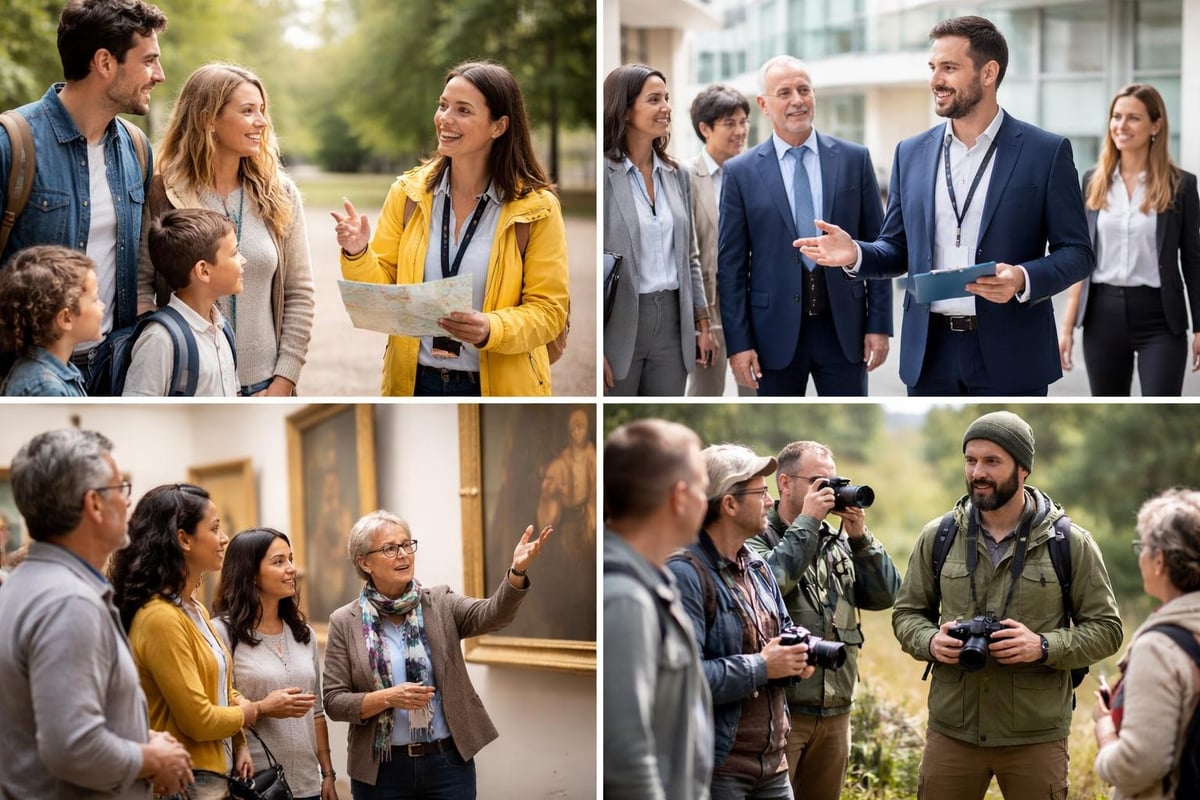
Before you guide the tour, gather information about your group's composition, interests, and experience levels. Private groups often have specific dynamics that influence how you should present information. Family groups require different pacing than corporate teams, while cultural enthusiasts need deeper historical context than casual sightseers.
- Demographics: Age ranges, mobility considerations, and language preferences
- Prior knowledge: First-time visitors versus returning guests with specific interests
- Special interests: Photography, architecture, history, literature, or music
- Group dynamics: Celebrating occasions, team-building, educational purposes
This preparatory research enables you to create personalized experiences that resonate with each unique group. Understanding expectations helps you calibrate your storytelling approach and select the most relevant anecdotes and information.
Customizing Content for Maximum Impact
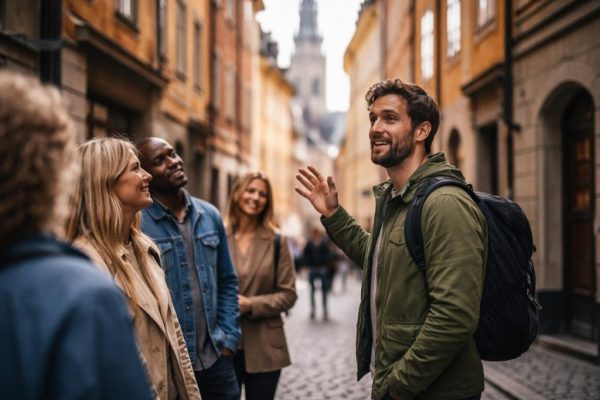
Once you understand your audience, adapt your narrative to align with their interests. When you guide the tour through Stockholm's Old Town, for example, music lovers might appreciate stories about ABBA's early days in the city, while history enthusiasts want detailed accounts of medieval Stockholm. The Texas Commission on the Arts emphasizes interpretive planning as essential for creating meaningful cultural tourism experiences.
| Audience Type | Content Focus | Pacing Strategy |
|---|---|---|
| Families with Children | Interactive stories, visual elements | Frequent stops, shorter segments |
| Corporate Groups | Team-building connections, business history | Efficient timing, goal-oriented |
| Cultural Enthusiasts | Deep historical context, artistic details | Extended discussions, detailed explanations |
| Literary Fans | Author connections, fictional locations | Thematic routing, immersive storytelling |
Essential Skills to Guide the Tour Effectively
The most memorable guides possess a specific set of competencies that elevate their tours from informative to transformative. These skills can be developed and refined through practice, feedback, and continuous learning.
Mastering Communication Techniques
Clear, engaging communication forms the backbone of successful tour guidance. Voice projection ensures everyone hears your commentary, while varied intonation keeps listeners engaged throughout the experience. Becoming a successful tour guide requires developing communication skills that transcend simple information delivery.
When you guide the tour, position yourself where all participants can see and hear you. Make eye contact with different group members to create personal connections. Use pause and emphasis strategically to highlight important points and allow participants to absorb information.
Effective guides also master the art of active listening. Pay attention to participant questions, body language, and engagement levels. This feedback helps you adjust your presentation in real-time, ensuring everyone remains interested and involved.
Storytelling That Captivates
Facts inform, but stories transform. When you guide the tour through Stockholm's narrow alleys, don't just state that buildings date from the 1600s. Paint vivid pictures of daily life during that era, introduce compelling characters who walked those same streets, and connect historical events to the modern city surrounding your group.
- Personal anecdotes create authenticity and relatability
- Sensory details help participants imagine historical scenes
- Conflict and resolution provide narrative structure
- Local legends add mystery and cultural depth
The best storytelling weaves together multiple threads, connecting historical facts with cultural context, personal experiences, and contemporary relevance. When leading Stockholm walking tours, incorporate stories that appeal to multiple senses and create emotional resonance.
Practical Logistics When You Guide the Tour
Outstanding content means nothing if logistical challenges undermine the experience. Professional guides anticipate potential issues and prepare comprehensive solutions.
Route Planning and Timing
Before you guide the tour, walk the entire route multiple times under different conditions. Morning light creates different photographic opportunities than afternoon shadows. Weather variations may require alternate indoor stops or covered pathways. Running smooth, five-star tours depends on thorough route familiarity and flexible planning.
Time management requires balancing structure with spontaneity. Establish fixed checkpoints where the group must arrive by specific times, but allow flexibility between these markers for participant questions, photographs, and unexpected discoveries.
- Calculate walking times between stops, adding buffers for group pace variations
- Identify backup locations for weather contingencies or unexpected closures
- Map rest facilities including accessible options for all participants
- Note refreshment opportunities aligned with tour duration and timing
- Plan photo opportunities at iconic locations and hidden gems
Managing Group Dynamics
When you guide the tour for private groups, you become a facilitator of shared experience. Position slower walkers near the front where they set the pace naturally. Encourage conversation between participants during transitions, fostering connections that enhance the overall experience.
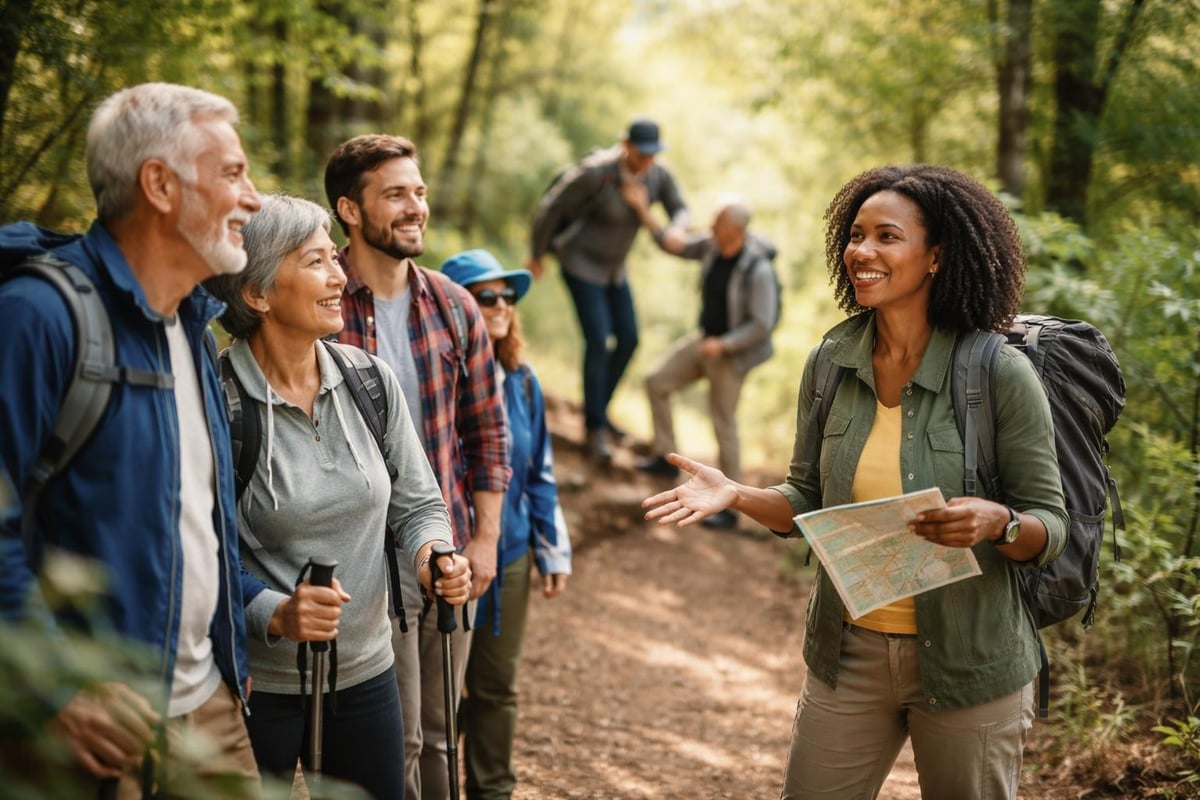
Handle challenging situations with professionalism and grace. If someone dominates conversations, acknowledge their enthusiasm while gently redirecting attention to ensure everyone participates. Tour etiquette involves mutual respect between guides and participants, with clear expectations established at the tour beginning.
Creating Inclusive and Accessible Experiences
Modern tour guidance embraces diversity and ensures all participants can fully engage with the experience regardless of physical ability, cultural background, or learning style.
Designing for Universal Access
When you guide the tour, consider how different participants experience the journey. Visual storytelling benefits those with hearing challenges, while detailed verbal descriptions support visitors with visual impairments. Inclusive best practices recommend incorporating multisensory elements that engage participants through various channels.
Physical accessibility extends beyond wheelchair-friendly routes. Consider rest frequency for seniors, shade availability for heat-sensitive participants, and alternative viewing points for those who cannot access certain locations. Professional tour guides anticipate these needs and prepare solutions proactively.
Cultural Sensitivity and Adaptation
Stockholm attracts visitors from around the world, bringing diverse cultural perspectives and expectations. When you guide the tour, acknowledge different cultural contexts and avoid assumptions about prior knowledge or shared references. Explain local customs that may seem obvious to Scandinavians but unfamiliar to international visitors.
Language considerations matter even when conducting tours in English. Avoid idioms and colloquialisms that non-native speakers might misunderstand. Speak clearly at moderate pace, checking comprehension through engagement rather than direct questioning that might cause embarrassment.
Enhancing Tours Through Technology and Innovation
While personal connection remains irreplaceable, thoughtful technology integration can enhance the experience when you guide the tour through modern cities like Stockholm.
Audio Equipment and Communication Tools
Quality audio systems ensure everyone hears your commentary clearly, even in busy urban environments or with larger groups. Wireless headset systems allow you to guide the tour without shouting, preserving your voice while creating intimate listening experiences. Listen Technologies provides guidance on using audio equipment effectively during guided tours.
Modern communication tools also facilitate pre-tour preparation and post-tour engagement. Share meeting point details, weather recommendations, and preparatory materials through messaging platforms. After the tour, provide resources for participants who want to explore topics more deeply.
Digital Resources and Visual Aids
Strategic use of tablets or smartphones can supplement your storytelling with historical photographs, architectural plans, or interactive maps. When you guide the tour through Stockholm's Old Town, showing how streets looked centuries ago creates powerful before-and-after comparisons.
However, technology should enhance rather than replace human connection. Limit screen time to brief moments that add value, then redirect attention to the authentic environment surrounding your group. The goal is creating memorable real-world experiences, not virtual presentations.
Developing Specialized Knowledge and Expertise
Generic tours satisfy basic curiosity, but specialized knowledge creates passionate advocates. When you guide the tour with deep expertise in specific subjects, you attract participants who share those interests and appreciate your insights.
Building Thematic Expertise
Consider developing signature tours around specific themes that showcase Stockholm's unique character. Literary enthusiasts appreciate following Stieg Larsson’s footsteps through locations featured in his novels. Music lovers seek ABBA connections throughout the city. Historical researchers want detailed architectural analysis.
Deep thematic knowledge requires continuous learning beyond basic tour guide training. Read extensively about your specialty areas, interview local experts who can provide insider perspectives, and experience related attractions throughout the region. This expertise enables you to answer sophisticated questions and provide context that generic guides cannot match.
| Specialization Area | Knowledge Requirements | Unique Value Proposition |
|---|---|---|
| Literary Tours | Author biographies, plot locations, publishing history | Connect fiction to real places |
| Musical Heritage | Artist backgrounds, venue histories, cultural movements | Create emotional fan experiences |
| Architectural Details | Building techniques, historical styles, restoration methods | Appeal to design professionals |
| Culinary Traditions | Food history, local ingredients, restaurant stories | Engage multiple senses |
Staying Current and Evolving
Stockholm continuously evolves, with new restaurants, renovated museums, and changing cultural dynamics. When you guide the tour in 2026, reference current events, recent discoveries, and contemporary cultural movements alongside historical information. This temporal layering shows how past and present interconnect.

Professional development never stops. Attend workshops, connect with other guides to exchange insights, and seek participant feedback that reveals improvement opportunities. The Science Museum Group recommends continuously refining tours based on audience outcomes and engagement metrics.
Handling Unexpected Situations with Professional Grace
Even the most carefully planned tours encounter surprises. Weather changes, unexpected closures, participant emergencies, and logistical challenges test your ability to guide the tour under pressure.
Problem-Solving in Real Time
When attractions close unexpectedly or weather forces route changes, acknowledge the situation transparently while presenting alternative solutions confidently. Your calm demeanor reassures participants that you have everything under control. Flexibility ranks among essential traits for successful tour guides, enabling smooth adaptation to changing circumstances.
Develop contingency plans for common challenges: indoor alternatives for rain, shortened routes for extreme heat, and backup stories when planned stops become unavailable. This preparation allows you to pivot seamlessly without diminishing the experience quality.
Managing Medical and Safety Concerns
Participant safety always takes priority over tour completion. Carry basic first aid supplies, know nearest medical facilities along your route, and maintain emergency contact protocols. When you guide the tour, conduct subtle headcounts at each transition to ensure no one gets separated from the group.
Weather-related safety requires particular attention in Stockholm's variable climate. Monitor forecasts closely, advise appropriate clothing in pre-tour communications, and adjust timing or routes when conditions warrant. Professional guides prioritize participant comfort and safety over rigid adherence to planned itineraries.
Building Relationships That Extend Beyond the Tour
Exceptional guides create connections that transcend the immediate experience, turning satisfied participants into enthusiastic advocates who return for additional tours and recommend your services widely.
Creating Memorable Moments
When you guide the tour, identify opportunities for unexpected delights that exceed expectations. Perhaps a local musician performs in a square you're visiting, or a shop owner shares stories about their family's century-old business. These serendipitous moments become the stories participants share when describing their experience.
Personalization creates powerful memories. Remember participant names, reference earlier conversations, and acknowledge special occasions the group might be celebrating. These small gestures demonstrate genuine care that resonates long after the tour concludes.
Post-Tour Engagement
Professional relationship building continues after participants return to their hotels. Share customized recommendations based on interests they mentioned during the tour. Provide contact information for follow-up questions about topics you discussed. This extended engagement reinforces your expertise and builds lasting connections.
Encourage reviews and testimonials that help future participants understand what makes your tours special. Positive word-of-mouth remains the most powerful marketing tool in the guided tour industry. When satisfied participants share their experiences, they become ambassadors who attract others seeking similar journeys.
Measuring Success and Continuous Improvement
Professional growth requires honest assessment of your performance and willingness to evolve based on feedback and changing participant expectations.
Gathering Meaningful Feedback
When you guide the tour, solicit feedback through multiple channels. Immediate verbal responses reveal emotional reactions, while written surveys allow thoughtful reflection. Third-party reviews provide unfiltered participant perspectives that identify both strengths and improvement opportunities.
Ask specific questions that generate actionable insights:
- Which tour moments felt most engaging?
- What information would you have liked to explore more deeply?
- How well did the pacing match your preferences?
- What made this experience different from other tours you've taken?
Implementing Improvements Systematically
Analyze feedback patterns rather than reacting to individual comments. If multiple participants mention similar observations, those areas deserve attention. Document successful moments and challenging situations to build institutional knowledge that improves future tours.
Experiment with variations in your presentation, routing, or storytelling techniques. When you guide the tour, try different approaches to specific segments and note participant engagement levels. This experimentation helps you discover what resonates most powerfully with different audience types.
Track metrics that indicate success: repeat bookings, referral rates, review scores, and specific positive feedback themes. These measurements provide objective assessment of your effectiveness and growth over time. Understanding what makes tours successful helps you refine your approach continuously.
Mastering how to guide the tour transforms ordinary sightseeing into extraordinary experiences that participants remember for years. By combining deep knowledge, engaging storytelling, logistical excellence, and genuine care for each group's unique interests, you create journeys that exceed expectations. When you're ready to experience Stockholm through the eyes of passionate guides who embody these principles, Adding:tours offers personalized experiences tailored to your group's interests, with native English-speaking guides providing insider access to the city's hidden gems and iconic landmarks.