Best Guided Tours: Your Complete Selection Guide
Selecting the best guided tours transforms ordinary travel into extraordinary experiences. In 2026, travelers demand more than standard itineraries and generic group experiences. The most successful guided tours combine expert local knowledge, personalized attention, and authentic cultural immersion. Whether you're exploring historic city centers, following literary trails, or diving into culinary adventures, the right guided experience creates lasting memories while eliminating the stress of independent planning. Understanding what separates exceptional tours from mediocre ones helps you invest your time and money wisely.
What Defines the Best Guided Tours
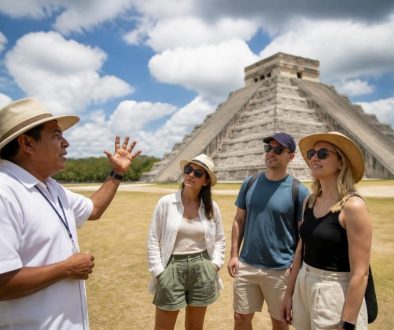
The best guided tours share several distinguishing characteristics that elevate them above standard offerings. Quality begins with knowledgeable guides who possess both expertise and passion for their subjects. These professionals do more than recite facts-they share stories, answer complex questions, and adapt their presentations to group interests.
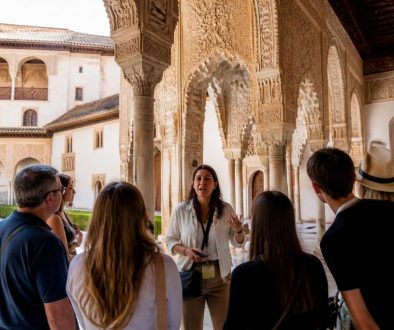
Group size significantly impacts tour quality. Smaller groups allow for personalized attention, easier communication with guides, and access to locations that cannot accommodate large crowds. Many exceptional tours limit participation to 8-12 people, creating intimate experiences where every participant receives individual attention.
Key Quality Indicators
- Native or fluent English-speaking guides who communicate clearly and understand cultural nuances
- Flexible itineraries that adapt to weather, group interests, and unexpected opportunities
- Insider access to locations, restaurants, or experiences not available to general tourists
- Positive recent reviews from verified participants across multiple platforms
- Transparent pricing with clear inclusions and no hidden fees
Authenticity separates memorable tours from forgettable ones. The best experiences provide genuine insights into local culture rather than staged performances for tourists. Professional tour guides who actually live in the destinations they showcase bring invaluable perspective that guidebooks cannot match.
Tour Categories and Specializations
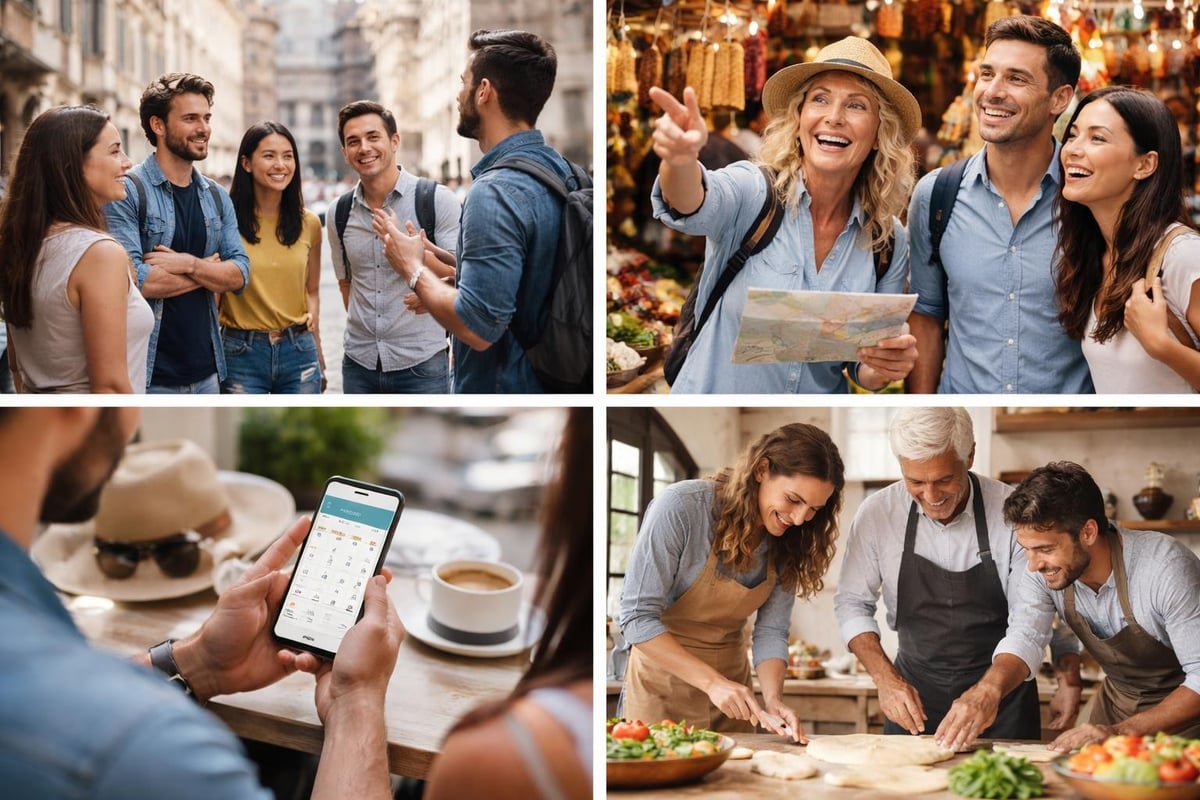
Understanding different tour types helps you select experiences aligned with your interests and travel style. Walking tours remain among the most popular formats, offering intimate exploration of historic districts and neighborhoods. These tours typically last 2-4 hours and cover 2-3 miles at a comfortable pace.
Thematic tours focus on specific interests such as food, literature, architecture, or music. Food and wine tours have grown particularly popular, with luxury culinary experiences attracting sophisticated travelers seeking authentic regional flavors. Literary tours follow famous authors' footsteps or explore locations from beloved novels.
Popular Tour Formats
| Tour Type | Duration | Group Size | Best For |
|---|---|---|---|
| Walking Tours | 2-4 hours | 6-15 people | Historic districts, neighborhoods |
| Food Tours | 3-5 hours | 8-12 people | Culinary enthusiasts |
| Full-Day Excursions | 6-8 hours | 10-20 people | Multiple attractions |
| Private Tours | Flexible | 1-8 people | Customized experiences |
| Multi-Day Tours | 3-14 days | 12-20 people | Comprehensive exploration |
Music-themed tours appeal to fans wanting to connect with their favorite artists' origins. From ABBA experiences in Stockholm to Beatles tours in Liverpool, these specialized offerings combine entertainment with education. They often include exclusive locations, recordings, and memorabilia that enhance the connection to musical heritage.
Private tours provide maximum flexibility and personalization. These experiences cater specifically to your group's interests, pace, and schedule. While typically more expensive per person, private tours deliver value through customization and exclusive attention that group tours cannot match.
Geographic Considerations for Tour Selection
Location dramatically influences tour quality and availability. Major cities offer abundant options, but the best guided tours in popular destinations distinguish themselves through unique angles or exclusive access. Stockholm walking tours, for example, range from standard Old Town routes to specialized literary adventures and royal palace experiences.
Coastal destinations present opportunities for diverse tour formats. Guided tours in Myrtle Beach showcase how even well-known tourist areas can offer fresh perspectives through knowledgeable local guides. Water-based tours, nature walks, and historical explorations provide variety beyond beach activities.
International destinations require careful consideration of language capabilities and cultural expertise. Tours in non-English-speaking countries benefit significantly from guides fluent in both the local language and English. This bilingual capability enables deeper cultural exchange and solves practical challenges like restaurant ordering or emergency situations.
Regional Tour Strengths
- European Cities: Historical architecture, art museums, culinary traditions, literary connections
- Asian Destinations: Cultural immersion, temple visits, traditional crafts, culinary experiences
- Pacific Islands: Natural beauty, indigenous culture, adventure activities, marine exploration
- North American Cities: Revolutionary history, diverse neighborhoods, food scenes, music heritage
Urban environments excel at walking tours that reveal hidden alleyways, local hangouts, and architectural details easily missed by independent travelers. Stockholm Old Town walking tours demonstrate how narrow medieval streets and centuries-old buildings create perfect settings for immersive historical narratives.
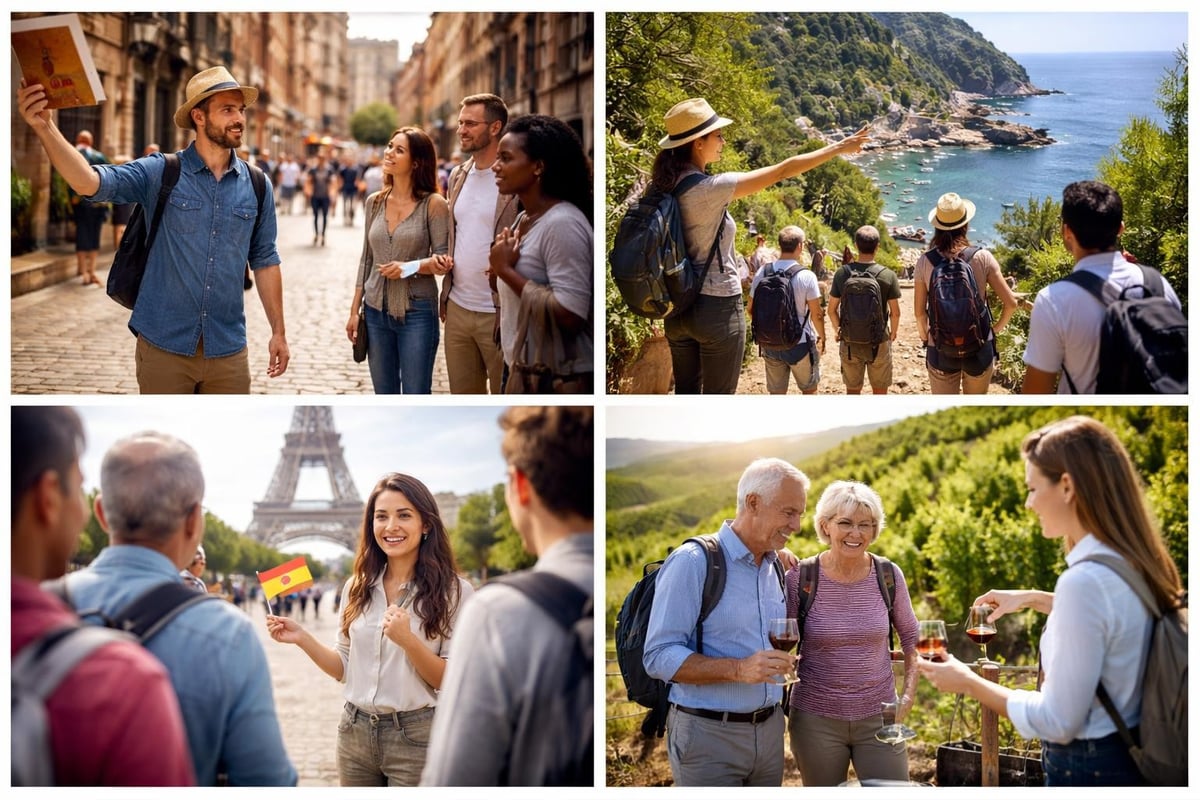
Personalization and Customization Options
The best guided tours recognize that one size never fits all. Customization capabilities separate exceptional providers from rigid operations locked into fixed itineraries. Personalized experiences acknowledge that families with children need different pacing than couples celebrating anniversaries, while corporate groups have distinct objectives from friend reunions.
Flexibility manifests in multiple ways throughout the tour experience. Start times adjusted to your schedule, itinerary modifications based on your interests, and pace adjustments for your group's energy levels all contribute to satisfaction. The best operators view their planned routes as frameworks rather than inflexible scripts.
Customization Elements
- Pre-tour consultation to understand interests, mobility considerations, and special requests
- Itinerary adjustments incorporating must-see locations with hidden gems matching your preferences
- Pace modifications allowing more time at favorite stops or skipping less interesting locations
- Dietary accommodations for food tours and meals included in full-day experiences
- Special access arrangements to private collections, backstage areas, or exclusive venues
Tailored tours demonstrate how customization creates value beyond standard offerings. Rather than following predetermined routes, guides craft experiences reflecting your specific interests whether that means extended time exploring photographic opportunities, deeper dives into particular historical periods, or connections to family heritage.
Communication preferences matter significantly in tour personalization. Some participants prefer detailed historical context while others want broader overviews with entertaining anecdotes. The best guides read their audiences and adjust presentation styles accordingly, ensuring everyone remains engaged throughout the experience.
Group dynamics influence customization needs. Multi-generational families benefit from content and pacing that engages both children and grandparents. Corporate groups might prioritize team-building elements or networking opportunities. Friend groups celebrating special occasions appreciate celebratory touches and memorable photo opportunities.
Evaluating Guide Expertise and Credentials
Guide quality represents the single most critical factor determining tour success. Exceptional guides possess deep knowledge extending far beyond memorized scripts. They answer unexpected questions, provide context connecting historical events to contemporary issues, and share personal insights that bring destinations to life.
Credentials vary by location and tour type, but certain qualifications indicate serious professionalism. Licensed guides in many European cities complete rigorous training and examinations demonstrating historical and cultural knowledge. While licensing isn't universal, it provides quality assurance in destinations requiring it.
Experience matters tremendously. Guides who have led tours for five or ten years develop expertise that newcomers cannot match. They know which stories resonate with different audiences, how to handle unexpected situations, and where to find the best views, restrooms, and refreshment stops along routes.
Guide Quality Markers
| Qualification | Significance | Verification Method |
|---|---|---|
| Official Licensing | Formal training and testing | Check local tourism authority |
| Years of Experience | Practical knowledge and adaptability | Ask provider or read reviews |
| Language Fluency | Clear communication | Request sample presentation |
| Specialized Knowledge | Depth in specific subjects | Review topic coverage |
| Recent Reviews | Current performance | Check multiple platforms |
Communication skills separate adequate guides from exceptional ones. The ability to project voices in noisy environments, maintain engaging pacing, and read audience energy levels keeps groups attentive and enthusiastic. Humor appropriately deployed creates memorable moments without diminishing serious content.
Passion distinguishes great guides from those simply doing jobs. When guides genuinely love their cities and subjects, that enthusiasm becomes contagious. English walking tours led by passionate locals reveal stories and perspectives that transform familiar landmarks into fascinating discoveries.
Practical Booking Considerations
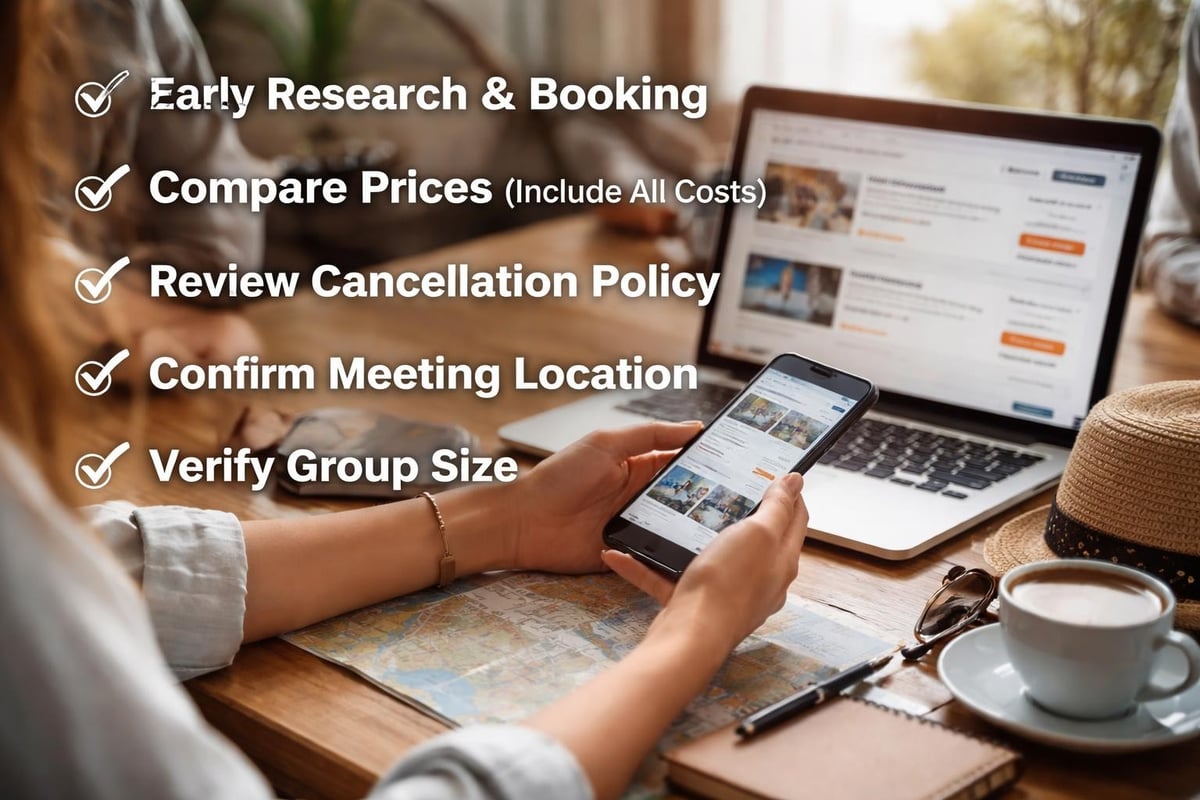
Booking the best guided tours requires strategic planning and attention to important details. Peak season in popular destinations means tours sell out weeks or months in advance. Early booking secures preferred dates and times while providing better selection among available options.
Price comparison demands looking beyond headline numbers to understand what's included. Some tours cover admission fees, meals, and transportation while others charge only for guide services. Calculate total costs including all expenses to make accurate value comparisons.
Cancellation policies deserve careful review before booking. Flexible policies allowing free cancellation until 24-48 hours before tours provide peace of mind for unpredictable travel schedules. Restrictive policies create financial risk if plans change unexpectedly.
Smart Booking Practices
- Book directly with tour operators when possible to avoid third-party fees and ensure direct communication
- Read recent reviews from the past 3-6 months for current quality indicators
- Confirm meeting locations precisely, including backup communication methods if you cannot find the group
- Verify what's included in pricing, particularly meals, admissions, and transportation
- Check weather policies for outdoor tours and understand rescheduling or refund options
Group size confirmation protects against disappointing experiences. Some operators advertise small groups but actually combine multiple bookings into larger gatherings. Explicitly confirm maximum group sizes when booking to ensure you receive the intimate experience you expect.
Technology Integration in Modern Tours
The best guided tours in 2026 thoughtfully integrate technology to enhance rather than replace human expertise. Audio equipment allows guides to communicate clearly with groups without shouting, preserving their voices and ensuring everyone hears commentary even in noisy environments. High-quality wireless systems make significant differences in tour enjoyment.
Digital resources complement live guidance through apps providing supplementary maps, photos, and information participants can review later. Some tours offer pre-trip materials helping participants prepare contextual knowledge that enriches the actual experience. Post-tour access to resources extends learning beyond the tour itself.
Photography considerations have evolved as tours adapt to social media culture. The best guides identify optimal photo locations and timing, often providing brief stops specifically for pictures. They understand how to frame shots that capture both participants and backgrounds, creating shareable memories that extend tour marketing through authentic participant posts.
Virtual reality and augmented reality applications beginning to appear in some tours overlay historical images onto current streetscapes or reconstruct vanished buildings. While still emerging, these technologies show promise for helping visitors visualize historical contexts that physical environments no longer display.
However, technology never replaces human connection and adaptability that define exceptional tours. The best experiences use technology as enhancement tools while maintaining focus on guide expertise, group interaction, and authentic cultural engagement.
Seasonal and Timing Factors
Timing significantly impacts guided tour quality and availability. Peak tourist seasons offer maximum tour variety but also mean larger crowds, higher prices, and less personalized attention. Shoulder seasons often provide ideal balances of good weather, smaller groups, and better value.
Time of day affects experience quality for different tour types. Morning walking tours benefit from cooler temperatures and smaller crowds at popular attractions. Evening tours capture golden hour lighting for photography and different atmospheric qualities in historic districts. Food tours typically schedule mid-afternoon or evening when restaurants operate at peak quality.
Optimal Timing Considerations
- Weekday tours generally encounter smaller crowds than weekend offerings
- Early morning starts access attractions before peak visitor hours
- Evening schedules provide unique lighting and atmospheric experiences
- Off-season booking delivers better value and more personalized attention
- Multi-day tour timing requires consideration of weather patterns and local events
Weather contingency planning distinguishes professional operators from amateur offerings. The best tours have alternative indoor options for rainy days or extreme temperatures. Clear communication about weather policies prevents disappointment and ensures appropriate preparation.
Special events and festivals create both opportunities and challenges for guided tours. Local celebrations add cultural richness and unique experiences, but they also mean crowds, closed streets, and modified access to normal attractions. Understanding destination calendars helps you decide whether to embrace festival periods or avoid them.
Duration matching to fitness levels and interest intensity prevents both exhaustion and disappointment. Three-hour tours suit most participants while half-day and full-day experiences require higher energy levels. Honest assessment of your group's capabilities ensures everyone enjoys the experience without struggling.
Beyond Standard Sightseeing
The best guided tours extend beyond conventional landmark visits to create deeper cultural connections. Culinary experiences that include market visits, cooking demonstrations, or meals in local homes provide authentic cultural insights impossible to gain through restaurant dining alone. These immersive formats create memorable learning experiences.
Behind-the-scenes access distinguishes premium tours from standard offerings. Theater backstage tours, museum storage facilities, or private collections normally closed to public view create exclusive experiences justifying premium pricing. VIP city tours demonstrate how special access elevates standard sightseeing into remarkable experiences.
Skills-based tours teaching traditional crafts, cooking techniques, or artistic methods engage participants as active learners rather than passive observers. These hands-on experiences create tangible takeaways and deeper appreciation for local cultural traditions. Photography tours teaching composition and technique while exploring photogenic locations serve dual purposes of sightseeing and education.
Literary tours following famous authors or fictional characters appeal to readers seeking connections to beloved books. Walking Stieg Larsson's Stockholm locations from "The Girl with the Dragon Tattoo" or exploring Sherlock Holmes's London combines literary appreciation with urban exploration. These specialized tours attract passionate communities creating social connections among participants.
Music heritage tours trace artistic development and cultural movements through locations significant to musical history. From classical composers' homes to recording studios where legendary albums were made, these experiences resonate deeply with music enthusiasts. Group tours focused on specific genres or eras attract like-minded participants, facilitating friendships and shared enthusiasm.
Social Dynamics and Group Composition
Group composition significantly influences tour experiences and satisfaction. Private tours for families, friends, or colleagues provide comfortable social environments where everyone knows each other. Shared interests and relationships create natural engagement without the social navigation required in stranger groups.
Small group tours with strangers can create wonderful social opportunities, particularly for solo travelers seeking connections. The best tours facilitate introductions and create natural conversation opportunities through thoughtful group management. Shared experiences often lead to friendships extending beyond the tour itself.
Multi-generational groups present unique challenges requiring guides skilled at engaging diverse age ranges. Content and pacing must interest both children and grandparents while accommodating different mobility levels. The best family tours incorporate interactive elements keeping younger participants engaged while providing substantial information for adults.
Corporate groups benefit from tours incorporating team-building elements and networking opportunities. Shared challenges, collaborative activities, and social settings outside normal work environments strengthen professional relationships. Some tours specifically design content and formats supporting corporate objectives.
Cultural diversity within groups enriches experiences through multiple perspectives but requires guides sensitive to different backgrounds and viewpoints. The best guides facilitate respectful discussions acknowledging various cultural contexts while maintaining focus on tour content.
Quality Assurance and Review Systems
Modern travelers rely heavily on review platforms for quality assessment. The best guided tours maintain consistently high ratings across multiple platforms, demonstrating reliable excellence rather than occasional success. Recent reviews matter more than overall averages as they reflect current operations.
Detailed reviews provide more value than simple star ratings. Look for specific comments about guide knowledge, group size accuracy, itinerary quality, and value for money. Patterns across multiple reviews reveal strengths and potential issues more reliably than isolated experiences.
Review Analysis Framework
- Check multiple platforms including Google, TripAdvisor, and specialized tour sites
- Read recent reviews from the past 3-6 months for current quality
- Look for specific details rather than generic praise or complaints
- Note response patterns from tour operators to negative feedback
- Compare reviewer backgrounds to assess relevance to your interests and experience level
Professional responses to negative reviews indicate operators who care about quality and customer satisfaction. Defensive or dismissive responses suggest problematic attitudes toward feedback. Constructive responses addressing legitimate concerns demonstrate professionalism and commitment to improvement.
Award recognition from tourism organizations, industry groups, or media outlets provides independent quality validation. National Geographic’s acclaimed tours showcase exceptional experiences meeting rigorous editorial standards. Such recognition typically requires consistent excellence over time.
Repeat customer rates indicate satisfaction levels prompting return visits or recommendations to friends and family. Operators openly sharing repeat business statistics demonstrate confidence in their quality. High return rates validate positive reviews and suggest sustainable quality rather than temporary success.
Investment Value and Pricing Structures
Price alone doesn't determine tour value. The best guided tours deliver returns through knowledge gained, experiences enjoyed, time saved, and stress eliminated. Comparing prices requires understanding what's included and how tours differ in content, access, and personalization.
Budget considerations should account for total trip costs. Investing in quality tours often provides better overall value than saving money on mediocre experiences that disappoint. Poor tours waste not just money but irreplaceable vacation time in destinations you may never revisit.
Premium pricing often reflects smaller groups, longer durations, exclusive access, or specialized expertise. These factors create genuinely superior experiences justifying higher costs. Understanding what drives pricing helps you make informed decisions aligned with priorities and budgets.
Price-Value Analysis
| Price Tier | Typical Features | Best For |
|---|---|---|
| Budget | Large groups, basic itineraries | Price-sensitive travelers, overview experiences |
| Mid-Range | Moderate groups, quality guides | Most travelers seeking solid experiences |
| Premium | Small groups, exclusive access | Travelers prioritizing personalized quality |
| Luxury | Private guides, customized everything | Those seeking ultimate personalization |
Group discounts and package deals sometimes offer genuine value but require careful evaluation. Ensure bundled tours all interest your group rather than creating obligations to attend mediocre experiences for package savings. Quality should never be sacrificed purely for quantity.
Tipping customs vary by location but generally constitute important guide compensation components. Research standard tipping practices for your destination and budget accordingly. Quality guides providing exceptional experiences deserve appropriate recognition for their expertise and effort.
Planning Multi-Tour Itineraries
Travelers visiting destinations for several days often book multiple tours covering different aspects of local culture and history. Sequencing tours logically creates comprehensive understanding while avoiding redundancy. Starting with overview tours provides context for subsequent specialized experiences.
Energy management across multiple touring days prevents exhaustion that diminishes enjoyment. Alternating intensive walking tours with less physically demanding experiences maintains enthusiasm throughout trips. Building rest days into touring schedules allows time to process experiences and explore independently.
Geographic efficiency reduces transportation time and costs when booking multiple tours. Clustering tours in similar neighborhoods or districts minimizes transit between experiences. However, variety sometimes justifies additional travel to experience diverse districts or themes.
Group tours in Stockholm illustrate how multi-tour planning creates comprehensive city experiences. Combining Old Town walking tours with ABBA experiences, literary adventures, and royal palace visits provides diverse perspectives impossible to gain through single tours.
Balancing guided and independent time allows both structure and spontaneity. Tours provide expert insights and efficient access while independent exploration enables personal discoveries and flexible pacing. The best trips combine both approaches leveraging respective strengths.
Finding the best guided tours requires understanding quality indicators, evaluating options against personal interests, and selecting experiences offering genuine value beyond generic sightseeing. Whether you're drawn to culinary adventures, literary trails, historical walks, or musical heritage, exceptional tours transform ordinary travel into extraordinary cultural immersion. Adding:tours specializes in personalized Stockholm experiences for private groups and small gatherings, offering everything from classic Old Town walks to ABBA adventures and literary journeys, all led by native English-speaking guides who share insider perspectives that make your time truly special.