Town Tour Success: Planning Memorable Urban Experiences
Planning and executing a memorable town tour requires more than simply walking through streets and pointing out buildings. The best guided experiences combine historical knowledge, local insights, storytelling expertise, and personalized touches that transform a simple walk into an unforgettable journey. Whether you're organizing tours for private groups, families, or small gatherings, understanding the fundamental elements that make town tours successful will help you create experiences that resonate long after visitors return home. This comprehensive guide explores proven strategies for designing, customizing, and delivering exceptional urban exploration experiences that showcase your destination's unique character.
Understanding the Essential Components of a Town Tour
Every successful town tour builds upon several foundational elements that work together to create engaging experiences. Route planning forms the backbone of any walking experience, requiring careful consideration of distance, terrain, and accessibility. Professional guides must balance educational content with entertainment value, ensuring participants remain engaged throughout the journey.
The duration of a town tour significantly impacts visitor satisfaction and retention. According to detailed planning guidelines for tour duration, most walking tours should range between 90 minutes and three hours, depending on the number of stops and the depth of information shared. This timeframe allows guides to cover substantial ground while maintaining participant energy and interest levels.
Crafting Routes That Tell Stories
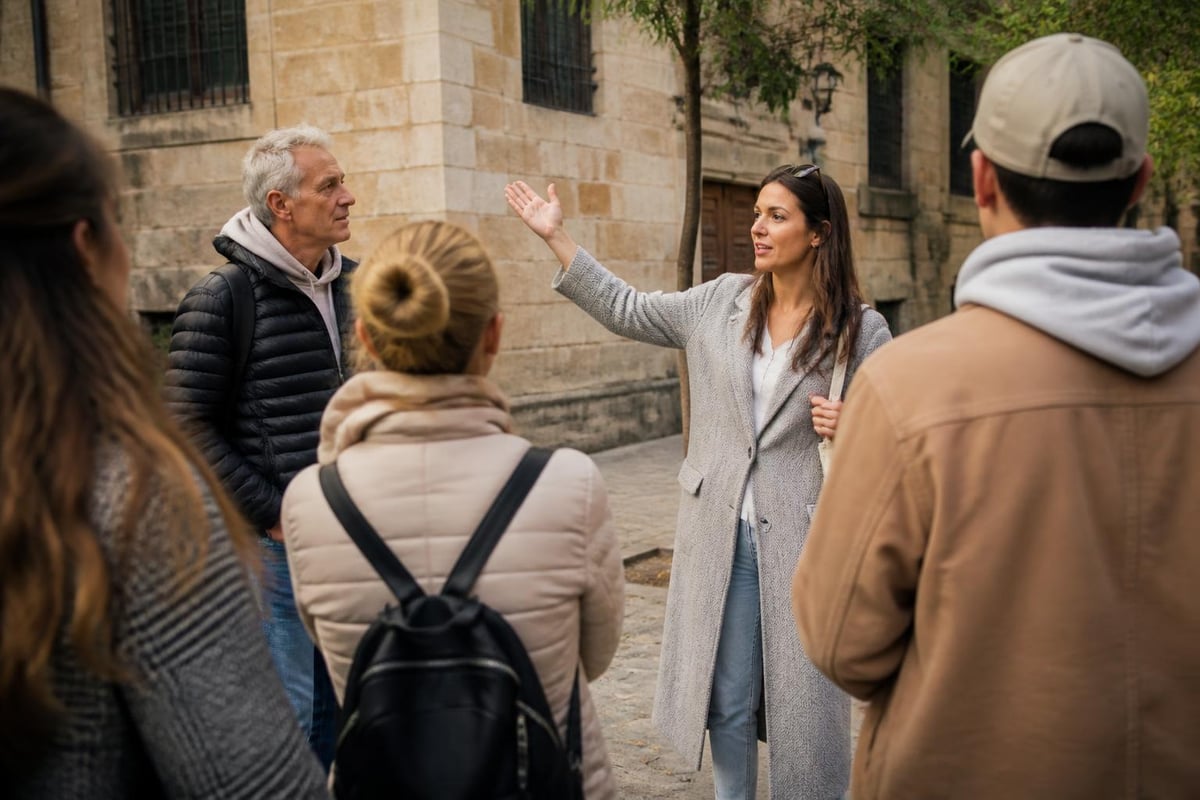
Effective route design goes beyond selecting popular landmarks. The path should create a narrative flow that builds understanding and appreciation for the destination's character. Consider how each stop connects to the next, creating thematic threads that help visitors understand the town's evolution, culture, and significance.
Key routing considerations include:
- Historical progression from oldest to newest neighborhoods
- Thematic connections between locations
- Natural gathering points for group discussions
- Rest opportunities at strategic intervals
- Photo-worthy vantage points
- Protection from weather elements
When designing routes through historic districts like Stockholm’s Old Town, guides should highlight architectural details, urban planning decisions, and the stories of people who shaped these spaces. The narrow alleys and medieval street patterns tell their own story about how communities developed before modern city planning.
Personalizing Experiences for Different Audiences
Customization transforms standard town tours into memorable experiences tailored to specific interests and group dynamics. Private groups bring different expectations, backgrounds, and interests that skilled guides can address through thoughtful adaptation. Family groups might appreciate interactive elements and storytelling that engages children, while corporate teams may value networking opportunities and professional development aspects.
The research on urban planning exploration through walking tours demonstrates how different lenses can illuminate the same streets in vastly different ways. Architecture enthusiasts want technical details about building styles and construction methods. History buffs seek stories about significant events and influential figures. Literary fans enjoy visiting locations featured in books or films.
| Audience Type | Primary Interests | Customization Approach |
|---|---|---|
| Families | Entertainment, education for all ages | Interactive elements, shorter segments |
| History Enthusiasts | Deep historical context, detailed narratives | Extended discussions, archival insights |
| Literary Fans | Book connections, author stories | Themed routes, location-specific readings |
| Corporate Groups | Team building, networking | Collaborative activities, professional context |
| Photography Lovers | Visual opportunities, lighting conditions | Timing for optimal shots, composition tips |
Creating Themed Tour Experiences
Themed town tours allow guides to develop specialized expertise and attract specific interest groups. A cultural tour might focus exclusively on art galleries, music venues, and theatrical spaces, while literary tours follow famous authors' footsteps through their inspiration locations.
Music-themed experiences, such as an ABBA journey through Stockholm, combine location visits with cultural immersion and social elements. These specialized tours create stronger emotional connections because they align perfectly with participants' existing passions and interests.
Building Engaging Narrative and Storytelling Techniques
The difference between an adequate town tour and an exceptional one often comes down to storytelling quality. Guides who master narrative techniques transform factual information into compelling stories that captivate audiences and make historical events feel relevant and personal. Story structure matters tremendously in maintaining engagement throughout the journey.
Effective tour narratives incorporate multiple storytelling layers. Surface-level information provides basic facts and orientation. Mid-level stories add human interest through individual experiences and anecdotes. Deep-level narratives connect local events to broader historical movements and universal human themes.
Developing Your Guide Voice and Presence
Professional guides cultivate distinctive voices that balance authority with approachability. The best guides avoid sounding like they're reciting from textbooks, instead sharing information conversationally as though revealing insider secrets to friends. This approach creates intimacy and trust within the group.
Essential storytelling techniques include:
- Starting with compelling hooks that capture immediate attention
- Using vivid sensory details that help listeners visualize past events
- Incorporating dialogue and direct quotes from historical figures
- Creating suspense through strategic information pacing
- Connecting past events to contemporary relevance
- Ending segments with memorable takeaways
When leading Stockholm city tours, guides might describe how medieval merchants negotiated in the narrow streets, using specific examples of goods traded and the international connections these traders maintained. These concrete details make abstract historical concepts tangible and memorable.
Managing Group Dynamics and Logistics
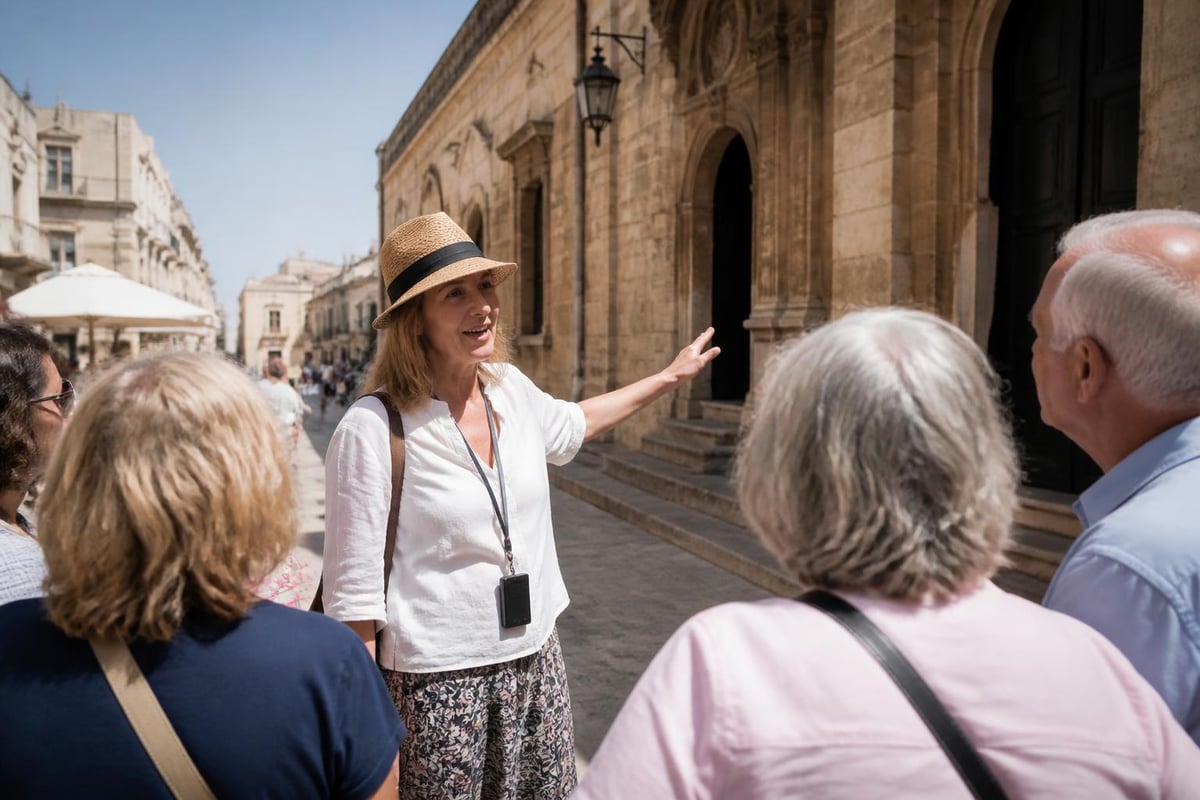
Successful town tour execution requires excellent logistics management and interpersonal skills. Group size significantly impacts the experience quality, with smaller gatherings allowing for more interaction and customization. Private tours for six to twelve participants create ideal conditions for personalized attention while maintaining group energy.
Guides must constantly monitor group cohesion, ensuring no one falls behind physically or loses engagement mentally. Positioning strategies help everyone see and hear effectively. Regular headcounts prevent anyone from becoming separated. Strategic pauses allow slower walkers to catch up without rushing.
Weather and Seasonal Considerations
Town tours face unique challenges across different seasons and weather conditions. Summer heat requires earlier start times, more frequent water breaks, and shaded route segments when possible. Winter tours need shorter outdoor segments with indoor warm-up opportunities. Rain contingencies might include covered walkways, museum stops, or rescheduling protocols.
The academic research on timeliness-aware tour planning highlights how dynamic factors like weather, crowd levels, and time constraints should influence real-time tour adjustments. Skilled guides maintain flexibility to modify routes when conditions change unexpectedly.
Incorporating Local Insider Knowledge
What distinguishes professional town tours from self-guided exploration is the guide's insider perspective and local connections. Native experts share knowledge that visitors cannot find in guidebooks or online research. This might include current events affecting the community, recent discoveries about historical sites, or personal connections to locations featured on the tour.
Insider access elevates experiences substantially. Guides with established relationships might arrange special viewing opportunities, introduce participants to local artisans, or share stories based on personal experiences growing up in the area. These authentic touches create unique value that justifies professional guidance.
Highlighting Hidden Gems and Secret Spots
Every town contains overlooked treasures that casual visitors miss. Experienced guides develop extensive knowledge of these hidden gems through years of exploration and research. A narrow courtyard might contain remarkable architectural details. An unassuming building might have played crucial roles in significant historical events.
When exploring areas through English walking tours, native English-speaking guides provide not just translation but cultural interpretation, explaining nuances that foreign visitors might misunderstand. They contextualize observations within broader cultural frameworks that help international guests appreciate local customs and traditions.
Integrating Technology and Traditional Methods
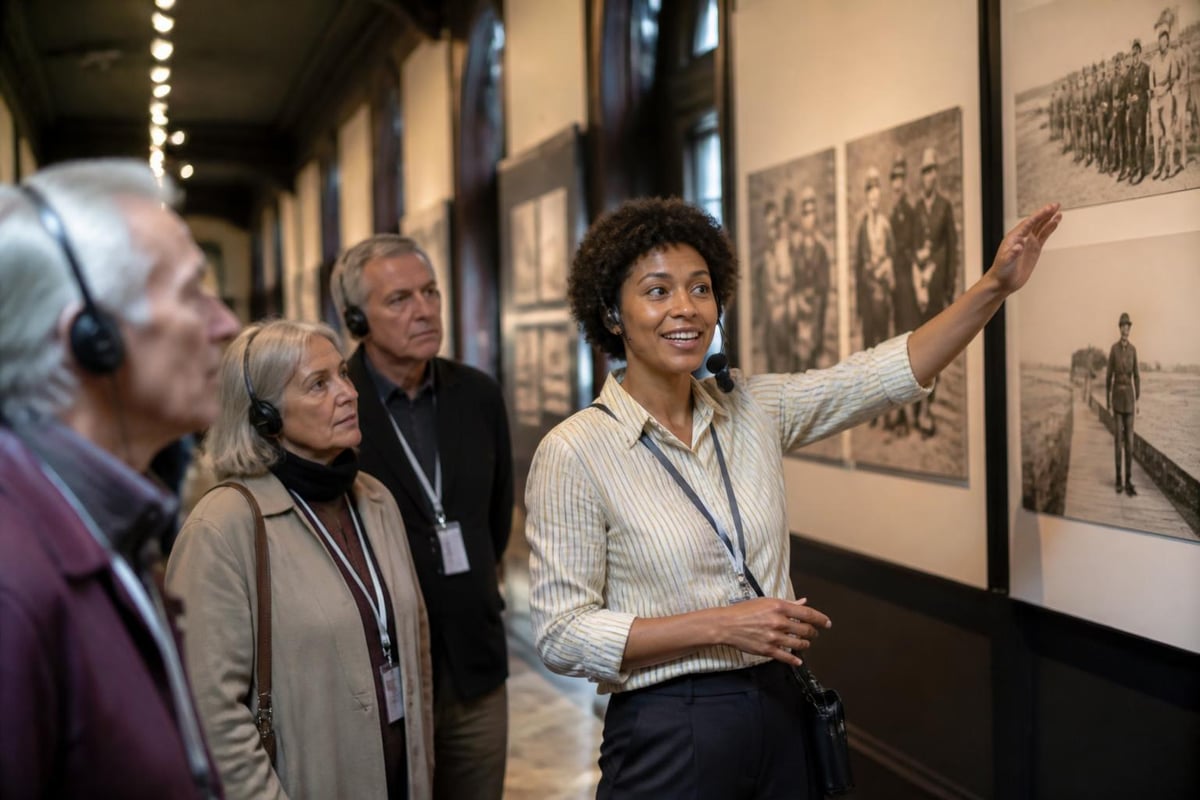
Modern town tours benefit from strategic technology integration while maintaining personal connection and human expertise. Audio enhancement systems help larger groups hear guides clearly in noisy urban environments. Portable screens or tablets can display historical photographs showing how locations appeared in earlier eras.
However, technology should enhance rather than replace human interaction. The most successful guided sightseeing tours use devices sparingly, ensuring technology serves the narrative rather than distracting from it. Visual aids work best when they directly support the story being told at that specific moment.
| Technology Tool | Best Use Cases | Potential Drawbacks |
|---|---|---|
| Audio headsets | Large groups, noisy areas | Can feel impersonal, technical issues |
| Historical photo apps | Before/after comparisons | Screen time reduces present-moment engagement |
| GPS tracking | Safety, coordination | Battery dependence, signal issues |
| Digital ticketing | Efficiency, record keeping | Requires internet access |
| Social media integration | Extended engagement, marketing | Privacy concerns, distraction risk |
Balancing Digital and Physical Engagement
The challenge lies in using technology without diminishing the authentic experience of being present in remarkable spaces. Guides should encourage participants to spend most of their time observing their surroundings directly rather than viewing them through screens. Strategic photography moments can be built into the itinerary, allowing everyone to capture images without constant interruption.
Developing Expertise Through Continuous Learning
Professional town tour guides commit to ongoing education and skill development. Historical research never truly ends, as new discoveries, archaeological findings, and scholarly interpretations continuously emerge. The best guides regularly read academic publications, attend lectures, and consult with historians to refine their knowledge.
Understanding historical urban planning, such as the orientation patterns of Roman towns or the layout of Spanish colonial settlements, provides context that enriches contemporary town tours. These scholarly insights help guides explain why streets follow particular patterns and how past planning decisions continue affecting modern urban life.
Training and Professional Development
Quality tour operations invest in comprehensive guide training that covers historical content, presentation skills, safety protocols, and customer service excellence. New guides should shadow experienced professionals, gradually taking on larger segments before leading full tours independently. Regular team meetings allow guides to share discoveries, refine narratives, and maintain consistency across different tour leaders.
Professional development areas include:
- Advanced historical research methods
- Public speaking and presentation skills
- Crowd management techniques
- Emergency response protocols
- Cultural sensitivity training
- Language skill enhancement
- First aid certification
Creating Memorable Conclusions and Follow-Up
The tour's conclusion significantly impacts lasting impressions and word-of-mouth recommendations. Strong endings recap key themes, invite questions, provide resources for further exploration, and thank participants genuinely. This final interaction shapes overall satisfaction and influences online reviews.
Effective tour operations maintain engagement beyond the tour itself through follow-up communications, social media connections, and exclusive content for past participants. A professional tour guide might share recommended restaurants, upcoming cultural events, or additional historical resources that complement the tour experience.
Encouraging Reviews and Referrals
Satisfied participants become valuable advocates when they share experiences with friends, family, and online communities. Making review requests feel natural rather than pushy requires thoughtful timing and genuine service quality. Guides who create exceptional experiences rarely need to ask for reviews explicitly because participants voluntarily share their enthusiasm.
Building a collection of authentic testimonials on platforms like a dedicated reviews page helps potential customers understand what makes particular tour experiences special. Detailed reviews describing specific moments, guide expertise, and personalized touches carry far more weight than generic praise.
Adapting Tours for Special Occasions and Events
Town tours can be customized for celebrations, corporate events, educational programs, and special occasions. Birthday groups might appreciate routes incorporating the celebrant's interests. Corporate retreats benefit from team-building elements woven throughout the experience. School groups require age-appropriate content and interactive learning opportunities.
Seasonal events and festivals provide opportunities for specialized tours that highlight temporary installations, cultural celebrations, or historical commemorations. These limited-time offerings create urgency and attract repeat visitors who have experienced standard tours but want new perspectives.
Designing Private Group Experiences
Private group tours allow maximum customization based on specific requests and interests. A family reunion might want routes connecting to their ancestral neighborhood. A literary club could request an in-depth exploration of locations featured in particular novels. Corporate teams might seek networking-friendly formats with discussion opportunities.
The flexibility of tailored tours enables guides to adjust pacing, depth, and focus based on real-time feedback and group energy. This responsiveness distinguishes private experiences from fixed-format public tours and justifies premium pricing.
Establishing Safety Protocols and Accessibility Standards
Professional tour operations prioritize participant safety through comprehensive protocols and careful planning. Guides must identify potential hazards along routes, from uneven cobblestones to busy intersections. Safety briefings at the beginning establish expectations about staying together, traffic awareness, and emergency procedures.
Accessibility considerations ensure tours welcome participants with varying mobility levels and physical abilities. Routes should identify rest points, accessible restrooms, and alternative paths for those who cannot navigate stairs or steep inclines. Guides must communicate accessibility features clearly during booking so participants can make informed decisions.
Emergency Preparedness
Guides should carry first aid supplies, emergency contact information, and communication devices. Clear protocols for medical emergencies, severe weather, or security concerns help guides respond effectively under pressure. Regular drills and scenario training prepare guides to handle unexpected situations calmly and professionally.
Understanding local emergency services, nearest hospitals, and quick evacuation routes becomes essential knowledge for anyone leading groups through urban environments. This preparation provides confidence to both guides and participants.
Planning exceptional town tour experiences requires combining historical knowledge, storytelling ability, logistical expertise, and genuine passion for sharing your destination with visitors. By focusing on personalization, insider insights, and continuous improvement, tour guides create memorable experiences that transform casual visitors into enthusiastic advocates. At Adding:tours, we specialize in designing personalized guided sightseeing tours for private groups exploring Stockholm, combining native English-speaking expertise with deep local knowledge to create truly special experiences. Whether you're interested in classic walking tours through historic neighborhoods, literary adventures, or music-themed journeys, our customized approach ensures your group discovers Stockholm from an authentic local perspective.