Guided European Tours: A Complete Planning Guide
Exploring Europe's diverse tapestry of cultures, histories, and landscapes becomes infinitely more rewarding when experienced through the eyes of knowledgeable local guides. Guided European tours offer travelers the opportunity to dive deeper into destinations, uncovering stories and perspectives that independent exploration often misses. Whether you're drawn to ancient Roman ruins, medieval castles, or vibrant contemporary cities, the right guided experience transforms sightseeing into meaningful cultural immersion. Understanding what makes these tours valuable and how to choose the best option for your travel style can make the difference between a good trip and an unforgettable journey.
What Makes Guided European Tours Worth the Investment
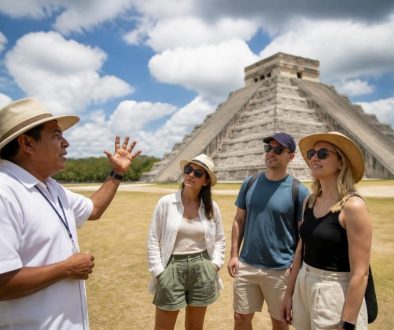
The value of professional guidance extends far beyond simple navigation. Expert guides transform destinations from beautiful backdrops into living narratives, connecting architectural details with historical events and cultural traditions with contemporary life.
Access to Local Knowledge and Hidden Gems
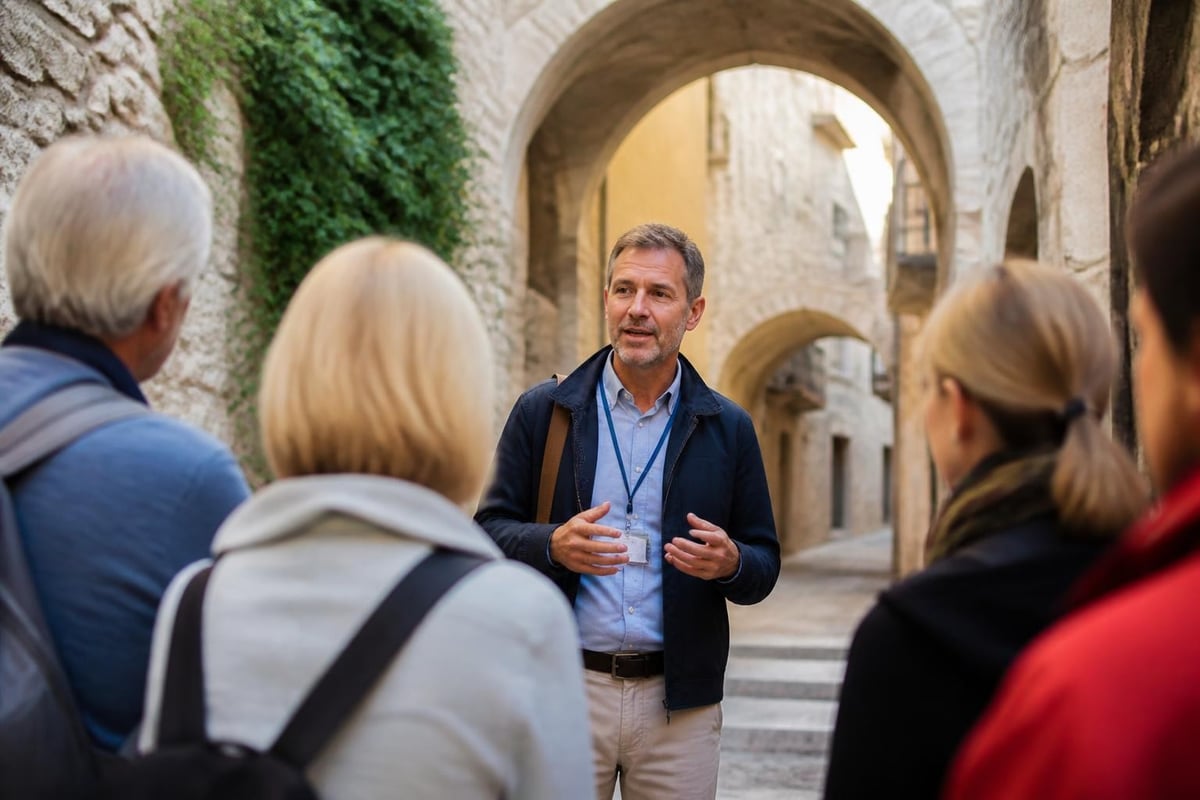
Native guides possess insider information that guidebooks and travel apps simply cannot replicate. They know which narrow alley leads to the best local bakery, when museums are least crowded, and which viewpoint offers the perfect photograph at sunset. This local expertise becomes particularly valuable in cities with complex histories and layered cultural identities.
Key benefits of local guide expertise include:
- Real-time recommendations based on current conditions
- Stories and anecdotes that bring historical sites to life
- Understanding of cultural nuances and local etiquette
- Access to locations not typically open to general tourists
- Efficient routing that maximizes limited vacation time
The cultural immersion opportunities provided by National Geographic Expeditions demonstrate how expert-led experiences can deepen understanding of European destinations through meaningful connections with local communities and traditions.
Time Efficiency and Stress Reduction
Planning a European vacation involves countless decisions about transportation, timing, reservations, and logistics. Guided tours eliminate this burden by handling the complex coordination required to experience multiple sites efficiently. Professional tour operators understand optimal visit times, manage reservations, and create smooth transitions between locations.
When you join a personal tour guide, you gain the freedom to focus entirely on experiencing the destination rather than managing logistics. This proves especially valuable in cities where language barriers, complex public transportation systems, or unfamiliar customs might otherwise create challenges.
Choosing Between Different Tour Formats
Guided European tours come in various formats, each offering distinct advantages depending on your travel preferences, budget, and desired level of social interaction. Understanding these differences helps you select the experience that best matches your expectations.
Private Tours Versus Small Group Experiences
| Feature | Private Tours | Small Group Tours |
|---|---|---|
| Customization | Fully tailored to your interests | Set itinerary with some flexibility |
| Pace | Entirely your choice | Balanced for group comfort |
| Cost per person | Higher for solo/couples | More economical per participant |
| Social interaction | Intimate, family-focused | Opportunity to meet fellow travelers |
| Schedule flexibility | Complete control over timing | Fixed departure times |
Private guided experiences excel when your group has specific interests or requires flexible scheduling. Families with children, couples celebrating special occasions, or professionals with limited vacation time often prefer this personalized approach. The guide adapts content, pace, and focus areas based on your feedback throughout the experience.
Small group formats create opportunities for social connection while maintaining intimacy. Groups typically range from six to fifteen participants, allowing for meaningful interaction with both the guide and fellow travelers. This format works particularly well for small group tours for seniors who enjoy combining cultural exploration with new friendships.
Walking Tours and Comprehensive Packages
Walking tours represent the most immersive way to experience European cities. These experiences prioritize depth over breadth, focusing on specific neighborhoods or themes rather than attempting to cover entire cities superficially. A well-designed Stockholm old town walking tour might spend three hours exploring medieval streets, revealing architectural evolution, historical events, and cultural traditions that shaped the neighborhood.
The intimate scale of walking tours allows guides to share details that would be impossible from a bus or vehicle. You notice craftsmanship on building facades, sample local specialties from neighborhood shops, and pause for photographs without disrupting traffic or schedules.
Comprehensive multi-day packages combine various transportation methods and accommodation to create seamless journeys across regions or countries. These programs handle all logistics, allowing participants to wake up each morning knowing exactly what to expect while maintaining flexibility for personal exploration during free time.
Specialized Themed Tours Add Depth to European Exploration
The most memorable guided European tours often center on specific themes that align with travelers' passions. These focused experiences attract participants who share common interests, creating natural connections and enriching group dynamics.
Literary and Cultural Heritage Tours
Literature enthusiasts can walk in the footsteps of beloved authors, visiting locations that inspired famous works or served as settings for memorable scenes. Stockholm offers particularly rich opportunities for literary exploration, from following Stieg Larsson's Millennium series locations to discovering the city's Nobel Prize literary connections.
Popular cultural heritage themes include:
- Classical music and opera tours visiting concert halls and composers' homes
- Art history explorations focusing on specific movements or periods
- Culinary journeys highlighting regional specialties and food traditions
- Architectural tours examining Gothic, Renaissance, or Modernist styles
- Historical deep-dives into specific eras or events
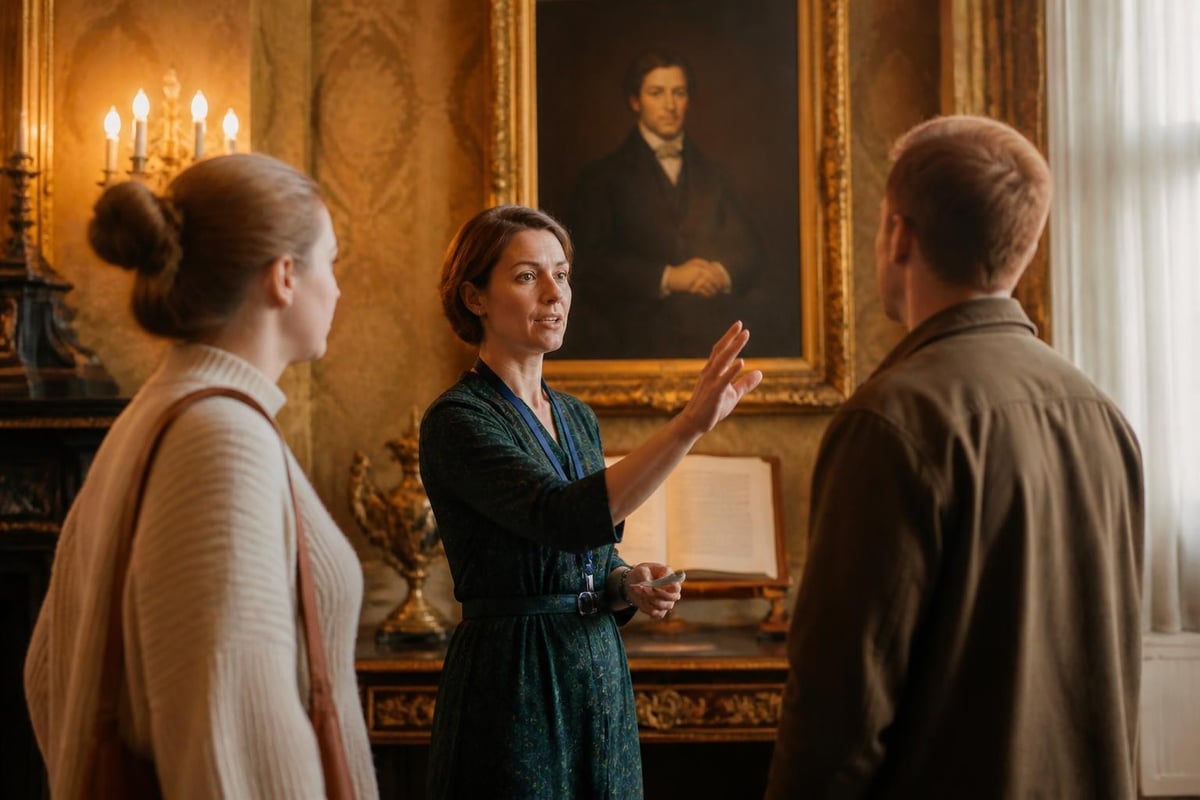
These specialized experiences attract passionate travelers who value depth and expertise. Guides leading themed tours typically possess specialized knowledge, whether through academic training, professional experience, or lifelong personal interest in the subject.
Music and Entertainment Focused Experiences
Music-centered tours tap into Europe's rich performance traditions and contemporary entertainment scenes. From classical concert halls in Vienna to ABBA's Stockholm haunts, these experiences combine site visits with contextual storytelling that deepens appreciation for the music itself.
Stockholm's connection to ABBA creates unique opportunities for fans to explore the band's history through locations significant to their formation, recording sessions, and rise to international fame. These journeys often include museum visits, neighborhood explorations, and even musical experiences where participants can engage directly with the songs that defined a generation.
Maximizing Your Guided Tour Experience
Preparation and mindset significantly influence how much value you extract from guided European tours. Approaching these experiences with realistic expectations and active engagement creates conditions for memorable learning and genuine cultural connection.
Pre-Tour Research and Preparation
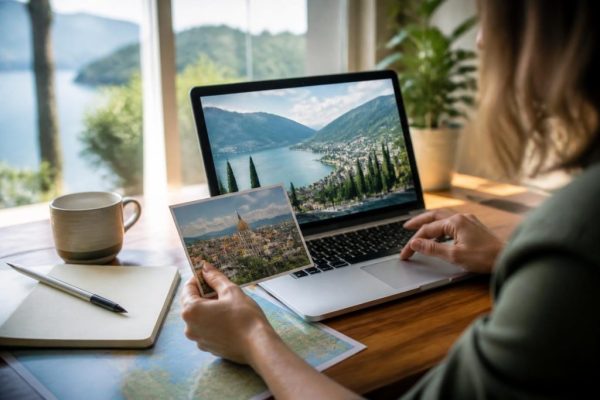
While guides provide extensive information, doing some preliminary research enhances your ability to ask informed questions and make connections during the tour. Familiarizing yourself with basic historical context, key figures, and major events related to your destination allows you to focus on nuances and lesser-known details during the guided experience.
Understanding the benefits of guided vacations helps set appropriate expectations. These aren't passive entertainment experiences but rather opportunities for active learning and cultural exchange. The more engaged you remain throughout the tour, the more you'll retain and appreciate.
Consider your physical capabilities honestly when selecting tours. Walking tours through historic districts often involve cobblestone streets, stairs, and extended periods of standing. Communicating any mobility concerns with tour operators in advance allows them to suggest appropriate alternatives or make necessary accommodations.
Building Rapport with Your Guide
Professional guides appreciate participants who demonstrate genuine curiosity and respectful engagement. Asking thoughtful questions, sharing relevant personal experiences, and showing enthusiasm for the subject matter creates positive energy that benefits everyone in the group.
The relationship between guide and participants forms the foundation of quality guided experiences. Native English-speaking guides often provide nuanced cultural insights that transcend simple translation, helping international visitors understand contextual meanings and contemporary perspectives on historical events.
Planning Logistics for European Guided Tours
Successful tour experiences require attention to practical details beyond simply selecting your destination and guide. Understanding booking timelines, pricing structures, and what's included in various packages prevents surprises and ensures smooth experiences.
Booking Timeline and Seasonal Considerations
European tourism follows distinct seasonal patterns that affect availability, pricing, and experience quality. Summer months bring peak crowds to popular destinations, creating challenges for photography and intimate experiences but offering long daylight hours and reliable weather. Spring and fall shoulder seasons provide excellent compromise between comfortable conditions and manageable tourist volumes.
| Season | Advantages | Considerations |
|---|---|---|
| Spring (March-May) | Moderate weather, blooming gardens, fewer crowds | Variable weather, some attractions may have limited hours |
| Summer (June-August) | Long days, all attractions open, festivals and events | Maximum crowds, higher prices, advance booking essential |
| Fall (September-November) | Beautiful foliage, harvest festivals, comfortable temperatures | Shortening days, some seasonal closures |
| Winter (December-February) | Christmas markets, minimal crowds, lowest prices | Limited daylight, cold weather, some tours unavailable |
Booking several months in advance proves particularly important for private tours and specialized experiences with limited availability. Popular dates around holidays and major events fill quickly, and the best guides maintain busy schedules during peak seasons.
Understanding Pricing and What's Included
Tour pricing varies significantly based on format, duration, group size, and included elements. Understanding exactly what your investment covers prevents budget surprises and allows accurate comparison between options.
Most guided walking tours include the guide's expertise and carefully planned routing but expect participants to cover their own entrance fees, meals, and transportation to the meeting point. Comprehensive multi-day packages typically bundle accommodations, some meals, inter-city transportation, and entrance fees into the total price.
Private tour pricing often works on a flat rate for the guide's time and expertise, regardless of group size within reasonable limits. This structure makes private experiences increasingly economical as your group size grows, sometimes approaching the per-person cost of small group tours when you have six or more participants.

The Stockholm Example: Quality Guided Experiences
Stockholm exemplifies how guided European tours can transform a city visit from surface-level sightseeing into deep cultural understanding. The Swedish capital offers layers of history, from Viking roots through imperial grandeur to contemporary Scandinavian design innovation.
Exploring Gamla Stan and Royal Heritage
The old town walking tour represents Stockholm's most iconic guided experience. Gamla Stan's medieval streets, with their ochre and terracotta facades, narrow alleyways, and cobblestone squares, tell stories spanning eight centuries. Expert guides connect architectural details with historical events, explaining how this small island became the heart of Swedish power and culture.
The Royal Palace offers particular insights into Swedish monarchy and governance. Witnessing the changing of the guard ceremony gains significance when guides explain the traditions, uniforms, and constitutional role of the modern Swedish royal family. These contextual details transform a photographic moment into meaningful cultural understanding.
Beyond the Obvious: Literary and Musical Stockholm
Stockholm's cultural contributions extend far beyond its architectural beauty. The city's role in detective fiction, particularly through Stieg Larsson's Millennium series, attracts literary enthusiasts worldwide. Specialized tours visit actual locations featured in the novels while exploring Stockholm's real criminal justice system and social issues that inspired the fictional narratives.
For music enthusiasts, Stockholm's connection to ABBA and the broader Swedish pop music industry creates unique touring opportunities. These experiences combine historical site visits with contemporary music industry insights, revealing how a small Nordic nation became a global pop powerhouse. Rick Steves’ approach to guided tours emphasizes these cultural connections that make destinations memorable beyond their physical beauty.
Making Guided Tours Work for Different Travel Styles
Every traveler approaches European exploration differently. Some prioritize historical authenticity, others seek Instagram-worthy moments, while many want a balance of education and entertainment. Quality guided European tours accommodate these varied preferences through flexible design and responsive guiding.
For Solo Travelers Seeking Connections
Solo travelers often appreciate small group tours as opportunities to meet like-minded explorers while avoiding the isolation that can accompany independent travel. Shared experiences create natural conversation starters, and guides often facilitate introductions and connections among participants with common interests.
The structured nature of guided experiences also addresses safety concerns that sometimes worry solo travelers, particularly in unfamiliar cities or when navigating evening activities. Professional guides maintain awareness of group cohesion and ensure no one gets lost or left behind.
For Families Creating Shared Memories
Family groups benefit tremendously from private guided experiences that accommodate different age groups and interest levels. Skilled guides adjust their presentation style, walking pace, and content complexity based on the ages of children in the group. Interactive elements like scavenger hunts, storytelling sessions, and hands-on activities keep younger participants engaged while adults absorb historical and cultural context.
The flexibility of tailored tours proves invaluable when traveling with children who may need restroom breaks, snack pauses, or simply shorter overall durations than standard group tours offer. Parents can relax knowing the itinerary will flex around their family's needs rather than forcing children to conform to rigid schedules.
For Professionals Maximizing Limited Time
Business travelers and professionals with limited vacation days need maximum efficiency from their European experiences. Guided tours deliver concentrated cultural immersion that would require days of independent exploration to replicate. A three-hour expertly guided walking tour can provide more meaningful understanding than an entire day of wandering with a guidebook.
The English walking tours format particularly suits time-constrained travelers, offering intensive experiences that fit within morning or afternoon blocks, leaving other portions of the day free for business obligations or personal exploration.
Technology Integration in Modern Guided Tours
Contemporary guided European tours increasingly incorporate technology to enhance rather than replace human expertise. Audio systems allow guides to communicate clearly with larger groups without shouting, while digital images supplement storytelling with historical photographs or architectural plans.
Digital Enhancement Without Losing Human Connection
The most effective technology integration remains invisible, supporting the guide's narrative rather than dominating attention. Some guides use tablets to display archival photographs showing how locations appeared in previous eras, creating powerful then-and-now comparisons. Others employ mapping applications to illustrate historical boundaries or military movements that shaped current city layouts.
However, the irreplaceable element remains human connection. No app can read group energy and adjust pacing accordingly, recognize when participants need a break, or answer spontaneous questions with nuanced, contextual responses. This human adaptability explains why guided experiences continue thriving despite abundant free digital resources.
Pre-Tour Communication and Customization
Modern booking platforms and communication tools enable unprecedented customization before tours even begin. Thoughtful tour operators send pre-departure questionnaires asking about interests, mobility considerations, and specific topics participants hope to explore. This information allows guides to prepare relevant stories and adjust routing to emphasize elements most meaningful to their specific group.
Email and messaging platforms facilitate practical coordination regarding meeting points, weather-appropriate clothing, and last-minute schedule adjustments. This transparent communication reduces pre-tour anxiety and ensures everyone arrives prepared for optimal experiences.
Sustainability and Responsible Tourism
Guided European tours increasingly emphasize sustainable practices and responsible cultural engagement. Travelers in 2026 show growing awareness of tourism's environmental and cultural impacts, seeking experiences that benefit rather than burden host communities.
Supporting Local Economies and Cultural Preservation
Quality guided tours channel tourism revenue directly into local economies through fair guide compensation, partnerships with local businesses, and support for cultural preservation initiatives. When guides recommend family-owned restaurants, independent shops, and local artisans, they help distribute tourism benefits beyond major international chains.
Cultural preservation extends beyond physical monuments to include living traditions, languages, and knowledge systems. Guides who share oral histories, explain traditional crafts, or demonstrate local customs help preserve intangible cultural heritage that might otherwise fade in the face of globalization.
Environmental Considerations
Walking-based guided tours represent one of tourism's most environmentally friendly formats, eliminating vehicle emissions while encouraging intimate neighborhood exploration. This low-impact approach aligns with broader European sustainability initiatives promoting pedestrian-friendly cities and reduced carbon footprints.
Responsible tour operators also manage group sizes to prevent overcrowding at sensitive sites, schedule visits during off-peak hours to distribute tourist pressure, and educate participants about respectful behavior at religious sites, memorials, and residential neighborhoods.
Guided European tours offer transformative travel experiences that combine expert knowledge, cultural immersion, and logistical ease into memorable journeys through the continent's rich heritage. Whether you're drawn to literary adventures, musical heritage, or comprehensive historical exploration, the right guided experience connects you authentically with destinations in ways independent travel rarely achieves. Adding:tours specializes in creating these personalized experiences for private groups and small gatherings in Stockholm, where native English-speaking guides share insider perspectives on everything from Old Town medieval history to ABBA's musical legacy, ensuring your European exploration becomes truly unforgettable.