Organized Tours: Your Guide to Group Travel Excellence
Traveling with purpose, structure, and expert guidance transforms ordinary trips into extraordinary adventures. Organized tours have evolved significantly from the rigid, one-size-fits-all packages of decades past into flexible, personalized experiences that cater to diverse interests and group sizes. Whether you're a solo traveler seeking community, a family wanting stress-free exploration, or a group of friends planning a cultural deep dive, the modern landscape of guided travel offers compelling advantages that independent travel simply cannot match. As the travel industry continues to rebound and innovate in 2026, understanding what makes organized tours valuable helps travelers make informed decisions about their next adventure.
The Evolution of Group Travel Experiences
The guided tour industry has undergone remarkable transformation in recent years. Traditional bus tours with rigid schedules have given way to intimate, customized experiences that prioritize quality over quantity. Today's travelers demand authenticity, flexibility, and meaningful connections with destinations, prompting tour operators to reimagine their offerings entirely.
Personalization as the New Standard
Modern organized tours recognize that every traveler brings unique interests, physical capabilities, and expectations. Rather than forcing groups through identical experiences, contemporary operators craft itineraries that adapt to participant preferences. This shift toward customization means a cultural tour through Stockholm's historic neighborhoods can emphasize architectural details for design enthusiasts or literary significance for book lovers.
The rise of small group formats has particularly accelerated this personalization trend. According to recent industry analysis, women and solo travelers are driving renewed interest in intimate group experiences that balance independence with social connection. These smaller configurations allow guides to adjust pace, depth, and focus based on real-time group dynamics.
Industry Growth and Resilience
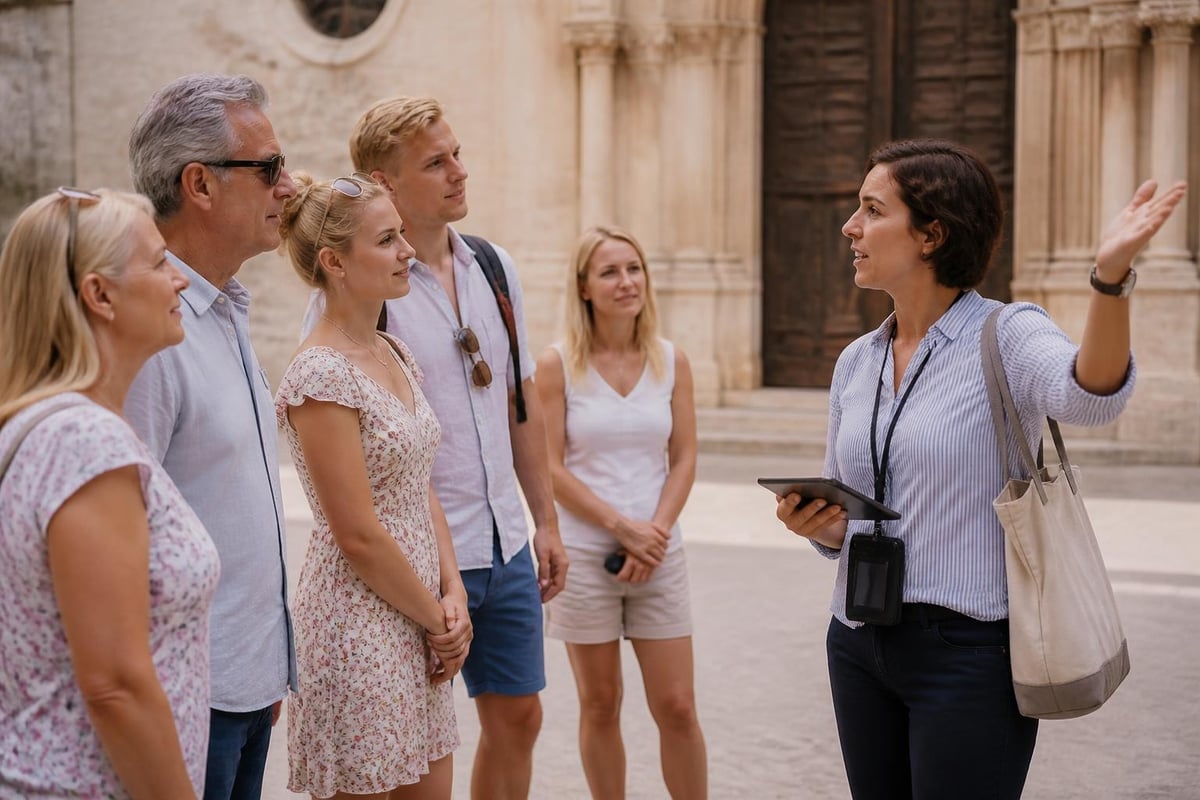
Despite global challenges, the organized tour sector demonstrates remarkable vitality. The USTOA survey reveals industry growth and optimism heading into 2026, with operators reporting increased bookings and expanded offerings. This resilience stems from fundamental shifts in how people value their travel time.
Key growth drivers include:
- Time efficiency: Professionals with limited vacation days maximize experiences through expert-planned itineraries
- Safety considerations: Organized frameworks provide security and support structures, especially in unfamiliar destinations
- Educational depth: Native guides offer contextual understanding impossible to achieve through self-guided research
- Social connections: Shared experiences create meaningful relationships among travelers with common interests
Benefits That Define Quality Organized Tours
Choosing guided experiences over independent travel involves weighing specific advantages that organized tours uniquely provide. Understanding these benefits helps travelers identify which tour styles align with their priorities and travel philosophies.
Expert Knowledge and Insider Access
Professional guides transform sightseeing from observation into education. When exploring Stockholm's medieval streets during an Old Town walking tour, native English-speaking guides share historical context, architectural evolution, and contemporary cultural insights that guidebooks cannot capture. This expertise extends beyond facts to include timing strategies, avoiding crowds, and accessing viewpoints that casual visitors miss entirely.
Insider access often represents the most significant value proposition. Guides maintain relationships with local venues, cultural institutions, and communities, opening doors that remain closed to independent travelers. This might mean witnessing the changing of the guard at the Royal Palace from optimal vantage points or discovering family-owned establishments in Stockholm's narrow alleys where authentic Swedish culture thrives away from tourist corridors.
| Aspect | Independent Travel | Organized Tours |
|---|---|---|
| Planning Time | 15-30 hours research | Minimal (handled by operator) |
| Local Knowledge | Limited to online resources | Expert guides with years of experience |
| Hidden Locations | Difficult to discover | Included through insider connections |
| Historical Context | Self-researched, variable depth | Professional interpretation and storytelling |
| Problem Resolution | Self-managed | Immediate professional support |
Stress Reduction and Logistical Efficiency
Travel anxiety often stems from logistical complexity: coordinating transportation, managing timing, navigating language barriers, and handling unexpected disruptions. Organized tours absorb these responsibilities, allowing participants to focus entirely on experience rather than execution. This proves particularly valuable in destinations where language differences or unfamiliar transportation systems create barriers.
Tailored tours eliminate the decision fatigue that plagues independent travel. Rather than spending vacation time debating restaurant choices or researching opening hours, travelers follow thoughtfully designed itineraries that balance activity with rest, major attractions with hidden gems, and structured time with free exploration.
Specialized Tour Categories Meeting Niche Interests
The diversification of organized tours reflects increasingly sophisticated traveler expectations. Generic "city highlights" packages now compete with hyper-focused experiences targeting specific passions, from culinary traditions to literary history.
Literary and Cultural Deep Dives
Themed tours transform destinations into living narratives. Literary adventures, such as following Stieg Larsson's footsteps through Stockholm locations featured in "The Girl with the Dragon Tattoo," appeal to readers who want to experience settings from beloved stories. These specialized experiences combine location visits with cultural context, explaining how Stockholm's character influenced the author's dark Nordic noir aesthetic.
The emergence of hyper-niche group tours responds to travelers seeking communities of shared interest. Whether exploring ABBA's musical legacy through a journey to Viggsö or examining Stockholm's architectural evolution, these focused experiences create immediate connections among participants through common passion.
Multi-Day Immersive Experiences
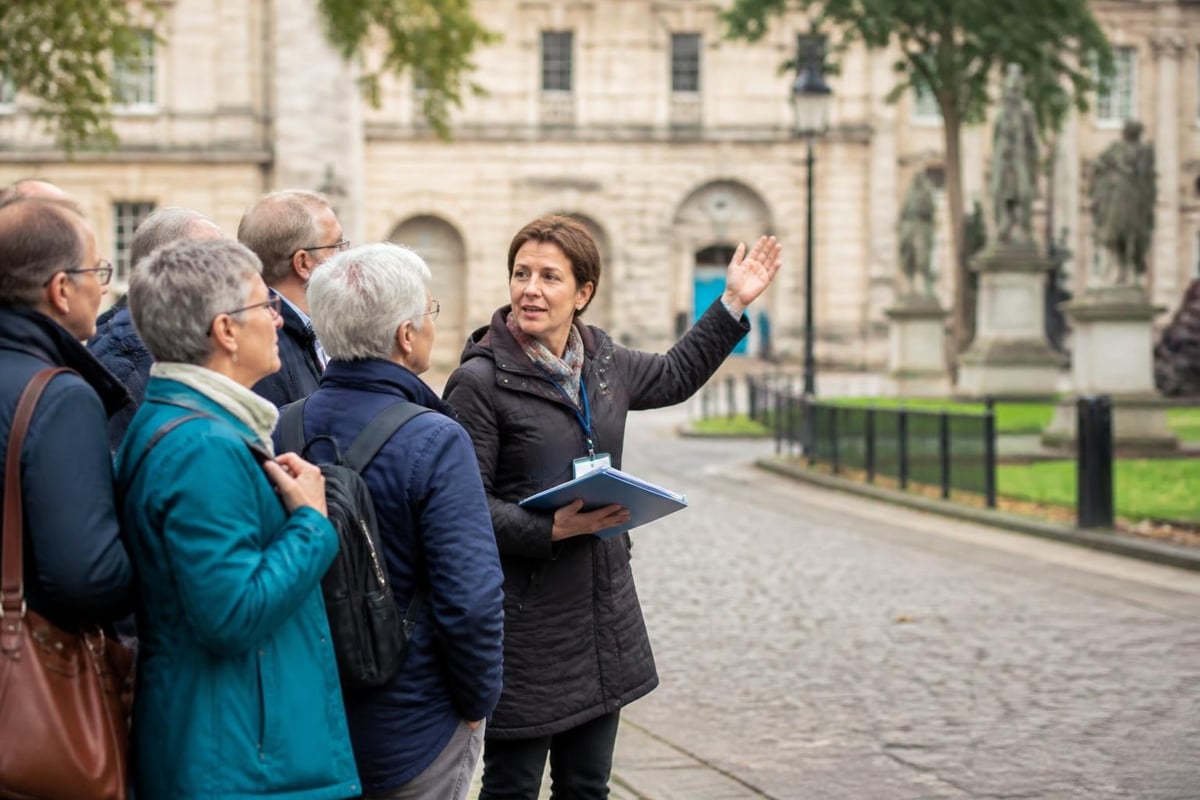
Extended organized tours allow deeper destination engagement than single-day excursions. Reports indicate multi-day group travel is on the rise, with travelers allocating more time and budget to comprehensive experiences. These longer formats support rhythm and pacing impossible in compressed timeframes, alternating intensive exploration with reflection and relationship building among group members.
Multi-day formats particularly benefit destinations like Stockholm, where understanding Swedish culture requires time to appreciate nuanced traditions, seasonal variations, and the Swedish concept of "lagom" (balanced moderation). Extended stays allow tours to incorporate varied elements, from historic Stockholm city tours to culinary experiences and artistic encounters.
Solo Travelers and the Group Tour Advantage
Individual travelers represent one of the fastest-growing segments within organized tour participation. Far from contradicting the independence solo travel represents, organized tours provide frameworks that enhance rather than constrain individual exploration.
Community Without Commitment
Solo travelers face unique challenges: dining alone, managing safety concerns, and missing shared experiences that create travel memories. Organized tours address these issues while preserving autonomy. Participants connect with fellow travelers during structured activities but maintain freedom during unscheduled time.
Considerations for solo travelers exploring great trips highlight that organized tours eliminate single supplements, provide instant social networks, and offer security through professional oversight. For those exploring Stockholm walking tours, joining a small group means sharing discoveries with others while retaining flexibility to pursue individual interests afterward.
Benefits specific to solo participants include:
- Immediate social connections with like-minded travelers sharing similar interests
- Safety infrastructure through professional guides and established emergency protocols
- Cost efficiency by eliminating single-room supplements common in independent booking
- Reduced planning burden while maintaining choice in free-time activities
- Local expertise providing confidence when navigating unfamiliar environments
The Private Group Alternative
While traditional organized tours bring strangers together, private group tours offer different advantages for families, colleagues, or friend groups. These closed formats combine the expertise and structure of professional tours with the intimacy and customization of traveling with known companions. Private configurations allow complete control over pacing, content emphasis, and group dynamics.
Private guided vacations accommodate diverse age ranges and physical capabilities within single itineraries, adjusting difficulty levels and activity types to ensure everyone participates comfortably. This flexibility proves invaluable for multigenerational family travel or corporate team-building experiences where varying fitness levels and interests require thoughtful accommodation.
Evaluating Tour Quality and Operator Credentials
Not all organized tours deliver equal value. Distinguishing professional operations from substandard alternatives requires evaluating specific criteria that indicate expertise, reliability, and commitment to participant satisfaction.
Guide Qualifications and Language Proficiency
The guide represents the most critical variable in tour quality. Professional guides possess deep destination knowledge, communication skills, and adaptability to group needs. Native English-speaking guides eliminate language barriers that compromise comprehension and reduce participants to passive observers rather than engaged learners.
Certification requirements vary by destination, but reputable operators employ guides with formal training, licensing, and ongoing professional development. When considering professional tour guides, verify credentials including destination expertise, language certifications, and specialized knowledge relevant to tour themes.
Operational Transparency and Customer Support
Quality operators demonstrate transparency in pricing, itinerary details, and cancellation policies. Clear communication about what tours include and exclude prevents unpleasant surprises and sets appropriate expectations. Review platforms and customer testimonials provide insights into reliability, guide quality, and how operators handle inevitable challenges.
Responsive customer service before, during, and after tours signals professionalism and accountability. Operators should provide detailed pre-trip information, maintain accessible communication during tours, and follow up to address concerns or gather feedback. This support infrastructure transforms transactions into relationships built on trust and mutual respect.
Maximizing Value from Organized Tour Participation
Strategic preparation and active engagement enhance what travelers extract from organized tours. While operators handle logistics, participants who invest effort in preparation and mindful participation multiply their return on time and financial investment.
Pre-Tour Preparation Strategies
Research destination basics before arrival to provide context for guide commentary. Understanding Stockholm's role in Swedish history, basic Swedish phrases, or current cultural events allows participants to ask informed questions and recognize significance in what guides share. This preparation transforms passive listening into active dialogue that benefits all participants.
Review itinerary details carefully to pack appropriately and set realistic expectations. Stockholm tours often involve significant walking on cobblestone streets, requiring comfortable footwear and weather-appropriate clothing. Confirming meeting points, start times, and what to bring prevents delays and ensures readiness for activities.
Essential preparation checklist:
- Research destination history and cultural norms
- Review daily itineraries for physical requirements
- Confirm meeting locations and emergency contact information
- Pack weather-appropriate clothing and comfortable walking shoes
- Charge devices and prepare backup power sources
- Bring water, snacks, and any necessary medications
- Verify included meals and plan for additional dining needs
Active Participation and Engagement
Engaged participants enhance experiences for themselves and fellow travelers. Asking questions, sharing observations, and contributing to group dialogue creates dynamic learning environments where guides adjust content to group interests. This interaction transforms monologues into conversations that reveal unexpected connections and deeper insights.
Respect for group dynamics ensures positive experiences for all participants. Punctuality, following guide instructions, and consideration for others' needs maintain harmony and maximize time for actual exploration rather than logistical management. Small courtesies, like yielding prime photo positions and limiting monopolization of guide attention, foster goodwill that enriches the social dimension of group travel.
Budget Considerations and Value Assessment
Organized tours span vast price ranges reflecting different service levels, group sizes, and inclusion packages. Understanding what drives pricing helps travelers identify appropriate options and assess whether tours represent fair value for delivered experiences.
Cost Components and Pricing Structures
Tour pricing incorporates multiple elements beyond guide fees: transportation, admission tickets, meal provisions, insurance, administrative overhead, and operator profit margins. Higher-priced tours often reflect smaller group sizes, more exclusive access, superior guide expertise, or premium inclusions like meals at notable restaurants.
Comparing organized tours to independent travel requires calculating complete costs. While tour packages appear expensive relative to individual admission tickets, comprehensive accounting including transportation, guide expertise, planning time, and access to otherwise unavailable experiences often reveals favorable economics, particularly for short-duration visits where efficiency matters.
| Cost Factor | Independent Travel | Small Group Tour | Private Group Tour |
|---|---|---|---|
| Guide Services | Not included | Professional guide included | Dedicated expert guide |
| Transportation | Self-arranged | Coordinated group transport | Private vehicle |
| Admission Fees | Individual rates | Often group discounts | Pre-arranged access |
| Planning Time | 15-30+ hours | Minimal | Consultation-based |
| Flexibility | Complete | Moderate | High customization |
| Per-Person Cost | Variable | Moderate | Higher (offset by group size) |
Assessing Return on Investment
Value assessment extends beyond monetary calculations to encompass experiential quality, learning depth, stress reduction, and social connections formed. Tours that provide transformative insights, create lasting memories, or facilitate meaningful relationships justify premium pricing through outcomes impossible to purchase independently.
Consider the opportunity cost of time spent researching, planning, and navigating versus time spent fully present in experiences. For travelers with limited vacation days, organized tours maximize destination exposure and minimize logistical friction, effectively extending usable vacation time even if absolute costs appear higher.
Selecting the Right Tour for Your Travel Style
With countless organized tours available, matching options to personal preferences, physical capabilities, and travel priorities ensures satisfaction and prevents disappointment from misaligned expectations.
Aligning Tour Format with Personal Preferences
Self-awareness about travel style guides appropriate selections. Active travelers seeking physical challenge differ from leisurely explorers preferring contemplative pacing. Cultural enthusiasts wanting deep historical context require different tours than adventure seekers prioritizing outdoor activities. Honest assessment of preferences, limitations, and priorities narrows options to genuine matches rather than aspirational mismatches.
Group size significantly impacts experience character. Large groups (20+ participants) offer economies and diverse perspectives but limit individual attention and flexibility. Small groups (6-12 people) balance intimacy with viable economics, while private tours provide complete customization at premium pricing. Consider which configuration aligns with your comfort level regarding social interaction and desire for personalization.
Questions to Ask Before Booking
Informed decisions require specific information beyond marketing descriptions. Request details about typical group composition, guide backgrounds, exact itinerary timing, physical requirements, and what circumstances trigger cancellations or itinerary modifications. Reputable operators welcome these questions and provide transparent answers.
Key clarification questions include:
- What is the maximum group size, and what is currently booked?
- What are guide qualifications, language capabilities, and areas of expertise?
- Which specific sites are visited, and how much time is allocated to each?
- What is the cancellation and refund policy for both operator and participant?
- Are gratuities expected, and what is the customary amount?
- How are dietary restrictions or accessibility needs accommodated?
- What happens if weather or unforeseen circumstances affect the itinerary?
The Future of Organized Tour Experiences
Innovation continues reshaping how organized tours function, with technology, sustainability concerns, and evolving traveler expectations driving industry evolution. Understanding emerging trends helps travelers anticipate what organized tours will offer in coming years.
Technology Integration and Digital Enhancement
Digital tools increasingly augment rather than replace human guides. Apps provide supplementary content, translation services, and post-tour resources while guides focus on interpretation, storytelling, and facilitating authentic connections. This hybrid approach combines technological efficiency with irreplaceable human elements that define quality experiences.
Virtual reality previews, augmented reality historical overlays, and real-time translation technologies expand accessibility and depth without diminishing the essential role of knowledgeable guides who curate, contextualize, and personalize information delivery. The most successful operators integrate technology strategically, enhancing rather than overwhelming the human-centered experience.
Sustainability and Responsible Tourism
Environmental consciousness and cultural respect increasingly influence tour design and operation. Travelers demand that organized tours minimize ecological impact, support local economies, and preserve rather than exploit destinations. This shift toward responsibility manifests in smaller group sizes, locally-sourced provisions, public transportation utilization, and partnerships with community-based organizations.
Forward-thinking operators recognize that sustainable practices represent competitive advantages rather than costly burdens. Tours emphasizing environmental stewardship and cultural sensitivity attract value-aligned travelers willing to pay premiums for ethically-operated experiences. This alignment between traveler values and operator practices strengthens the organized tour model's relevance in conscientious travel markets.
Organized tours have evolved into sophisticated travel solutions that balance structure with flexibility, expertise with exploration, and efficiency with depth. Whether you're considering solo traveler group holidays, planning a family adventure, or seeking literary inspiration through Stockholm's streets, the right guided experience transforms destinations from places you visit into stories you live. Adding:tours specializes in creating exactly these personalized, intimate experiences for private groups and small gatherings throughout Stockholm, combining native English-speaking expertise with insider access that makes every moment meaningful. Ready to discover Stockholm through local eyes and create memories that extend far beyond typical tourist experiences?