City Walking Tours: Your Complete Guide for 2026
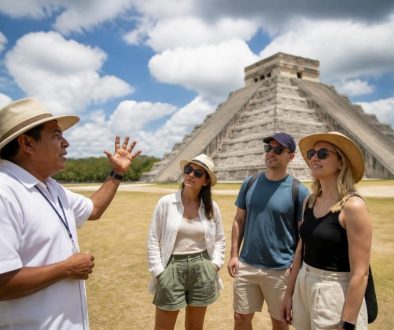
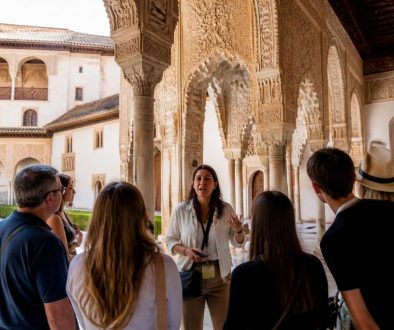
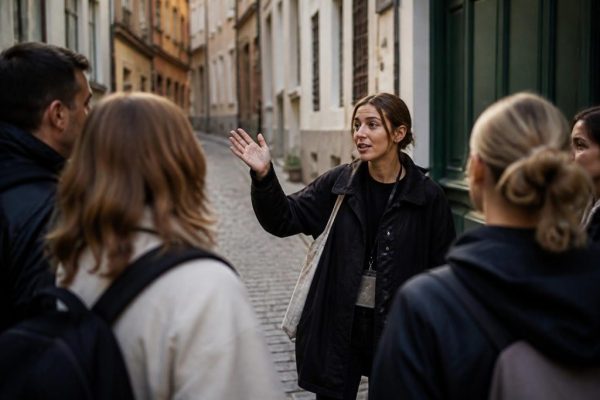
City walking tours have evolved far beyond simple sightseeing excursions. In 2026, these intimate experiences represent one of the most effective ways to truly understand a destination's culture, history, and local flavor. Unlike bus tours or self-guided exploration, city tours offer immersive cultural experiences that integrate storytelling, personal interaction, and authentic discovery. Whether you're navigating narrow medieval alleys in Stockholm's Old Town or following literary footprints through modern cityscapes, these guided experiences transform ordinary visits into memorable journeys that resonate long after you've returned home.
Why City Walking Tours Outperform Other Sightseeing Options
The advantages of city walking tours become immediately apparent when compared to traditional alternatives. Bus tours rush past landmarks at predetermined speeds, while self-guided apps lack the human connection that brings stories to life.
Walking tours excel precisely because they move at human pace. This natural rhythm allows participants to absorb architectural details, pause for photographs, and ask spontaneous questions that deepen understanding. The benefits of historical walking tours include personalized attention, flexible pacing, and the ability to navigate spaces inaccessible to larger vehicles.
Physical and Mental Health Benefits
Beyond cultural immersion, city walking tours provide measurable health advantages. Participants typically walk three to five miles during a standard tour, burning calories while exploring. This gentle exercise improves cardiovascular health without feeling like a workout.
The mental benefits prove equally compelling:
- Stress reduction through outdoor activity and focused engagement
- Enhanced cognitive function from learning new information in stimulating environments
- Social connection with fellow travelers and local guides
- Mindfulness practice through present-moment awareness
Research shows that urban walking tours boost physical health and mental well-being while simultaneously supporting local economies through direct spending with small businesses and independent guides.
Designing Memorable City Walking Tours
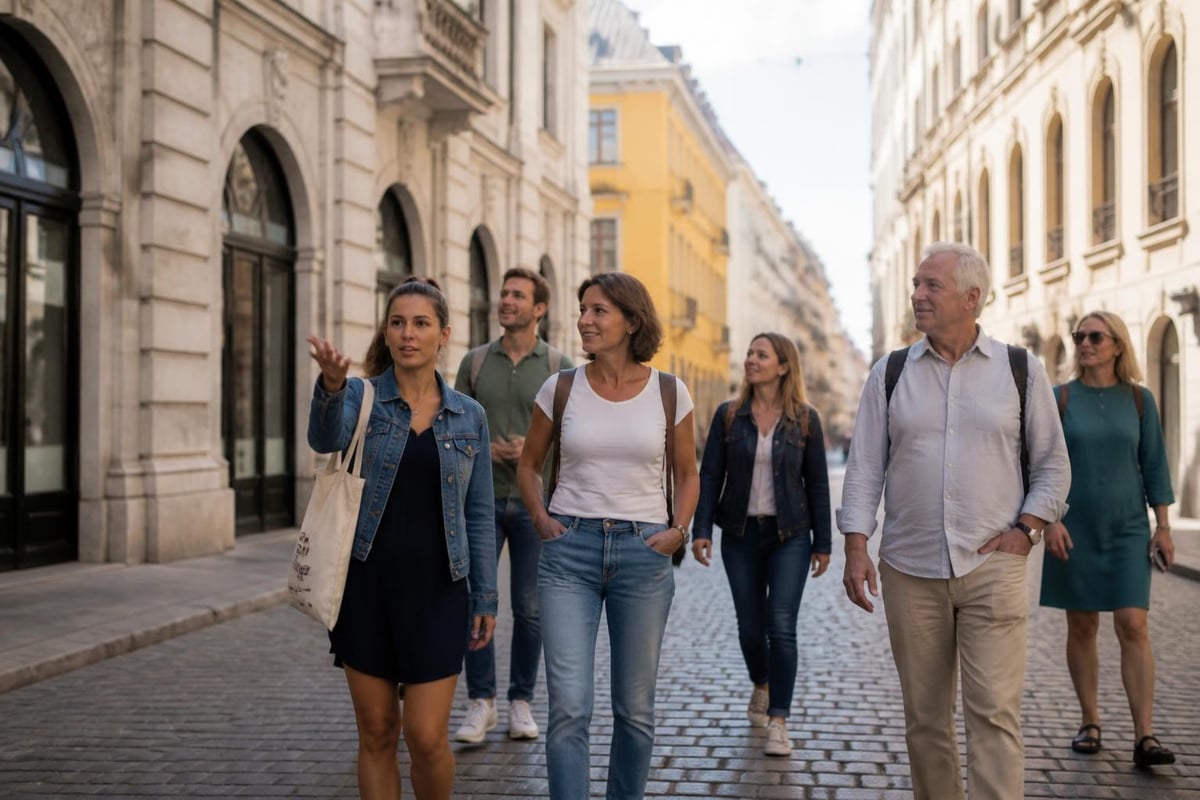
Creating exceptional city walking tours requires careful planning and thoughtful execution. The most successful tours balance historical accuracy with engaging storytelling, educational content with entertainment value.
Theme Selection and Route Planning
Every great tour begins with a clear theme. Historical tours might focus on specific eras, architectural movements, or significant events. Cultural explorations could highlight culinary traditions, artistic heritage, or immigrant communities. Designing historical walking tours demands theme selection, thorough research, and ethical consideration of multiple perspectives.
For Stockholm specifically, themes might include:
- Medieval heritage through Gamla Stan's winding streets
- Literary landscapes from famous Swedish authors
- Architectural evolution from Gothic churches to modern design
- Royal history centered on palaces and ceremonial sites
- Music culture celebrating ABBA and contemporary Swedish artists
Route planning involves balancing walking distance with stop frequency. Most participants comfortably manage two to three miles with five to eight major stops, allowing adequate time for storytelling without exhaustion.
Research and Content Development
Exceptional guides invest substantial time researching their routes. Primary sources, local archives, and academic publications provide depth beyond superficial facts. Interviews with longtime residents add personal dimensions that textbooks cannot capture.
| Content Element | Purpose | Example |
|---|---|---|
| Historical facts | Establish credibility | Construction dates, architectural styles |
| Personal stories | Create emotional connection | Tales of individual residents, daily life details |
| Contemporary context | Show relevance | How historical events shaped current culture |
| Interactive elements | Maintain engagement | Questions, observation challenges, sensory experiences |
The goal is creating narratives that educate without lecturing, entertain without trivializing. When exploring Stockholm’s Old Town, for instance, guides might discuss medieval trade routes while highlighting how those same pathways influence modern commerce.
Personalization: The Future of City Walking Tours
Generic group tours are giving way to customized experiences tailored to specific interests and group dynamics. This shift reflects broader travel trends toward authentic, meaningful experiences over checkbox tourism.
Private Group Advantages
Private city walking tours accommodate diverse needs impossible in large public groups. Families with young children can adjust pacing and content. Professional groups incorporate team-building elements. Friends celebrating special occasions add personal touches.
The benefits of private tour experiences include:
- Flexible scheduling around your itinerary rather than fixed departure times
- Customized content emphasizing topics matching your interests
- Intimate interaction with guides who adapt to your questions and energy
- Privacy for sensitive discussions or personal celebrations
- Accessibility accommodations for mobility challenges or dietary restrictions
Small gatherings foster genuine conversation. Participants feel comfortable asking questions, sharing observations, and engaging deeply with material. This intimacy transforms tours from passive consumption into active exploration.
Tailoring Content to Audience Interests
Effective customization begins with understanding participant backgrounds and objectives. Are they first-time visitors seeking orientation? Repeat travelers wanting deeper knowledge? Photography enthusiasts prioritizing visual opportunities? Each group requires different approaches.
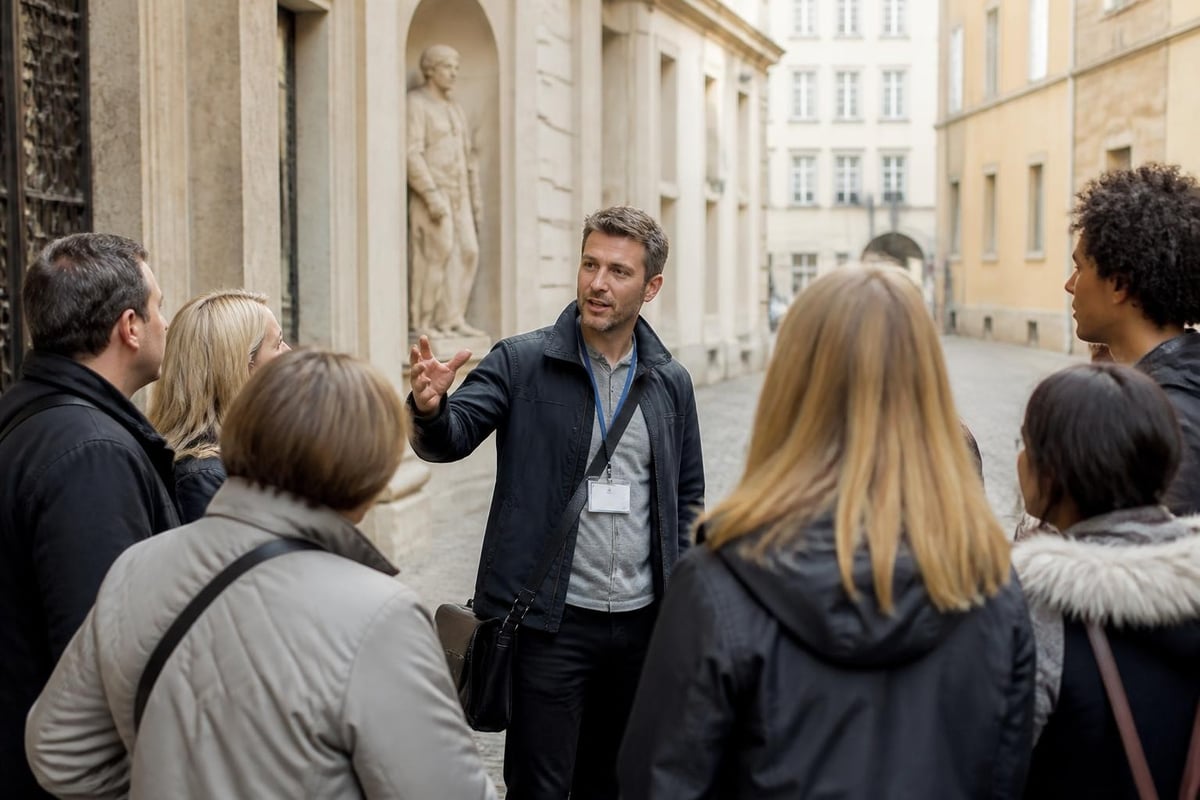
A cultural tour for art enthusiasts might emphasize galleries, artist studios, and public installations. History buffs prefer archival details and chronological context. Foodies want market visits, tastings, and chef interactions. Superior guides seamlessly blend multiple interests into cohesive experiences.
Specialized City Walking Tour Categories
The diversity of urban environments supports countless specialized tour formats. Understanding these categories helps travelers select experiences matching their interests while inspiring tour operators to develop innovative offerings.
Historical and Architectural Tours
Historic tours combine expert interpretation with the social dimension of shared discovery. Professional guides contextualize buildings, monuments, and neighborhoods within broader historical movements.
Architectural tours decode visual languages casual observers might miss. Guides explain how Gothic arches, Baroque ornamentation, or Modernist minimalism reflect philosophical values and technological capabilities of their eras. In Stockholm, these tours reveal how Swedish design aesthetics emerged from climate, materials, and cultural priorities.
Literary and Cultural Heritage Walks
Literary tours transport participants into fictional worlds and authors' lives. Walking the same streets characters traversed creates visceral connections impossible through reading alone. Stockholm's literary walking tours might trace Stieg Larsson's Millennium trilogy locations or explore spaces that inspired August Strindberg's dramatic works.
Cultural heritage walks connect contemporary communities with traditional practices, immigrant histories, and evolving neighborhood identities. These tours acknowledge that cities constantly change while honoring what endures.
Thematic and Niche Experiences
Specialized interests support endless tour variations:
- Music heritage tours visiting performance venues, recording studios, and artist homes
- Culinary walks sampling street food, visiting markets, meeting chefs
- Photography tours optimizing lighting, composition, and unique perspectives
- Street art explorations decoding murals, graffiti, and public installations
- Film location tours visiting sets from famous movies and television series
Stockholm's ABBA heritage exemplifies thematic tour potential. The ABBA experience combines music history with Swedish culture, offering fans deeper appreciation while introducing broader audiences to 1970s Stockholm.
Practical Considerations for Tour Operators
Operating successful city walking tours requires balancing artistic vision with business fundamentals. The most passionate guides still need sustainable operations supporting long-term service.
Group Size and Dynamics
Optimal group sizes depend on tour type and environment. Intimate historical walks work best with four to eight participants, allowing everyone to hear clearly and ask questions. Larger themed tours might accommodate twelve to fifteen when using audio equipment.
Managing group dynamics involves reading energy levels, mediating competing interests, and maintaining engagement. Skilled guides recognize when participants need breaks, when to speed up or slow down, and how to include quieter members without forcing participation.
Pricing and Value Proposition
Pricing city walking tours reflects multiple factors:
- Guide expertise and credentials justifying premium rates
- Tour duration and complexity of content
- Included amenities like refreshments, entry fees, or transportation
- Group size with private tours commanding higher per-person rates
- Seasonal demand fluctuations affecting pricing strategy
| Tour Type | Typical Duration | Price Range (Per Person) | Group Size |
|---|---|---|---|
| Public walking tour | 2-3 hours | $25-$50 | 10-20 people |
| Semi-private themed tour | 3-4 hours | $75-$125 | 6-12 people |
| Private custom tour | 2-6 hours | $200-$500 | 2-8 people |
| Multi-day immersive | Full days | $300-$800/day | 4-10 people |
Value extends beyond duration. Insider knowledge, exclusive access, and personalized attention justify premium pricing. Tours offering tailored experiences that would be impossible to replicate independently provide clear value propositions.
Safety and Accessibility
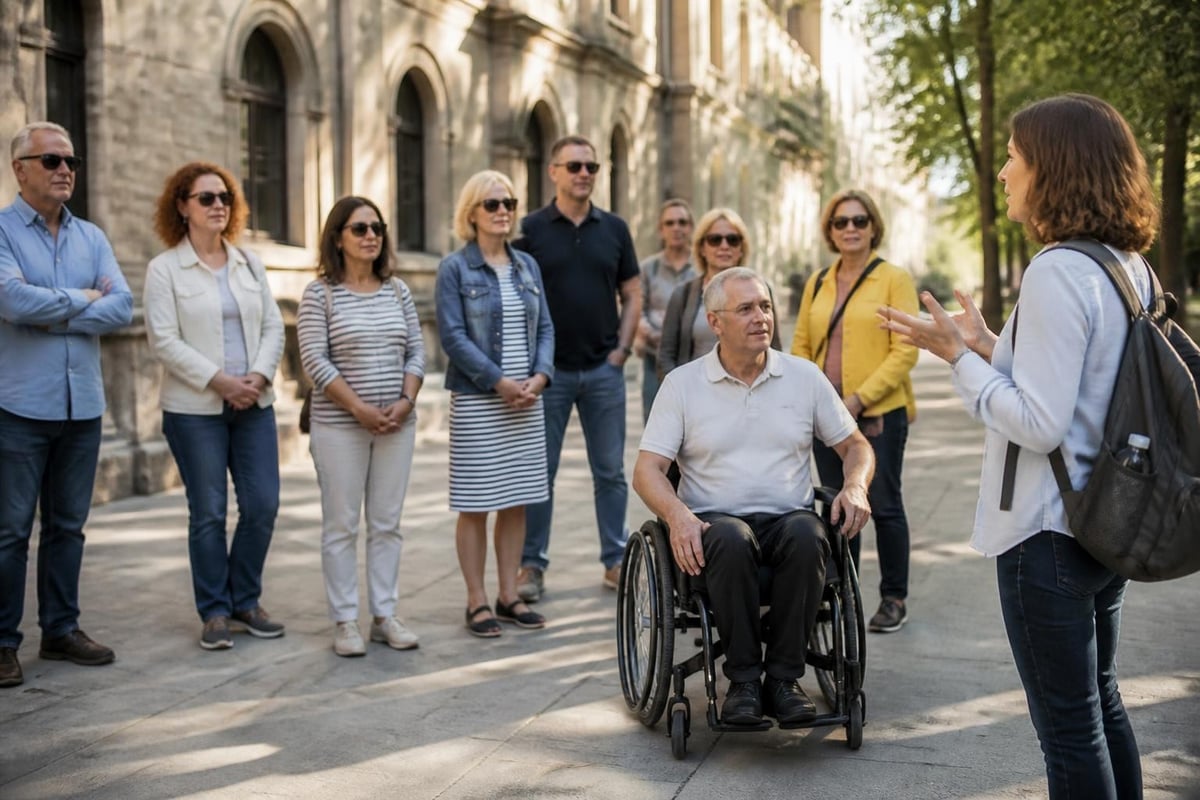
Professional tour operators prioritize participant safety through route selection, weather monitoring, and emergency preparedness. This includes identifying rest stops, accessible facilities, and alternative routes for unexpected closures.
Accessibility considerations ensure tours welcome diverse participants. This means providing:
- Mobility accommodations with wheelchair-accessible routes
- Hearing assistance through amplification systems or printed materials
- Visual descriptions for sight-impaired participants
- Rest breaks for varying fitness levels
- Dietary accommodations when food is involved
Marketing and Growing Your Walking Tour Business
Even exceptional tours require effective marketing to reach potential participants. The 2026 landscape demands multi-channel approaches balancing digital visibility with personal recommendations.
Digital Presence and Online Booking
Modern travelers expect seamless online experiences. Professional websites should showcase tour descriptions, guide biographies, customer reviews, and simple booking systems. High-quality photography and video give potential customers confidence in what they're purchasing.
Search engine optimization ensures visibility when travelers research destinations. Content marketing through blogs, social media, and email newsletters establishes expertise while providing value beyond sales pitches. Offering English walking tours in international destinations expands market reach beyond local visitors.
Building Reputation Through Reviews
Online reviews influence booking decisions more than almost any other factor. Encouraging satisfied participants to share experiences on Google, TripAdvisor, and social platforms builds social proof attracting new customers.
Response strategies matter equally. Addressing negative reviews professionally demonstrates commitment to customer satisfaction. Thanking positive reviewers reinforces relationships while showing potential customers you value feedback.
Partnership and Collaboration Opportunities
Strategic partnerships amplify reach and credibility. Hotels, restaurants, museums, and other tourism businesses provide referral opportunities. Corporate partnerships bring team-building groups. Educational institutions arrange student tours.
Collaboration with other tour operators enables complementary offerings. A walking tour company might partner with boat tour operators, bike rental services, or cultural institutions, creating comprehensive destination experiences that showcase Stockholm’s full potential.
The Social and Community Impact of City Walking Tours
Beyond individual benefits, city walking tours contribute meaningfully to community vitality and cultural preservation. Understanding these broader impacts elevates tours from commercial transactions to community contributions.
Economic Benefits for Local Communities
City walking tours support local economies through various channels. Guide employment creates jobs for historians, artists, students, and career professionals. Tours often incorporate stops at independent shops, cafes, and cultural venues, directing tourist spending toward local businesses rather than international chains.
The social benefits of walkable places extend beyond tourism, promoting active living and supporting cultural initiatives that enhance quality of life for residents and visitors alike.
Cultural Preservation and Education
Walking tours preserve intangible cultural heritage through storytelling. Guides transmit oral histories, local legends, and community memories that might otherwise disappear. This living history complements formal archives, keeping past experiences relevant to contemporary audiences.
Educational impacts reach both tourists and locals. Residents often discover new appreciation for familiar surroundings when experiencing their city through guided interpretation. This renewed awareness can inspire preservation advocacy and community engagement.
Environmental Sustainability
City walking tours represent among the most environmentally sustainable tourism options. They produce minimal carbon emissions, require no fuel consumption, and generate little waste. This sustainability appeals to environmentally conscious travelers while supporting destination goals of reducing tourism's ecological footprint.
Guides can incorporate environmental themes, highlighting green spaces, sustainable architecture, and conservation efforts. These discussions raise awareness while demonstrating that exploration and environmental responsibility coexist naturally.
Technology Integration in Modern Walking Tours
While walking tours celebrate human connection, thoughtful technology integration enhances rather than replaces personal interaction. The key is using digital tools to augment experiences without dominating them.
Audio Enhancement and Communication Systems
Quality audio equipment ensures all participants hear clearly, even in noisy urban environments. Wireless systems allow guides to speak conversationally while groups explore without clustering tightly. This technology proves especially valuable for larger groups or hearing-impaired participants.
Digital Storytelling and Augmented Reality
Some tours incorporate smartphone apps displaying historical photographs, architectural reconstructions, or augmented reality overlays. These tools help participants visualize past appearances of current locations, deepening understanding of urban evolution.
However, successful integration requires balance. Technology should support rather than distract from present-moment engagement with actual surroundings and human guides.
Booking Systems and Customer Relationship Management
Behind-the-scenes technology streamlines operations. Online booking platforms manage reservations, payments, and communications. Customer relationship management systems track preferences, enabling personalized service for repeat customers.
Automated communications handle confirmations, reminders, and follow-ups, freeing guides to focus on tour quality rather than administrative tasks. This efficiency improves customer experience while supporting business growth.
Training and Professional Development for Tour Guides
Exceptional city walking tours require knowledgeable, engaging guides who combine expertise with interpersonal skills. Ongoing professional development ensures guides maintain high standards while adapting to evolving visitor expectations.
Essential Skills and Knowledge Areas
Successful guides master multiple competencies:
- Subject matter expertise in history, culture, architecture, or specialized themes
- Storytelling ability transforming facts into compelling narratives
- Group management maintaining engagement across diverse personalities
- Public speaking with clear projection, pacing, and enthusiasm
- Cultural sensitivity respecting diverse backgrounds and perspectives
- Problem-solving adapting to unexpected situations gracefully
Continuous learning keeps content fresh and accurate. Reading new research, attending workshops, and exploring other tours provides inspiration and maintains intellectual engagement with material.
Certification and Professional Standards
While formal certification isn't universally required, professional credentials demonstrate commitment and competence. Various organizations offer guide training programs covering historical research methods, interpretive techniques, and business practices.
Professional tour guides often pursue specialized knowledge relevant to their markets. This might include language certifications, first aid training, or expertise in specific historical periods or cultural movements.
Storytelling and Engagement Techniques
The difference between adequate and exceptional guides often lies in storytelling mastery. Effective techniques include:
- Personal anecdotes connecting historical events to relatable human experiences
- Sensory descriptions helping participants imagine sights, sounds, and smells of past eras
- Open-ended questions encouraging participants to observe and deduce
- Strategic pauses allowing time for observation and reflection
- Varied pacing alternating between detailed exposition and lighter moments
The best guides read their audiences constantly, adjusting content and delivery to maintain optimal engagement throughout the experience.
City walking tours offer unmatched opportunities for meaningful cultural immersion, combining physical activity, social connection, and educational enrichment in ways no other travel format achieves. Whether you're interested in historical exploration, literary adventures, or personalized experiences reflecting your unique interests, the right walking tour transforms sightseeing into genuine discovery. Adding:tours specializes in creating these personalized experiences throughout Stockholm, with native English-speaking guides who share insider perspectives and tailor every tour to your group's interests, ensuring your time in Stockholm becomes truly memorable.