Stockholm Old Town: A Complete Guide to Gamla Stan
Walking through Stockholm old town feels like stepping into a living museum where centuries of Swedish history unfold along every cobblestone street. Known locally as Gamla Stan, this medieval heart of Sweden's capital combines architectural grandeur with intimate alleyways, creating an atmosphere that captures the imagination of visitors from around the world. The district's remarkably preserved buildings, ranging from the 13th century to the present day, stand as testaments to Stockholm's evolution from a strategic trading post to a modern European capital.
The Historical Significance of Gamla Stan
Stockholm old town occupies the central island where the city was founded in 1252. The settlement emerged as a strategic stronghold protecting Lake Mälaren's waterways, and Stockholm’s development transformed this small fortified area into the administrative and commercial center of medieval Sweden.
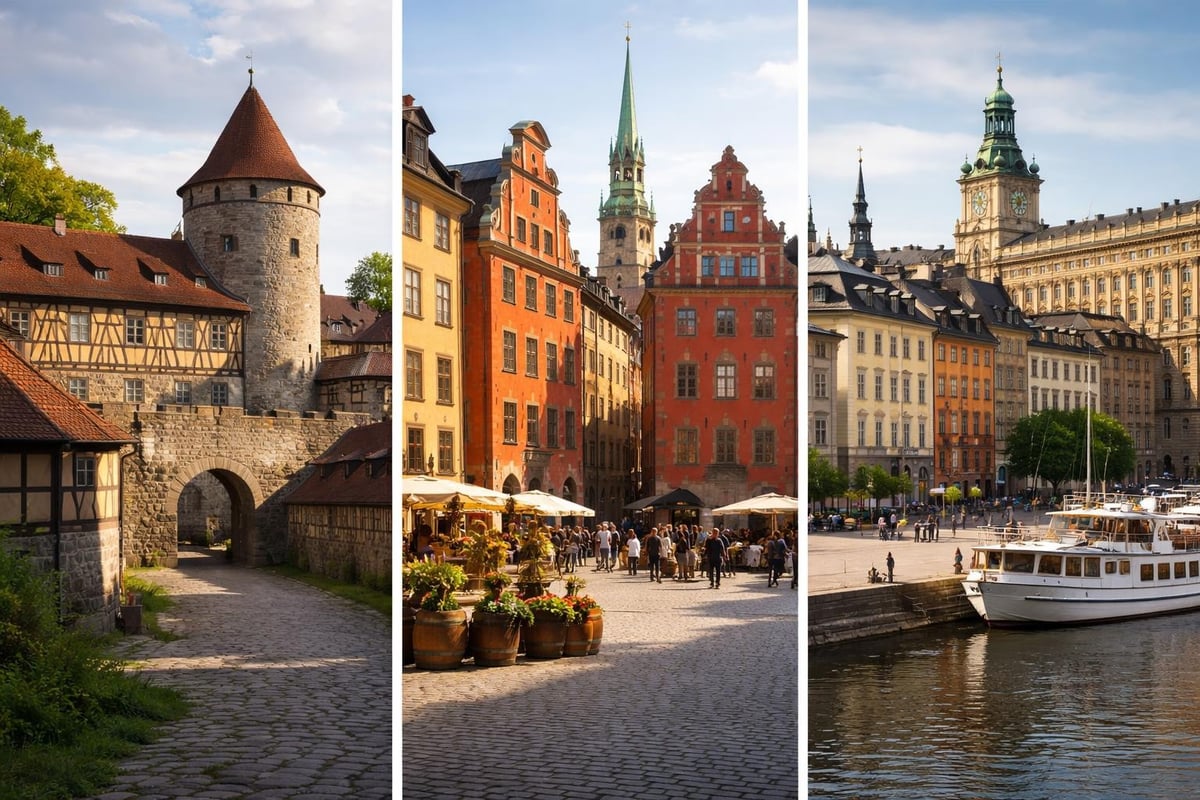
The original street layout remains largely intact from the Middle Ages, creating a labyrinth of narrow passages and small squares. These medieval thoroughfares were designed for pedestrian and horse-drawn traffic, with buildings constructed close together to maximize space on the limited island terrain. The defensive nature of the original settlement becomes evident when exploring the narrowest alleys, some measuring less than a meter wide.
Key Historical Periods
Three major eras shaped Stockholm old town's appearance and character. The medieval period established the basic street pattern and defensive structures. During the 17th century, Sweden's era as a major European power brought grand baroque palaces and monumental architecture. The 20th century preservation movement saved Gamla Stan from demolition, recognizing its irreplaceable cultural value.
| Historical Era | Key Developments | Architectural Legacy |
|---|---|---|
| Medieval (1252-1520) | City foundation, defensive walls | Narrow streets, merchant houses |
| Swedish Empire (1611-1721) | Royal expansion, nobility estates | Baroque palaces, grandeur |
| Modern Preservation (1900-present) | Conservation efforts, tourism | Restored facades, adaptive reuse |
Architectural Treasures and Notable Buildings
The Royal Palace dominates Stockholm old town's northern edge with its imposing baroque facade. Completed in 1760, this 600-room structure serves as the official residence of the Swedish monarchy, though the royal family actually resides at Drottningholm Palace. The palace complex includes multiple museums, state apartments, and the Treasury, housing the crown jewels and royal regalia.
Beyond the palace, aristocratic mansions demonstrate the wealth and power of Sweden's noble families. Tessin Palace exemplifies baroque townhouse architecture with its carefully proportioned facade and ornate interior spaces. Wrangel Palace, originally built in the 1650s, showcases how Stockholm old town's buildings evolved through multiple renovations while maintaining their historical character.
The German Church (Tyska kyrkan) represents another architectural highlight with its distinctive copper spire rising above the surrounding rooftops. This Lutheran church served Stockholm's influential German merchant community from the 16th century onward, reflecting the international connections that enriched the city's commercial life.
Religious Architecture
- Stockholm Cathedral (Storkyrkan): The oldest church in Stockholm old town, dating to the 13th century
- Riddarholm Church: Final resting place of Swedish monarchs, featuring medieval and baroque elements
- German Church: Baroque architecture serving the historic German merchant community
- Church of Saint George and the Dragon: Famous wooden sculpture commemorating Stockholm's founding legend
The Heart of Gamla Stan: Stortorget Square
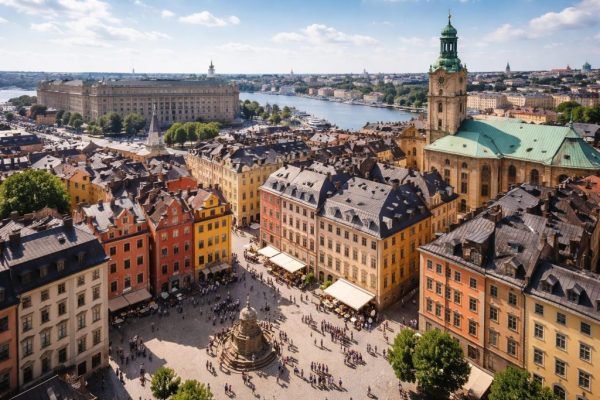
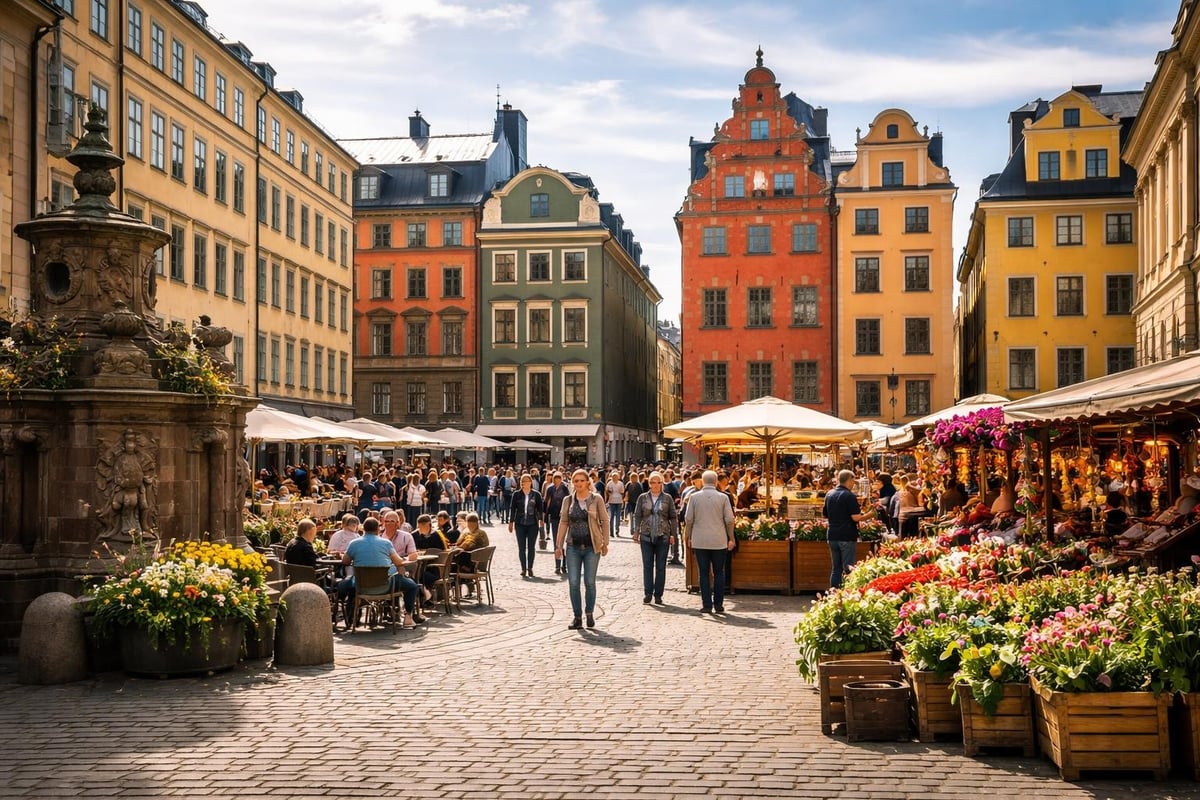
Stortorget square functions as Stockholm old town's central gathering space and historical focal point. The colorful merchants' houses surrounding the square create one of Scandinavia's most photographed scenes, with their ochre, red, and golden facades forming a vibrant backdrop to daily life.
This square witnessed one of Swedish history's darkest moments during the Stockholm Bloodbath of 1520, when Danish King Christian II executed Swedish nobility and clergy in a brutal display of power. Today, the square serves as a peaceful meeting place where cafes spill onto the cobblestones and seasonal markets bring festive energy throughout the year.
The Nobel Museum occupies the former stock exchange building on the north side of Stortorget, celebrating laureates and the legacy of Alfred Nobel. This institution provides context for Sweden's contributions to science, literature, and peace efforts while connecting Stockholm old town to contemporary achievements.
Experiencing Stortorget
Visitors to Stockholm’s historic districts find that Stortorget offers different atmospheres throughout the day and seasons. Morning light illuminates the eastern facades, creating ideal photography conditions. Summer evenings bring outdoor dining and street performers, while the December Christmas market transforms the square into a traditional Scandinavian winter celebration.
Navigating the Narrow Streets and Hidden Corners
Stockholm old town's street network rewards exploratory wandering. Västerlånggatan, the main commercial thoroughfare, runs north-south through the district, lined with souvenir shops, restaurants, and craft boutiques. This street follows the original western boundary of the medieval city, hence its name meaning "Western Long Street."
Parallel to Västerlånggatan, Österlånggatan offers a quieter alternative with local businesses and residential buildings. The narrow passages connecting these main arteries create opportunities for discovery, with names like Mårten Trotzigs Gränd, Stockholm's narrowest alley at just 90 centimeters wide.
Notable Streets and Passages
- Prästgatan: Historic priest's street with well-preserved medieval character
- Kindstugatan: Connecting route between major squares with artisan workshops
- Själagårdsgatan: Features some of Stockholm old town's oldest remaining structures
- Tyska Brinken: Sloping street with views and historic German merchant connections
- Storkyrkobrinken: Steep ascent to the cathedral with traditional architecture
The street pattern in Stockholm old town reflects medieval urban planning principles where natural topography dictated routes and building placement. Walking these passages reveals how residents adapted to the island's limited space through creative architecture and efficient use of every available lot.
Cultural Experiences and Living Heritage
Modern Stockholm old town balances preservation with contemporary vitality. Residential apartments occupy upper floors of historic buildings, ensuring the district remains a living neighborhood rather than a museum piece. This mix of residents, workers, and visitors creates authentic urban energy that distinguishes Gamla Stan from purely tourist-oriented historic sites.
The district hosts numerous cultural institutions beyond the Nobel Museum. Small galleries showcase Swedish design and contemporary art, while specialty shops offer traditional handicrafts and modern Nordic goods. Seasonal events bring additional cultural programming, from midsummer celebrations to autumn harvest festivals.
Dining and Culinary Heritage
| Restaurant Type | Characteristics | Typical Offerings |
|---|---|---|
| Traditional Swedish | Historic settings, classic recipes | Meatballs, herring, seasonal game |
| Contemporary Nordic | Modern interpretation, local ingredients | Innovative tasting menus, craft beverages |
| Café Culture | Cozy atmosphere, historic buildings | Fika traditions, pastries, coffee |
| International Cuisine | Global influences, medieval ambiance | Italian, French, Asian fusion |
Culinary experiences in Stockholm old town range from casual cafes serving traditional fika (Swedish coffee break) to fine dining establishments occupying medieval cellars. These venues provide opportunities to taste Swedish cuisine while surrounded by centuries-old architecture, creating memorable sensory experiences.
Planning Your Visit to Stockholm Old Town
Accessing Stockholm old town requires minimal effort due to its central location. The Gamla Stan metro station provides direct underground access, while numerous bus routes serve the district's perimeter. Walking from central Stockholm takes approximately 10-15 minutes across the bridges connecting the island to surrounding neighborhoods.
Timing your visit strategically enhances the experience. Early mornings offer quiet streets before tour groups arrive, ideal for photography and contemplative exploration. Late afternoons bring golden light that beautifully illuminates the western facades. Winter visits feature shorter crowds and atmospheric lighting, while summer extends daylight hours for extended exploration.
Practical Considerations
- Best seasons: May through September for weather, December for Christmas markets
- Typical visit duration: 3-4 hours for core attractions, full day for comprehensive exploration
- Accessibility: Cobblestone streets create challenges for mobility devices
- Language: English widely spoken in shops and restaurants
- Currency: Swedish Kronor (SEK), though cards accepted almost everywhere
Professional guided experiences offer deeper insight into Stockholm old town's layered history and hidden details. Customized walking tours led by native English-speaking guides reveal stories and perspectives that independent exploration might miss, from architectural evolution to social history.
Seasonal Transformations Throughout the Year
Stockholm old town presents distinct characteristics across seasons, each offering unique advantages for visitors. Spring brings blooming window boxes and outdoor cafe seating as Swedes emerge from winter hibernation. The extended daylight of summer allows evening strolls through illuminated streets, creating romantic atmospheres.
Autumn transforms the district with golden foliage in small gardens and changing light that enhances the warm tones of historic facades. Winter covers the cobblestones with snow, creating picture-perfect scenes reminiscent of historical paintings while the Christmas market at Stortorget becomes a central attraction.
Annual Events and Celebrations
The changing of the guard at the Royal Palace occurs year-round, providing a daily spectacle of Swedish military tradition. This ceremony combines precision marching with musical accompaniment, drawing crowds to witness the formal transfer of responsibility protecting the monarch's official residence.
Midsummer celebrations bring traditional Swedish festivities to Stockholm old town, with flower wreaths, folk dancing, and seasonal foods. The Nobel Prize ceremonies in December create an elegant atmosphere as laureates and dignitaries gather in the city, with related events throughout Gamla Stan.
Beyond the Main Attractions
While major landmarks attract deserved attention, Stockholm old town rewards visitors who venture into less frequented areas. Birger Jarls torg honors the city's founder with a commemorative statue and surrounding palaces that demonstrate aristocratic architecture. This quieter square provides respite from busier tourist areas while maintaining historical significance.
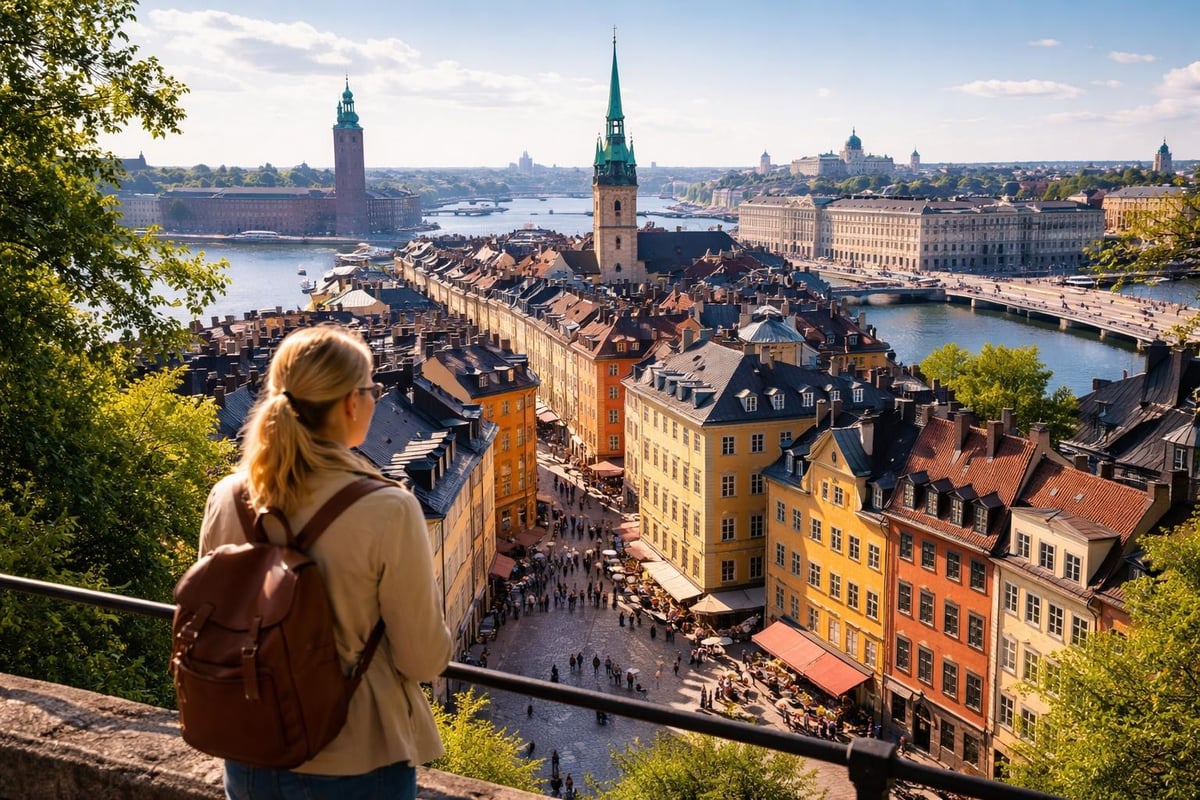
The western shore of Gamla Stan offers waterfront promenades with views across to Riddarholmen island and City Hall's distinctive tower. These walking paths provide perspective on Stockholm's island geography and the strategic importance of the old town's location controlling water routes.
Hidden Gems for Explorers
Small courtyards tucked behind street facades offer glimpses into residential life and architectural details often missed by casual visitors. The Bollhustäppan courtyard near the German Church preserves a sense of medieval scale and atmosphere. These semi-private spaces demonstrate how Stockholm old town's residents created community areas within the dense urban fabric.
Specialized museums focus on specific aspects of Swedish history and culture, including the Postal Museum and various small collections in historic buildings. These institutions provide deeper dives into particular subjects for visitors with specific interests beyond general sightseeing.
Connecting Stockholm Old Town to Broader Stockholm
While Stockholm old town deserves extensive exploration, understanding its relationship to surrounding neighborhoods enriches the overall Stockholm experience. The district serves as a historical anchor for the modern city, with bridges connecting to Norrmalm's commercial center, Södermalm's bohemian neighborhoods, and Östermalm's elegant residential areas.
Stockholm sightseeing opportunities extend throughout the archipelago city, with Stockholm old town providing the historical foundation for understanding broader urban development. The contrast between medieval Gamla Stan and 19th and 20th century expansions illustrates Sweden's modernization journey while maintaining cultural continuity.
Water-based perspectives offer alternative viewpoints on Stockholm old town's island setting. Boat tours departing from nearby docks provide opportunities to appreciate the district's compact scale and strategic location within the broader archipelago geography.
Transportation Connections
| Transport Mode | Access Points | Best For |
|---|---|---|
| Metro | Gamla Stan station | Quick access from distant neighborhoods |
| Bus | Multiple routes along perimeter | Flexible routing, scenic approaches |
| Ferry | Slussen docks | Archipelago connections, water views |
| Walking | All bridges | Atmospheric approach, photo opportunities |
| Bicycle | Dedicated lanes on bridges | Active exploration, local experience |
Literary and Cultural Connections
Stockholm old town features prominently in Swedish literature and international crime fiction. Stieg Larsson's Millennium series incorporates numerous Gamla Stan locations, bringing international attention to the district's atmospheric streets and cafes. Followers of literary adventures through Stockholm can trace protagonist Lisbeth Salander's movements through recognizable locations.
Beyond contemporary fiction, Stockholm old town inspired historical writers documenting Swedish royal intrigue, merchant adventures, and social changes across centuries. These literary connections add imaginative layers to physical exploration, allowing visitors to engage with the district through multiple perspectives.
Photography and Visual Documentation
Stockholm old town ranks among Europe's most photogenic historic districts, offering endless compositional opportunities. The colorful Stortorget facades provide iconic images, while narrow alleyways create dramatic perspectives with converging lines and atmospheric lighting. Architectural details reward close observation, from ornate doorways to decorative ironwork and carved wooden elements.
Seasonal light transforms photographic possibilities throughout the year. Summer's extended golden hours illuminate streets and facades with warm tones. Winter's blue hour creates moody atmospheric conditions enhanced by street lighting and occasional snow. Overcast days provide even illumination ideal for capturing architectural details without harsh shadows.
Optimal Photography Locations
- Stortorget at sunrise: Eastern light illuminating colorful facades
- Mårten Trotzigs Gränd: Dramatic narrow perspective, vertical composition
- Bridge approaches: Wide views incorporating water and cityscape
- Royal Palace courtyard: Formal architecture and ceremonial changing of guard
- Evening cobblestone streets: Atmospheric lighting with historic lampposts
Personalized Exploration Strategies
Different visitors bring varying interests and priorities to Stockholm old town. History enthusiasts benefit from focusing on specific eras or architectural styles, perhaps concentrating on baroque palaces or medieval structures. Art lovers can organize visits around galleries and the artistic heritage embedded in church decorations and public monuments.
Culinary explorers might structure their time around progressive dining experiences, from morning coffee at a traditional cafe through afternoon fika to evening fine dining. Tailored tours allow groups to emphasize their particular interests while benefiting from expert guidance that reveals hidden connections and lesser-known stories.
Families with children require different approaches than solo travelers or couples, with interactive elements and varied pacing maintaining engagement across age groups. Professional guides adapt their presentations to audience composition, ensuring relevant and accessible information delivery.
Stockholm old town offers an unparalleled journey through Swedish history where medieval streets meet contemporary vitality in a remarkably preserved urban landscape. Whether you're captivated by royal palaces, atmospheric alleyways, or culinary traditions, Gamla Stan rewards both brief visits and extended exploration with layers of discovery. For those seeking personalized experiences led by native English-speaking guides who share insider perspectives and adapt tours to your group's specific interests, Adding:tours creates memorable journeys through this enchanting district tailored to make your Stockholm visit truly special.