Guided Group Tours: Benefits and What to Expect in 2026
Traveling with others creates memories that last a lifetime, and guided group tours offer a unique way to explore new destinations while enjoying the company of like-minded adventurers. These expertly curated experiences combine the best of both worlds: the structure and insights of professional guidance with the flexibility to connect with fellow travelers and immerse yourself in local culture. Whether you're exploring historic landmarks, following literary trails, or discovering hidden neighborhoods, guided group tours transform ordinary sightseeing into extraordinary adventures. The rise of personalized, small-group experiences in 2026 has made this style of travel more appealing than ever, particularly for those seeking authentic connections and insider perspectives.
The Evolution of Guided Group Tours
Guided group tours have transformed dramatically over the past decade. Traditional bus tours with forty passengers have given way to intimate gatherings that prioritize quality over quantity. Modern travelers seek meaningful experiences rather than rushing through landmark checklists, and tour operators have responded by creating tailored tours that focus on depth rather than breadth.
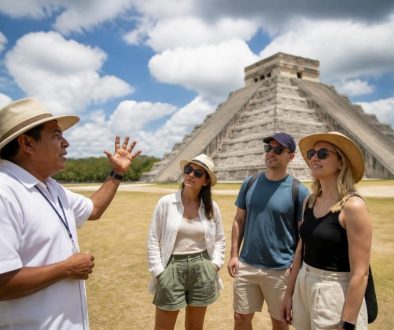
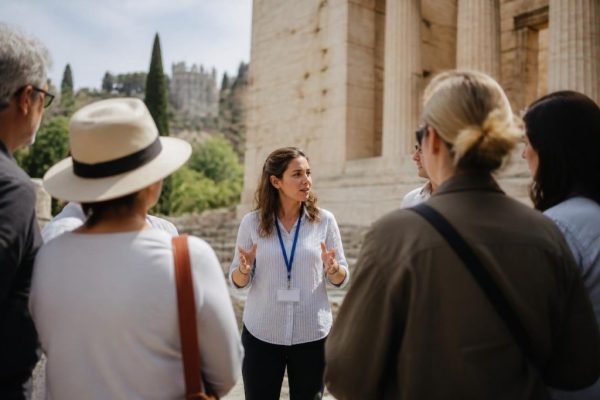
The pandemic accelerated this shift toward smaller, more personalized experiences. Today's guided group tours typically accommodate between six and fifteen participants, creating an atmosphere that feels more like exploring with friends than being herded through tourist attractions. This intimate setting allows guides to adapt their commentary, answer detailed questions, and share stories that resonate with the group's specific interests.
What Defines Modern Guided Group Tours
Contemporary guided group tours emphasize several key characteristics that distinguish them from their predecessors:
- Expert local guidance from native speakers who provide cultural context
- Flexible itineraries that balance structure with spontaneity
- Small group sizes ensuring personalized attention
- Authentic experiences beyond typical tourist attractions
- Interactive elements encouraging engagement and questions
Technology has also enhanced the guided tour experience. Many operators now use audio systems that allow guides to speak conversationally while ensuring everyone hears clearly, even in crowded spaces. Digital resources complement the live experience, providing maps, historical photos, and supplementary information that travelers can reference during and after their tours.

Benefits That Make Guided Group Tours Worthwhile
The advantages of guided tours extend far beyond simple convenience. These experiences offer value that independent travel cannot replicate, particularly for destinations rich in history, culture, and hidden stories.
Expert Knowledge and Insider Access
Professional guides transform ordinary streets into living history books. Their expertise reveals layers of meaning that guidebooks and apps cannot convey. A narrow alley becomes the site of medieval intrigue. A seemingly plain building holds secrets from literary history. This depth of knowledge comes from years of study, personal research, and conversations with locals who share their own family stories and neighborhood traditions.
Guides also provide access to experiences unavailable to independent travelers. They know which times to visit popular attractions to avoid crowds, which local restaurants serve authentic cuisine rather than tourist fare, and which neighborhoods offer the most photogenic views at golden hour. This insider perspective proves invaluable, especially in cities like Stockholm where understanding local customs and unwritten rules enhances the experience.
Social Connections and Shared Experiences
Group travel benefits include the friendships that often blossom during shared adventures. Small group tours attract travelers with similar interests, whether that's music history, literary locations, or architectural details. These common passions create natural conversation starters and often lead to lasting connections.
The social aspect becomes particularly valuable for solo travelers. Rather than navigating unfamiliar cities alone, they join a temporary community of fellow explorers. The ABBA journey in Stockholm exemplifies this perfectly, bringing music enthusiasts together for a shared meal and memorable experiences while discovering locations significant to the legendary band.
| Benefit Category | Independent Travel | Guided Group Tours |
|---|---|---|
| Local Expertise | Guidebook dependent | Native expert guides |
| Social Interaction | Self-initiated | Built-in community |
| Planning Time | Hours of research | Fully organized |
| Hidden Gems | Hit or miss | Guaranteed access |
| Cultural Context | Limited | Comprehensive |
Efficiency and Stress-Free Planning
Time is precious when traveling. Guided group tours maximize every moment by handling logistics, optimizing routes, and eliminating the guesswork that often consumes vacation time. Rather than studying maps, comparing opening hours, or debating which attraction to visit next, travelers simply show up and immerse themselves in the experience.
This efficiency proves especially valuable in destinations with complex public transportation, language barriers, or sprawling layouts. Stockholm tours navigate the city's islands, bridges, and neighborhoods with practiced ease, ensuring participants see highlights and hidden corners without wasting time getting lost or backtracking.
Choosing the Right Guided Group Tour
Not all guided group tours deliver the same experience. Selecting the right group tour requires considering several factors that align with personal preferences and travel goals.
Group Size and Composition
The number of participants fundamentally affects the tour experience. Smaller groups offer more personalized attention, flexibility to adjust the pace, and easier conversation with both the guide and fellow travelers. Larger groups may provide more social variety but sacrifice intimacy and adaptability.
Consider also the typical participant profile. Some tours attract specific demographics, whether families, solo travelers, or particular age groups. Understanding who typically joins helps set realistic expectations about the social dynamic and activity level.
Tour Focus and Specialization
Generic tours attempting to cover everything often satisfy no one. Specialized tours focusing on specific themes deliver more engaging and memorable experiences. A Stockholm Old Town walking tour that concentrates on medieval history and architecture provides richer insights than a rushed overview of the entire city.
Thematic tours appeal to particular interests:
- Literary tours following famous authors and fictional characters
- Culinary experiences exploring local food culture and markets
- Historical deep-dives examining specific eras or events
- Cultural immersion focusing on contemporary local life
- Music and arts celebrating regional artistic traditions
Guide Qualifications and Style
The guide makes or breaks the experience. Research whether guides are certified, what languages they speak natively, and whether they specialize in particular subjects. Reading reviews often reveals guide personalities and teaching styles, helping you find someone whose approach matches your preferences.
Some guides excel at storytelling, weaving historical facts into compelling narratives. Others take a more academic approach, providing detailed analysis and encouraging critical thinking. Still others prioritize humor and entertainment. Professional tour guides who speak English natively offer clarity and nuance that non-native speakers may struggle to convey.
What to Expect on Your First Guided Group Tour
First-time participants often have questions about how guided group tours actually work. Understanding the typical structure and expectations helps you prepare and fully enjoy the experience.
Pre-Tour Preparation
Most operators provide confirmation details several days before departure, including meeting locations, what to bring, and any special requirements. Review this information carefully, as meeting points may be specific landmarks rather than addresses. Arriving ten minutes early ensures you don't miss the start and gives you time to introduce yourself to other participants.
Weather-appropriate clothing and comfortable walking shoes rank among the most important preparations. Even city sightseeing in Stockholm involves significant walking, often on cobblestones or uneven surfaces. Layer clothing to adapt to changing temperatures, and bring water even if the tour includes refreshment stops.
During the Tour Experience
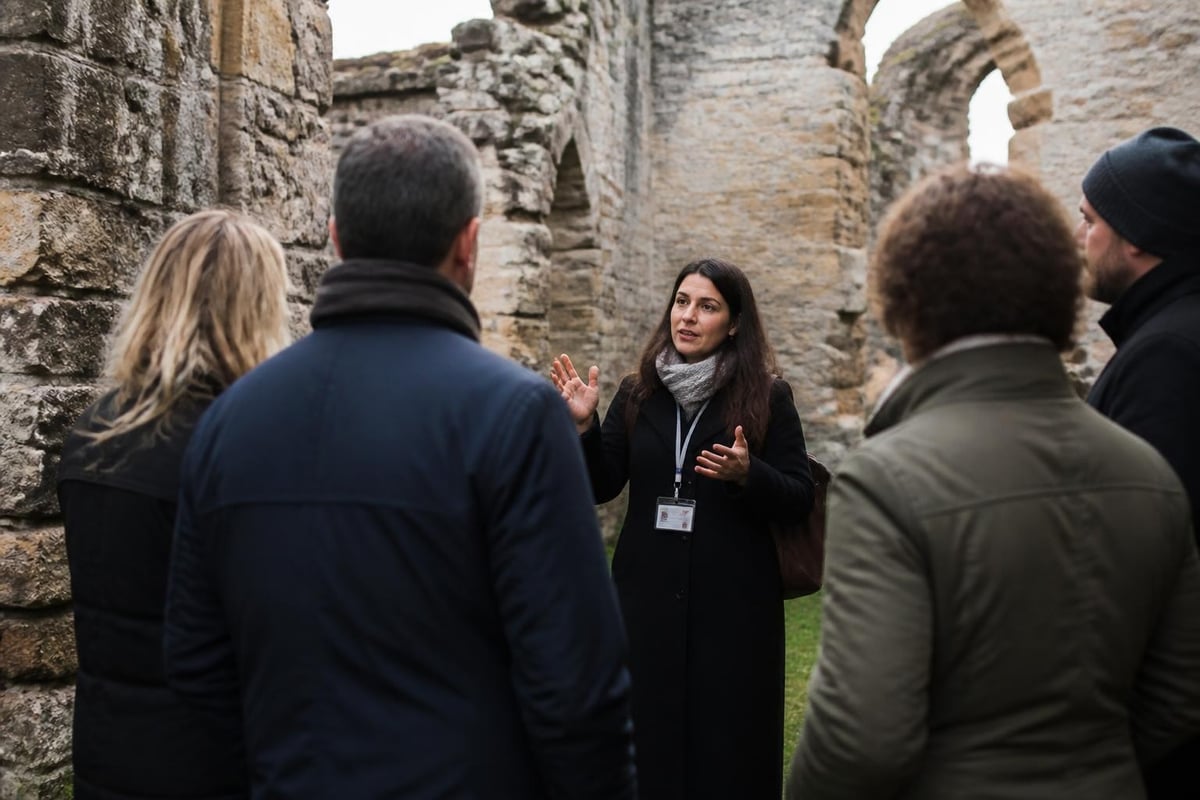
Tours typically begin with introductions and an overview of what to expect. Guides establish ground rules about staying together, photography policies at certain sites, and scheduled breaks. This orientation creates a framework that allows everyone to relax and enjoy the experience.
The pace balances moving between locations with sufficient time at each stop to absorb information and ask questions. Quality tours avoid rushing, instead allowing moments for reflection, photos, and spontaneous discoveries. When exploring group tours, expect your guide to gauge the group's energy and interests, occasionally adjusting the plan to accommodate what resonates most.
Interaction is encouraged. Ask questions, share observations, and engage with fellow travelers. The collective experience often sparks insights that wouldn't emerge in solitary exploration. Some participants discover unexpected interests through others' questions or perspectives.
Tour Etiquette and Expectations
Respectful participation enhances everyone's experience. This means staying within earshot of the guide, not monopolizing their attention, and being mindful of others taking photos. Punctuality matters, especially when the group has timed entry to popular attractions or reservations at restaurants.
Understanding that guided tours versus independent travel represent different philosophies helps set appropriate expectations. Guided experiences trade complete autonomy for expert curation and social connection. Embracing this structure rather than resisting it leads to more satisfying outcomes.
Specialized Tour Experiences in 2026
The guided tour landscape has diversified significantly, with operators creating increasingly specific experiences that cater to niche interests and unique perspectives.
Literary and Cultural Deep Dives
Following fictional characters through real locations creates a unique lens for exploring cities. Literary tours transform readers into detectives, searching for the cafes where authors wrote, the neighborhoods that inspired settings, and the landmarks featured in pivotal scenes. These experiences satisfy both bibliophiles and travelers seeking non-traditional perspectives on familiar destinations.
Cultural tours in 2026 emphasize contemporary life alongside historical context. Rather than focusing exclusively on centuries-old stories, modern guides connect past and present, showing how traditions evolve and how historical events continue shaping current culture. This approach provides more complete understanding and reveals the living nature of the places we visit.
Music and Entertainment Heritage
Music-themed tours have grown exponentially popular, particularly in cities with strong musical legacies. These experiences go beyond museum visits to include locations where artists lived, performed, and found inspiration. The combination of storytelling, site visits, and often live music or recordings creates multisensory experiences that resonate deeply with enthusiasts.
Stockholm's connection to ABBA exemplifies this trend perfectly. Tours exploring the band's history combine visits to significant locations with opportunities to meet fellow fans, share memories, and celebrate the music's enduring impact. These shared passions create instant bonds between participants from diverse backgrounds.
Customization and Private Options
While group tours provide valuable social elements, some travelers prefer privacy without sacrificing expert guidance. Many operators now offer private versions of their popular tours, maintaining the same quality insights while adapting the pace and focus entirely to the client's preferences.
Private tours excel for families, friend groups, or business colleagues who want personalized experiences tailored to their specific interests and mobility requirements. They eliminate concerns about keeping pace with strangers and allow for spontaneous detours when something captures particular interest.
Making the Most of Your Guided Tour Investment
The benefits of guided group tours justify the cost when travelers actively engage and prepare appropriately. Several strategies maximize value and enhance the overall experience.
Research and Preparation
While guides provide comprehensive information, some advance reading enriches the experience. Understanding basic historical context, key figures, or cultural concepts allows you to ask deeper questions and make connections the guide might not explicitly state. This preparation transforms you from passive recipient to active participant in the learning process.
Review the tour company's background and philosophy. Companies like Adding:tours that emphasize personalization and insider access deliver fundamentally different experiences than mass-market operators. Understanding these distinctions helps align expectations with reality.
Active Engagement Strategies
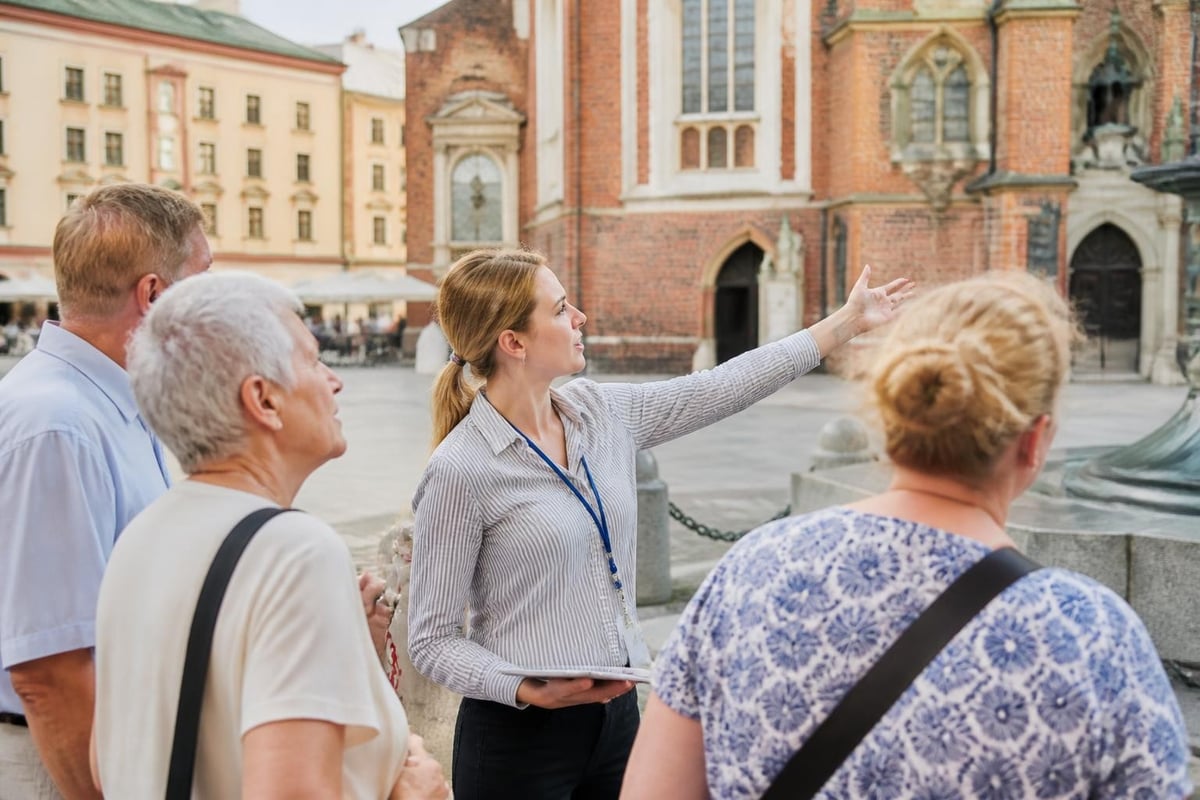
Ask questions whenever curiosity strikes. Good guides welcome inquiries and often use questions as springboards to share additional stories or insights. Your question might address something others wondered but hesitated to ask.
Take strategic notes capturing key names, dates, or concepts you want to research further. Rather than photographing every information plaque, jot down essentials that will jog your memory later. This practice keeps you present in the moment while ensuring you remember important details.
Connect with fellow travelers during breaks or natural pauses. Exchange contact information with those you click with, sharing photos and continuing conversations about the experience after the tour concludes.
Post-Tour Follow-Through
The experience shouldn't end when the tour does. Many guides provide recommendations for additional sites, restaurants, or experiences. Following up on these suggestions extends the value of their expertise.
Review and share your experience through honest feedback. Detailed reviews help future travelers choose the right tour company and provide operators valuable insights for improving their offerings. Constructive feedback about what worked well and what could improve benefits everyone.
The Future of Guided Group Tours
Looking ahead, several trends are shaping how guided group tours will evolve. Sustainability has become increasingly central, with operators emphasizing walking tours, public transportation, and partnerships with local businesses rather than international chains. This approach reduces environmental impact while strengthening communities.
Technology integration continues expanding, though the most successful implementations enhance rather than replace human guides. Augmented reality apps, for instance, might overlay historical images onto current streetscapes, but the guide provides context and answers questions that technology cannot address.
Hyper-personalization represents another frontier. As operators gather more data about participant preferences and travel patterns, they can create increasingly targeted experiences. The challenge lies in maintaining the spontaneity and serendipity that make travel magical while leveraging information to improve relevance.
Balancing Structure and Freedom
The most successful guided group tours in 2026 strike careful balance between organization and autonomy. While the overall framework remains consistent, the best guides read their groups, adjusting pace, depth, and even routing based on energy levels and engagement. This flexibility requires experience and confidence but produces far superior outcomes.
Some tours now incorporate "free time" windows within the overall structure, allowing participants to explore independently before reconvening. This hybrid approach satisfies those who want guidance for the complex or unfamiliar while maintaining some self-directed discovery.
| Tour Element | Traditional Approach | 2026 Best Practice |
|---|---|---|
| Group Size | 20-40 people | 6-15 people |
| Itinerary | Fixed schedule | Flexible framework |
| Technology | Optional audio devices | Integrated enhancement |
| Focus | Breadth of coverage | Depth of experience |
| Booking | Single package | Customization options |
Addressing Common Concerns
Despite numerous benefits of group travel, some travelers hesitate due to misconceptions or previous negative experiences. Understanding these concerns helps in making informed decisions.
Pace and Physical Requirements
Worry about keeping up with the group ranks among the most common concerns. Reputable operators clearly communicate activity levels and physical requirements in their descriptions. Some tours involve extensive walking and standing, while others maintain moderate paces with frequent breaks.
Don't hesitate to contact operators directly with specific questions about pace, rest stops, or accessibility. Professional companies appreciate these inquiries and can often recommend the most suitable option from their offerings. English walking tours in historic districts, for instance, typically involve more standing and uneven surfaces than general city tours.
Personality Compatibility
Fear of being stuck with incompatible group members troubles some potential participants. While you cannot control who else books the tour, smaller group sizes and specialized themes dramatically increase the likelihood of finding like-minded companions. Tours focusing on specific interests naturally attract people who share those passions.
Remember that guided tours provide built-in conversation topics and shared experiences. Even if you wouldn't normally befriend certain group members, the common adventure creates bonds and positive interactions that might surprise you.
Value Perception
Some travelers question whether guided tours justify their cost compared to independent exploration. This calculation depends on what you value. If time efficiency, expert insights, social connections, and stress-free logistics matter to you, guided tours deliver exceptional value. If budget consciousness trumps all other considerations and you enjoy extensive planning, independent travel might suit you better.
Consider also the pros and cons of guided tours from a total experience perspective. The memories, friendships, and deeper understanding often prove worth far more than the financial investment when reflected upon years later.
Guided group tours offer unparalleled opportunities to discover destinations through expert eyes while connecting with fellow travelers who share your curiosity and sense of adventure. The intimate settings, personalized approaches, and insider knowledge characteristic of modern small-group experiences transform sightseeing into meaningful exploration that resonates long after you return home. Whether you're interested in Stockholm's medieval history, literary landmarks, or musical heritage, Adding:tours creates tailored experiences designed specifically for your private group, ensuring every moment reflects your interests and delivers authentic local perspectives that make your time truly special.