Walking Tour Guides: Expert Tips for Memorable Experiences
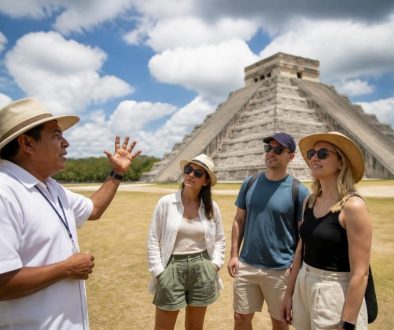
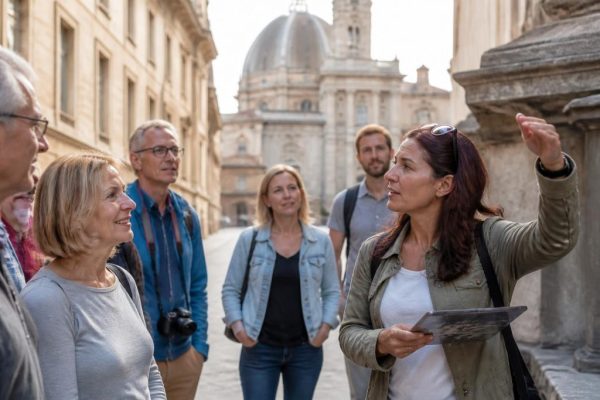
Walking tour guides serve as the vital connection between visitors and the cities they explore. These professionals transform ordinary street corners into stages for historical drama, architectural wonder, and cultural storytelling. For cities like Stockholm, where medieval alleyways meet modern Nordic design, the right guide makes all the difference between a forgettable stroll and an unforgettable journey. Whether leading intimate family groups through cobblestone streets or managing larger gatherings at iconic landmarks, walking tour guides combine knowledge, personality, and expertise to create experiences that resonate long after the tour ends.
The Essential Role of Walking Tour Guides in Modern Tourism
The tourism industry has witnessed remarkable growth, with walking tours becoming increasingly popular among travelers seeking authentic, immersive experiences. According to comprehensive tour guide industry statistics, the sector continues to expand as visitors prioritize meaningful connections over superficial sightseeing.
Walking tour guides fulfill multiple roles simultaneously. They educate, entertain, and ensure safety while navigating groups through urban landscapes. In Stockholm, where historical narratives span from Viking settlements to contemporary Scandinavian culture, guides must possess deep knowledge across centuries of history.
What Sets Exceptional Guides Apart
The best walking tour guides distinguish themselves through several key characteristics:
- Storytelling mastery that transforms facts into compelling narratives
- Cultural sensitivity when discussing complex historical topics
- Adaptability to different group dynamics and unexpected situations
- Passion for their city that proves genuinely contagious
- Communication skills tailored to diverse international audiences
These qualities cannot be taught overnight. They develop through experience, continuous learning, and genuine enthusiasm for sharing local culture. When exploring Stockholm’s Old Town, guides who bring centuries-old stories to life create moments that standard guidebooks cannot replicate.
Designing Engaging Walking Tour Routes
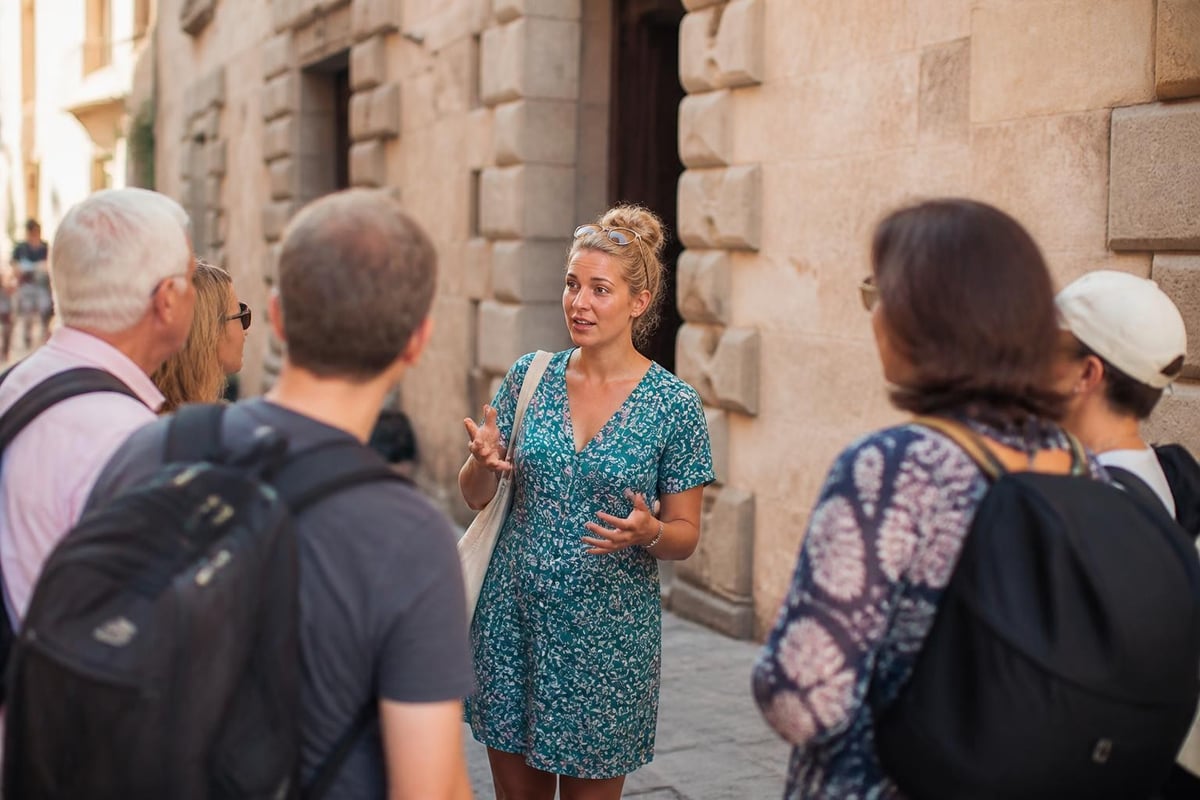
Route design represents one of the most critical responsibilities for walking tour guides. A well-planned path balances historical significance, visual appeal, and practical considerations like rest stops and photo opportunities.
Designing historical walking tours requires careful research and thematic coherence. Stockholm presents unique opportunities, from Royal Palace ceremonies to narrow medieval passages that reveal architectural evolution over centuries.
| Route Element | Considerations | Stockholm Examples |
|---|---|---|
| Opening location | Accessible, symbolic, minimal noise | Gamla Stan main square |
| Pacing points | Rest stops, dramatic reveals | Viewpoints over harbor |
| Story anchors | Visual landmarks for narratives | Stortorget, Royal Palace |
| Closing moment | Memorable finale, logical endpoint | Waterfront vista |
Walking tour guides must also account for physical limitations within groups. Not everyone moves at the same pace, and weather conditions in Scandinavian cities can change rapidly. Experienced guides build flexibility into their routes, knowing alternate paths when needed.
Crafting Thematic Narratives
Theme selection elevates walking tours from random wandering to purposeful exploration. Literary tours following Stieg Larsson's Millennium trilogy locations offer one powerful example. These specialized English-speaking tours connect fictional narratives to real Stockholm neighborhoods, creating layers of meaning for literature enthusiasts.
Music-themed tours, such as ABBA journeys, demonstrate how walking tour guides can blend cultural history with contemporary interests. These experiences appeal to specific demographics while introducing broader historical contexts naturally.
Communication Strategies for Group Management
Managing group dynamics separates competent walking tour guides from exceptional ones. Effective group communication begins before participants even arrive at the meeting point.
Pre-Tour Preparation
Successful guides establish clear expectations through:
- Confirmation messages detailing meeting locations, duration, and what to bring
- Weather advisories specific to the tour date
- Accessibility information about terrain and physical requirements
- Group size notifications to set appropriate expectations
This preparation reduces confusion and anxiety, allowing participants to focus on enjoyment rather than logistics.
During the Tour
Active communication management includes positioning yourself where everyone can see and hear you, using hand signals for larger groups, and regularly counting participants at transition points. In Stockholm's bustling tourist areas near the Royal Palace, maintaining group cohesion requires constant attention.
Walking tour guides should also master the art of reading their audience. When energy flags, inject humor or interactive elements. When fascination peaks, expand on topics even if it adjusts the timeline. Flexibility demonstrates professionalism.
Creating Memorable Experiences Through Storytelling
Facts inform, but stories transform. The most successful walking tour guides understand this fundamental truth. What makes a great walking tour often comes down to narrative technique rather than information volume.
Stockholm's history provides endless storytelling opportunities. Medieval power struggles, Nobel Prize ceremonies, industrial transformations, and contemporary design movements all offer narrative threads. The challenge lies in weaving these elements into cohesive, engaging presentations.
Techniques for Compelling Narration
- Begin with hooks that capture immediate interest
- Use sensory details to help audiences visualize historical scenes
- Incorporate local legends alongside documented facts
- Connect past to present showing how history shaped current spaces
- Pause strategically allowing moments for reflection and photography
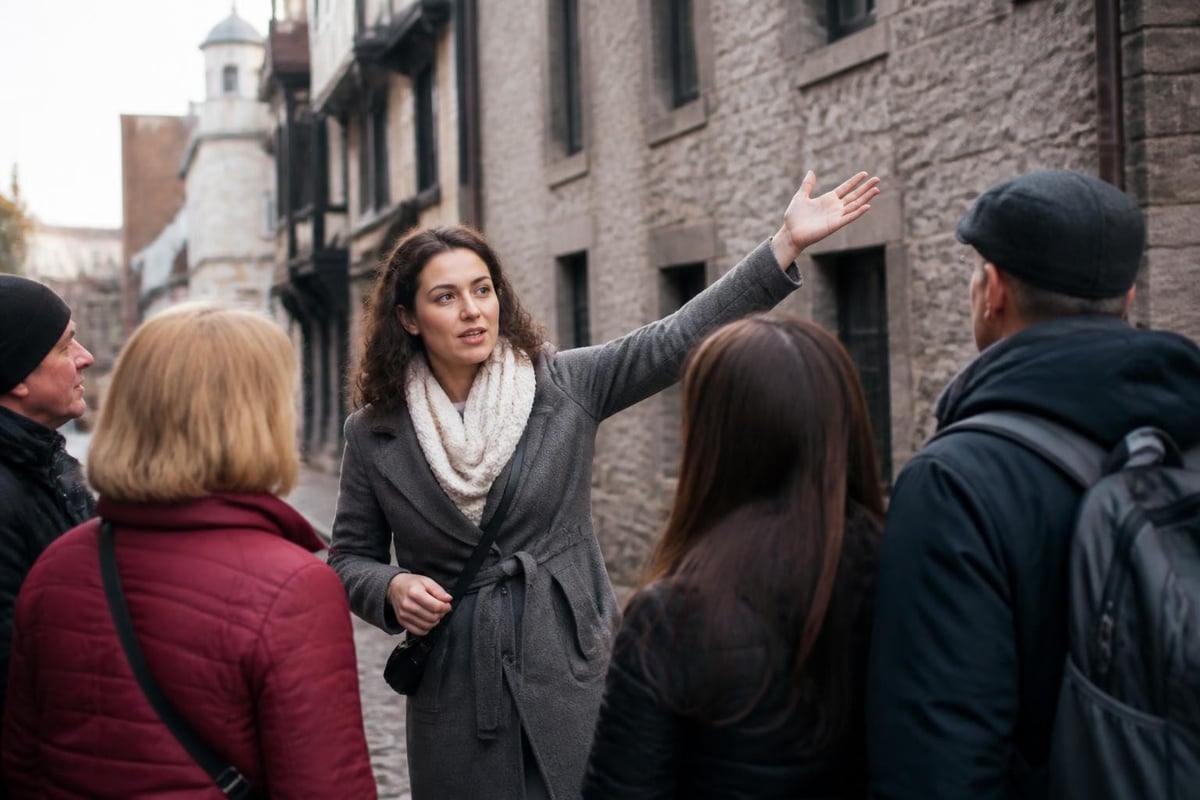
When guiding groups through Stockholm’s city streets, effective narration makes cobblestones speak and building facades reveal centuries of stories. This transformation requires preparation, practice, and genuine enthusiasm that cannot be manufactured.
Professional Development for Tour Guides
The tourism industry evolves constantly, requiring walking tour guides to commit to ongoing learning. New historical research emerges, city landscapes change, and visitor expectations shift with cultural trends.
Professional development encompasses multiple dimensions:
| Development Area | Methods | Benefits |
|---|---|---|
| Historical knowledge | Academic courses, archive research | Deeper, more accurate narratives |
| Language skills | Conversation practice, terminology study | Broader audience reach |
| Presentation techniques | Public speaking workshops, peer feedback | Enhanced engagement |
| Business skills | Marketing, booking systems, customer service | Sustainable career growth |
Many successful guides also pursue specialized certifications or join professional associations. These credentials build credibility while providing networking opportunities with fellow professionals.
Learning From Guest Feedback
Walking tour guides improve through systematic feedback collection and analysis. Post-tour surveys reveal what resonated with participants and what fell flat. Common patterns indicate areas needing adjustment.
Private tour experiences offer particularly valuable feedback opportunities, as smaller groups provide more detailed, specific responses than large public tours.
Building a Sustainable Tour Guide Business
For those considering professional careers as walking tour guides, understanding business fundamentals proves essential. Starting a tour guide business involves financial planning, marketing strategy, and operational systems.
Revenue models vary significantly:
- Independent operation with direct bookings and full profit retention
- Platform partnerships trading commission percentages for customer access
- Company employment providing steady income with less autonomy
- Hybrid approaches combining multiple revenue streams
Stockholm's tourism market supports various business models, from specialized literary tours to comprehensive chartered experiences for corporate groups.
Financial Considerations
Startup costs for walking tour guides remain relatively modest compared to other tourism businesses. Essential investments include:
- Professional liability insurance
- Marketing materials and website development
- Communication equipment for larger groups
- Business licensing and permits
- Educational resources and research materials
Operating expenses stay low since walking tours require minimal equipment. However, guides must account for seasonal fluctuations in tourist traffic, particularly in Northern European destinations where winter weather significantly impacts outdoor activities.
Hiring and Training Quality Guides
Organizations offering walking tours face critical decisions when hiring tour guides. The right team members elevate brand reputation, while poor choices damage customer trust and business sustainability.
Evaluation Criteria
Interview processes should assess both knowledge and interpersonal capabilities. Candidates might demonstrate expertise in Stockholm history yet lack the charisma to engage groups effectively. Conversely, highly personable individuals may require substantial training to develop adequate content depth.
Key evaluation areas include:
- Historical and cultural knowledge specific to tour locations
- Public speaking comfort and natural storytelling ability
- Problem-solving skills under pressure
- Cultural sensitivity and language proficiency
- Physical stamina for extended walking periods
Trial tours with existing team members often reveal candidate strengths and weaknesses better than formal interviews. Observing how potential guides interact with real participants provides invaluable insight.
Ongoing Training Programs
Once hired, walking tour guides benefit from structured onboarding and continuous development. Tour guide best practices suggest comprehensive training covering company standards, safety protocols, and brand messaging consistency.
Training components should include:
- Shadowing experienced guides through complete tours
- Route familiarization with historical context for each stop
- Customer service standards and conflict resolution
- Emergency procedures and medical response basics
- Technology systems for bookings and communication
Stockholm-based operations might also emphasize specific local considerations, such as Royal Palace protocol during guard-changing ceremonies or navigation through particularly crowded tourist seasons.
Technology Integration in Modern Walking Tours
Digital tools increasingly support walking tour guides while enhancing visitor experiences. While human connection remains irreplaceable, technology offers valuable supplementation.
Audio Enhancement
Communication equipment helps guides project their voices without strain, particularly important in noisy urban environments. Quality systems ensure every participant hears clearly, even when separated by several meters during crowded conditions.
Digital Resources
Many walking tour guides now incorporate smartphone applications for:
- Interactive maps showing historical changes over time
- Archival photographs comparing past and present streetscapes
- Supplementary video content enriching narratives
- QR codes linking to additional self-guided information
These tools extend the experience beyond the tour duration, allowing participants to revisit content and share discoveries with friends and family.
Booking and Management Systems
Professional walking tour guides require efficient systems for managing reservations, payments, and customer communications. Modern platforms streamline these administrative tasks, freeing guides to focus on content development and delivery excellence. Organizations offering tailored tours particularly benefit from flexible booking systems accommodating custom requests.
Specialized Tour Niches and Market Differentiation
Generic city overviews face intense competition, but walking tour guides who develop specialized expertise create unique market positions. Stockholm offers numerous niche opportunities beyond standard historical surveys.
Literary and Cultural Tours
Following famous authors or fictional characters through real locations appeals to dedicated fan bases. Mystery, crime fiction, and Nordic noir genres attract international visitors specifically seeking these experiences.
Culinary Walking Tours
Food-focused experiences combine tasting opportunities with cultural education. Stockholm's evolution from traditional Swedish fare to innovative Nordic cuisine provides rich storytelling material while engaging multiple senses.
Architectural Focus
Design enthusiasts appreciate tours highlighting specific architectural movements or building types. Stockholm's mix of medieval structures, functionalist landmarks, and contemporary projects supports deep architectural exploration.
| Niche Category | Target Audience | Stockholm Advantages |
|---|---|---|
| Literary tours | Book enthusiasts, film fans | Larsson's Millennium series locations |
| Music history | ABBA fans, music students | Band origins, recording studios, Viggsö |
| Royal heritage | History buffs, tradition lovers | Active monarchy, palace access |
| Design focus | Architecture students, design professionals | Scandinavian design heritage |
Specialization allows walking tour guides to command premium pricing while attracting passionate participants who value expertise. These niche markets often generate stronger word-of-mouth marketing than general tours.
Managing Challenging Situations
Even experienced walking tour guides encounter difficult moments. Weather emergencies, participant medical issues, group conflicts, or unexpected route closures require calm, decisive responses.
Preparedness Strategies
Professional guides carry essential supplies including:
- First aid kits appropriate for group sizes
- Emergency contact information for local services
- Backup route plans for common disruption scenarios
- Portable weather protection options
- Communication devices with charged batteries
Mental preparation proves equally important. Scenario planning helps guides respond effectively when actual problems arise. Discussing challenging situations with fellow professionals builds collective knowledge and confidence.
Conflict Resolution
Personality conflicts occasionally emerge within tour groups. Perhaps one participant dominates question time, or someone complains loudly about walking pace. Walking tour guides must address these situations diplomatically, protecting the experience for all participants while respecting individual concerns.
Private communication often resolves issues without drawing group attention. When necessary, guides should redirect conversations or politely but firmly establish boundaries that preserve overall tour quality.
Seasonal Adaptation and Year-Round Opportunities
Stockholm's dramatic seasonal variations create both challenges and opportunities for walking tour guides. Summer brings endless daylight and comfortable temperatures, attracting peak tourist numbers. Winter presents harsh conditions but also unique atmospheric experiences and Northern Lights possibilities.
Successful guides adapt their content and approach across seasons. Summer tours might emphasize outdoor café culture and waterfront activities, while winter editions highlight cozy indoor intervals, Christmas traditions, and how Stockholmers embrace dark months.
Off-Season Strategies
Many walking tour guides supplement income during slower periods through:
- Virtual tour offerings reaching international audiences remotely
- Content creation developing guidebooks, blogs, or video series
- Corporate training teaching presentation and storytelling skills
- Research and development preparing new tour concepts for busy seasons
This diversification builds more sustainable businesses while developing complementary professional skills.
Planning experiences that appeal year-round requires creativity. For platforms like Innobook, which connects audiences with diverse activities and experiences, walking tours represent one component within broader leisure and event offerings. Tour guides who understand how their services fit within complete travel experiences can better position themselves for sustained success.
Measuring Success and Continuous Improvement
Professional walking tour guides track multiple success indicators beyond basic participant numbers. Understanding what works, what needs improvement, and how the market evolves requires systematic analysis.
Key Performance Indicators
- Booking conversion rates from inquiries to confirmed reservations
- Average group sizes indicating marketing effectiveness
- Repeat customer percentages showing satisfaction and loyalty
- Review ratings across multiple platforms
- Revenue per tour hour reflecting pricing optimization
- Referral rates demonstrating word-of-mouth strength
These metrics reveal business health while highlighting specific areas needing attention. A guide with excellent reviews but low repeat business might need stronger post-tour engagement. High inquiry volumes with low conversions suggest pricing misalignment or unclear value communication.
Implementing Feedback Loops
The best walking tour guides create systems ensuring continuous improvement. Regular review of customer feedback, peer observations, and personal performance recordings identify incremental enhancement opportunities.
Quarterly goal-setting provides structure for professional development. Perhaps one quarter focuses on expanding historical knowledge through archive research, while the next emphasizes storytelling technique refinement through public speaking workshops.
Building Authentic Connections With Visitors
Beyond information delivery, walking tour guides create human connections that transform strangers into temporary communities. Groups bond through shared discovery, collective laughter at amusing historical anecdotes, and mutual appreciation for beautiful spaces.
These connections represent the heart of successful cultural tours. Participants remember how guides made them feel as much as the facts they learned. Authenticity cannot be scripted, but it flourishes when guides genuinely love their cities and enjoy sharing that passion.
Small gestures matter enormously. Remembering participant names, asking thoughtful questions about their interests, and offering personalized recommendations for the remainder of their visit demonstrate care beyond mere professionalism. These touches distinguish memorable experiences from forgettable transactions.
Walking tour guides who master storytelling, adapt to diverse groups, and continuously refine their craft create experiences that transform how visitors understand and remember destinations. Whether you're planning an intimate family exploration of Stockholm's medieval heart or organizing a corporate group event, Adding:tours offers personalized walking experiences led by native English-speaking guides who bring the city's stories to life. Our expertise in both classic routes through the Old Town and specialized literary and musical journeys ensures your time in Stockholm becomes truly unforgettable.