Tour Groups: Planning Memorable Experiences in 2026
Travel preferences have evolved dramatically, with more people recognizing the unique advantages of exploring destinations through organized experiences. Tour groups offer a compelling blend of social connection, expert guidance, and streamlined logistics that independent travel often cannot match. As the industry continues to grow in 2026, understanding what makes these experiences valuable helps travelers make informed decisions about their next adventure. Whether you're considering a cultural tour or exploring a new city, the right group experience can transform a simple trip into an unforgettable journey.
The Evolution of Modern Tour Groups
The tour operator industry has demonstrated remarkable resilience and growth despite global challenges. According to a recent USTOA survey, nearly 9 out of 10 tour operators expect sales growth in 2026. This optimism reflects a fundamental shift in how travelers view organized experiences.
Today's tour groups bear little resemblance to the rigid, one-size-fits-all packages of decades past. Modern travelers demand flexibility, personalization, and authentic local connections. Operators have responded by creating experiences that balance structure with spontaneity, offering carefully curated itineraries while allowing room for individual exploration.
Size Matters: The Small Group Advantage
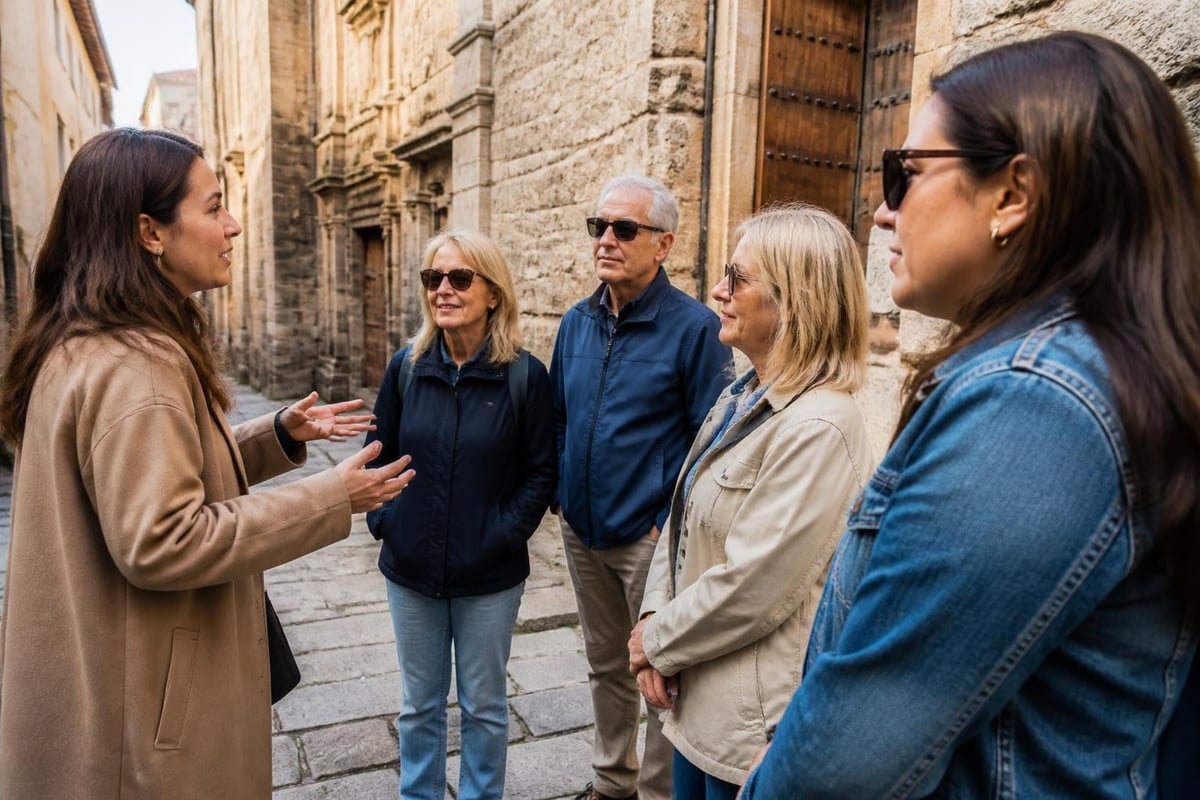
Recent data reveals a clear preference for intimate group sizes. The 2026 land tour outlook shows clients increasingly favor small groups, often fewer than 20 participants. This trend has accelerated as travelers seek more meaningful interactions with destinations and fellow participants.
Small tour groups provide several distinct advantages:
- Personalized attention from knowledgeable guides who can address individual questions and interests
- Greater flexibility to adjust itineraries based on group preferences and unexpected opportunities
- Enhanced local access to venues and experiences that cannot accommodate large crowds
- Stronger social connections among participants, creating lasting friendships
- Reduced environmental impact compared to massive group movements
For businesses offering group tours, maintaining smaller participant numbers often translates to higher satisfaction ratings and stronger word-of-mouth recommendations. The intimate setting allows guides to share insider knowledge and create moments that feel exclusive rather than touristy.
Economic Impact and Industry Significance
The tour group sector represents a substantial economic force. Data from the American Bus Association Foundation indicates that motorcoach group travel contributed nearly $90 billion to the U.S. economy in 2024. This figure underscores the industry's importance not just for travelers, but for local communities and economies worldwide.
The broader group travel industry shows even more impressive numbers. Statistics from the group travel sector value the market at $450 billion, with nearly 80% of group travelers booking through specialized agents. These figures demonstrate that despite the rise of independent travel resources, professionally organized experiences remain highly valued.
| Metric | Value | Significance |
|---|---|---|
| Market Size | $450 billion | Demonstrates substantial global demand |
| Advance Booking | 6+ months | Indicates careful planning and commitment |
| Agent Bookings | 80% | Shows trust in professional expertise |
| Expected Growth | 90% operators | Industry-wide optimism for 2026 |
This economic vitality creates opportunities for specialized operators to differentiate themselves through unique offerings and exceptional service quality.
Planning Considerations for Tour Groups
Successful tour group experiences begin long before departure. Understanding the planning process helps both operators and participants maximize value and satisfaction.
Booking Timelines and Trends
The group travel landscape shows distinct patterns in booking behavior. Most travelers plan group experiences over six months in advance, allowing time to coordinate schedules, secure optimal dates, and research destinations thoroughly. However, current trends also reveal that some clients are booking closer to departure dates, particularly for shorter experiences or when seeking last-minute availability.
For operators offering Stockholm tours, this dual pattern requires maintaining flexibility in scheduling while also encouraging early bookings for popular dates and seasonal experiences.
Customization and Personalization
Modern tour groups thrive on customization. Rather than accepting predetermined itineraries, participants increasingly expect experiences tailored to their specific interests. A family visiting Stockholm might prioritize child-friendly activities and interactive museums, while corporate groups may seek team-building elements integrated into their sightseeing.
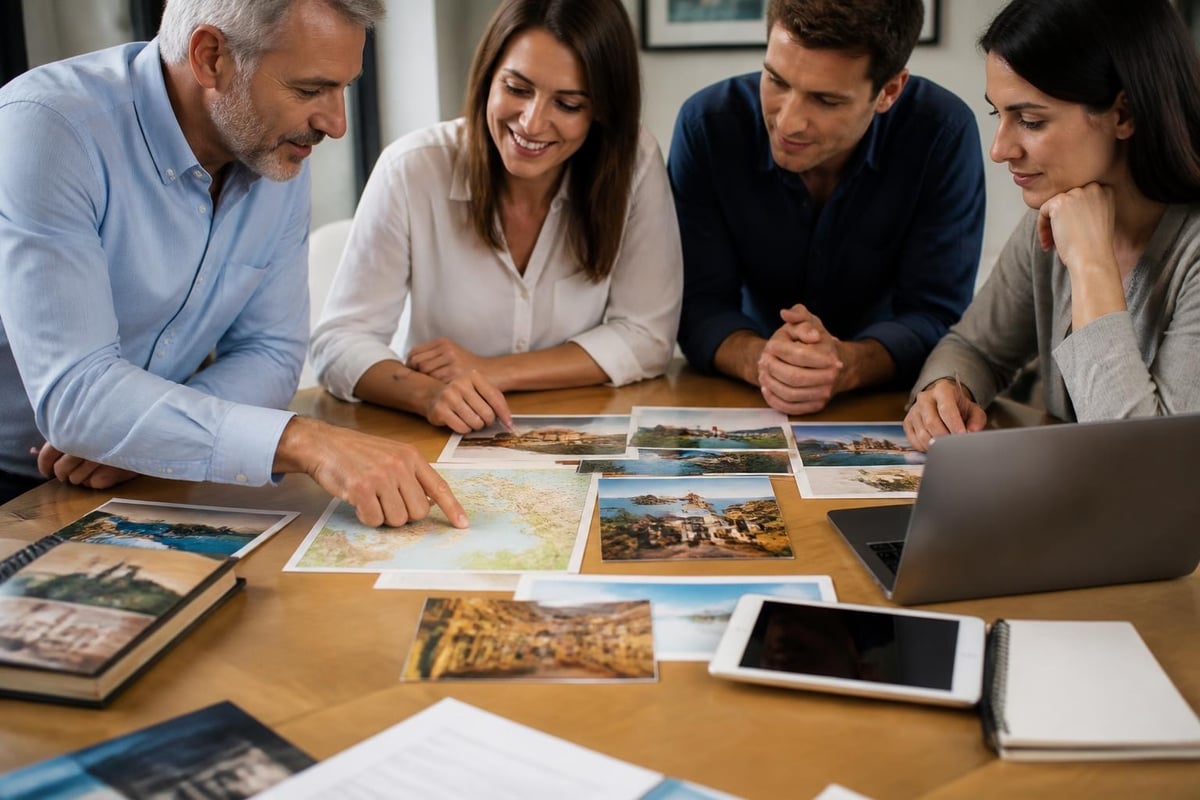
Effective customization requires:
- Initial consultation to understand group composition, interests, and objectives
- Local expertise from guides who know hidden gems beyond standard tourist routes
- Flexible frameworks that allow adjustments based on weather, energy levels, or emerging interests
- Specialized access to locations or experiences unavailable to general visitors
- Responsive communication throughout the planning and execution phases
This approach transforms generic sightseeing into memorable experiences that resonate personally with participants. Walking tour guides who understand these principles create value far beyond simple navigation.
Types of Tour Group Experiences
The diversity of tour group offerings reflects varied traveler interests and travel styles. Understanding available options helps match experiences to expectations.
Cultural and Historical Immersion
Heritage-focused tour groups attract participants eager to understand destinations through their history, architecture, and cultural traditions. These experiences often include expert commentary that brings locations to life, revealing stories and connections invisible to casual observers.
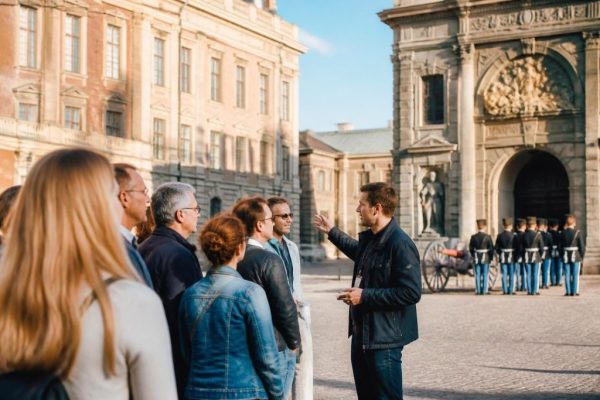
An Old Town walking tour exemplifies this approach, guiding participants through narrow medieval alleys while explaining how these spaces shaped modern Stockholm. The combination of visual exploration and expert narrative creates deeper understanding than independent wandering typically achieves.
Thematic and Special Interest Tours
Specialized tour groups centered on specific themes attract passionate enthusiasts. Literature lovers might follow in authors' footsteps, music fans could explore performance venues and cultural landmarks, and food enthusiasts gather for culinary adventures.
The ABBA journey in Stockholm to Viggsö represents this model perfectly, combining musical history with social dining and stunning Scandinavian landscapes. Such thematic experiences create natural conversation starters among participants, fostering connections through shared interests.
Corporate and Team-Building Groups
Business-oriented tour groups serve dual purposes: providing engaging experiences while strengthening professional relationships. Chartered tours allow companies to create private experiences that balance sightseeing with strategic networking opportunities.
Advantages of Joining Tour Groups
While independent travel offers undeniable freedom, organized groups provide distinct benefits that many travelers increasingly value. Escorted tours deliver convenience, safety, and social connections that solo exploration cannot replicate.
Expert Local Knowledge
Professional guides transform ordinary locations into extraordinary experiences. Their insights go beyond standard facts, revealing contemporary culture, local perspectives, and hidden details that guidebooks miss. Native English-speaking guides particularly excel at nuanced cultural translation, helping international visitors understand context and subtlety.
Logistical Simplification
Coordinating transportation, timing, tickets, and reservations creates stress that detracts from enjoyment. Tour groups handle these details professionally, allowing participants to focus entirely on experiencing rather than managing logistics.
Social Connection and Safety
Traveling with others provides both companionship and security. Group settings naturally facilitate conversation and friendship, particularly valuable for solo travelers who want social interaction without sacrificing the adventure of exploring new places. The decision between solo and group travel often hinges on these social and safety considerations.
| Advantage | Independent Travel | Tour Groups |
|---|---|---|
| Flexibility | High | Moderate |
| Local Expertise | Variable | Consistently High |
| Social Interaction | Self-created | Built-in |
| Logistical Complexity | High | Minimal |
| Hidden Costs | Common | Transparent |
Creating Memorable Tour Group Experiences
The difference between adequate and exceptional tour groups lies in thoughtful execution of numerous details. Operators who prioritize participant experience over operational convenience consistently generate positive reviews and repeat business.
Communication and Expectations
Clear communication establishes realistic expectations and prevents disappointment. Detailed pre-tour information should cover physical requirements, time commitments, included amenities, and optional additions. Transparency about group size, pace, and style helps participants self-select appropriate experiences.
Pacing and Energy Management
Even enthusiastic travelers have energy limits. Well-designed tour groups balance activity with rest, intellectual stimulation with simple enjoyment, and structured programming with free time. Understanding group dynamics allows skilled guides to read energy levels and adjust pacing accordingly.
Creating Authentic Moments
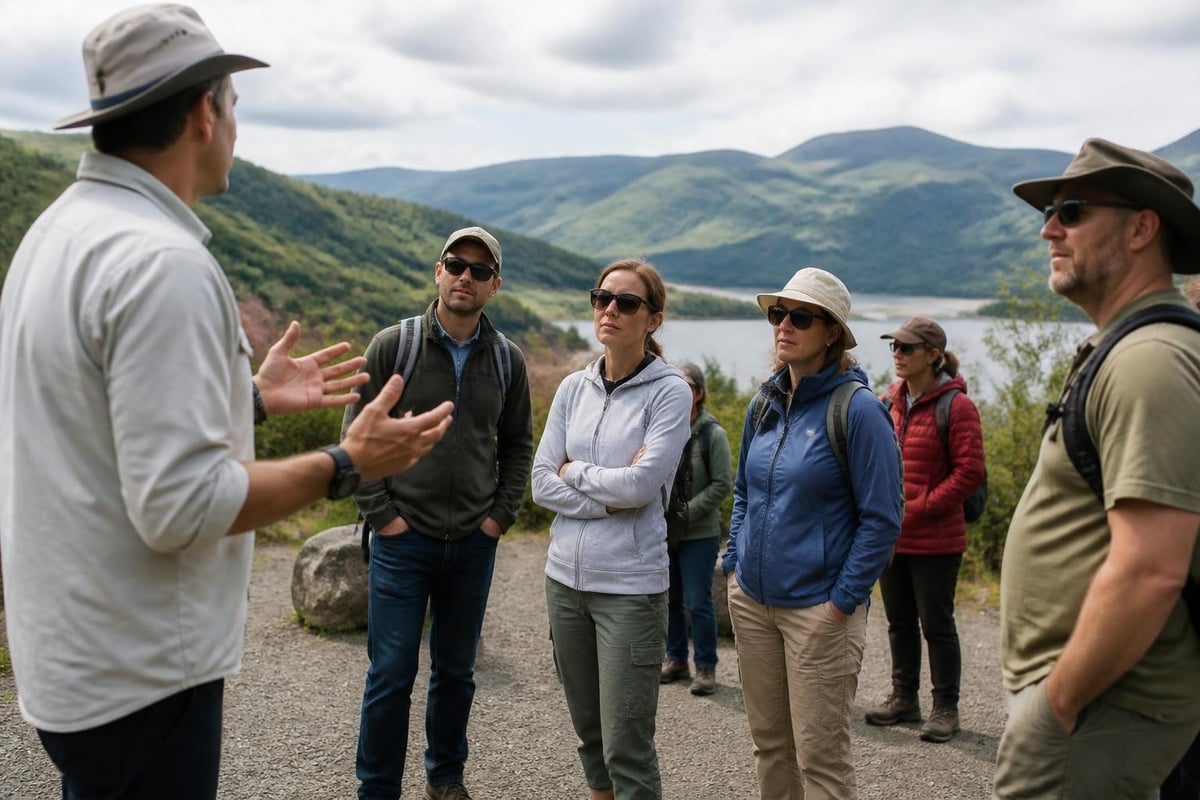
Authenticity cannot be manufactured, but it can be facilitated. Tour groups that prioritize genuine local interactions over staged performances create lasting memories. This might involve visiting neighborhood markets, attending local performances, or engaging with community members who share their perspectives freely.
Technology and Modern Tour Groups
Digital tools have revolutionized how tour groups operate and communicate. Mobile apps provide real-time updates, GPS tracking ensures no one gets lost during free time, and instant translation helps bridge language gaps. However, technology should enhance rather than dominate the human-centered experience that makes tour groups valuable.
Digital Planning and Booking
Online platforms have simplified tour group discovery and reservation. Travelers can research options, read reviews, compare offerings, and book experiences without extensive phone calls or email exchanges. This convenience accelerates decision-making while providing transparency that builds confidence.
Enhanced On-Site Experience
Smart audio systems allow guides to speak naturally while ensuring all participants hear clearly, even in noisy environments or large spaces. Digital maps and visual aids supplement verbal descriptions, accommodating different learning styles and language proficiencies.
Industry Trends Shaping Tour Groups
Understanding current trends helps both operators and participants anticipate how tour groups will evolve. Comprehensive industry statistics reveal patterns that will shape offerings through 2030.
Sustainable and Responsible Tourism
Environmental consciousness increasingly influences travel decisions. Tour groups that demonstrate commitment to sustainability through carbon offset programs, support for local businesses, and respectful cultural practices attract environmentally aware travelers. Small group sizes naturally reduce impact compared to mass tourism alternatives.
Health and Wellness Integration
Post-pandemic awareness has elevated health considerations. Tour groups now commonly address physical accessibility, dietary restrictions, and wellness elements. Some operators integrate mindfulness practices, healthy dining options, or moderate physical activity into their itineraries.
Hyper-Personalization
Technology enables unprecedented customization. Tour groups now leverage participant data to suggest experiences, adjust difficulty levels, and recommend optional additions aligned with demonstrated interests. This personalization creates experiences that feel designed specifically for each participant while maintaining the efficiency of group operations.
Choosing the Right Tour Group
Selecting appropriate tour groups requires evaluating several factors beyond destination appeal. Understanding personal preferences, travel style, and priorities ensures satisfying experiences.
Evaluating Operators
Research separates exceptional operators from mediocre ones. Key evaluation criteria include:
- Guide qualifications and language capabilities
- Group size policies and actual typical sizes
- Customization flexibility and responsiveness
- Cancellation policies and weather contingencies
- Transparent pricing without hidden fees
- Recent reviews and participant testimonials
Operators who invest in professional tour guides and maintain high standards consistently deliver superior experiences worth their pricing.
Matching Style to Preferences
Tour groups vary dramatically in pace, formality, and focus. Adventure seekers need different experiences than history enthusiasts. Cultural immersion appeals to some travelers while others prefer comfort and familiarity. Honest self-assessment about preferences prevents mismatches that diminish satisfaction.
Understanding True Value
Price comparison requires examining what's included versus optional. Lower-priced tour groups may exclude meals, entrance fees, or transportation that competitors include. Total cost comparison alongside quality indicators provides clearer value assessment than headline pricing alone.
Maximizing Your Tour Group Experience
Participants influence their own experience quality through preparation and attitude. Approaching tour groups with realistic expectations and active engagement enhances outcomes significantly.
Active participation transforms passive observation into meaningful learning. Asking questions, sharing observations, and engaging with fellow participants creates richer experiences for everyone. The collective energy of engaged groups elevates the entire experience beyond what individual enthusiasm could achieve.
Preparation matters too. Understanding basic destination context, reviewing itineraries thoroughly, and communicating special needs or interests allows guides to optimize the experience. Physical preparation for walking tours ensures participants can comfortably complete planned activities without exhaustion limiting enjoyment.
Tour groups in 2026 offer sophisticated, personalized experiences that combine expert guidance, social connection, and logistical simplicity in ways independent travel cannot match. Success depends on choosing operators who prioritize quality, customization, and authentic local connections over standardized mass tourism. Adding:tours specializes in creating exactly these kinds of memorable experiences for private groups exploring Stockholm, with native English-speaking guides who share insider perspectives and tailor every journey to your group's unique interests. Whether you're walking through medieval alleys, following literary footsteps, or embarking on musical adventures, personalized attention transforms sightseeing into unforgettable stories you'll share for years.