Small Group Tours: Your Guide to Personalized Travel
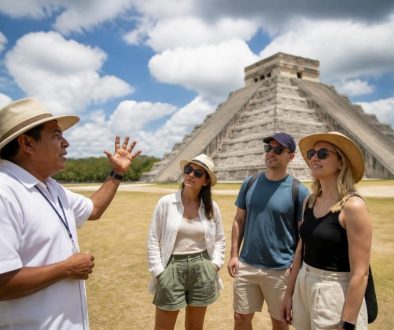
The travel industry has witnessed a significant shift toward more intimate and personalized experiences. As travelers increasingly prioritize meaningful connections and authentic cultural immersion, small group tours have emerged as the preferred choice for those seeking depth over superficial sightseeing. These carefully curated experiences offer the perfect balance between structured guidance and personal flexibility, allowing travelers to explore destinations with expert insights while maintaining the comfort of a close-knit group. Unlike mass-market tours that herd dozens of people through crowded attractions, small group tours create space for genuine interaction, spontaneous discoveries, and relationships that often last far beyond the journey itself.
What Defines Small Group Tours
Understanding what sets small group tours apart requires examining both the size limitations and the philosophy behind this travel format. Most operators define small groups as ranging from four to twelve participants, though some premium experiences cap at six travelers.
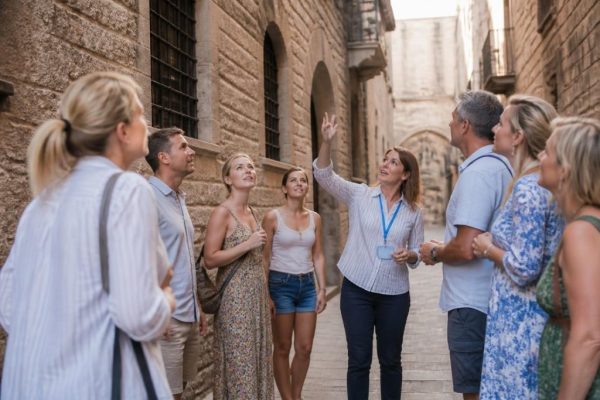
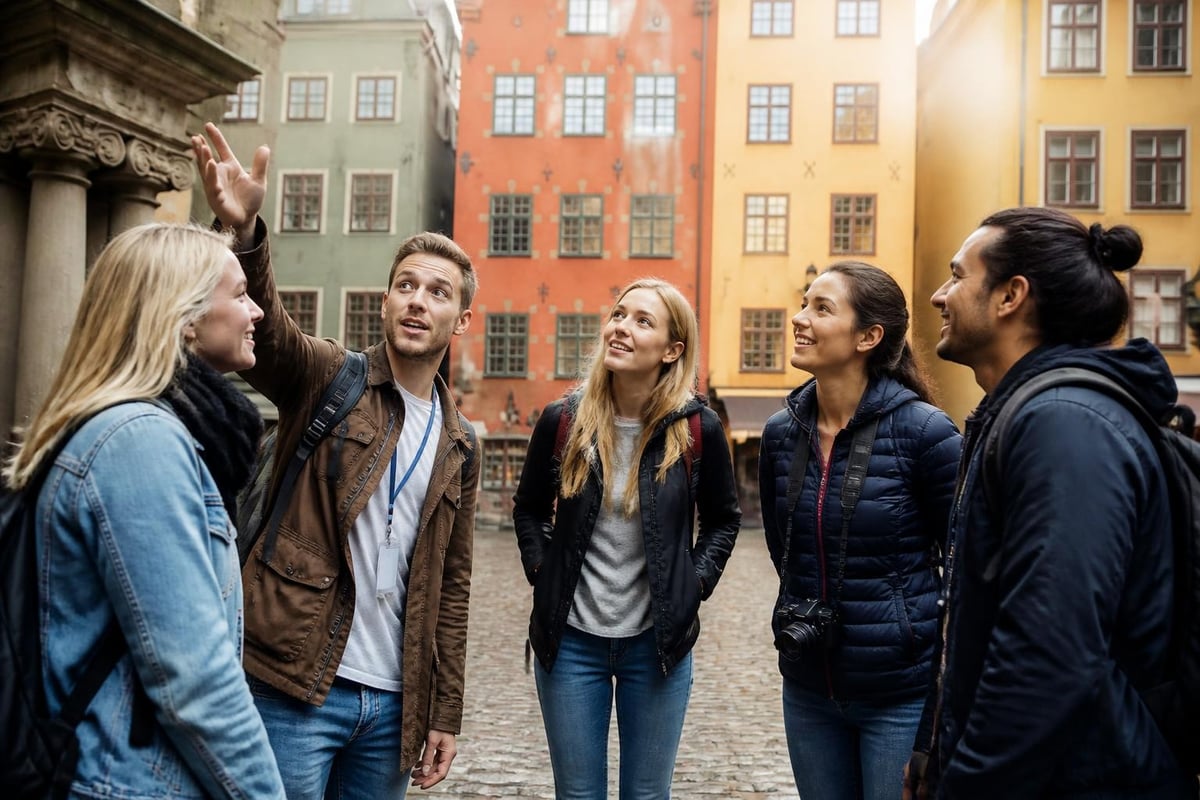
The intimate size creates fundamentally different dynamics compared to larger tour groups. Participants can easily hear the guide's commentary without audio devices, ask questions without disrupting the flow, and navigate narrow streets or historic sites without creating bottlenecks. This accessibility transforms the experience from passive observation to active engagement.
Size and Structure Benefits
Small group tours deliver distinct advantages that larger operations simply cannot replicate:
- Personalized attention from guides who can tailor commentary to group interests and answer individual questions
- Flexible itineraries that adapt to weather, group energy levels, and spontaneous opportunities
- Access to exclusive venues that restrict large groups, including local restaurants, private collections, and residential neighborhoods
- Sustainable tourism practices that minimize environmental impact and respect local communities
- Enhanced safety with easier headcounts, better communication, and more responsive crisis management
The structure of professional tour guide operations ensures that quality remains consistent across experiences. Tour operators invest heavily in guide training, local partnerships, and logistical planning to deliver seamless experiences.
The Evolution of Group Travel in 2026
The group travel market has transformed dramatically in recent years, driven by changing consumer expectations and global events that reshaped how people approach tourism. According to Adventure Travel Trade Association research, travelers now prioritize quality of experience over quantity of destinations, with small group formats leading this shift.
Industry data reveals compelling trends. Travelers are booking further in advance for small group tours, often six to nine months ahead, compared to three months for traditional package tours. This planning horizon reflects both the limited availability of quality small group experiences and the importance travelers place on securing their preferred dates.
Market Demand and Consumer Preferences
The appetite for intimate group experiences continues to grow across demographics. Solo travelers appreciate the built-in social aspect without forced interaction. Couples value the balance of companionship and privacy. Families find the format allows multi-generational groups to explore together while accommodating different interests and mobility levels.
Recent analysis from Condé Nast Traveler on travel trends highlights several drivers of this demand:
- Desire for authentic experiences beyond tourist facades
- Safety concerns that favor organized but intimate groups
- Environmental consciousness pushing travelers toward sustainable options
- Digital fatigue creating demand for genuine human connection
- Value perception focusing on experience quality over price alone
The shift has prompted many traditional large-group operators to launch small group divisions, while boutique operators have expanded capacity to meet demand. This competitive landscape benefits consumers through improved quality, innovative itineraries, and competitive pricing.
Planning Your Small Group Tour Experience
Selecting the right small group tour requires careful consideration of multiple factors beyond destination and dates. The decision process should begin with honest self-assessment of your travel style, physical capabilities, and social preferences.
Choosing the Right Tour Type
Different small group tours cater to distinct interests and activity levels. Cultural tours focus on art, architecture, history, and local traditions, typically involving moderate walking and museum visits. Adventure tours emphasize physical activities such as hiking, cycling, or water sports. Culinary tours center on food markets, cooking classes, and restaurant experiences. Literary and themed tours follow specific narratives, such as tracing famous authors' footsteps through cities.
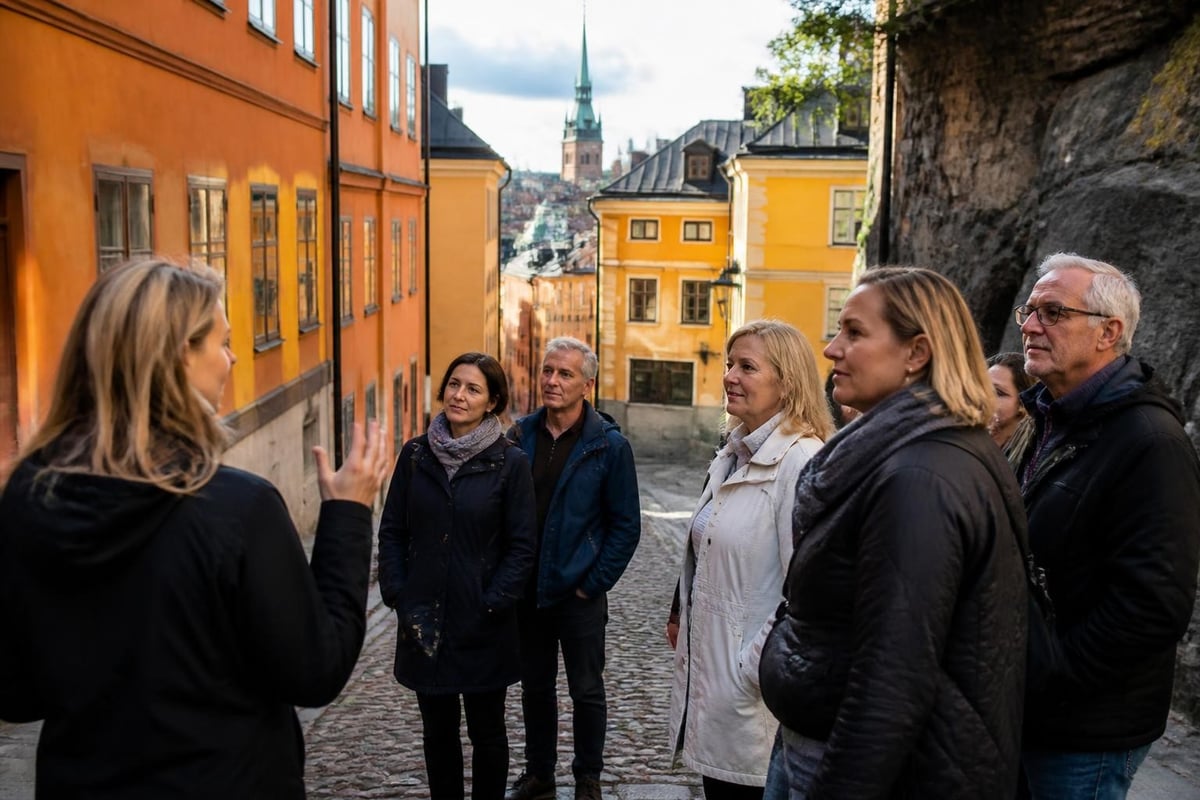
Stockholm offers particularly rich opportunities for specialized small group tours. The city's compact layout, walkable neighborhoods, and layered history make it ideal for intimate exploration. Stockholm walking tours allow groups to navigate narrow medieval streets that large buses cannot access, discovering hidden courtyards and local favorites.
| Tour Type | Group Size | Activity Level | Best For |
|---|---|---|---|
| Walking Tours | 6-12 | Moderate | History enthusiasts, photographers |
| Literary Tours | 4-10 | Light to Moderate | Book lovers, culture seekers |
| Culinary Experiences | 6-10 | Light | Food enthusiasts, couples |
| Themed Adventures | 8-12 | Varies | Special interest groups |
Evaluating Tour Operators
The operator's reputation and approach significantly impact your experience. Research should examine several key areas:
Guide qualifications represent the most critical factor. Effective guides combine deep local knowledge with storytelling ability and group management skills. Native English-speaking guides eliminate language barriers while providing cultural context that non-native speakers might miss.
Itinerary flexibility indicates an operator's commitment to personalization. Quality operators design frameworks that accommodate spontaneous adjustments based on group interests, weather, or unexpected opportunities.
Group composition policies affect social dynamics. Some operators organize tours by interest, age range, or travel style, while others embrace diversity. Understanding these approaches helps set appropriate expectations.
Maximizing Your Small Group Tour Investment
Getting the most value from small group tours extends beyond simply showing up. Proactive engagement transforms good experiences into exceptional ones.
Pre-Tour Preparation
Thorough preparation enhances both your enjoyment and contribution to the group dynamic. Research your destination's basic history, customs, and current events. This foundation allows you to ask informed questions and appreciate subtle details guides highlight.
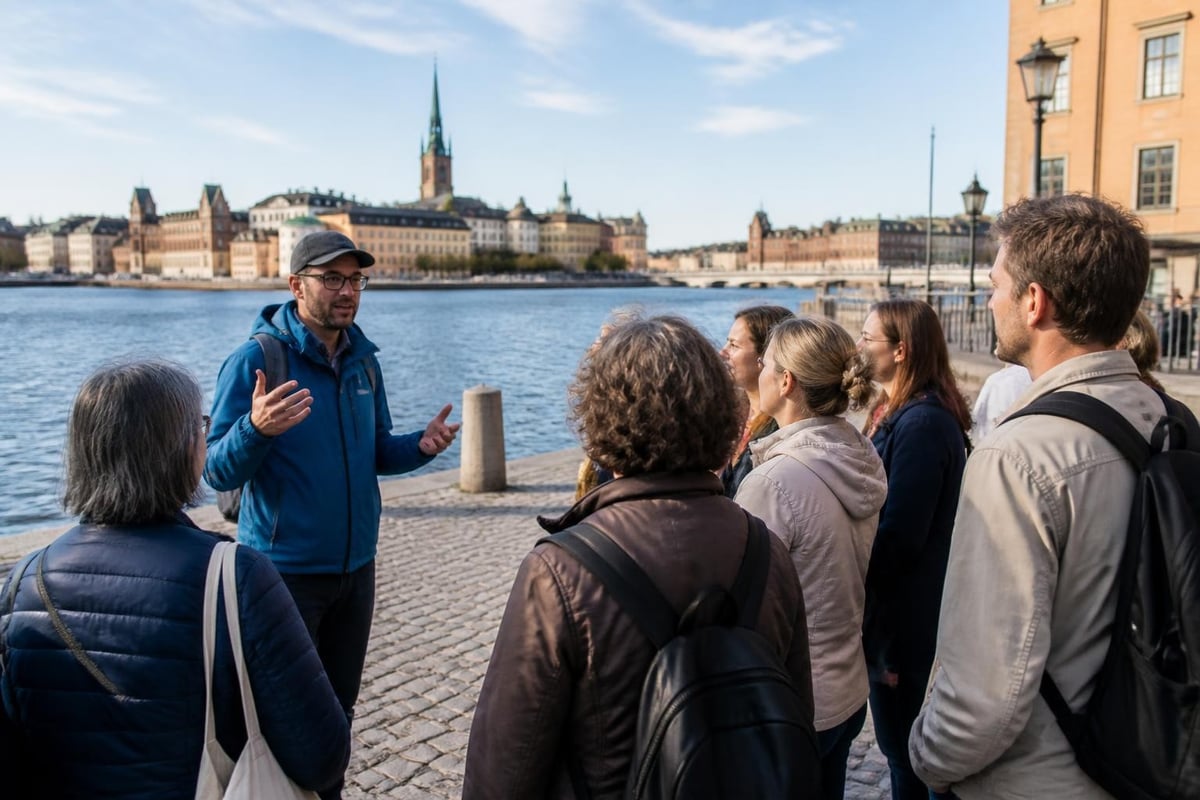
Physical preparation matters, especially for walking-intensive tours. Stockholm old town walking tours typically cover two to four miles over cobblestone streets and uneven surfaces. Building stamina through daily walks in the weeks before your tour prevents fatigue from limiting your participation.
Communication with your operator before departure helps align expectations. Share any dietary restrictions, mobility limitations, or specific interests. Quality operators use this information to personalize the experience, whether arranging restaurant accommodations or emphasizing particular aspects of the itinerary.
During the Tour Experience
Active participation enriches small group tours for everyone. Ask questions when curious, but remain mindful of time and group interest. Share relevant experiences or knowledge that adds context, while avoiding dominating conversations.
The small group format facilitates relationship building with fellow travelers. These connections often become highlights of the journey, creating opportunities for shared meals, photo exchanges, and future travel partnerships.
Respect for local customs and the guide's expertise demonstrates cultural awareness. Small group tours often venture into residential neighborhoods and local establishments where behavior directly impacts community relationships that operators have built over years.
Specialized Small Group Experiences
Niche interests drive some of the most memorable small group tours, allowing deep dives into specific subjects rather than superficial overviews.
Literary and Cultural Immersion
Literature-themed tours have gained popularity as travelers seek meaningful narratives connecting them to destinations. Following famous authors through cities where they lived and worked adds emotional resonance to architectural landmarks and neighborhood atmosphere.
Stockholm's literary heritage ranges from August Strindberg to contemporary crime fiction. Tours exploring Stieg Larsson's Millennium trilogy locations let fans walk through scenes from "The Girl with the Dragon Tattoo," visiting actual cafes, offices, and neighborhoods featured in the books. These experiences blend fiction with Stockholm's real history, creating layered understanding of the city.
Music and Entertainment Tours
Music-focused small group tours celebrate destinations' sonic heritage through venue visits, performance attendance, and interactive experiences. The intimacy of small groups enables access to recording studios, backstage areas, and private performances unavailable to larger tour groups.
For ABBA enthusiasts, Stockholm offers unique opportunities to trace the band's journey from formation through global superstardom. Specialized ABBA tours combine museum visits with neighborhood exploration, restaurant experiences, and often include boat trips to locations significant in ABBA's history. These themed experiences attract international fans who bond over shared passion while discovering Stockholm's broader cultural landscape.
Historical Deep Dives
History-focused small group tours move beyond surface-level date recitation to explore complex narratives, controversies, and human stories behind historical events. Expert guides facilitate discussions examining multiple perspectives and encouraging critical thinking about historical interpretation.
The format particularly suits exploring contested histories or sensitive topics. Small groups create safe spaces for nuanced conversations about difficult subjects, allowing participants to ask questions and express uncertainty without judgment.
Practical Considerations and Logistics
Successful small group tours depend on careful attention to practical details that larger operations handle through standardization but small groups navigate through flexibility.
Booking and Payment Processes
Small group tour operators typically require deposits earlier than large tour companies, often 25-50 percent at booking with final payment due 60-90 days before departure. This structure reflects the proportional impact each cancellation has on small group viability.
Cancellation policies vary but generally become more restrictive as departure approaches. Trip insurance provides protection against unexpected circumstances, with many travelers opting for "cancel for any reason" coverage despite higher premiums.
Payment methods and currency considerations matter for international travelers. Clarify whether prices include local taxes, gratuities, or entrance fees. Understanding exactly what your payment covers prevents surprise expenses during the tour.
What's Included and What's Not
Small group tour inclusions vary significantly by operator and price point. Carefully review what your tour fee covers:
- Guided experiences and entrance fees to attractions
- Meals (some tours include all meals, others only occasional group dinners)
- Transportation during the tour (local transit, private vehicles, or walking)
- Accommodation (rarely included in day tours, common in multi-day experiences)
- Equipment or materials for specialized activities
Additional costs often include personal expenses, some meals, gratuities for guides, and travel to/from the tour starting point. Budget these extras when comparing tour prices to avoid underestimating total costs.
The Social Dynamics of Small Group Travel
Understanding group dynamics helps travelers navigate the social aspects of small group tours effectively, turning potential challenges into opportunities for enrichment.
Building Connections
Small group tours naturally facilitate relationship building through shared experiences, common interests, and extended time together. Unlike large tour groups where participants might never learn each other's names, small groups develop genuine camaraderie.
Many travelers report that friendships formed during small group tours rank among the experience's most valuable aspects. These connections often extend beyond the trip through social media, future travel together, or visits to each other's home cities.
For solo travelers, small group tours provide structured opportunities for social interaction without the pressure of constant companionship. The format allows balance between group activities and personal exploration time.
Managing Group Challenges
Even well-matched groups occasionally face friction from personality clashes, different activity levels, or varying interests. Quality guides skillfully navigate these situations through clear communication, flexible pacing, and sometimes splitting the group for portions of the itinerary.
Individual travelers contribute to positive group dynamics through punctuality, flexibility, and consideration. Being ready at scheduled times, adapting to changed plans gracefully, and respecting others' experiences creates smooth operations benefiting everyone.
Sustainability and Responsible Tourism
Small group tours align naturally with sustainable tourism principles through reduced environmental impact and enhanced community benefit compared to mass tourism.
Environmental Impact
Smaller groups generate less waste, consume fewer resources, and create minimal disruption to natural and cultural sites. Walking-based tours eliminate vehicle emissions while allowing deeper engagement with neighborhoods. When transportation is necessary, small groups can utilize public transit or smaller vehicles rather than dedicated tour buses.
Operators committed to sustainability implement additional measures such as partnering with locally-owned restaurants and shops, supporting conservation projects, and educating travelers about environmental challenges facing destinations.
Community Relationships
Small group tours can provide economic benefits to local communities while minimizing negative tourism impacts. By directing spending to family-owned businesses rather than international chains, tours support local economies more effectively.
The manageable size prevents the overcrowding that strains infrastructure and diminishes local quality of life in heavily touristed areas. Tailored tours can distribute visitor traffic to lesser-known neighborhoods, spreading economic benefits while reducing pressure on overcrowded attractions.
According to industry analysis from Skift, leading small group tour operators increasingly prioritize purpose-driven travel that balances profitability with positive social and environmental outcomes. This approach resonates with travelers who view their tourism spending as votes for the type of industry they want to support.
Technology's Role in Modern Small Group Tours
While small group tours emphasize human connection over digital mediation, technology enhances operations and participant experience when thoughtfully integrated.
Communication and Coordination
Pre-tour communication platforms allow participants to introduce themselves, share excitement, and coordinate logistics before meeting in person. These connections ease first-day awkwardness and help identify potential travel companions.
During tours, private group messaging enables real-time updates about meeting points, schedule adjustments, or optional activities. This connectivity provides security while maintaining flexibility.
Enhanced Storytelling
Digital tools augment guide narratives without replacing personal interaction. Tablets displaying historical photographs allow before-and-after comparisons at architectural sites. Audio supplements provide optional deeper dives into specific topics without boring less-interested group members.
Virtual reality experiences increasingly complement physical tours, particularly for sites no longer accessible or historical periods requiring visualization. Brief VR segments showing medieval Stockholm help contextualize contemporary streetscapes, though these remain supplements rather than replacements for authentic exploration.
Pricing and Value Assessment
Understanding small group tour pricing helps travelers evaluate options and recognize value beyond the sticker price.
Price Determinants
Several factors influence small group tour costs:
Guide expertise and compensation represent significant expenses. Qualified guides command premium rates reflecting their knowledge, language skills, and experience. Quality operators invest in ongoing guide training and competitive compensation to retain top talent.
Group size affects per-person pricing through economies of scale. Six-person groups require higher per-person fees than twelve-person groups for the same guide time, venue access, and logistical coordination.
Inclusions and exclusivity drive premium pricing for tours offering special access, private venue visits, or meals at sought-after restaurants. These elements provide genuine value but require honest assessment of personal priorities.
Operating costs vary by destination, with expensive cities necessitating higher tour prices to cover guide expenses, permits, and insurance.
Assessing Value
Price comparison should examine total experience value rather than hourly rates. A moderately priced tour with exceptional guides, exclusive access, and thoughtful pacing delivers better value than cheap tours offering generic experiences with undertrained guides.
Consider opportunity costs of independent exploration versus guided small group tours. While self-guided exploration costs less in direct expenses, English walking tours provide context, access, and efficiency difficult to replicate independently, particularly in unfamiliar destinations or during limited visits.
The Future of Small Group Tours
The small group tour sector continues evolving in response to changing traveler expectations, technological capabilities, and global conditions.
Emerging Trends
Hyper-personalization represents the next frontier, with operators using pre-tour questionnaires and AI analysis to customize itineraries for specific group compositions. These tailored approaches balance individual preferences with group cohesion.
Hybrid experiences combining virtual and physical elements expand accessibility. Virtual participants join portions of tours remotely, creating global connections while reducing travel's environmental impact. This format particularly suits educational institutions and specialized interest groups.
Multi-generational travel drives innovation in small group tour design. Operators develop itineraries accommodating varying mobility levels, interests, and energy while maintaining family cohesion. Flexible programming allows grandparents, parents, and children to share core experiences while pursuing age-appropriate activities during free time.
Operator Adaptation
Successful tour operators continuously refine offerings based on participant feedback and market research. This responsiveness distinguishes quality operators from those following rigid formulas regardless of changing conditions or traveler preferences.
Investment in guide development ensures expertise keeps pace with traveler sophistication. As visitors arrive better informed through online research, guides must offer insights beyond readily available information, providing context, interpretation, and connections that transform facts into understanding.
Small group tours represent the convergence of expert guidance, authentic cultural access, and meaningful connection in an increasingly digital world. The intimate format creates space for personalized exploration while providing structure that maximizes limited travel time. Whether you're drawn to Stockholm's medieval architecture, literary heritage, or musical legacy, Adding:tours specializes in creating small group experiences that reveal the city's hidden layers through native English-speaking guides and tailored itineraries designed around your interests.