Guided Tour Experiences: Planning Your Perfect Journey
A guided tour offers travelers a gateway to deeper understanding and authentic connection with a destination. Whether you're exploring historic city centers, following literary trails, or experiencing cultural highlights, the right guided experience transforms sightseeing into meaningful discovery. In an era where information is abundant but local insight remains scarce, professional guides bridge the gap between visiting a place and truly understanding its soul. The value of expert interpretation, curated itineraries, and insider access continues to set guided experiences apart from self-directed travel.
Understanding the Value of Professional Guided Experiences
Professional guides bring destinations to life through storytelling, historical context, and local knowledge that no guidebook can replicate. A skilled guide reads their group, adapting pace and content to match interests and energy levels throughout the experience.
The Cambridge University research on delivering visitor experiences demonstrates that interpretation quality directly impacts visitor satisfaction and learning outcomes. This evidence-based approach confirms what seasoned travelers already know: the guide makes or breaks the tour.
Why Expertise Matters
Beyond reciting facts, professional guides create connections between past and present, helping visitors understand how history shapes current culture. They answer spontaneous questions, adjust routes based on weather or crowd conditions, and provide recommendations that extend beyond the official tour.
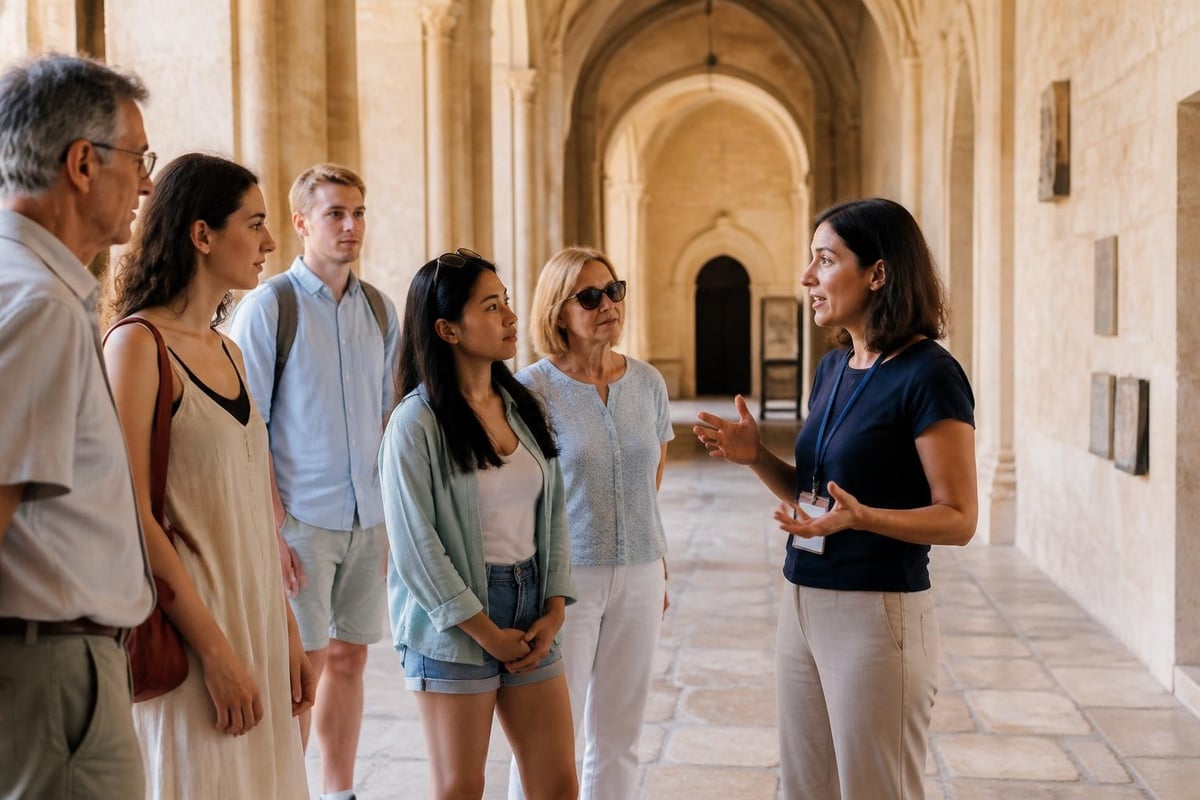
- Depth of knowledge that goes beyond surface-level information
- Safety awareness in unfamiliar environments and neighborhoods
- Time efficiency through optimized routing and skip-the-line access
- Cultural interpretation that respects local customs and sensitivities
- Problem-solving abilities when unexpected situations arise
The Australian training standards for professional guides establish competency requirements covering safety, ethics, communication, and specialized knowledge. These benchmarks ensure that certified guides meet professional standards across various tour types and environments.
Types of Guided Tour Formats
The guided tour industry has evolved far beyond traditional bus tours, now offering specialized experiences for every interest and group size. Small-group walking tours provide intimate exploration opportunities, while private experiences offer complete customization.
Walking Tours and Urban Exploration
Walking tours remain the most popular format for city exploration, offering pace that allows genuine discovery. Stockholm's old town walking tour experiences showcase how focused geographic areas yield rich narratives when explored on foot.
| Tour Type | Group Size | Duration | Best For |
|---|---|---|---|
| Public Walking | 10-20 people | 2-3 hours | Budget-conscious solo travelers |
| Private Walking | 2-8 people | Flexible | Families, couples, customized interests |
| Themed Walking | 6-15 people | 2-4 hours | Specific interests (food, history, literature) |
| Extended Walking | 4-12 people | Half/full day | In-depth exploration, multiple neighborhoods |
Specialized and Thematic Experiences
Thematic tours cater to specific passions, from literary pilgrimages to musical heritage. The ABBA journey experience demonstrates how specialized knowledge creates unforgettable moments for enthusiasts.
Literary tours following famous authors or fictional characters combine location visits with storytelling. These experiences appeal to readers who want to walk in the footsteps of beloved characters or understand the settings that inspired great works.
Personalizing Your Guided Experience
Customization transforms good tours into exceptional experiences. Professional tour guides work with groups to understand interests, physical abilities, time constraints, and specific goals before designing optimal itineraries.
Pre-Tour Communication
Successful personalization begins before the tour starts. Share your interests, mobility considerations, photography priorities, and any must-see locations with your guide in advance.
- Identify your primary interests (architecture, food, history, culture, shopping)
- Communicate physical limitations or accessibility needs
- Specify time constraints and energy levels
- Mention previous knowledge to avoid redundant information
- Request special accommodations such as breaks or dietary considerations
The U.S. National Park Service guidelines provide comprehensive frameworks for creating inclusive ranger-led programs that accommodate diverse visitor needs. These principles apply equally to urban guided experiences.
Flexibility During the Tour
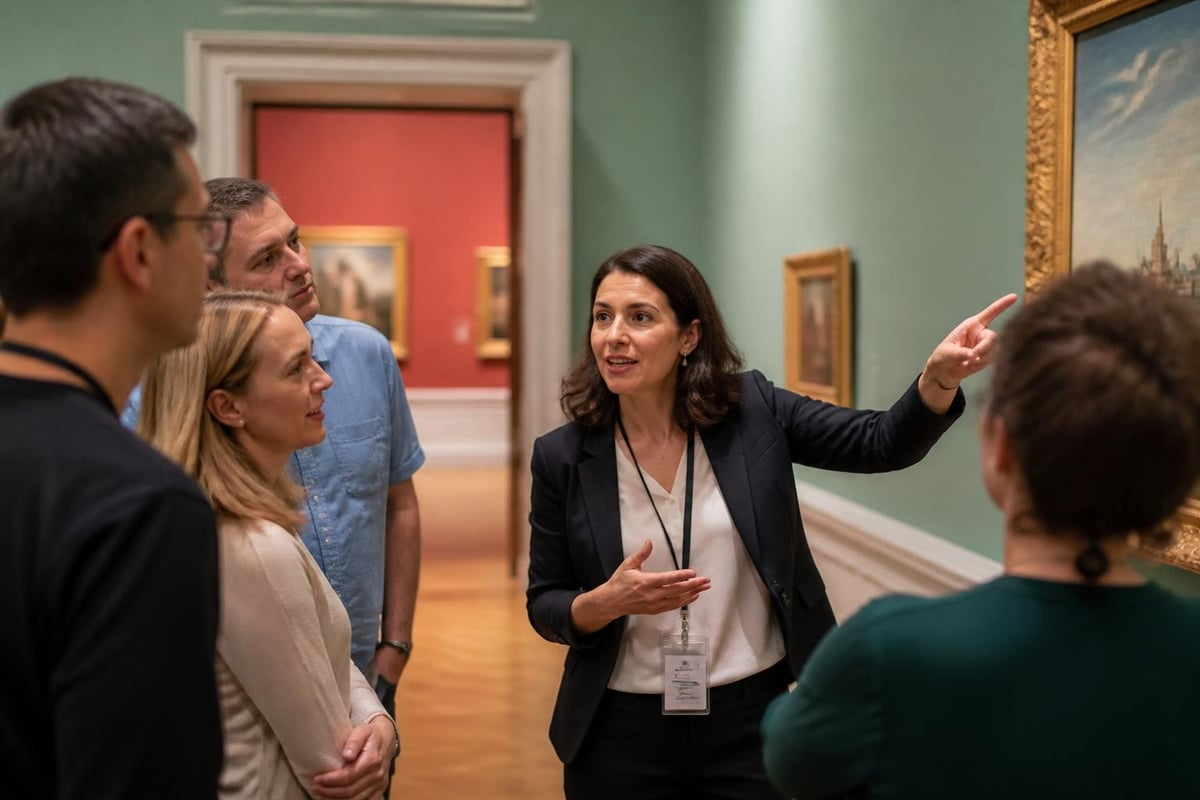
The best guides remain flexible, reading group dynamics and adjusting on the fly. If a particular story captivates everyone, an experienced guide extends that topic. If energy wanes, they modify the route or suggest a refreshment break.
Accessibility and Inclusive Design
Modern guided tour operations prioritize accessibility, ensuring experiences welcome visitors of all abilities. This commitment goes beyond legal compliance to embrace universal design principles that enhance everyone's experience.
Physical Accessibility Considerations
Route planning for mixed-ability groups requires careful attention to terrain, rest opportunities, and alternative options. The Smithsonian’s accessible exhibition guidance offers best practices that extend naturally to guided tour design.
- Level surfaces and ramp access wherever possible
- Adequate rest points with seating
- Clear advance communication about distance and difficulty
- Alternative shorter routes for those needing accommodation
- Wheelchair-accessible transportation when required
Sensory and Cognitive Accessibility
Accessibility extends beyond physical mobility to include sensory and cognitive considerations. Australia's WELCOME Framework provides practical tools for creating truly inclusive tourism experiences across all operational aspects.
Audio description, printed materials in multiple formats, and clear communication styles benefit everyone while making tours accessible to visitors with visual or hearing impairments. Guides trained in these techniques naturally create more engaging experiences for all participants.
Maximizing Value from Your Guided Experience
Getting the most from your guided tour requires active participation and strategic preparation. Beyond simply showing up, engaged participants create richer experiences for themselves and fellow travelers.
Before the Tour
Research basic destination information so your guide can focus on deeper insights rather than fundamental facts. This preparation allows tours to reach beyond entry-level content into fascinating details and local perspectives.
Understanding the general historical context or cultural background means your guide can share anecdotes, little-known facts, and personal observations that make locations memorable. Stockholm tours benefit tremendously when participants arrive with curiosity and foundational knowledge.
During the Experience
Ask questions, share observations, and engage with fellow participants. The best guided tour experiences become conversations rather than lectures, with guides drawing out group knowledge and interests.
| Engagement Strategy | Benefit | When to Use |
|---|---|---|
| Ask specific questions | Deepens understanding of particular topics | When something piques curiosity |
| Share relevant personal experience | Creates connections, enriches context | Natural conversation moments |
| Request photo recommendations | Captures best angles, memories | Significant locations or viewpoints |
| Note recommendations | Remembers guide's suggestions for later | Throughout tour for future reference |
After the Tour
Extend your experience by following up on guide recommendations, visiting suggested locations, or exploring related topics. Many guides provide reading lists, restaurant suggestions, or next-step ideas that help visitors continue their cultural exploration independently.
Small Group Advantages
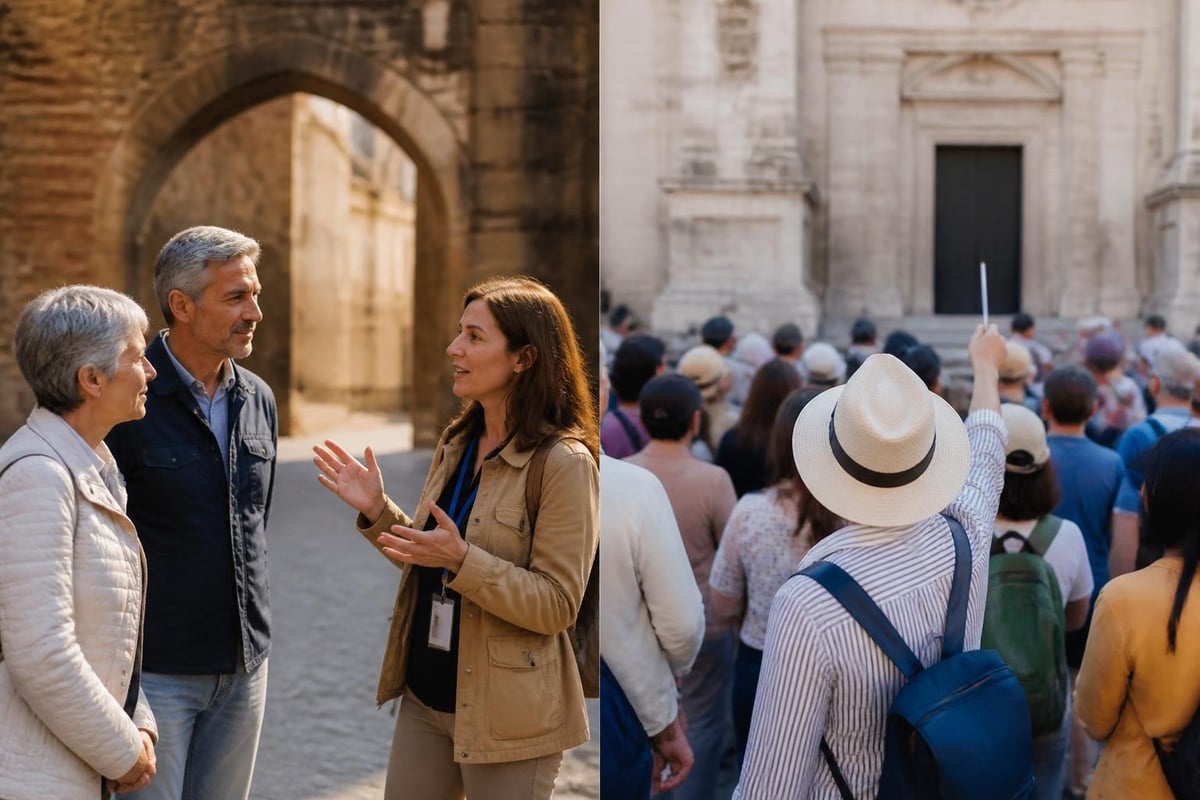
Intimate group sizes fundamentally change tour dynamics, allowing genuine dialogue and personalized attention. Private and small-group formats offer flexibility impossible in larger settings.
Enhanced Learning Outcomes
Research on visitor experience demonstrates that smaller groups facilitate better learning and retention. Participants feel comfortable asking questions, guides can adjust to individual interests, and the experience feels more like exploring with a knowledgeable friend than attending a lecture.
Tailored tours for private groups eliminate the need to accommodate strangers' interests, allowing complete focus on your priorities and curiosity.
Social Connection
Small groups foster connections among participants, often leading to shared discoveries and new friendships. Music enthusiasts on themed tours bond over shared passions, while families create private memories without outside interruptions.
The social dimension extends beyond the immediate group to include locals encountered along the way. Smaller groups more easily pause for spontaneous conversations, market visits, or café stops that larger tours must bypass.
Technology and Modern Guided Experiences
While human guides remain irreplaceable for interpretation and interaction, technology enhances modern tours through multimedia elements, real-time adjustments, and supplementary content.
Audio Enhancement and Virtual Elements
Some guides incorporate short audio clips, historic recordings, or music to enrich storytelling. These elements work best as supplements to live interpretation rather than replacements.
The research on virtual museum tours reveals insights about user behavior and experience design that inform hybrid tour development. However, in-person guided experiences continue to outperform purely virtual alternatives in engagement and satisfaction metrics.
Pre- and Post-Tour Digital Content
Progressive tour operators provide digital resources that extend the experience beyond tour hours. Pre-tour orientation materials, suggested reading, or introductory videos help participants arrive prepared. Post-tour content includes photo galleries, extended reading lists, or related activity suggestions.
Seasonal and Weather Considerations
Outdoor guided tour experiences vary dramatically by season, with each period offering distinct advantages. Professional guides adapt content, pacing, and routing to leverage seasonal characteristics while managing challenges.
Adapting to Conditions
Summer brings extended daylight and comfortable walking conditions but also crowds and heat. Winter offers atmospheric settings and smaller groups but requires cold-weather preparation and earlier darkness.
- Dress appropriately in layers for changing conditions
- Protect equipment (cameras, phones) from weather
- Adjust expectations around opening hours and seasonal closures
- Embrace seasonal atmosphere rather than fighting conditions
- Trust guide expertise on route modifications
Stockholm's seasonal variations create distinct tour experiences, from summer midnight sun walks to atmospheric winter explorations of illuminated streets and cozy cafés. Your city sightseeing experience adapts to make the most of current conditions.
Choosing the Right Tour Operator
Selecting your tour provider requires research beyond price comparison. Operator quality, guide expertise, group size policies, and customization willingness all impact your experience significantly.
Evaluation Criteria
Look for operators with transparent communication, clear policies, and evidence of guide training. Reviews mentioning specific guides by name indicate consistent quality and staff retention.
- Native or fluent English-speaking guides for clear communication
- Small group size commitments rather than unlimited numbers
- Customization willingness and pre-tour consultation
- Cancellation and weather policies that protect both parties
- Safety protocols and insurance coverage
The ADA Title III manual outlines legal obligations for public accommodation providers, establishing baseline expectations for accessible tour operations.
Specialized Knowledge
For themed tours, verify your guide's specialized expertise. Literary tours should feature guides deeply familiar with the works, while music-heritage tours require genuine enthusiasm and comprehensive knowledge beyond basic facts.
Operators investing in ongoing guide training, local partnerships, and exclusive access arrangements demonstrate commitment to quality over volume. These differentiators create experiences worth premium pricing.
Building Meaningful Connections
The most memorable guided tour experiences create emotional connections to places, people, and stories. These connections transform destinations from backdrops into meaningful locations that resonate long after visits end.
Story-Based Learning
Human brains retain stories far better than isolated facts. Effective guides weave historical events, cultural practices, and local customs into narratives that stick with visitors.
When exploring Stockholm's narrow alleys and historic sites, stories of actual people who lived, worked, and created in these spaces make cobblestones and buildings come alive. This narrative approach to English walking tours ensures understanding and retention.
Local Perspective
Native guides or long-term residents offer insights impossible for outsiders to replicate. They notice subtle changes, understand local humor, recognize political undercurrents, and share the contemporary context that makes historical information relevant.
This insider knowledge extends to practical recommendations: which café serves the best fika, when to visit popular sites to avoid crowds, or which neighborhoods showcase emerging creative scenes. These tips demonstrate the tangible value of local expertise.
Group Dynamics and Social Learning
Tour groups create temporary communities where shared discovery bonds strangers. Managing these dynamics skillfully amplifies learning while ensuring everyone feels included and valued.
Facilitating Inclusive Participation
Strong guides encourage quieter participants while managing dominant personalities, ensuring balanced conversation and shared attention. This facilitation creates safe spaces for questions and observations from all participants.
Cultural sensitivity matters especially in diverse groups, where participants bring different backgrounds, expectations, and communication styles. Professional guides navigate these differences smoothly, creating inclusive atmospheres.
Leveraging Collective Knowledge
Groups contain diverse expertise and perspectives. When guides invite participants to share relevant knowledge or experiences, everyone benefits from expanded viewpoints and cross-cultural exchange.
A visitor from another country might offer comparative insights, an architect in the group might notice structural details, or a photographer might spot composition opportunities. These contributions enrich the collective experience beyond what any single guide could provide.
Guided tour experiences offer unmatched opportunities for authentic discovery, cultural connection, and meaningful learning when designed with expertise and delivered with passion. By choosing specialized operators who prioritize personalization, accessibility, and insider knowledge, you ensure your exploration creates lasting memories and genuine understanding. Whether you're seeking literary adventures, musical heritage, or intimate neighborhood discovery, Adding:tours creates personalized Stockholm experiences for private groups and small gatherings, combining native English-speaking guides with tailored itineraries that match your interests perfectly.