Daytrips from Stockholm: Islands, Castles & More
Stockholm's position on the water, surrounded by thousands of islands and within easy reach of historic towns and castles, makes it an exceptional base for exploration. While the capital itself offers endless attractions, the surrounding region rewards visitors with medieval villages, royal palaces, pristine nature reserves, and waterfront escapes. Planning daytrips from Stockholm opens up an entirely different dimension of Swedish culture and landscape, from UNESCO World Heritage sites to quiet islands where time seems to stand still.
Stockholm Archipelago Adventures
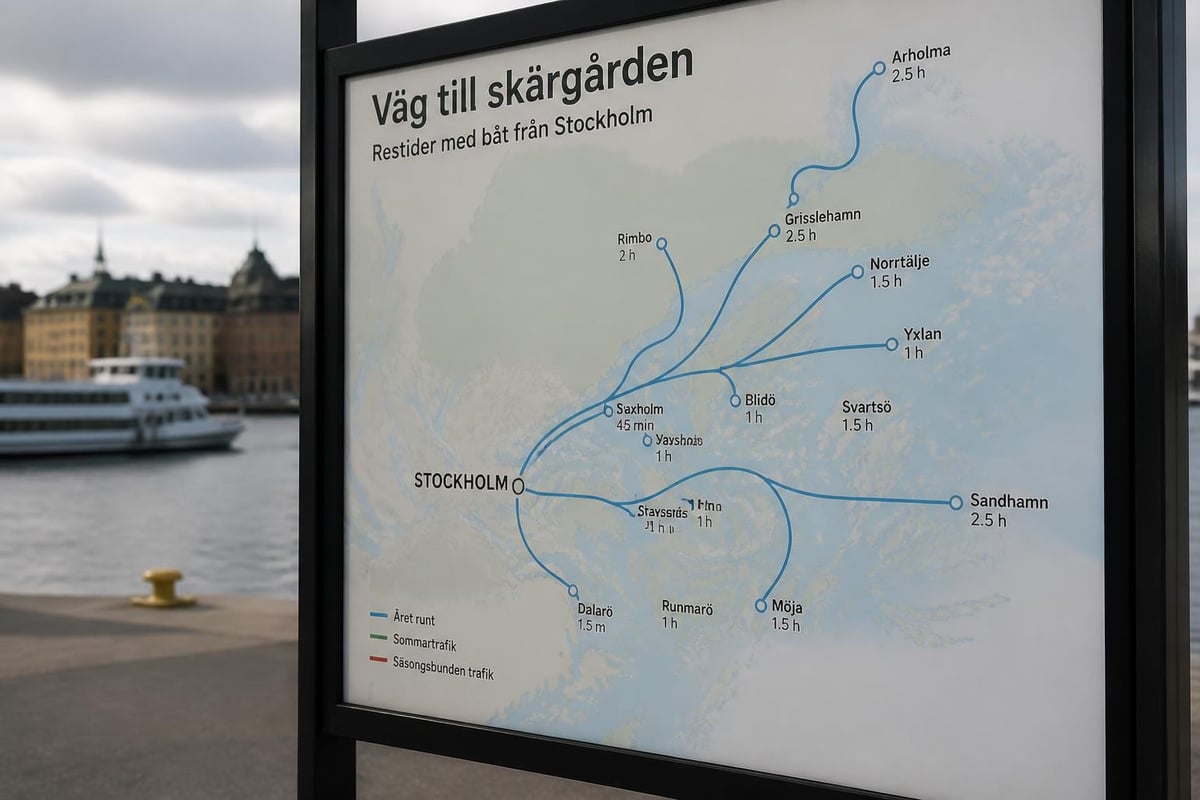
The Stockholm Archipelago stretches 80 kilometers into the Baltic Sea, comprising roughly 30,000 islands, skerries, and rocks. This vast maritime landscape represents one of the most accessible and rewarding daytrips from Stockholm, with ferry connections running year-round to dozens of destinations.
Vaxholm: The Gateway Island
Vaxholm serves as the unofficial capital of the archipelago, just 90 minutes by boat from central Stockholm. The town's pastel wooden houses, fortress museum, and waterfront cafes create a quintessentially Swedish atmosphere. Visitors can explore the 16th-century Vaxholm Fortress, stroll along cobblestone streets lined with boutiques, or simply enjoy fresh seafood while watching boats navigate the narrow straits.
Getting there:
- Direct bus (670) from Stockholm: 60 minutes
- Ferry via Waxholmsbolaget: 90 minutes
- Combination tickets with SL transit pass available
The island works perfectly for a half-day excursion or can anchor a full day when combined with swimming, kayaking, or cycling through the surrounding smaller islands.
Grinda and Finnhamn: Nature Retreats
For those seeking more wilderness and fewer crowds, Grinda and Finnhamn offer pristine natural environments. Grinda features well-marked hiking trails, secluded swimming coves, and traditional red cottages available for overnight stays. Finnhamn, slightly more remote, attracts serious hikers and nature photographers with its dramatic cliff formations and dense pine forests.
Both islands maintain seasonal restaurants serving traditional Swedish fare, and the Stockholm Archipelago guide provides current ferry schedules and island-specific highlights for planning your visit.
| Island | Travel Time | Best For | Facilities |
|---|---|---|---|
| Vaxholm | 60-90 min | First-time visitors, dining | Restaurants, shops, museum |
| Grinda | 90 min | Families, swimming | Cafe, trails, beaches |
| Finnhamn | 2-3 hours | Hiking, photography | Basic cafe, camping |
| Sandhamn | 2.5-3 hours | Sailing culture, nightlife | Restaurants, hotel, marina |
Sandhamn: The Sailing Capital
Located at the outer edge of the archipelago, Sandhamn combines nautical tradition with unexpected sophistication. This island has hosted the Royal Swedish Yacht Club since 1897, and summer weekends bring hundreds of sailboats to its protected harbor. The village itself remains car-free, with sandy beaches, wooden walkways, and the famous Seglarhotellet providing upscale dining options.
Daytrips from Stockholm to Sandhamn require early departure and late return due to the three-hour ferry journey, but the unique atmosphere justifies the travel time. The island's maritime museum chronicles centuries of seafaring history, while the surrounding nature reserves offer excellent bird-watching opportunities.
Historic Towns and Medieval Heritage
Sweden's history extends far beyond Stockholm's boundaries, with several remarkably preserved medieval towns and historic sites accessible within two hours of the capital.
Sigtuna: Sweden's Oldest Town
Founded in 980 AD, Sigtuna predates Stockholm by several centuries. This lakeside town maintains its medieval street plan, with the main pedestrian street (Stora Gatan) following the same route established over 1,000 years ago. Ruined church towers from the 12th and 13th centuries punctuate the landscape, while colorful wooden buildings house craft shops, bakeries, and galleries.
Key attractions include:
- St. Mary's Church (1237), still in active use
- Town Museum with Viking-era artifacts
- Rune stones scattered throughout the town
- Lakefront walking paths along Lake Mälaren
The journey from Stockholm takes just 50 minutes by commuter train and bus, making Sigtuna an effortless morning or afternoon excursion. Many visitors combine this destination with Uppsala for a full day exploring Sweden's ancient heartland.
Uppsala: Academic and Royal History
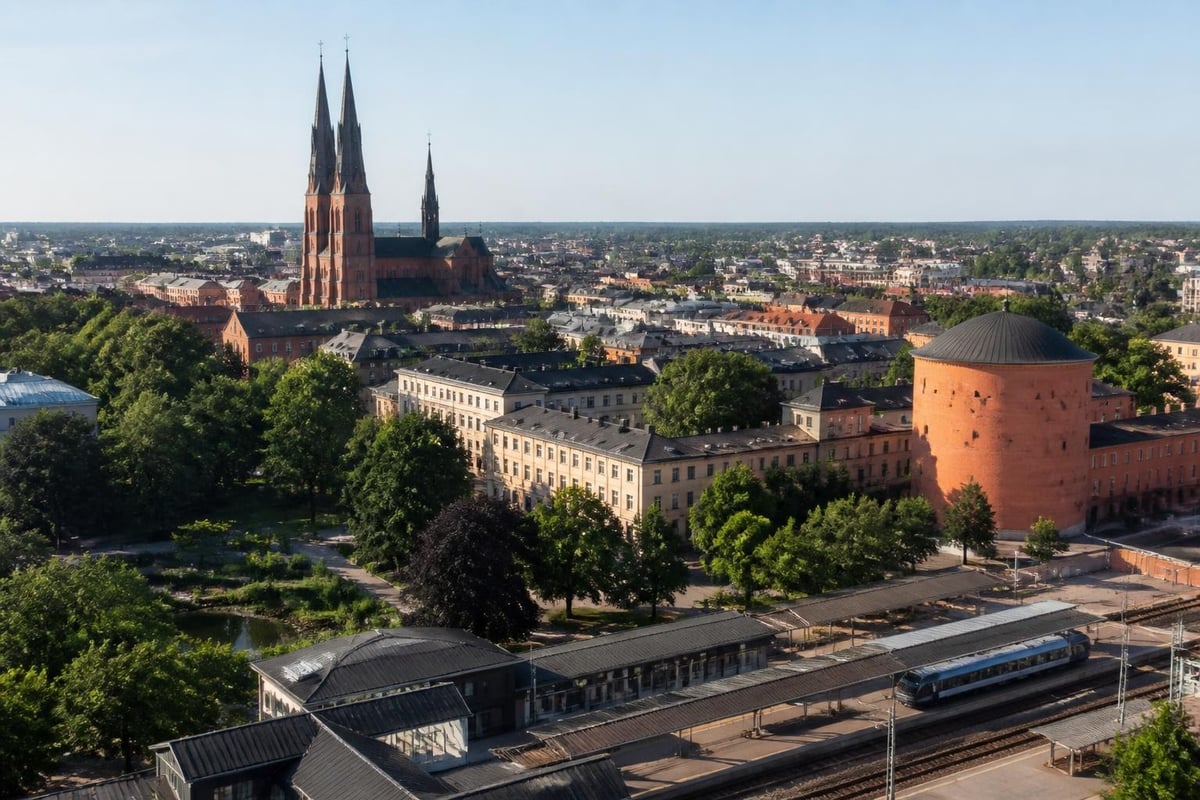
Sweden's fourth-largest city lies 70 kilometers north of Stockholm, reachable in 40 minutes via frequent SJ train services. Uppsala Cathedral, Scandinavia's largest church building, dominates the skyline with its twin 118-meter spires. The cathedral serves as the final resting place for King Gustav Vasa and scientist Carl Linnaeus.
Uppsala University, founded in 1477, maintains historic buildings throughout the city center. The Carolina Rediviva library houses the 6th-century Silver Bible, while the Gustavianum museum displays Viking treasures and anatomical theaters. Uppsala Castle overlooks the city from its hilltop position, offering panoramic views and rotating exhibitions on Swedish royal history.
Castle Routes and Royal Palaces
The Lake Mälaren region surrounding Stockholm contains Europe's highest concentration of castles and manor houses, with several maintained as museums and open to visitors year-round.
Gripsholm Castle and Mariefred
Gripsholm Castle stands as one of Sweden's most photographed royal residences, its distinctive red brick towers reflecting in Lake Mälaren's calm waters. Built in the 1370s and extensively renovated during the 16th century, the castle now houses the National Portrait Gallery with over 4,500 paintings spanning five centuries.
The adjacent town of Mariefred maintains its 18th-century character with wooden houses, antique shops, and waterfront restaurants. Visitors can reach Gripsholm Castle via a three-hour vintage steamboat journey from Stockholm (summer only) or combine train service to Läggesta with a short bus connection.
Daytrips from Stockholm to Gripsholm work best on weekends during peak season when both the castle and steamboat operate full schedules. The combination of royal history, small-town charm, and scenic lake views creates an enriching full-day experience.
Skokloster Castle: Baroque Magnificence
Located on Lake Mälaren's northern shore, Skokloster Castle represents Swedish Baroque architecture at its finest. Count Carl Gustaf Wrangel commissioned this palace in 1654, creating one of Europe's most significant private collections of art, weapons, and books. The castle remained unfinished when construction halted in 1676, preserving construction details rarely visible in completed buildings.
Planning your visit:
- Train to Bålsta (45 minutes) plus bus 311
- Guided tours required for interior access
- Museum cafe serves traditional Swedish lunch
- Allow 3-4 hours for castle and grounds
The surrounding parkland features formal gardens, forest trails, and lakefront picnic areas. Many visitors combine Skokloster with Sigtuna (30 kilometers away) for a comprehensive day exploring Uppsala County's heritage sites.
Nature Reserves and Outdoor Escapes
Stockholm County manages dozens of nature reserves, offering hiking, swimming, and wildlife observation within easy reach of the city center. These protected areas provide peaceful alternatives to more tourist-focused daytrips from Stockholm.
Tyresta National Park
Just 20 kilometers southeast of Stockholm, Tyresta National Park protects one of Europe's largest areas of virgin forest. Ancient pines over 400 years old tower above trails that wind through boulder fields, past tranquil lakes, and across wooden boardwalks through wetlands. The park's 2,000 hectares support lynx, moose, and over 100 bird species.
The village of Tyresta By, adjacent to the park, dates to the 18th century and maintains traditional red cottages, a working smithy, and a popular cafe serving homemade cakes and light meals. Weekend nature walks led by park rangers provide insights into forest ecology and conservation efforts.
Archipelago Trail Network
The Stockholm County trail system connects nature reserves across the archipelago and mainland, with well-marked routes suitable for day hikes. The Roslagsleden trail extends 190 kilometers through forests and farmland north of Stockholm, while shorter loops in Nacka and Haninge municipalities offer 2-4 hour walks with waterfront views.
| Reserve | Distance from Stockholm | Difficulty | Highlights |
|---|---|---|---|
| Tyresta National Park | 20 km | Easy to Moderate | Virgin forest, lakes |
| Nacka Nature Reserve | 10 km | Easy | Coastal trails, swimming |
| Ängsö National Park | 90 km | Easy | Meadows, historic farms |
| Nynäshamn Coast | 60 km | Moderate | Cliffs, seabird colonies |
Planning Multi-Destination Days
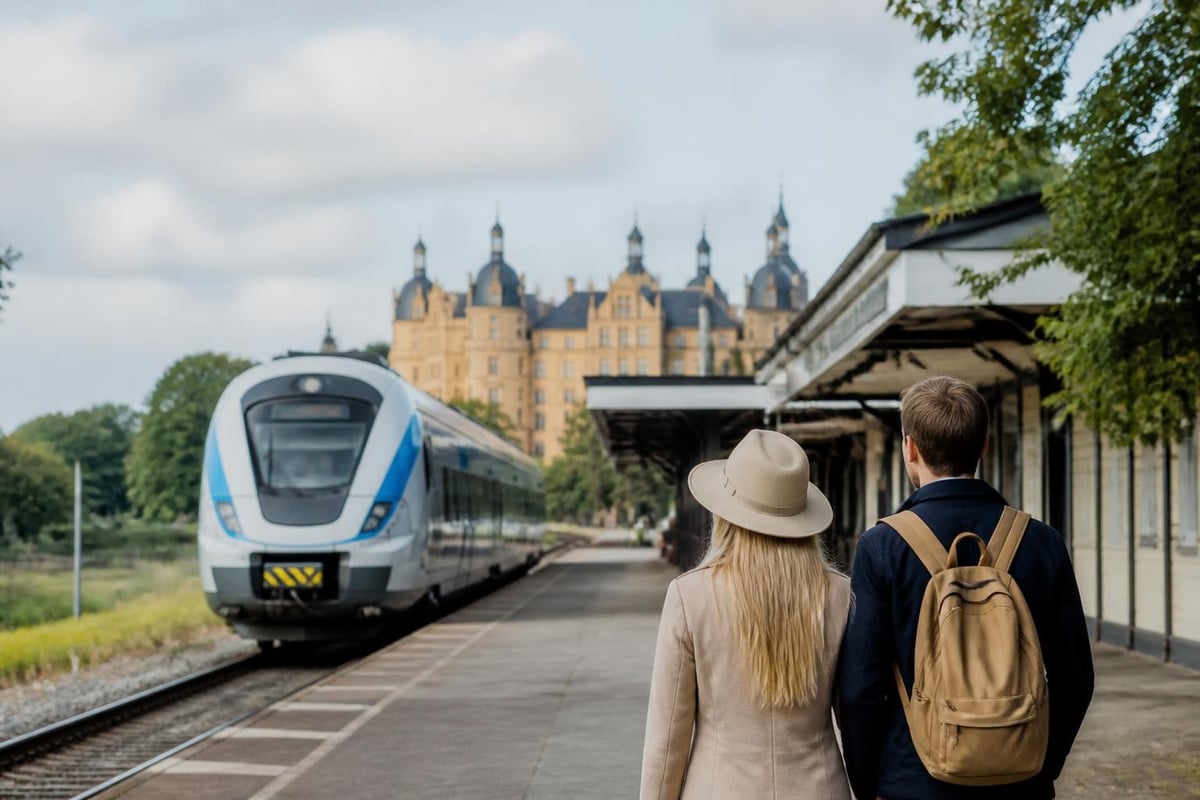
Experienced travelers often combine multiple destinations into themed daytrips from Stockholm, maximizing time while maintaining manageable schedules. The region's efficient public transit network makes these combinations practical even without a rental car.
The Castle Circuit
Starting early from Stockholm Central Station, visitors can tour Skokloster Castle in the morning, continue to Sigtuna for lunch and medieval exploration, then return via Uppsala for an evening walk through the cathedral and university quarter. This route requires coordination with castle opening hours and train schedules but rewards planners with three distinct historical periods in one day.
Island Hopping Routes
Several archipelago islands connect via inter-island ferries, allowing multi-stop itineraries. A popular summer route combines Vaxholm (morning arrival), Grinda (lunch and swimming), and return via a different ferry line for varied scenery. The comprehensive excursion planning resources from Visit Stockholm include seasonal ferry connections and timing suggestions.
Essential planning tips:
- Purchase archipelago day passes for unlimited ferry travel
- Check seasonal schedules (reduced winter service)
- Pack swimwear and layers for changing weather
- Reserve restaurant tables on popular islands during peak season
- Download offline maps before departure
Seasonal Considerations for Daytrips
Swedish seasons dramatically affect daytrip experiences, with each period offering distinct advantages. Summer's midnight sun extends exploration hours, while winter transforms landscapes into Nordic wonderlands accessible despite shorter days.
Summer Peak Season (June-August)
Maximum daylight (18+ hours in June) allows ambitious multi-destination itineraries. All ferry routes operate full schedules, island restaurants open seasonally, and swimming becomes feasible in the archipelago's gradually warming waters. However, popular destinations like Sandhamn and Vaxholm experience significant crowds, particularly on weekends.
Shoulder Season Opportunities (May, September)
Early spring and autumn offer surprisingly good conditions for daytrips from Stockholm. Reduced crowds, lower accommodation costs, and crisp weather favor photography and hiking. Many castles and museums maintain regular hours, though some archipelago services reduce frequency. September's fall colors transform forest reserves into spectacular displays.
Winter Adventures (November-March)
While challenging, winter daytrips reveal Sweden's Nordic character. Frozen archipelago routes become ice-skating highways, Sigtuna's Christmas markets glow with candles and handicrafts, and Uppsala's cathedral concerts celebrate the season. Practical considerations include limited daylight (6-7 hours), potential transport delays, and the need for proper winter clothing.
Connecting with Local Culture
Daytrips from Stockholm provide opportunities to experience Swedish traditions beyond tourist attractions. Understanding local customs enhances these shorter excursions significantly.
Fika Culture
The Swedish coffee break tradition (fika) transcends simple refreshment, representing a cultural institution of relaxation and conversation. Island cafes, town bakeries, and castle restaurants all participate in this ritual. Ordering a cinnamon bun (kanelbulle) with coffee signals cultural awareness and provides authentic interaction with locals.
Right of Public Access (Allemansrätten)
Sweden's freedom to roam law grants everyone access to nature reserves, forests, and shorelines regardless of ownership. This legal framework enables spontaneous exploration during daytrips from Stockholm, with respectful behavior (leave no trace, respect privacy near homes) forming the foundation of the system. The principle applies throughout the archipelago and countryside, opening vast areas for hiking, swimming, and berry picking.
Guided Perspectives
While independent exploration offers flexibility, professional tour guides provide context that transforms sites from pleasant visits into memorable experiences. Native English-speaking guides share historical insights, literary connections, and local perspectives unavailable through guidebooks alone. Small group formats maintain intimacy while ensuring personalized attention throughout the excursion.
Practical Logistics and Transportation
Success with daytrips from Stockholm depends largely on understanding the region's integrated transportation network. Multiple operators coordinate schedules, and various ticket options optimize both convenience and cost.
Integrated Ticketing
Stockholm's SL transit system extends into surrounding counties through partnership agreements. The SL Access card works on commuter trains to Uppsala, Nynäshamn, and intermediate stations, while combination tickets cover Waxholmsbolaget ferries to archipelago destinations. Weekend and family passes provide unlimited travel within zones, often proving more economical than individual tickets for full-day excursions.
Timing Strategies
Most destinations require 60-90 minutes travel time from central Stockholm, suggesting departure before 9:00 AM for full-day experiences. Return journeys should account for reduced evening service frequency, particularly to archipelago islands. Planning around the comprehensive tour options available through organized services eliminates scheduling stress while ensuring efficient use of limited time.
Rental Car Considerations
While public transportation serves most destinations adequately, rental cars provide flexibility for castle safari routes and remote nature reserves. However, Stockholm's excellent transit network, combined with island car restrictions and parking challenges in historic towns, often makes car rental unnecessary for standard daytrip itineraries.
Food and Dining Experiences
Regional culinary traditions enhance daytrips from Stockholm, with local specialties reflecting maritime, agricultural, and royal influences.
Archipelago Seafood
Island restaurants specialize in fresh Baltic herring, smoked salmon, and prawns served in waterfront settings. Traditional preparations include gravlax (cured salmon), toast Skagen (shrimp salad), and whole roasted fish. Many establishments source ingredients from local fishermen, creating direct connections between catch and table.
Historic Town Bakeries
Medieval towns like Sigtuna and Mariefred maintain traditional bakeries producing cardamom buns, saffron breads, and seasonal pastries using century-old recipes. These establishments often occupy heritage buildings, combining authentic flavors with atmospheric dining spaces perfect for afternoon fika breaks.
Castle Dining Rooms
Several royal palaces operate restaurants serving historical menus inspired by court records and period cookbooks. Gripsholm's cafe offers royal-themed afternoon tea, while Skokloster provides lunch in restored servant quarters. These culinary experiences add sensory dimensions to historical exploration.
Literary and Cultural Connections
Stockholm's surrounding region features prominently in Swedish literature, film, and music, with several locations accessible as themed daytrips from Stockholm.
Following Stieg Larsson's Footsteps
While many Millennium trilogy locations exist within Stockholm proper, daytrips extend the literary journey to fictional settings in the archipelago. Sandhamn appears repeatedly in related Swedish crime fiction, while Uppsala's university environment inspired academic elements throughout the series. Guided literary tours connect these scattered references into coherent narratives.
ABBA Heritage Sites
Music enthusiasts recognize Stockholm's connection to ABBA, with the ABBA journey experience extending to Viggsö island where the group composed many hits during the 1970s. This daytrip combines musical history, scenic archipelago travel, and social dining in a comprehensive cultural package.
Bergman's Island Retreats
Film director Ingmar Bergman maintained a home on Fårö island (north of Stockholm, requiring overnight travel), but several archipelago locations served as filming sites for his works. Cinema enthusiasts can visit these atmospheric settings while exploring the islands' natural beauty.
The diversity of daytrips from Stockholm reflects Sweden's compact geography and exceptional transportation infrastructure, making historic towns, pristine islands, and cultural landmarks easily accessible from the capital. Whether your interests lean toward medieval history, natural landscapes, or cultural experiences, the surrounding region offers rewarding escapes that complement time spent in the city. For personalized guidance and insider access to these destinations, Adding:tours creates tailored excursions designed around your group's specific interests, ensuring you discover the most meaningful locations with expert local perspective throughout your journey.