Novelist Larsson: Stockholm’s Literary Icon
Stockholm's transformation into a global literary destination owes much to one writer whose work continues to attract readers and travelers from around the world. Novelist Larsson created a thriller series that not only captivated millions of readers but also reimagined how visitors experience Sweden's capital city. His posthumously published Millennium trilogy has become a cultural phenomenon that bridges fiction and reality, turning Stockholm's streets, cafés, and neighborhoods into pilgrimage sites for literary enthusiasts. For guided tour operators and cultural tourism businesses, understanding novelist Larsson's impact reveals how storytelling can transform urban landscapes into immersive experiences.
The Man Behind the Millennium Trilogy
Karl Stig-Erland "Stieg" Larsson spent most of his professional life working as a journalist and activist rather than as a novelist. The Stieg Larsson Foundation documents how he dedicated decades to investigating and exposing far-right extremism in Sweden, work that would later inform the political undertones of his fiction. His day job focused on anti-fascist journalism, while his evenings were devoted to crafting intricate crime narratives.
Novelist Larsson never saw his books published during his lifetime. He died suddenly in 2004 at age 50, just after delivering the manuscripts for three complete novels to his Swedish publisher Norstedts. The posthumous success of "The Girl with the Dragon Tattoo," "The Girl Who Played with Fire," and "The Girl Who Kicked the Hornet's Nest" became one of publishing's most remarkable stories.
From Journalist to Literary Phenomenon
The duality of Larsson's career shaped his writing in profound ways. Recent analysis from The Guardian reveals how his investigative background influenced the meticulous research and political themes woven throughout the Millennium series. His protagonist Lisbeth Salander became an icon of unconventional heroism, while journalist Mikael Blomkvist reflected Larsson's own commitment to uncovering uncomfortable truths.
Key elements that defined novelist Larsson's approach:
- Deep research into corporate corruption and political conspiracies
- Unflinching portrayal of violence against women
- Integration of Swedish social issues and institutional failures
- Detailed depiction of real Stockholm locations and neighborhoods
- Complex character development that challenged genre conventions
The authenticity of his settings proved crucial to the trilogy's appeal. Unlike generic thriller locations, novelist Larsson rooted every scene in actual Stockholm geography, creating a verifiable map that readers could follow.
Literary Tourism and the Larsson Effect
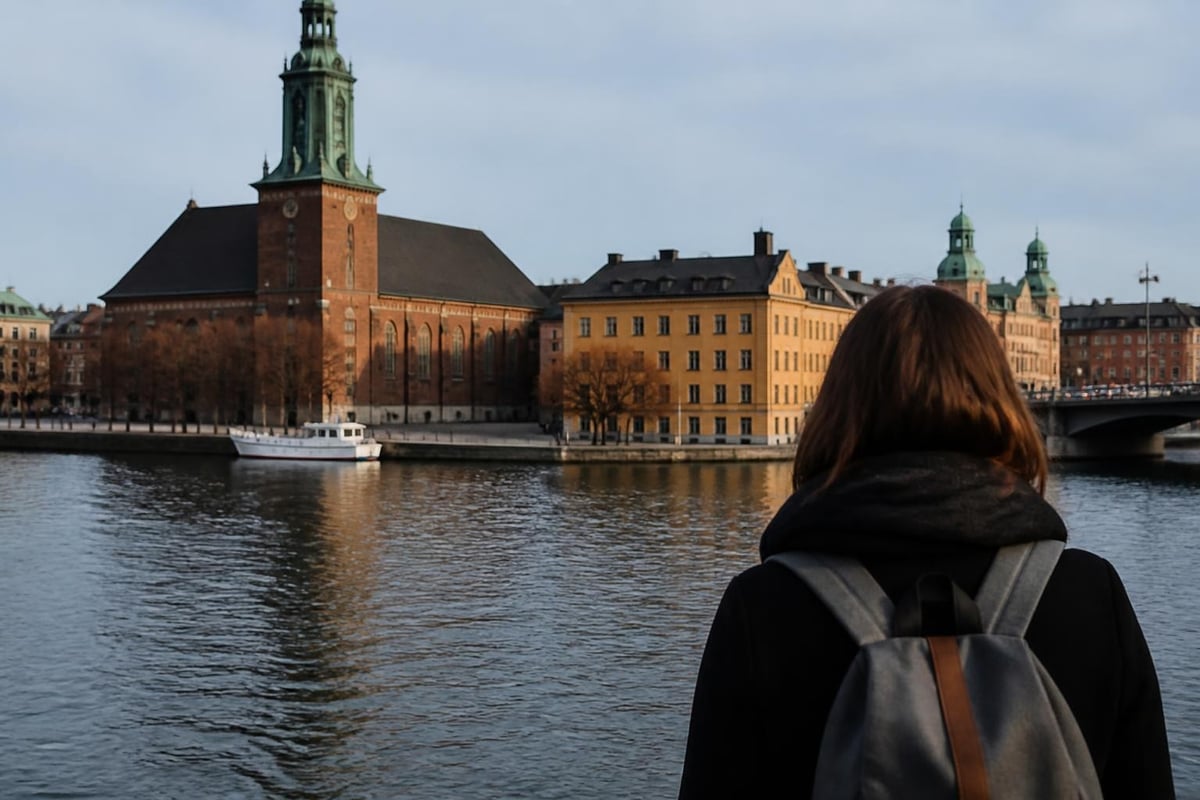
The publication of the Millennium trilogy created an unexpected tourism phenomenon. Visitors began arriving in Stockholm specifically to walk the same streets as Lisbeth Salander and Mikael Blomkvist. This literary tourism wave transformed how cultural tour operators designed their offerings, creating dedicated experiences around novelist Larsson's fictional universe.
Stockholm’s official cultural tourism materials now prominently feature Millennium-themed walking routes that connect the books' key locations. These tours attract diverse audiences, from dedicated crime fiction readers to casual tourists seeking unique cultural experiences. The phenomenon mirrors how other destinations have leveraged literary heritage, though novelist Larsson's Stockholm tours offer the distinctive feature of contemporary settings rather than historical reconstructions.
Creating Authentic Literary Experiences
For tour operators specializing in Stockholm walking tours, novelist Larsson's work provides rich material for storytelling and cultural interpretation. The trilogy's locations span multiple neighborhoods, each offering different aspects of Stockholm's character and history.
| Location Type | Millennium Connection | Tour Appeal |
|---|---|---|
| Södermalm | Lisbeth's apartment, various cafés | Authentic neighborhood atmosphere, local culture |
| Gamla Stan (Old Town) | Mikael's apartment, publishing office | Historic architecture, medieval streets |
| Kungsholmen | Police headquarters scenes | Institutional Stockholm, waterfront views |
| Östermalm | Wealthy district scenes | Contrast with working-class areas |
The success of Millennium tours demonstrates how specialized cultural tours can differentiate tour operators in competitive markets. Rather than generic sightseeing, these experiences offer thematic depth and narrative structure that resonates with literary-minded travelers.
The Nordic Noir Movement
Novelist Larsson's work arrived as Scandinavian crime fiction was gaining international prominence, but his trilogy accelerated the genre's global expansion. PBS’s documentary on Scandinavian noir positions Larsson alongside other Nordic crime writers as architects of a distinctive literary movement characterized by bleak atmospheres, social criticism, and morally complex characters.
The Nordic noir aesthetic extends beyond literature into television, film, and tourism experiences. Visitors seeking to understand this cultural phenomenon often combine literary tours with broader explorations of Swedish culture. This creates opportunities for tour operators to develop multi-layered experiences that contextualize novelist Larsson within larger Scandinavian cultural trends.
Translation and Global Reach
The Millennium trilogy's translation into more than 50 languages presented unique challenges. Academic research from Cambridge University Press demonstrates how English translations altered certain textual elements, affecting how international readers experienced novelist Larsson's vision. These translation choices influenced which cultural details survived the transition from Swedish to global audiences.
For English-speaking tourists, this translation layer adds interesting complexity. When visiting Stockholm’s Old Town, guides can highlight how certain locations or cultural references might have appeared differently in the original Swedish text versus international editions. This meta-textual awareness enriches the literary tourism experience.
Locations That Define the Trilogy
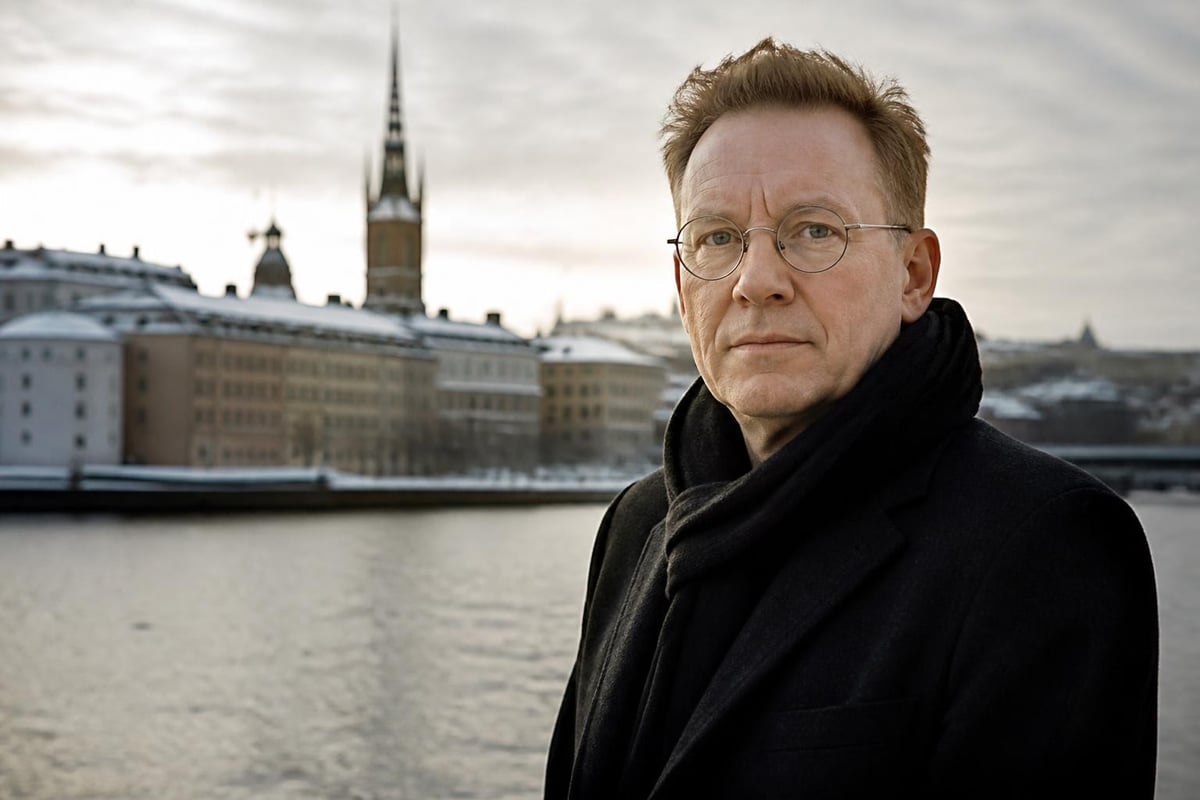
Novelist Larsson's meticulous attention to Stockholm geography created a detailed fictional map that overlays perfectly onto the real city. This precision enables tour operators to design routes that follow character movements through the narrative arc.
Essential Millennium locations for literary tours:
- Bellmansgatan 1 – Mikael Blomkvist's fictional apartment address on Södermalm
- Lundagatan – Area associated with Lisbeth Salander's apartment
- Mosebacke – Square and cultural venue featured prominently
- Millennium Magazine offices – Based on real Södermalm locations
- Café scenes – Various authentic Stockholm cafés mentioned by name
The genius of novelist Larsson's approach lay in mixing real establishments with fictional ones. Some cafés named in the books actually exist and have embraced their literary fame, while others were invented but placed in recognizable neighborhoods. This blend of fact and fiction creates engaging material for guided tours that explore the boundaries between literary imagination and urban reality.
Södermalm: The Heart of Millennium Stockholm
Södermalm emerges as the trilogy's spiritual center, much as novelist Larsson himself lived and worked in this traditionally working-class district. The neighborhood's transformation from industrial area to trendy cultural hub parallels the timeline of the books' publication and global success.
Tour groups exploring Södermalm encounter layers of meaning. The streets represent not only fictional settings but also Stockholm's social evolution, gentrification patterns, and cultural identity. Just as travelers might explore tailor-made Greece vacations to understand ancient and modern Greek culture simultaneously, Millennium tours in Södermalm reveal how contemporary Stockholm balances tradition and change.
Thematic Depth for Tour Narratives
Beyond location-spotting, novelist Larsson's work offers substantive themes that elevate literary tours from simple sightseeing to cultural education. Academic analysis from Cambridge scholars examines how the trilogy depicts institutional violence and social structures, providing framework for deeper cultural interpretation during guided experiences.
Social Criticism as Tour Content
Novelist Larsson embedded sharp critiques of Swedish society throughout his narratives. These include commentary on media ethics, corporate malfeasance, violence against women, and institutional failures. Knowledgeable guides can use these themes to facilitate conversations about contemporary Swedish society beyond tourist-focused narratives.
Major themes that enrich literary tours:
- Media responsibility – Discussing Swedish journalism and press freedom
- Gender equality paradoxes – Sweden's progressive image versus persistent problems
- Immigrant integration – Social issues reflected in character backgrounds
- Welfare state tensions – Economic themes throughout the trilogy
- Historical memory – Sweden's World War II neutrality and its consequences
These discussions transform Stockholm city tours from pleasant walks into meaningful cultural exchanges. Visitors leave with understanding that extends beyond photograph opportunities to genuine insight into Swedish society.
The Posthumous Publishing Saga
The story of how novelist Larsson's work reached publication adds dramatic interest to literary tours. His sudden death, the subsequent discovery of completed manuscripts, and the complex legal battles over rights create a compelling narrative about creativity, commerce, and legacy.
Swedish broadcaster SVT has documented the evolving legal situation surrounding Millennium publishing rights. These disputes involved Larsson's longtime partner Eva Gabrielsson, his father and brother who inherited under Swedish law, and multiple publishers competing for continuation rights. For tour participants interested in publishing industry dynamics, these behind-the-scenes stories provide fascinating context.

Continuation Novels and Brand Extension
After the original trilogy achieved massive success, publisher Norstedts authorized continuation novels by author David Lagercrantz. This decision sparked debate among fans about authenticity and authorial intent. For literary tourism, these continuation novels expanded the fictional universe while raising questions about what constitutes "genuine" novelist Larsson content.
Tour operators face choices about how to address continuation novels. Some maintain strict focus on the original trilogy as the only authentic novelist Larsson work, while others incorporate newer locations and plot developments. This reflects broader tourism industry questions about authenticity, commercialization, and cultural experience design.
Designing Effective Literary Tours
The success of Millennium-themed tourism in Stockholm offers valuable lessons for tailored tours across various cultural domains. Novelist Larsson's work demonstrates how contemporary fiction can generate tourism interest comparable to historical literary figures when the connection to place is strong and authentic.
Best Practices for Literary Tourism
- Verify location accuracy – Ensure tour content reflects actual settings used in the source material
- Balance fiction and reality – Help participants understand what's invented versus real
- Provide cultural context – Explain broader Swedish society beyond the books
- Accommodate varied familiarity – Design content accessible to both devoted fans and curious newcomers
- Update content regularly – Incorporate new scholarship, adaptations, and cultural developments
Tour groups often include both hardcore fans who can quote passages and companions who may have only seen film adaptations. Effective guides serve both audiences simultaneously, providing depth for enthusiasts while remaining accessible to casual participants.
Integration with Broader Stockholm Experiences
While some visitors focus exclusively on novelist Larsson content, most appreciate integration with other Stockholm attractions. History tours can incorporate Millennium locations alongside medieval Old Town exploration, royal palace visits, and other cultural highlights. This integration prevents literary tourism from feeling isolated or one-dimensional.
The afternoon might begin with Gamla Stan's 13th-century streets before transitioning to Södermalm's Millennium locations, demonstrating Stockholm's layered history from medieval times through contemporary culture. This approach mirrors how comprehensive European cultural tourism, like specialized Greece and Turkey itineraries, combines multiple historical periods and cultural elements into coherent experiences.
Film and Television Adaptations
Novelist Larsson's trilogy has spawned multiple film and television adaptations in Swedish, American, and other international versions. These adaptations complicate the literary tourism landscape by introducing variant visual interpretations of the same locations and characters.
| Adaptation | Year | Production | Tour Relevance |
|---|---|---|---|
| Swedish films | 2009 | Yellow Bird/Nordisk Film | Shot on location in Stockholm |
| American film | 2011 | Columbia Pictures | Some Stockholm locations, some studio |
| Swedish TV series | 2024 | Yellow Bird | Renewed interest in original locations |
The Swedish film adaptations used actual Stockholm locations extensively, reinforcing the connection between fiction and real geography. Tour participants often recognize specific filming locations, creating moments of connection between their reading, viewing, and physical experiences.
Visual Media as Marketing Tool
Film and television adaptations serve as powerful marketing for Stockholm tours. Viewers who enjoyed screen versions often develop curiosity about the real locations, driving tourism demand. This phenomenon demonstrates how cross-media storytelling creates multiple entry points into cultural experiences.
Tour operators can leverage this by maintaining awareness of which adaptations are currently popular in different international markets. A surge in streaming viewership of the Swedish series might correlate with increased interest from specific demographics or geographic markets.
Educational and Academic Dimensions
Beyond entertainment tourism, novelist Larsson's work attracts academic and educational groups interested in literature, criminology, journalism, and Scandinavian studies. These specialized audiences seek deeper analytical frameworks than typical leisure tourists.
University groups studying contemporary Scandinavian literature benefit from tours that connect theoretical classroom discussions to physical environments. Walking through Södermalm while discussing novelist Larsson's critique of Swedish institutions provides embodied learning that enhances traditional academic study.
Creating Multi-Level Interpretations
Professional tour guides serving diverse audiences develop multi-layered interpretations of the same content. The Millennium magazine offices location can be presented as:
- Popular culture – Cool setting from bestselling thriller
- Media studies – Commentary on investigative journalism ethics
- Urban studies – Example of Södermalm neighborhood character
- Gender studies – Workplace dynamics and professional relationships
- Architecture – Typical Stockholm commercial building from specific era
This flexibility allows guides to adjust emphasis based on group composition and interests, delivering personalized experiences that match participant backgrounds and expectations.
Legacy and Ongoing Influence
More than two decades after novelist Larsson completed his manuscripts, the Millennium trilogy continues generating cultural impact. New readers discover the books regularly, while film and television adaptations introduce the stories to audiences who might never read the novels.
The Stieg Larsson Foundation perpetuates his anti-extremism work through journalism prizes and educational initiatives. This institutional legacy ensures that novelist Larsson's name remains associated with investigative journalism and political activism beyond his fiction writing.
Future of Millennium Tourism
Literary tourism built around novelist Larsson faces the challenge of maintaining relevance as time passes and cultural trends shift. However, the concrete connection to specific Stockholm locations provides durability that more abstract literary connections might lack.
Tour operators can sustain interest by:
- Incorporating new scholarship and critical interpretations
- Connecting to contemporary Nordic noir developments
- Highlighting ongoing social issues Larsson addressed
- Adapting to new film and television releases
- Creating cross-generational appeal through varied narrative approaches
The fundamentals remain strong. Stockholm's appeal as a destination continues growing, novelist Larsson's books still sell consistently, and the intersection of literature and place-based tourism shows no signs of diminishing.
Novelist Larsson's Millennium trilogy transformed Stockholm into a literary destination where fiction and reality merge along specific streets and neighborhoods. His detailed depiction of the Swedish capital created lasting tourism appeal that continues attracting readers and cultural enthusiasts from around the world. Whether you're a devoted fan seeking to walk in Lisbeth Salander's footsteps or simply curious about Stockholm's literary culture, Adding:tours offers personalized experiences that bring these stories to life through expert local knowledge and insider perspectives on the locations that define the Millennium trilogy.