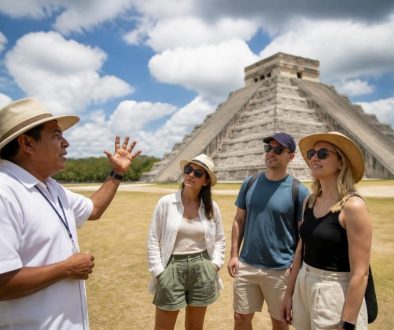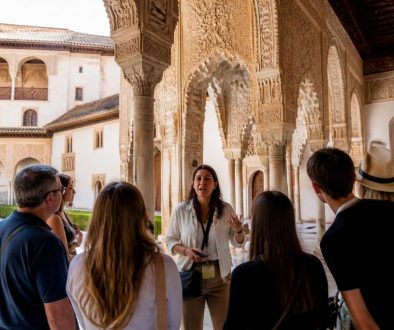

History Tours: Immersive Experiences That Bring the Past to Life
History tours represent a transformative approach to exploring destinations, turning ancient streets and historic landmarks into living classrooms. Unlike conventional sightseeing, these immersive experiences connect travelers with the authentic narratives that shaped cities, cultures, and communities. As the travel industry evolves in 2026, more visitors seek meaningful encounters with the past, guided by experts who can illuminate hidden stories and provide insider perspectives. Whether you're walking through medieval alleyways, tracing literary footsteps, or uncovering architectural treasures, history tours offer depth and context that independent exploration simply cannot match.
The Growing Demand for Historical Exploration
Travel patterns have shifted significantly over the past few years, with discerning travelers seeking substance over superficial experiences. According to recent 2026 travel forecasts, Americans are shifting to deep history routes in Turkey and Egypt as alternatives to overcrowded European destinations. This trend reflects a broader appetite for authentic historical engagement.
Modern travelers want to understand the layers of history beneath their feet. They seek connections between past and present, between global events and local impact. History tours fulfill this desire by providing structured narratives that make sense of complex timelines and cultural evolution.
Why Traditional Sightseeing Falls Short
Standard tourist experiences often provide breadth without depth. Visitors may photograph famous landmarks without understanding their significance or historical context. The result is a collection of images but limited comprehension of what made these places important.
Key limitations of unguided exploration:
- Missing crucial historical details and backstories
- Inability to ask questions or engage in dialogue
- Lack of thematic connections between sites
- No access to restricted areas or insider knowledge
- Difficulty separating fact from legend
Elements That Define Exceptional History Tours
The quality of a history tour depends on several interconnected factors. Expert guides, thoughtful itinerary design, and engagement techniques all contribute to creating memorable experiences that educate and inspire.
Expert Guides as Storytellers
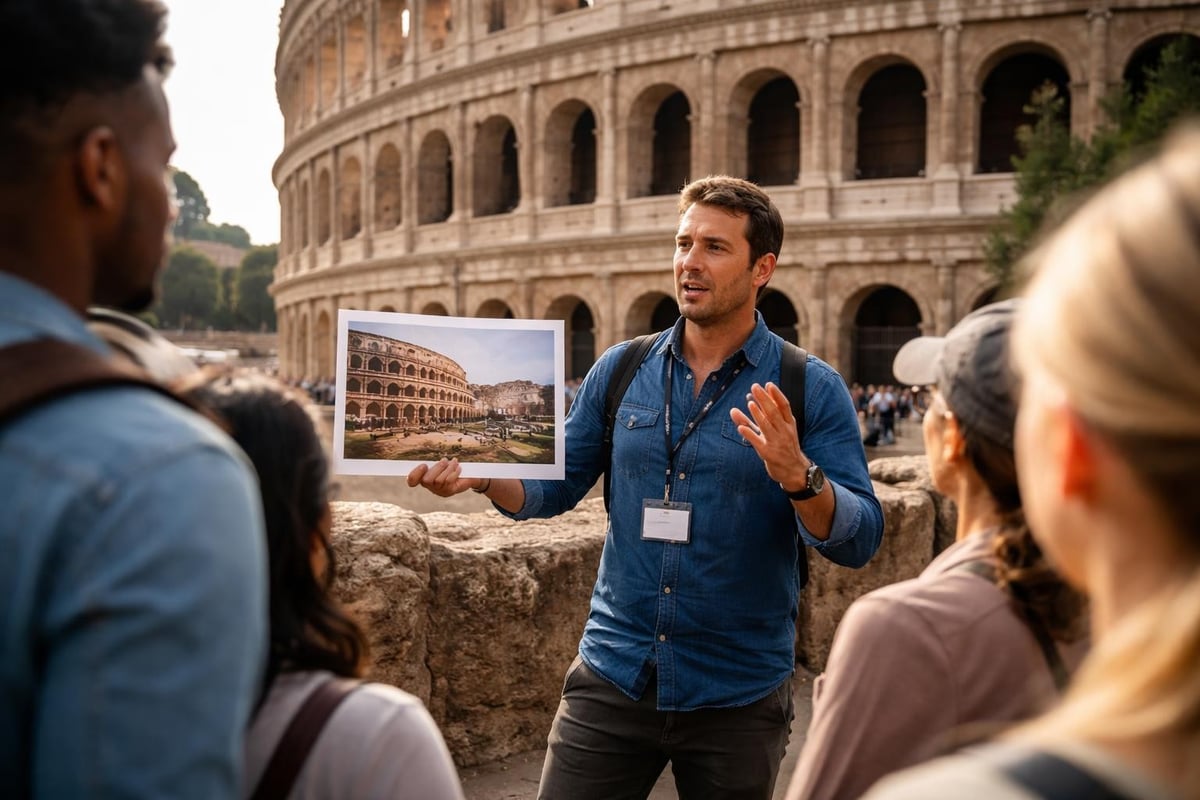
Native English-speaking guides who possess deep local knowledge transform facts into compelling narratives. Their expertise extends beyond memorized dates and names to include personal anecdotes, cultural insights, and the ability to answer spontaneous questions. Professional guides understand pacing, know when to provide detailed information versus allowing time for reflection, and can adapt their presentation style to different audiences.
The National Park Service emphasizes best practices for history lessons and discovery events, highlighting the importance of multiple perspectives, primary sources, and interactive engagement. These principles apply equally to guided tours, where skilled educators bring history to life through vivid storytelling.
Personalized Itineraries for Small Groups
Mass tourism rarely delivers meaningful experiences. Small group history tours allow for customization based on participant interests, whether that means spending extra time at architectural sites, focusing on specific historical periods, or exploring niche topics like literary history.
Private groups benefit from flexibility that larger tours cannot offer. A family might emphasize stories appropriate for children, while colleagues on a corporate outing might appreciate deeper dives into economic or political history. This personalization ensures every participant finds value and engagement.
| Tour Size | Flexibility | Personal Attention | Cost Per Person | Interaction Quality |
|---|---|---|---|---|
| Large Groups (20+) | Low | Minimal | Lower | Limited |
| Medium Groups (10-15) | Moderate | Some | Moderate | Fair |
| Small Groups (5-8) | High | Substantial | Higher | Excellent |
| Private Tours | Maximum | Complete | Premium | Outstanding |
Thematic Approaches to Historical Exploration
History tours gain depth when organized around specific themes rather than attempting to cover everything superficially. Thematic focus allows participants to understand particular aspects of a destination's past while seeing how those threads weave through the broader historical tapestry.
Architectural Heritage Tours
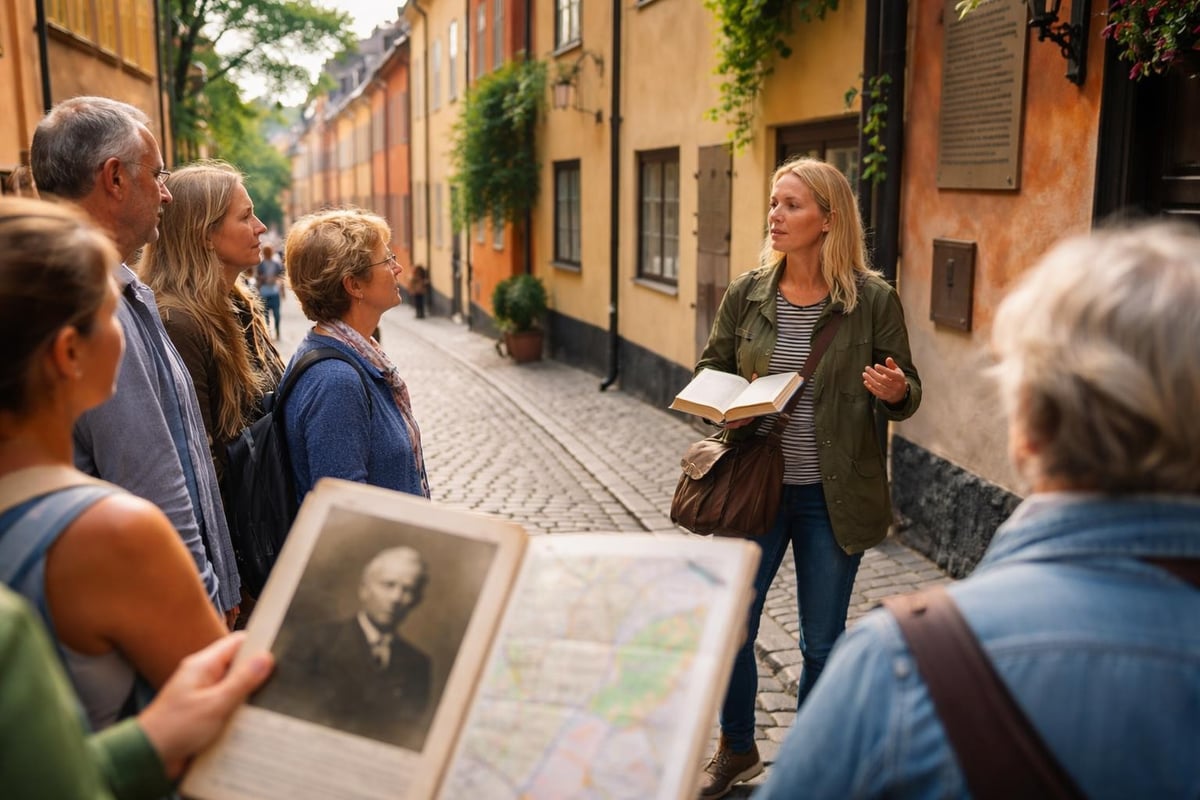
Architourism has emerged as a distinct category, with travelers specifically seeking buildings and structures that tell stories of artistic movements, technological advancement, and social change. Stockholm's architectural evolution, from medieval structures to modernist designs, provides rich material for this approach.
Walking through narrow alleys in the Old Town reveals how urban planning responded to defense needs, trade requirements, and social hierarchies. Each building style reflects the era's values, available materials, and external influences.
Literary and Cultural Trails
Following in the footsteps of famous authors or fictional characters creates powerful connections between literature and place. The ABBA adventure to Viggsö exemplifies how cultural history tours can combine music, food, and social experiences. Similarly, Stieg Larsson tours allow fans to visit locations from "The Girl with the Dragon Tattoo" while learning about Stockholm's modern cultural landscape.
These thematic approaches transform passive observation into active participation, where visitors become detectives piecing together stories across locations.
Political and Royal History
The changing of the guard at the Royal Palace isn't merely a ceremonial spectacle. It represents centuries of tradition, military history, and evolving relationships between monarchy and democracy. Knowledgeable guides contextualize such events within broader political developments, helping visitors understand constitutional evolution and Sweden's unique governmental structure.
Interactive Elements That Enhance Learning
The concept of experiential travel emphasizes cultural activities and immersive experiences that deepen understanding. History tours incorporating interactive elements create stronger memories and more meaningful learning outcomes.
Effective engagement techniques include:
- Question-driven exploration where participants formulate inquiries before visiting sites
- Comparative analysis examining how different eras approached similar challenges
- Physical engagement with historical replicas or hands-on demonstrations
- Role-playing scenarios that help participants understand historical perspectives
- Multi-sensory experiences incorporating sounds, smells, and textures when possible
Research on visitor behavior at museums reveals how behavioral segmentation and spatial analytics can enhance engagement. These insights apply to outdoor history tours as well, where guide expertise in reading group dynamics and adjusting pacing makes substantial differences.
Planning Considerations for History Tour Participants
Travelers booking history tours should consider several factors to ensure optimal experiences. Preparation enhances appreciation, while realistic expectations prevent disappointment.
Physical Requirements and Accessibility
Stockholm walking tours often involve cobblestone streets, stairs, and extended periods of standing. Participants should honestly assess their physical capabilities and communicate any limitations when booking. Reputable tour operators can modify itineraries to accommodate various mobility levels without sacrificing educational value.
Seasonal Variations and Timing
Historical sites reveal different aspects depending on season and time of day. Morning tours may offer better lighting for photography and smaller crowds at popular locations. Winter tours provide authentic atmosphere in cold-climate destinations, though shorter daylight hours require careful scheduling.
Group Composition and Dynamics
Mixed groups with varying interest levels benefit from guides who can layer information, providing basic context for casual participants while offering deeper insights for history enthusiasts. Family groups with children need age-appropriate content and regular activity changes to maintain engagement.
| Participant Type | Ideal Tour Length | Detail Level | Interaction Style | Special Needs |
|---|---|---|---|---|
| Families with Children | 2-3 hours | Moderate | High interactivity | Frequent breaks |
| Academic Groups | 4-6 hours | Extensive | Discussion-based | Deep dives |
| Casual Tourists | 2-4 hours | Overview | Story-focused | Visual elements |
| Special Interest | 3-5 hours | Specialized | Q&A intensive | Niche access |
Maximizing Educational Value
Resources like guides on curating hands-on history experiences emphasize that interactive activities create lasting impressions. Travelers can enhance their learning by preparing context before tours, asking informed questions during experiences, and reflecting afterward through journaling or discussion.
Pre-Tour Preparation
Reading brief historical overviews before arriving helps participants recognize names, understand chronology, and formulate relevant questions. This preparation doesn't require extensive research but rather establishes basic frameworks that guides can build upon.
Active Participation During Tours
The best learning happens through dialogue rather than passive listening. Participants should feel comfortable asking questions, sharing observations, and drawing connections to their own experiences or knowledge. Quality guided sightseeing tours encourage this interaction rather than delivering monologues.

Post-Tour Integration
Following up with additional reading, sharing experiences with others, or visiting related museums helps consolidate learning. Many participants discover that guided tours spark deeper interest in specific periods or topics, leading to continued exploration.
The Business Perspective on History Tours
Tour operators face unique challenges in delivering consistently excellent historical experiences. Strategies for creating compelling tour itineraries include storytelling techniques, logical sequencing, and building narrative arcs that give tours satisfying structure.
Guide Training and Development
Exceptional history tours require guides who combine historical knowledge with communication skills, cultural sensitivity, and adaptability. Ongoing training ensures guides stay current with new research, develop fresh perspectives on familiar material, and refine their presentation techniques.
Balancing Education and Entertainment
While accuracy and depth matter tremendously, tours must also engage participants emotionally. The most effective guides weave facts into compelling narratives, use vivid language to bring historical figures to life, and create moments of discovery that surprise and delight.
Quality Control and Feedback Integration
Maintaining high standards requires systematic feedback collection and continuous improvement. Successful operators regularly assess tour content, guide performance, and participant satisfaction, adjusting based on patterns rather than individual comments.
Specialized History Tour Categories
Beyond general historical overviews, niche categories serve specific interests and provide focused expertise. These specialized offerings attract passionate enthusiasts willing to invest time and resources in deep exploration.
Educational Tours for Students
Guided tours for school history trips offer substantial benefits including expert knowledge, safety considerations, and customizable itineraries aligned with curriculum objectives. Educational tours require particular attention to age-appropriate content, engagement techniques for young learners, and connections to formal learning standards.
Corporate and Professional Development
Organizations increasingly recognize how historical exploration can build team cohesion, develop critical thinking skills, and provide fresh perspectives on leadership and decision-making. Corporate history tours might examine how historical leaders navigated challenges, how cities adapted to economic changes, or how cultural movements influenced business practices.
Photography and Documentation Tours
Specialized tours for photographers balance historical information with opportunities for exceptional images. Guides familiar with optimal lighting times, compelling compositions, and lesser-known viewpoints add value for participants seeking both education and artistic documentation.
Technology Integration in Modern History Tours
While human expertise remains irreplaceable, technology enhances contemporary history tours through augmented reality applications, digital reconstructions, and multimedia presentations. However, technology should supplement rather than replace guide knowledge and personal interaction.
Smart integration might include showing historical photographs at locations to illustrate changes over time, playing period music to establish atmosphere, or using apps that provide additional content participants can explore later. The key is ensuring technology serves learning objectives rather than becoming a distraction.
Sustainability and Preservation Considerations
Responsible history tours contribute to heritage preservation through education, appropriate visitor management, and financial support for conservation efforts. Guides who explain preservation challenges and encourage respectful behavior help protect sites for future generations.
Small group sizes naturally reduce environmental and cultural impact compared to mass tourism. Tailored tours can emphasize sustainable practices while delivering personalized experiences that respect both heritage sites and local communities.
Building Connections Through Shared Historical Discovery
Perhaps the most valuable aspect of group history tours is the community that forms among participants. Shared discovery creates bonds as people collectively experience insights, ask questions, and discuss implications. The ABBA journey specifically incorporates meal experiences designed to facilitate friendships among international visitors united by musical appreciation.
These social dimensions transform history tours from educational activities into memorable experiences that participants recall for years. Stories shared during tours become stories shared with friends and family afterward, extending the tour's impact far beyond its duration.
History tours offer unparalleled opportunities to connect with destinations on meaningful levels, transforming sightseeing into genuine understanding. When expertly guided and thoughtfully designed, these experiences create lasting memories while deepening appreciation for the complex forces that shaped our world. Whether you're exploring with family, colleagues, or fellow enthusiasts, Adding:tours specializes in personalized historical explorations throughout Stockholm, from classic Old Town walks to unique literary adventures, all led by native English-speaking guides who bring local stories to life for private groups and intimate gatherings.