Professional Tour Guide Insights: Your 2026 Success Guide
Ever wondered what separates a good tour guide from a truly unforgettable one in 2026? The world of travel is evolving, and the role of a professional tour guide is changing right alongside it. In this guide, you will discover exclusive insights and proven strategies to help you stand out in a dynamic industry. We will explore the essential skills you need, technology trends shaping the field, how to master customer experience, and pathways for career growth. Stay with us to unlock expert advice that will set you on the path to success.
The Evolving Role of the Professional Tour Guide in 2026
The professional tour guide has never been more important or dynamic than in 2026. Today’s travel landscape is shaped by changing guest expectations, rapid industry innovation, and a renewed focus on meaningful experiences. Understanding how the professional tour guide role has shifted is essential for anyone aiming to thrive in this evolving field.
Shifting Expectations and Industry Trends
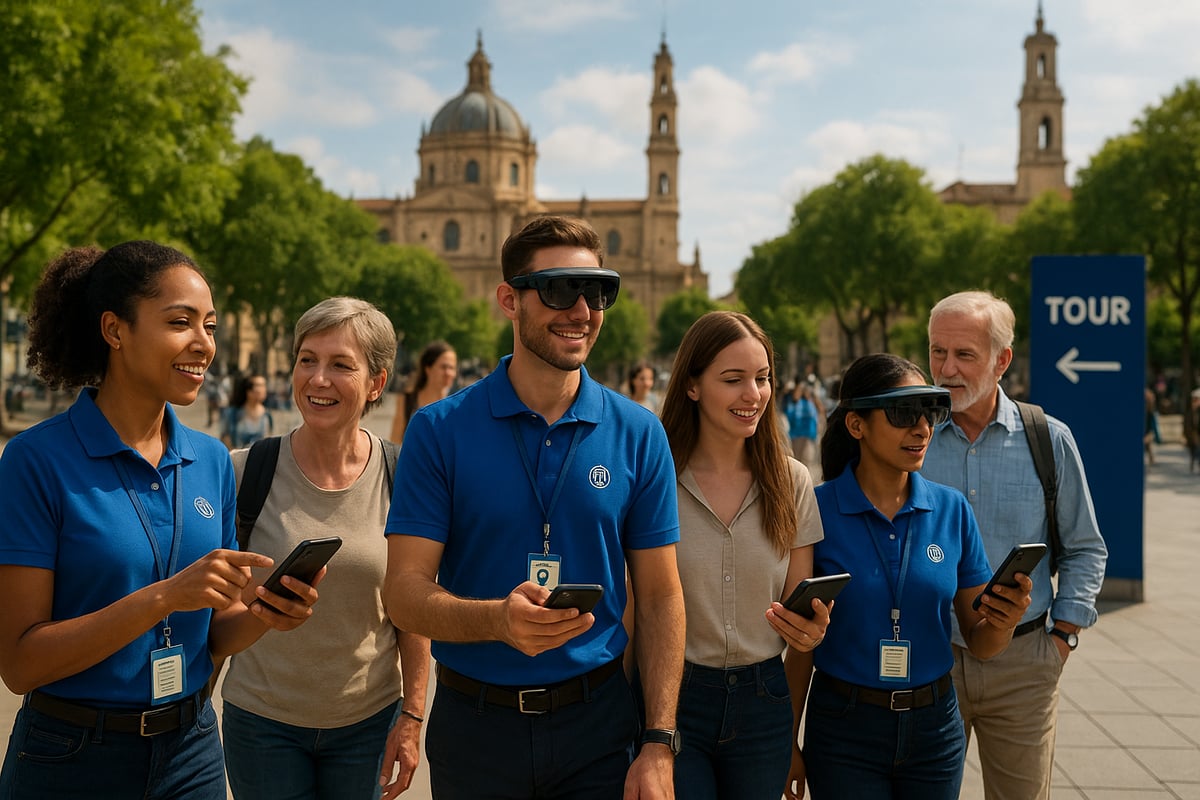
In 2026, the professional tour guide faces a very different set of expectations compared to the past. Travelers now seek personalized, immersive, and sustainable experiences that go beyond sightseeing. The post-pandemic world has accelerated this shift, with people craving authentic connections and deeper engagement with destinations.
Guests increasingly request tours that reflect their interests—whether culinary adventures, history walks, or eco-friendly explorations. According to the 2025 Travel Trends Report, there has been a significant rise in demand for local and authentic experiences, especially those that highlight community culture and sustainability.
Cultural sensitivity and inclusivity have become vital for the professional tour guide. Travelers expect guides to respect and share diverse perspectives, making everyone feel welcome and valued. The profession has also become more specialized, with guides often focusing on specific themes or niches to stand out.
Global events continue to impact the industry, requiring guides to stay informed and adaptable. Compared to previous decades, the professional tour guide today is expected to be a local expert, storyteller, and ambassador for responsible tourism. This evolution reflects a broader trend toward genuine, memorable guest experiences.
Essential Qualities and Skills for Modern Guides
To excel as a professional tour guide in 2026, a new set of skills is essential. Effective communication, engaging storytelling, and language fluency remain at the core of guest satisfaction. However, adaptability and quick problem-solving have become just as important, given the unpredictability of travel.
A successful professional tour guide demonstrates deep local knowledge and a commitment to continuous learning. Staying updated on history, culture, and current events allows guides to provide richer context and answer guest questions confidently.
Emotional intelligence and empathy are now recognized as top qualities. In fact, guides who displayed high empathy and adaptability consistently received the best feedback in 2025 TripAdvisor reviews. These traits help guides manage group dynamics, address concerns, and create a welcoming atmosphere.
Collaboration with local businesses and communities is another hallmark of the modern professional tour guide. By building strong partnerships, guides can offer unique experiences and contribute to sustainable tourism. Mastering these essential skills not only sets guides apart but also ensures enduring success in a competitive industry.
Mastering Technology: Tools Every Tour Guide Needs
Staying ahead in the fast-changing world of travel means a professional tour guide must be fluent in the latest technology. With guest expectations rising every year, guides who embrace digital tools not only deliver smoother experiences but also set themselves apart in a crowded market.

Digital Tools for Tour Planning and Delivery
Digital transformation is reshaping how the professional tour guide operates on a daily basis. Mobile apps now streamline itinerary management, navigation, and real-time communication, enabling guides to adapt instantly to guest needs.
Augmented reality (AR) and virtual reality (VR) are becoming essential for storytelling and guest immersion. By overlaying historical images or interactive facts onto real-world locations, AR elevates tours from simple walks to unforgettable experiences. For example, integrating AR can turn a city stroll into a journey through time, captivating even tech-savvy travelers.
Online booking and scheduling platforms have simplified operations for the professional tour guide. These platforms help manage reservations, track payments, and handle last-minute changes efficiently. In fact, a recent report found that 65 percent of travelers in 2025 booked tours through mobile devices, highlighting the importance of a seamless digital presence.
Virtual tours and hybrid experiences are now popular supplements to in-person guiding. They allow the professional tour guide to reach a wider audience, offer previews, and provide ongoing engagement with guests who cannot travel. According to Hilton 2025 Travel Trends, travelers increasingly seek personalized, tech-enabled experiences, making digital fluency a must-have skill.
With these tools, every professional tour guide can create smoother, more engaging, and more responsive tours for their guests.
Social Media and Personal Branding
A strong online presence is essential for the modern professional tour guide. Social media platforms like Instagram, TikTok, and YouTube provide powerful channels to showcase expertise, share memorable moments, and attract new clients.
Crafting short, engaging video snippets or behind-the-scenes stories can quickly build a following. Guides who highlight their unique personality and local knowledge often see their content shared widely, driving business growth.
Managing reviews and reputation on platforms such as TripAdvisor and Google is another critical task. Responding promptly to feedback and addressing guest concerns demonstrates professionalism and care, building trust with future guests.
To maximize reach, a professional tour guide should use simple content creation tools for editing photos, scheduling posts, and engaging with audiences in real time. Collaborating with local businesses and tagging partners can further boost visibility and credibility.
Ultimately, technology enables the professional tour guide to connect, market, and deliver exceptional experiences at every stage of the guest journey.
Creating Unforgettable Guest Experiences
A professional tour guide knows that creating unforgettable guest experiences is the cornerstone of long-term success. In 2026, this means going beyond the basics and delivering moments that resonate deeply with every traveler. The following strategies and techniques are essential for any professional tour guide striving to exceed expectations and build lasting memories for guests.
Personalization and Customization
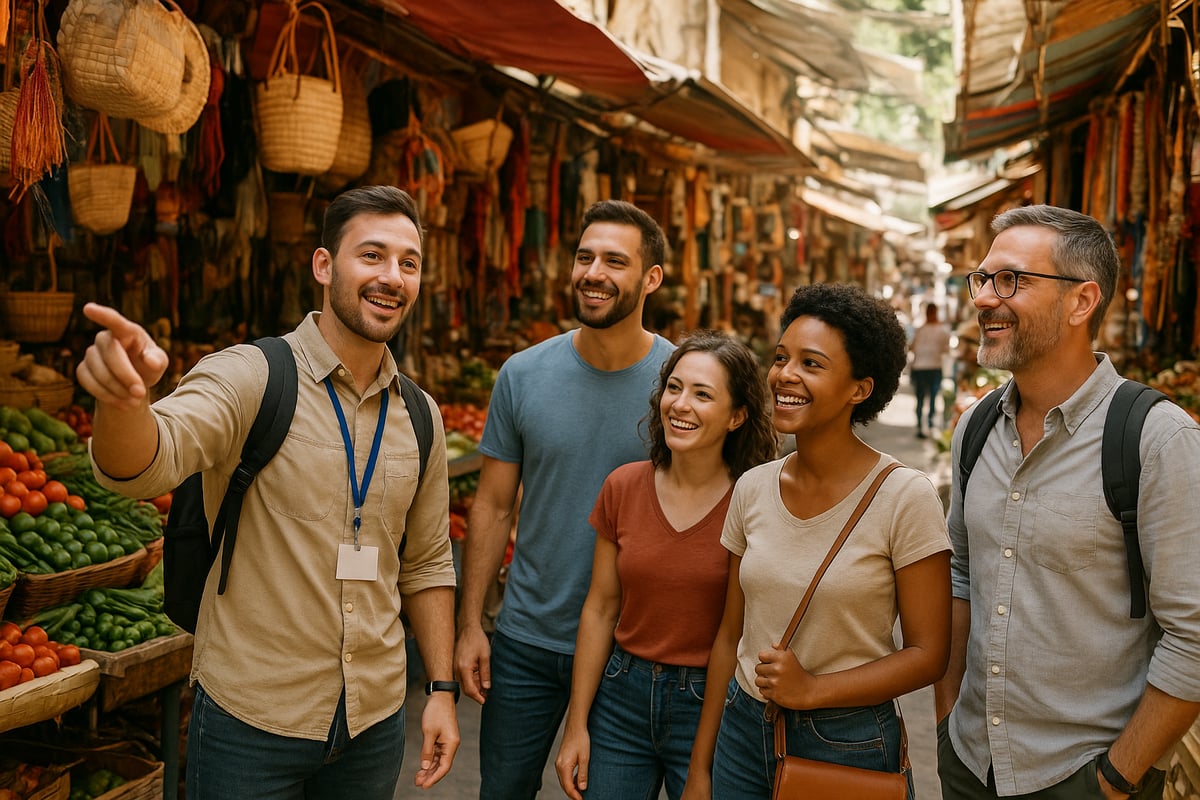
Personalization is a defining trait of an exceptional professional tour guide. Today’s travelers expect tours tailored to their interests, physical abilities, and backgrounds. Before each experience, a professional tour guide gathers information through pre-tour questionnaires or conversations, ensuring every guest feels seen and valued.
Customization extends to adapting the pace, route, and content of each tour. For example, guests interested in art might receive special access to local galleries, while food enthusiasts enjoy private tastings. The ethical use of guest data is essential, as it builds trust and enhances delivery. According to a 2025 survey, custom itineraries led to 30 percent higher satisfaction scores—a testament to the impact of thoughtful, guest-centric planning.
Feedback plays a crucial role in continuous improvement. Reading direct client feedback, such as those found on Read Client Reviews of Guides, helps a professional tour guide identify strengths and refine their approach. This commitment to personalization not only boosts satisfaction but also leads to glowing recommendations and repeat business.
Storytelling and Engagement Techniques
Every professional tour guide is, at heart, a storyteller. Transforming facts into compelling narratives is what turns a good tour into an unforgettable experience. The best guides weave together historical context, local legends, and contemporary insights to create vivid mental pictures for their guests.
Engagement is about more than just talking. Interactive elements—like asking questions, inviting guests to share perspectives, or incorporating hands-on activities—keep everyone involved. Humor and suspense are powerful tools. A well-timed joke or a surprising anecdote can spark laughter and curiosity, making the journey memorable.
Professional tour guides also use visual aids, props, and digital enhancements to deepen immersion. Creative storytelling ensures guests leave not only informed but emotionally connected to the destination. When guests are engaged, they are more likely to remember both the guide and the experience for years to come.
Handling Difficult Situations and Guest Concerns
Even the most seasoned professional tour guide faces unexpected challenges. Group dynamics can shift quickly, requiring swift conflict resolution and a calm, empathetic approach. Whether addressing minor disagreements or more serious disruptions, clear communication and impartial mediation are essential.
Preparedness for emergencies sets a professional tour guide apart. Guides must be trained in first aid and know local protocols. For instance, there are documented cases where a quick-thinking guide managed a medical emergency, coordinated with local services, and ensured the rest of the group felt safe and informed throughout the ordeal.
Addressing guest concerns promptly, whether about accessibility, safety, or itinerary changes, demonstrates professionalism and care. The ability to adapt, reassure, and find solutions on the spot is a hallmark of a trusted professional tour guide. Ultimately, these moments of challenge often become the stories guests remember most, reinforcing the guide’s reputation for reliability and excellence.
Professional Development and Certification Pathways
Investing in professional development is essential for anyone aiming to succeed as a professional tour guide. The industry in 2026 demands more than passion and local knowledge. A commitment to continuous learning and formal recognition is now a key differentiator.

Training, Education, and Certification Options
For the modern professional tour guide, formal education is a cornerstone of career growth. Training programs, both local and international, offer structured pathways to mastering essential skills. These programs typically cover destination knowledge, communication techniques, and best practices for guest engagement.
Continuous education is equally important. Many guides enroll in workshops, online courses, or language classes to stay ahead in a rapidly changing landscape. According to a recent industry report, guides with advanced certifications earn, on average, 20 percent more than their peers. Certification not only signals expertise but also builds trust with clients and employers.
A standout example is the Guide & Tour Operator Program, a recognized training course that equips candidates with practical tools and industry insights. Pursuing such credentials is a smart move for any professional tour guide looking to enhance credibility and open new opportunities.
Networking and Industry Associations
Networking is a powerful lever for professional tour guide success. Joining professional organizations connects guides with resources, mentorship, and up-to-date industry information. These associations often provide exclusive access to workshops, seminars, and certification opportunities.
Attending conferences is another effective strategy. Here, guides can learn about emerging trends, regulatory changes, and innovative guest experience strategies. Building a strong network also helps with referrals and collaborations, which can lead to new bookings and partnerships.
Many top-rated guides attribute their career progress to active involvement in the guiding community. By sharing experiences, exchanging tips, and supporting one another, professional tour guides foster a culture of excellence and adaptability. Investing in these relationships is key to long-term career satisfaction and growth.
Navigating Industry Challenges and Opportunities
Adapting to industry changes in 2026 is crucial for every professional tour guide. The landscape is shifting, and those who anticipate challenges and seize new opportunities will lead the way.
Regulatory Changes and Compliance
The regulatory environment for the professional tour guide is more complex than ever. In 2026, updated licensing, insurance, and safety protocols have become standard in many countries, especially across the EU. Guides must stay informed about new health and safety measures, including group size limits, sanitation protocols, and digital check-ins.
Staying compliant not only protects your business but also reassures guests that their safety is a priority. For those seeking practical information, resources like the Frequently Asked Questions for Guides offer valuable guidance on evolving requirements.
Understanding and adapting to regional regulations is now a core competency for the professional tour guide. Keeping certifications up to date and maintaining comprehensive insurance are no longer optional, but essential aspects of a successful career.
Market Competition and Differentiation
The professional tour guide faces a highly competitive market. With more providers entering the industry, standing out requires innovation and a clear value proposition. Developing unique selling propositions, such as specialized themed tours or exclusive local partnerships, can set you apart.
Personal branding and reputation management are equally important. Successful guides leverage social media and user-generated content to highlight what makes their experiences unique. For inspiration on how guides differentiate themselves, explore real-world examples on the Explore Our Guided Tours page.
Collaboration with local businesses and ongoing feedback collection are powerful strategies. By continually refining your offerings, a professional tour guide can thrive even in a crowded marketplace.
Sustainability and Responsible Tourism
Sustainability is now at the forefront of the professional tour guide’s responsibilities. More travelers demand eco-friendly experiences and authentic cultural engagement. This shift presents both a challenge and a significant opportunity for guides who champion responsible tourism.
Incorporating sustainable practices, such as low-impact transportation, waste reduction, and supporting local artisans, is increasingly expected. Promoting local culture and history, while protecting sensitive sites, demonstrates a guide’s commitment to ethical tourism.
With sustainable tours experiencing rapid growth, the professional tour guide who prioritizes responsible practices will attract a loyal, conscientious clientele and ensure long-term career resilience.
Insider Tips for Building a Successful Tour Guide Career
Embarking on a career as a professional tour guide in 2026 offers boundless opportunities for growth, adventure, and personal fulfillment. To thrive in today’s dynamic travel landscape, you need more than just passion—you need a strategic approach and a willingness to embrace change.
Step-by-Step Career Roadmap
Building a successful professional tour guide career begins with honest self-assessment. Identify your unique strengths, interests, and the types of experiences you enjoy sharing with others.
Next, invest in relevant education and certifications. Formal training not only sharpens your guiding skills but also enhances credibility. Consider language courses, cultural workshops, and destination-specific programs.
Deepen your local knowledge by exploring your city or region extensively. Become familiar with hidden gems, historical facts, and current events. Master at least one additional language to connect with a broader audience.
Developing a personal brand is vital. Curate a professional online presence by sharing stories, photos, and testimonials. Social media platforms like Instagram and YouTube can showcase your expertise and attract clients looking for a professional tour guide.
Gain practical experience through internships or volunteering. Real-world practice hones your adaptability and customer service. Regularly seek feedback from guests and mentors to refine your guiding techniques.
Expand your service offerings by exploring new tour themes or collaborating with local businesses. Commit to continuous learning—stay curious and proactive.
Real-World Success Stories and Lessons
Many top-rated professional tour guide careers began with a simple spark—curiosity and a desire to connect with people. For instance, a guide who started as a hobbyist, leading friends on weekend walks, eventually became an award-winning professional through dedication and lifelong learning.
Industry leaders emphasize the value of mentorship and networking. Joining experienced teams, such as those highlighted on the About Our Tour Guide Team page, can provide invaluable support and exposure to best practices.
Success stories often reveal a common thread: adaptability. Guides who excel are those who learn from setbacks, embrace new technology, and remain open to feedback. They understand that every guest has unique expectations and that empathy is just as crucial as knowledge.
Reflect on these lessons as you carve your own path. Your journey as a professional tour guide is shaped by your willingness to learn, collaborate, and innovate.
Future-Proofing Your Career
The professional tour guide industry is evolving rapidly. To future-proof your career, stay informed about the latest trends and traveler preferences. Attend workshops, join industry associations, and participate in conferences to keep your knowledge current.
Technology is transforming the way tours are delivered. Embrace digital tools and research advancements, such as those discussed in the TraveLLaMA Research Paper, to enhance your storytelling and guest engagement. Consider offering hybrid or virtual tours to reach new audiences.
Invest in marketing and resilience skills. Develop your adaptability to navigate economic shifts and changing regulations. Prioritize sustainability and responsible tourism, which are increasingly important to travelers.
By staying proactive and open to growth, you will secure your place as a sought-after professional tour guide, ready to inspire and delight guests for years to come.
Article written using RankPill.