A Guided Tour: Your Complete Planning & Experience Guide
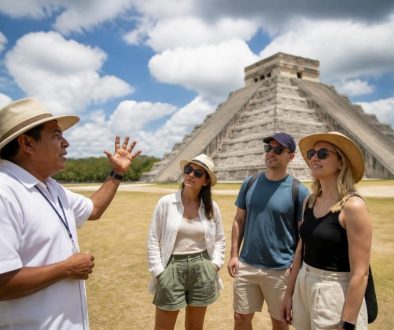
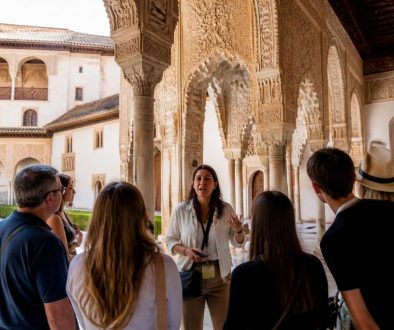
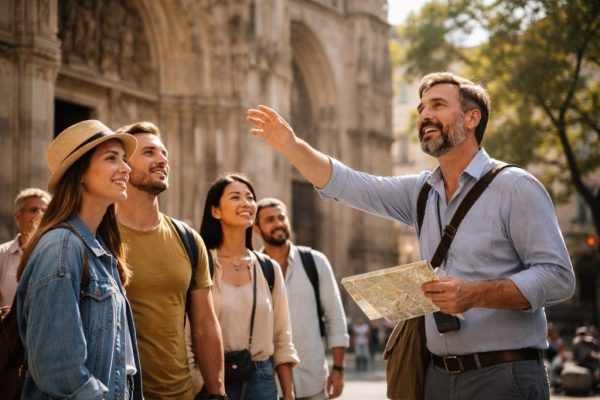
Exploring a new destination can feel overwhelming when you're faced with countless attractions, hidden gems, and cultural nuances you might miss on your own. A guided tour eliminates this uncertainty by providing expert knowledge, curated experiences, and insider perspectives that transform ordinary sightseeing into memorable adventures. Whether you're walking through medieval streets, following literary footsteps, or discovering music history, the right tour creates connections between places and stories that independent exploration simply cannot match. Understanding what makes tours valuable and how to choose the perfect experience for your group elevates travel from basic tourism to genuine cultural discovery.
The Essential Value of Professional Guidance
A guided tour delivers benefits that extend far beyond simple navigation. Professional guides bring destinations to life through storytelling, historical context, and local insights that guidebooks cannot replicate.
Expert Knowledge and Storytelling
The difference between seeing a building and understanding its significance lies in the narrative. Expert guides transform static landmarks into living history by sharing:
- Historical context that connects past events to present-day culture
- Personal anecdotes that humanize historical figures and events
- Architectural details that reveal design secrets and hidden symbolism
- Cultural traditions that explain local customs and practices
- Contemporary relevance showing how history shapes modern life
When exploring Stockholm's Old Town, for instance, a knowledgeable guide doesn't just point out Storkyrkan Cathedral but explains how it served as the coronation church for Swedish monarchs and reveals the symbolic meaning behind its medieval artwork.
Time Efficiency and Access
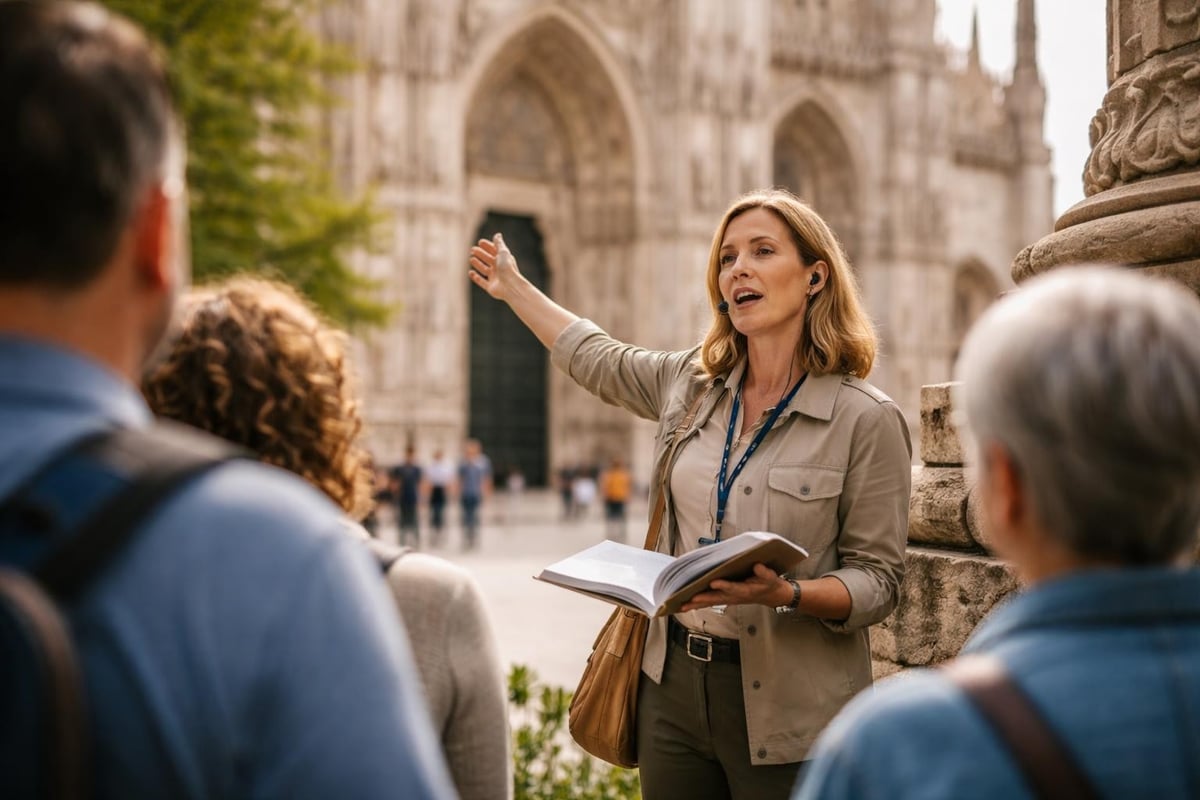
Private group tours maximize your limited vacation time through strategic planning and insider access. Rather than researching opening hours, navigating public transportation, and waiting in lines, a guided experience handles logistics seamlessly.
| Benefit | Independent Travel | Guided Tour Experience |
|---|---|---|
| Route Planning | Hours of research required | Pre-optimized itinerary |
| Navigation | Maps and trial-and-error | Direct, efficient pathways |
| Queue Management | Standard wait times | Priority or timed entry |
| Hidden Locations | Often missed | Included systematically |
| Context | Self-researched | Expert interpretation |
Tours designed for small gatherings ensure personal attention while maintaining efficiency. Groups move cohesively without the chaos of large tourist crowds, creating intimate experiences where questions receive thoughtful answers.
Selecting the Right Tour for Your Group
Choosing a guided tour requires matching your interests, physical capabilities, and group dynamics with available options. The tour industry has grown significantly, offering specialized experiences for nearly every interest.
Assessing Group Interests and Capabilities
Different groups require different approaches. Families with children need engaging, interactive elements. Friend groups might prioritize social experiences and unique activities. Corporate colleagues benefit from team-building aspects and professional organization.
Consider these factors when selecting experiences:
- Physical requirements including walking distance, terrain difficulty, and accessibility needs
- Interest alignment ensuring themes match the majority of participants
- Pace preferences balancing thorough exploration with comfortable timing
- Age appropriateness for content complexity and activity levels
- Group size dynamics recognizing that larger groups may limit customization
Theme-Based Experiences
Specialized tours create deeper engagement than general sightseeing. Literary enthusiasts might follow famous authors' footsteps, while music lovers explore sites connected to legendary performers. Stockholm’s ABBA journey combines music history with cultural immersion, offering meals and social opportunities alongside musical exploration.
Thematic options include:
- Literary tours visiting locations from famous novels and authors' favorite haunts
- Music history exploring venues, recording studios, and artists' neighborhoods
- Culinary experiences combining food tastings with cultural education
- Architectural focus examining design movements and construction techniques
- Historical deep-dives concentrating on specific periods or events
The best theme-based experiences connect multiple elements, creating comprehensive understanding rather than superficial coverage.
Maximizing Your Tour Experience
Preparation and participation determine how much value you extract from a guided tour. Active engagement transforms passive observation into meaningful learning.
Pre-Tour Preparation
Research enhances rather than replaces guided experiences. Basic familiarity with your destination allows you to ask deeper questions and make informed choices about optional activities. Review tour descriptions thoroughly, noting what's included and excluded.
Essential preparation steps:
- Read about the destination's general history and cultural context
- Check weather forecasts and dress appropriately for conditions
- Prepare specific questions about topics that intrigue you
- Inform guides about mobility concerns or dietary restrictions
- Bring necessary items like water, comfortable shoes, and cameras
Understanding inclusive best practices helps you communicate your needs effectively, ensuring tours accommodate all participants comfortably.
Active Participation Strategies
The most rewarding tours involve engaged participants who interact with guides and locations. Passive listening provides basic information, but active engagement creates lasting memories.
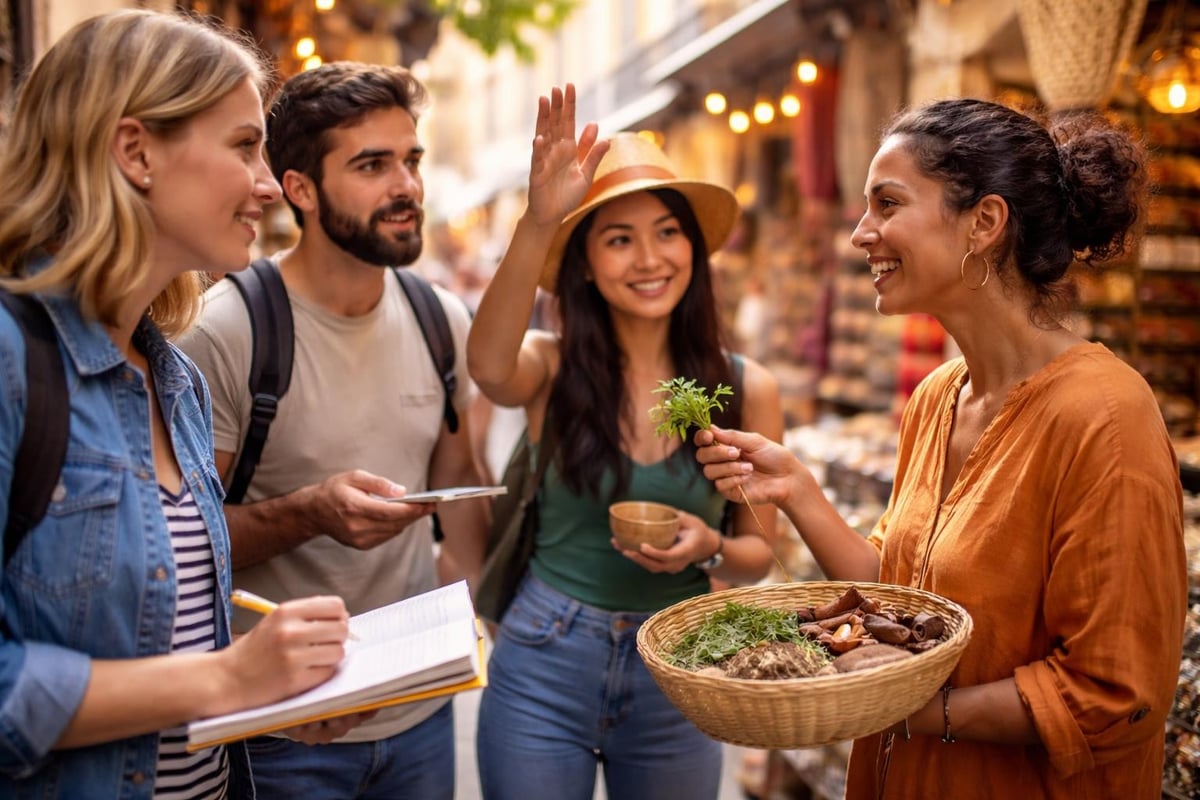
Effective participation includes:
- Asking questions when something sparks curiosity or requires clarification
- Sharing relevant knowledge that contributes to group discussion
- Observing details that guides point out and discovering your own
- Taking strategic photos that capture memories without distracting from experiences
- Connecting information between different tour stops and themes
Balance documentation with presence. Constant photography can distance you from authentic experiences, while selective image-taking preserves memories without disrupting engagement.
The Personalization Advantage
Custom-tailored experiences differentiate exceptional tours from standard offerings. When guides adapt content to group interests and adjust pacing to participant needs, tours become genuinely personal rather than one-size-fits-all.
Customization Options
Private group tours offer flexibility that large commercial operations cannot match. Tailored tours modify standard itineraries based on specific requests, creating unique experiences aligned with your priorities.
Customization possibilities include:
- Route modifications emphasizing preferred neighborhoods or avoiding less interesting areas
- Timing adjustments starting earlier to avoid crowds or extending particularly engaging stops
- Content depth spending more time on fascinating topics while abbreviating less relevant subjects
- Activity additions incorporating special requests like specific photo opportunities or brief shopping stops
- Language preferences ensuring native English speakers can fully understand nuanced explanations
Building Connections
Small group settings foster relationships between participants and guides that enhance the entire experience. Rather than feeling like anonymous tourists in a crowd, you become collaborators in discovery.
Quality guides remember individual interests mentioned early in tours and reference them later when relevant. They adjust explanations based on group knowledge levels and encourage participants to share their own perspectives, creating dialogue rather than monologue.
Planning Logistics for Success
Practical considerations ensure smooth experiences where focus remains on discovery rather than problem-solving. Attention to scheduling, communication, and expectations prevents common frustrations.
Booking and Communication
Reserve tours well in advance, especially during peak seasons when availability becomes limited. Clear communication during booking establishes mutual understanding about itineraries, included services, and meeting logistics.
| Booking Consideration | Why It Matters | Best Practice |
|---|---|---|
| Advance notice | Ensures guide availability | Book 2-4 weeks ahead for peak seasons |
| Group size accuracy | Affects pricing and logistics | Confirm final numbers 48 hours prior |
| Special requirements | Allows proper accommodation | Communicate needs during initial booking |
| Meeting locations | Prevents confusion and delays | Save exact addresses and backup contacts |
| Payment terms | Clarifies financial obligations | Understand deposit and cancellation policies |
Professional tour operations provide detailed confirmation information, including emergency contacts and contingency plans for weather or unforeseen circumstances.
Timing and Pacing
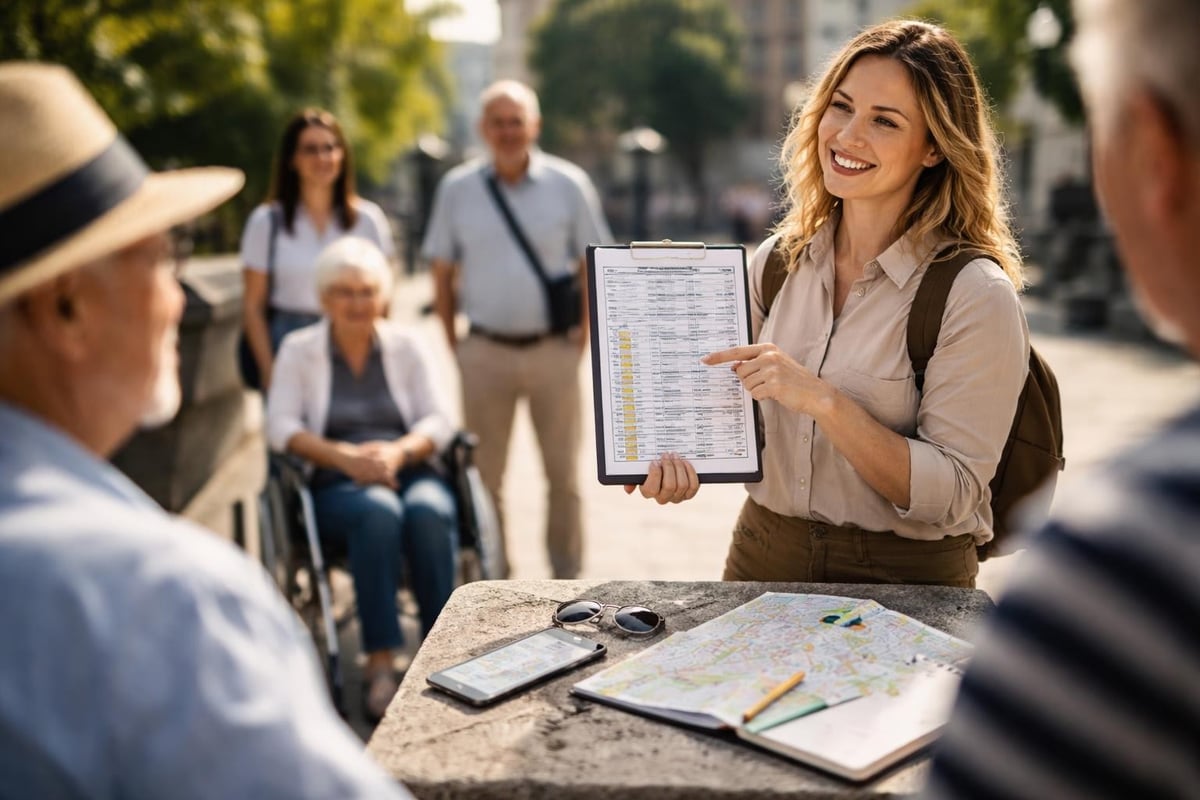
Duration impacts both physical stamina and information retention. Tours lasting two to three hours typically provide optimal engagement without exhaustion. Full-day experiences should include breaks for rest, refreshment, and reflection.
Consider these timing factors:
- Start times that avoid extreme heat or peak crowd periods
- Meal coordination ensuring hunger doesn't distract from experiences
- Rest intervals particularly important for multi-generational groups
- Photography opportunities allocating time for capturing memories
- Buffer periods accommodating unexpected delays or extended discussions
Well-designed tours balance comprehensive coverage with comfortable pacing, preventing the rushed feeling that diminishes enjoyment.
Industry Standards and Quality Indicators
Understanding what distinguishes excellent tours from mediocre ones helps you make informed selections. Quality indicators extend beyond marketing promises to tangible evidence of professionalism.
Guide Qualifications
Hiring practices for tour guides reveal organizational commitment to quality. Superior guides possess both formal knowledge and presentation skills that make information accessible and engaging.
Look for guides with:
- Formal training in history, culture, or specialized subjects relevant to tour themes
- Native or fluent language proficiency ensuring clear, nuanced communication
- Local residency providing current insights into community life and recent changes
- Certification or licensing where applicable, demonstrating professional standards
- Positive reviews specifically mentioning knowledge depth and interpersonal skills
The global travel experience market continues expanding as travelers prioritize quality over generic tourism, making guide expertise increasingly valuable.
Operational Excellence
Behind-the-scenes organization determines whether tours run smoothly or encounter preventable problems. Established operators demonstrate reliability through consistent execution and professional support systems.
Professional operations feature:
- Clear communication from initial inquiry through post-tour follow-up
- Transparent pricing with no hidden fees or unexpected charges
- Safety protocols appropriate for activity types and locations
- Insurance coverage protecting both operators and participants
- Contingency planning addressing weather, closures, or emergencies
Stockholm walking tours exemplify these standards by combining local expertise with professional organization, creating reliable experiences for visitors.
Cultural Immersion Through Expert Guidance
A guided tour succeeds when it transcends superficial tourism to create genuine cultural understanding. The best experiences foster connections between visitors and destinations that persist long after trips conclude.
Local Perspectives and Insider Knowledge
Native guides share perspectives impossible to gain from external research. They explain subtle social dynamics, recommend authentic local establishments, and reveal how residents actually experience their cities beyond tourist zones.
This insider access includes:
- Contemporary culture explaining current events and social trends
- Neighborhood character distinguishing areas by atmosphere and community identity
- Local favorites recommending restaurants, shops, and venues residents frequent
- Seasonal variations describing how destinations change throughout the year
- Practical advice offering tips for independent exploration after tours conclude
Creating Lasting Memories
Memorable tours combine information with emotion, creating experiences you recall years later. Effective guides understand that facts alone don't create lasting impressions but stories, personal connections, and surprising discoveries do.
Memory-creating elements include:
- Unexpected moments like encountering local festivals or spontaneous cultural events
- Personal stories connecting human experiences across time and cultures
- Sensory experiences engaging smell, sound, and taste alongside sight
- Interactive elements encouraging participation rather than passive observation
- Meaningful context helping you understand why specific details matter
Following literary footsteps through locations featured in beloved novels or exploring music history where legendary artists created iconic work transforms abstract knowledge into tangible connection.
Beyond Standard Sightseeing
Modern tour expectations extend beyond basic landmark viewing to encompass comprehensive experiences that educate, entertain, and inspire. Creating engaging tours requires understanding diverse audience needs and delivering multifaceted value.
Educational Value
Quality tours function as mobile classrooms where learning occurs naturally through exploration and discovery. Complex historical events become comprehensible through specific examples and physical locations that illustrate abstract concepts.
Educational approaches include:
- Thematic connections linking multiple sites through common themes
- Comparative analysis contrasting different architectural styles or historical periods
- Primary source integration sharing period documents, photographs, or artifacts
- Multiple perspectives presenting different viewpoints on contested histories
- Contemporary relevance connecting past events to current situations
Social and Networking Opportunities
Group tours create social environments where participants bond through shared experiences. This social dimension particularly appeals to solo travelers seeking connection and corporate groups building team cohesion.
Tours facilitate interaction through:
- Shared discovery creating common reference points for conversation
- Group activities requiring collaboration or friendly competition
- Meal components providing relaxed settings for deeper conversation
- Common interests naturally connecting participants with similar passions
- Guide facilitation encouraging interaction among group members
These social elements transform tours from individual experiences into community-building opportunities that often result in lasting friendships.
Evaluating Tour Success
Measuring tour quality helps you select future experiences and provide valuable feedback to operators. Multiple dimensions contribute to overall satisfaction beyond simple enjoyment.
Success Metrics
Excellent tours satisfy multiple criteria simultaneously, balancing education, entertainment, logistics, and value. Consider these evaluation factors:
| Quality Dimension | Success Indicators | Warning Signs |
|---|---|---|
| Guide Performance | Engaging delivery, comprehensive knowledge | Monotone presentation, factual errors |
| Content Quality | Appropriate depth, interesting selection | Surface-level information, obvious details |
| Organization | Smooth transitions, good timing | Confusion, excessive waiting |
| Value | Reasonable pricing for experience | Overpriced for content delivered |
| Personalization | Adapted to group interests | Rigid, inflexible approach |
Tour planning strategies emphasize these success factors, recognizing that comprehensive excellence requires attention to multiple operational dimensions.
Providing Constructive Feedback
Thoughtful reviews help operators improve while assisting future customers in making informed decisions. Specific feedback proves more valuable than generic praise or criticism.
Effective reviews address:
- Specific strengths describing what worked particularly well
- Improvement opportunities suggesting constructive changes
- Unique aspects highlighting distinctive features worth emphasizing
- Practical details confirming or correcting listed information about logistics
- Comparative context if you've experienced similar tours elsewhere
Honest, detailed feedback supports the broader tour industry while helping quality operators distinguish themselves in crowded markets.
Specialized Tour Formats
Different tour structures serve different purposes and preferences. Understanding format variations helps you select experiences matching your specific needs and travel style.
Walking Tours
Pedestrian exploration allows intimate engagement with environments at human scale. Walking tours through historic districts reveal architectural details, narrow passages, and hidden courtyards that vehicular tours cannot access.
Walking tour advantages:
- Flexible pacing allowing stops for photographs or detailed examination
- Intimate scale creating personal connections with neighborhoods
- Environmental authenticity experiencing areas as residents do
- Detailed observation noticing textures, sounds, and small details
- Spontaneous discoveries adapting routes for unexpected interesting finds
Physical requirements vary significantly, so verify distance and terrain difficulty before booking.
Thematic Deep-Dives
Concentrated focus on specific subjects creates expert-level understanding rather than superficial coverage. These specialized experiences attract enthusiasts seeking comprehensive knowledge about particular topics.
Successful thematic tours:
- Maintain focus while providing sufficient context for understanding
- Include primary sources like original locations, artifacts, or documents
- Feature expert guides with specialized knowledge beyond general history
- Offer insider access to locations or perspectives unavailable independently
- Encourage questions from knowledgeable participants seeking detail
Literary tours following famous authors or investigating fictional settings exemplify this deep-dive approach, satisfying both casual fans and serious scholars.
Multi-Element Experiences
Comprehensive tours combine multiple activity types, creating varied experiences that maintain engagement through diversity. Meals, transportation, and venue visits integrated into single experiences provide complete immersion.
These complex tours require sophisticated coordination but deliver exceptional value by eliminating the fragmentation of booking separate activities independently.
A guided tour transforms travel from simple sightseeing into meaningful cultural immersion that creates lasting memories and genuine understanding. Whether you're interested in exploring historic architecture, following literary legends, or discovering music history, the right guided experience provides expert knowledge, insider perspectives, and personalized attention that independent exploration cannot match. Adding:tours specializes in creating these exceptional experiences for private groups and small gatherings throughout Stockholm, offering native English-speaking guides who share exclusive insights and tailor every tour to your specific interests. From classic walks through the Old Town to specialized ABBA journeys, we ensure your time in Stockholm becomes truly special through expert guidance and personalized service.