
Freelance Tour Guide: Building a Successful Career in 2026
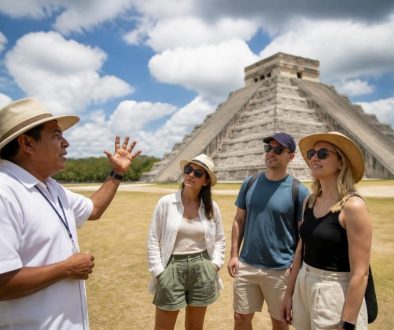
The travel industry continues to evolve, creating unprecedented opportunities for independent professionals who want to share their passion for destinations with visitors. Working as a freelance tour guide offers the freedom to design unique experiences, set your own schedule, and connect travelers with the authentic essence of a location. Unlike traditional employment with tour operators, the freelance path allows you to build a personal brand, develop specialized tours that reflect your interests, and create meaningful connections with clients who value personalized attention. Whether you're considering entering this field or looking to enhance your existing practice, understanding the fundamentals of freelance guiding will help you build a sustainable and rewarding career.
Essential Skills Every Freelance Tour Guide Needs
Success in the freelance guiding business requires a diverse skill set that extends far beyond knowing historical facts. Communication stands at the core of effective guiding, as you must articulate stories in ways that engage diverse audiences while adapting your style to different group dynamics.
Storytelling and Presentation
The ability to transform facts into compelling narratives separates exceptional guides from average ones. Your role involves weaving historical information, cultural insights, and personal anecdotes into stories that resonate emotionally with visitors. Practice varying your pacing, tone, and delivery to maintain engagement throughout multi-hour experiences.
- Master the art of reading your audience and adjusting content complexity
- Develop signature stories that showcase your unique perspective
- Use strategic pauses and emphasis to create memorable moments
- Incorporate questions to encourage participation and dialogue
Cultural Competency and Language Skills
Working with international visitors requires sensitivity to cultural differences and communication styles. While native fluency in English opens significant opportunities, particularly for English walking tours in non-English speaking destinations, understanding basic phrases in multiple languages demonstrates respect and enhances guest experiences.

Building Your Freelance Tour Guide Business
Establishing yourself as an independent guide requires strategic planning and business acumen. Unlike employed guides who receive assignments from agencies, you're responsible for every aspect of operations, from marketing to financial management.
Developing Your Niche and Tour Offerings
Specialization helps you stand out in competitive markets. Consider your unique knowledge, interests, and the gaps in your local tourism market. Perhaps you have expertise in literary history, architectural movements, culinary traditions, or music heritage that could form the foundation of distinctive tours.
The responsibilities and challenges of working as a freelance tour guide include designing engaging itineraries that balance education with entertainment. When developing your tour portfolio, consider these approaches:
- Thematic Tours: Focus on specific interests like literature, food, architecture, or music
- Neighborhood Explorations: Showcase lesser-known areas that larger operators overlook
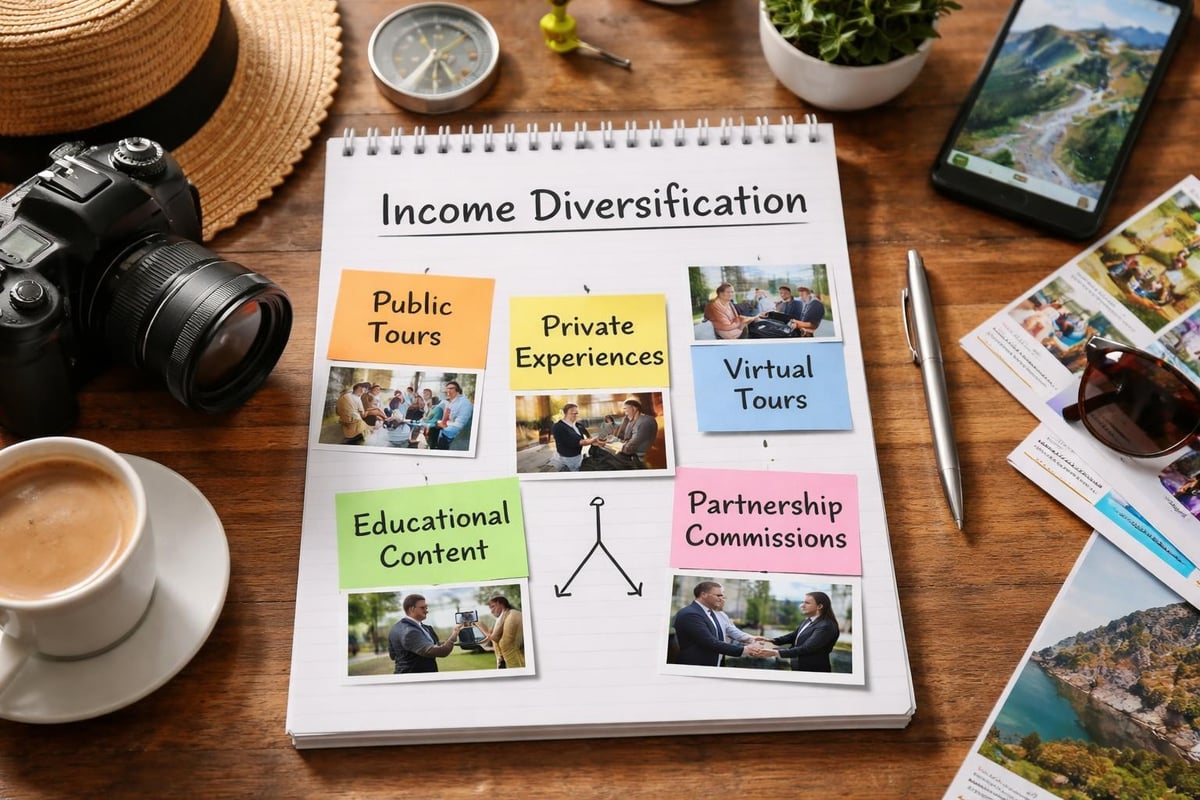
- Private Experiences: Design exclusive tours for families, couples, or small friend groups
- Combination Packages: Create multi-day or half-day options that offer comprehensive coverage
| Tour Type | Typical Duration | Price Range | Best For |
|---|---|---|---|
| Walking Tour | 2-3 hours | $30-75 per person | History, architecture, neighborhoods |
| Private Custom Tour | 3-4 hours | $200-400 per group | Families, special occasions |
| Full-Day Experience | 6-8 hours | $400-800 per group | In-depth exploration, multiple sites |
| Specialized Theme Tour | 2-4 hours | $50-100 per person | Literature, food, music enthusiasts |
Pricing Your Services Strategically
Determining appropriate rates requires research into local market conditions, your experience level, and the value you provide. When setting your freelance tour guide rates, consider direct costs like transportation, admission fees, and permits, along with indirect expenses such as insurance, marketing, and continued education.
Many guides start with competitive pricing to build reviews and reputation, then gradually increase rates as they establish credibility. Private group tours typically command premium pricing compared to per-person rates for joining existing groups. Factor in seasonality, with peak tourist periods justifying higher prices.
The course content offered by Elevify covers pricing strategies alongside other essential business skills for independent guides. Their structured approach helps you understand how to value your time and expertise appropriately.
Marketing Yourself as an Independent Guide
Visibility determines success in the freelance guiding business. Even guides with exceptional knowledge and presentation skills struggle without effective marketing strategies that reach potential clients.
Building Your Online Presence
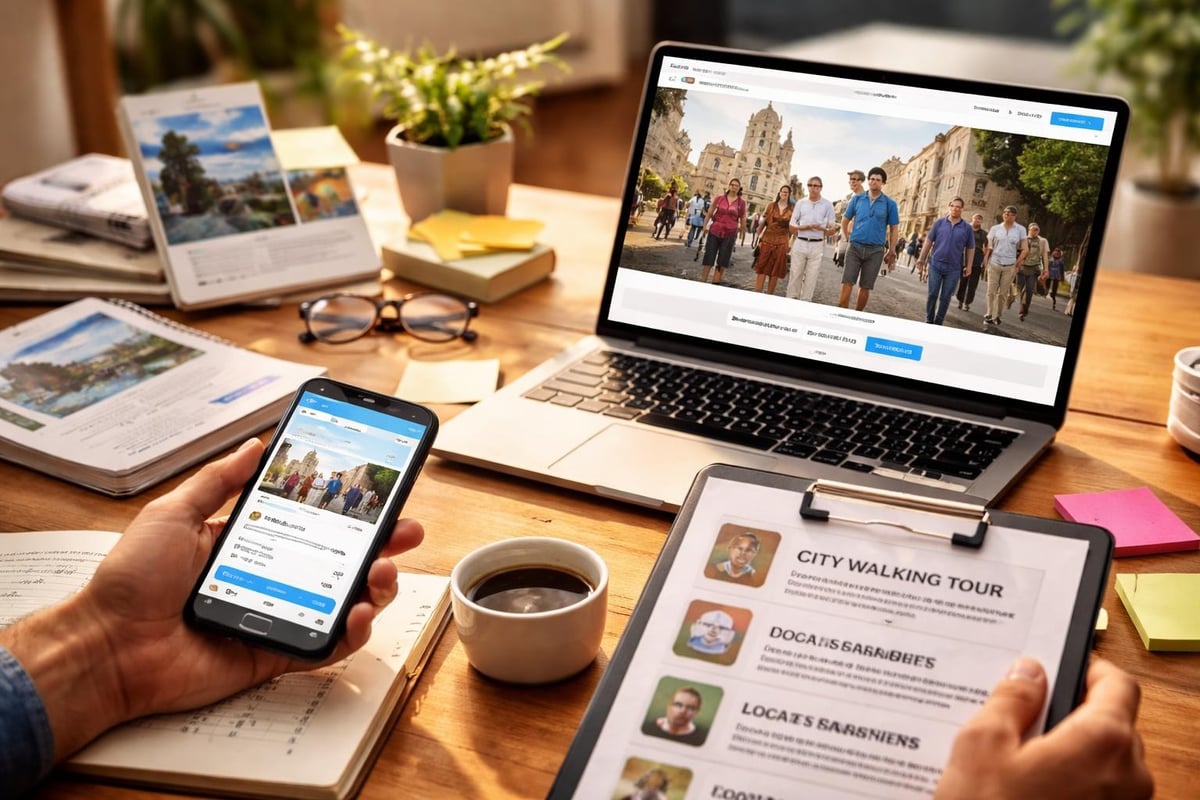
A professional website serves as your digital headquarters, showcasing your expertise, tour offerings, and client testimonials. Include high-quality photos from your tours, detailed descriptions of what makes your experiences unique, and clear booking information.
Essential website elements include:
- Compelling tour descriptions with duration, highlights, and what's included
- Professional photos showing you in action and key tour locations
- Authentic testimonials from previous clients
- Clear pricing and booking process
- About page establishing your credentials and passion
- Blog content demonstrating your local expertise
Social media platforms offer powerful tools for showcasing your personality and connecting with potential clients. Share behind-the-scenes insights, historical facts, seasonal changes in your destination, and glimpses of memorable tour moments.
Leveraging Online Platforms and Networks
Platforms like GuideScout connect freelance tour guides with travel companies and help manage bookings efficiently. These marketplaces provide exposure to travelers actively searching for guided experiences, though they typically charge commission fees or subscription costs.
Building relationships with hotels, hostels, and local businesses creates valuable referral networks. Provide concierge staff with your business cards and information about your tours, especially if you offer experiences that complement their guest demographics.
Delivering Exceptional Tour Experiences
Your reputation as a freelance tour guide depends entirely on the experiences you create for clients. Consistency, professionalism, and attention to detail separate successful guides from those who struggle to maintain a steady client base.
Pre-Tour Preparation and Communication
Professional guides begin delivering value before the tour starts. Send confirmation emails with meeting point details, what to wear, and what to bring. Provide context about what guests will experience to build anticipation.
Research your guests when possible. Understanding whether you're guiding honeymooners, a family with teenagers, or corporate colleagues allows you to tailor your approach and content appropriately. This personalization creates the foundation for tailored tours that exceed expectations.
Check weather forecasts, confirm operating hours for any sites you'll visit, and have backup plans ready. Review your route for any construction, closures, or events that might affect your itinerary.
Managing Group Dynamics
Successfully managing diverse personalities and expectations requires emotional intelligence and situational awareness. Establish ground rules at the beginning regarding timing, photo stops, and restroom breaks.
- Start with icebreakers to create comfortable group atmosphere
- Position yourself where everyone can hear clearly
- Make eye contact with all participants throughout the tour
- Monitor pace to ensure no one falls behind or feels rushed
- Address questions respectfully while maintaining schedule
The critical role of tour guides in delivering memorable experiences extends beyond knowledge sharing to creating emotional connections that transform ordinary sightseeing into unforgettable memories.
Legal and Professional Considerations
Operating as a legitimate freelance tour guide requires attention to regulatory requirements and professional standards that protect both you and your clients.
Licensing and Certification Requirements
Regulations vary significantly by destination. Some cities require official tour guide licenses obtained through examinations and certification programs, while others have minimal oversight. Research your specific location's requirements thoroughly before launching your business.
Even where certification isn't mandatory, pursuing professional credentials demonstrates commitment and expertise. Organizations offer specialized training in areas like first aid, cultural heritage interpretation, and sustainable tourism practices.
Insurance and Liability Protection
Professional liability insurance protects you against claims related to accidents, injuries, or dissatisfaction during tours. General liability coverage typically costs between $300 and $800 annually for individual guides, depending on coverage limits and your location.
Key insurance considerations:
- General liability covering third-party injuries or property damage
- Professional liability for errors, omissions, or negligence claims
- Medical payments coverage for immediate care following minor incidents
- Additional coverage for vehicle use if transportation is included
Consider requiring clients to sign waivers acknowledging inherent risks in activities like walking tours, especially when visiting areas with uneven surfaces or vehicle traffic.
Growing and Scaling Your Freelance Practice
As you establish your reputation and build a client base, strategic growth opportunities emerge that can increase income while maintaining the flexibility that attracted you to freelance work.
Developing Partnerships and Collaborations
Collaborating with other professionals expands your capabilities and client reach. Partner with professional tour guides who have complementary specialties to offer combined experiences or cover tours when you're unavailable.
Establish relationships with local restaurants, museums, and artisans to create exclusive experiences for your clients. These partnerships often provide commission opportunities while adding unique value to your tours.
Creating Passive Income Streams
Experienced guides can leverage their knowledge beyond in-person tours. Consider developing digital products like:
- Downloadable self-guided tour maps and audio guides
- Online courses teaching aspiring guides about your destination
- E-books or photo guides featuring hidden gems and insider tips
- Virtual tour experiences for remote audiences
Understanding best practices for hiring tour guides from an operator perspective helps you position yourself as a preferred contractor for agencies needing seasonal or overflow support.
Managing the Business Side of Guiding
Financial management, customer relationship systems, and operational efficiency determine long-term sustainability for independent guides.
Booking and Payment Systems
Implement reliable systems for managing reservations and processing payments. Online booking platforms streamline the customer experience while reducing administrative burden. Options range from simple calendar tools to comprehensive solutions offering payment processing, automated confirmations, and client management.
Accept multiple payment methods to accommodate different client preferences. While cash remains common in tourism, offering credit card and digital payment options reduces barriers to booking.
| Payment Method | Pros | Cons |
|---|---|---|
| Cash | No processing fees, immediate | Security concerns, no paper trail |
| Credit Cards | Convenient, professional | Processing fees 2-3% |
| Digital Wallets | Fast, popular with younger travelers | Technical requirements |
| Bank Transfers | Low fees for large amounts | Delayed confirmation |
Time Management and Scheduling
Balancing tour commitments with business development, marketing, and personal time requires disciplined scheduling. Block specific days or times for administrative work, content creation, and professional development rather than trying to fit these tasks around tours.
The pros and cons of hiring freelance guides from an employer perspective reveal that reliability and professionalism rank among the most valued characteristics. Apply these same standards to yourself by maintaining consistent availability patterns and honoring commitments.
Continuing Education and Professional Development
The best guides never stop learning. Tourism landscapes evolve, destinations change, and staying current ensures you provide accurate, relevant information while maintaining enthusiasm for your work.
Staying Current with Destination Knowledge
Regular research keeps your content fresh and accurate. Subscribe to local history publications, follow museum exhibitions, attend cultural events, and network with historians and academics who study your area.
Walk your routes frequently to notice seasonal changes, new businesses, or alterations that affect your itinerary. These observations allow you to provide current, insider information that guidebooks can't match.
Professional development resources:
- Industry conferences connecting guides with peers and learning opportunities
- Online courses covering specialized topics like sustainable tourism or accessibility
- Local expert lectures and workshops expanding your knowledge base
- Language classes improving your ability to serve diverse clients
Gathering and Implementing Feedback
Successful guides actively solicit and respond to client feedback. Send follow-up emails requesting reviews and testimonials while the experience remains fresh in guests' minds. Study criticism constructively, identifying patterns that indicate areas for improvement.
Review platforms provide visibility but also accountability. Maintaining high ratings requires consistent excellence across hundreds of interactions. When negative reviews occur, respond professionally, acknowledge concerns, and explain how you've addressed the issue.
The insights from becoming a successful freelance tour guide emphasize the importance of designing and drafting tour packages that showcase local knowledge while creating personalized experiences visitors treasure.
Seasonal Strategies and Income Stabilization
Most destinations experience seasonal tourism fluctuations that impact freelance guide income. Developing strategies to navigate slow periods ensures financial stability year-round.
Diversifying Your Tour Calendar
Expand beyond peak season by creating experiences suited to different times of year. Winter might focus on indoor cultural attractions, holiday traditions, or seasonal festivals. Shoulder seasons often attract different demographics, like retirees or digital nomads, who appreciate avoiding crowds.
Consider offering guided vacations during slower months, combining multiple days of touring with unique experiences that justify travel during off-peak periods.
Alternative Income During Low Season
Many guides use quiet months for professional development, content creation, or temporary work in complementary fields. Others travel to destinations with opposite seasonal patterns, guiding in warm climates during their home region's winter.
Virtual tours gained popularity during 2020-2021 and remain viable income sources. While rates typically run lower than in-person experiences, they require no travel time and can accommodate larger groups across multiple time zones.
Building a successful career as a freelance tour guide requires dedication to craft, business acumen, and genuine passion for connecting people with places. The flexibility and fulfillment of independent guiding make the entrepreneurial challenges worthwhile for those committed to excellence. If you're seeking expertly guided experiences in Stockholm that exemplify the personalized approach that makes freelance guiding special, discover how Adding:tours creates unforgettable journeys through tailored itineraries, insider knowledge, and authentic local perspectives for private groups and small gatherings.