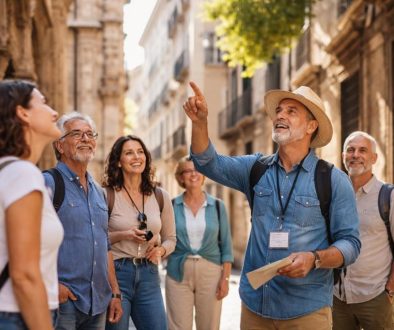

Blue Badge Tour Guide: Excellence in Guided Tours
When you invest in a guided tour, the quality of your guide can make the difference between a forgettable outing and an unforgettable experience. The blue badge tour guide represents the highest standard of professional guiding in the tourism industry, particularly within the United Kingdom. These certified professionals undergo rigorous training and assessment to earn their credentials, ensuring visitors receive expert commentary, historical accuracy, and engaging storytelling. For tour operators and travelers alike, understanding the value that qualified guides bring to the table helps explain why professional expertise matters in creating memorable explorations.
What Defines a Blue Badge Tour Guide
A blue badge tour guide is a professionally qualified individual who has completed extensive training through the Institute of Tourist Guiding’s Blue Badge qualification program. This certification demonstrates mastery of local history, culture, architecture, and geography within specific regions.
The qualification requires candidates to complete comprehensive coursework covering everything from ancient history to contemporary culture. Trainees spend hundreds of hours studying their designated regions, developing presentation skills, and learning how to manage groups effectively.
Rigorous Training Standards
The path to becoming a blue badge tour guide demands significant commitment and expertise. Training typically spans 18 to 24 months and includes both academic study and practical experience.
Key training components include:
- Historical research and fact verification across multiple time periods
- Regional geography and topographical knowledge
- Architectural styles and building identification
- Cultural sensitivity and diversity awareness
- Group management and customer service excellence
- Emergency procedures and safety protocols
Assessment combines written examinations, practical guiding demonstrations, and site-specific knowledge tests. This multi-layered evaluation ensures only the most competent candidates receive certification.

The Blue Badge Difference in Professional Guiding
The distinction between a casual tour guide and a blue badge tour guide becomes immediately apparent during any guided experience. These professionals bring depth, accuracy, and engagement that transforms sightseeing into genuine education.
According to Wikipedia’s overview of Blue Badge tourist guides, these certified professionals receive exclusive access to many historic sites and cultural institutions. This privileged status allows them to provide experiences unavailable to unlicensed guides.
Exclusive Access and Privileges
Many major attractions and historic properties grant special permissions to blue badge tour guides that enhance visitor experiences significantly.
| Institution Type | Standard Access | Blue Badge Access |
|---|---|---|
| Historic Palaces | Public areas only | Extended access to restricted zones |
| Museums | General admission | Behind-the-scenes opportunities |
| Private Collections | Limited availability | Priority booking and special arrangements |
| Religious Sites | Basic tours | Enhanced access during services |
This preferential treatment isn't granted arbitrarily. Institutions trust certified guides to represent their properties accurately, respect conservation requirements, and deliver factual information to visitors.
Regional Expertise and Specialization
While the blue badge represents a universal standard of excellence, these guides specialize in specific geographic regions. A guide certified for London possesses different expertise than one qualified for Edinburgh or Bath.
The Guide London organization emphasizes how their members undergo location-specific training that covers everything from Roman settlements to contemporary architecture. This depth of knowledge allows guides to answer detailed questions and provide context that enriches every stop on a tour.
Matching Expertise to Experience
Finding the right blue badge tour guide for your specific interests enhances the value of any tour dramatically. Professional tour operators understand this matching process.
Consider these specialization areas:
- Architectural heritage – Medieval castles, Georgian townhouses, Victorian engineering
- Literary connections – Author homes, fictional locations, publishing history
- Military history – Battlefields, fortifications, war memorials
- Royal heritage – Palace histories, ceremonial traditions, monarchical succession
- Industrial revolution – Factory sites, canal systems, technological innovations
Services like GuideMatch help connect visitors with guides whose expertise aligns with their interests. This personalized approach ensures every tour delivers maximum relevance and engagement.
Beyond London: Blue Badge Standards Worldwide
While the blue badge system originated in the United Kingdom, similar professional standards exist in other countries. The concept of certified, professionally trained guides has influenced tourism industries globally.
Professional guides in Stockholm, for instance, may not carry a blue badge but often receive comparable training through national tourism organizations. At Adding:tours, our native English-speaking guides bring the same dedication to expertise and personalized service that characterizes blue badge professionals.
Adapting Excellence to Different Markets
The principles that make a blue badge tour guide exceptional translate across different cities and countries. These core competencies remain consistent regardless of location.
Universal professional standards include:
- Comprehensive historical and cultural knowledge
- Engaging presentation and storytelling abilities
- Flexibility to adapt tours to group interests
- Professional conduct and reliability
- Continuous learning and knowledge updates
- Customer service excellence
Tour operators who embrace these standards, whether in London, Stockholm, or anywhere else, deliver superior experiences. The commitment to professionalism and expertise matters more than the specific credential.
Personalization and Small Group Advantages
One significant advantage of working with qualified guides is their ability to customize experiences for intimate groups. Unlike mass-market tours that follow rigid itineraries, professional guides adapt to their clients' interests and pace.
For private groups and small gatherings, this flexibility transforms standard sightseeing into personalized exploration. A blue badge tour guide or equivalent professional reads the group's energy, adjusts timing, and emphasizes topics that resonate most strongly with participants.
Creating Memorable Experiences
The difference between adequate and exceptional guiding often lies in the details. Professional guides notice when participants show particular interest in certain subjects and expand on those topics naturally.
| Tour Aspect | Standard Approach | Professional Blue Badge Approach |
|---|---|---|
| Timing | Fixed schedule | Flexible pacing based on group interest |
| Content | Scripted information | Responsive to questions and curiosity |
| Route | Predetermined path | Adaptable based on conditions and preferences |
| Interaction | Limited engagement | Active dialogue and discussion |
This responsive approach characterizes excellent guiding across all markets. Whether exploring Stockholm’s Old Town or London's historic quarters, professional guides prioritize participant satisfaction over rigid adherence to schedules.
Specialized Thematic Tours
Blue badge tour guides often develop specialized thematic tours that dive deep into specific subjects. These focused experiences appeal to visitors with particular interests beyond general sightseeing.
Thematic specializations might include musical heritage, literary locations, culinary traditions, or specific historical periods. Mike Dickson, an experienced Blue Badge Tour Guide, demonstrates how guides develop signature tours that showcase their unique expertise and passion.
Literary and Cultural Explorations
Themed tours connecting literature, music, or art to physical locations create powerful experiences. These specialized offerings require guides to possess knowledge extending far beyond dates and architectural styles.
Popular thematic tour categories:
- Literary trails following famous authors and fictional characters
- Musical journeys exploring venues, recording studios, and artist neighborhoods
- Culinary tours combining food culture with historical context
- Film location tours visiting shooting sites and cinematic landmarks
- Artistic movements tracing impressionism, modernism, or contemporary art
For instance, the ABBA journey in Stockholm combines musical history with Swedish culture, creating an immersive experience that transcends typical sightseeing. Such specialized tours benefit enormously from guides who understand both the subject matter and its cultural significance.

Sustainable and Responsible Tourism
Modern blue badge tour guides increasingly emphasize sustainable tourism practices. This evolution reflects growing awareness of tourism's environmental and cultural impact on destinations.
Organizations like Take Me To London showcase how independent Blue Badge Guides incorporate eco-friendly practices and local engagement into their tours. This approach benefits communities while providing more authentic experiences for visitors.
Environmental and Cultural Stewardship
Professional guides play crucial roles in educating visitors about responsible tourism. Their influence extends beyond the tour itself, shaping how travelers interact with destinations.
Sustainable guiding practices include:
- Using public transportation and walking routes whenever possible
- Supporting local businesses and artisans
- Educating visitors about cultural sensitivities
- Minimizing environmental impact through thoughtful route planning
- Promoting off-season travel to reduce overcrowding
These practices align with broader tourism industry trends toward sustainability. Tour operators who prioritize cultural experiences and responsible travel attract increasingly conscientious travelers.
The Future of Professional Guiding
The tourism industry continues evolving, and professional guiding standards adapt accordingly. Technology, changing traveler expectations, and new communication methods shape how guides deliver their expertise.
Digital tools now complement traditional guiding skills. Professional guides incorporate apps, audio enhancements, and visual aids while maintaining the personal connection that defines excellent guiding.
Continuous Professional Development
Maintaining blue badge status requires ongoing education and skill development. Guides must stay current with new historical research, changing regulations, and evolving best practices.
The Institute of Tourist Guiding emphasizes continuous learning through workshops, seminars, and peer exchanges. This commitment to professional growth ensures guides remain at the forefront of their field.
Emerging areas of guide development:
- Digital storytelling and multimedia integration
- Accessibility and inclusive guiding techniques
- Crisis management and health safety protocols
- Virtual and hybrid tour delivery
- Advanced language and communication skills
These evolving competencies ensure professional guides remain relevant and valuable in changing tourism landscapes.
Selecting the Right Guide for Your Needs
Whether you're planning tours in London, Stockholm, or anywhere else, selecting qualified guides significantly impacts experience quality. Understanding what to look for helps ensure you work with true professionals.
The Guide London Find A Guide feature demonstrates effective matching systems that consider language requirements, specific interests, and desired tour types. Similar vetting processes benefit tour planners in any destination.
Evaluation Criteria
When assessing potential guides, several factors indicate professional competence and suitability for your specific needs.
| Evaluation Factor | What to Look For | Why It Matters |
|---|---|---|
| Credentials | Official certifications and qualifications | Ensures professional standards |
| Specializations | Relevant expertise for your interests | Provides deeper, more engaging content |
| Reviews | Consistent positive feedback | Indicates reliability and quality |
| Communication | Clear, responsive interactions | Suggests professional approach |
| Flexibility | Willingness to customize | Enables personalized experiences |
For operators offering tailored tours, working with guides who embrace customization creates competitive advantages. Visitors increasingly seek personalized experiences rather than generic group tours.
Building Long-Term Relationships
Tour operators benefit enormously from establishing ongoing relationships with excellent guides. These partnerships ensure consistency, reliability, and continuous improvement in service delivery.
Professional guides who understand an operator's brand, standards, and typical client profiles deliver more consistent experiences. This familiarity allows guides to represent the company effectively while maintaining their professional autonomy.
Partnership Benefits
Cultivating strong guide relationships creates mutual advantages for both operators and guides.
Benefits for tour operators:
- Consistent quality across multiple tours
- Reliable availability for bookings
- Guides who understand brand values
- Collaborative development of new tour offerings
- Professional representation to clients
Benefits for guides:
- Steady work and income stability
- Understanding of client expectations
- Opportunities for specialized tour development
- Professional growth through feedback
- Long-term career sustainability
These partnerships work best when both parties respect professional boundaries while collaborating effectively. Clear communication, fair compensation, and mutual respect form the foundation of successful long-term relationships.
The Economics of Quality Guiding
Investing in blue badge tour guides or equivalent professionals represents a significant operational cost, but this investment pays dividends through enhanced customer satisfaction and repeat business.
According to industry research, tours led by certified professional guides receive substantially higher satisfaction ratings than those led by unlicensed guides. This quality difference translates directly into reviews, referrals, and repeat bookings.
Value Proposition
Understanding the economic impact of guide quality helps justify premium pricing and professional investment.
Higher customer satisfaction leads to better reviews on platforms that influence booking decisions. Positive feedback creates a virtuous cycle attracting quality-conscious travelers willing to pay appropriate rates for exceptional experiences.
Professional guides also reduce operational risks. Their training includes safety protocols, emergency procedures, and crisis management that protect both visitors and operators from potential liabilities.
The blue badge tour guide standard represents excellence in professional guiding, combining rigorous training, comprehensive knowledge, and exceptional presentation skills. While this specific certification applies primarily to the United Kingdom, the principles underlying it influence quality guiding worldwide. Whether exploring London's historic landmarks or Stockholm's cultural treasures, working with professionally trained guides elevates every experience. At Adding:tours, we bring this same commitment to expertise and personalized service to every tour, ensuring your Stockholm exploration becomes truly memorable through insider knowledge and genuine local perspective.