English Tour: Complete Guide to Language-Rich Experiences
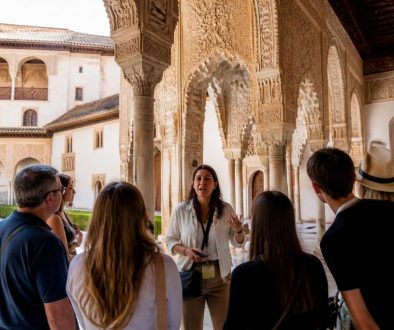
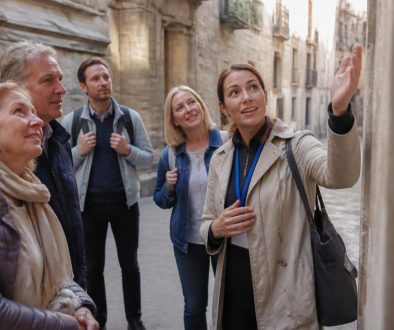
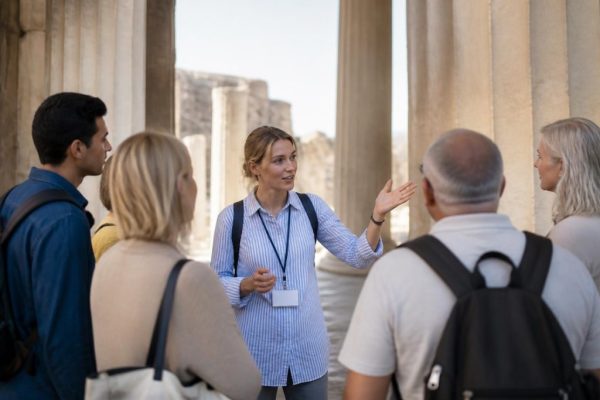
Traveling to new destinations becomes infinitely more rewarding when you can fully understand the stories, history, and cultural nuances shared by your guide. An english tour provides that essential bridge between curiosity and comprehension, allowing visitors to engage deeply with every experience. Whether you're exploring ancient streets in Europe, uncovering hidden artistic treasures, or following literary trails through historic cities, having a guide who speaks fluent English transforms passive observation into active learning. The difference between simply seeing landmarks and truly understanding their significance often comes down to clear communication in a language you're comfortable with.
Why Language Matters in Guided Experiences
The quality of any sightseeing experience depends heavily on effective communication between guide and visitor. When you book an english tour, you're investing in comprehension that goes beyond basic translations.
Native English-speaking guides bring subtle advantages that non-native speakers, despite their expertise, may struggle to deliver. They understand idioms, cultural references, and can answer spontaneous questions with precision. This fluency allows them to weave narratives that resonate emotionally, making historical events feel immediate and relevant.
Key advantages of English-speaking guides include:
- Nuanced storytelling that captures cultural context
- Ability to answer complex questions without language barriers
- Comfort in handling group dynamics and diverse personalities
- Skills in adjusting explanations based on audience background
- Capacity to share insider tips and local recommendations clearly
Beyond basic comprehension, language proficiency affects your comfort level during tours. When guides struggle with English, visitors often hesitate to ask questions or seek clarification, missing opportunities for deeper understanding.
Selecting the Right English-Language Tour
Not all tours marketed toward English speakers deliver the same quality experience. Discerning travelers should evaluate several factors before booking.
Guide Credentials and Background
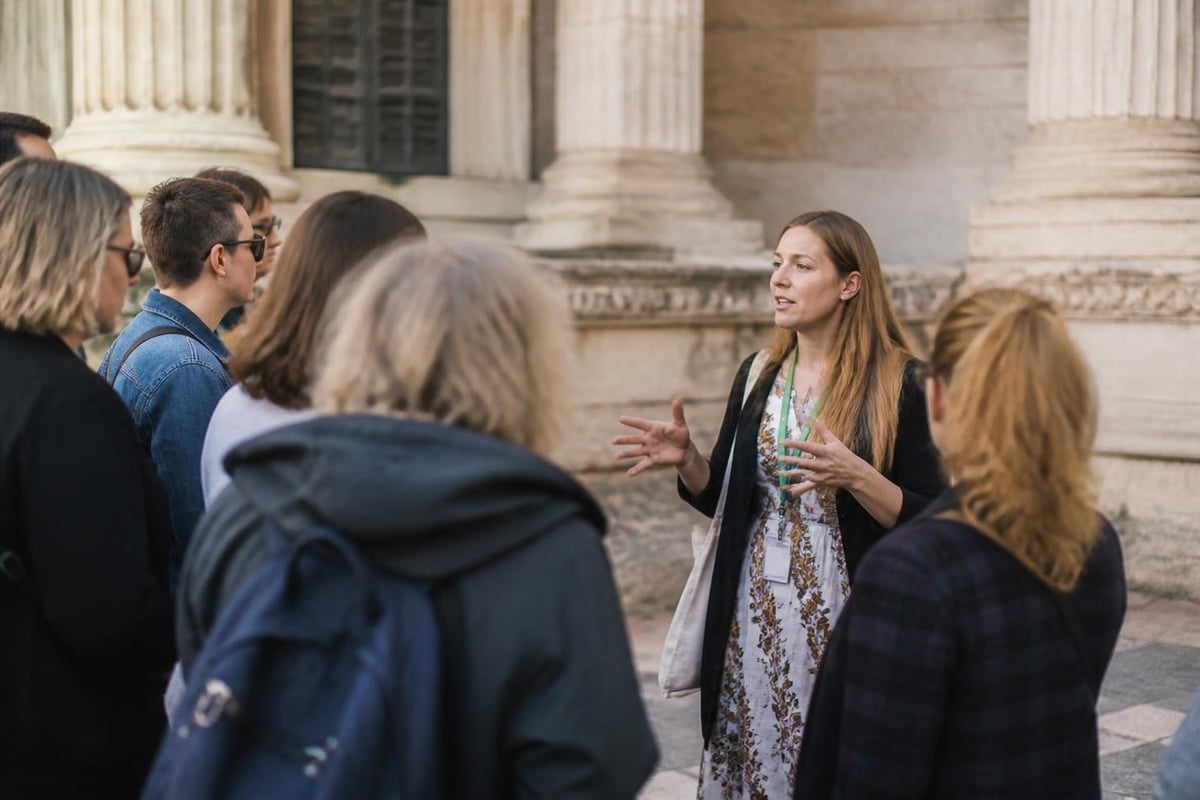
Research whether guides are native English speakers or have achieved professional proficiency. Many expert-led private walking tours emphasize their guides' academic credentials and language skills. For specialized tours, such as history tours, background expertise matters as much as language ability.
Check reviews specifically mentioning communication quality. Previous participants often note whether guides spoke clearly, answered questions thoroughly, or struggled with technical vocabulary.
Group Size and Interaction Opportunities
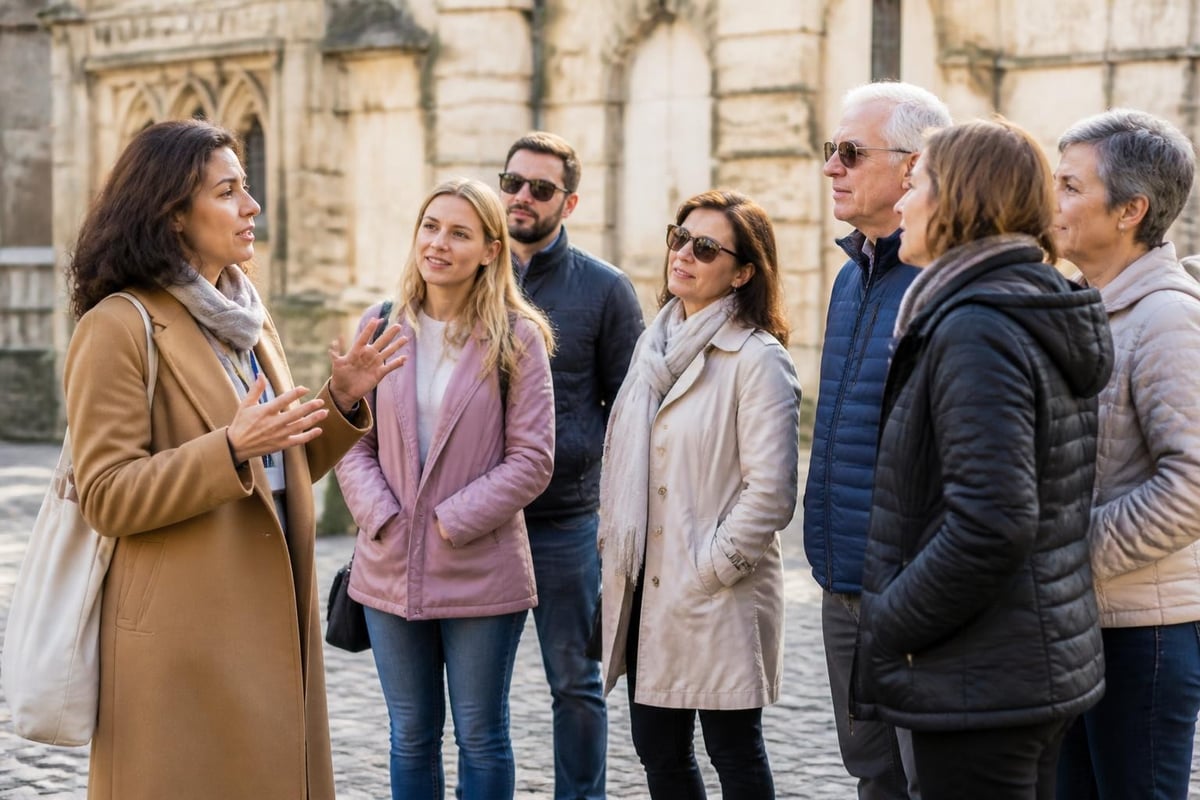
Smaller groups facilitate better communication. An english tour designed for small group tours for seniors or intimate gatherings allows more personalized interaction than large bus tours where individual questions get lost.
| Group Size | Communication Quality | Personal Attention | Question Opportunities |
|---|---|---|---|
| 1-6 people | Excellent | High | Unlimited |
| 7-15 people | Good | Moderate | Frequent |
| 16-25 people | Fair | Limited | Occasional |
| 26+ people | Variable | Minimal | Rare |
Private tours offer maximum flexibility for English-speaking visitors wanting customized experiences. Companies offering tailored tours can adjust pacing, vocabulary level, and content depth based on your specific interests.
Tour Format and Learning Style
Different formats suit different learning preferences. Walking tours encourage questions and conversation, while bus tours often involve more passive listening. Audio tours, like those available through self-guided GPS options, let you control pacing but eliminate real-time dialogue.
Consider what matters most:
- Interactive experiences with live Q&A sessions
- Structured presentations covering comprehensive information
- Flexible exploration with guidance as needed
- Technology-enhanced options combining audio and visual elements
Maximizing Your English Tour Experience
Preparation significantly impacts how much you absorb during guided experiences. Well-prepared participants engage more actively and retain information better.
Pre-Tour Research
Familiarize yourself with basic facts about your destination before the english tour begins. This foundation helps you ask more sophisticated questions and appreciate subtle details guides share. Reading about Stockholm's history, for instance, prepares you to understand references during an old town walking tour.
Effective preparation steps:
- Review key historical periods relevant to your destination
- Learn major landmarks and their significance
- Understand cultural customs that might arise during tours
- Prepare specific questions about topics that interest you
- Research your guide's specialization if available
Active Participation Strategies
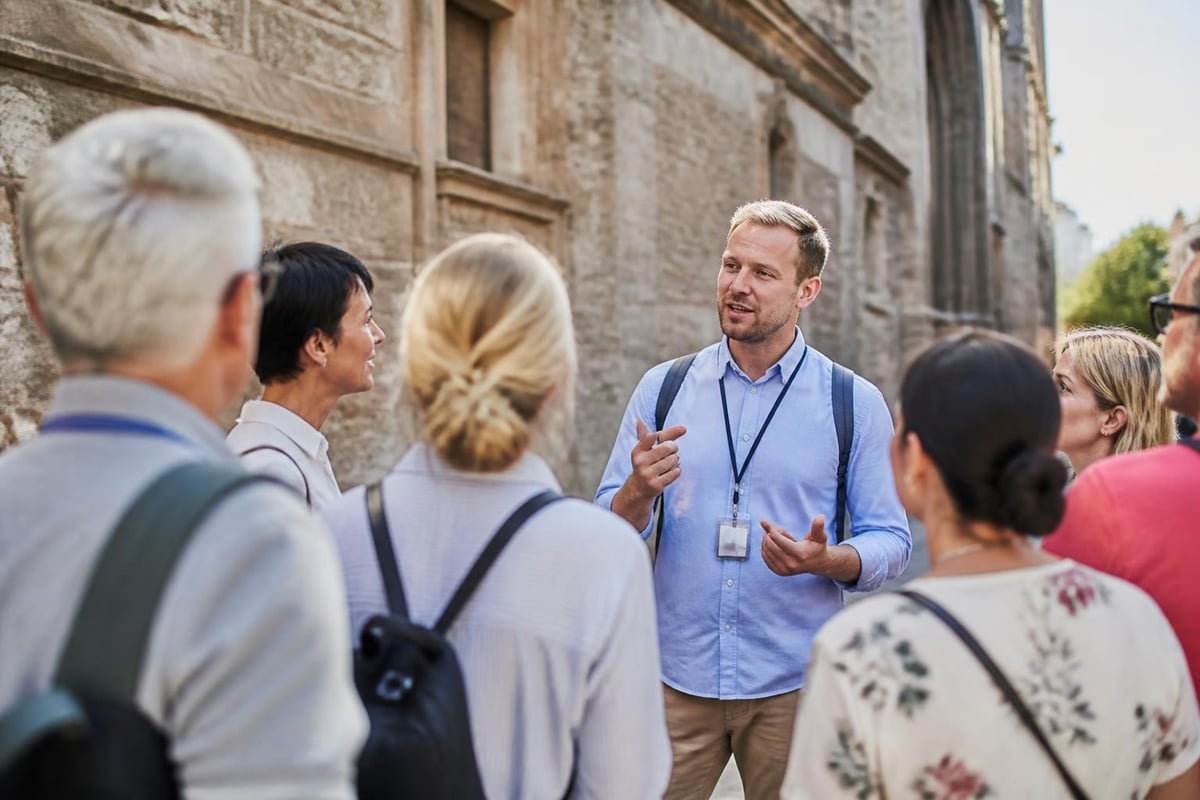
The best english tour participants don't just listen-they engage. Ask questions when details confuse you or when you want deeper explanation. Professional guides appreciate curiosity and often share their most fascinating insights in response to visitor questions.
Take notes during tours, especially when guides mention recommended restaurants, hidden viewpoints, or optimal visiting times for attractions. These insider tips often prove more valuable than guidebook recommendations.
Specialized English Tours Worth Considering
Beyond general sightseeing, specialized tours cater to specific interests while maintaining excellent English communication.
Literary and Cultural Immersion
Literary tours connect readers with the physical settings of beloved books. Stockholm offers english tour experiences following Stieg Larsson's Millennium trilogy, visiting actual locations featured in "The Girl with the Dragon Tattoo." These experiences combine literary analysis with urban exploration.
Cultural tours dive deeper than surface-level tourism. Organizations like QuickCulture focus on art appreciation, helping visitors understand artistic movements, techniques, and historical context through clear English explanation.
Music and Entertainment Heritage
Music-focused tours celebrate a destination's contribution to global culture. ABBA-themed experiences in Stockholm take fans to recording locations, band member homes, and the museum celebrating Sweden's most famous musical export. These tours work best with English-speaking guides who can explain lyrics, cultural impact, and musical evolution.
Architectural and Historical Deep Dives
Architecture enthusiasts benefit from guides who can explain building techniques, historical context, and aesthetic movements in precise English. The guided tour of Grand Central Terminal demonstrates how architectural tours reveal hidden details casual visitors miss.
Historical tours vary widely in depth. Some provide overview narratives, while others examine specific periods or events exhaustively. Tours offered by specialists like Through Eternity in Rome demonstrate how expert knowledge combined with excellent English creates memorable educational experiences.
Virtual and Hybrid Tour Options
Technology has expanded how we experience english tour offerings, especially following recent years' travel restrictions.
Interactive Virtual Experiences
Virtual tours maintain communication benefits while eliminating geography constraints. Interactive virtual group experiences allow participants worldwide to explore destinations together through live English-speaking guides who share screens, lead discussions, and answer questions in real-time.
These formats work particularly well for:
- Pre-trip familiarization with destinations
- Educational groups exploring locations remotely
- Accessibility-focused experiences for those unable to travel
- Corporate team-building with cultural components
- Continued exploration of favorite destinations from home
Blended Learning Approaches
Some providers combine self-paced audio content with scheduled live sessions. You might explore independently using GPS-guided English audio, then join group video calls for Q&A with expert guides. This hybrid approach accommodates different schedules while preserving communication quality.
Evaluating Tour Providers
Not all companies delivering english tour experiences meet the same standards. Critical evaluation protects against disappointing experiences.
Quality Indicators
Look for providers emphasizing guide qualifications. Companies that invest in hiring professional tour guides with relevant degrees, certifications, and extensive experience typically deliver superior experiences.
Check whether providers offer satisfaction guarantees or clearly defined cancellation policies. Established companies confident in their service quality stand behind their offerings.
| Quality Factor | Red Flags | Green Flags |
|---|---|---|
| Guide Background | Vague credentials | Specific expertise listed |
| Group Size | Unlimited capacity | Capped participation |
| Communication | Generic responses | Personalized answers |
| Pricing | Suspiciously low | Transparent breakdown |
| Reviews | Generic praise | Specific details mentioned |
Understanding Pricing Structures
English tour pricing reflects multiple factors: guide expertise, group size, duration, included amenities, and exclusivity. Private experiences cost more than group tours but deliver personalized attention. VIP city tours command premium prices through enhanced services and exclusive access.
Budget-conscious travelers can find value through:
- Booking directly with local providers rather than through resellers
- Choosing less popular time slots (weekday mornings often cost less)
- Joining scheduled group tours instead of private options
- Combining multiple tours with the same company for discounts
- Traveling during shoulder seasons when promotional rates apply
Regional Considerations for English Tours
English proficiency among guides varies significantly by destination. Understanding regional patterns helps set realistic expectations.
High-Proficiency Destinations
English-speaking countries naturally offer the most native guides, but many European cities maintain high standards. Stockholm, Amsterdam, Copenhagen, and Dublin consistently provide excellent english tour options with guides who speak fluently and idiomatically.
Developing Tourism Markets
Emerging destinations may have fewer fluent English-speaking guides. In these locations, booking through international companies that supply their own guides often yields better communication than local providers still developing language skills.
Cultural Communication Styles
Even fluent English speakers from different cultures may communicate differently. Nordic guides often favor understated delivery, while Mediterranean guides might employ more animated storytelling. Neither approach is superior-they simply reflect cultural communication norms. Understanding these differences prevents misinterpreting style as competence.
The Future of English Language Tours
Tourism evolution continues reshaping how guides and visitors interact. Several trends are emerging for english tour experiences.
Technology Integration
Augmented reality applications are beginning to supplement live guides, providing visual overlays explaining historical contexts. However, technology works best alongside skilled English-speaking guides who contextualize information and answer spontaneous questions.
Translation devices improve constantly, but they still miss nuance, humor, and cultural context that native or fluent speakers naturally convey. For the foreseeable future, human guides speaking excellent English will remain the gold standard.
Specialization Increase
General overview tours are giving way to hyper-specialized experiences. Instead of "Stockholm in a Day," providers now offer focused experiences: "Stockholm's Design Legacy," "Stockholm's Female Pioneers," or "Stockholm's Cold War Secrets"-all delivered in English by subject matter experts.
Sustainability Focus
Conscious travelers increasingly seek guides who can explain environmental initiatives, conservation efforts, and sustainable tourism practices in English. Tours highlighting a destination's ecological commitments appeal to environmentally aware visitors wanting deeper understanding.
The evolution toward smaller, more personalized experiences benefits English-speaking travelers. Companies focusing on private tour guide services can deliver highly customized experiences impossible in large-group formats.
Selecting the right english tour transforms sightseeing from superficial observation into meaningful cultural exchange and learning. Whether you're exploring Stockholm's medieval alleyways, following literary trails, or diving into musical heritage, clear communication with knowledgeable guides elevates every moment. Adding:tours specializes in creating these precise experiences for private groups and small gatherings, with native English-speaking guides who share insider perspectives that turn visits into truly special memories. Our personalized approach ensures every tour matches your interests perfectly, whether you're exploring classic Stockholm landmarks or embarking on creative adventures through the city's hidden stories.