Experience Tour: Creating Unforgettable Travel Moments
The travel landscape has shifted dramatically from generic group tours to immersive, personalized journeys that connect travelers with destinations on a deeper level. An experience tour transforms ordinary sightseeing into memorable encounters that resonate long after the journey ends. Rather than simply viewing landmarks from a distance, today's travelers seek authentic connections with local culture, history, and people. This evolution reflects a fundamental change in how we approach travel, with visitors prioritizing quality interactions over quantity of attractions. Through carefully curated narratives, expert local knowledge, and flexible itineraries, an experience tour delivers value that extends far beyond traditional tourism offerings.
The Foundation of Memorable Travel Experiences
An experience tour begins with understanding that every traveler brings unique interests, preferences, and expectations to their journey. The most successful tours recognize this diversity and adapt accordingly, creating frameworks that accommodate individual needs while maintaining cohesive group dynamics.
Personalization as the Core Element
Modern travelers expect more than one-size-fits-all itineraries. They want tours that reflect their specific interests, whether that's architectural history, culinary discoveries, literary connections, or musical heritage. The professional tour guide serves as the critical link between these interests and the destination's offerings.
Key personalization elements include:
- Pre-tour consultations to understand group preferences
- Flexible pacing that accommodates different mobility levels
- Topic-specific focus areas based on traveler backgrounds
- Customizable duration and intensity of activities
- Language considerations for international visitors
When planning an experience tour, operators must balance structure with spontaneity. A rigid schedule may miss opportunities for authentic moments, while excessive flexibility can lead to inefficient use of time. The sweet spot lies in maintaining a framework that guides the journey while allowing room for unexpected discoveries.

Leveraging Local Expertise and Insider Knowledge
The difference between a mediocre tour and an exceptional experience tour often comes down to guide expertise. Native English-speaking guides who possess deep local knowledge transform standard sightseeing into revelatory experiences. They don't just recite facts; they weave narratives that contextualize landmarks within broader cultural, historical, and social frameworks.
The Value of Authentic Perspectives
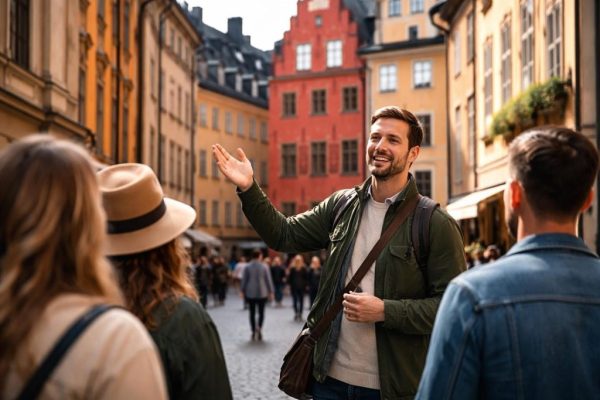
Guides with genuine local connections provide access to stories and locations that guidebooks never capture. They know which narrow alley holds the best-preserved medieval architecture, when the light hits the Royal Palace perfectly for photographs, and which local traditions still thrive in modern Stockholm. This insider access creates moments of discovery that enhance visitor engagement and satisfaction in measurable ways.
Research into visitor behavior demonstrates that personal connections significantly impact overall satisfaction. When guides share personal anecdotes, family histories, or contemporary cultural observations, travelers engage more deeply with the destination. This emotional connection transforms passive observation into active participation.
| Traditional Tour Approach | Experience Tour Approach |
|---|---|
| Fixed script delivery | Adaptive storytelling |
| Landmark-focused | Context-focused |
| One-way information flow | Interactive dialogue |
| Time-driven schedule | Experience-driven pacing |
| Generic recommendations | Personalized suggestions |
Creating Thematic Journeys That Resonate
An experience tour gains depth through thematic coherence. Rather than attempting to cover everything, focused tours allow travelers to explore specific aspects thoroughly. This approach proves particularly effective in destinations with rich, layered histories like Stockholm.
Literary and Cultural Immersion
Thematic tours connect travelers with destinations through familiar cultural touchstones. Following the footsteps of Stieg Larsson through locations featured in "The Girl with the Dragon Tattoo" transforms abstract literary appreciation into tangible spatial understanding. Readers who've only imagined these settings now walk the same streets as Lisbeth Salander and Mikael Blomkvist.
Similarly, music-focused experiences like the ABBA journey in Stockholm to Viggsö with a meal create powerful connections between Sweden's musical heritage and contemporary visitors. These themed adventures offer more than entertainment-they provide contextual frameworks that help travelers understand cultural phenomena within their geographic and historical settings.
Successful thematic elements include:
- Clear narrative threads connecting multiple locations
- Multi-sensory engagement (visual, auditory, tactile experiences)
- Historical context that illuminates contemporary culture
- Opportunities for personal reflection and discussion
- Takeaway elements that extend beyond the tour itself
The cultural tour format works particularly well for small, private groups where participants can engage in substantive conversations without the constraints of large-group dynamics. This intimacy enables deeper exploration of complex topics and encourages questions that might feel awkward in larger settings.
Optimizing the Physical Journey Experience
While content and narrative create intellectual engagement, the physical aspects of an experience tour determine comfort and accessibility. Walking tours through Stockholm's Old Town require careful consideration of pacing, rest opportunities, and route optimization.
Pacing and Group Dynamics
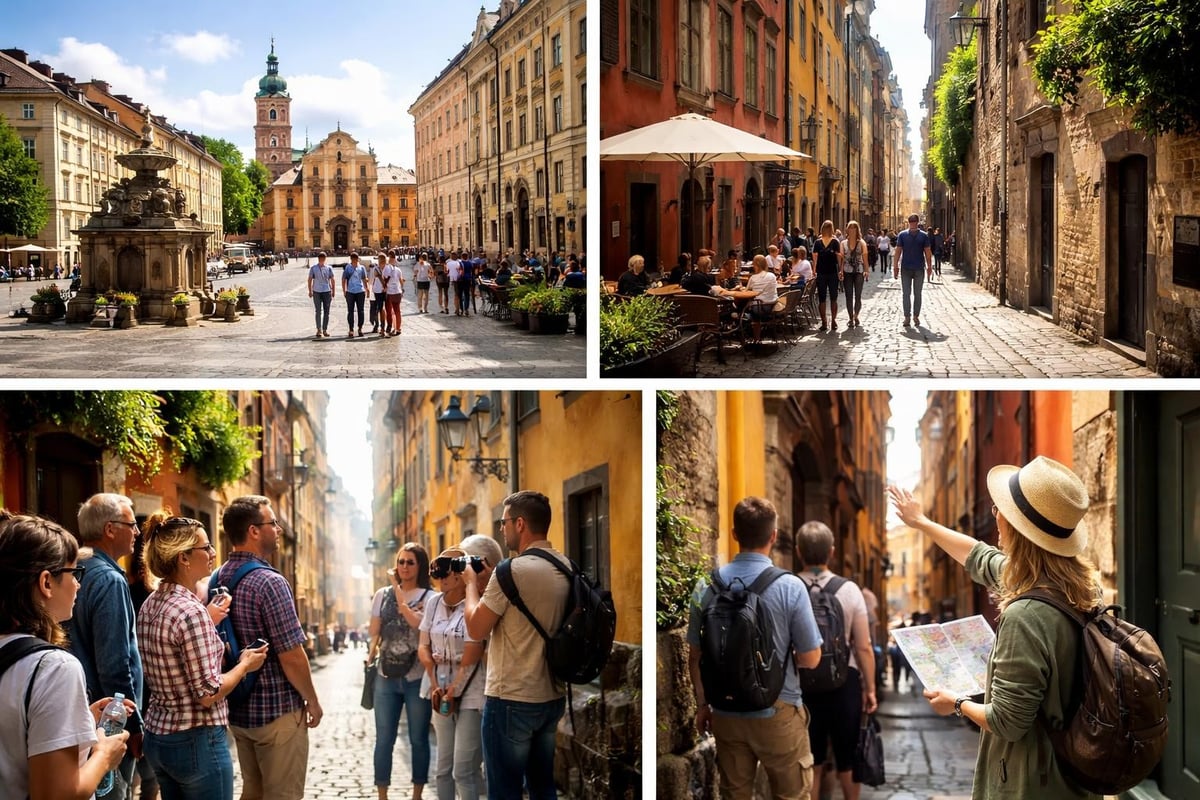
Small group sizes enable guides to adjust pace naturally based on real-time observations. When a participant shows particular interest in a specific architectural detail, the guide can expand that discussion without disrupting an entire busload of tourists. This responsiveness creates an organic flow that feels exploratory rather than prescribed.
Research on travel tours and experience booking reveals that visitors highly value this flexibility. The ability to linger at compelling locations or accelerate through less relevant areas significantly enhances perceived value and overall satisfaction.
Weather contingencies form another crucial consideration for an experience tour. Stockholm's climate can shift rapidly, requiring backup indoor options, alternative routes, or even rescheduling capabilities. Professional operators anticipate these variables and communicate contingency plans clearly during booking.
Integrating Technology Without Compromising Authenticity
Modern experience tours can leverage technology strategically while maintaining human connection as the primary value driver. Digital tools enhance rather than replace the guide's role, providing supplementary information, visual aids, or booking conveniences.
Balancing Digital Enhancement and Human Connection
Studies exploring extended reality tourism through digital twin-based applications demonstrate how augmented reality can enrich physical tours by overlaying historical contexts onto contemporary spaces. However, these technologies work best as supplements to expert narration rather than replacements for it.
For private group tours, technology serves practical functions:
- Pre-tour communication platforms for itinerary sharing
- Digital payment systems for seamless transactions
- Post-tour resource sharing (recommended restaurants, museums, events)
- Photo sharing capabilities for group memories
- Feedback collection for continuous improvement
The key lies in ensuring technology serves the experience rather than dominating it. When participants spend more time looking at screens than engaging with their surroundings or guide, technology has overstepped its supportive role.
Building Connections Through Shared Experiences
An experience tour creates opportunities for meaningful connections between participants who might otherwise never meet. The tailored tours format naturally facilitates relationship building through shared discovery and collective exploration.
Social Dynamics in Small Group Settings
Private and small group configurations enable relationship development that large tours cannot replicate. Shared meals, collaborative decision-making about optional activities, and informal conversations during transit times all contribute to social bonds that enhance the overall experience.
These connections often prove as memorable as the destinations themselves. Travelers frequently report that friendships formed during experience tours persist long after returning home, creating extended value beyond the immediate journey.
| Group Size | Interaction Quality | Flexibility | Intimacy Level |
|---|---|---|---|
| 2-4 people | Deep, sustained | Maximum | Very high |
| 5-8 people | Substantial | High | High |
| 9-12 people | Moderate | Moderate | Moderate |
| 13+ people | Limited | Low | Low |
Measuring and Enhancing Tour Quality
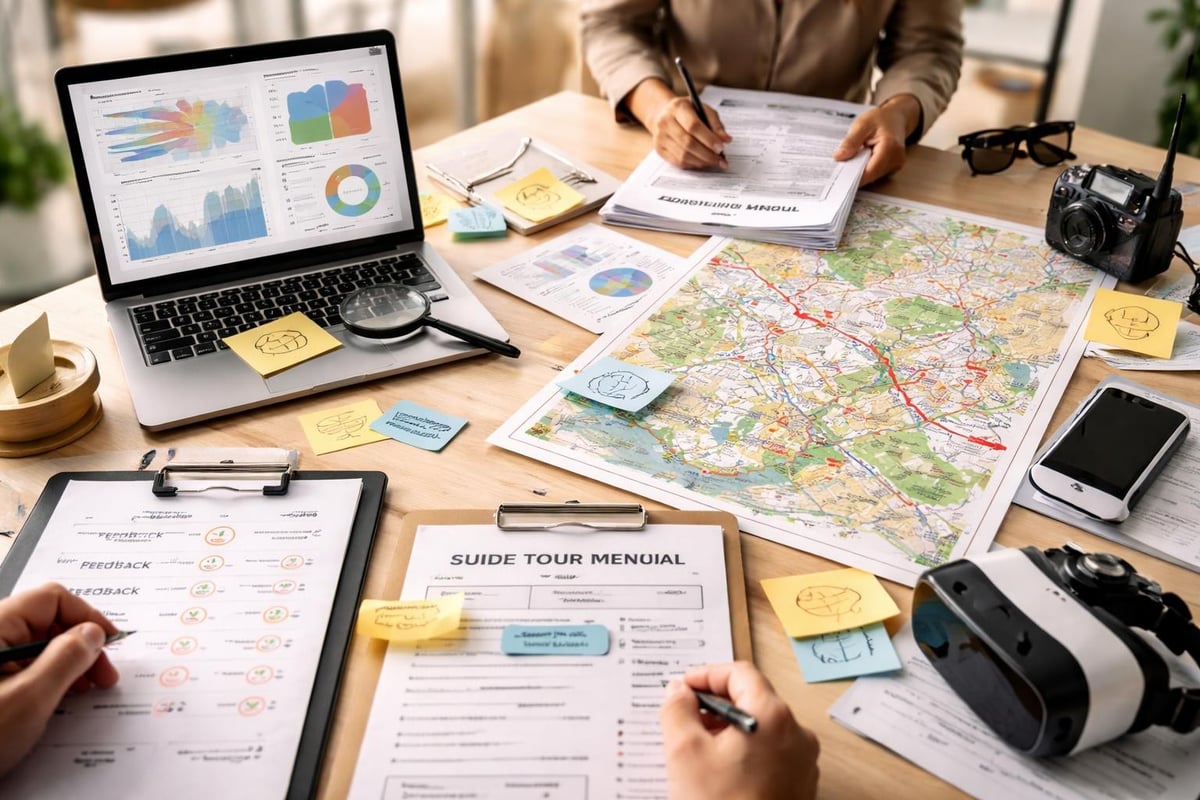
Continuous improvement requires systematic feedback collection and analysis. An experience tour operator must understand what resonates with different traveler segments and adjust offerings accordingly.
Quality Indicators and Metrics
Research on visitor behavior using data science methods provides frameworks for understanding what drives satisfaction. Key performance indicators include:
- Post-tour satisfaction ratings across multiple dimensions
- Likelihood to recommend (Net Promoter Score)
- Specific feedback on guide performance
- Comments on pacing and content balance
- Suggestions for enhancement or modification
Beyond quantitative metrics, qualitative feedback reveals nuanced insights about what creates meaningful experiences. When travelers describe tours as "transformative" or "eye-opening," they're identifying moments of genuine connection that statistics alone cannot capture.
Training and Guide Development
The quality of an experience tour ultimately depends on guide capabilities. Ongoing training programs ensure guides maintain current knowledge, develop storytelling skills, and refine their ability to read and respond to group dynamics. Investment in guide development directly correlates with tour quality improvements.
Effective training covers:
- Historical and cultural content updates
- Storytelling and narrative techniques
- Group management strategies
- Crisis response protocols
- Cultural sensitivity and inclusion practices
Seasonal Considerations and Year-Round Appeal
Stockholm's distinct seasons create varying opportunities for an experience tour. Understanding seasonal advantages enables operators to highlight different aspects throughout the year, maintaining appeal regardless of weather conditions.
Adapting to Seasonal Rhythms
Summer brings extended daylight hours perfect for comprehensive walking tours, while winter's early darkness creates atmospheric conditions for exploring Stockholm's cozy cafes and illuminated landmarks. Each season offers unique advantages that skilled guides can leverage.
Spring and autumn shoulder seasons provide comfortable temperatures and smaller crowds, creating ideal conditions for intimate group exploration. These periods often attract travelers seeking authentic experiences away from peak tourist congestion.
Seasonal highlights include:
- Summer: Extended daylight, outdoor activities, vibrant street life
- Autumn: Fall colors, cultural season openings, comfortable temperatures
- Winter: Festive atmosphere, fewer crowds, dramatic lighting
- Spring: Emerging greenery, renewed energy, moderate conditions
Creating Sustainable and Responsible Tourism
Modern travelers increasingly prioritize sustainability initiatives in their travel choices. An experience tour can demonstrate environmental and social responsibility through operational practices and educational content.
Environmental and Cultural Stewardship
Walking tours inherently minimize environmental impact compared to vehicle-based alternatives. This sustainable approach aligns with growing awareness about travel's ecological footprint while providing health benefits and deeper destination engagement.
Cultural stewardship involves presenting history and traditions respectfully, acknowledging both achievements and challenges. Guides who address complex topics with nuance create educational experiences that transcend simple entertainment, fostering informed global citizenship among participants.
Small group sizes further support sustainability by reducing crowding at popular sites and distributing economic benefits more equitably across neighborhoods. When tours venture beyond standard tourist zones, they support local businesses in residential areas, creating more balanced economic impacts.
An experience tour represents the evolution of travel from passive consumption to active engagement, transforming how visitors connect with destinations through personalized narratives, expert guidance, and meaningful interactions. Whether you're planning a literary adventure through Stieg Larsson's Stockholm, a musical journey celebrating ABBA's legacy, or an intimate exploration of the Old Town's medieval streets, the right approach makes all the difference. Adding:tours specializes in creating these personalized experiences for private groups and small gatherings, combining insider knowledge with flexible itineraries tailored to your specific interests. Our native English-speaking guides bring Stockholm to life through stories, access, and authentic local perspectives that transform sightseeing into unforgettable memories.