
Group Excursion Planning: Expert Tips for Success
Planning a successful group excursion requires careful coordination, attention to detail, and a deep understanding of diverse participant needs. Whether organizing a corporate team-building activity, a family reunion tour, or a cultural exploration with friends, the complexity increases exponentially with each additional participant. The difference between a memorable experience and a logistical nightmare often comes down to preparation, clear communication, and selecting the right partners who understand the nuances of group dynamics. For those exploring Stockholm's rich history and vibrant culture, finding experienced guides who can adapt to your group's interests while managing the practical aspects of travel becomes essential.
Understanding the Core Elements of a Successful Group Excursion
A well-executed group excursion balances individual preferences with collective goals. This delicate equilibrium requires understanding what motivates each participant while crafting an experience that satisfies the majority. Research shows that group trip planning algorithms consider factors like attraction popularity and crowd levels to optimize overall satisfaction, demonstrating how complex these decisions can become.
The foundation of any group excursion starts with clearly defined objectives. Ask yourself what the primary purpose is: education, entertainment, relationship building, or cultural immersion. Corporate groups might prioritize team cohesion and networking opportunities, while family gatherings focus on creating shared memories across generations. Understanding this core purpose shapes every subsequent decision, from destination selection to activity planning.
Setting Realistic Expectations and Budgets
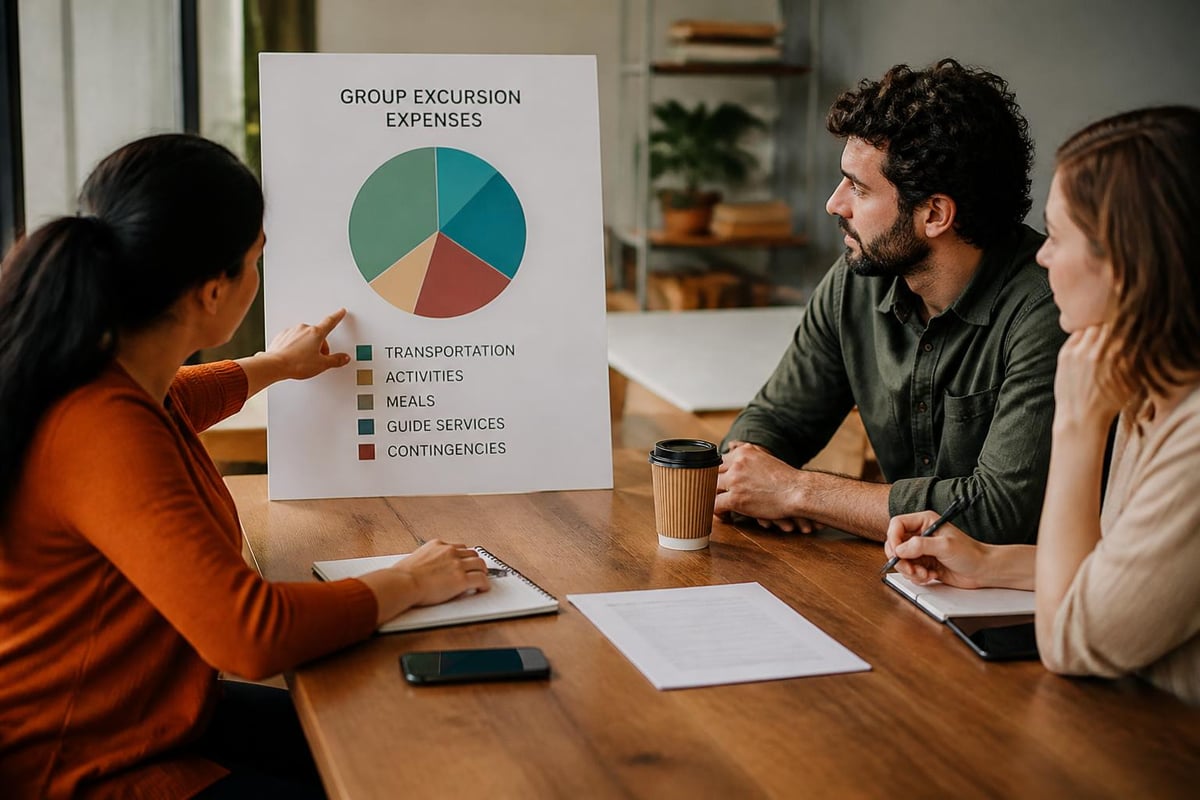
Financial considerations often determine the scope and scale of any group excursion. Establishing a clear budget early in the planning process prevents misunderstandings and ensures all participants can commit comfortably. The comprehensive group travel planning checklist emphasizes the importance of transparent budgeting from the outset.
Key budget components include:
- Transportation costs (per person and group rates)
- Admission fees and activity expenses
- Meal allowances and dietary accommodations
- Guide services and gratuities
- Contingency funds for unexpected situations
When planning a Stockholm old town walking tour, for instance, understanding the full cost breakdown helps groups make informed decisions about which experiences to prioritize. Some groups may prefer longer, more comprehensive tours with additional cultural experiences, while others might opt for shorter, focused excursions that allow independent exploration time.
Coordinating Schedules and Participant Needs
The logistical challenge of aligning multiple schedules represents one of the most significant hurdles in group excursion planning. Different time zones, work commitments, and personal obligations create a complex puzzle that requires patience and flexibility. Starting the coordination process several months in advance provides the buffer needed to accommodate most participants.
Digital tools have revolutionized schedule coordination, allowing organizers to poll potential dates and gather preferences efficiently. However, technology cannot replace the human element of understanding why certain dates work better for specific individuals. A group excursion celebrating a milestone birthday, for example, has non-negotiable timing, while a corporate team-building event might offer more flexibility.
Accommodating Diverse Physical Abilities and Interests
Every group contains participants with varying physical capabilities, energy levels, and personal interests. A successful group excursion acknowledges these differences rather than forcing everyone into a one-size-fits-all experience. Offering options within the broader itinerary ensures everyone finds value in the journey.
Consider age ranges, mobility limitations, and stamina levels when selecting activities. What energizes a twenty-something might exhaust someone in their seventies. The beauty of working with experienced providers like those offering tailored tours lies in their ability to adjust pace and content based on real-time group dynamics.
| Participant Type | Primary Needs | Accommodation Strategies |
|---|---|---|
| Families with children | Engagement, safety, breaks | Shorter segments, interactive elements |
| Senior travelers | Comfortable pace, seating | Frequent rest stops, accessible routes |
| Corporate groups | Networking, efficiency | Structured activities, clear timelines |
| Mixed-age groups | Variety, flexibility | Modular itinerary, optional components |
Safety and Risk Management Essentials
Safety considerations form the backbone of responsible group excursion planning. The group leader safety guidelines emphasize setting clear behavior expectations and understanding traveler needs before departure. These protocols protect both participants and organizers from preventable incidents.
Conducting a thorough risk assessment involves identifying potential hazards specific to your destination and activities. Urban environments present different challenges than natural settings. A cultural tour through Stockholm's historic districts requires awareness of traffic patterns, uneven cobblestone surfaces, and crowd management in popular tourist areas.
Essential safety measures include:
- Emergency contact information for all participants
- Medical condition disclosure and accommodation plans
- Meeting point protocols if groups separate
- Weather contingency arrangements
- Communication systems for real-time updates
Professional guides bring invaluable expertise to safety management. Their familiarity with local conditions, crowd patterns, and potential challenges allows them to anticipate and prevent problems before they escalate. This proactive approach to risk management distinguishes amateur outings from professionally managed group excursions.
Communication Protocols During the Journey
Clear communication channels prevent confusion and ensure participants feel informed throughout the group excursion. Establishing a primary communication method (group messaging apps, designated leader, buddy system) creates structure without overwhelming participants with information.
The size of your group directly impacts communication strategy. Smaller gatherings (under ten people) can often rely on informal verbal updates, while larger groups require more structured systems. Designating section leaders for groups exceeding twenty participants distributes responsibility and ensures messages reach everyone efficiently.
Selecting Destinations and Activities That Unite
Destination selection represents perhaps the most visible decision in group excursion planning. The location sets the tone, determines the budget, and ultimately defines the memories participants will create. Balancing accessibility with uniqueness requires careful consideration of your group's composition and goals.
Stockholm offers particularly compelling advantages for group excursions due to its compact layout, rich cultural offerings, and English-friendly environment. The city's sightseeing options range from historic landmarks to contemporary attractions, providing something for virtually every interest level. Groups can explore medieval architecture in the morning and contemporary design museums in the afternoon without extensive travel time between locations.
Research into envy-free trip planning strategies reveals that fairness in destination selection significantly impacts group satisfaction. When participants feel their preferences were considered in the decision-making process, they invest more emotionally in the experience, even if their top choice wasn't selected.
Creating Flexible Itineraries with Built-in Choices
Rigid schedules often backfire in group settings, creating stress rather than enjoyment. Building flexibility into your itinerary acknowledges that energy levels fluctuate and unexpected opportunities arise. The most successful group excursions maintain structure while allowing breathing room for spontaneity.
The concept of "core experiences" and "optional extensions" provides an elegant solution. Everyone participates in signature activities that define the trip's purpose, while optional components allow individuals to pursue specific interests. During a Stockholm visit, the core might include an old town walking tour, while options could range from the ABBA journey for music enthusiasts to literary tours for thriller fans.
The Role of Professional Guides in Enhancing Group Dynamics
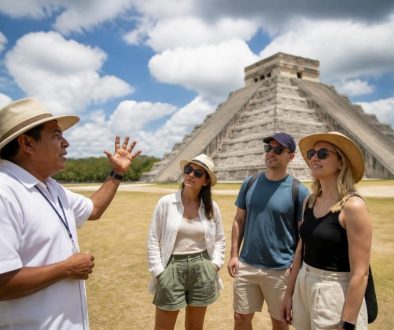
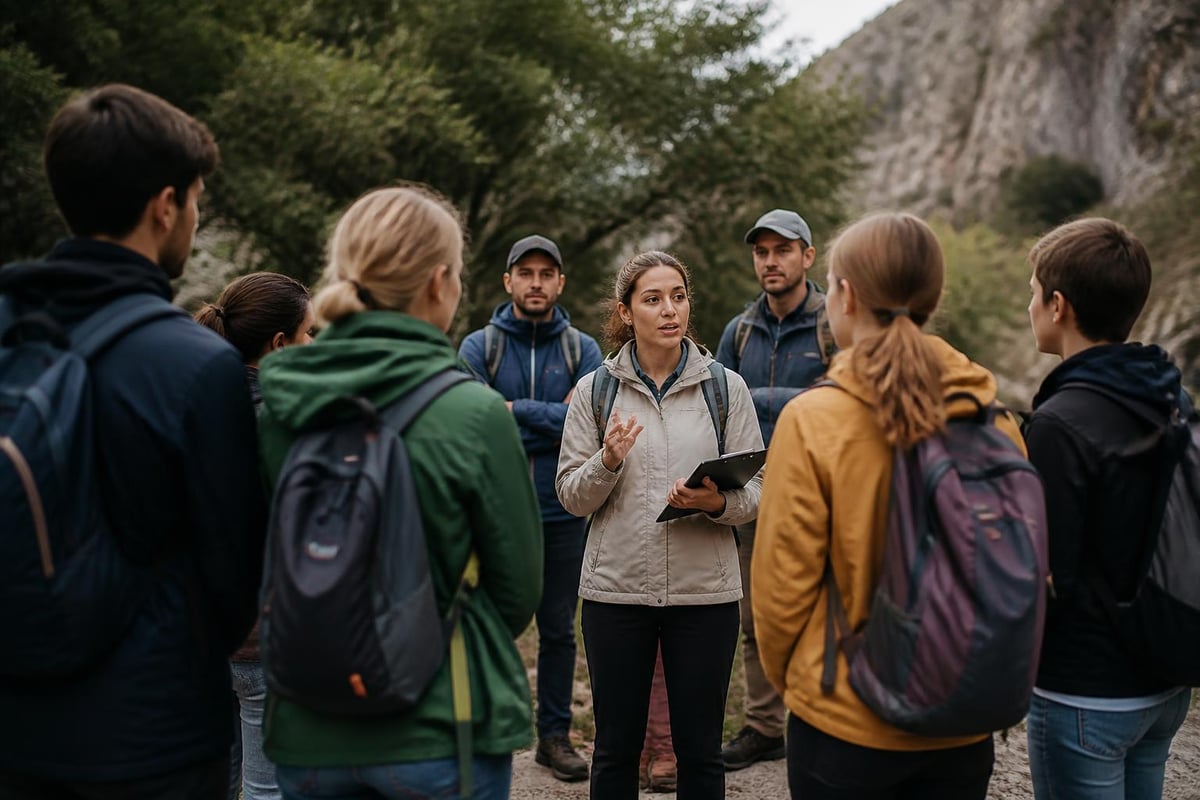
Professional guides transform good group excursions into exceptional ones through expertise, storytelling, and crowd management skills. Their value extends far beyond reciting historical facts; they read group energy, adjust pacing, and create connections between content and participant interests. Native English-speaking guides eliminate language barriers that might fragment understanding within the group.
The interactive nature of professionally guided experiences fosters connections among participants. Shared discoveries and "did you see that" moments create bonds that persist long after the excursion concludes. These organic relationship-building opportunities often prove more valuable than formal team-building exercises for corporate groups.
Professional guides provide:
- Historical and cultural context that enriches observations
- Insider knowledge of hidden gems and local perspectives
- Crowd navigation expertise in popular tourist areas
- Adaptability to shifting group moods and interests
- Safety oversight and emergency response capabilities
When evaluating guide services, consider their ability to engage diverse audiences. A guide comfortable working with professional tour requirements understands how to balance information depth with entertainment value, ensuring both novices and knowledgeable participants find the experience rewarding.
Customization Options That Reflect Group Identity
Generic tours rarely satisfy groups with specific interests or shared backgrounds. Customization transforms a standard sightseeing experience into something personally meaningful. This might involve adjusting the narrative to connect with participants' professional fields, incorporating themes relevant to the group's purpose, or pacing the tour to match energy levels.
Family groups might appreciate stories about daily life throughout history, while architecture professionals seek technical details about construction methods and design evolution. The ability to pivot content based on real-time feedback separates average guides from exceptional ones. This responsiveness keeps participants engaged and demonstrates respect for their investment of time and resources.
Managing Group Dynamics and Decision-Making
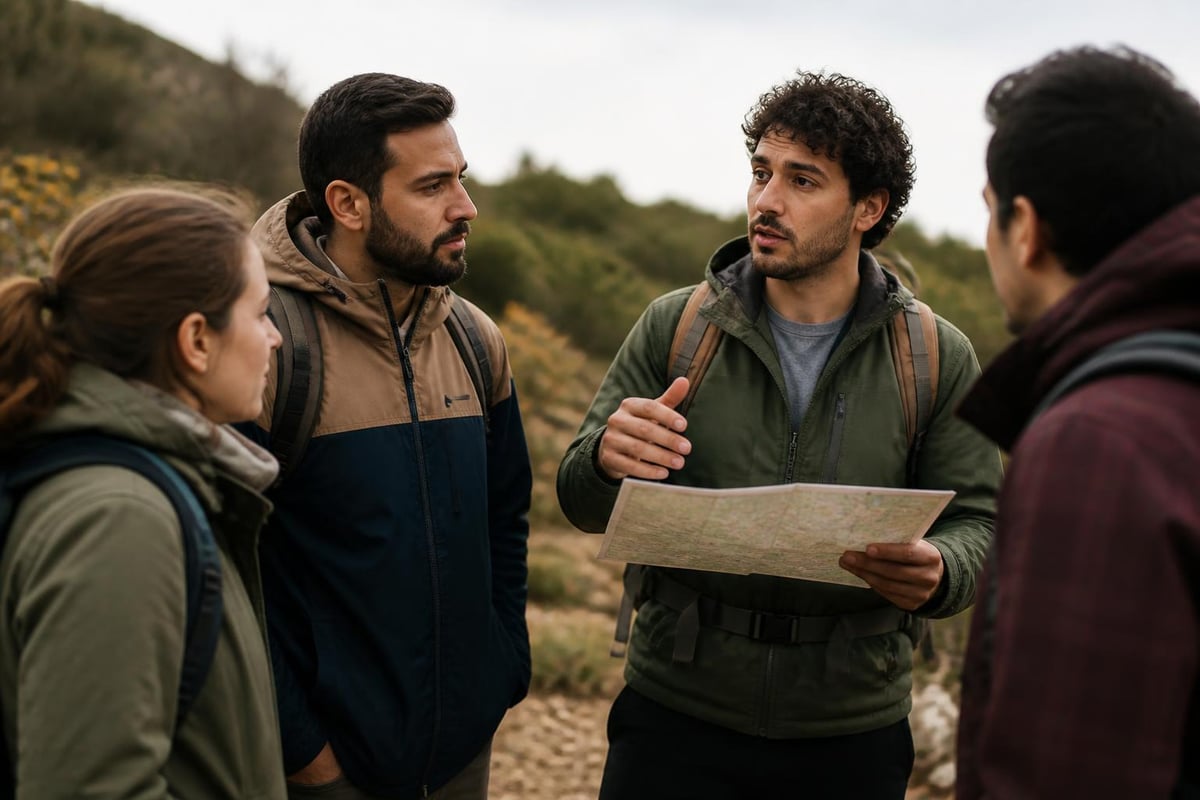
Group dynamics can make or break an excursion regardless of how well you've planned logistics. Understanding personality types, communication styles, and decision-making preferences within your group allows you to anticipate friction points and facilitate smoother interactions. Larger groups naturally subdivide into smaller clusters based on shared interests or relationships.
The planning strategies outlined for group getaways emphasize involving participants in decision-making from the earliest stages. When people contribute to planning, they develop ownership of the experience and demonstrate greater flexibility when adjustments become necessary. This collaborative approach builds consensus and reduces complaints during the actual excursion.
Democratic decision-making sounds ideal but can paralyze progress when groups cannot reach consensus. Effective organizers establish decision-making frameworks early: which elements are negotiable, what requires unanimous agreement, and when the organizer will make executive decisions for the group's benefit. Transparency about this process prevents resentment and maintains forward momentum.
Handling Conflicts and Personality Clashes
Even compatible groups experience moments of tension during extended time together. Fatigue, hunger, and overstimulation can amplify minor irritations into significant conflicts. Proactive conflict management involves recognizing early warning signs and creating opportunities for participants to reset emotionally.
Scheduled breaks serve multiple purposes beyond physical rest. They allow frustrated participants to vent privately, give quieter members space to process experiences, and prevent the emotional buildup that leads to public confrontations. Strategic breaks positioned before complex decision points or physically demanding segments maintain group cohesion.
When conflicts do surface, addressing them promptly and privately prevents escalation. Acknowledging different perspectives without taking sides validates feelings while steering focus back to shared goals. Most group excursion conflicts stem from unmet expectations rather than genuine incompatibility, making clarification and adjustment more effective than mediation.
Leveraging Technology for Enhanced Coordination
Modern technology offers unprecedented tools for group excursion coordination, from shared calendars to real-time location tracking. However, technology should enhance rather than complicate the human experience. The goal is seamless coordination that fades into the background, allowing participants to focus on experiences rather than logistics.
Cloud-based planning documents allow all participants to access itineraries, contact information, and meeting points from any device. This redundancy ensures that one person's dead phone battery doesn't derail the entire group. Updates propagate instantly, eliminating the confusion of multiple itinerary versions circulating simultaneously.
Photo-sharing platforms create collective memory banks that benefit everyone. Participants capture different moments from unique perspectives, and pooling these images creates a richer documentation of the shared experience. This collaborative record-keeping strengthens group bonds as members revisit and discuss favorite moments after returning home.
Measuring Success and Gathering Feedback
Evaluating a group excursion's success requires looking beyond surface-level satisfaction to understand what created value for participants. Immediate post-trip surveys capture fresh impressions, while follow-up conversations weeks later reveal which experiences left lasting impacts. Both perspectives inform future planning and help refine your approach to group coordination.
Effective feedback questions address:
- Pacing and schedule appropriateness
- Balance between structured activities and free time
- Guide knowledge and engagement quality
- Value received relative to investment
- Elements that exceeded or disappointed expectations
Qualitative feedback often proves more valuable than numerical ratings. Specific comments about what worked and what didn't provide actionable insights for improvement. Patterns across multiple responses highlight systemic strengths and weaknesses rather than individual preferences.
The most successful group excursion organizers view each experience as a learning opportunity. They document lessons learned, note what generated the strongest positive responses, and identify where adjustments could have prevented problems. This continuous improvement mindset elevates future experiences and builds reputation as someone who delivers exceptional group travel.
Long-term Impact and Relationship Building
The true measure of a successful group excursion often emerges months or years later. Did the experience strengthen relationships? Did participants gain new perspectives that influenced their thinking? Do they reference shared moments from the trip in ongoing conversations? These enduring impacts matter more than perfect logistics or flawless execution in the moment.
Corporate groups might measure success through improved collaboration or creativity in subsequent projects. Family gatherings succeed when they establish traditions that participants want to repeat. Friend groups know an excursion succeeded when members actively advocate for planning the next adventure together. These longer-term outcomes justify the investment of time and resources in thoughtful group excursion planning.
| Success Metric | Immediate Indicators | Long-term Indicators |
|---|---|---|
| Participant satisfaction | Positive comments, engaged behavior | Repeat bookings, referrals |
| Relationship quality | Laughter, collaboration during trip | Continued contact afterward |
| Learning outcomes | Questions asked, discussions sparked | Changed perspectives, new knowledge applied |
| Value perception | Positive feedback on investment | Willingness to invest in future experiences |
Seasonal Considerations and Timing Strategies
Timing significantly influences group excursion experiences, affecting everything from weather conditions to crowd levels and pricing. Understanding seasonal patterns at your destination helps optimize the experience while managing costs. Shoulder seasons often provide the sweet spot of moderate weather, thinner crowds, and better value.
Stockholm's distinct seasons each offer unique advantages for group excursions. Summer brings extended daylight hours ideal for packed itineraries and outdoor activities, though also attracting peak tourist crowds. Winter offers festive atmosphere and potential snow, creating memorable ambiance despite shorter days. Spring and autumn provide comfortable temperatures and beautiful natural displays with fewer competing tour groups.
Advance booking becomes increasingly important as group size grows. Popular guides and experiences fill months ahead during peak seasons. Early commitment also secures better rates for group-specific services and provides more customization flexibility. The comprehensive services available demonstrate how early planning enables deeper personalization.
Creating Inclusive Experiences for Diverse Groups
Inclusivity in group excursions extends beyond physical accessibility to encompass cultural sensitivity, dietary accommodations, and recognition of diverse backgrounds. Truly inclusive planning considers how each element might be experienced differently based on participants' identities and lived experiences. This awareness prevents unintentional exclusion and enriches the experience for everyone.
Dietary requirements deserve particular attention, as food often features prominently in cultural experiences. Gathering detailed information about restrictions, allergies, and preferences prevents embarrassing or dangerous situations. Many restaurants and catering services accommodate special needs when given adequate advance notice, transforming potential obstacles into demonstrations of thoughtfulness.
Cultural and religious considerations might affect activity timing, dress codes, or appropriate venues. Open communication about these needs during planning demonstrates respect and prevents last-minute scrambling for alternatives. Groups that proactively address diversity create environments where all participants feel valued and comfortable fully engaging with the experience.
Planning a memorable group excursion requires balancing logistics, interpersonal dynamics, and experiential quality to create something greater than the sum of its parts. When you're ready to explore Stockholm with family, friends, or colleagues, Adding:tours specializes in creating personalized group experiences that adapt to your interests while providing the insider perspective that transforms sightseeing into genuine connection with the city's culture and history.