Guided Trips: Transform Your Travel Experience in 2026
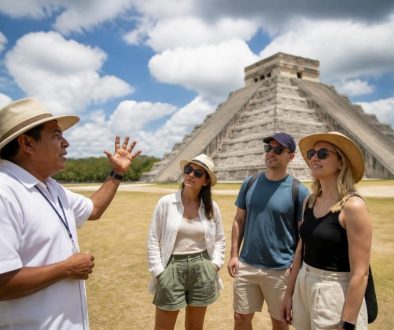
Guided trips have revolutionized how travelers experience destinations, transforming ordinary vacations into extraordinary journeys filled with authentic encounters and insider perspectives. Whether you're exploring historic cities, embarking on outdoor adventures, or diving deep into cultural experiences, guided trips offer structured expertise that independent travel cannot match. As the travel industry evolves in 2026, more discerning travelers recognize the value of professional guidance in maximizing their time, safety, and overall satisfaction while discovering new destinations.
Understanding the Value of Professional Guidance
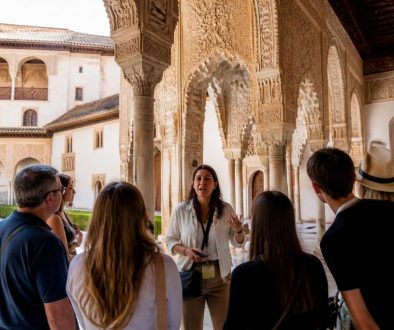
Travelers increasingly appreciate the distinction between wandering aimlessly and experiencing destinations through expert-curated lenses. Professional guides bring years of accumulated knowledge, transforming streets, buildings, and landscapes into compelling narratives that connect past to present.
The benefits extend beyond simple navigation. Guides provide context that guidebooks cannot capture, sharing stories passed down through generations and revealing hidden details invisible to casual observers. They anticipate questions before they arise, adjust pacing to group preferences, and handle unexpected situations with practiced ease.
Key advantages include:
- Access to locations and experiences unavailable to independent travelers
- Time efficiency through optimized routing and pre-arranged access
- Safety assurance in unfamiliar environments
- Cultural interpretation that deepens understanding
- Flexibility to adjust experiences based on real-time conditions
Research demonstrates the growing preference for structured travel experiences, with studies showing that 74% of Generation X travelers prefer guided vacations, reflecting broader demographic shifts toward curated experiences.
Selecting the Right Guided Experience
Choosing appropriate guided trips requires careful consideration of multiple factors that influence overall satisfaction. The market offers tremendous variety, from large bus tours accommodating dozens of participants to intimate small-group experiences designed for personalized attention.
Group Size Considerations
Small private groups deliver fundamentally different experiences than mass-market alternatives. Intimate gatherings facilitate meaningful interactions with guides, enable spontaneous adjustments, and create opportunities for deeper engagement with surroundings. Private groups move at their own pace, pause for photographs without disrupting schedules, and explore topics of particular interest without concern for other participants.
Large groups offer economic advantages but sacrifice personalization. The guide's attention divides among many participants, limiting individual questions and customization opportunities. Movement through sites follows rigid schedules, and the overall experience tends toward generalized information rather than tailored insights.
| Aspect | Private Small Groups | Large Group Tours |
|---|---|---|
| Personalization | Fully customizable to interests | Fixed itinerary for all |
| Guide Interaction | Direct, extensive access | Limited individual attention |
| Pacing | Flexible, adaptive | Strict schedule adherence |
| Access | Exclusive locations possible | Standard tourist routes |
| Cost | Higher per person | Lower per person |
Evaluating Guide Qualifications
The guide makes or breaks any experience. When evaluating guided trips, examine the qualifications, experience, and specializations of the professionals leading your journey. Native expertise offers invaluable advantages, as local guides possess intimate knowledge of neighborhoods, cultural nuances, and contemporary contexts that outsiders cannot replicate.
Language proficiency matters tremendously. Native English-speaking guides eliminate communication barriers, ensuring clear explanations and enabling nuanced discussions about complex historical or cultural topics. They understand idioms, humor, and references that make storytelling engaging and memorable.
Planning Your Guided Adventure
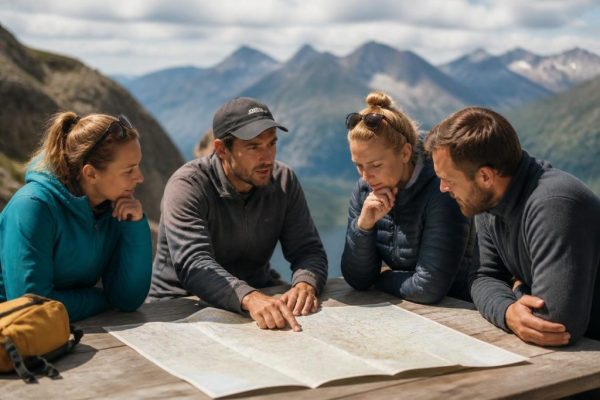
Successful guided trips begin long before departure dates. Thorough preparation ensures alignment between expectations and reality, minimizing disappointments and maximizing satisfaction.
Research and Booking Considerations
Start by identifying your primary interests and non-negotiable preferences. Some travelers prioritize historical depth, while others seek outdoor activities, culinary experiences, or literary connections. Clear self-awareness helps match you with appropriate experiences.
Essential considerations when booking a guided adventure include verifying guide credentials, understanding what's included versus additional costs, reviewing cancellation policies, and confirming group composition. Read recent reviews from participants with similar interests and travel styles.
Ask specific questions:
- What is the maximum group size?
- What qualifications and experience does the guide possess?
- How much walking or physical activity is involved?
- Are meals, entrance fees, and transportation included?
- What happens in case of poor weather or unexpected closures?
- Can the itinerary be customized for special interests?
Preparing for Your Experience
Physical preparation varies depending on trip intensity. Walking tours through historic districts require reasonable fitness levels, comfortable footwear, and weather-appropriate clothing. Review itinerary details carefully to understand daily distances and terrain challenges.
Mental preparation proves equally important. Research basic historical context, familiarize yourself with key figures and events, and formulate preliminary questions. This foundation enables you to engage more deeply with guide narratives and contribute to group discussions.
Pre-trip checklist:
- Confirm reservation details and meeting locations
- Break in walking shoes before departure
- Check weather forecasts and pack layers
- Charge camera batteries and clear memory cards
- Review any pre-trip materials provided by organizers
- Arrange transportation to meeting points
- Notify guides of dietary restrictions or mobility limitations
Maximizing Your Guided Experience
Active participation transforms good guided trips into exceptional ones. Engagement begins with mindset-approaching experiences with curiosity, openness, and respect for local cultures and environments.
Engaging with Your Guide
Professional guides appreciate curious participants who ask thoughtful questions and demonstrate genuine interest. Don't hesitate to seek clarification, request deeper explanation, or share relevant personal experiences that connect with tour themes.
Timing matters when interacting with guides. Save detailed individual questions for appropriate moments rather than interrupting key explanations. Many guides welcome extended discussions during breaks or after formal portions conclude.
Provide feedback throughout the experience. If you're particularly interested in certain topics, express that interest so guides can adjust emphasis accordingly. Similarly, if pacing feels too fast or slow, respectful communication allows real-time improvements.
Responsible Tourism Practices
Ethical guided trips balance enjoyment with environmental and cultural stewardship. Leave No Trace principles apply even in urban contexts-respect local customs, minimize disruption to residents, and support authentic local businesses rather than tourist traps.
Photography requires sensitivity. Always ask permission before photographing individuals, respect restrictions in religious or cultural sites, and avoid intrusive behavior that prioritizes perfect shots over respectful presence.
Support local economies by purchasing from artisans and small businesses rather than international chains. Your guide can recommend authentic establishments that benefit communities directly.
Specialized Guided Experiences
The diversity of available guided trips accommodates virtually any interest or passion. Specialized tours attract enthusiasts seeking deep dives into specific subjects rather than superficial overviews.
Cultural and Literary Tours
Literary-themed guided trips bring beloved books to life, visiting real locations that inspired fictional narratives or tracing authors' footsteps through cities they inhabited and described. These experiences appeal to readers seeking tangible connections with stories that shaped their imaginations.
Stockholm offers particularly rich literary opportunities, including tours that follow locations featured in Stieg Larsson's internationally acclaimed Millennium series. Fans of "The Girl with the Dragon Tattoo" can visit Mikael Blomkvist's apartment, Lisbeth Salander's haunts, and actual Stockholm neighborhoods that became characters themselves within the novels.
Cultural tours extend beyond monuments to explore living traditions, contemporary arts scenes, and evolving urban identities. The best cultural experiences balance historical context with present-day realities, examining how traditions adapt to modern circumstances.
Music and Entertainment Journeys
Music-focused guided trips celebrate artists, genres, and venues that defined cultural movements. These experiences combine site visits with storytelling about creative processes, industry developments, and cultural impacts.
The ABBA journey in Stockholm exemplifies how guided trips can immerse participants in musical heritage. Following the legendary band's trajectory from formation through global superstardom, these experiences visit recording studios, performance venues, and even the private island retreat where much of their music was created. Sharing meals during these journeys creates fellowship among participants from diverse backgrounds united by common appreciation.
Historical Walking Tours
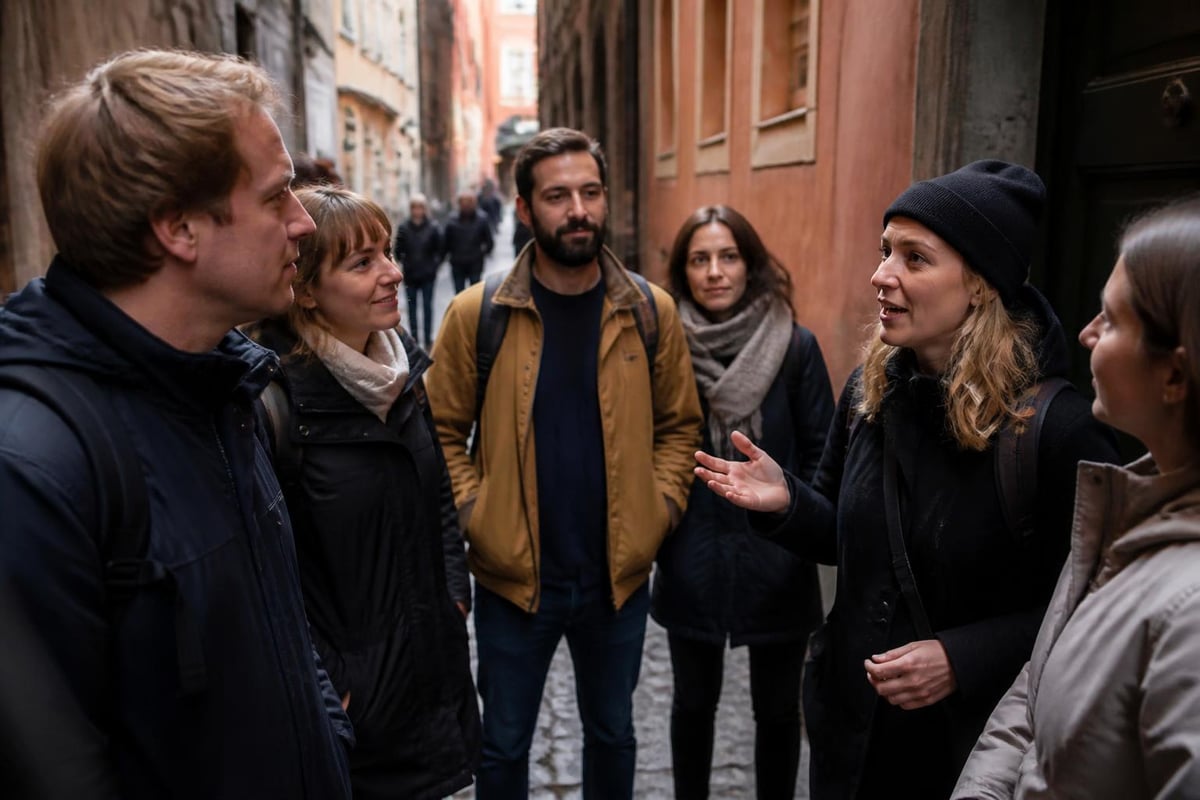
Walking tours remain among the most popular guided trip formats, offering intimate encounters with urban landscapes at human pace. Stockholm’s Old Town walking tours showcase medieval architecture, narrow cobblestone alleys, and layered history spanning centuries.
The changing of the guard at the Royal Palace provides spectacular ceremonial displays rooted in centuries of tradition. Experienced guides explain the symbolism, history, and contemporary significance of these rituals while positioning groups for optimal viewing.
Health, Safety, and Sustainable Practices
Responsible operators prioritize participant wellbeing and environmental protection, recognizing that sustainable practices ensure destinations remain vibrant for future generations.
Health Precautions and Preparedness
The CDC provides comprehensive guidelines for adventure travelers, covering vaccinations, preventive medications, and risk management strategies. Even urban guided trips benefit from basic health awareness, including hydration, sun protection, and recognition of personal physical limits.
Communicate pre-existing health conditions to organizers in advance. Professional operators accommodate various needs through pacing adjustments, rest intervals, and alternative arrangements when necessary.
Carry essential medications in original containers, maintain travel insurance coverage, and know how to access medical services in destinations. Guides typically possess first aid training and local emergency contact information.
Environmental Stewardship
Sustainable guided trips minimize ecological footprints while maximizing positive economic impacts on local communities. Avoiding greenwashed tours requires scrutiny of operator claims and verification of actual practices.
Look for operators who:
- Employ local guides and support local businesses
- Limit group sizes to reduce environmental stress
- Use public transportation or low-emission vehicles
- Educate participants about conservation challenges
- Contribute portions of fees to preservation efforts
- Follow established trails and respect wildlife habitats
Sustainable wildlife encounters require maintaining appropriate distances, avoiding feeding or touching animals, and supporting conservation-focused organizations rather than exploitative attractions.
Technology Integration in Modern Guided Trips
Contemporary guided trips leverage technology to enhance rather than replace human expertise. Digital tools provide supplementary information, facilitate seamless logistics, and enable richer storytelling through multimedia elements.
Digital Enhancement Tools
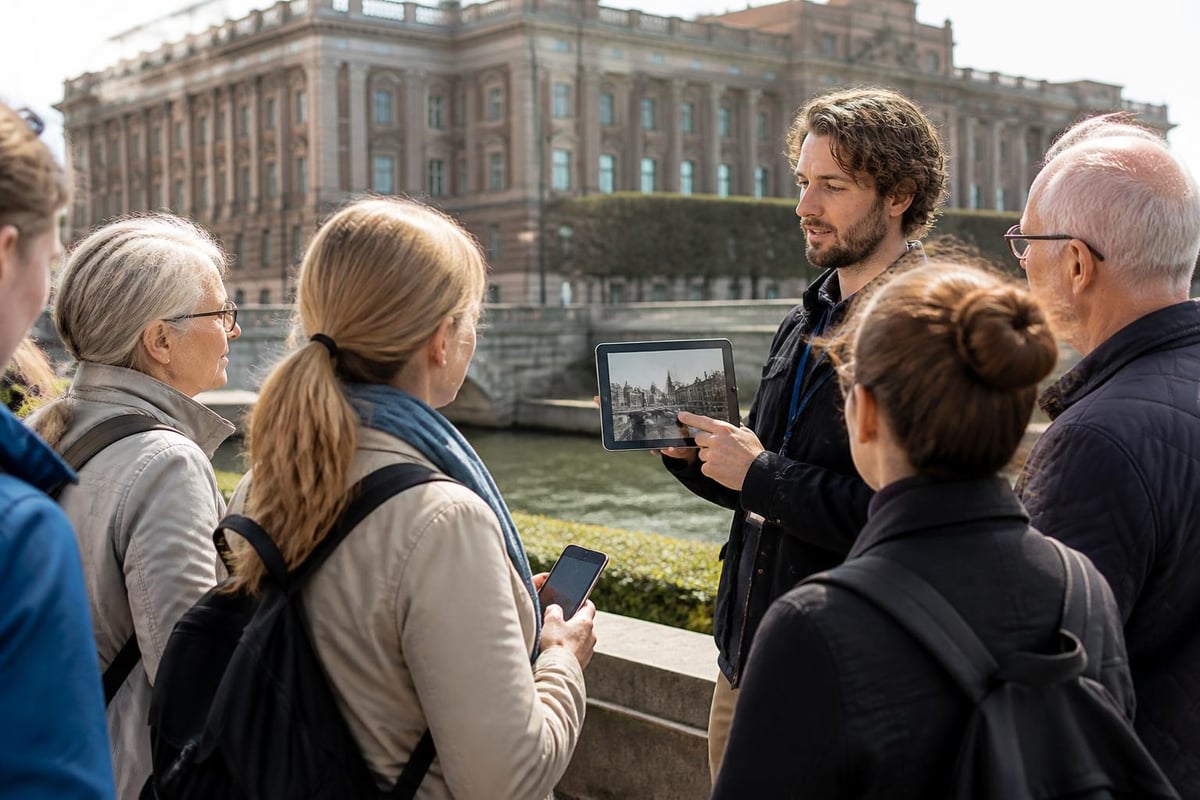
Audio systems allow guides to communicate clearly with groups without shouting, preserving ambient atmosphere while ensuring everyone hears explanations. Visual aids on tablets or smartphones display historical photographs, architectural plans, or comparative images that illustrate changes over time.
Navigation apps optimize routing, while real-time updates allow dynamic adjustments based on traffic, weather, or unexpected closures. Digital ticketing streamlines entry to attractions, eliminating time wasted in queues.
Post-Trip Connections
Many operators now provide digital recap materials-photograph collections, recommended reading lists, or access to online communities where participants can maintain connections formed during journeys. These resources extend the value of guided trips beyond their immediate duration, supporting continued learning and relationship building.
Customization and Personalization Options
The most satisfying guided trips align precisely with participant interests, schedules, and preferences. Tailored tours demonstrate how customization transforms standard itineraries into personally meaningful experiences.
Building Your Ideal Itinerary
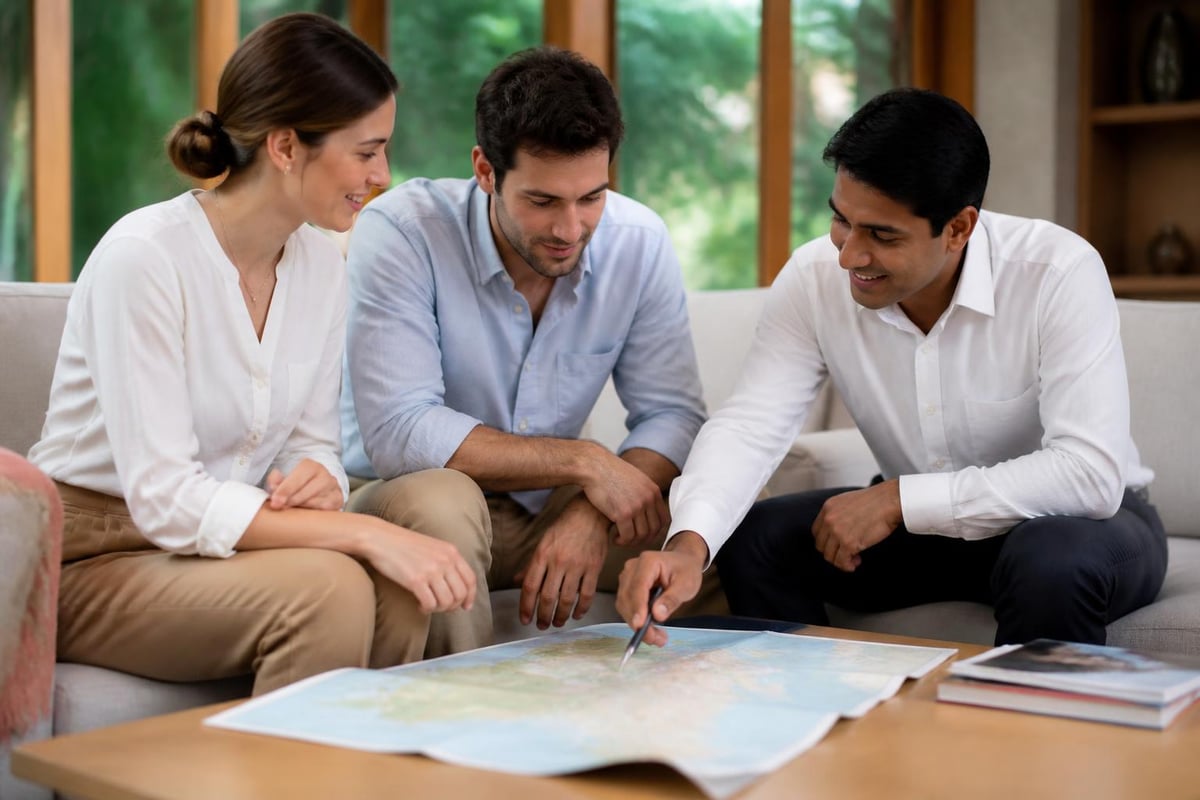
Private group experiences offer maximum flexibility. Discuss your specific interests with operators during planning stages-whether you're passionate about architecture, culinary traditions, design, photography, or niche historical periods. Professional operators craft itineraries that emphasize your priorities while incorporating essential highlights.
Time constraints influence itinerary structure. Half-day experiences provide concentrated introductions, while full-day journeys allow deeper exploration and leisurely pacing. Multi-day guided trips combine multiple themes and locations into comprehensive immersions.
Consider incorporating special elements:
- Private access to normally closed locations
- Meetings with local artisans, historians, or cultural practitioners
- Customized dining experiences featuring regional specialties
- Photography-focused pacing and positioning
- Family-friendly adaptations with age-appropriate content
Accessibility Accommodations
Inclusive guided trips welcome participants with varying mobility levels, sensory needs, and other requirements. Communicate specific needs clearly so operators can design appropriate accommodations-wheelchair-accessible routes, visual or auditory supports, rest frequency, or dietary considerations.
Quality operators view accessibility as essential rather than burdensome, recognizing that thoughtful design benefits all participants by creating more comfortable, flexible experiences.
Value Assessment and Investment
Guided trips represent significant investments of both financial resources and precious vacation time. Understanding value propositions helps justify costs and select experiences that deliver commensurate returns.
Cost-Benefit Analysis
Compare what guided trips include versus what independent travel would require. Professional guidance, pre-arranged access, insider knowledge, and logistical coordination all carry value that's difficult to quantify but substantially impacts overall satisfaction.
Time efficiency deserves particular consideration. Guides optimize routing, eliminate research burden, and navigate complexities that would consume hours of independent travelers' time. For visitors with limited availability, this efficiency may justify premium pricing.
Small group and private experiences command higher per-person costs but deliver proportionally greater value through personalization, flexibility, and intimate interactions impossible in mass-market contexts.
Long-Term Impact
The most valuable guided trips create lasting memories, deepen understanding of places and cultures, and inspire continued learning long after return home. They foster connections-with destinations, with fellow travelers, and with subjects explored-that enrich subsequent experiences and broaden perspectives.
Consider guided trips as educational investments that compound over time. Knowledge gained from expert guides becomes foundation for appreciating related subjects, while skills developed-observation, critical thinking, cultural sensitivity-transfer to other contexts.
Building Lasting Connections
Beyond immediate enjoyment, guided trips can forge meaningful relationships with places and people that extend far beyond tour duration.
Creating Travel Communities
Shared experiences create bonds among participants. Group dynamics on intimate guided trips often develop into lasting friendships, as travelers discover common interests and enjoy collective discovery. These connections frequently extend beyond tours themselves, leading to continued correspondence, reunion trips, or mutual support within broader travel communities.
Guides themselves often become valued connections. Exceptional guides share contact information for future questions, recommend resources for continued learning, and sometimes maintain relationships with particularly engaged participants across years and multiple visits.
Deepening Destination Relationships
First guided trips frequently inspire return visits for deeper exploration. Having established foundational understanding with expert assistance, travelers feel confident pursuing independent investigations of subjects that captured their interest during guided experiences.
Some travelers develop such affinity for destinations that they transition from visitors to regular returnees, building seasonal rhythms around favorite places and events. Guided trips can initiate these long-term relationships by revealing layers that superficial tourism never uncovers.
Family and Multigenerational Travel
Guided trips excel at accommodating diverse age groups and creating shared experiences that resonate across generational divides.
Age-Appropriate Engagement
Professional guides adapt content and pacing for family groups, balancing educational depth with entertainment value. Children appreciate interactive elements, tangible connections, and storytelling approaches that bring history to life rather than reciting dry facts.
Multigenerational groups benefit from guides' ability to address different knowledge levels and interests simultaneously, ensuring everyone feels engaged rather than either overwhelmed or bored.
Creating Family Memories
Shared discovery during guided trips creates powerful family narratives-stories retold at gatherings, inside jokes referencing tour moments, and collective memories that strengthen family bonds. Unlike passive entertainment, active exploration together builds connection through collaborative learning and mutual support.
Photography during guided trips documents not just destinations but family interactions, capturing genuine engagement rather than posed tourist snapshots.
Guided trips transform ordinary sightseeing into extraordinary journeys by combining expert knowledge with personalized attention, creating experiences that resonate long after return home. Whether you're exploring with family, friends, or colleagues, professional guidance elevates travel from simple tourism to meaningful cultural immersion. Adding:tours specializes in creating these memorable experiences through small-group and private tours of Stockholm, where native English-speaking guides share insider perspectives on everything from medieval Old Town architecture to ABBA's musical legacy, ensuring your time in this remarkable city becomes truly unforgettable.