Larsson Author: Literary Legacy and Stockholm Tours
The name Stieg Larsson resonates far beyond the boundaries of Swedish crime fiction, having transformed both the literary landscape and the physical geography of Stockholm into a global phenomenon. As the larsson author behind the internationally acclaimed Millennium trilogy, his posthumous success has created an entirely new category of cultural tourism, drawing readers from around the world to explore the streets, buildings, and neighborhoods that form the backdrop of Lisbeth Salander's adventures. For visitors to Sweden's capital, understanding the larsson author legacy offers a unique lens through which to experience the city's contemporary culture, social commentary, and urban character.
The Literary Impact of the Larsson Author
Stieg Larsson's rise to global prominence represents one of publishing's most remarkable posthumous success stories. The larsson author never lived to see his work reach print, having died in 2004 at age fifty, just after delivering manuscripts for what would become "The Girl with the Dragon Tattoo," "The Girl Who Played with Fire," and "The Girl Who Kicked the Hornet's Nest." According to official biographical records, Larsson spent his career as an investigative journalist specializing in right-wing extremism and anti-democratic movements, work that profoundly influenced the political undertones throughout his fiction.
The Millennium trilogy has sold more than one hundred million copies worldwide, making the larsson author one of the best-selling crime fiction writers in history. This commercial success arrived alongside critical attention that examined the novels' complex treatment of social issues, gender violence, and institutional corruption.
Understanding Larsson's Journalistic Foundation
Before becoming recognized as a larsson author, Stieg Larsson built a distinguished career in journalism that shaped every aspect of his fiction. His work with Expo, a Swedish anti-fascist magazine he co-founded, provided both investigative techniques and thematic material for the Millennium series. The Stieg Larsson Foundation continues his work combating intolerance and supporting investigative journalism.
This journalistic background explains the meticulous detail Larsson brought to his fiction. Readers encounter:
- Specific Stockholm addresses and real neighborhood characteristics
- Authentic police procedures and investigative methodologies
- Contemporary Swedish social and political issues
- Detailed descriptions of technology and digital security
The authenticity of these elements transforms the reading experience from mere entertainment into something resembling investigative documentary, a quality that distinguishes the larsson author from many contemporaries in the crime fiction genre.
Stockholm Through the Millennium Trilogy
The larsson author created what amounts to a detailed map of Stockholm, one that thousands of visitors now follow as they explore the Swedish capital. Unlike fictional settings that merely provide atmosphere, Larsson's Stockholm functions as a character itself, with specific cafés, metro stations, offices, and apartments playing crucial roles in the narrative. This geographical precision has made literary tourism a significant component of Stockholm's visitor economy.
Key Locations from Larsson's Work
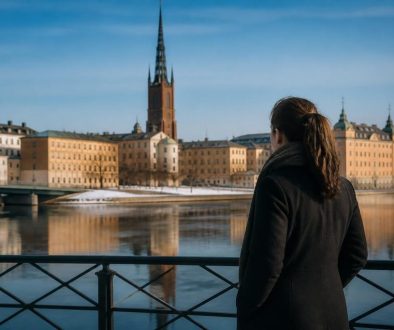
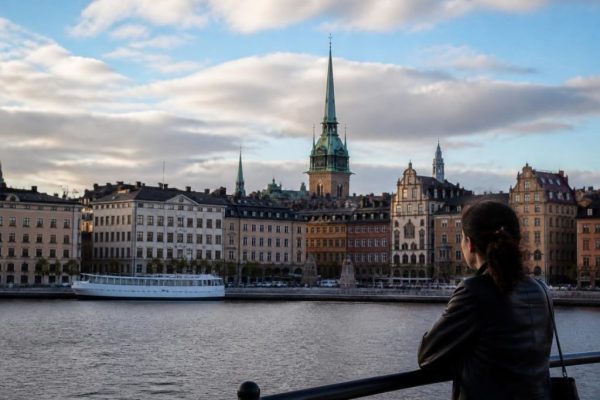
Travelers seeking to understand the larsson author's vision can visit numerous actual locations featured in the trilogy. Bellmansgatan 1, the address Larsson assigned to Mikael Blomkvist's apartment, sits in the historic Södermalm district, offering views across the water toward Gamla Stan. The fictional Millennium magazine office occupies a real building on Götgatan, while Lisbeth Salander's luxury apartment in the novels exists at Fiskargatan 9 in Mosebacke.
| Location Type | Specific Site | Trilogy Significance |
|---|---|---|
| Residence | Bellmansgatan 1 | Mikael Blomkvist's home |
| Office | Götgatan | Millennium magazine headquarters |
| Café | Mellqvist Kaffebar | Character meeting spot |
| Neighborhood | Södermalm | Primary setting for multiple scenes |
| Transportation | T-Centralen station | Key transit hub in investigations |
For visitors interested in exploring these locations with expert guidance, Stockholm walking tours provide contextual information about both the fictional events and the real neighborhoods that inspired them.
The Södermalm District Connection
Södermalm, Stockholm's southern island district, serves as the geographical heart of the Millennium trilogy. The larsson author lived in this neighborhood himself, bringing intimate knowledge of its streets, shops, and social character to his writing. Today's visitors discover a bohemian atmosphere with vintage stores, independent coffee shops, and creative spaces that reflect the alternative culture Larsson portrayed.
This district exemplifies how the larsson author blended fiction with reality. While readers follow fictional characters through these streets, they simultaneously experience authentic Stockholm neighborhood life. The district's transformation from working-class area to trendy cultural hub mirrors broader changes in Stockholm society that Larsson documented in his fiction.
Translation and Global Reception
The journey from Swedish-language novels to global phenomenon required significant translation work that shaped how international audiences experience the larsson author's prose. Scholarly analysis of Larsson’s English translations reveals how linguistic choices affected characterization, pacing, and cultural references in ways that created somewhat different reading experiences across languages.
Steven T. Murray (writing as Reg Keeland) translated the first two novels, while Tiina Nunnally completed the third. These translators faced complex decisions about:
- Swedish cultural references unfamiliar to international readers
- Technical terminology related to journalism and computer hacking
- Colloquial dialogue and character-specific speech patterns
- Stockholm geography and institutional structures
The English-language editions became cultural phenomena in their own right, introducing millions of readers to Scandinavian crime fiction and inspiring what publishers now recognize as the "Nordic noir" genre boom.

Literary Tourism and Experiential Travel
The larsson author's impact extends beyond publishing into the tourism sector, where literary-themed experiences have become significant offerings for visitors to Stockholm. This phenomenon reflects broader trends in cultural tourism, where travelers seek connections to stories, characters, and creative works that have shaped their imaginations. Just as fans of coastal destinations like The Maine Beaches explore literary connections to American authors who found inspiration in seaside settings, Larsson enthusiasts travel to Stockholm specifically to walk the paths of his fictional creations.
Designing Literary Walking Experiences
Creating meaningful literary tours requires balancing multiple elements. Professional guides must understand both the fiction itself and the real-world context that informed the larsson author's work. Effective literary tourism experiences typically include:
- Textual knowledge: Familiarity with specific scenes and their locations
- Historical context: Understanding of Larsson's biography and journalistic career
- Social commentary: Insight into the Swedish society Larsson critiqued
- Contemporary connection: Links between fictional issues and current Swedish discussions
- Geographical precision: Accurate navigation to actual locations mentioned in the novels
Participants in English walking tours benefit from guides who can explain Swedish cultural references that non-native visitors might miss, enriching the literary connection with social and historical depth.
Beyond Surface-Level Tourism
The most rewarding literary tourism experiences move beyond simple location-spotting to examine why the larsson author chose particular settings and what those choices reveal about his themes. Academic research, including analysis of violations depicted in the Millennium trilogy, demonstrates how Larsson used Stockholm's geography to explore power structures, social marginalization, and systemic violence.
When visitors stand outside the building housing Millennium magazine's offices, knowledgeable guides can discuss how Larsson positioned his heroes within Stockholm's media landscape, creating spaces of resistance against institutional corruption. This analytical approach transforms simple sightseeing into educational cultural exploration.
Adaptations and Cross-Media Legacy
The larsson author's work has expanded far beyond print, with Swedish and American film adaptations, a television series, and graphic novel versions reaching new audiences. Studies of graphic novel adaptations examine how visual artists translate Larsson's detailed prose into sequential art, making choices about which locations and scenes to emphasize and how to represent Stockholm visually for readers who may never visit the city.
These adaptations influence tourism in unexpected ways. Some visitors arrive in Stockholm having first encountered the story through film, bringing visual expectations shaped by directors' interpretations rather than their own imaginative reading. Professional tour guides must navigate these varied entry points into the larsson author's world, accommodating participants with different levels of familiarity and different media experiences.
The Continuation Controversy
After exhausting Larsson's completed manuscripts, the Swedish publisher commissioned additional novels continuing the series with author David Lagercrantz. This decision sparked debate about literary legacy, authorial intent, and commercial exploitation. For tourists interested in the authentic larsson author experience, this raises questions about whether locations featured only in continuation novels carry the same literary weight as those from the original trilogy.
These discussions about authenticity, authorship, and commercial continuation parallel broader questions in literary tourism about what constitutes a "real" connection to an author's vision versus marketing-driven extensions.
The Crime Fiction Tradition
Understanding the larsson author requires placing him within Scandinavian crime fiction's longer tradition. Swedish mystery writing extends back decades before the Millennium trilogy, with authors like Maj Sjöwall and Per Wahlöö establishing conventions that Larsson both honored and subverted. Critical analysis suggesting gothic elements in the Millennium trilogy positions Larsson's work within European literary traditions extending beyond regional crime fiction into broader explorations of social darkness and psychological complexity.
This literary context enriches tourism experiences. Visitors walking through Gamla Stan's medieval streets during Stockholm city tours can appreciate how Larsson drew on centuries of Swedish storytelling traditions while creating something distinctly contemporary in his examination of digital-age crimes and modern social structures.
Practical Considerations for Literary Visitors
Travelers planning to explore the larsson author's Stockholm should consider several practical factors that enhance the experience:
Timing and seasons: Stockholm's dramatic seasonal variations affect how locations appear. The dark winters Larsson frequently described create different atmospheres than summer's extended daylight.
Language considerations: While many Swedes speak excellent English, understanding basic Swedish phrases and cultural norms deepens appreciation for the social context in Larsson's work.
Combining interests: Literary tourism works well alongside other Stockholm attractions, from the ABBA museum experience to historic sites in Old Town.
Private versus group experiences: Small group or private tours allow for deeper discussion and flexibility to spend more time at locations of particular interest to participants.
The Social Commentary Dimension
The larsson author's most significant contribution may be his unflinching examination of violence against women, institutional corruption, and the abuse of power. His subtitle for the first novel in Swedish, "Män som hatar kvinnor" (Men Who Hate Women), makes this theme explicit in ways the English title obscures. For thoughtful visitors, exploring Larsson's Stockholm means confronting uncomfortable social realities alongside enjoying narrative entertainment.
Professional guides on cultural tours can facilitate conversations about how contemporary Sweden addresses issues Larsson highlighted, from gender equality initiatives to press freedom protections. This transforms literary tourism into a form of social education, connecting fiction to ongoing real-world challenges.
Understanding Swedish Social Democracy
Larsson's critique of Swedish society gains impact precisely because it targets a nation often viewed as a model of progressive social policy. The larsson author revealed corruption, violence, and systemic failures within institutions generally trusted by citizens. For international visitors, this provides insight into the complexities beneath Sweden's international reputation.
Guides who understand both the fiction and Swedish political culture can explain references to political parties, media organizations, and social structures that the larsson author assumed Swedish readers would recognize. This contextual knowledge proves essential for non-Swedish visitors seeking to fully appreciate the novels' social commentary.
Personalized Literary Experiences
The most memorable literary tourism avoids one-size-fits-all approaches, instead tailoring experiences to participants' specific interests and familiarity with the larsson author's work. Some visitors arrive having read the trilogy multiple times and seek detailed discussions of specific scenes. Others may have watched only the films and want introduction to Larsson's broader themes and Stockholm's literary culture.
Tailored tours can accommodate these varying needs, adjusting pace, depth, and focus based on group composition. A family group might appreciate lighter treatment emphasizing adventure elements and Stockholm's architecture, while a book club might want extended time discussing Larsson's characterization and social themes at each location.
Combining Literary and Historical Perspectives
Stockholm's literary landscape intersects with its broader history in ways that enrich both dimensions. The medieval structures of Gamla Stan, the 18th-century elegance of Norrmalm, and the industrial heritage of Södermalm all inform the larsson author's fictional world. Knowledgeable guides weave these historical threads into literary exploration, showing how Larsson used Stockholm's layered urban character to symbolize social complexity.
Visitors interested in this integrated approach benefit from guides who can transition seamlessly between discussing a specific scene from the Millennium trilogy and explaining the historical development of the neighborhood where that scene occurs.
The Continuing Legacy
Nearly two decades after the larsson author's death, his influence on Stockholm's cultural identity and international perception continues growing. The city has embraced its association with the Millennium trilogy, recognizing how Larsson's fiction introduces millions of readers to Swedish culture, language, and society. This represents a significant shift from earlier reluctance to celebrate crime fiction's often-dark portrayals of Swedish life.
Tourism professionals, publishers, academic researchers, and cultural institutions now collaborate to preserve and interpret Larsson's legacy. Museums incorporate Millennium trilogy exhibits, universities offer courses examining his work, and walking tours continue introducing new generations of readers to the Stockholm the larsson author immortalized in fiction.
This evolving relationship between fiction and place demonstrates literature's power to shape not just how we imagine distant locations but how those locations understand and present themselves to the world.
Exploring Stockholm through the lens of the larsson author offers visitors a unique perspective on Swedish culture, contemporary social issues, and the power of place in storytelling. Whether you're a devoted Millennium trilogy fan or simply curious about how fiction shapes urban tourism, experiencing these literary locations with expert interpretation deepens appreciation for both Larsson's work and Stockholm itself. Adding:tours specializes in personalized literary explorations, with native English-speaking guides who bring insider knowledge to every location, creating meaningful connections between the stories you've read and the city streets where those narratives unfold.