Stieg Larsson: Stockholm’s Literary Icon
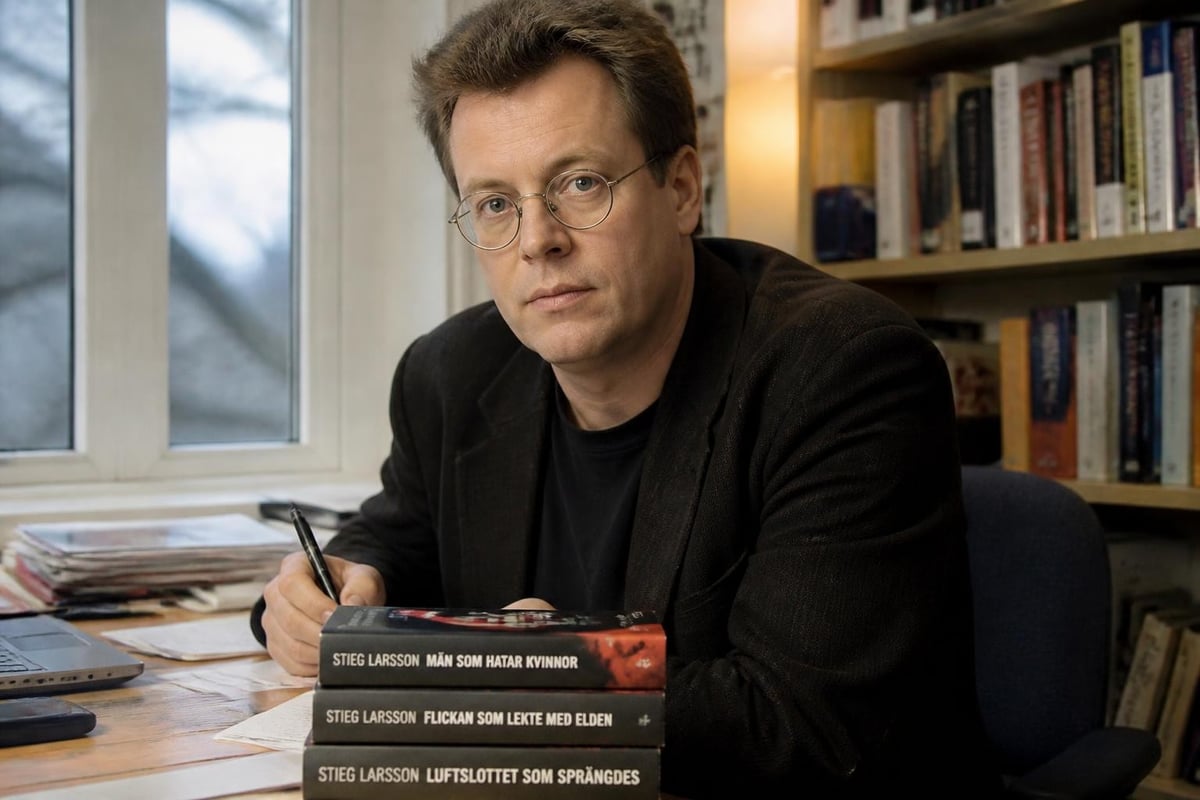
The late Swedish journalist and novelist transformed Stockholm into a literary destination for millions of readers worldwide. Born in 1954, Stieg Larsson spent decades working as an investigative reporter before penning the internationally acclaimed Millennium trilogy, featuring computer hacker Lisbeth Salander and journalist Mikael Blomkvist. Though Larsson died unexpectedly in 2004 before witnessing his novels' phenomenal success, his work continues to draw literary enthusiasts to Stockholm's streets, cafés, and neighborhoods. For visitors interested in exploring the intersection of fiction, journalism, and Swedish culture, understanding Larsson's life and legacy provides invaluable context for experiencing Stockholm through a unique narrative lens.
The Journalist Behind the Fiction
Stieg Larsson dedicated most of his professional career to exposing far-right extremism and documenting threats to democracy in Sweden. Working as editor-in-chief of the anti-racist magazine Expo, he investigated neo-Nazi organizations and white supremacist networks throughout Scandinavia. This investigative work shaped the thematic foundation of his novels, where conspiracy, corruption, and institutional violence drive the narrative.
Larsson's journalism extended beyond contemporary extremism. He researched historical unsolved cases, including the investigation into Prime Minister Olof Palme’s assassination, which remains one of Sweden's most significant cold cases. This commitment to uncovering hidden truths informed the detailed investigative sequences that characterize the Millennium series.
Writing in Secret
Few colleagues knew that Larsson spent evenings and weekends writing fiction. Between approximately 2001 and 2004, he completed three full manuscripts that would become The Girl with the Dragon Tattoo, The Girl Who Played with Fire, and The Girl Who Kicked the Hornet's Nest. He delivered the manuscripts to Norstedts publishing house shortly before his death from a heart attack at age fifty.
The novels combined Larsson's expertise in investigative journalism with compelling fictional narratives. His detailed knowledge of Swedish politics, corporate structures, and extremist networks added authenticity that distinguished his work from conventional crime fiction. Readers recognized the meticulous research underlying each subplot, creating a verisimilitude that enhanced the stories' impact.
Stockholm as Literary Geography
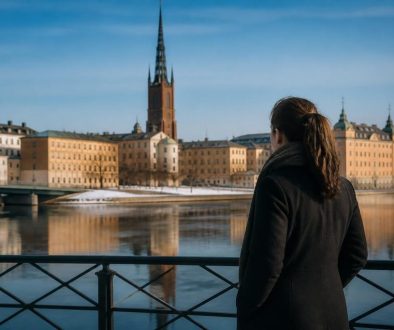
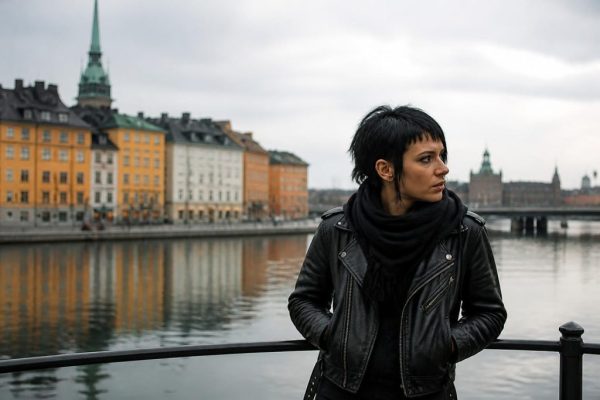
The Millennium trilogy transformed Stockholm into a character within Larsson's narratives. Specific locations throughout the city serve as settings for pivotal scenes, creating a literary map that visitors can follow. Södermalm, the southern island district, features prominently as Lisbeth Salander's neighborhood, while Kungsholmen houses the fictional Millennium magazine offices.
| Location | Significance in Trilogy | Real-World Context |
|---|---|---|
| Bellmansgatan | Mikael Blomkvist's apartment | Residential street in Södermalm |
| Mosebacke | Meeting locations and surveillance scenes | Historic square with cafés and views |
| Götgatan | Major Södermalm thoroughfare | Shopping and transit corridor |
| Millennium offices | Fictional magazine headquarters | Composite of Kungsholmen locations |
Walking through these neighborhoods allows literary enthusiasts to experience the urban environment Larsson depicted. The narrow alleys, historic buildings, and waterfront views create the atmospheric backdrop for the novels' tension and drama. For visitors seeking authentic engagement with Larsson's work, exploring these locations offers deeper appreciation of how geography shapes narrative.
The Author's Daily Routes
Stieg Larsson lived and worked in specific Stockholm districts that influenced his writing. His apartment in Södermalm positioned him within the neighborhood he would later assign to his protagonist. The commute to Expo magazine offices took him through areas that appear throughout the trilogy, from transit stations to commercial streets.
- Södermalm residential areas: Working-class and artistic neighborhood character
- Kungsholmen office district: Professional journalism environment
- Old Town connections: Historic architecture and institutional presence
- Waterfront locations: Islands and bridges connecting Stockholm's geography
These daily experiences informed the authentic urban detail readers recognize throughout the novels. Larsson wrote from direct observation, incorporating real businesses, landmarks, and transportation routes into fictional narratives. This commitment to geographical accuracy distinguishes the Millennium trilogy from crime fiction set in generic or heavily fictionalized locations. Those joining walking tours of Stockholm’s Old Town gain context for understanding how historic architecture and urban planning shape contemporary Stockholm.
Nordic Noir and International Success
The Millennium trilogy became a cornerstone of the Nordic noir phenomenon that swept international markets in the early twenty-first century. This genre, characterized by dark themes, social criticism, and morally complex protagonists, resonated with readers seeking alternatives to conventional mystery formulas. Larsson's work exemplified key Nordic noir elements while introducing distinctive political dimensions.
Academic analysis of Nordic noir’s UK reception identifies how Swedish crime fiction offered "accessible difference" for English-language audiences. The familiar thriller structure combined with unfamiliar Scandinavian settings and social democratic contexts created appealing novelty. Larsson's detailed depictions of Swedish institutions, corporate governance, and welfare state complexities introduced international readers to aspects of Scandinavian society beyond tourist stereotypes.
Publishing Phenomenon
The posthumous publication trajectory exceeded industry expectations. Initial Swedish releases in 2005-2007 achieved strong domestic sales, but international translations created unprecedented demand. English editions topped bestseller lists across multiple markets, with adaptations following in film, television, and other media formats.
Sales milestones and cultural impact:
- Over 100 million copies sold worldwide across all editions
- Translations into more than fifty languages
- Multiple film adaptations in Swedish, American, and other markets
- Television series extending the narrative universe
- Continuing cultural references in contemporary media
The Guardian’s extensive coverage documented this publishing phenomenon as it unfolded. Critics debated literary merit, political themes, and gender representation while millions of readers consumed the trilogy. The books transcended genre fiction categorization, entering mainstream cultural conversations about violence, journalism, and institutional accountability. Travelers interested in experiencing Stockholm's literary heritage through customized tours can explore locations central to this cultural phenomenon.

The Estate Controversy and Continuation
Stieg Larsson's unexpected death created complex legal and personal disputes regarding his literary estate. Larsson died without a will, and Swedish inheritance law granted rights to his father and brother rather than his partner of thirty-two years, Eva Gabrielsson. This situation sparked prolonged controversy over manuscript access, unpublished materials, and continuation rights.
Gabrielsson maintained that Larsson had outlined plans for ten Millennium novels and possessed partial drafts of subsequent books. She argued for control over his literary legacy based on their long partnership and her knowledge of his intentions. The legal heirs, meanwhile, retained formal rights and negotiated with publishers regarding series continuation. The Los Angeles Times reported extensively on Gabrielsson's memoir detailing this dispute and her perspective on Larsson's unpublished work.
New Books by Other Authors
The commercial success of the original trilogy created demand for additional Millennium novels. Publishers commissioned Swedish author David Lagercrantz to continue the series, resulting in three new books released between 2015 and 2019. These continuation novels maintained the core characters while introducing new storylines and contemporary themes.
In 2024, rights transferred to Polaris publishing, which commissioned Karin Smirnoff to write future installments. Swedish broadcaster SVT covered these developments and the publishing industry's plans for extending the franchise. Publishers Marketplace reported on trade perspectives regarding these continuation deals.
| Author | Books | Publication Years | Publisher Notes |
|---|---|---|---|
| Stieg Larsson | Original trilogy | 2005-2007 | Posthumous releases |
| David Lagercrantz | Three continuations | 2015-2019 | First commissioned author |
| Karin Smirnoff | Forthcoming | 2026+ | Current rights holder continuation |
The continuation controversy illustrates tensions between artistic integrity, commercial opportunity, and inheritance rights. Readers maintain divided opinions about whether posthumous extensions honor or exploit Larsson's legacy. For literary tour participants, these debates add layers to understanding how contemporary publishing shapes author legacies.
Visiting Larsson's Stockholm
Literary tourism centered on Stieg Larsson's work has become a significant component of Stockholm's cultural offerings. Visitors can explore locations featured in the novels, understand the real-world contexts that informed fictional settings, and experience the city through the narrative lens Larsson created. This form of cultural engagement through guided experiences combines entertainment with deeper understanding of Stockholm's urban character.
Key Literary Sites
Several Stockholm locations offer particular resonance for Millennium readers. While the novels fictionalized addresses and businesses, many settings correspond to recognizable real places. Walking these streets provides insight into the urban environment that shaped Larsson's imagination and continues to attract literary enthusiasts.
Essential locations for literary exploration:
- Bellmansgatan area in Södermalm, corresponding to Blomkvist's fictional residence
- Götgatan commercial corridor with shops, cafés, and transit connections
- Mosebacke square offering panoramic city views referenced in surveillance scenes
- Kungsholmen office districts housing journalism and media companies
- Old Town's narrow alleys suggesting historic architectural context
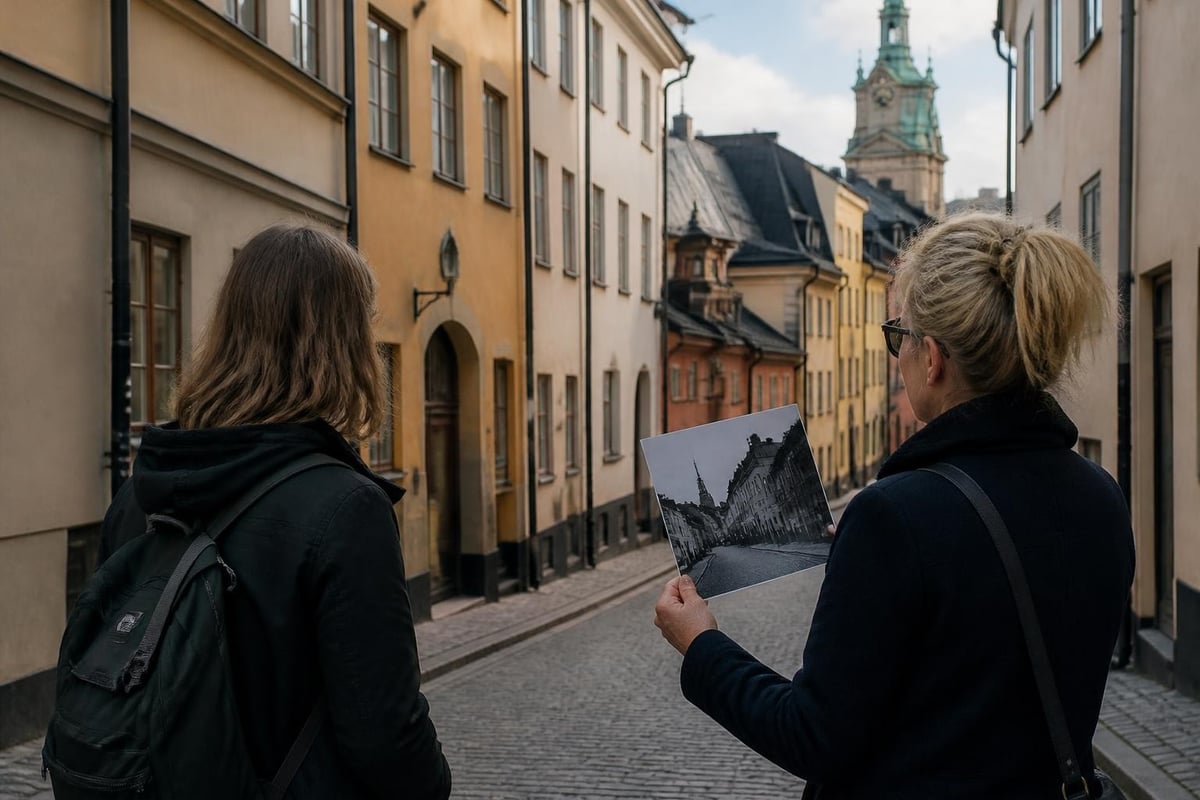
These sites work best when experienced with knowledgeable guides who can distinguish between fictional elements and actual Stockholm geography. Professional tour guides provide this context while customizing experiences to group interests and preferences. Understanding which elements Larsson documented accurately versus invented enhances appreciation of his narrative techniques.
The Author's Investigative Legacy
Beyond fictional settings, visitors interested in Larsson's journalistic work can explore institutions and locations connected to his anti-racism activism. The Expo magazine continues operating, maintaining Larsson's commitment to documenting and opposing extremist movements. While not tourist attractions, these organizations represent the serious political work underlying the Millennium trilogy's themes.
The New Yorker’s detailed profile examined Larsson's unpublished journalism and extensive research archives. His files documented extremist networks across Europe, corporate corruption cases, and unsolved crimes. This investigative foundation distinguishes the Millennium novels from pure fiction, grounding narratives in documented social realities.
Literary Tourism and Authentic Experience
Engaging meaningfully with Stieg Larsson's legacy requires balancing entertainment with understanding. The novels function as commercial thrillers while addressing serious themes regarding violence against women, institutional corruption, and extremist threats. Literary tourism that acknowledges both dimensions provides richer experiences than simple location-spotting.
Small group experiences offer advantages for this type of cultural exploration. Personalized pacing allows time for discussion and contextual understanding rather than rushed sightseeing. Native English-speaking guides can explain Swedish cultural nuances, political contexts, and publishing history that enhance appreciation of Larsson's work. Whether exploring Stockholm's historic streets or specialized literary routes, intimate group sizes facilitate meaningful engagement.
Combining Themes and Interests
Literary enthusiasts often appreciate Stockholm beyond Millennium connections. The city offers diverse cultural attractions, from museums and galleries to music heritage and architectural landmarks. Well-designed tours integrate multiple interest areas, creating comprehensive experiences rather than single-focus itineraries.
Visitors passionate about Nordic design, for instance, can combine architectural walks with literary sites. Music enthusiasts might pair Larsson locations with Stockholm's renowned music scene. Just as travelers might explore Egypt's ancient sites with experienced guides from specialized companies like My Way To Egypt, Stockholm visitors benefit from expert local knowledge that connects diverse themes into coherent narratives. Those seeking tailored experiences can work with guides to balance literary interests with other Stockholm attractions.
Understanding the Phenomenon
The enduring appeal of Stieg Larsson's work reflects multiple factors beyond plotting and character development. Readers respond to the novels' political engagement, social criticism, and willingness to confront difficult subjects. The books address institutional violence, corporate malfeasance, and systemic inequality within entertaining thriller frameworks.
Lisbeth Salander became an iconic character representing unconventional heroism and resistance to authority. Her technical skills, moral complexity, and refusal to conform resonated with readers seeking alternatives to conventional protagonists. Mikael Blomkvist's investigative journalism modeled ethical professional practice in an era of media consolidation and declining resources for accountability reporting.
Social Commentary Through Fiction
Larsson embedded substantive social criticism within commercial fiction structures. The novels examine Swedish welfare state contradictions, gender-based violence, and far-right movements' persistent threats. These themes transcend Swedish specifics, addressing issues relevant across democratic societies. International readers recognized universal concerns within culturally specific narratives.
The trilogy's continued relevance reflects ongoing debates about journalism's role, technology's power, and institutional accountability. Larsson's work anticipated contemporary discussions about digital privacy, corporate surveillance, and extremist online networks. Reading the novels in 2026 reveals both dated elements and prescient observations about technology's social impacts.
Planning Your Literary Journey
Visitors planning Stockholm trips centered on Stieg Larsson's legacy should consider several practical factors. Seasonal variations affect walking tour comfort, with spring through early autumn offering optimal weather. Winter visits provide atmospheric dark aesthetics matching the novels' noir tone but require weather-appropriate preparation.
Group composition influences tour design. Family groups might focus on broader Stockholm contexts with selective Millennium content, while dedicated literary enthusiasts prefer detailed location visits and extended discussions. Private tours accommodate these preferences, adjusting content and pacing to participant interests rather than fixed itineraries. Those interested in Stockholm sightseeing can incorporate Larsson themes within comprehensive city exploration.
Preparation recommendations for literary visitors:
- Read at least the first Millennium novel before arrival
- Research basic Stockholm geography and district characteristics
- Identify specific locations or themes of greatest interest
- Consider combining literary sites with other cultural attractions
- Book guides with demonstrated expertise in Swedish literature and culture
Advanced preparation enhances on-site experiences by providing narrative context and thematic understanding. Visitors familiar with character relationships, plot developments, and thematic concerns engage more deeply with locations and guide commentary. This preparation transforms site visits from simple recognition to meaningful cultural engagement.
Stieg Larsson's transformation from investigative journalist to posthumous literary phenomenon created lasting cultural impact that continues to draw visitors to Stockholm. His meticulous documentation of Swedish society, combined with compelling fictional narratives, established the Millennium trilogy as both entertainment and social commentary. For travelers seeking authentic engagement with this literary legacy, Adding:tours offers personalized experiences that connect Larsson's fiction with Stockholm's real geography, history, and culture. Our native English-speaking guides provide insider perspectives that transform sightseeing into meaningful cultural exploration, whether you're following the Millennium trail or discovering Stockholm's broader literary and historical richness.