Millennium Trilogy: Stockholm’s Literary Crime Legacy
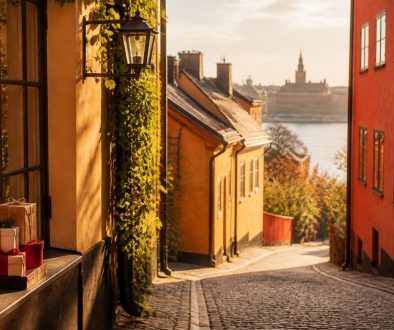
The millennium trilogy has fundamentally transformed how visitors experience Stockholm, turning the Swedish capital into one of Europe's most sought-after literary tourism destinations. Written by journalist and activist Stieg Larsson, this groundbreaking series introduced readers worldwide to journalist Mikael Blomkvist and hacker Lisbeth Salander while simultaneously mapping an intricate portrait of Stockholm's neighborhoods, cafés, and hidden corners. For travelers seeking to explore beyond conventional sightseeing, the trilogy offers a compelling lens through which to understand contemporary Swedish society, culture, and urban geography.
The Cultural Phenomenon Behind the Millennium Trilogy
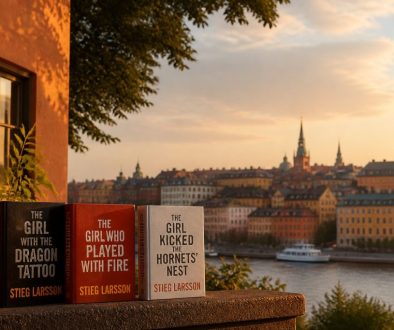
Stieg Larsson's posthumously published works arrived at a pivotal moment in global publishing history. The first book, "The Girl with the Dragon Tattoo," appeared in Swedish in 2005, followed by "The Girl Who Played with Fire" and "The Girl Who Kicked the Hornet's Nest." Within a decade, the Nordic Noir translation boom transformed international crime fiction markets, with the millennium trilogy selling over 100 million copies in more than 50 countries.
What distinguished these novels from typical crime fiction was Larsson's meticulous attention to place. Every café, subway station, and street intersection served narrative purpose while simultaneously creating a detailed roadmap of Stockholm itself. This geographical precision has enabled guided group tours to trace the exact footsteps of characters through real neighborhoods.
Literary Geography and Tourism Impact
The trilogy's influence on Stockholm tourism cannot be overstated. Visitors now seek out specific addresses mentioned in the books:
- Bellmansgatan 1, Lisbeth Salander's apartment in Södermalm
- Millennium magazine's fictional office near Götgatan
- Café Java, a fictionalized version of real Stockholm coffee shops
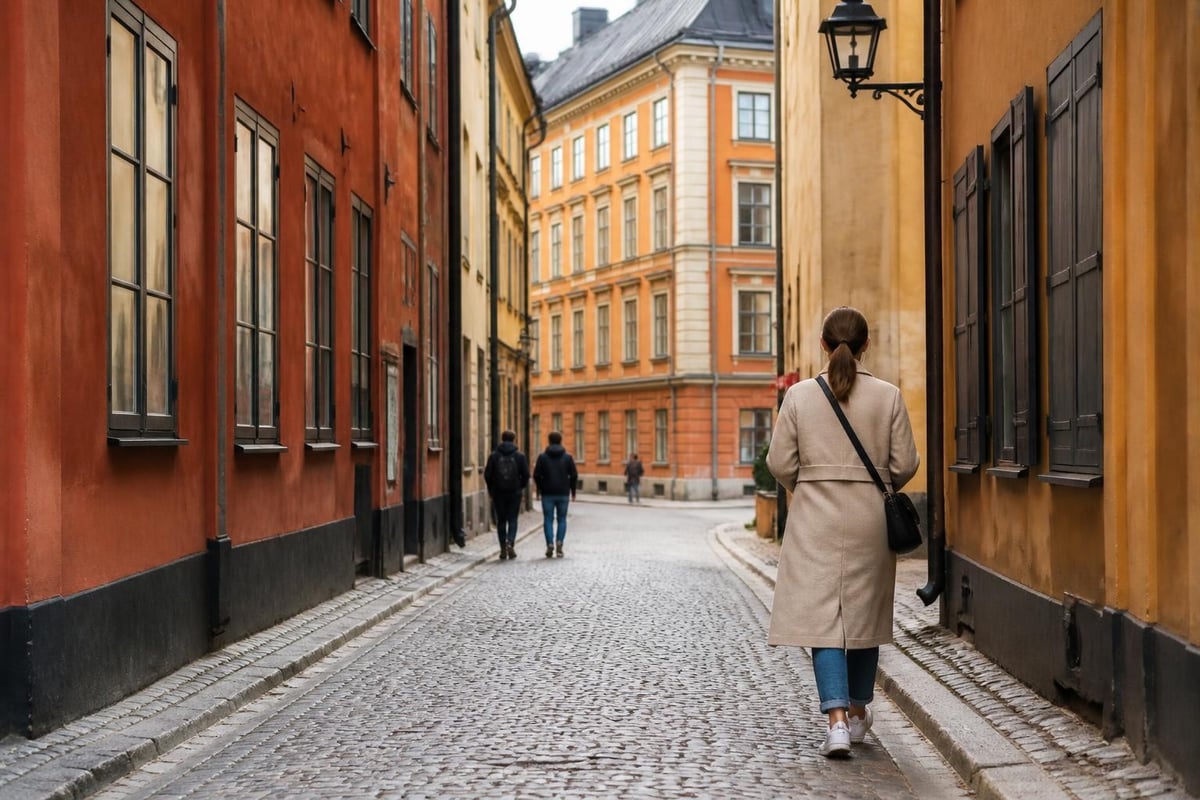
- The streets of Gamla Stan (Old Town) featured in chase sequences
- Kvarnen, the actual restaurant where characters meet
These locations have become cultural landmarks, transforming literary fiction into tangible tourist experiences. The phenomenon mirrors what happened with other literary destinations, but the millennium trilogy's contemporary setting made locations immediately accessible and recognizable to visitors arriving in Stockholm.
Author Background and Activist Legacy
Understanding the millennium trilogy requires knowledge of Stieg Larsson himself. Recent investigations into Larsson’s double life as an anti-far-right activist reveal how deeply his journalistic work informed the novels' themes. Larsson spent decades documenting extremist groups in Sweden, and this research permeates every page of his fiction.
The trilogy's exploration of violence against women, corporate corruption, and institutional failures reflects Larsson's investigative journalism background. His work for the anti-fascist magazine Expo directly influenced Millennium magazine's fictional crusades against wrongdoing. This biographical context adds layers of meaning for readers and visitors alike.
| Larsson's Professional Life | Influence on Trilogy |
|---|---|
| Anti-fascist journalism | Millennium magazine concept |
| Expo magazine work | Corporate investigation plots |
| Extremism research | Conspiracy storylines |
| Gender violence documentation | Lisbeth Salander character |
Larsson never lived to see his works published. He died in 2004 at age 50, leaving behind three completed manuscripts and notes for additional books. This tragic circumstance adds poignancy to visitor experiences when exploring locations he frequented during his research and writing.
Publishing Success and Global Reach
The commercial trajectory of the millennium trilogy represents one of modern publishing's most remarkable success stories. Norstedts, the original Swedish publisher, initially printed modest runs, uncertain of the books' appeal. Within months, Swedish readers had sparked a phenomenon that would cross every major market globally.
English-language rights changed hands through Penguin Random House, bringing the trilogy to American and British audiences in 2008-2009. The timing proved fortuitous, as readers sought complex, intelligent crime fiction during the economic recession. Academic analysis of the English translations reveals how linguistic choices shaped reception in different markets.
Translation and Adaptation Challenges
Translating the millennium trilogy involved more than converting Swedish to English. Cultural references, institutional terminology, and Stockholm-specific geography required careful handling:
- Swedish naming conventions needed explanation for international readers
- Legal and political systems required contextual footnotes in some editions
- Local geography demanded decisions about place-name translations
- Idiomatic expressions were adapted for English-speaking audiences
- Technical terminology from journalism and hacking cultures needed updating
These translation decisions directly impact how visitors experience Stockholm. When tourists arrive seeking locations from the books, they sometimes discover discrepancies between translated names and actual Swedish designations, making knowledgeable local guides invaluable for walking tours through trilogy settings.
Screen Adaptations and Visual Interpretations
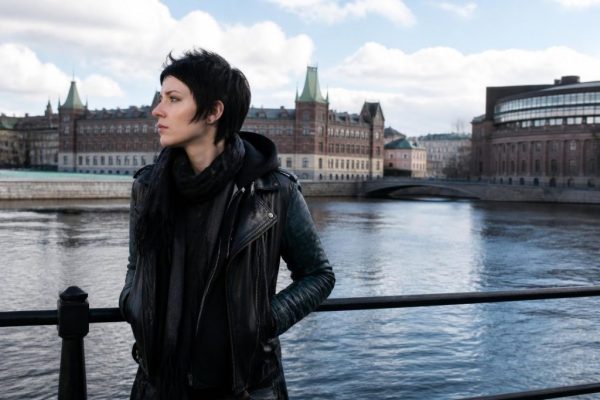
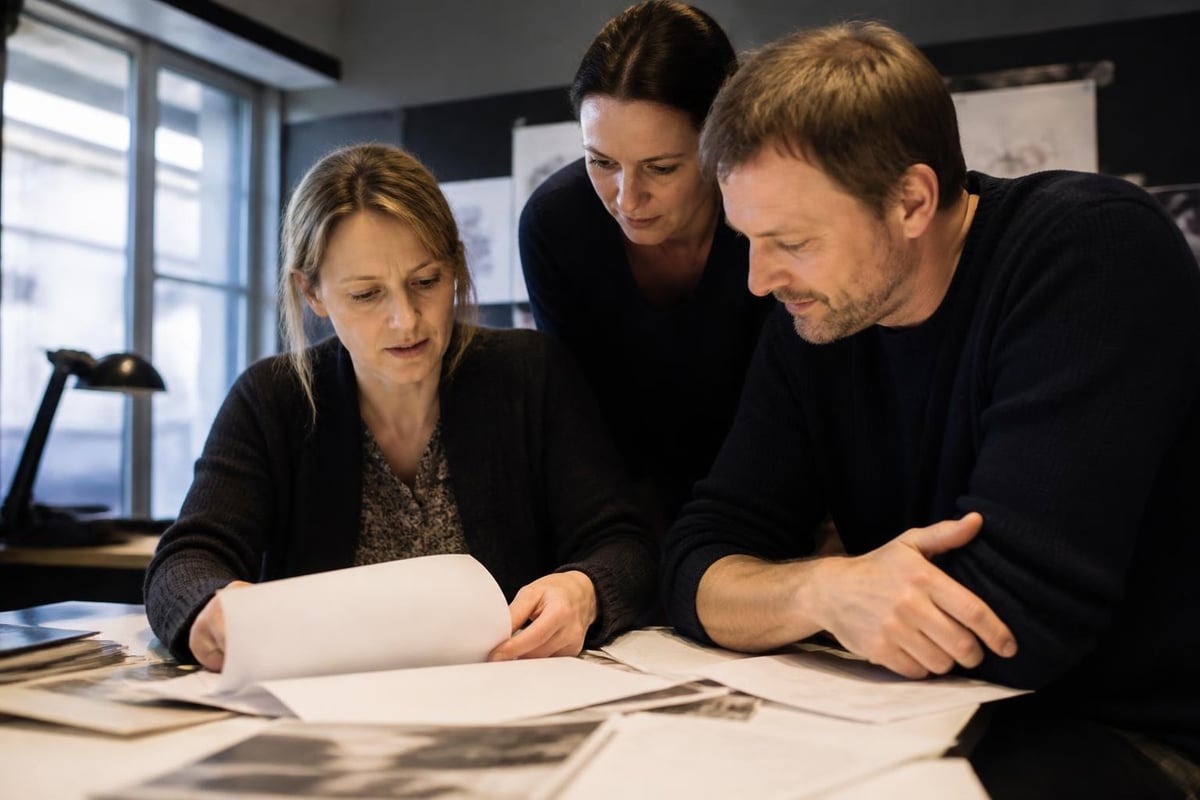
The millennium trilogy's journey from page to screen has produced multiple interpretations across Swedish, American, and now British productions. The original Swedish film trilogy (2009) starring Noomi Rapace established visual templates for characters and locations. Hollywood's 2011 remake directed by David Fincher relocated certain scenes but maintained Stockholm's essential geography.
Recent announcements about new television adaptations signal continued commercial interest in Larsson's creation. Each adaptation brings fresh attention to Stockholm as a filming location and tourist destination. Production crews extensively scout actual trilogy locations, often requiring permits for streets and buildings mentioned in the novels.
Film tourism represents a significant portion of visitors seeking millennium trilogy experiences. Many travelers have watched screen adaptations before arriving in Stockholm, creating expectations about how neighborhoods should appear. This visual familiarity makes small group tours particularly effective, as guides can distinguish between fictional elements, filming locations, and the real Stockholm that inspired Larsson.
Exploring Millennium Trilogy Sites in Stockholm
For visitors interested in literary tourism, Stockholm offers unparalleled opportunities to trace the millennium trilogy's narrative geography. The concentration of significant locations within walkable distances makes comprehensive tours feasible even for those with limited time. For a structured route through these sites, guided literary tours in Stockholm trace the trilogy’s locations on foot.
Södermalm District serves as the trilogy's heart. This formerly working-class neighborhood, now thoroughly gentrified, contains more referenced locations than any other Stockholm area. Visitors can walk from Lisbeth Salander's apartment address to cafés where Blomkvist meets sources, passing authentic Stockholm streetscapes largely unchanged since Larsson's writing.
Gamla Stan features prominently in several key scenes. The Old Town's medieval streets and narrow alleys provided atmospheric settings for clandestine meetings and dramatic confrontations. Group tours through these historic areas contextualize how Larsson wove contemporary crime narratives into Stockholm's ancient urban fabric.
Practical Considerations for Literary Tourists
Planning a millennium trilogy exploration requires consideration of several factors:
- Seasonal timing: Stockholm's dramatic seasonal changes affect how locations appear
- Walking distances: Most sites cluster in central districts but still require comfortable footwear
- Private residences: Many addresses are actual apartments, requiring respectful observation
- Commercial establishments: Some cafés and restaurants referenced have closed or changed ownership
- Photographic opportunities: Certain angles and perspectives capture the trilogy's atmosphere
Experienced guides familiar with both the novels and Stockholm's current landscape provide invaluable context. They distinguish between Larsson's fictional embellishments and accurate geographical details, enriching the experience for serious fans and casual readers alike.
The Broader Nordic Noir Movement
The millennium trilogy's success opened international markets to an entire genre of Scandinavian crime fiction. Publishers eagerly sought the "next Stieg Larsson," leading to translations of works by Henning Mankell, Jo Nesbø, Camilla Läckberg, and dozens of other Nordic authors. Interdisciplinary academic analysis examines how the trilogy influenced both publishing trends and cultural perceptions of Scandinavian societies.
This Nordic Noir wave transformed how international audiences perceived Sweden, Norway, Denmark, and Iceland. Rather than focusing exclusively on progressive social policies and design aesthetics, visitors became curious about the darker aspects of Nordic societies that crime fiction explores. The millennium trilogy's treatment of institutional corruption, violence against women, and class tensions presented complex social portraits that resonated globally.
| Nordic Noir Element | Millennium Trilogy Example | Tourism Impact |
|---|---|---|
| Dark winter settings | Stockholm in December | Seasonal tourism interest |
| Institutional critique | Newspaper corruption plots | Interest in Swedish media |
| Complex female characters | Lisbeth Salander | Feminist tourism angles |
| Urban geography | Södermalm neighborhood detail | Literary walking tours |
The genre's influence extends beyond literature into television, with Swedish crime dramas gaining international streaming audiences. This multimedia presence keeps Stockholm's association with crime fiction current and relevant for new generations of visitors.
Contemporary Relevance and Continuing Legacy
Nearly two decades after initial publication, the millennium trilogy maintains remarkable cultural relevance. The series' exploration of digital privacy, journalistic integrity, corporate malfeasance, and violence against women resonates perhaps more strongly in 2026 than when Larsson wrote in the early 2000s. Contemporary readers discover prescient observations about technology's social implications and institutional accountability.
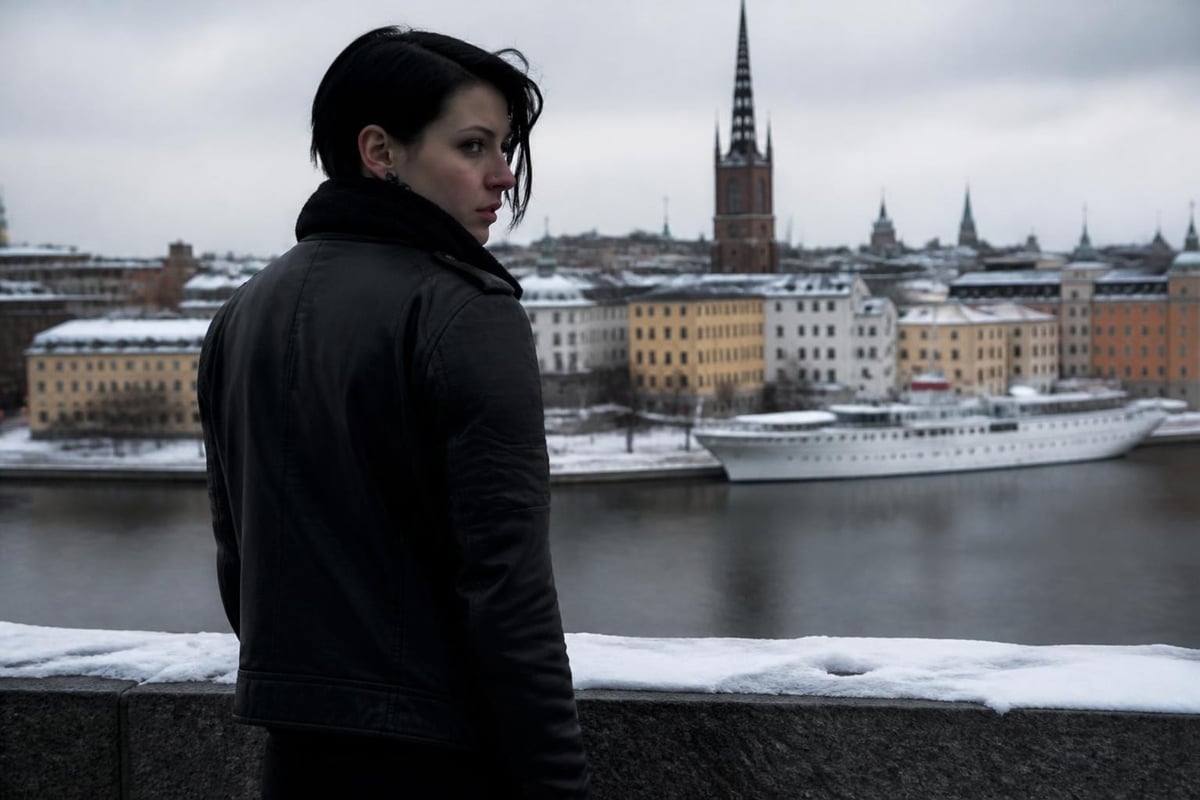
Stockholm itself has evolved significantly since Larsson's era. Neighborhoods he described have gentrified further, technology companies have transformed urban landscapes, and social dynamics have shifted. Yet the essential geography remains, allowing visitors to connect with the trilogy's settings while observing how Stockholm has changed.
Educational tourism around the millennium trilogy has expanded beyond simple location-spotting. Universities and adult education programs offer courses examining the books' social commentary, feminist themes, and critique of Swedish exceptionalism. These academic perspectives add depth to physical site visits, creating multidimensional literary tourism experiences.
The continuation of the series by author David Lagercrantz (authorized by Larsson's estate despite controversy) has introduced new generations to Blomkvist and Salander while updating Stockholm's portrayal for contemporary readers. Whether these additions achieve the original trilogy's impact remains debated, but they sustain commercial and tourism interest in the franchise.
Planning Your Millennium Trilogy Experience
Visitors planning Stockholm trips focused on the millennium trilogy should consider several strategic approaches to maximize their experience. The city offers both self-guided exploration options and professionally organized tours that provide insider knowledge impossible to replicate independently.
Duration considerations matter significantly. A superficial survey of major locations requires only a half-day, but comprehensive exploration including cafés, neighborhoods, and contextual sites benefits from full-day allocation. Multi-day visitors might dedicate specific days to different aspects: one for Södermalm locations, another for central Stockholm sites, and additional time for broader cultural context.
Seasonal factors influence both accessibility and atmosphere. Winter visits capture the dark, moody ambiance Larsson frequently evoked, though shorter daylight hours limit walking time. Summer offers extended exploration hours but loses some atmospheric authenticity. Spring and autumn provide balanced experiences with moderate weather and appropriate lighting for photography.
Group composition affects tour structure. Private group tours allow customization based on participant interests, whether focusing on literary analysis, photography opportunities, or broader Stockholm history. Mixed-interest groups benefit from guides who balance trilogy-specific content with general city context.
Recommended Tour Elements
Comprehensive millennium trilogy tours typically incorporate:
- Narrative chronology: Following the first book's sequence through Stockholm
- Character perspectives: Viewing locations through Blomkvist versus Salander's experiences
- Thematic focus: Exploring sites related to specific plot elements or social issues
- Comparative analysis: Discussing how film adaptations depicted versus actual locations
- Contemporary context: Explaining how Stockholm has changed since Larsson's writing
These elements transform simple location visits into meaningful cultural experiences that illuminate both the trilogy and Stockholm itself.
Integration with Broader Stockholm Tourism
The millennium trilogy represents just one dimension of Stockholm's rich cultural offerings. Visitors often combine literary tourism with other interests, creating comprehensive Swedish capital experiences. The trilogy's locations naturally intersect with historical sites, museums, culinary destinations, and entertainment venues.
Gamla Stan visits combine millennium trilogy scenes with medieval history, the Royal Palace, and traditional Swedish craft shops. Södermalm offers contemporary Nordic cuisine, vintage shopping, and waterfront views alongside Larsson's fictional geography. This integration allows efficient trip planning that satisfies multiple interests simultaneously.
Music enthusiasts might pair trilogy tours with ABBA-related attractions, creating a comprehensive Swedish pop culture experience. Stockholm's compact geography makes such combinations practical even within limited timeframes. The key lies in understanding geographical relationships and scheduling tours to minimize backtracking.
For literary tourists, Stockholm offers additional author connections beyond Larsson. August Strindberg's former residences, Astrid Lindgren's museum, and locations from other Swedish writers provide broader literary context. These combinations appeal particularly to travelers with general literary interests rather than exclusive trilogy focus.
The millennium trilogy has permanently transformed Stockholm into a living literary landscape where fiction and reality intertwine along every street and corner. For travelers seeking to experience this unique cultural phenomenon firsthand, expert local guidance makes all the difference in understanding both the stories and the city that inspired them. Adding:tours offers personalized literary adventures through Stockholm's millennium trilogy locations, led by native English-speaking guides who share exclusive insights and stories that bring Stieg Larsson's world to life for small groups and private gatherings.
{“@context”:”https://schema.org”,”@type”:”Article”,”headline”:”Millennium Trilogy: Stockholm’s Literary Crime Legacy”,”description”:”Discover Stieg Larsson’s Millennium trilogy and its impact on Stockholm tourism. Explore the real locations behind the Dragon Tattoo series.”,”image”:[“https://xqvnmkjynbkcujcrtubi.supabase.co/storage/v1/object/public/article-images/9be7a612-c1dc-4f9b-a202-0a5756b8a1dc/featured-1793233523531.jpg”],”datePublished”:”2026-10-29T00:41:32.489Z”,”dateModified”:”2026-11-13T13:26:13.690Z”,”author”:{“@type”:”Organization”,”name”:”Adding:tours”,”url”:”https://addingtours.se/”},”publisher”:{“@type”:”Organization”,”name”:”Adding:tours”,”url”:”https://addingtours.se/”},”mainEntityOfPage”:{“@type”:”WebPage”,”@id”:”https://addingtours.se/millennium-trilogy/”}}