Solo Travel Group Tours: Your Complete 2026 Guide
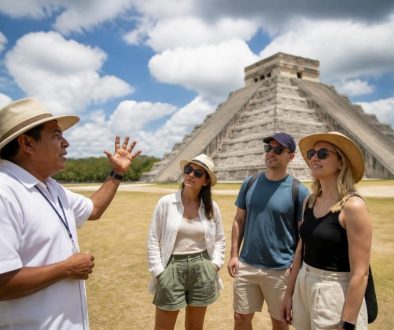
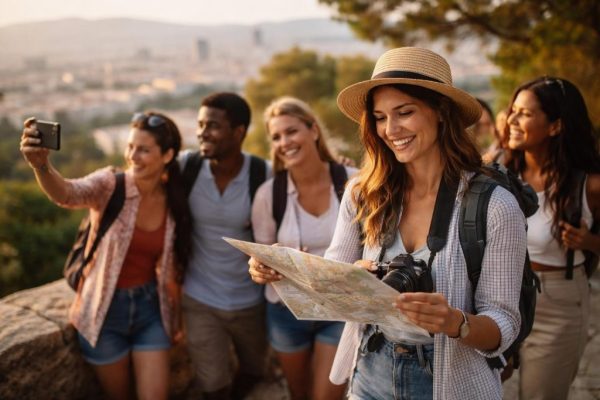
The landscape of travel has evolved dramatically, and one of the most compelling trends emerging in recent years is the rise of solo travelers choosing group tour experiences. This seemingly paradoxical approach marries the freedom and self-discovery of solo adventures with the security, social connections, and structured convenience of group travel. Solo travel group tours represent a sophisticated solution for independent travelers who seek meaningful experiences without sacrificing the camaraderie and practical benefits that come with exploring destinations alongside like-minded adventurers.
Understanding the Solo Travel Group Tours Phenomenon
Solo travel group tours cater to a specific type of traveler: someone who values independence but recognizes the advantages of shared experiences. According to comprehensive data on solo travelers, this demographic continues to expand rapidly, with travelers seeking ways to explore the world on their own terms while avoiding the potential isolation or logistical challenges of completely independent travel.
The concept differs fundamentally from both traditional solo travel and conventional group tours. Participants book individually, travel to the destination independently, and join a curated group experience once there. This arrangement provides the autonomy to choose when and how to travel while offering the benefits of professional guidance, pre-arranged logistics, and instant social connections.
Who Chooses Solo Travel Group Tours
The demographic profile of solo group tour participants spans multiple age groups and backgrounds. Young professionals seeking adventure without extensive planning, retirees exploring post-career freedom, and mid-career individuals taking sabbaticals all find value in this format.
Common motivations include:
- Desire for cultural immersion with expert local guidance
- Safety concerns about traveling completely alone
- Interest in meeting fellow travelers with similar interests
- Preference for hassle-free logistics and pre-arranged experiences
- Opportunity to visit destinations that feel challenging to navigate independently
Many participants appreciate how solo group tours eliminate the challenges often associated with both pure solo travel and traditional group packages. The format addresses concerns about dining alone, navigating unfamiliar transportation systems, or missing important cultural context without a knowledgeable guide.

Key Benefits of Solo Travel Group Tours
The advantages of choosing solo travel group tours extend beyond simple convenience. These experiences offer a unique combination of benefits that neither completely independent travel nor traditional group packages can replicate.
Safety and Security Advantages
Traveling with a structured group provides inherent safety benefits, particularly in unfamiliar destinations. Professional guides understand local customs, potential risks, and emergency protocols. Group members look out for one another, creating a support network that solo travelers might otherwise lack.
For those exploring cities like Stockholm, guided sightseeing tours offer insider knowledge that helps participants navigate safely while discovering hidden gems that independent travelers might miss. Native English-speaking guides provide context and advice that enhances both safety and enjoyment.
Social Connections Without Commitment
One of the most valued aspects of solo travel group tours involves the organic social opportunities they create. Unlike traveling with predetermined companions, participants can engage as much or as little as they prefer.
| Social Aspect | Solo Travel Group Tours | Traditional Group Tours | Pure Solo Travel |
|---|---|---|---|
| Control Over Social Time | High flexibility | Limited flexibility | Complete control |
| Quality of Connections | Often deeper (shared interests) | Variable | Requires effort to establish |
| Social Pressure | Minimal | Can be significant | None |
| Friendship Duration | Often extends beyond trip | Typically trip-only | Varies widely |
The shared experience of discovery creates natural bonding opportunities. Whether walking through Stockholm's narrow alleys or exploring cultural landmarks, group members develop connections based on genuine shared interests rather than obligatory socializing.
Simplified Logistics and Planning
Solo travel group tours eliminate the exhaustive research and booking processes that can overwhelm independent travelers. Tour operators handle accommodations, transportation between sites, admission fees, and dining reservations, freeing participants to focus on experiencing the destination.
This logistical support proves particularly valuable in destinations with language barriers, complex transportation networks, or destinations requiring advance reservations for popular attractions. For those considering professional tour guide services, the expertise provided ensures efficient use of limited vacation time.
Choosing the Right Solo Travel Group Tour
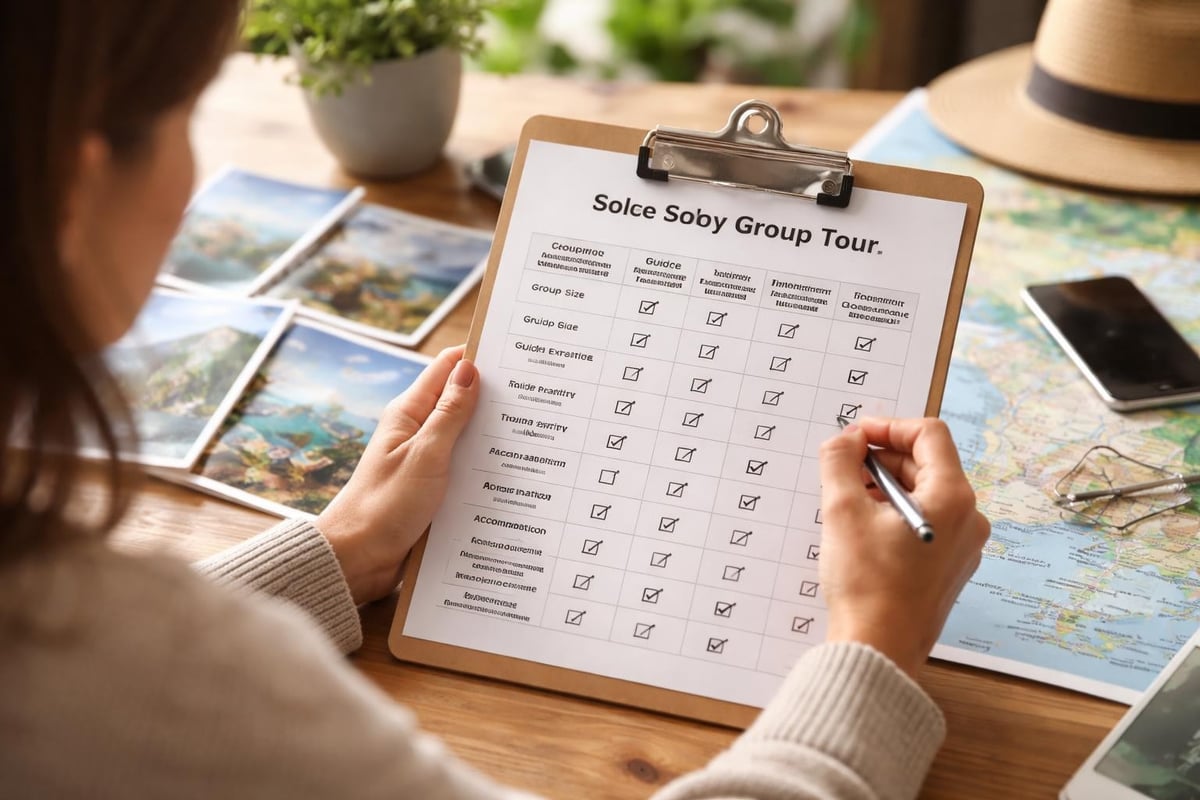
Selecting an appropriate tour requires careful consideration of multiple factors beyond destination and duration. The quality of the experience depends heavily on matching the tour format to individual preferences and travel style.
Tour Size Considerations
Group size significantly impacts the experience. Smaller groups typically offer more intimate experiences, greater flexibility, and deeper connections among participants.
Small group advantages (6-12 people):
- More personalized attention from guides
- Easier coordination and schedule adjustments
- Access to venues that cannot accommodate larger groups
- Stronger social bonds among participants
- More authentic local experiences
Larger group considerations (15-30 people):
- Often more affordable per person
- Wider variety of personalities and backgrounds
- More structured schedules with less flexibility
- May feel less personal or intimate
For destinations like Stockholm, tailored tours with smaller groups enable customization that large tour operators cannot match. The ability to adjust itineraries based on group interests creates more meaningful experiences.
Assessing Tour Operators and Guides
The expertise and approach of tour operators determine the quality of solo travel group tours. Research potential companies thoroughly, examining reviews, guide qualifications, and company values.
Key evaluation criteria:
- Guide expertise and local knowledge depth
- Company safety protocols and emergency procedures
- Flexibility in accommodating dietary restrictions or accessibility needs
- Cancellation policies and travel insurance options
- Sustainability practices and community impact
- Previous participant testimonials and repeat customer rates
Look for operators who employ native English-speaking guides when language clarity is important. Clear communication enhances understanding of cultural context, historical significance, and practical travel tips.
Popular Destinations and Experience Types
Solo travel group tours span an incredible range of destinations and thematic focuses. Understanding the variety helps travelers identify experiences aligned with personal interests.
Cultural and Historical Tours
These experiences emphasize deep engagement with destination heritage, architecture, and traditions. Walking tours through historic districts, museum visits with expert interpretation, and interactions with local artisans provide rich cultural context.
In Stockholm, for example, old town walking tours reveal centuries of Swedish history through cobblestone streets, medieval architecture, and stories that bring the past to life. The combination of expert narration and small group dynamics allows for questions, discussion, and genuine learning.
Adventure and Activity-Based Tours
For travelers seeking physical challenge or outdoor experiences, adventure-oriented solo travel group tours offer everything from hiking expeditions to cycling journeys. These tours attract participants with shared interests in active exploration.
The structured nature of these tours provides safety equipment, experienced guides familiar with terrain and conditions, and logistical support that makes challenging activities accessible to solo travelers who might hesitate to attempt them independently.
Specialized Interest Tours
Niche tours focusing on specific interests create particularly strong bonds among participants. Whether exploring literary history, culinary traditions, photography, music, or architecture, these specialized experiences attract passionate enthusiasts.
For music lovers, specialized tours might include experiences like ABBA-themed adventures or visits to historic performance venues. Cultural tours built around specific themes provide depth that general sightseeing cannot match.
Preparing for Your Solo Travel Group Tour
Successful participation in solo travel group tours requires different preparation than either independent travel or traditional group packages. Understanding what to expect and how to prepare enhances the overall experience.
Pre-Trip Preparation Steps
Essential preparation includes:
- Researching destination climate, culture, and customs
- Packing appropriately for group activities and free time
- Arranging travel insurance covering group tour scenarios
- Understanding the tour operator's communication protocols
- Preparing questions about the itinerary and logistics
- Setting realistic expectations about pace and schedule
Review the detailed itinerary carefully, noting which meals are included, how much free time is allocated, and what additional costs might arise. Understanding the financial aspects prevents surprises and allows for appropriate budgeting.
Managing Expectations and Social Dynamics
Solo travel group tours work best when participants approach them with realistic expectations about group dynamics. Not everyone will become close friends, and that's perfectly acceptable. The goal is meaningful shared experiences, not forced intimacy.
Practical advice for solo travelers emphasizes the importance of maintaining personal boundaries while remaining open to connections. This balance proves particularly important in group tour contexts where you'll spend significant time with the same people.
Making the Most of Free Time
Most solo travel group tours include unstructured time for independent exploration. This balance allows participants to pursue personal interests while benefiting from group experiences during scheduled activities.
| Free Time Activity | Benefit | Consideration |
|---|---|---|
| Solo exploration | Personal discovery | Safety awareness needed |
| Small group outings | Deeper connections | Coordinate with interested participants |
| Rest and reflection | Prevents burnout | Balance social engagement |
| Local dining experiences | Culinary discovery | Check restaurant locations and hours |
Use free time strategically to rest when needed, pursue specific interests the group tour doesn't cover, or deepen connections with fellow travelers through informal shared activities.
Financial Considerations and Value Assessment
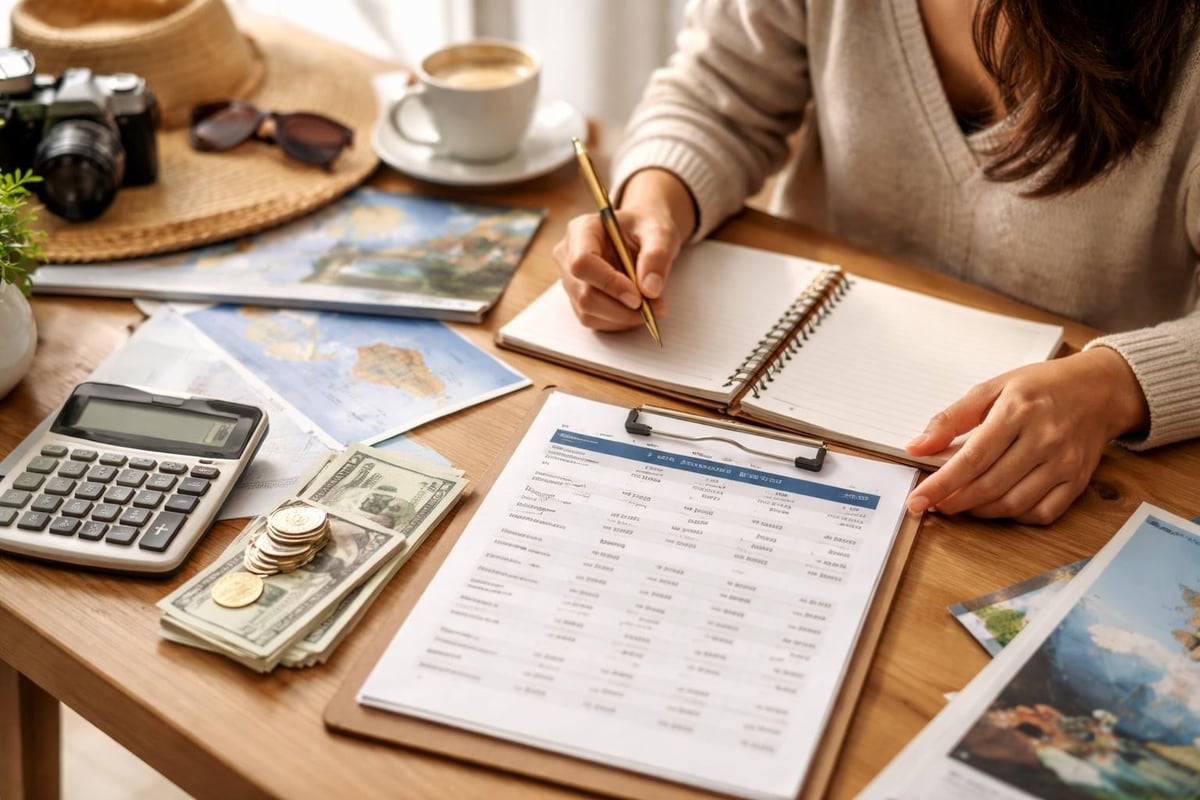
Solo travel group tours occupy a specific price point between budget independent travel and luxury private experiences. Understanding the value proposition helps determine whether this travel style fits your budget and priorities.
Cost Breakdown Analysis
Typical inclusions in tour pricing:
- Accommodation for the tour duration
- Guided activities and entrance fees
- Some or all meals depending on tour type
- Ground transportation between tour sites
- Services of professional guides
- Pre-arranged reservations and bookings
Common additional costs:
- Flights to and from the destination
- Meals not included in the tour package
- Optional activities or excursions
- Personal expenses and souvenirs
- Gratuities for guides and service providers
- Travel insurance premiums
When comparing options for solo group tours, calculate the total cost including these additional expenses. Sometimes a higher tour price includes more meals and activities, ultimately costing less overall.
Single Supplement Considerations
Many tour operators charge single supplements for solo travelers requiring private accommodations. This additional fee reflects the reality that tour costs assume double occupancy for budgeting purposes.
Some companies have eliminated or reduced single supplements, recognizing the growing solo traveler market. Others offer roommate matching services, pairing solo travelers willing to share accommodations to avoid the supplement charge. Research these policies carefully when comparing tour options.
Common Concerns and How to Address Them
Prospective participants in solo travel group tours often express similar concerns. Understanding these issues and their solutions helps travelers make informed decisions.
Age and Fitness Compatibility
Tours vary significantly in physical demands and typical participant age ranges. Some cater specifically to active younger travelers, while others design experiences for retirees or travelers with mobility considerations.
Research indicates that group tours work well for solo travelers across age spectrums when properly matched to fitness levels and interests. Read tour descriptions carefully for age ranges, fitness requirements, and pace indicators.
Don't hesitate to contact tour operators directly with questions about whether a specific tour matches your fitness level. Reputable companies provide honest assessments to ensure participant satisfaction and safety.
Personality Types and Solo Travel Group Tours
Introverts sometimes worry that group tours will prove exhausting or overwhelming. However, the structure of solo travel group tours often suits introverted personalities well. Scheduled group time provides social interaction within defined boundaries, while free time offers necessary solitude for recharging.
Extroverts, conversely, may need to balance their desire for constant interaction with respect for fellow travelers who prefer quieter moments. The best group tours accommodate both personality types through varied activities and flexible social expectations.
Quality and Authenticity Concerns
Some travelers fear that group tours sacrifice authentic experiences for tourist-focused activities. While this risk exists with some operators, many solo travel group tours prioritize genuine local engagement.
Look for tours emphasizing small group sizes, local guide expertise, and non-touristy experiences. Walking tours that explore beyond main attractions often provide more authentic encounters with local culture than large bus tours hitting only major landmarks.
Long-Term Benefits and Life Impact
Beyond the immediate enjoyment of the trip itself, participating in solo travel group tours can produce lasting benefits that extend well into everyday life.
Skills and Confidence Development
Navigating a foreign destination, even with group support, builds confidence and problem-solving abilities. Solo travelers return home with enhanced self-reliance, improved communication skills, and greater cultural awareness.
These skills transfer to professional and personal contexts. The confidence gained from successfully navigating international travel often translates into willingness to take on new challenges in other life areas.
Lasting Friendships and Networks
Many solo travel group tour participants maintain friendships long after trips conclude. Shared experiences create strong bonds, and modern technology makes maintaining international friendships easier than ever.
These connections often lead to future travel opportunities, with former tour companions planning independent trips together or recommending experiences in their home countries. The network of fellow travelers becomes a valuable resource for future adventures.
Perspective and Personal Growth
Exposure to different cultures, histories, and ways of life through guided vacations broadens perspective in ways that staying home cannot replicate. The combination of expert interpretation and shared discussion with fellow travelers deepens this learning.
Understanding that solo group tours are considered the smartest way to travel comes from recognizing these multifaceted benefits that extend beyond the trip duration.
Seasonal and Timing Considerations
The timing of solo travel group tours significantly impacts both the experience quality and the participant demographics. Strategic timing enhances enjoyment and value.
Peak Season Advantages and Challenges
Peak season benefits:
- Optimal weather conditions for outdoor activities
- All attractions and services operating at full capacity
- Larger selection of available tour dates and options
- Vibrant atmosphere with local festivals and events
Peak season drawbacks:
- Higher prices for tours, accommodations, and flights
- Larger crowds at popular attractions
- Less personalized attention at busy venues
- Potential for rushed experiences due to time constraints
Shoulder Season Opportunities
Traveling during shoulder seasons (spring and fall in most destinations) often provides the best balance of favorable conditions and manageable crowds. Prices typically decrease while weather remains pleasant and most attractions stay open.
For destinations like Stockholm, late spring and early fall offer comfortable temperatures for walking tours without summer's peak crowds. The city's cultural offerings remain fully available while providing more relaxed exploration opportunities.
Tour Duration and Frequency
Solo travel group tours range from weekend city breaks to multi-week expeditions. Consider your available time, budget, and desired depth of experience when selecting duration.
Shorter tours work well for testing whether this travel style suits you before committing to longer, more expensive experiences. They also allow visiting multiple destinations throughout the year rather than investing all vacation time in one extended trip.
Making the Transition from Traditional Travel
For travelers accustomed to either completely independent travel or traditional group tours, transitioning to solo travel group tours requires some adjustment.
What to Expect Differently
Solo travel group tours differ from independent travel in obvious ways but also vary significantly from traditional group tours. The participant-guide relationship tends to be more collaborative, with opportunities for itinerary input and personalized recommendations.
The social dynamic differs from traveling with friends or family. Relationships develop organically based on genuine compatibility rather than pre-existing connections. This can feel liberating for some and initially uncomfortable for others.
Maximizing the Experience
Strategies for getting the most from solo travel group tours:
- Participate actively in group activities while respecting personal boundaries
- Ask guides questions and seek recommendations for free time
- Remain open to spontaneous opportunities and itinerary adjustments
- Share knowledge and experiences with fellow travelers
- Document experiences for reflection and future planning
Consider each tour an opportunity to refine your understanding of what works best for your travel style. The lessons learned from one solo travel group tour inform better choices for future adventures.
Solo travel group tours represent an intelligent solution for travelers seeking the perfect balance between independence and community, adventure and security, spontaneity and structure. Whether you're exploring for the first time or looking to experience destinations in a new way, this approach offers compelling advantages that resonate with the modern traveler's evolving needs. For those planning to discover Stockholm's rich history, vibrant culture, and hidden treasures, Adding:tours creates personalized experiences designed specifically for small groups, combining the expertise of native English-speaking guides with flexible itineraries that transform sightseeing into genuine connection with this remarkable city.