Old Tour Experiences: Timeless Traditions Meet Modern Travel
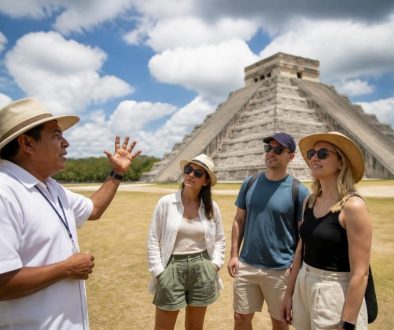
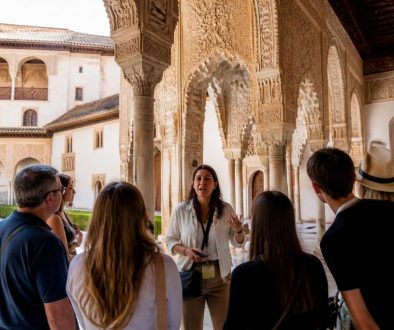
The concept of an old tour carries far more meaning than simply a journey through aged streets or historic landmarks. It represents centuries of tradition in guided experiences, where storytelling, exploration, and human connection converge to create memorable adventures. From the earliest pilgrimages documented in ancient civilizations to today's sophisticated walking tours through Stockholm's medieval quarters, the essence of what makes a tour meaningful hasn't changed. Modern tour operators who understand this heritage create richer, more authentic experiences for their guests by blending time-tested methods with contemporary insights and personalized service.
The Historical Foundations of Guided Tours
The practice of organized travel extends back thousands of years, with guided tours originating in ancient civilizations where travelers needed local expertise to navigate unfamiliar territories. Ancient Greek and Roman societies employed guides who facilitated visits to temples, monuments, and cultural sites. These early guides served essential functions beyond simple navigation.
They protected travelers from dangers, interpreted cultural practices, and shared stories that brought historical sites to life. This tradition established the fundamental relationship between guide and guest that remains central to quality tourism today.
Medieval Pilgrimages and Early Tourism
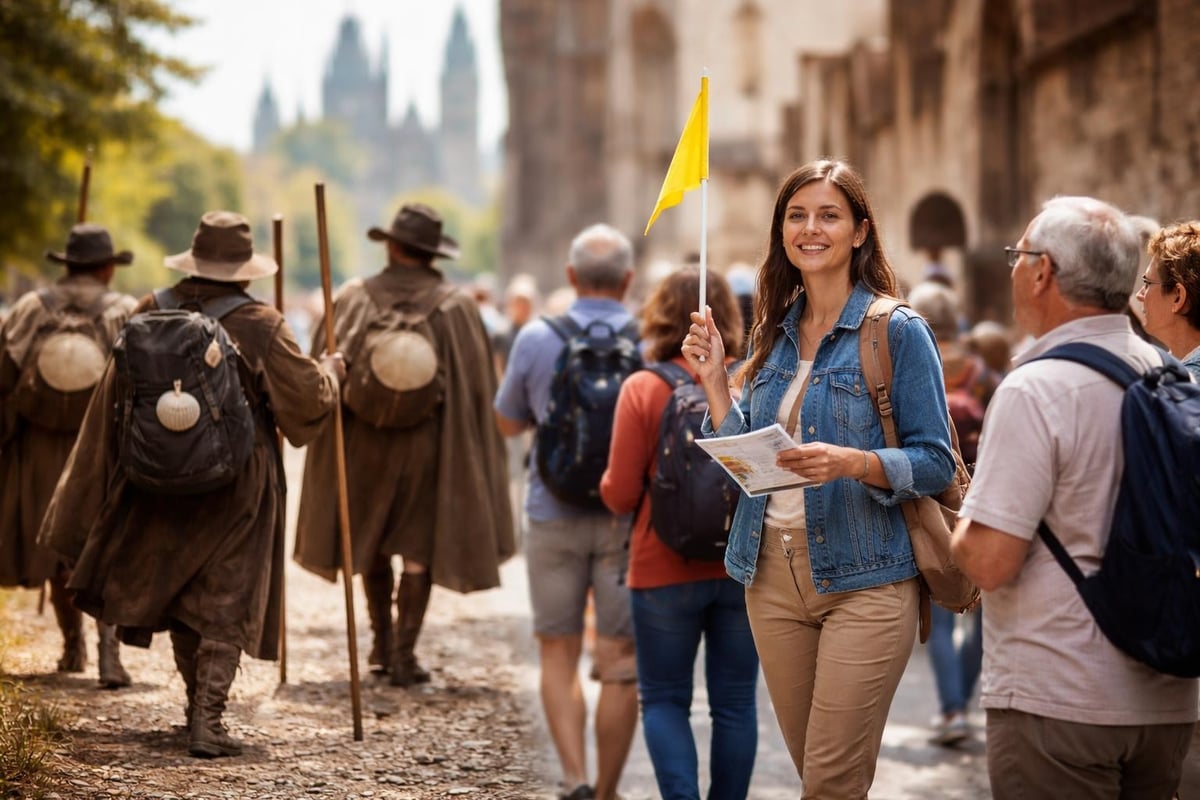
During the Middle Ages, religious pilgrimages created the first large-scale tourism industry. Pilgrims traveling to Jerusalem, Santiago de Compostela, and Rome required guides who knew safe routes, lodging options, and local customs. The old tour model from this era emphasized:
- Trust between guide and traveler as journeys often lasted months
- Local knowledge of terrain, weather patterns, and cultural practices
- Storytelling that connected physical locations to spiritual significance
- Group coordination for safety and efficiency
These medieval foundations shaped how we approach group travel today, particularly for cultural tours that emphasize historical context and narrative depth.
The Grand Tour Era and Aristocratic Travel
Between the 17th and 19th centuries, the Grand Tour became a rite of passage for wealthy European youth, particularly from Britain. This old tour tradition involved extended journeys through France, Italy, and Greece, lasting anywhere from several months to several years. Young aristocrats hired experienced guides called "bear-leaders" who provided education, protection, and cultural interpretation.
The Grand Tour established several practices still relevant in 2026:
| Grand Tour Element | Modern Application |
|---|---|
| Extended itineraries | Multi-day tour packages |
| Educational focus | Expert guide commentary |
| Cultural immersion | Local insider access |
| Personal mentorship | Small group personalization |
This era transformed tourism from purely religious or commercial travel into an educational and cultural experience. The emphasis on learning through firsthand observation with expert guidance remains a cornerstone of quality tour operations.
From Elite Privilege to Accessible Experience
As transportation improved and middle classes grew throughout the 19th century, the old tour model needed adaptation. Thomas Cook pioneered organized group tours in 1841, making travel accessible to broader audiences. Understanding the evolution of tour guiding reveals how guides shifted from serving individual wealthy patrons to managing larger groups with diverse backgrounds and interests.
This democratization of travel didn't diminish the value of expertise. Instead, it created new challenges for guides who needed to engage multiple learning styles, manage group dynamics, and deliver value to participants with varying knowledge levels. The most successful modern tour operators recognize these challenges and structure experiences accordingly, offering tailored tours that balance group efficiency with individual attention.
Old Town Walking Tours: Where History Comes Alive
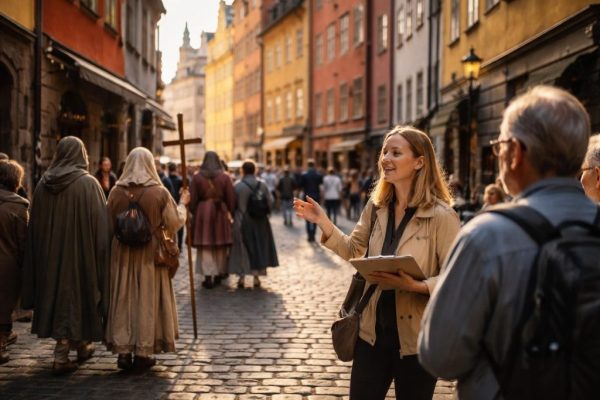
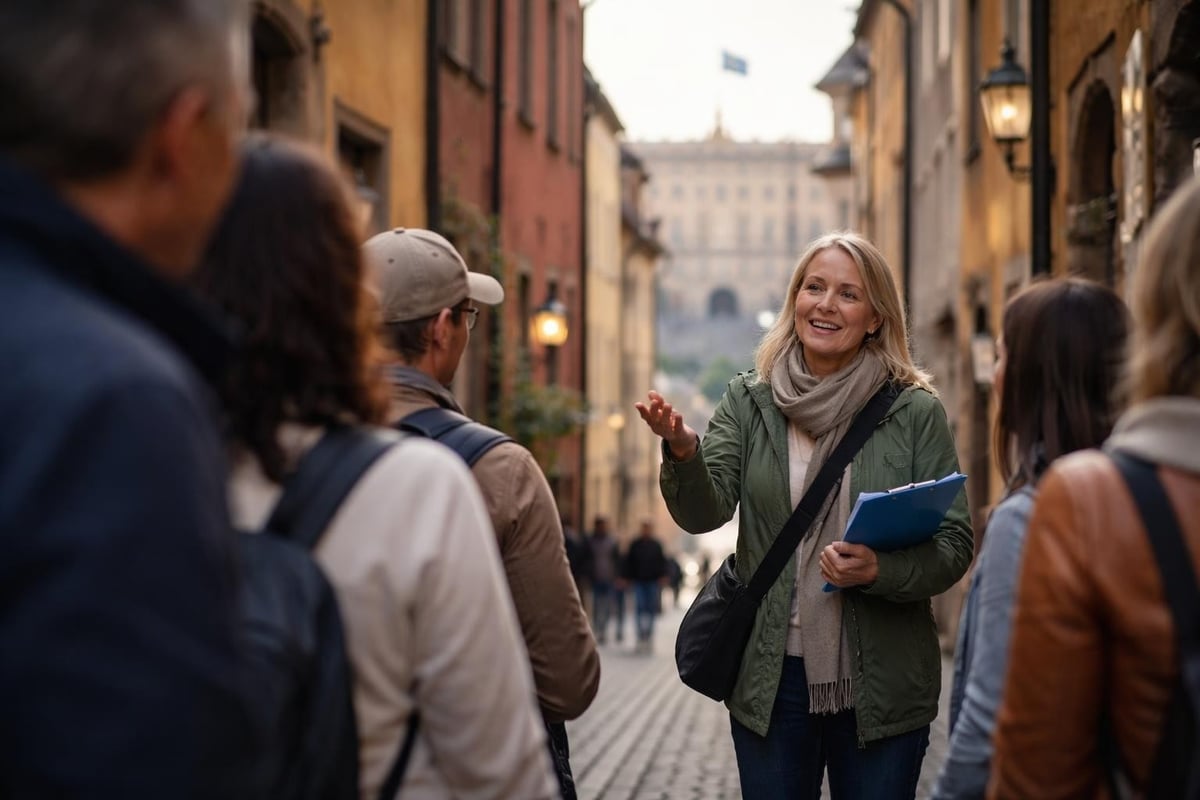
Few experiences embody the old tour spirit better than walking through medieval city centers. Stockholm's Old Town, known as Gamla Stan, represents over 750 years of continuous habitation. The cobblestone streets, colorful buildings, and narrow alleys create an immersive environment where the past feels immediately present.
A well-executed Stockholm Old Town walking tour doesn't merely recite historical facts. It connects architectural details to human stories, explains how medieval urban planning influences modern city life, and reveals hidden details that casual observers miss.
Elements of Authentic Old Town Experiences
Successful old tour experiences in historic districts share common characteristics:
- Contextual storytelling that explains why buildings, streets, and spaces developed as they did
- Sensory engagement encouraging guests to notice sounds, textures, and architectural details
- Local perspective from guides who share insider knowledge beyond guidebook information
- Manageable pacing that allows absorption of information without overwhelming participants
- Interactive elements that encourage questions and personal connections to history
The Royal Palace area demonstrates these principles particularly well. Watching the changing of the guard ceremony gains deeper meaning when guides explain the historical significance of Swedish military traditions and how royal protocols evolved over centuries. This transformation of observation into understanding distinguishes memorable tours from forgettable ones.
Literary and Thematic Old Tour Concepts
Modern interpretations of the old tour concept extend beyond traditional historical walks. Thematic experiences that follow literary figures, artists, or cultural movements offer fresh perspectives on familiar locations. Stockholm's connection to Stieg Larsson's Millennium trilogy provides an excellent example.
Following Lisbeth Salander's footsteps through Stockholm creates a dual-layer experience. Participants explore actual city neighborhoods while engaging with fictional narratives that reflect real social issues. This approach appeals to visitors who might not consider themselves history enthusiasts but deeply appreciate storytelling and cultural commentary.
Music-Themed Historical Journeys
The ABBA journey experience demonstrates how musical heritage creates powerful tour frameworks. ABBA's story intertwines with Swedish cultural identity, 1970s social changes, and Stockholm's evolution as an international creative center. Visiting Viggsö Island where the group composed many of their hits isn't just about seeing a location but understanding the creative process and cultural moment.
These thematic old tour approaches work because they:
- Connect abstract cultural concepts to physical locations
- Provide multiple entry points for engagement based on personal interests
- Balance education with entertainment
- Create opportunities for social interaction among participants with shared interests
The Professional Guide's Evolving Role
The tour guide profession has transformed significantly while maintaining core responsibilities established centuries ago. Today's professional tour guides must balance traditional storytelling skills with modern expectations for personalization, accessibility, and interactive engagement.
Native English-speaking guides in non-English-speaking countries face unique challenges and opportunities. They serve as cultural interpreters in both directions, explaining Swedish customs to international visitors while also understanding diverse cultural perspectives within their tour groups. This dual awareness enhances the old tour tradition by making historical content relevant to contemporary global citizens.
Skills That Define Quality Guiding
| Traditional Skills | Contemporary Requirements |
|---|---|
| Historical knowledge | Cultural sensitivity |
| Public speaking | Conversational engagement |
| Route planning | Personalization ability |
| Group management | Individual attention |
| Storytelling | Multi-platform communication |
The most effective guides seamlessly blend these capabilities. During an old town walking tour, they might share a carefully researched historical anecdote while simultaneously noticing a guest's particular interest in architecture and providing additional relevant details. This attentiveness creates personalized experiences within group settings.
Small Group Advantages in Classic Tour Settings
The old tour model often involved individual or very small group arrangements out of practical necessity. Modern tourism rediscovers these advantages as travelers seek more meaningful, less crowded experiences. Private groups and small gatherings create optimal conditions for depth, flexibility, and connection.
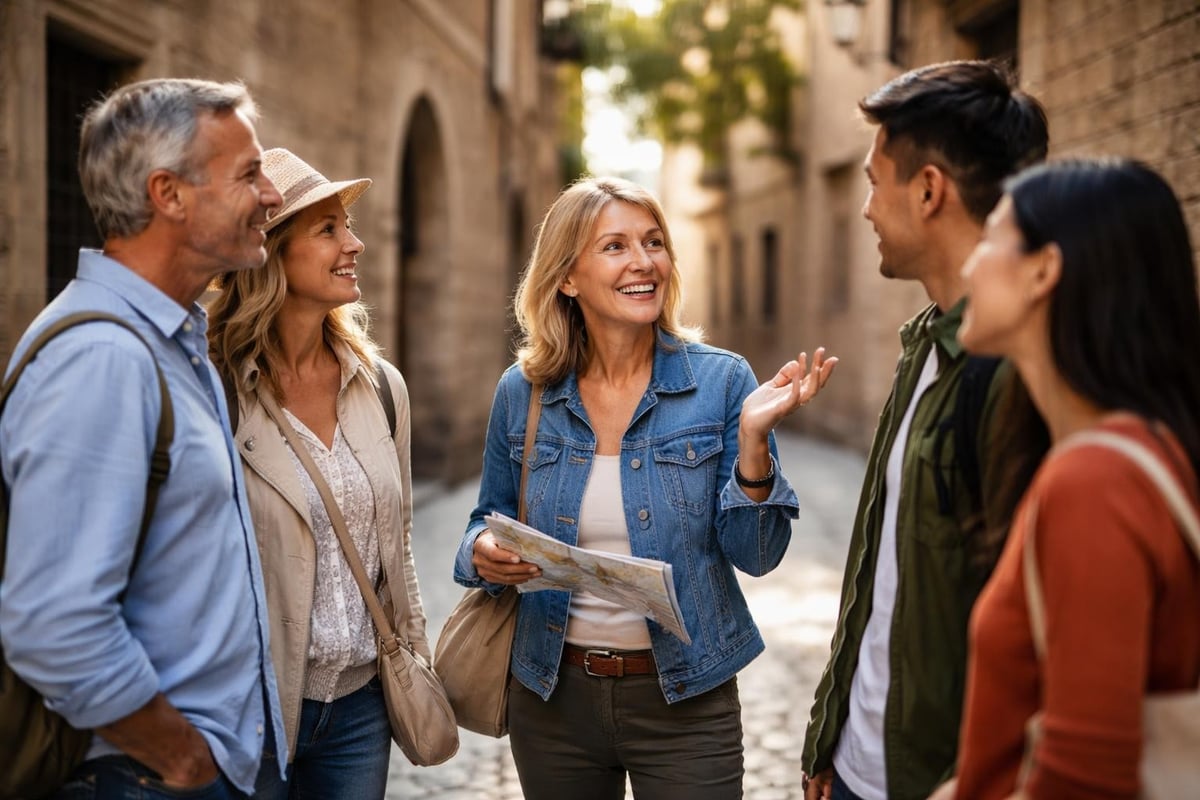
In Stockholm's narrow medieval alleys, large tour groups create logistical challenges and diminish atmosphere. A smaller group moves naturally through spaces, pauses for photographs without disrupting foot traffic, and engages in conversation that enhances rather than interrupts the experience. This approach honors both the historical setting and participant needs.
Customization Possibilities
Small group formats enable customization that transforms standard itineraries into memorable journeys:
- Pace adjustment based on group interests and physical capabilities
- Topic emphasis focusing on architecture, politics, daily life, or other themes
- Spontaneous detours to explore unexpected discoveries or answer specific questions
- Timing flexibility to avoid crowds or catch specific events like the Royal Guard ceremony
- Dietary accommodations during food-focused experiences
- Language adjustments for non-native English speakers in the group
These adaptations maintain the old tour tradition of personal service while meeting contemporary expectations for tailored experiences. When operators offer customizable tours, they acknowledge that meaningful travel requires flexibility and individual attention.
Preserving Authenticity in Modern Tourism
As tourism becomes increasingly commercialized, maintaining authentic old tour qualities grows more challenging and valuable. Authenticity doesn't mean recreating historical conditions but rather preserving the meaningful elements that made traditional tours valuable: expert knowledge, personal connection, cultural respect, and transformative experience.
Stockholm faces tourism pressures common to historic European cities. Balancing accessibility with preservation, accommodating visitors while maintaining local character, and offering genuine experiences amid commercial demands requires thoughtful approaches. Tour operators who prioritize quality over volume contribute to sustainable tourism that benefits both visitors and residents.
Insider Access and Local Perspectives
What separates exceptional tours from adequate ones often comes down to insider knowledge and genuine local perspective. Guides who live in Stockholm, understand current issues facing the city, and maintain relationships with local businesses and institutions provide access unavailable through independent exploration or self-guided tours.
This might mean knowing which café serves traditional Swedish pastries made with authentic recipes, understanding how contemporary Swedes view their royal family, or recognizing architectural details that reveal construction periods. These insights transform sightseeing into understanding, creating the educational depth that characterized the best old tour traditions.
Technology's Impact on Traditional Tour Models
Modern technology simultaneously threatens and enhances traditional touring. Audio guides, smartphone apps, and virtual reality experiences offer alternatives to human guides, raising questions about the future of the profession. However, developments in tour guiding show that technology typically supplements rather than replaces quality human interaction.
Effective tour operators integrate technology strategically without sacrificing personal connection. Pre-tour communication through email or messaging apps helps customize experiences. Post-tour photo sharing and follow-up resources extend the educational impact. GPS technology enables precise meeting coordination in complex urban environments.
Yet the core old tour value proposition remains fundamentally human: an experienced guide who reads group dynamics, adapts explanations to audience needs, answers spontaneous questions with depth, and creates emotional connections to places through storytelling. These capabilities resist automation because they require empathy, cultural knowledge, and improvisational intelligence.
Seasonal Considerations for Historical Tours
Stockholm's dramatic seasonal variations influence how old tour concepts translate into practical experiences. Summer's extended daylight and pleasant weather create ideal walking conditions but also bring peak tourist crowds. Winter's limited daylight and cold temperatures require different approaches but offer unique atmospheric qualities in historic settings.
Experienced guides adapt their tours seasonally:
- Summer tours might emphasize outdoor spaces, include waterfront areas, and accommodate larger groups
- Winter tours focus on covered passages, incorporate warming café breaks, and highlight Stockholm's atmospheric winter light
- Shoulder season tours balance comfortable weather with manageable crowds and often provide best value
- Holiday season tours can incorporate traditional Swedish celebrations and decorations in historic contexts
This seasonal responsiveness continues the old tour tradition of adapting to environmental conditions while maintaining educational and experiential quality. Understanding these patterns helps visitors choose optimal timing for their interests and preferences.
Building Community Through Shared Exploration
One often-overlooked aspect of traditional old tour experiences involves the community created among participants. When strangers share a guided journey, particularly over several hours or multiple days, bonds form through common discoveries, shared perspectives, and collective memories.
Group tours designed for solo travelers or mixed parties recognize this social dimension. Creating opportunities for interaction, facilitating introductions, and structuring experiences that encourage conversation enhances value beyond the educational content. An ABBA-themed journey that includes a shared meal exemplifies this approach, combining cultural exploration with social connection.
These social elements distinguished early organized tours and remain relevant today. Many travelers seek experiences that combine solo independence with opportunities for meaningful social interaction. Well-designed tours facilitate these connections naturally without forced participation.
The Economic Value of Quality Tour Experiences
Understanding the old tour tradition helps both operators and consumers recognize quality markers that justify premium pricing. A cheap or free walking tour might cover similar physical routes as a professionally guided private experience, but the depth of knowledge, personalization, guide expertise, and overall value differ substantially.
Professional guides invest significantly in their craft: historical research, ongoing education, language skills, storytelling development, and local relationship building. This expertise commands fair compensation, and discerning travelers recognize that investment in quality guiding yields returns through enhanced understanding, efficient use of limited vacation time, and memorable experiences that self-guided exploration rarely matches.
Supporting sustainable tourism means valuing guide expertise appropriately and choosing operators who prioritize quality over volume. This approach preserves the profession's integrity and ensures future generations can access knowledgeable guides who maintain old tour traditions of excellence.
The old tour concept represents far more than simply visiting aged locations; it embodies centuries of wisdom about how meaningful travel experiences happen through expert guidance, personal connection, and thoughtful engagement with history and culture. Whether exploring Stockholm's medieval streets, following literary footsteps, or discovering musical heritage, these timeless principles create transformative experiences. Adding:tours brings this heritage to life through personalized small group experiences led by native English-speaking guides who combine insider knowledge with genuine passion for sharing Stockholm's stories, ensuring your time in this historic city creates lasting memories.