The Tour Guide: Crafting Unforgettable Experiences
The role of the tour guide has evolved dramatically over the past decade, transforming from simple information delivery to creating immersive, personalized experiences that leave lasting impressions on travelers. In 2026, as tourism continues to rebound and travelers seek more meaningful connections with the destinations they visit, the tour guide stands at the intersection of education, entertainment, and cultural exchange. Whether leading small groups through historic city centers or orchestrating specialized thematic adventures, these professionals shape how visitors perceive and remember their journeys.
Essential Responsibilities That Define the Tour Guide
The tour guide carries multifaceted responsibilities that extend far beyond reciting historical facts or pointing out landmarks. At the core, the tour guide serves as cultural ambassador, safety manager, and experience curator simultaneously. According to professional career resources, these responsibilities include planning itineraries, managing group dynamics, ensuring participant safety, and adapting to unexpected situations with grace and professionalism.
Primary duties include:
- Researching and maintaining current knowledge about local attractions, history, and cultural significance
- Developing engaging narratives that connect facts with compelling stories
- Managing time effectively to ensure all scheduled activities occur smoothly
- Addressing questions and concerns while maintaining group cohesion
- Providing recommendations for dining, shopping, and additional activities
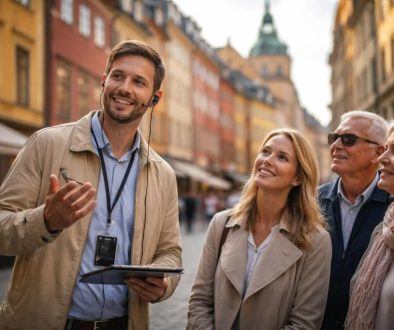
The tour guide must also handle logistical challenges, from coordinating with venue operators to managing transportation schedules. When leading a Stockholm walking tour, for instance, the guide needs intimate knowledge of narrow medieval alleys, optimal photo opportunities, and backup routes when unexpected closures occur.
Safety and Risk Management
Beyond engagement, the tour guide assumes responsibility for participant welfare throughout the experience. This encompasses physical safety, medical emergencies, and security considerations. The profession demands first aid certification, emergency response training, and situational awareness that can prevent problems before they escalate.
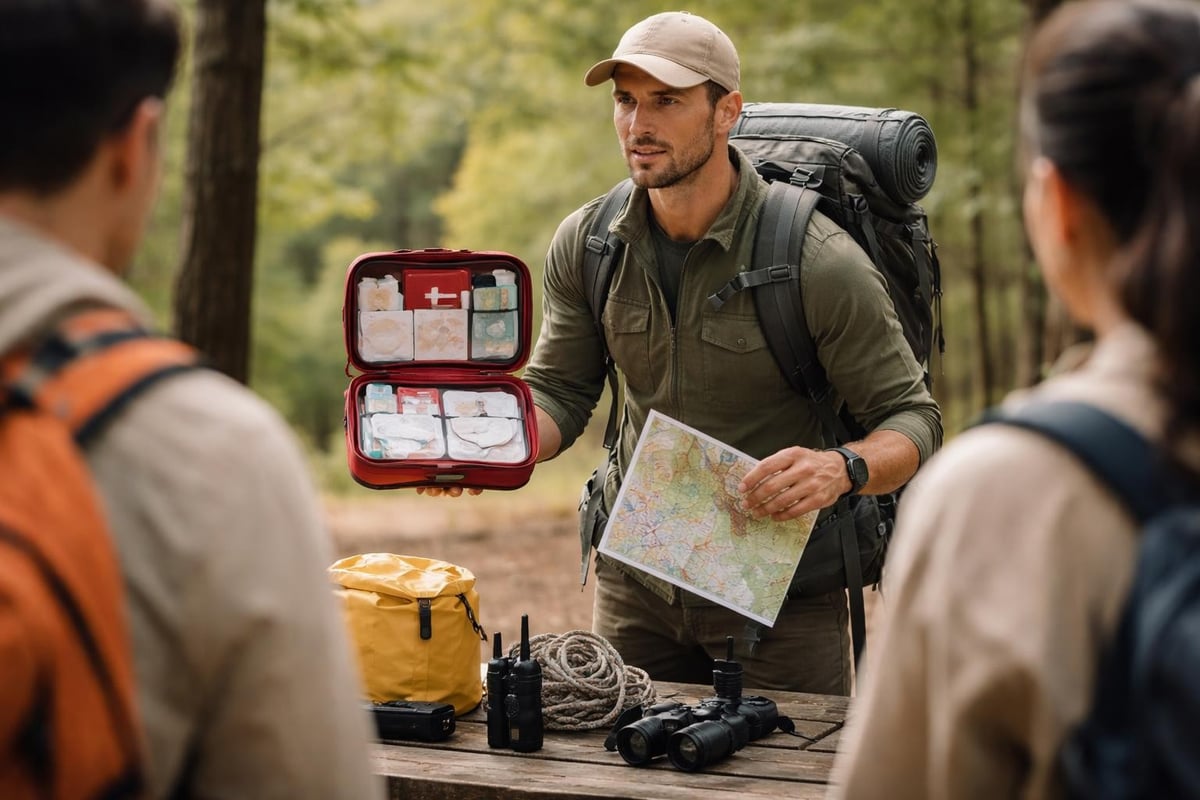
Weather contingencies, crowd management, and accessibility accommodations all fall within the tour guide's purview. When organizing specialized experiences like an ABBA journey through Stockholm, the guide must coordinate multiple venues, transportation modes, and dining arrangements while ensuring every participant feels included and safe.
Critical Skills That Distinguish Exceptional Guides
The difference between adequate and exceptional tour guides lies in mastering a sophisticated skill set that combines technical knowledge with interpersonal excellence. Research from industry skill analyses identifies eleven essential competencies that separate professionals from amateurs in this field.
| Skill Category | Key Components | Application Example |
|---|---|---|
| Communication | Public speaking, storytelling, multilingual ability | Adapting narrative complexity for mixed-age groups |
| Cultural Intelligence | Cross-cultural awareness, sensitivity, adaptability | Respecting diverse religious practices during tours |
| Technical Knowledge | Historical accuracy, geographical expertise, industry trends | Incorporating recent archaeological discoveries |
| Interpersonal Skills | Conflict resolution, empathy, patience | Managing personality conflicts within groups |
The Art of Storytelling
The tour guide transforms dry historical facts into memorable narratives through effective storytelling techniques. This skill involves identifying compelling angles, creating emotional connections, and pacing information delivery to maintain engagement without overwhelming participants. When guiding visitors through Stockholm's Old Town, the guide might connect medieval architecture to contemporary city planning, making history relevant to modern visitors.
Effective storytellers weave together multiple narrative threads, connecting individual landmarks to broader historical movements, cultural trends, and personal anecdotes. This approach creates a cohesive experience rather than a disconnected series of facts.
Time Management and Flexibility
Balancing scheduled activities with spontaneous opportunities requires exceptional time management. The tour guide must gauge group energy levels, adjust pacing based on participant interest, and make real-time decisions about extending engaging moments or accelerating through less captivating segments.
This flexibility proves particularly valuable when weather changes, attractions experience unexpected closures, or group dynamics shift. A skilled guide maintains the experience quality regardless of external disruptions, often turning challenges into memorable moments that participants later cite as highlights.
Training and Professional Development
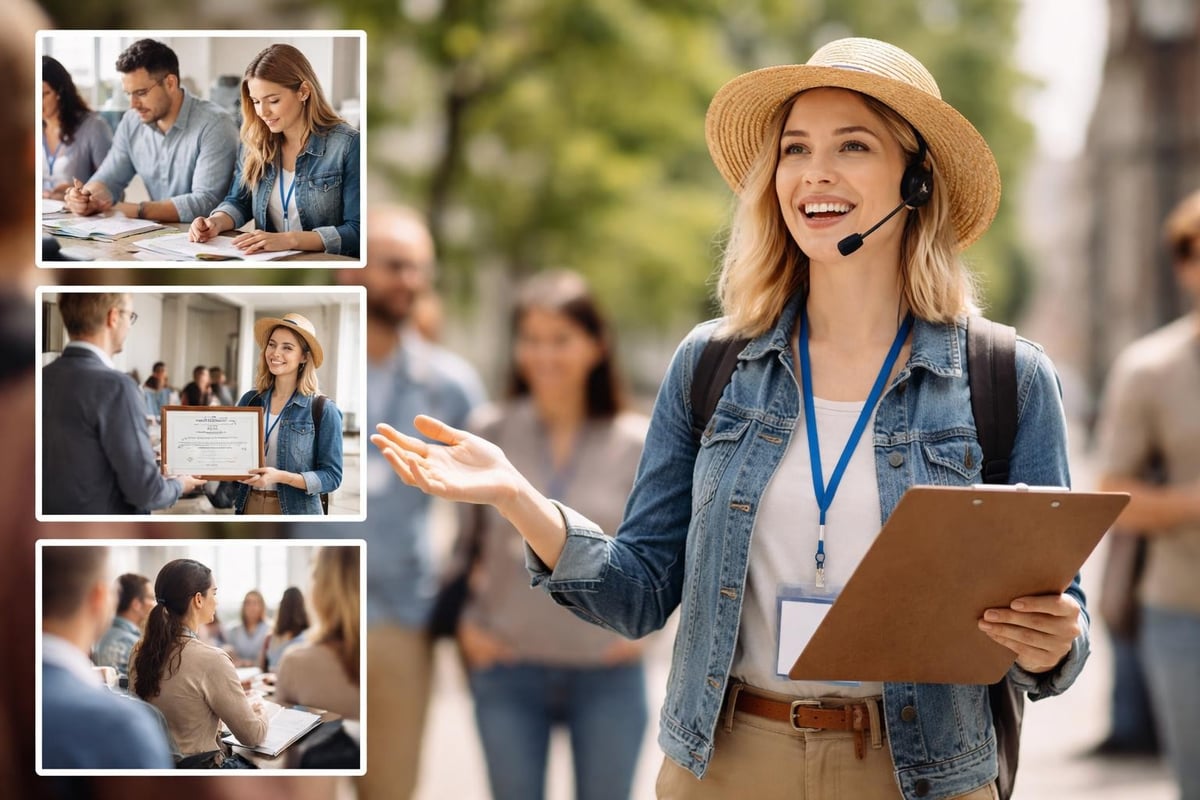
Professional credibility in the tour guide profession increasingly depends on formal training and ongoing education. Global standards for tour guide education emphasize comprehensive programs covering history, communication techniques, emergency response, and cultural competency. These standardized approaches ensure visitors receive consistent, high-quality experiences regardless of destination.
Common certification pathways include:
- Regional certification programs with location-specific requirements
- National tourism board accreditation processes
- Specialized thematic certifications (culinary tours, adventure tourism, literary experiences)
- Continuing education requirements maintaining current credentials
The Certified Utah Tour Guide Program exemplifies regional standards, requiring candidates to complete coursework, pass examinations, and demonstrate practical guiding abilities before receiving certification. Similar frameworks exist worldwide, creating professional standards that protect both guides and travelers.
Continuous Learning Requirements
The profession demands perpetual learning as destinations evolve, new attractions open, and historical understanding deepens through ongoing research. The tour guide who rests on existing knowledge quickly becomes outdated, delivering experiences that feel stale and disconnected from contemporary visitor expectations.
Many successful guides dedicate regular time to visiting museums, reading academic publications, attending workshops, and networking with fellow professionals. This commitment to growth ensures they can answer sophisticated questions, incorporate recent discoveries, and maintain enthusiasm that proves contagious to tour participants.
Understanding Industry Trends and Visitor Behavior
The tours and activities sector has experienced remarkable growth, with recent industry statistics indicating substantial market expansion and evolving consumer preferences. These trends directly impact how the tour guide approaches experience design, marketing, and service delivery in 2026.
Modern travelers increasingly seek authentic, personalized experiences over generic sightseeing. This shift means the tour guide must move beyond scripted presentations toward adaptive experiences responding to group interests, questions, and energy levels. Academic research, including visitor behavior analysis conducted at major museums, reveals how spatial movement patterns and engagement metrics can inform better tour design.
Personalization at Scale
Small group tours allow the tour guide to customize experiences based on participant demographics, interests, and expertise levels. A family with young children requires different pacing and content than retired history enthusiasts or corporate team-building groups. Understanding these nuances and adapting accordingly represents core professional competency.
When creating tailored tours for specific interests like literary locations or musical heritage, the guide researches participant backgrounds beforehand, preparing relevant anecdotes and selecting routes maximizing engagement for that particular group composition.
Technology Integration in Modern Guiding
The contemporary tour guide leverages technology to enhance rather than replace human connection. Digital tools support research, facilitate communication, and provide multimedia supplements enriching the narrative experience. However, the most successful guides maintain focus on interpersonal engagement, using technology strategically rather than allowing devices to dominate the experience.
Effective technology applications include:
- Pre-tour communication apps sharing preparatory materials
- GPS-enabled route optimization during unexpected delays
- Augmented reality overlays showing historical site reconstructions
- Social media integration encouraging participant sharing
- Digital payment systems streamlining transactions
The balance between technological enhancement and authentic human connection defines successful modern guiding. Visitors book professional tour guides specifically for that human element, the spontaneity and personal connection impossible to replicate through self-guided audio tours or virtual experiences.
Data-Driven Experience Improvement
Progressive guides analyze travel industry trends and statistics to understand broader patterns affecting their work. Reviewing feedback, tracking engagement metrics, and studying visitor satisfaction data enables continuous refinement of content, pacing, and delivery methods.
This analytical approach transforms guiding from art alone into a sophisticated blend of artistry and evidence-based practice. The tour guide who systematically improves based on participant feedback and industry research consistently delivers superior experiences.

Specialization Opportunities Within the Profession
As the tourism industry matures, specialization has become increasingly viable for the tour guide seeking to differentiate services and command premium rates. Thematic expertise allows guides to attract specific audience segments while developing deep knowledge that creates genuinely exceptional experiences.
| Specialization Type | Target Audience | Unique Value Proposition |
|---|---|---|
| Literary Tourism | Book enthusiasts, cultural travelers | Behind-the-scenes access to author locations |
| Culinary Experiences | Food lovers, cultural explorers | Local restaurant relationships, insider tastings |
| Music Heritage | Fans, cultural historians | Venue access, artist connections |
| Architectural Tours | Design professionals, history buffs | Technical expertise, restoration insights |
A guide specializing in literary tourism might develop cultural tours following famous authors through city streets, combining biographical research with location-specific storytelling. This depth of knowledge transforms standard sightseeing into immersive thematic journeys.
Building Niche Expertise
Developing specialization requires significant investment in research, relationship building, and credential acquisition. The tour guide pursuing music heritage tourism, for example, must cultivate connections with venue operators, archivists, and perhaps surviving musicians or their estates to access exclusive materials and locations.
This expertise enables the guide to answer sophisticated questions, provide context unavailable in guidebooks, and create moments of discovery that delight even well-traveled, knowledgeable participants. The investment pays dividends through premium pricing, repeat bookings, and strong word-of-mouth referrals.
Marketing and Business Development Skills
Independent guides and those working for boutique operators must develop business acumen alongside traditional guiding skills. Understanding target markets, crafting compelling value propositions, and leveraging digital marketing channels determine business viability in competitive markets like Stockholm.
The tour guide succeeds by identifying underserved niches, developing unique offerings, and communicating value effectively to potential clients. This might involve creating package experiences combining multiple attractions, partnering with complementary service providers, or targeting specific demographic segments through tailored messaging.
Essential marketing competencies include:
- Search engine optimization for tour booking platforms
- Social media content creation showcasing experience quality
- Email marketing maintaining relationships with past clients
- Partnership development with hotels and travel agencies
- Review management encouraging and responding to feedback
Guides working with established operators like those offering English walking tours benefit from organizational marketing support but still must develop personal brands that attract specific requests and build loyal followings.
Building Sustainable Client Relationships
The most successful guides view each tour as the beginning of a long-term relationship rather than a one-time transaction. Follow-up communications, personalized recommendations for future visits, and genuine interest in participant experiences create loyalty that generates repeat business and enthusiastic referrals.
This relationship-focused approach transforms the tour guide from service provider into trusted advisor for destination experiences. Clients return for subsequent visits, recommend the guide to friends and family, and leave detailed positive reviews amplifying marketing effectiveness.
Adapting to Seasonal and Economic Fluctuations
Tourism's inherent seasonality presents challenges requiring strategic planning and adaptive business models. The tour guide must develop strategies for managing income fluctuations, maintaining skills during slower periods, and capitalizing on peak season opportunities.
Some guides diversify into related fields during off-seasons, such as consulting for travel companies, creating digital content, or conducting virtual tours. Others pursue professional development, using quieter months for certification programs, language study, or destination research enhancing future tour quality.
Understanding economic factors affecting tourism helps guides anticipate demand shifts and adjust pricing, marketing, and service offerings accordingly. Monitoring industry career paths reveals emerging opportunities and potential threats requiring proactive response.
The Emotional Intelligence Factor
Perhaps the most underappreciated aspect of exceptional guiding involves emotional intelligence-reading group dynamics, sensing individual needs, and adjusting approach to optimize collective experience. The tour guide must simultaneously manage the extrovert dominating conversation, draw out the shy participant with valuable insights, and keep the impatient traveler engaged during necessary logistical pauses.
This sophisticated interpersonal navigation occurs constantly throughout tours, often invisibly to participants who simply notice they had an enjoyable, smoothly flowing experience. The skilled guide identifies potential conflicts before they escalate, facilitates connections between participants, and creates inclusive atmospheres where everyone feels valued.
Emotional intelligence applications include:
- Recognizing when participants need breaks without explicit requests
- Sensing interest levels and adjusting content depth accordingly
- Managing disappointment when weather or closures affect plans
- Facilitating introductions between compatible participants
- Balancing educational content with entertainment value
When organizing group experiences through Stockholm city tours, the guide monitors energy levels, adjusts pacing, and creates moments allowing natural social interaction among participants, transforming strangers into temporary communities bonded by shared discovery.
Creating Memorable Moments Beyond Information
The distinction between competent and extraordinary guides often lies in creating unexpected moments that transcend standard itineraries. These might involve spontaneous musical performances, chance meetings with local artisans, or perfectly timed arrivals at landmarks during golden hour light.
The tour guide develops instincts for recognizing and seizing these opportunities, understanding that participants remember feelings and moments more than facts. A guide might deviate from planned routes to show a hidden courtyard, arrange impromptu tastings at neighborhood bakeries, or share personal stories connecting their own experiences to location histories.
These departures from script require confidence, local knowledge, and willingness to embrace controlled spontaneity. The calculated risks pay off through genuinely unique experiences impossible to replicate, creating word-of-mouth marketing that cannot be purchased.
Mastering the multifaceted role of the tour guide demands continuous learning, genuine passion for sharing destinations, and commitment to creating meaningful connections between places and people. Whether you're planning a family gathering, corporate outing, or special celebration in Stockholm, experienced guides transform ordinary sightseeing into extraordinary memories through personalized attention and insider expertise. Adding:tours specializes in crafting these distinctive experiences for private groups, combining professional knowledge with authentic local perspectives that reveal Stockholm's true character beyond typical tourist attractions.