To Do Tours: Planning Memorable Guided Experiences
Planning exceptional guided tours requires careful attention to detail, thoughtful route design, and a deep understanding of what makes experiences truly memorable. When you set out to do tours that resonate with visitors, the difference between a standard outing and an unforgettable adventure lies in personalization, insider knowledge, and authentic storytelling. Whether you're exploring historic city centers, following literary trails, or diving into cultural landmarks, successful tour planning transforms ordinary sightseeing into meaningful connections with place and culture.
Understanding What Makes Great Tours Stand Out
Creating memorable guided experiences starts with recognizing that every group brings unique interests and expectations. The foundation of knowing how to do tours effectively involves assembling the right planning elements before your first guest arrives.
Building Your Planning Framework
Effective tour preparation requires coordination across multiple elements. Assembling a dedicated planning group ensures that logistics, content development, and guest experience all receive proper attention. This collaborative approach helps identify potential challenges before they impact your guests.
Key planning components include:
- Route selection and timing optimization
- Guest capacity and group dynamics
- Weather contingency plans
- Accessibility considerations
- Emergency protocols and backup options
Your planning framework should also account for seasonal variations and local events that might enhance or disrupt the tour experience. Stockholm's changing seasons, for example, dramatically alter which routes work best and what stories resonate most powerfully with visitors.

Selecting and Preparing Your Guides
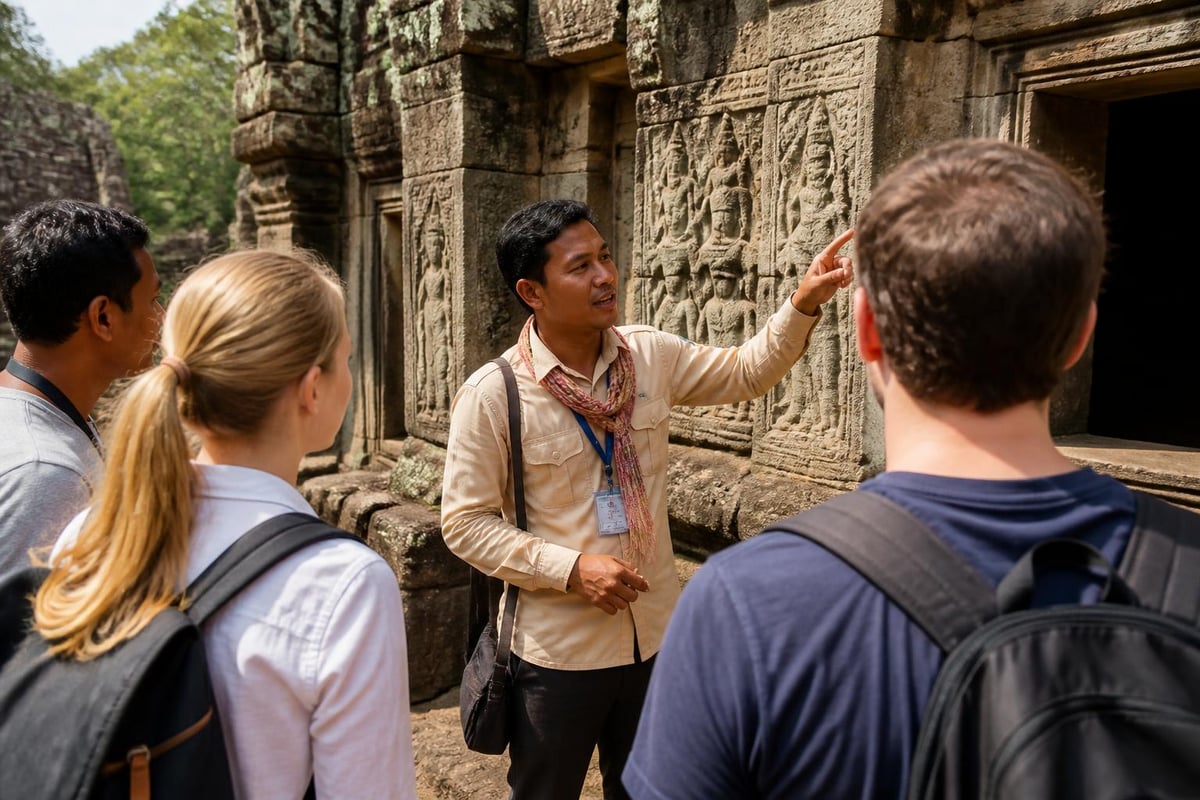
The guide makes or breaks any tour experience. Native English-speaking guides who possess genuine local knowledge can transform standard information delivery into engaging storytelling. When you prepare tour guides effectively, you ensure consistent quality across all guest interactions.
Professional guides should demonstrate expertise in several areas:
- Deep historical and cultural knowledge specific to each location
- Storytelling abilities that bring facts to life
- Adaptability to adjust pace and content for different groups
- Language skills that ensure clear communication
- Problem-solving capabilities for unexpected situations
The most effective guides continuously expand their knowledge base, staying current with new research, local developments, and emerging visitor interests. This commitment to ongoing learning distinguishes truly exceptional tour experiences.
Crafting Routes That Engage and Inspire
Route planning represents one of the most critical aspects when you set out to do tours that guests remember fondly. Best practices for travel route planning emphasize minimizing backtracking while maximizing meaningful stops and natural narrative flow.
Optimizing Distance and Timing
| Route Element | Consideration | Impact on Experience |
|---|---|---|
| Walking distance | 2-3 miles maximum for standard tours | Prevents fatigue, maintains engagement |
| Stop duration | 5-10 minutes per major location | Allows absorption without rushing |
| Total time | 2-3 hours including breaks | Optimal attention span |
| Transition periods | Natural narrative bridges | Creates cohesive storytelling |
The rhythm of your route matters tremendously. Alternating between walking and standing, information-rich stops and reflective moments, creates a dynamic experience that holds attention throughout the journey.
Incorporating Multisensory Elements
Inclusive best practices for guided tours highlight the importance of engaging multiple senses. When you design experiences for Stockholm’s Old Town, consider how narrow alley echoes, historic building textures, and seasonal scents contribute to immersion.
Multisensory engagement strategies include:
- Pausing at locations with distinctive acoustic properties
- Encouraging tactile interaction where appropriate and permitted
- Timing routes to capture optimal lighting for photography
- Incorporating local tastes through food or beverage elements
- Selecting viewpoints that offer dramatic visual contrasts
These elements work together to create memories that persist long after the tour concludes.
Personalizing Experiences for Private Groups
Small group and private tours offer unique opportunities to customize experiences based on specific interests. Understanding how to do tours that feel tailor-made rather than generic requires flexibility and guest insight.
Pre-Tour Consultation and Customization
Successful personalization begins before guests arrive. Tailored tours start with conversations that uncover interests, physical capabilities, and experience goals. This information shapes everything from route selection to storytelling emphasis.
Essential pre-tour questions:
- What aspects of local culture most interest your group?
- Are there specific historical periods or themes you'd like to explore?
- Does anyone have mobility considerations we should accommodate?
- What previous travel experiences have resonated most powerfully?
- Are you celebrating any special occasions during your visit?
These insights allow you to craft experiences that feel personally relevant rather than broadly applicable. A literary enthusiast group receives different emphasis than architecture aficionados, even when visiting identical locations.
Balancing Structure and Spontaneity
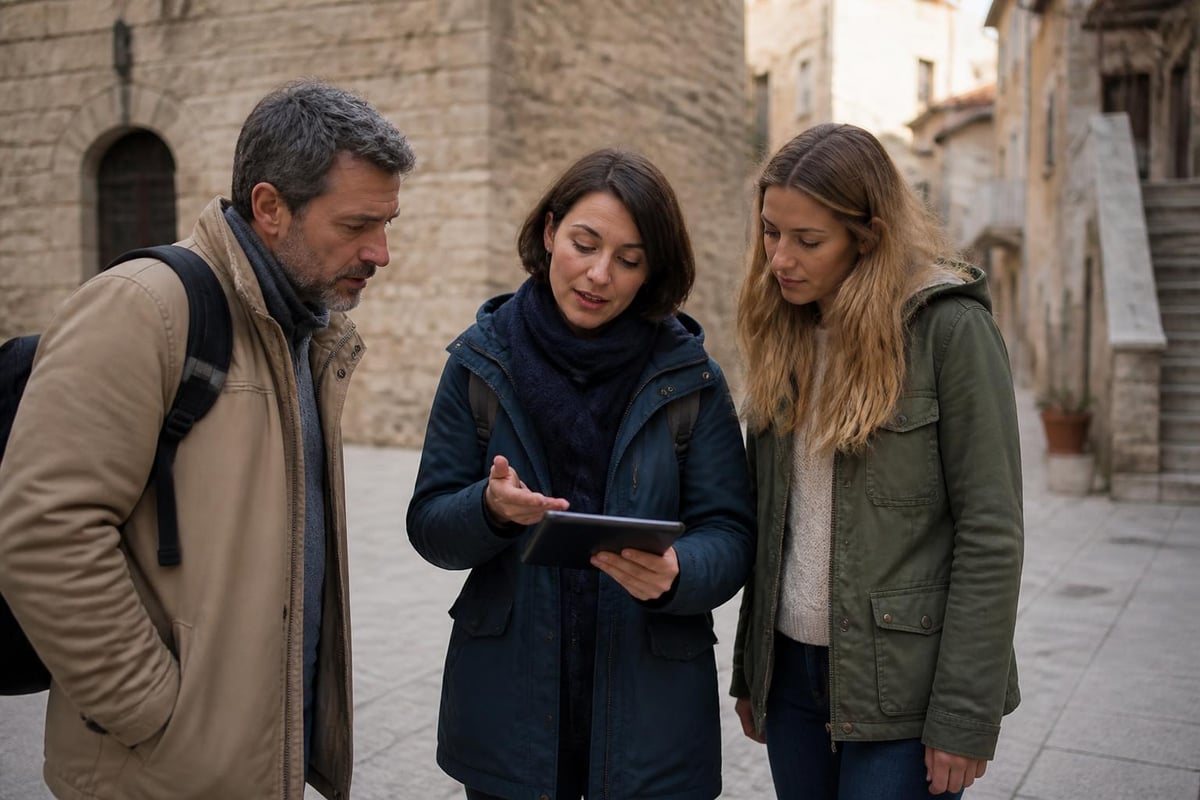
The art of private group tours involves maintaining enough structure to ensure quality while remaining flexible enough to capture unexpected opportunities. When you plan guided vacations for small groups, build buffer time into schedules that allows for spontaneous moments.
A rigid three-hour schedule might include fifteen specific stops with predetermined narratives. A thoughtfully flexible approach identifies eight essential locations while reserving time to explore based on emerging group interests. This balance proves particularly valuable when leading cultural tours where authentic moments often arise unpredictably.
Creating Themed Experiences That Tell Stories
Thematic coherence transforms disconnected locations into meaningful narratives. Whether following literary footsteps or exploring musical heritage, successful themed tours require careful research and creative storytelling.
Literary and Historical Trails
Literary tours demand extensive location research and narrative preparation. Following Stieg Larsson's footsteps through "The Girl with the Dragon Tattoo" locations requires identifying precise filming and book settings while weaving broader Stockholm context around these anchor points.
Designing historical walking tours involves several critical steps:
- Select a compelling central theme that connects locations
- Conduct thorough historical research using primary and secondary sources
- Identify physical locations that illustrate your narrative
- Develop transition narratives that bridge geographical gaps
- Prepare backup stories for unavailable or crowded locations
The most powerful themed tours reveal connections that guests wouldn't discover independently, offering fresh perspectives even to visitors familiar with the general subject matter.
Music and Cultural Heritage Journeys
Music-themed experiences like an ABBA journey from Stockholm to Viggsö combine location visits with experiential elements. These tours succeed by balancing information delivery with immersive activities that connect guests emotionally to the subject matter.
| Tour Component | Purpose | Guest Benefit |
|---|---|---|
| Historical context | Establishes cultural significance | Understanding of broader impact |
| Location visits | Physical connection to story | Tangible experience |
| Interactive elements | Active engagement | Deeper memory formation |
| Social opportunities | Community building | Shared experience value |
| Culinary inclusion | Multisensory engagement | Cultural immersion |
Integrating meals and social time transforms tours from simple information delivery into community-building experiences where guests forge connections with both place and fellow travelers.
Implementing Best Practices for Tour Operations
Operational excellence separates professional tour operations from amateur efforts. When you consistently deliver high-quality experiences, word-of-mouth recommendations drive sustainable business growth.
Pricing and Value Communication
Running smarter guided tours requires strategic thinking about pricing that reflects value while remaining accessible to your target audience. Private group pricing should account for customization time, guide expertise, and exclusive access elements that distinguish your offerings.
Value communication strategies include:
- Highlighting insider access and local connections
- Emphasizing customization and flexibility
- Demonstrating guide expertise and credentials
- Showcasing guest testimonials and reviews
- Explaining what distinguishes your approach from competitors
Transparent pricing that clearly communicates included elements builds trust and sets appropriate expectations. Guests understand premium pricing when they recognize the additional value they receive.
Guest Experience Optimization
Product tour best practices from digital contexts apply equally to physical guided experiences. Progress indicators help guests understand where they are in the journey, preventing the disorientation that diminishes enjoyment.
Managing guest expectations begins with clear communication about what to expect. Your FAQ section should address common questions about duration, difficulty level, what to bring, and cancellation policies. This transparency prevents misunderstandings that could negatively impact the experience.
Gathering feedback after each tour provides invaluable insights for continuous improvement. Simple post-tour surveys reveal which elements resonated most powerfully and where adjustments might enhance future experiences.
Leveraging Local Knowledge and Insider Access
Authentic local perspective represents one of the most valuable elements you bring when you do tours in your home city. Native knowledge transforms standard attractions into gateways for deeper cultural understanding.
Beyond Standard Tourist Information
Every major city has guidebook information readily available online. Your value proposition lies in what visitors cannot easily discover independently. Native English-speaking guides who grew up in or have lived extensively in Stockholm offer perspectives that transcend typical tourist information.
Insider knowledge includes:
- Current local events and temporary exhibitions
- Neighborhood evolution and contemporary culture
- Optimal times to visit popular locations
- Hidden viewpoints and lesser-known attractions
- Local dining recommendations beyond tourist zones
When you guide tours through Stockholm, this local expertise allows you to adjust routes based on current conditions, avoiding crowds while capturing authentic moments that preset itineraries miss.
Building Relationships With Local Venues
Professional tour operators cultivate relationships with museums, historic sites, restaurants, and other venues. These connections sometimes enable special access or enhanced experiences unavailable to independent visitors. Even when formal arrangements aren't possible, personal relationships with venue staff can facilitate smoother experiences for your groups.
Regular venue visits keep you informed about new exhibitions, renovations, or policy changes that might impact tour routes. This current knowledge allows you to provide accurate information and adjust plans proactively rather than discovering obstacles with guests present.
Marketing Your Tour Experiences Effectively
Even exceptional tours require strategic marketing to reach potential guests. Clear communication about what makes your approach distinctive helps the right audience discover your offerings.
Digital Presence and Content Strategy
Your website serves as your primary marketing tool. Comprehensive tour information should clearly communicate your unique value proposition, available experiences, and booking process. High-quality photography showing actual tour moments provides social proof while helping potential guests envision their experience.
Content marketing through regular blog posts establishes expertise while improving search engine visibility. Articles addressing common visitor questions, seasonal highlights, or cultural insights demonstrate knowledge while attracting organic traffic from travelers researching their trips.
Social proof through authentic guest reviews builds credibility more effectively than self-promotion. Actively encouraging satisfied guests to share their experiences creates a virtuous cycle that attracts similar travelers.
Targeted Audience Engagement
Understanding your ideal guests allows you to craft messaging that resonates with their specific interests and values. Private group and small gathering tours attract different audiences than large bus tours. Your marketing should speak directly to travelers seeking personalized, intimate experiences with local experts.
Audience segments for customized tours include:
- Families seeking educational yet engaging experiences
- Friend groups celebrating special occasions
- Corporate teams pursuing unique team-building activities
- Solo travelers joining small group experiences
- Special interest enthusiasts (literary, musical, historical)
Each segment responds to different messaging and values different experience elements. Tailoring your communication demonstrates understanding while attracting guests whose expectations align with what you deliver.
Measuring Success and Continuous Improvement
Professional tour operators view each experience as an opportunity to refine and enhance their offerings. Systematic assessment ensures consistent quality while identifying innovation opportunities.
Defining Success Metrics
Economic impact studies demonstrate how guided tours contribute to broader community benefits, but individual operators need focused metrics for their specific operations. Success measurement should encompass both quantitative and qualitative indicators.
| Metric Category | Specific Measures | Target Benchmarks |
|---|---|---|
| Guest satisfaction | Post-tour ratings, review scores | 4.5+ stars average |
| Operational efficiency | On-time performance, smooth transitions | 95%+ adherence |
| Business growth | Repeat bookings, referrals | 30%+ returning |
| Guide development | Knowledge expansion, storytelling improvement | Ongoing training |
| Content freshness | Route updates, new narratives | Quarterly reviews |
Regular metric review identifies patterns that inform strategic decisions. Consistently high ratings for certain tour elements suggest doubling down on those strengths, while lower scores indicate areas requiring attention.
Adapting to Changing Guest Expectations
Travel preferences evolve continuously. The personalized, small-group experiences that distinguish quality operators in 2026 reflect broader shifts away from mass tourism toward authentic, meaningful travel. Staying attuned to these trends ensures your offerings remain relevant and compelling.
Flexibility in how you do tours allows adaptation without abandoning core principles. While maintaining your commitment to personalization and local expertise, you can adjust specific routes, add new thematic options, or incorporate emerging interests that align with your capabilities and market demand.
Professional development for guides ensures they bring fresh perspectives and current knowledge to every tour. Regular training sessions, peer learning opportunities, and independent research keep content engaging for both guides and guests.
Creating exceptional guided experiences requires balancing careful planning with authentic spontaneity, local expertise with professional polish, and structured routes with personalized flexibility. When you master how to do tours that genuinely connect guests with place and culture, you create memories that persist long after visitors return home. Adding:tours specializes in crafting these personalized experiences for private groups and small gatherings throughout Stockholm, combining insider knowledge with customized itineraries that transform sightseeing into meaningful cultural engagement. Whether you're interested in exploring historic Old Town, following literary trails, or embarking on an ABBA journey, our native English-speaking guides ensure your Stockholm experience becomes truly unforgettable.