Tour Leading: Essential Skills for Unforgettable Experiences
Tour leading represents one of the most rewarding careers in the travel industry, combining storytelling, cultural expertise, and interpersonal skills to create meaningful experiences for visitors. Whether guiding small groups through historic city streets or facilitating specialized thematic tours, effective tour leading transforms ordinary sightseeing into memorable journeys. This profession demands continuous learning, adaptability, and a genuine passion for sharing knowledge with diverse audiences from around the world.
The Foundation of Professional Tour Leading
Professional tour leading requires a comprehensive skill set that extends far beyond basic historical knowledge. Successful guides master the art of balancing information delivery with entertainment, ensuring every participant feels engaged throughout the experience. The ability to read your audience, adjust pacing, and respond to unexpected situations separates exceptional guides from merely adequate ones.
Training programs provide essential foundations for aspiring guides. The Hands On Tourist Guide Training course offers a seven-day intensive program focusing on practical skills suitable for both newcomers and experienced professionals. These structured learning opportunities help guides understand tourism theory, visitor psychology, and industry best practices.
Building Your Knowledge Base
Tour leading demands extensive research and continuous education about your destination. Guides must develop expertise across multiple dimensions:
- Historical events and their contemporary relevance
- Architectural styles and urban development patterns
- Cultural traditions and local customs
- Current events affecting the destination
- Hidden stories that reveal authentic character
Depth matters as much as breadth. While covering major landmarks remains important, exceptional tour leading incorporates lesser-known narratives that surprise and delight visitors. For specialized tours like literary adventures through Stockholm, guides need specific knowledge about authors, their works, and precise locations where stories unfolded.
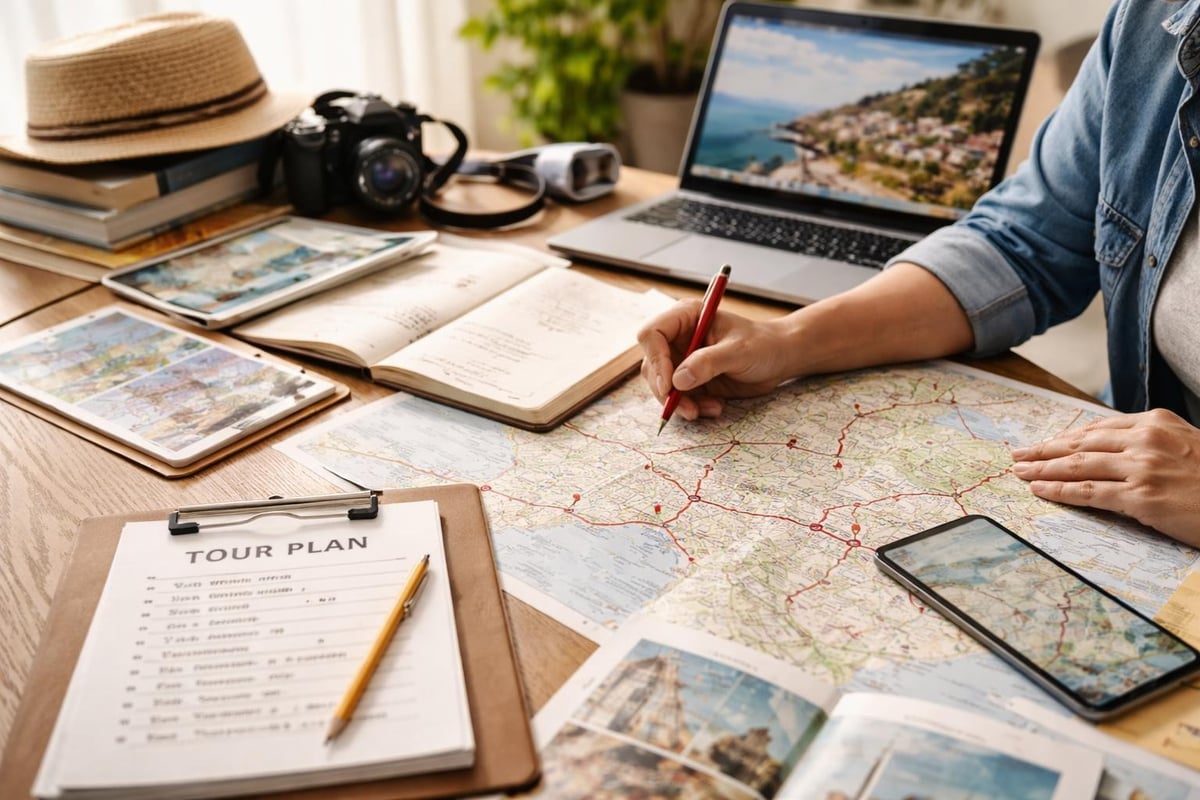
Storytelling Techniques That Captivate Audiences
Effective tour leading transforms facts into compelling narratives. Stories create emotional connections that statistics and dates cannot achieve alone. The most memorable guides weave historical information into human-centered narratives that help visitors understand how people lived, worked, and shaped the places they're exploring.
Consider how you structure information delivery. Beginning with a provocative question, surprising fact, or vivid scene-setting immediately captures attention. Build suspense by revealing information gradually rather than front-loading every detail. Connect past events to present-day observations, helping visitors see continuity between history and contemporary life.
Vocal Techniques and Presentation Skills
Your voice serves as your primary tool in tour leading. Varying your pace, volume, and tone prevents monotony and emphasizes key points. Strategic pauses allow important information to resonate and give groups time to absorb complex details. Speaking clearly without rushing ensures everyone comprehends your message, regardless of their English proficiency level.
| Technique | Purpose | Application |
|---|---|---|
| Volume variation | Emphasize importance | Raise voice for dramatic moments, lower for intimate stories |
| Pacing changes | Maintain engagement | Slow down for complex information, accelerate for transitions |
| Strategic pauses | Create anticipation | Stop before revealing surprising facts or after thought-provoking questions |
| Rhetorical questions | Encourage participation | Invite mental engagement without requiring verbal responses |
Physical positioning matters tremendously. Position yourself where all participants can see and hear you clearly. In crowded locations, elevate yourself slightly or use architectural features to improve visibility. Make eye contact with different group members throughout your presentation, ensuring everyone feels included.
Managing Groups With Confidence and Care
Tour leading involves managing diverse personalities, expectations, and physical abilities within a single group. Establishing clear expectations at the beginning sets the foundation for smooth operations. Communicate timing, walking distances, break schedules, and any physical requirements upfront so participants can prepare accordingly.
The detailed onboarding checklist for tour leaders outlines best practices from initial preparations through ongoing performance reviews. These protocols help maintain consistency and professionalism across all tour experiences.
Handling Challenging Situations
Even well-planned tours encounter unexpected challenges. Weather changes, traffic disruptions, facility closures, or participant health issues require quick thinking and graceful adaptation. Preparation reduces panic. Develop contingency plans for common scenarios before they occur.
When conflicts arise between group members, address them diplomatically and privately when possible. If someone dominates conversations or asks excessive questions, acknowledge their enthusiasm while redirecting focus to the broader group. For participants struggling to keep pace, offer brief rest opportunities or modified routes that maintain group cohesion.
Communication proves essential during crisis management:
- Assess the situation quickly and calmly
- Communicate clearly with your group about changes
- Implement your contingency plan decisively
- Maintain positive energy despite disruptions
- Document incidents for future reference and improvement
Specialization and Niche Tour Development
While general city tours remain popular, specialized tour leading creates unique value for specific audience segments. Thematic tours focused on literature, music, architecture, food, or particular historical periods attract enthusiasts seeking deeper exploration. This specialization allows guides to develop exceptional expertise in focused areas.
Stockholm offers rich opportunities for specialized tour leading. The ABBA journey experience demonstrates how music-themed tours combine destination knowledge with cultural phenomena that resonate globally. These specialized offerings attract dedicated audiences willing to invest more time and resources for authentic, in-depth experiences.
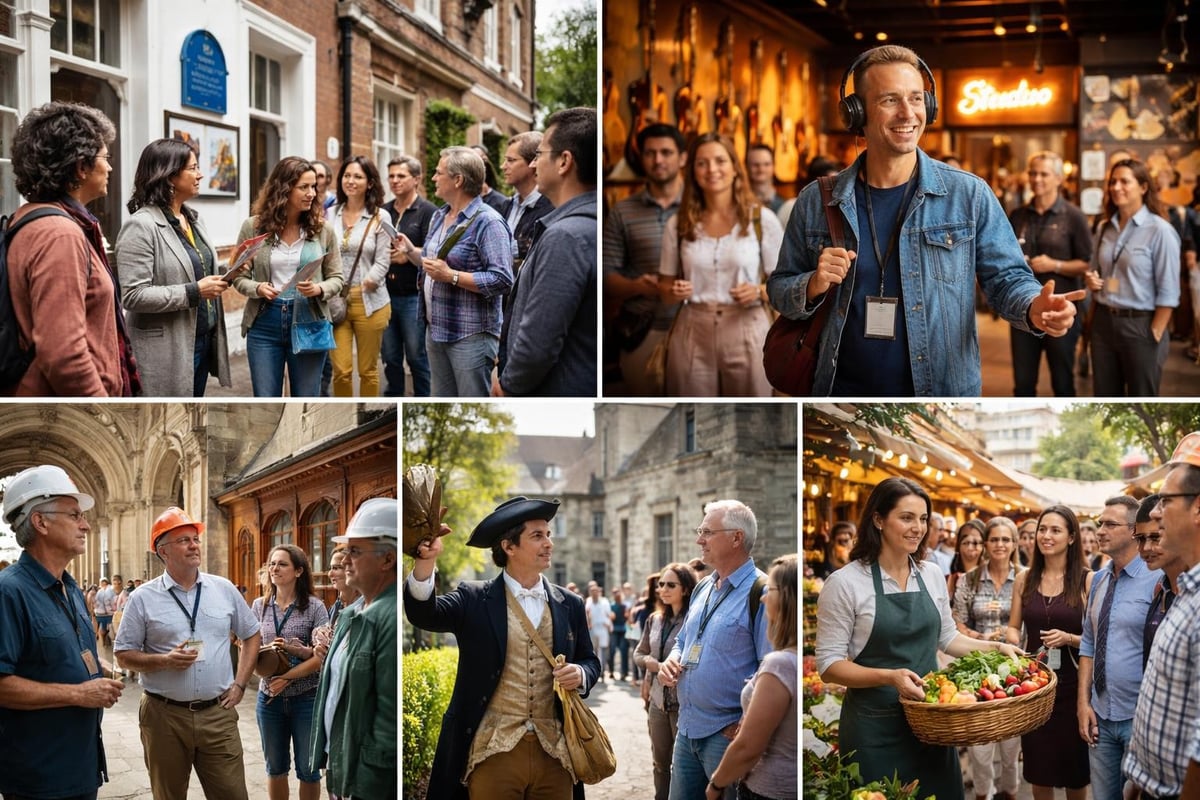
Creating Personalized Experiences
Private group tours demand different tour leading approaches than large public gatherings. Flexibility becomes paramount when working with families, friend groups, or corporate teams. Understanding your specific audience's interests, knowledge levels, and physical capabilities allows you to customize content and pacing appropriately.
Ask thoughtful questions before tours begin to understand participant priorities. Some groups prioritize photography opportunities, while others value extensive historical detail or insider recommendations for restaurants and shops. Tailored tours acknowledge that one-size-fits-all approaches rarely deliver optimal experiences for private groups.
Technical Skills for Modern Tour Leading
Contemporary tour leading incorporates technology strategically without allowing devices to dominate the experience. Portable audio systems ensure everyone hears clearly in noisy environments. Mobile apps can supplement storytelling with historical photographs, maps, or additional resources participants access at their convenience.
The AutoTour system research demonstrates how technology can enhance exploration through automated landmark annotations and context-aware guidance. While human guides provide irreplaceable personal connection and adaptability, understanding available technological tools expands your capabilities.
Logistics and Route Planning
Effective tour leading requires meticulous operational planning. Scout your entire route multiple times, noting:
- Optimal standing positions for group presentations
- Potential bottlenecks or crowding issues
- Restroom locations and accessibility features
- Backup shelter options for weather protection
- Timing benchmarks for each segment
Test your route at the same day and time you'll lead actual tours. Morning conditions differ significantly from afternoon or evening environments. Weekend crowds present different challenges than weekday scenarios. Stockholm walking tours through historic areas require awareness of peak tourist times, local events, and seasonal variations affecting accessibility.
| Planning Element | Considerations | Best Practices |
|---|---|---|
| Route length | Physical abilities, time constraints | Build in flexibility with optional extensions or shortcuts |
| Stop locations | Visibility, noise levels, weather exposure | Identify multiple presentation spots for each major point |
| Timing | Realistic pacing, buffer time | Add 20% extra time beyond your personal walking speed |
| Accessibility | Mobility limitations, terrain challenges | Provide detailed pre-tour information about physical requirements |
Continuous Professional Development
Outstanding tour leading requires ongoing education and skill refinement. The tourism industry evolves constantly, with new research revealing previously unknown historical details, urban development changing cityscapes, and shifting visitor expectations demanding fresh approaches.
Professional training resources support continuous growth. Tourism Tribe and specialized guidebooks offer valuable insights for guides seeking to expand their knowledge and improve their craft. Regional programs like the Certified Utah Tour Guide Program emphasize continuous learning alongside basic skill development.
Learning From Every Tour
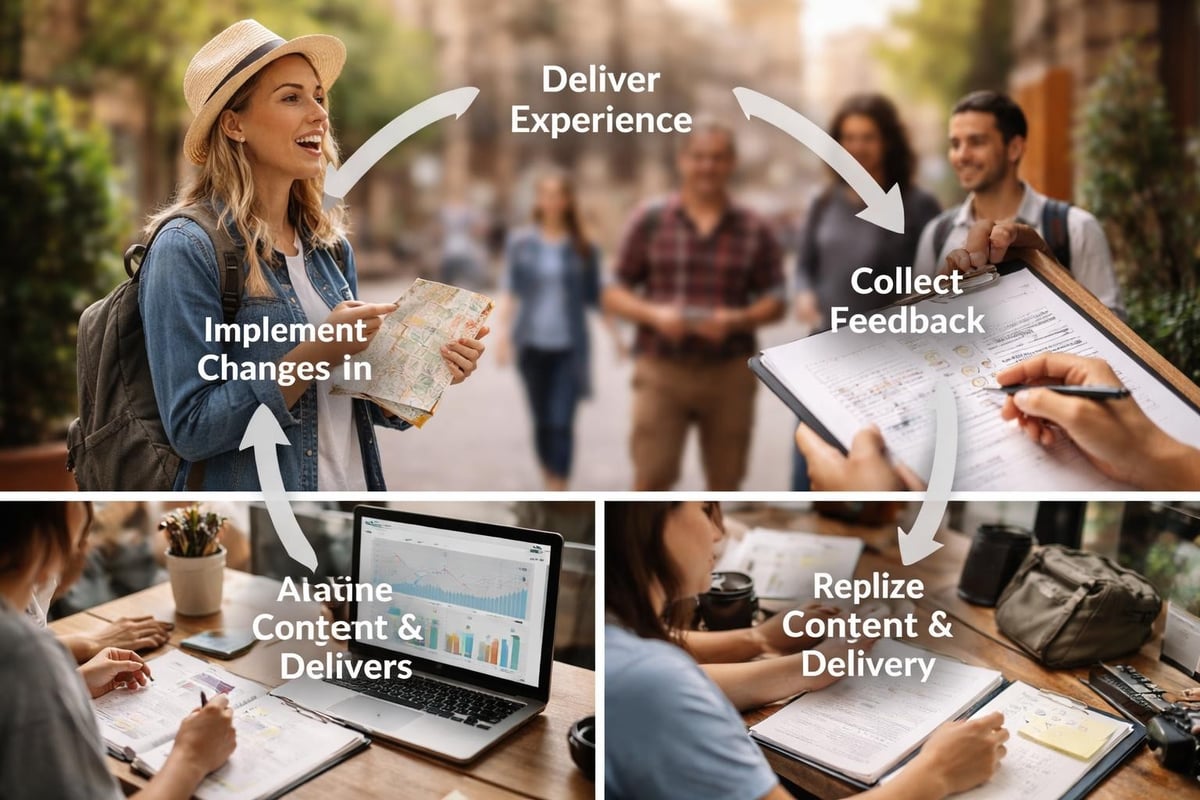
Each tour provides learning opportunities through participant feedback and self-reflection. What moments generated the strongest reactions? Which explanations seemed to confuse people? Where did pacing feel rushed or draggy? Experienced guides constantly refine their presentations based on these observations.
Solicit feedback through brief post-tour conversations or follow-up surveys. Specific questions yield more useful insights than general satisfaction ratings. Ask what participants found most memorable, what they wished you'd spent more time exploring, and what surprised them during the experience.
Business Aspects of Tour Leading
Many guides operate as independent professionals or small business owners, requiring entrepreneurial skills alongside guiding expertise. Understanding your market helps you identify underserved niches and price your services appropriately. Research competitor offerings, identify gaps in current tour options, and develop unique value propositions.
Marketing tour leading services demands different strategies than traditional businesses. Word-of-mouth recommendations remain powerful, making exceptional service your most effective marketing tool. Online reviews significantly influence potential customers, so consistently delivering memorable experiences directly impacts business growth. Resources like TripSchool’s training manuals provide destination-specific content that helps guides develop comprehensive, professional offerings.
Building Sustainable Practices
Responsible tour leading considers environmental and social impacts. Sustainable practices include managing group sizes to minimize crowding, supporting local businesses through recommendations, respecting residential neighborhoods, and educating visitors about cultural sensitivities. These approaches preserve destinations for future visitors while creating positive relationships with local communities.
The Guide & Tour Operator Program emphasizes industry best practices that balance business success with environmental stewardship. Guides play crucial roles in shaping visitor behavior and promoting respectful tourism practices.
The Personal Rewards of Tour Leading
Beyond professional skills and business considerations, tour leading offers profound personal satisfaction. Connecting people with places they've dreamed of visiting creates meaningful moments that participants remember for years. Witnessing someone's face light up with understanding, excitement, or wonder as they grasp a historical connection or discover a hidden gem provides daily rewards that transcend financial compensation.
Tour leading also builds remarkable connections between people from diverse backgrounds. Groups often bond during shared experiences, with guides facilitating conversations and cultural exchanges that wouldn't occur otherwise. Private group tours create especially rich opportunities for meaningful interactions, allowing guides to adapt experiences to group dynamics and foster genuine connections.
This profession suits individuals who thrive on variety and human interaction. No two tours unfold identically, even when following the same route with similar content. Different participants ask unique questions, weather conditions alter atmospheres, and unexpected discoveries emerge regularly. This constant variation keeps tour leading fresh and engaging, preventing the monotony that affects many careers.
Mastering tour leading transforms how visitors experience destinations, creating memories that extend far beyond typical sightseeing. These skills combine extensive knowledge, compelling storytelling, logistical expertise, and genuine care for participant experiences. Whether you're planning a family vacation to Stockholm or organizing a corporate group outing, Adding:tours delivers personalized experiences led by native English-speaking guides who share insider perspectives and adapt each tour to your specific interests, ensuring your time in Stockholm becomes truly unforgettable.