Tour Walking: The Ultimate Guide to Exploration in 2026
Tour walking represents one of the most immersive ways to experience a destination, combining physical activity with cultural discovery and personal connection. Unlike bus tours or self-guided audio experiences, this approach brings travelers face-to-face with local history, architecture, and hidden gems that often go unnoticed. As we navigate 2026, tour walking continues to gain popularity among travelers who seek authentic experiences, meaningful interactions, and the freedom to engage with their surroundings at a comfortable pace. Whether exploring narrow medieval alleyways or witnessing ceremonial traditions, the guided walking experience offers unique advantages that transform ordinary sightseeing into extraordinary memories.
Understanding the Appeal of Tour Walking
Tour walking delivers benefits that extend far beyond simple transportation from one landmark to another. The intimate nature of exploring on foot allows participants to absorb details, ask questions, and develop connections with both the guide and fellow travelers. This method of exploration encourages spontaneity, enabling guides to adjust routes based on group interests or unexpected discoveries.
The health advantages alone make this activity worthwhile. According to health benefits of walking outlined by Cleveland Clinic, regular walking improves cardiovascular health, strengthens bones, and reduces stress levels. When combined with cultural enrichment, tour walking becomes a holistic experience that nourishes both body and mind.
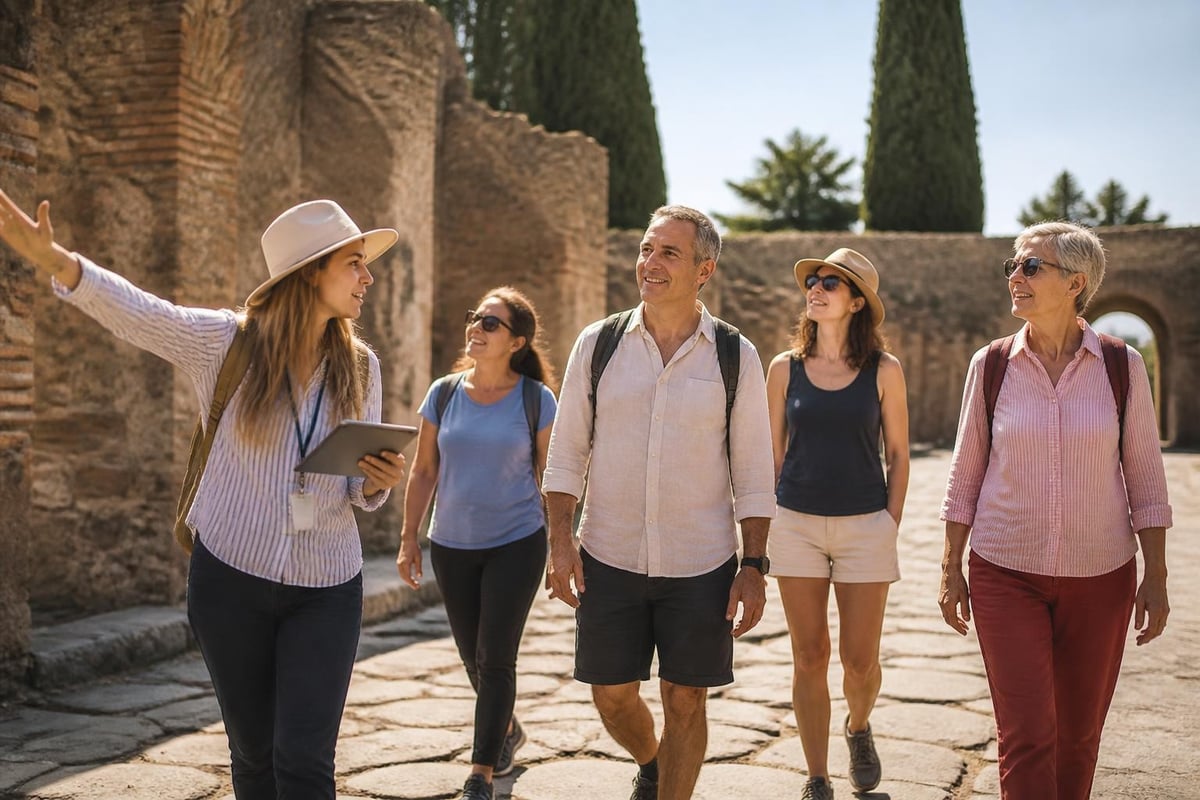
Physical and Mental Health Advantages
Participants often underestimate the fitness component of guided walking experiences. A typical tour covers two to four miles, providing moderate cardiovascular exercise while participants remain engaged with their surroundings. The Mayo Clinic emphasizes how walking can trim your waistline while delivering comprehensive health improvements.
Key health benefits include:
- Enhanced cardiovascular function through sustained moderate activity
- Improved joint mobility and muscle tone
- Reduced risk of chronic diseases
- Better sleep quality following physical engagement
- Elevated mood through endorphin release and social interaction
Mental clarity represents another significant advantage. The combination of fresh air, physical movement, and intellectual stimulation creates an optimal environment for learning and retention. Participants frequently report remembering tour information more vividly than details from other travel experiences.
Essential Safety Considerations
Safety remains paramount when participating in tour walking activities, particularly in unfamiliar urban environments. Walking safety tips from the City of Tampa emphasize the importance of facing traffic, staying alert, and wearing appropriate footwear, all critical factors for group tours.
Professional walking tour guides understand traffic patterns, pedestrian regulations, and potential hazards specific to their locations. They position groups safely at crossings, maintain appropriate spacing, and ensure everyone stays together while navigating busy streets.
Preparation and Awareness
| Safety Element | Recommendation | Importance |
|---|---|---|
| Footwear | Comfortable, broken-in walking shoes with good traction | Prevents blisters, provides stability |
| Visibility | Bright clothing, reflective elements for evening tours | Ensures safety in traffic, low light |
| Hydration | Water bottle, especially during summer months | Prevents fatigue, maintains energy |
| Weather Gear | Appropriate clothing layers, rain protection | Ensures comfort throughout tour |
The University of Nebraska-Lincoln’s safety tips for walking stress the importance of route planning and staying alert, responsibilities that professional guides handle while allowing participants to focus on enjoyment.
Group dynamics also play a role in safety. Walking in pairs or small clusters, as recommended by Craven County’s walking safety guidelines, helps maintain visibility and ensures no one gets separated from the main group.
Choosing the Right Tour Walking Experience
The variety of available tour walking options can feel overwhelming. Understanding different formats helps travelers select experiences that align with their interests, fitness levels, and time constraints.
Common tour walking categories:
- Historical and architectural tours focusing on buildings, monuments, and urban development
- Cultural immersion experiences highlighting local traditions, neighborhoods, and daily life
- Literary and artistic journeys following famous writers, artists, or fictional characters
- Culinary walks combining food tastings with neighborhood exploration
- Themed adventures centered on specific interests like music, mystery, or photography
Group tours offer social interaction and cost efficiency, while private experiences provide customization and flexibility. Consider group size preferences, as intimate gatherings typically allow for more personal attention and easier communication with guides.
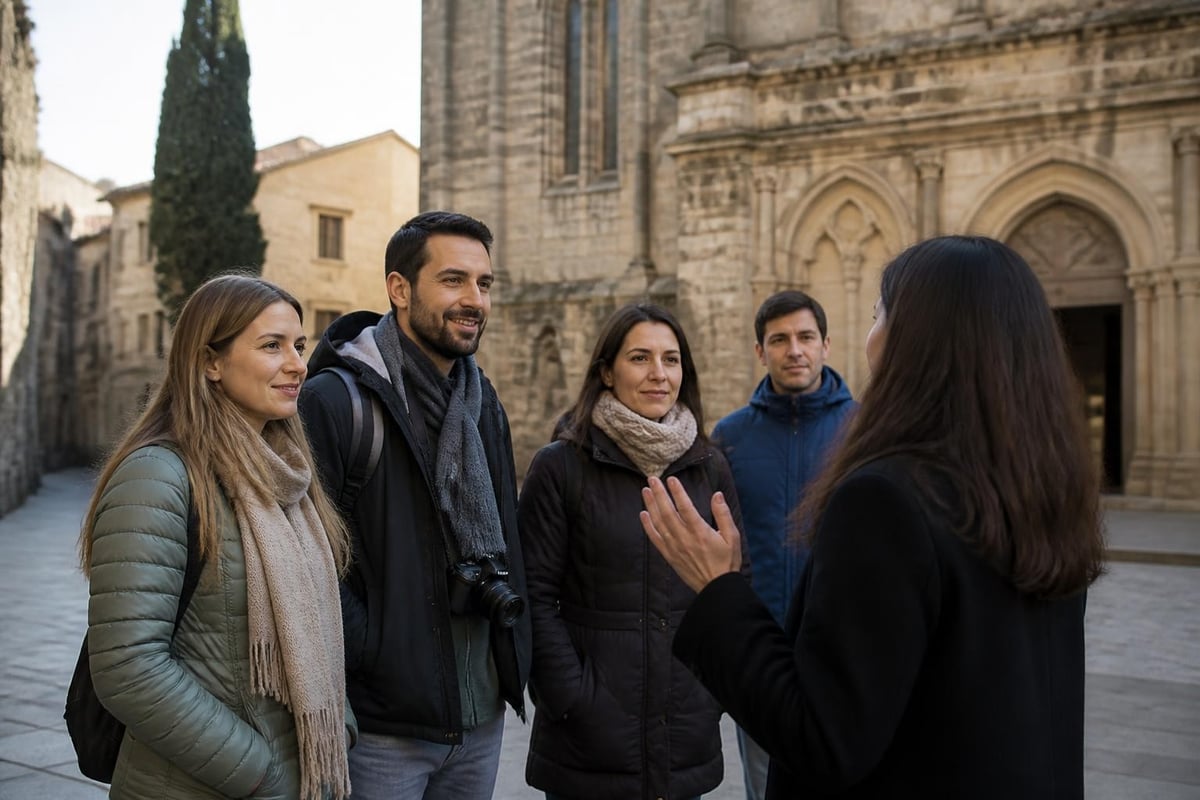
Evaluating Tour Quality and Value
Not all tour walking experiences deliver equal value. Discerning travelers should investigate several factors before booking:
Guide credentials matter significantly. Native speakers or long-term residents possess deeper knowledge and authentic perspectives compared to recently arrived guides reading from scripts. The expertise offered by a professional tour guide transforms standard information into engaging narratives enriched with personal anecdotes and insider knowledge.
Duration and pacing require consideration. Tours lasting 90 minutes to three hours typically provide sufficient depth without causing fatigue. Confirm that routes match your physical capabilities, especially if traveling with children or individuals with mobility considerations.
Customization options add tremendous value for private groups. The ability to adjust itineraries, extend time at preferred locations, or incorporate specific interests creates memorable experiences tailored to your party's desires. Tailored tours exemplify this personalized approach, adapting to family dynamics, corporate objectives, or special celebrations.
Maximizing Your Tour Walking Experience
Preparation enhances enjoyment and learning retention. Research your destination beforehand to develop context for the information guides share. This background knowledge allows you to ask informed questions and recognize references during your tour walking adventure.
Comfortable preparation extends beyond footwear. Dress in layers to accommodate temperature changes as you move between sun and shade, indoor and outdoor spaces. Bring a small backpack for essentials without overloading yourself with unnecessary items.
Engagement Strategies
Active participation transforms passive observation into genuine learning. Consider these approaches:
- Ask questions when curiosity strikes rather than waiting for formal Q&A periods
- Take photographs thoughtfully, balancing documentation with present-moment awareness
- Engage with fellow participants to share perspectives and observations
- Request recommendations for restaurants, shops, or additional attractions
- Take brief notes about favorite stories or locations for future reference
The insights gained from specialized tours often come from unexpected moments and spontaneous conversations rather than rehearsed presentations. Remaining open to these organic interactions enriches the entire experience.
Timing matters for optimal tour walking conditions. Morning tours often provide cooler temperatures and fewer crowds, while evening experiences offer different lighting and ambiance. Consider your personal energy patterns when selecting tour times.
Special Interest Tour Walking Opportunities
Niche interests create compelling tour walking experiences that resonate deeply with enthusiasts. Literary tours transport fans into the worlds of beloved authors, visiting locations where books were written or set. Following Stieg Larsson's Millennium series through Stockholm neighborhoods, for example, combines mystery appreciation with urban exploration.
Music-themed tours celebrate artistic legacies through the neighborhoods, venues, and inspirations that shaped legendary performers. An ABBA journey through Stockholm might include recording studios, performance venues, and personal landmarks significant to the iconic group's history.
Architecture enthusiasts appreciate tours highlighting specific styles, periods, or architects. Medieval districts showcase preservation efforts, while modernist routes demonstrate contemporary urban design. Expert guides decode architectural vocabulary, helping participants recognize decorative elements and structural innovations.
Seasonal and Event-Based Experiences
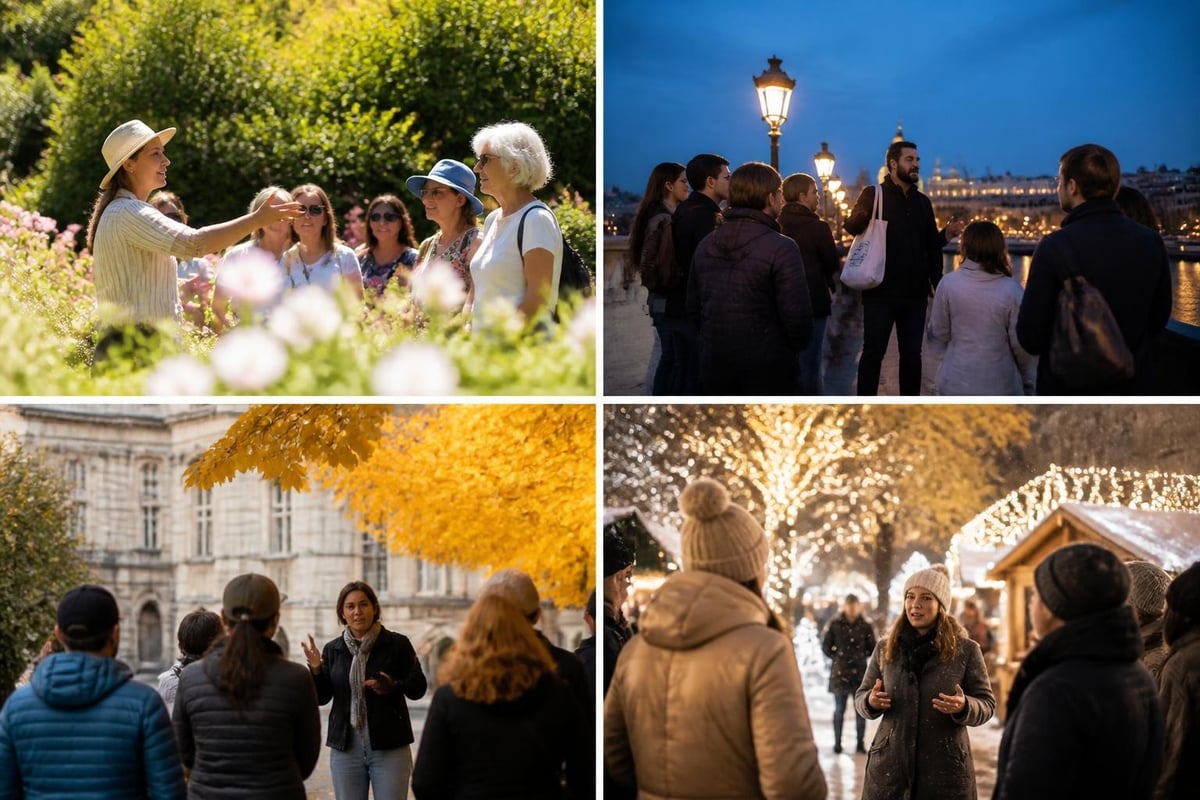
Tour walking adapts beautifully to seasonal changes and special events:
| Season/Event | Tour Focus | Unique Elements |
|---|---|---|
| Spring | Garden tours, renewal themes | Blooming flowers, festival preparations |
| Summer | Extended evening tours | Long daylight, outdoor cafés, street performers |
| Autumn | Harvest themes, artistic seasons | Changing foliage, cultural programming |
| Winter | Holiday traditions, cozy culture | Festive decorations, warm beverage stops |
| Festivals | Celebration participation | Live events, special access, cultural immersion |
Royal ceremonies and governmental traditions provide fascinating subjects for specialized tours. Witnessing the changing of the guard at royal palaces offers insight into ceremonial precision and historical continuity that purely visual observation cannot deliver.
Group Dynamics and Social Benefits
Tour walking creates unexpected social opportunities. Shared experiences foster connections among strangers who discover common interests while exploring together. These encounters often extend beyond the tour itself, leading to meal invitations, contact exchanges, and lasting friendships.
Family groups find particular value in tour walking experiences that accommodate multiple generations. Professional guides skilled at engaging both children and adults present information at varying complexity levels, ensuring everyone remains interested. Interactive elements like scavenger hunts or storytelling techniques maintain younger participants' attention while delivering substantive content.
Corporate teams utilize tour walking for team building that feels less contrived than conference room exercises. Stockholm tours designed for business groups might incorporate problem-solving elements or collaborative challenges while showcasing the city's innovation ecosystem and historical resilience.
Educational groups including students, alumni organizations, or special interest clubs benefit from experiences that align with their academic or professional focuses. Historical societies appreciate architectural details, while photography clubs value guidance on optimal shooting locations and lighting conditions.
Planning Multi-Day Tour Walking Itineraries
Ambitious travelers sometimes structure entire visits around multiple tour walking experiences. This approach requires thoughtful scheduling to prevent exhaustion while maximizing coverage. Vary intensity levels, alternating between longer, more demanding tours and shorter, leisurely options.
Geographic clustering improves efficiency. Group tours in the same district or neighborhood to minimize transit time between experiences. An Old Town walking tour might pair naturally with nearby cultural attractions visited independently afterward.
Multi-day planning considerations:
- Schedule most physically demanding tours early in your visit when energy levels peak
- Build rest days or lighter activities between intensive walking days
- Reserve evenings after tours for relaxed dining rather than additional scheduled activities
- Document each experience promptly while memories remain fresh
- Allow flexibility for spontaneous exploration inspired by tour discoveries
The comprehensive city sightseeing options available in major destinations can fill weeks of exploration without repetition. Thematic organization helps maintain focus, whether concentrating on art, history, cuisine, or multiple interests across different days.
Technology and Tour Walking Innovation
Modern tour walking experiences increasingly incorporate technology without sacrificing personal interaction. Some guides use portable audio systems ensuring everyone hears clearly even in noisy environments. Others integrate augmented reality applications that overlay historical images onto current streetscapes.
Photography opportunities abound during tour walking, and guides familiar with their routes know precisely where optimal lighting and composition opportunities occur. Many pause at scenic viewpoints, allowing time for photography without rushing the group.
Social media sharing has become integral to the tour walking experience for many participants. Professional guides recognize photogenic moments and offer to capture group photos at significant landmarks. This service adds value while creating marketing opportunities through authentic participant posts.
Booking platforms have streamlined reservation processes, though personal communication with tour operators often yields better customization options. Direct contact allows discussion of specific interests, mobility requirements, or scheduling preferences that automated systems cannot accommodate.
Economic and Environmental Considerations
Tour walking represents sustainable tourism at its finest. Zero emissions, minimal infrastructure requirements, and economic benefits distributed directly to local guides create positive environmental and social impacts. Small group sizes reduce wear on popular sites while supporting preservation efforts through admission fees and donations.
The walking safety routine tips from Texas A&M apply equally well to travelers establishing healthy exploration habits. Regular tour walking during travels maintains fitness routines that might otherwise lapse during vacation periods.
Local economies benefit substantially when tour walking businesses employ neighborhood residents, utilize nearby restaurants for breaks, and encourage participants to shop at independent retailers. This multiplier effect supports communities more effectively than large-scale tourism operations that extract profits from destinations.
Value perception varies among travelers, but most recognize that expertise, access, and convenience justify tour walking costs. The information gained, time saved through efficient routing, and enhanced safety provided by knowledgeable guides deliver returns that exceed ticket prices.
Tour walking offers unmatched opportunities to connect with destinations through physical engagement, cultural immersion, and personal interaction that creates lasting memories. Whether you seek historical knowledge, literary adventures, musical heritage, or simply authentic local perspectives, the right guided experience transforms ordinary travel into extraordinary discovery. Adding:tours specializes in creating personalized tour walking experiences throughout Stockholm, combining insider expertise with flexible itineraries tailored to your group's unique interests and ensuring your exploration becomes truly unforgettable.