What Makes a Great Tourist Guide in 2026
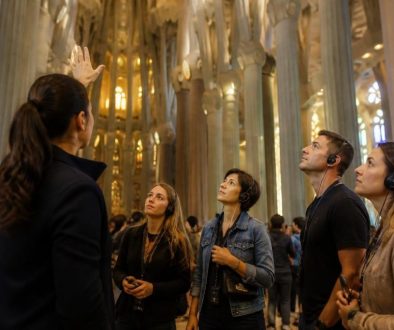
The role of a tourist guide has evolved dramatically over the past decade, transforming from simple information delivery to crafting deeply personalized experiences that resonate with travelers long after their journey ends. In 2026, the modern tourist guide serves as storyteller, cultural interpreter, and experience curator, blending historical knowledge with contemporary insights to create meaningful connections between visitors and destinations. This evolution reflects changing traveler expectations, technological advances, and a growing appreciation for authentic, locally-rooted experiences that go beyond surface-level sightseeing.
The Essential Qualities of an Exceptional Tourist Guide
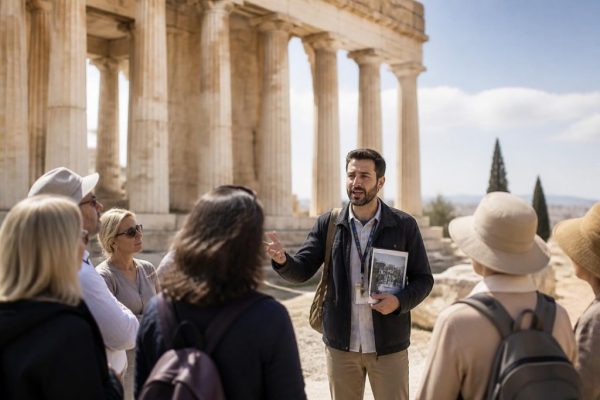
A truly exceptional tourist guide possesses a unique combination of knowledge, personality, and adaptability that transforms ordinary tours into memorable adventures. Communication skills rank among the most critical attributes, as guides must convey complex historical narratives, cultural nuances, and local insights in ways that engage diverse audiences. The ability to read a room, adjust pacing, and tailor content to group interests separates adequate guides from outstanding ones.
Beyond communication, deep local knowledge forms the foundation of quality guiding. This extends far beyond memorized facts to encompass personal stories, hidden corners, and insider perspectives that only true locals can provide. When a professional tour guide shares authentic experiences and lesser-known details, travelers gain access to layers of understanding unavailable through guidebooks or generic tours.
Cultural Sensitivity and Linguistic Expertise
In our increasingly connected world, cultural sensitivity has become non-negotiable for professional guides. Understanding diverse customs, religious practices, dietary restrictions, and communication styles allows guides to create inclusive experiences where every participant feels valued. Native or fluent English-speaking guides offer particular advantages for international visitors, eliminating language barriers that might otherwise diminish the experience quality.
The training standards for tourist guides vary significantly worldwide, as outlined in education programs for tourist guides globally. Reputable certification programs emphasize both theoretical knowledge and practical skills, ensuring guides meet recognized professional standards. These programs cover topics ranging from historical research methods to crisis management, emergency response, and accessibility considerations.
Professional Training and Certification Pathways
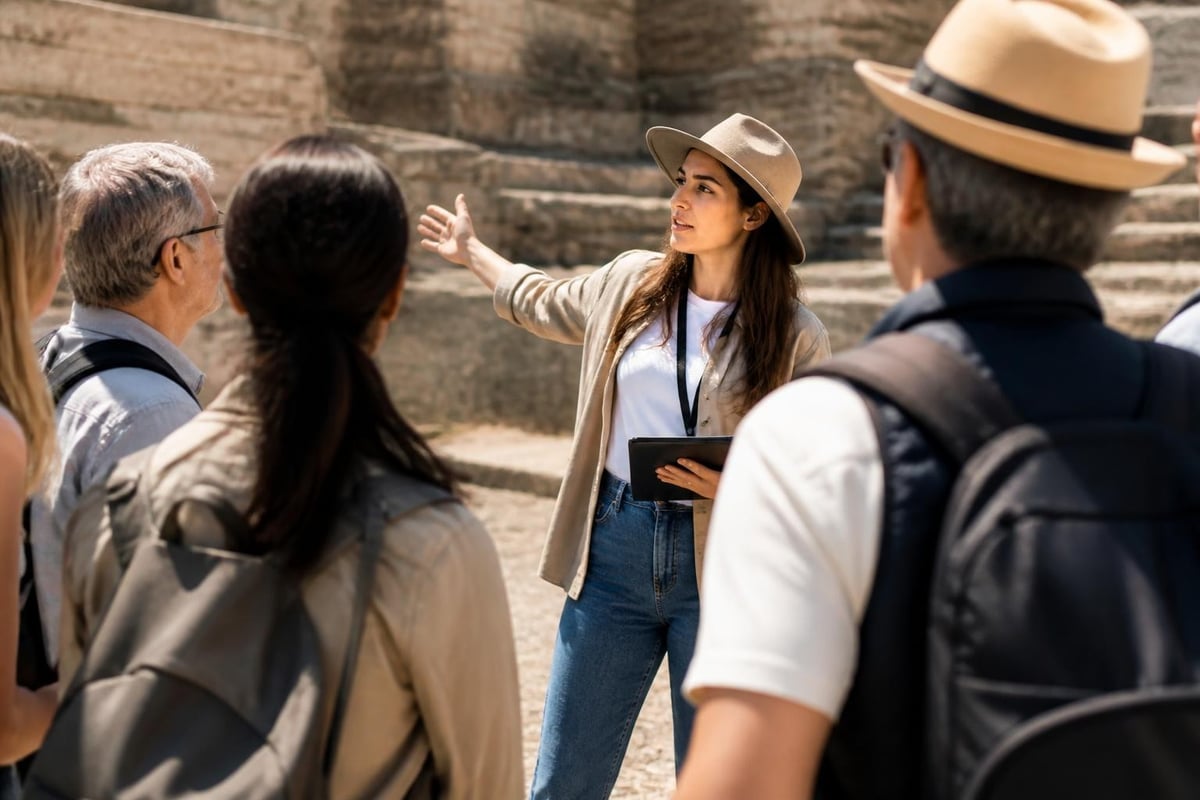
Formal qualifications distinguish professional tourist guides from casual enthusiasts. In the United Kingdom, the structured approach to becoming a certified tourist guide includes several distinct badge levels, each representing different scopes of practice and geographical expertise. These recognized qualifications provide travelers with confidence that their guide has met established professional standards.
Qualification Levels Explained
| Badge Level | Geographic Scope | Training Duration | Typical Focus Areas |
|---|---|---|---|
| White Badge | Specific site or attraction | 3-6 months | Specialized knowledge of single location |
| Green Badge | Regional or city coverage | 6-12 months | Comprehensive regional history and culture |
| Blue Badge | National qualification | 12-24 months | Broad national knowledge and advanced skills |
The most comprehensive programs combine classroom instruction with practical field training, mentorship from experienced guides, and rigorous assessments. Investment in professional development pays dividends through enhanced credibility, better client reviews, and opportunities to work with premium tour operators who demand qualified guides.
Continuing education remains essential even after initial certification. The tourism landscape constantly evolves with new historical discoveries, changing urban environments, and shifting visitor interests. Participating in ongoing training courses helps guides stay current and deliver information that reflects the latest research and best practices.
The Impact of Technology on Modern Guiding
Digital transformation has fundamentally reshaped how tourist guides prepare, deliver, and enhance their services. Mobile applications, GPS-enabled audio guides, and virtual reality supplements now complement traditional guiding techniques rather than replacing human expertise. Smart guides leverage technology to enrich experiences while maintaining the irreplaceable human connection that defines quality tourism.
Social media platforms have emerged as powerful tools for guide promotion and client engagement. According to recent analyses on how social media has transformed vacations, platforms like Instagram and TikTok influence destination choices and create new expectations for shareable, photogenic moments. Savvy guides incorporate these preferences while ensuring substance accompanies style.
Digital Tools That Enhance Guiding
- Translation apps for bridging minor language gaps with international guests
- Digital ticketing systems that streamline attraction access and reduce waiting time
- Weather monitoring apps enabling real-time itinerary adjustments
- Photo-sharing platforms for delivering professional images to participants
- Booking management software automating scheduling and communication
Technology also enables guides to offer hybrid experiences combining physical tours with digital follow-up resources. Sharing curated reading lists, video supplements, or interactive maps after tours extends the learning experience and maintains engagement long after the tour concludes.
Creating Personalized Experiences for Small Groups
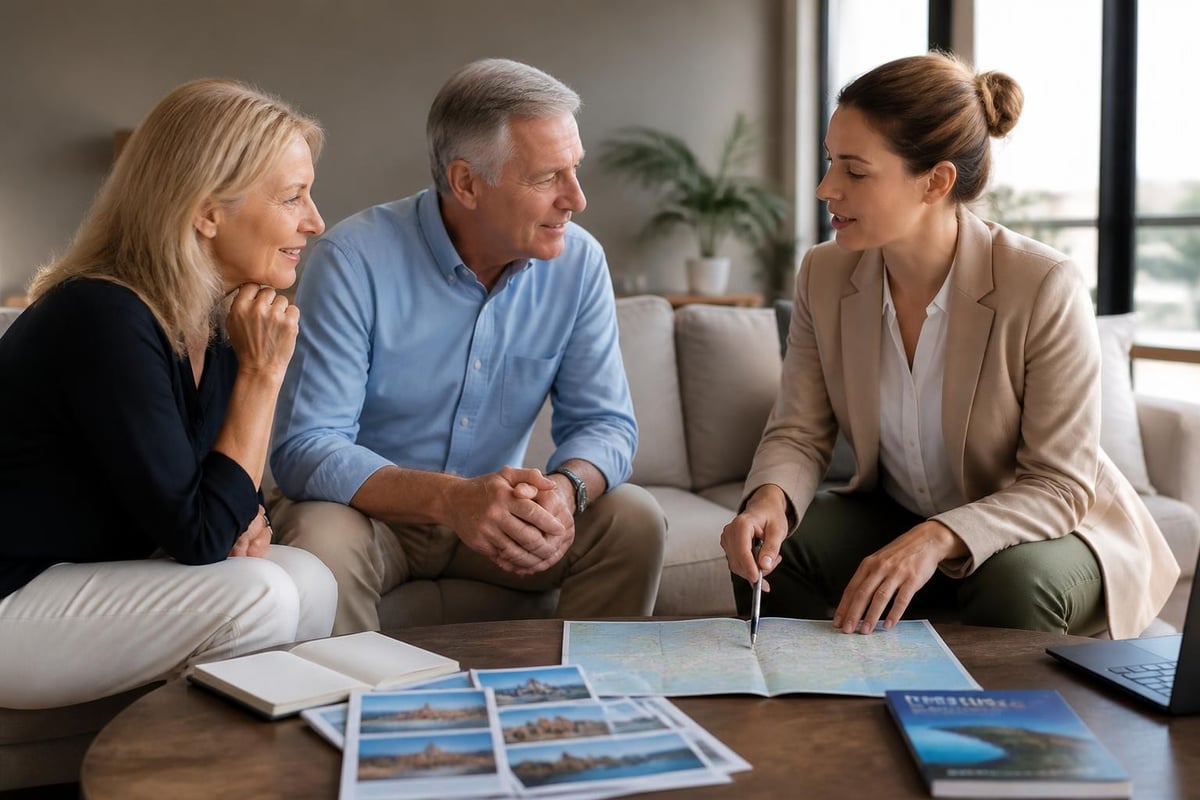
The shift toward intimate, customized experiences represents one of the most significant trends in contemporary tourism. Mass bus tours have given way to small group explorations where tailored tours address specific interests, preferences, and pacing needs. This personalization requires guides to function as consultants, collaborating with clients to design experiences that align with their unique objectives.
For family groups, skilled guides balance educational content with entertainment, adapting complexity levels for different age ranges while keeping everyone engaged. Corporate groups might prioritize team-building elements or specific historical themes relevant to their industry. Friends traveling together often seek social experiences combining learning with leisure and opportunities to form lasting memories.
Benefits of Small Group Tourism
Private and small group formats offer advantages impossible to replicate in larger settings. Guides can encourage questions, facilitate discussions, and adjust pacing based on group energy and interest levels. These intimate settings foster genuine conversations where participants feel comfortable sharing observations and forming connections with fellow travelers.
The economic considerations also favor small group models for both guides and travelers. While per-person costs may be higher than mass tours, the value proposition improves dramatically through personalized attention and flexibility. Guides working with smaller groups often report higher satisfaction levels and better reviews, creating positive feedback loops that attract future bookings.
Specialized Niche Tours and Themed Experiences
Thematic specialization allows tourist guides to differentiate their offerings and attract passionate audiences seeking deep dives into specific subjects. Literary tours following famous authors' footsteps, culinary explorations of local food cultures, architectural walks examining design movements, and music history journeys represent just a fraction of available specializations.
In Stockholm, literary enthusiasts can explore locations from Stieg Larsson's "Millennium" trilogy, experiencing the city through the lens of fictional detective Lisbeth Salander while learning about actual Nordic noir culture. Music lovers might pursue ABBA-themed adventures that combine historical context with contemporary appreciation of Sweden's most famous musical export.
Popular Tour Specializations in 2026
- Historical deep dives focusing on specific eras or events
- Culinary journeys exploring local cuisine and food traditions
- Architectural tours examining design evolution and notable buildings
- Literary walks connecting places with famous writers and works
- Music heritage exploring a city's contribution to musical history
- Photography expeditions targeting iconic shooting locations
Developing niche expertise requires substantial research and continuous learning. Guides must stay current with academic scholarship, engage with specialist communities, and often pursue additional certifications or training in their chosen subject area. This investment creates competitive advantages and justifies premium pricing for specialized knowledge.
The Economic Landscape of Tourist Guiding
Understanding industry economics helps both aspiring and established guides make informed career decisions. According to comprehensive tour guide industry statistics, the profession faces both opportunities and challenges in 2026. Recovery from previous global disruptions has reshaped demand patterns, with travelers showing increased interest in quality over quantity and local experiences over mass tourism.
Compensation structures vary widely based on location, specialization, and business model. Independent guides typically charge higher per-tour rates but face irregular income and must handle their own marketing, insurance, and administrative tasks. Guides working for established tour companies enjoy steadier income and administrative support while accepting lower per-tour compensation.
| Business Model | Advantages | Challenges |
|---|---|---|
| Independent Guide | Higher earnings potential, creative control, flexible scheduling | Income variability, self-marketing burden, administrative overhead |
| Tour Company Employee | Steady income, client referrals, administrative support | Lower per-tour pay, less creative freedom, schedule constraints |
| Hybrid Approach | Balanced income stability, diverse experience | Complex scheduling, potential conflicts of interest |
Many successful guides adopt hybrid models, maintaining relationships with tour operators while cultivating private clients for English walking tours and specialized experiences. This approach balances income stability with opportunities for higher earnings and creative expression.
Navigating Challenges in Modern Tourism
The tourist guide profession faces unique challenges requiring resilience, adaptability, and creative problem-solving. Seasonal fluctuations affect income stability in many destinations, forcing guides to develop off-season revenue streams or maintain secondary income sources. Weather disruptions, attraction closures, and unexpected events demand quick thinking and backup planning.
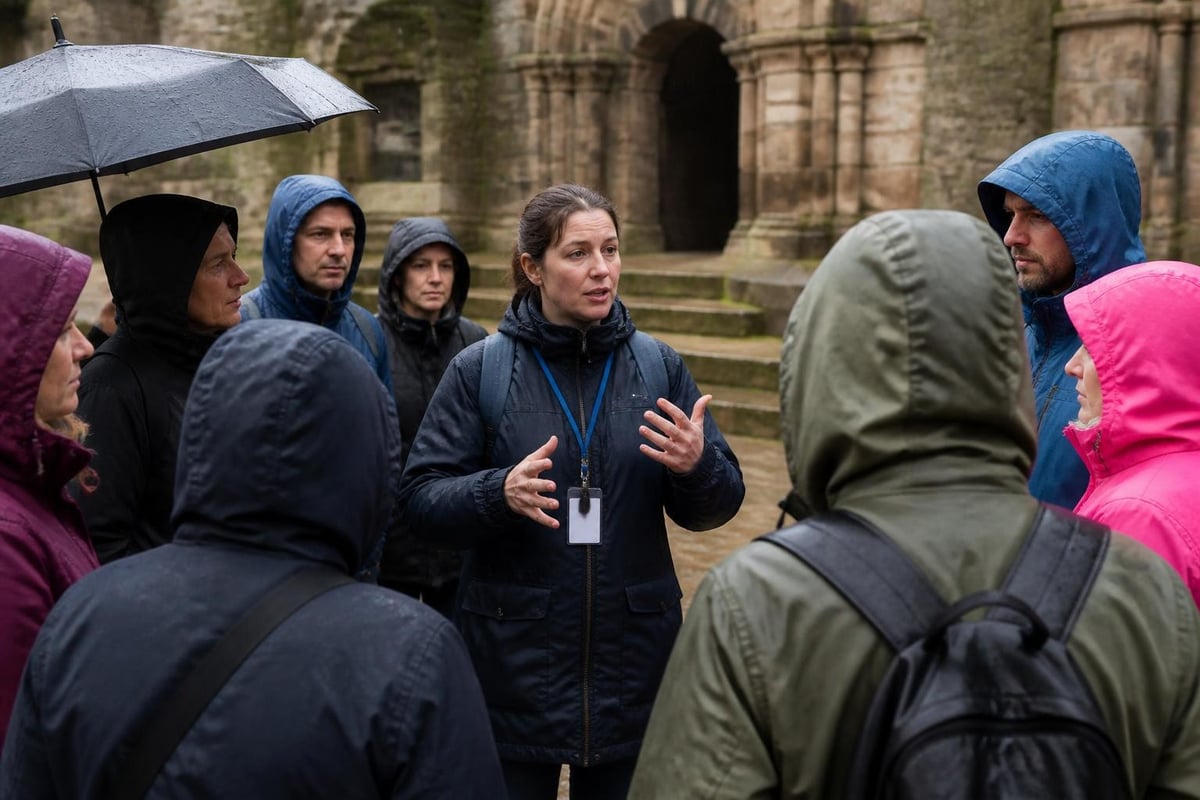
Competition from unlicensed guides represents an ongoing concern, particularly in popular tourist destinations where regulatory enforcement may be inconsistent. Professional associations work to establish and maintain standards, but individual guides must also articulate their value proposition to justify premium pricing over unlicensed alternatives.
Professional Development Strategies
- Join professional associations for networking and credibility
- Pursue continuing education through workshops and specialized courses
- Develop signature experiences that competitors cannot easily replicate
- Cultivate client relationships for repeat bookings and referrals
- Diversify revenue streams with consulting, writing, or content creation
The discussion around tourism’s impact on regions and communities highlights the importance of sustainable, responsible guiding practices. Ethical guides balance business interests with community welfare, respecting local cultures and environments while providing economic benefits through tourism.
Building a Successful Guiding Career
Long-term success in tourist guiding requires more than knowledge and personality. Business acumen, marketing skills, and relationship management separate thriving guides from those who struggle to maintain consistent work. Establishing a strong online presence through professional websites, social media engagement, and review platform management has become essential in the digital age.
Client reviews and testimonials function as social proof, influencing prospective customers' booking decisions more than traditional advertising. Encouraging satisfied clients to share their experiences on platforms like TripAdvisor, Google Reviews, and social media creates organic marketing that attracts similar quality-conscious travelers. Responding professionally to both positive and negative feedback demonstrates professionalism and commitment to continuous improvement.
Marketing Essentials for Independent Guides
Personal branding distinguishes guides in crowded markets. Identifying unique strengths, specialized knowledge, or distinctive personality traits helps create memorable positioning. Perhaps you excel at engaging children, possess expertise in medieval history, or offer photography coaching alongside historical narration. These differentiators attract clients seeking specific experiences.
Building partnerships with hotels, travel agencies, and other tourism businesses creates referral networks that generate steady client flow. Offering exclusive experiences or special rates to partner organizations can justify reciprocal recommendations. For those operating in specific regions, developing expertise in local attractions like Stockholm’s Old Town creates valuable specialization.
The Art of Storytelling and Engagement
Superior tourist guides master the art of narrative construction, transforming historical facts into compelling stories that captivate audiences. Rather than reciting dates and statistics, engaging guides create dramatic tension, develop character portraits of historical figures, and draw connections between past events and contemporary life. This storytelling approach makes information memorable and emotionally resonant.
Effective engagement strategies include asking thoughtful questions that encourage participant reflection, creating interactive moments where travelers can touch, taste, or experience elements directly, and allowing space for spontaneous discoveries. The best Stockholm walking tours balance structured content with flexibility for unexpected moments and participant interests.
Physical positioning and spatial awareness enhance communication effectiveness. Guides who position groups strategically for optimal sightlines, manage background noise, and use gestures purposefully create better learning environments. Voice projection, pacing variation, and strategic pauses maintain attention and emphasize important points.
Techniques for Memorable Tour Delivery
- Open with strong hooks that immediately capture attention
- Use vivid sensory details to make historical scenes come alive
- Create mystery and suspense before revealing information
- Connect past to present showing historical relevance today
- Include local legends alongside verified historical facts
- End with powerful takeaways that synthesize key themes
Humor, when deployed appropriately, lightens serious content and builds rapport with participants. Self-deprecating jokes, playful observations about cultural differences, and lighthearted anecdotes create warm, enjoyable atmospheres conducive to learning and bonding.
Ethical Considerations and Responsible Tourism
Professional tourist guides bear responsibility for promoting sustainable, respectful tourism practices that benefit both visitors and host communities. This includes managing group behavior to minimize disruption in residential areas, educating travelers about local customs and appropriate conduct, and supporting local businesses rather than exclusively international chains.
Cultural representation presents ethical challenges requiring sensitivity and ongoing reflection. Guides must balance entertaining narratives with accurate, nuanced portrayals that avoid stereotypes and oversimplification. Consulting diverse sources, acknowledging historical controversies, and presenting multiple perspectives demonstrates intellectual honesty and respect for complex truths.
Environmental stewardship extends to tourism practices, with responsible guides advocating for low-impact travel, proper waste disposal, and respect for natural spaces. Educating visitors about conservation efforts and environmental challenges helps foster awareness and potentially influence behavior beyond the immediate tour experience.
The evolution of the tourist guide profession reflects broader shifts in how people travel, learn, and connect with new places. Success in this field requires continuous adaptation, genuine passion for sharing knowledge, and commitment to creating meaningful experiences for every visitor. Whether you're seeking expertly crafted experiences in Stockholm or considering a career in professional guiding, understanding these fundamental principles helps distinguish exceptional service from ordinary tourism. Adding:tours specializes in personalized, small-group experiences throughout Stockholm, offering insider access through native English-speaking guides who bring the city's history, culture, and hidden corners to life for family groups, friends, and colleagues seeking authentic Swedish adventures.