Walking Food Tours: A Guide to Culinary Exploration
Walking food tours have transformed how travelers experience destinations, combining culinary discovery with cultural immersion in a format that engages all the senses. These experiences take participants beyond restaurant dining into neighborhoods, markets, and hidden culinary gems that reveal a city's authentic character. For groups seeking meaningful connections with local culture, these tours offer an unparalleled opportunity to taste, learn, and explore together while building shared memories.
Why Walking Food Tours Create Deeper Connections
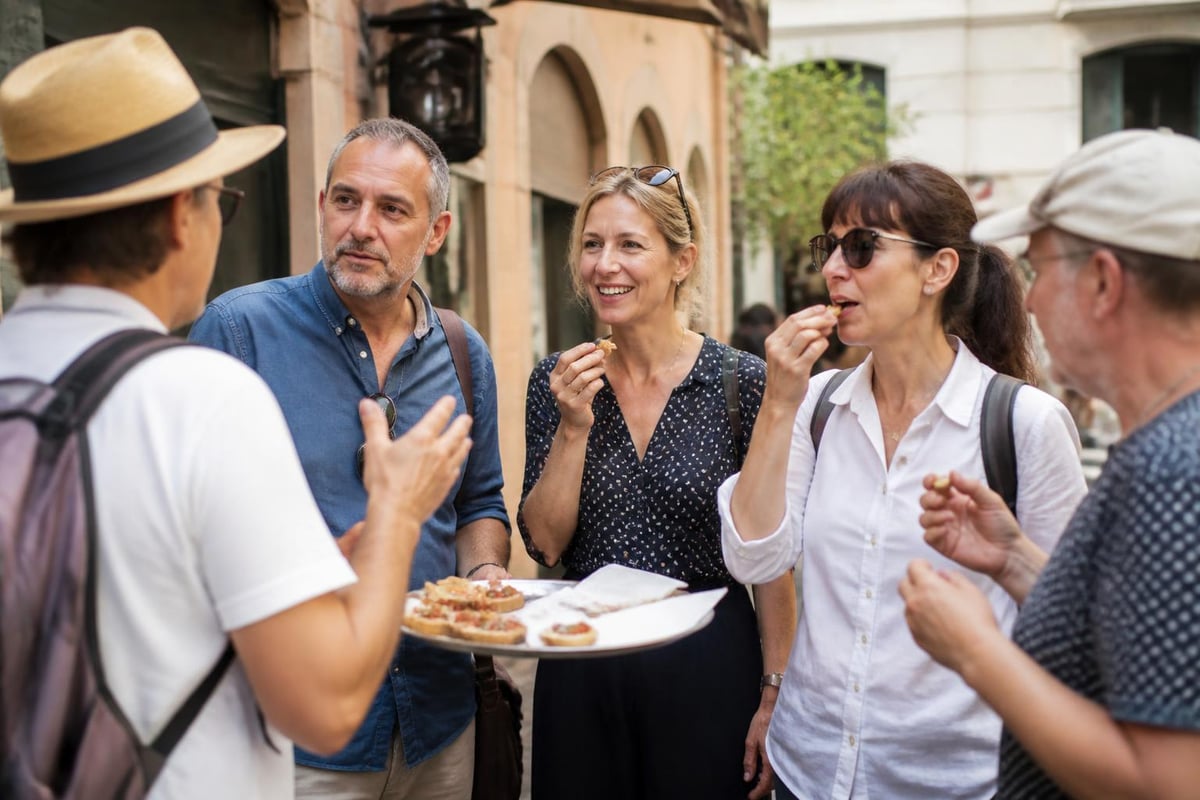
The experience of exploring a city on foot while sampling local cuisine creates a multisensory journey that stationary dining simply cannot match. Walking between tasting locations allows participants to absorb neighborhood atmospheres, architectural details, and street life that provide essential context for understanding local food culture. This approach transforms eating from a purely gustatory experience into a comprehensive cultural education.
Food becomes a gateway to understanding history, immigration patterns, and social dynamics when experienced within the neighborhoods where communities actually live and cook. The physical act of walking also aids digestion between tastings, allowing participants to enjoy more variety without feeling overwhelmed. Research shows that walking tours create deeper food experiences by combining movement, storytelling, and authentic culinary encounters.
The Social Dimension
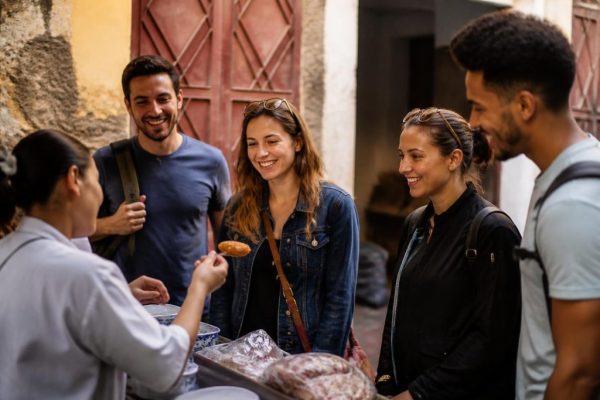
Walking food tours excel at bringing people together through shared discovery. Groups naturally engage in conversation while moving between locations, creating organic opportunities for connection that feel less forced than seated group dining. The shared experience of trying unfamiliar foods or discovering hidden venues creates bonding moments that strengthen relationships among family members, friends, or colleagues.
For private groups, this format allows customization based on dietary preferences, pacing needs, and interest levels while maintaining the cohesive experience of exploring together. The combination of physical activity, sensory stimulation, and social interaction keeps energy levels high throughout the experience.
Designing Effective Walking Food Tour Experiences
Creating memorable walking food tours requires thoughtful planning that balances culinary highlights with practical considerations. The route itself becomes as important as the food, with the journey between stops contributing significantly to the overall narrative and experience quality.
Successful tours typically span two to four hours, covering enough ground to showcase neighborhood diversity without exhausting participants. Distance planning must account for the time spent at each stop, ensuring that walking segments provide transition time without creating fatigue. Most effective tours cover between one and three miles, allowing for comfortable pacing with multiple rest points.
Route Architecture and Storytelling
The sequence of stops should build a coherent narrative rather than simply linking random food locations. Consider organizing around themes such as:
- Historical progression: Moving chronologically through a neighborhood's development
- Culinary techniques: Showcasing different preparation methods or ingredient sources
- Cultural fusion: Exploring how immigrant communities influenced local cuisine
- Market-to-table: Following ingredients from source to finished dish
Each transition between locations offers opportunities for guide commentary about architecture, local personalities, historical events, or cultural traditions that contextualize the food being tasted. This layering of information creates educational value that extends beyond simple food appreciation.
| Planning Element | Consideration | Best Practice |
|---|---|---|
| Total Duration | Guest stamina and engagement | 2-4 hours optimal |
| Walking Distance | Accessibility and pacing | 1-3 miles with rest stops |
| Number of Stops | Variety vs. overload | 5-8 tasting locations |
| Group Size | Intimacy and logistics | 6-15 participants ideal |
Selecting Tasting Locations and Partners
The quality of partner establishments defines the tour experience as much as the route or guide expertise. Venue selection should prioritize authenticity, consistency, and willingness to accommodate groups while maintaining the intimate character that makes locations special. Family-owned businesses, longstanding neighborhood institutions, and venues with compelling origin stories typically provide the most memorable stops.
Building relationships with venue partners ensures reliable service, optimal timing, and often exclusive access or preparations not available to regular customers. These partnerships allow guides to provide insider perspectives and behind-the-scenes glimpses that elevate the experience beyond what independent visitors could achieve.
Balancing Familiar and Adventurous Options
Walking food tours must navigate the tension between showcasing authentic local specialties and accommodating varying adventurousness levels among participants. The most successful approaches include:
- Lead with accessible favorites that build trust and comfort
- Introduce progressively unique items as the tour develops
- Provide context and stories that make unfamiliar foods approachable
- Offer alternatives for those with restrictions or hesitations
- Frame tasting as exploration rather than obligation
This gradual progression allows even cautious eaters to expand their comfort zones while ensuring that adventurous participants encounter genuinely novel experiences. When planning self-guided food tours, similar principles apply regarding variety and pacing across the experience.
Tailoring Tours for Private Groups
Private group walking food tours offer distinct advantages over public tours, particularly in customization potential and group dynamics. The ability to adjust pacing, content depth, and routing based on specific group interests creates experiences that feel personally relevant rather than generic. This customization becomes especially valuable for corporate groups, family reunions, or friend gatherings with shared interests or dietary requirements.
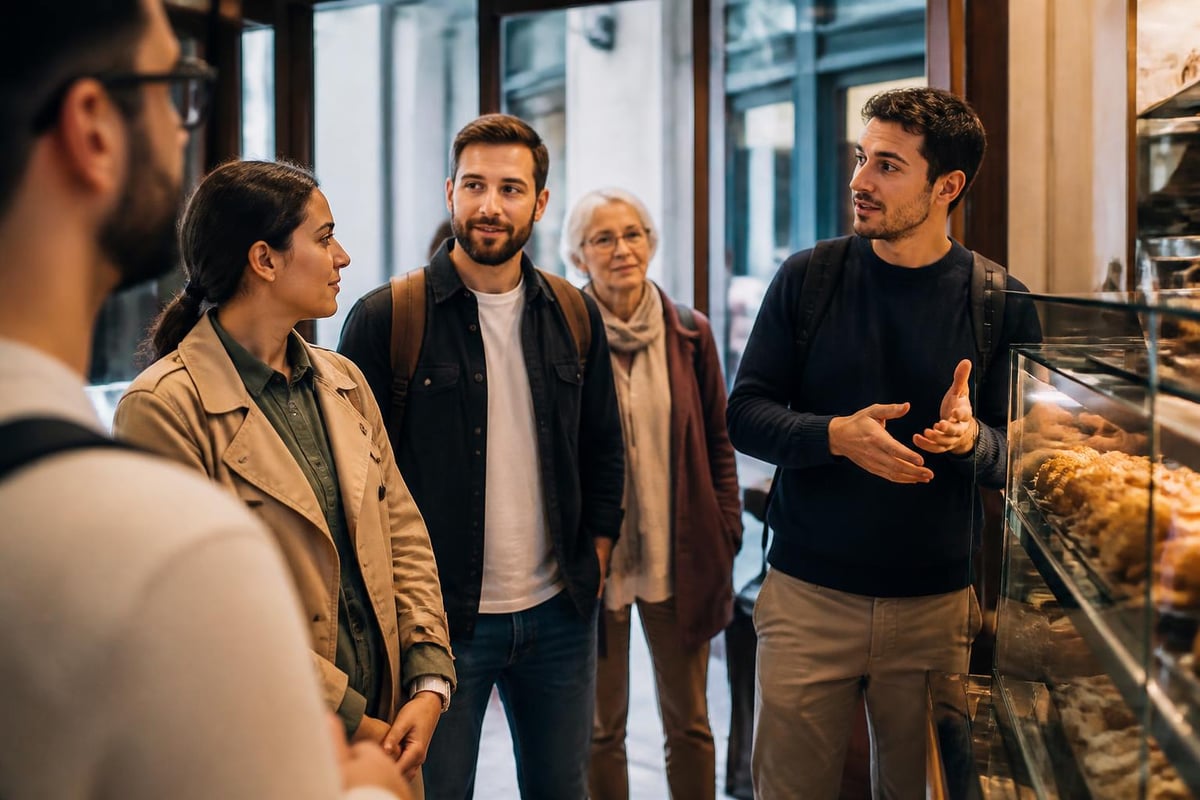
Stockholm's culinary landscape provides exceptional opportunities for customized walking food tours, with neighborhoods offering distinct food cultures and Old Town walking tour routes that naturally incorporate traditional Swedish cuisine alongside modern interpretations. The city's compact geography and pedestrian-friendly design make it ideal for food-focused exploration.
Corporate and Team-Building Applications
Walking food tours serve as effective team-building activities because they combine low-pressure social interaction with shared novel experiences. The informal setting encourages conversation across hierarchical levels while the structured format prevents awkwardness that can arise in purely social corporate events.
Groups benefit from:
- Natural conversation prompts through food reactions and discussions
- Shared discovery moments that create collective memories
- Physical activity that energizes rather than sedates
- Cultural learning that provides conversation material beyond work topics
- Flexible scheduling that accommodates varied availability
For companies hosting professional tour guide experiences in Stockholm, combining culinary exploration with historical or cultural themes creates multidimensional events that serve both relationship-building and educational objectives.
Seasonal and Thematic Variations
Walking food tours gain depth and repeatability through seasonal rotations and thematic focuses that respond to ingredient availability, cultural celebrations, and weather conditions. Seasonal tours showcase how cuisine adapts to agricultural cycles while thematic tours explore specific culinary traditions, techniques, or cultural influences in concentrated depth.
Spring tours might emphasize emerging vegetables and outdoor market culture, while winter experiences could focus on warming preparations, preserved foods, and cozy indoor venues. These seasonal variations provide regular visitors with reasons to return and experience familiar neighborhoods through different culinary lenses.
Cultural Celebration Integration
Aligning walking food tours with cultural festivals, holidays, or traditional celebrations adds layers of significance to the food being tasted. Participants gain understanding not just of what people eat but why certain foods carry cultural meaning and how culinary traditions connect to broader social practices.
Stockholm's calendar offers numerous opportunities for celebration-focused food tours, from Midsummer traditional dishes to Christmas market specialties. These themed experiences often attract both visitors seeking authentic cultural immersion and locals interested in deeper understanding of their own traditions.
Practical Logistics and Guest Comfort
Successful walking food tours require attention to practical details that ensure guest comfort and safety throughout the experience. Weather preparedness, accessibility considerations, and timing coordination separate professional operations from amateur efforts, directly impacting guest satisfaction and review quality.
Guide training should address:
- Pace monitoring and group cohesion maintenance
- Dietary restriction accommodation and communication
- Weather contingency planning and route adjustments
- Emergency protocols and medical consideration awareness
- Cultural sensitivity in food presentation and description
Communication and Expectation Management
Clear pre-tour communication prevents disappointment and ensures participants arrive appropriately prepared. Information should specify:
- Total walking distance and terrain difficulty
- Amount of food provided relative to meal equivalence
- Weather-appropriate clothing recommendations
- Accessibility limitations or accommodation options
- Dietary restriction handling procedures
This transparency allows participants to make informed decisions while reducing mid-tour complications. For those exploring Stockholm tours, understanding what to expect from walking-intensive experiences helps ensure positive outcomes and appropriate physical preparation.
Combining Food with Cultural Exploration
The most compelling walking food tours integrate culinary experiences within broader cultural narratives, using food as an entry point to understanding history, art, architecture, and social dynamics. This integration transforms eating from an end in itself into a vehicle for comprehensive destination understanding.
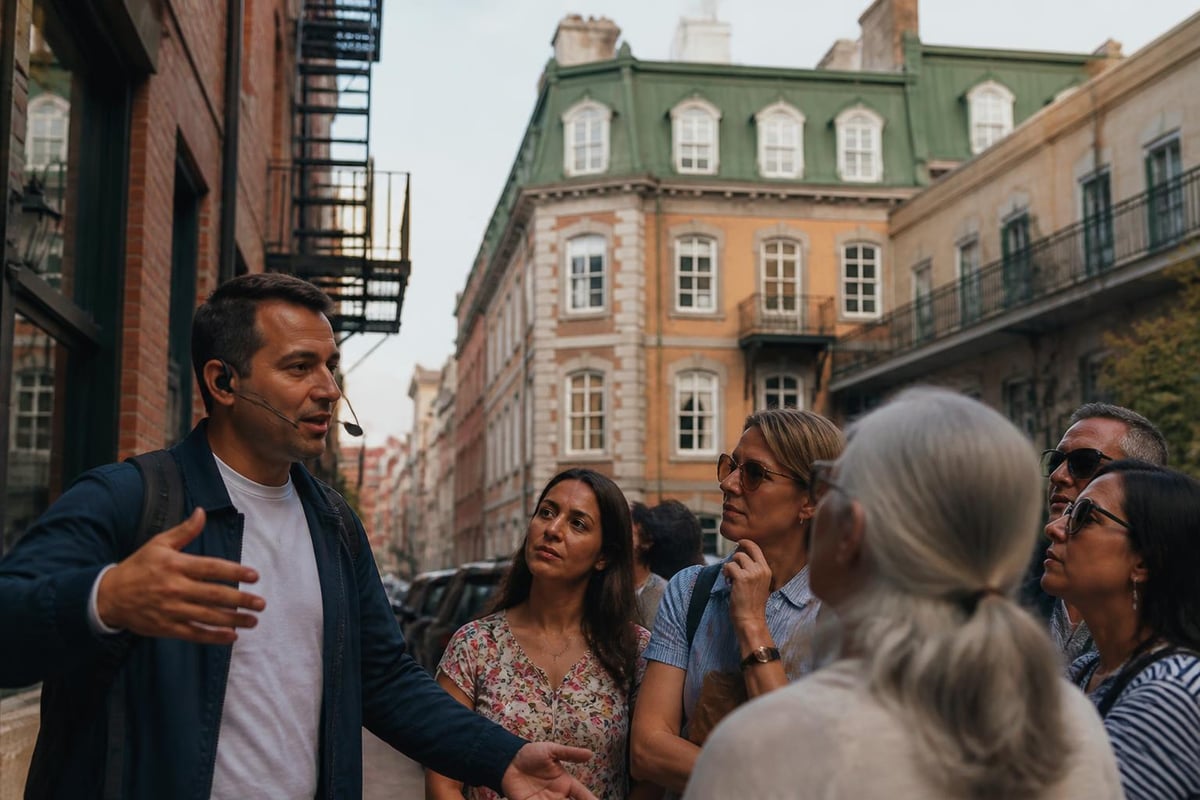
Stockholm excels at these integrated experiences because the city's compact historic districts allow seamless transitions between architectural landmarks, cultural institutions, and culinary venues. A walking route through Gamla Stan can incorporate medieval history, royal traditions, and contemporary Swedish cuisine within a coherent geographic and narrative flow.
Literary and Artistic Connections
Food-focused walking tours can incorporate literary or artistic themes, visiting locations connected to notable writers, artists, or cultural movements while sampling foods mentioned in works or favored by historical figures. These connections add intellectual dimension to sensory experiences, appealing to culturally curious travelers seeking depth beyond standard tourism.
Stockholm's literary heritage, including Stieg Larsson's locations and ABBA journey opportunities, provides natural frameworks for tours that combine cultural icons with culinary exploration. These thematic approaches differentiate experiences in competitive markets while attracting niche audiences with specific interests.
Economic and Community Impact
Walking food tours generate distributed economic benefits by directing spending toward small, locally-owned establishments that might not attract visitors independently. This economic dispersion supports neighborhood vitality while providing visitors with authentic experiences unavailable through chain restaurants or tourist-district establishments.
Partner businesses benefit from:
- Regular customer volume during off-peak hours
- Introduction to potential repeat customers
- Marketing exposure through tour promotion
- Reputation enhancement through quality association
- Relationship building with other local businesses
Communities gain from increased foot traffic, preservation of traditional businesses, and positive visitor interactions that foster cultural exchange. Responsible tour operators actively work to prevent overwhelming small venues or contributing to over-tourism in sensitive neighborhoods.
Sustainability Considerations
Walking food tours inherently support sustainable tourism through low-carbon transportation, support for local economies, and education about seasonal eating and regional ingredients. Operators can enhance sustainability by partnering with businesses prioritizing local sourcing, minimizing food waste through appropriate portion planning, and educating participants about sustainable food systems.
The walking format itself represents the most environmentally friendly transportation option while providing health benefits to participants. For customize tour experiences in Stockholm, sustainability considerations increasingly influence both operator practices and customer decision-making.
Measuring Success and Continuous Improvement
Effective walking food tour operations require systematic feedback collection and performance measurement to ensure consistent quality and identify improvement opportunities. Guest satisfaction metrics should extend beyond simple ratings to capture specific feedback about pacing, food quality, guide performance, and overall value perception.
Key performance indicators include:
| Metric Category | Specific Measures | Target Benchmarks |
|---|---|---|
| Guest Satisfaction | Post-tour ratings | 4.5+ out of 5 stars |
| Repeat Business | Return customer rate | 15-25% for locals |
| Referral Generation | Word-of-mouth bookings | 30-40% of new business |
| Operational Efficiency | On-time performance | 95%+ punctuality |
| Partner Satisfaction | Venue relationship quality | Quarterly partner surveys |
Regular guide training, menu updates responding to seasonal availability, and route refinements based on guest feedback ensure that experiences remain fresh and competitive. The most successful operations treat walking food tours as evolving products requiring continuous attention rather than static offerings.
Walking food tours represent powerful tools for cultural connection, bringing travelers into authentic contact with local communities through the universal language of food. When thoughtfully designed around coherent narratives, quality partnerships, and guest comfort, these experiences create lasting memories that extend far beyond individual meals. Whether you're planning a family gathering, corporate event, or friends' reunion in Stockholm, Adding:tours specializes in personalized experiences that combine culinary exploration with insider cultural perspectives, ensuring your group discovers the city's authentic character through both taste and story.