Guide Your Guide: Empowering Tour Leaders for Success
The relationship between tour operators and their guides determines the quality of every experience they deliver. While tour guides serve as the face of your business, they need proper support, training, and resources to excel. To guide your guide effectively means creating an environment where they can thrive professionally while delivering the personalized, memorable experiences that guests expect. This comprehensive approach transforms good tours into exceptional ones, builds team loyalty, and establishes your reputation as a premier provider in competitive markets like Stockholm's thriving tourism industry.
Building a Foundation for Guide Excellence
Successful tour operations start with understanding that guides need more than just a script and a schedule. The process to guide your guide begins during recruitment, where selecting candidates with the right traits sets the stage for long-term success. Look beyond credentials to assess personality, passion, and potential for growth.
Creating detailed position descriptions helps attract quality candidates who understand expectations from the start. Your professional tour guide team should possess natural curiosity, excellent communication abilities, and genuine enthusiasm for sharing local culture.
Comprehensive Onboarding Programs
New guides require structured onboarding that goes beyond basic orientation. Design programs that immerse them in your brand values, tour content, and operational procedures. This investment pays dividends through confident, prepared guides who represent your business professionally.
Essential onboarding components include:
- Complete walkthrough of every tour route with experienced guides
- Shadow opportunities with top performers
- Customer service protocols and emergency procedures
- Brand storytelling techniques and messaging guidelines
- Technology training for booking systems and communication tools
Successful onboarding creates guides who feel valued and prepared, reducing turnover while improving performance from day one.
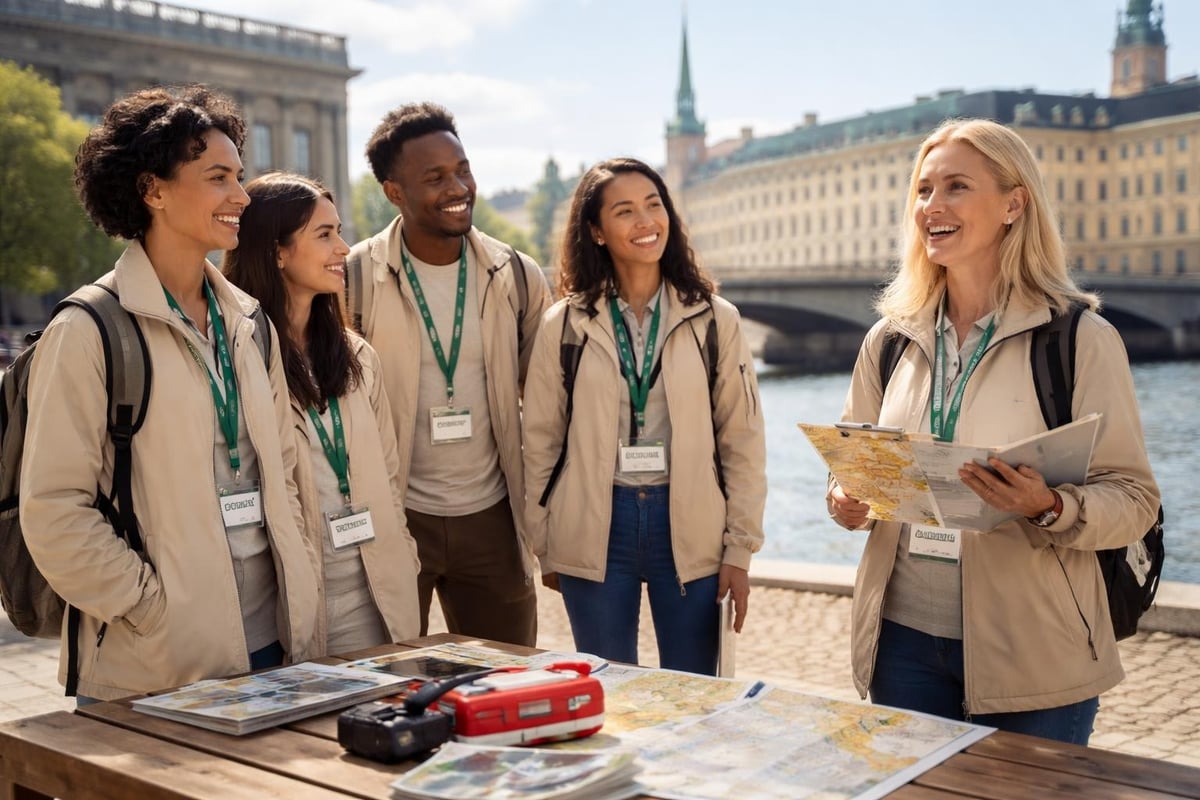
Developing Knowledge and Skills Continuously
To guide your guide means committing to ongoing education and skill development. The tourism landscape constantly evolves with new attractions, historical discoveries, and guest expectations. Regular training sessions keep guides sharp, informed, and engaged with their work.
Schedule monthly knowledge-sharing meetings where guides exchange insights, discuss challenging situations, and learn new techniques. These collaborative sessions build team cohesion while addressing real-world scenarios. For specialized tours like Stockholm walking experiences, historical accuracy and current information are essential.
| Training Type | Frequency | Focus Areas |
|---|---|---|
| Product Knowledge | Monthly | New attractions, historical updates, seasonal highlights |
| Customer Service | Quarterly | Communication skills, conflict resolution, accessibility |
| Safety & Emergency | Bi-annually | First aid, crowd management, weather protocols |
| Professional Development | Annually | Leadership, storytelling, career advancement |
Encouraging Specialization and Expertise
Allow guides to develop specialties that align with their interests and strengths. Some may excel at cultural tours focused on art and architecture, while others thrive leading themed experiences like literary walks or music history adventures. This specialization creates authentic enthusiasm that guests immediately recognize.
Supporting guides in obtaining certifications, attending workshops, or researching specific topics demonstrates your commitment to their professional growth. When guides feel invested in their subject matter, they deliver presentations with genuine passion rather than rehearsed performances.
Creating Effective Communication Channels
Open, consistent communication forms the backbone of any effort to guide your guide successfully. Establish multiple channels that accommodate different communication styles and urgency levels. Regular team meetings provide forums for group discussion, while one-on-one check-ins address individual concerns and performance feedback.
Implement these communication strategies:
- Weekly team briefings covering schedule updates and important announcements
- Digital platforms for instant messaging and resource sharing
- Monthly individual performance reviews with constructive feedback
- Anonymous suggestion systems for candid input
- Post-tour debriefing opportunities to discuss successes and challenges
The best practices for tour guide management emphasize creating environments where guides feel heard and supported. When guides know their input matters, they contribute ideas that improve operations and guest experiences.
Empowering Guides with Flexibility and Autonomy
Micromanagement stifles creativity and diminishes the personal touch that makes customized tours memorable. Instead, provide frameworks and guidelines while allowing guides freedom to adapt tours based on group dynamics, weather, or emerging interests. This balance requires trust built through proper training and clear expectations.
Experienced guides know when to adjust pacing, skip redundant information for knowledgeable groups, or expand on topics that captivate particular audiences. Your role is establishing boundaries while encouraging this adaptive approach that keeps tours fresh and responsive.
Setting Clear Expectations with Creative Freedom
Document core requirements that maintain brand consistency and safety standards, then define areas where guides can exercise judgment. For instance, the route and key stops for an Old Town walking tour might be mandatory, while the specific stories, anecdotes, and interactive elements can vary based on guide preference and group composition.
This structure ensures quality control without suppressing the individual personality that makes each tour unique. Guests appreciate authentic guides who bring their own perspective rather than robotic presentations.
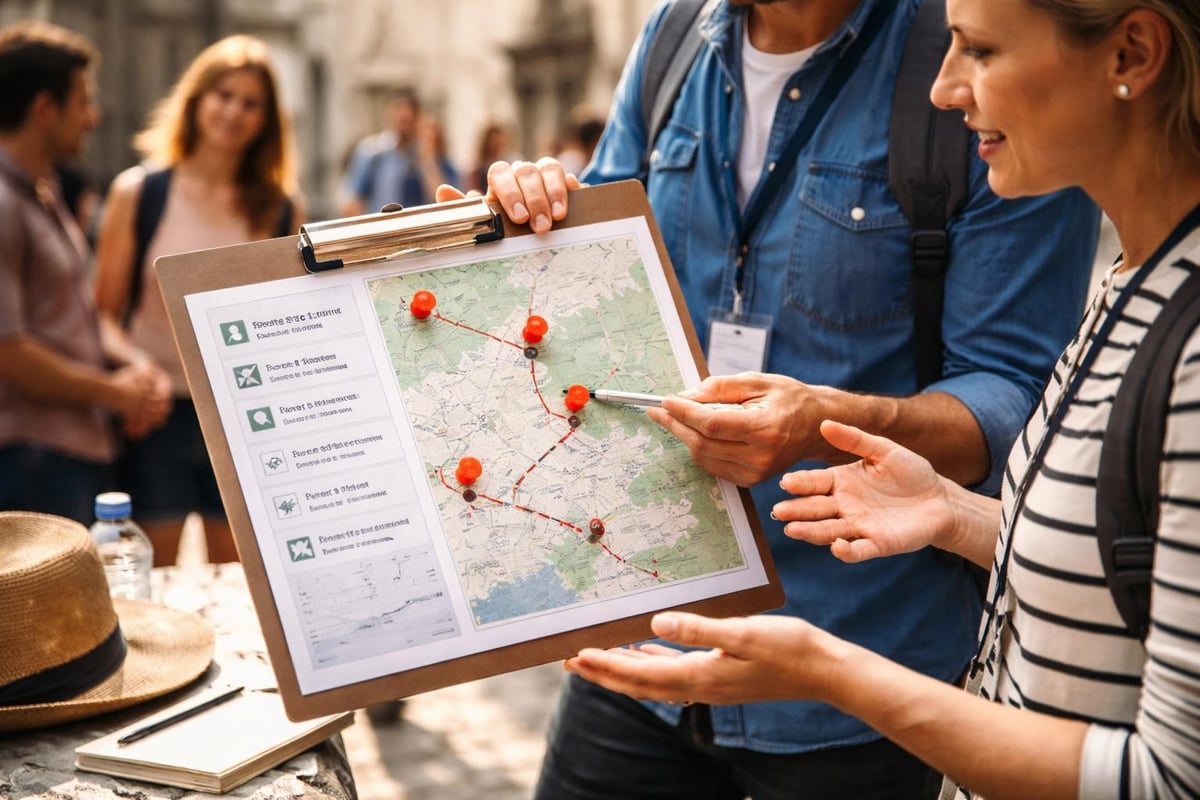
Providing Essential Tools and Resources
To guide your guide effectively means equipping them with everything needed for success. Physical resources, technological tools, and reference materials should be readily accessible and regularly updated. Investment in quality equipment demonstrates respect for guides' professional needs.
Critical resources include:
- Reliable communication devices for emergencies and coordination
- Weather-appropriate gear and comfortable uniforms
- Updated reference materials and historical documentation
- First aid kits and emergency contact information
- Promotional materials and business cards for guest inquiries
- Technology for multimedia presentations when applicable
Digital resource libraries accessible via smartphone provide guides with quick reference during tours. Include maps, historical photographs, accessibility information, and answers to frequently asked questions. These tools support confidence and accuracy without creating dependence on scripts.
Implementing Feedback Systems That Drive Improvement
Constructive feedback flows in both directions when you guide your guide with genuine interest in continuous improvement. Guest reviews provide valuable insights, but context matters when interpreting scores and comments. A low rating might reflect factors beyond guide control, such as weather or guest expectations misaligned with tour descriptions.
Review feedback with guides privately, focusing on patterns rather than isolated incidents. Celebrate positive comments and analyze constructive criticism together to identify actionable improvements. This collaborative approach builds trust while maintaining accountability.
| Feedback Source | Value | Application |
|---|---|---|
| Guest surveys | Direct experience insights | Service quality, content relevance |
| Guide self-assessment | Personal growth tracking | Professional development planning |
| Peer observation | Technique sharing | Best practice identification |
| Manager evaluation | Performance standards | Skill development priorities |
Recognizing Excellence and Addressing Challenges
Recognition programs motivate guides and reinforce desired behaviors. Acknowledge outstanding performance through public praise, bonuses, or advancement opportunities. Specific recognition carries more weight than generic compliments. Reference particular guest comments or observed skills when delivering praise.
Address performance issues promptly and privately, focusing on behaviors rather than personal attributes. Effective tour guide skills can be developed through targeted coaching when issues are identified early. Create improvement plans with clear objectives and timelines, providing support needed for success.
Fostering Team Culture and Collaboration
Strong team dynamics enhance both guide satisfaction and tour quality. When you guide your guide within a supportive community, they feel connected to something larger than individual tours. Organize team-building activities, social events, and collaborative projects that strengthen relationships beyond work requirements.
Encourage mentorship programs pairing experienced guides with newcomers. This knowledge transfer preserves institutional wisdom while giving senior guides leadership opportunities. Mentors often rediscover their own passion through teaching others, creating mutual benefits.
For operations offering diverse experiences like English walking tours and specialized themed adventures, cross-training opportunities allow guides to learn from colleagues with different expertise. This variety prevents burnout while expanding capabilities across your team.
Prioritizing Guide Well-being and Work-Life Balance
The physical and emotional demands of guiding require attention to health and sustainability. To guide your guide toward long-term success means acknowledging these challenges and implementing supportive policies. Reasonable scheduling prevents burnout, while adequate rest periods between tours maintain energy and enthusiasm.
Well-being initiatives include:
- Realistic tour loads that prevent physical exhaustion
- Seasonal schedule adjustments accounting for weather extremes
- Mental health resources and stress management support
- Ergonomic equipment and comfortable footwear allowances
- Adequate compensation reflecting skill, experience, and performance
Guides who feel physically and emotionally supported deliver better experiences because they genuinely enjoy their work. This authenticity resonates with guests who sense forced enthusiasm versus natural passion.

Adapting to Diverse Guest Needs
Modern tour guides must accommodate varied abilities, interests, and backgrounds. When you guide your guide in developing inclusive practices, you expand market reach while demonstrating social responsibility. Training in inclusive best practices for guided tours prepares guides for diverse groups with different accessibility needs.
Equip guides with knowledge about wheelchair-accessible routes, sensory-friendly approaches, and multilingual support resources. Understanding cultural differences in communication styles and expectations prevents misunderstandings and enhances experiences for international visitors exploring Stockholm.
Handling Special Requests and Challenging Situations
Preparation for unusual situations builds guide confidence and protects your business reputation. Role-playing exercises covering difficult scenarios develop problem-solving skills and professional responses. Common challenges include managing disruptive guests, responding to medical emergencies, and adapting to unexpected closures or changes.
Document protocols for various situations while emphasizing the importance of remaining calm and guest-focused. Guides should know when to exercise independent judgment and when to contact management for support. This clarity reduces stress while ensuring appropriate responses.
Leveraging Technology for Enhanced Experiences
Modern tour operations benefit from technology that supports rather than replaces human connection. To guide your guide in technology adoption means providing tools that enhance their capabilities without creating technical burdens. Effective tour guide systems improve audio quality for larger groups while allowing guides to speak naturally rather than shouting.
Mobile apps can provide route navigation, historical information, and instant access to guest booking details. However, technology should support storytelling rather than becoming the focus. Guides need training on seamlessly integrating digital tools without disrupting narrative flow or personal connection.
Measuring Success and Setting Goals
Objective metrics combined with qualitative assessments provide comprehensive performance pictures. Track guest satisfaction scores, repeat booking rates, and specific feedback themes. Compare these against industry standards and your own historical data to identify trends and opportunities.
Work with guides to establish personal and professional goals aligned with business objectives. Some may aspire to lead specialized tours, develop new routes, or take on training responsibilities. Supporting these ambitions through tailored development opportunities builds loyalty while strengthening your team's overall capabilities.
Key performance indicators include:
- Guest satisfaction ratings and review content
- Repeat customer rates and referral generation
- Safety incident frequency and severity
- Professional development participation
- Tour booking requests for specific guides
Regular goal reviews keep guides motivated and focused on continuous improvement. Celebrate milestones and adjust objectives as circumstances evolve, maintaining momentum toward excellence.
Building Long-Term Career Paths
Retention of talented guides requires demonstrating commitment to their future. To guide your guide toward career longevity means creating advancement opportunities within your organization. Senior guide positions, training roles, route development responsibilities, and management tracks provide growth without requiring guides to leave your company.
Transparent criteria for advancement motivate performance while ensuring fairness. When guides understand what's required for promotion and see colleagues successfully advancing, they invest in their own development. This internal career progression preserves institutional knowledge while rewarding loyalty and excellence.
For specialized offerings like private Stockholm tours, experienced guides command premium rates and attract discerning clients seeking expert knowledge. Recognizing this value through compensation and status acknowledges their contribution to business success.
The ability to guide your guide effectively separates exceptional tour operations from average ones, creating environments where guides thrive while delivering unforgettable experiences. By investing in comprehensive training, providing essential resources, fostering supportive culture, and prioritizing guide well-being, you build teams capable of exceeding guest expectations consistently. Adding:tours specializes in personalized Stockholm experiences led by passionate guides who bring insider knowledge and authentic enthusiasm to every tour, creating the memorable moments that transform sightseeing into meaningful connections with Swedish culture and history.