Bike Tour Guide: Skills, Safety & Success in 2026
The role of a bike tour guide has evolved significantly over recent years, transforming from simple navigation to comprehensive experience curation. Today's professionals must balance mechanical knowledge, safety expertise, storytelling ability, and customer service excellence. Whether leading groups through urban landscapes or countryside trails, a successful bike tour guide creates memorable experiences while ensuring participant safety and satisfaction. The profession demands continuous learning, adaptability, and genuine passion for cycling and cultural exploration.
Essential Qualifications and Training
Becoming a bike tour guide requires more than just cycling proficiency. Professional certification programs have become increasingly important in establishing credibility and ensuring safety standards. Many operators now require guides to complete first aid and CPR training, bicycle maintenance courses, and customer service workshops before leading groups independently.
Core Competencies Every Guide Needs
A competent bike tour guide must master several critical skill areas simultaneously. Physical fitness forms the foundation, as guides often cover longer distances while managing group pace and addressing participant needs throughout the journey.
Technical expertise includes:
- Advanced bicycle mechanics and on-route repair capabilities
- Route planning with elevation, traffic patterns, and rest stops
- Weather assessment and contingency planning
- Group management across varying skill levels
- Emergency response and first aid application
Communication skills prove equally vital. Guides must deliver engaging narratives while managing group dynamics, providing clear safety instructions, and adapting explanations for diverse audiences. The principles of professional bike guiding emphasize how communication underpins every aspect of successful tour leadership.
Certification Pathways
Industry certification programs have standardized training across regions. Organizations offer tiered credentials ranging from introductory guide certifications to advanced tour director qualifications. These programs typically combine classroom instruction with practical field assessments, ensuring guides can apply knowledge in real-world scenarios.
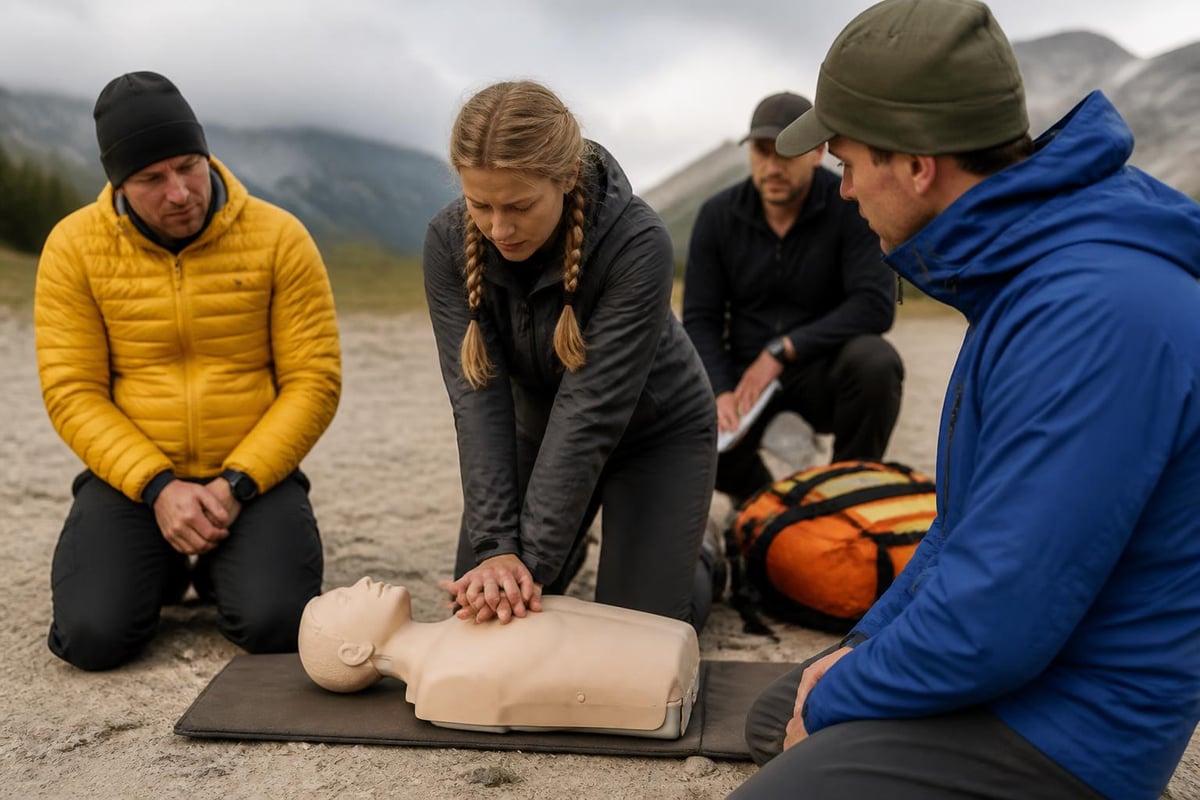
The investment in formal training pays dividends through enhanced safety records, improved client satisfaction, and increased employment opportunities. Many established tour operators, including companies offering personalized touring experiences, prioritize hiring guides with recognized certifications and proven track records.
Safety Protocols and Risk Management
Safety management represents the most critical responsibility for any bike tour guide. Comprehensive preparation before tours begins with equipment inspection, route reconnaissance, and weather monitoring. During tours, guides must maintain constant situational awareness while fostering an enjoyable atmosphere.
Pre-Tour Safety Checklist
Every successful tour begins with thorough preparation. Guides should conduct equipment checks for all participants, verifying helmet fit, brake function, tire pressure, and gear operation. Understanding safety tips for bicycle touring helps establish protocols that protect both guides and participants throughout the journey.
| Safety Component | Pre-Tour Actions | During Tour Monitoring |
|---|---|---|
| Equipment | Full bike inspection, helmet fitting | Periodic brake checks, tire pressure |
| Route Conditions | Traffic pattern review, surface assessment | Real-time hazard identification |
| Participant Readiness | Skill level evaluation, medical disclosure | Fatigue monitoring, hydration tracking |
| Communication | Safety briefing, hand signal review | Continuous position updates, warnings |
Documentation and emergency preparedness separate professional guides from amateurs. Carrying detailed participant information, including emergency contacts and medical conditions, enables appropriate response during incidents. Route cards with alternate paths and nearby medical facilities provide essential backup options.
Managing Group Dynamics Safely
Group size significantly impacts safety management capacity. Smaller groups allow more personalized attention and quicker response times, while larger groups require assistant guides or sweep riders who maintain rear positions. The Portland biking guide offers valuable insights into managing groups through urban environments where traffic interactions increase complexity.
Establishing clear group protocols before departure sets expectations for spacing, stopping procedures, and communication methods. Hand signals must be reviewed and practiced, ensuring all participants understand warnings for hazards, turns, and speed adjustments.
Critical group management practices include:
- Maintaining visual contact with all participants
- Positioning vulnerable riders appropriately within the group
- Enforcing consistent spacing to prevent chain-reaction incidents
- Conducting regular headcounts at stops and transitions
- Adjusting pace based on slowest rider comfort level
Route Planning and Local Knowledge
Exceptional bike tour guides distinguish themselves through intimate local knowledge and creative route design. Understanding traffic patterns, seasonal changes, hidden gems, and cultural context transforms standard cycling into immersive experiences. Route selection balances distance, difficulty, scenery, and cultural points of interest while accounting for group capabilities.
Creating Engaging Itineraries
Route development begins with understanding client interests and physical capabilities. A successful bike tour guide crafts journeys that challenge without overwhelming, incorporating strategic rest stops that enhance rather than interrupt the experience. Historical sites, scenic overlooks, local eateries, and cultural landmarks become integral route components rather than afterthoughts.
Research extends beyond mapping software. Guides should personally ride proposed routes multiple times, noting surface conditions, potential hazards, photo opportunities, and timing considerations. Seasonal variations affect everything from daylight hours to trail conditions, requiring guides to maintain updated knowledge throughout the year.
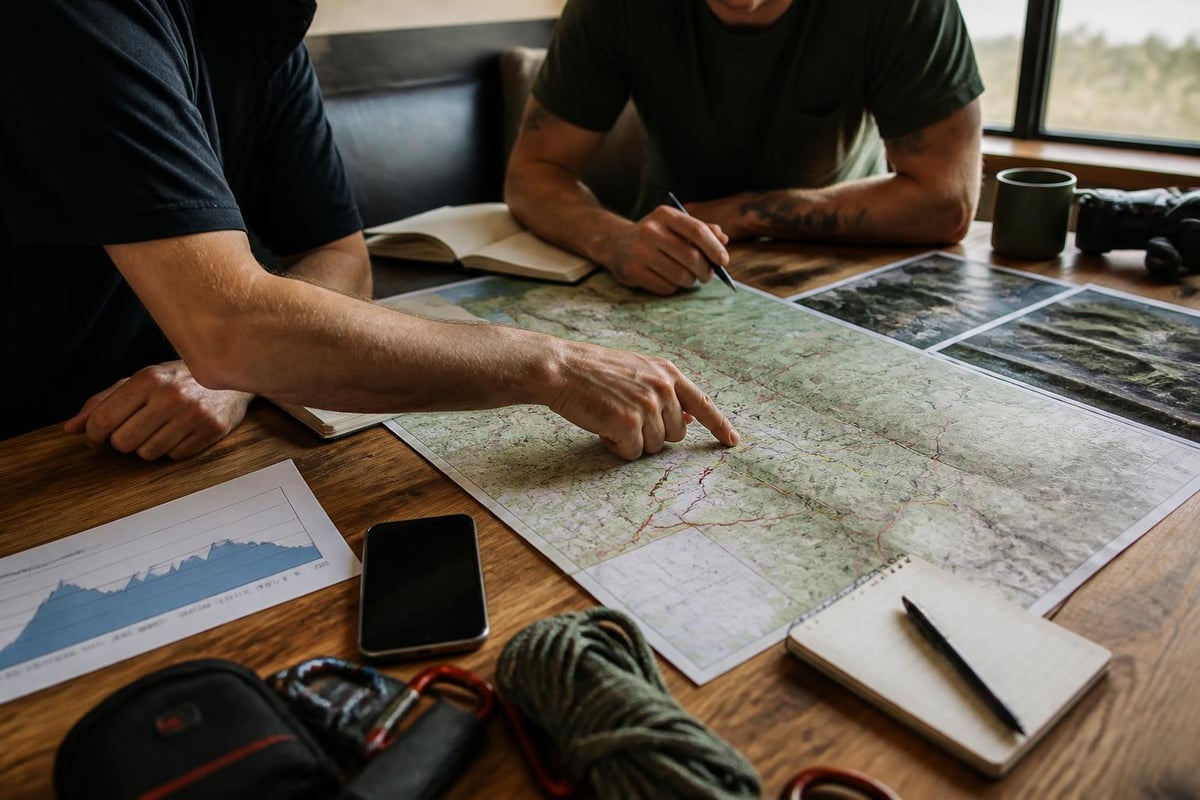
Flexibility within structure characterizes professional route planning. While maintaining a planned framework ensures timely completion, building in discretionary time allows guides to extend particularly engaging stops or accommodate unexpected discoveries. This balance between structure and spontaneity often defines memorable tours.
Leveraging Technology and Traditional Skills
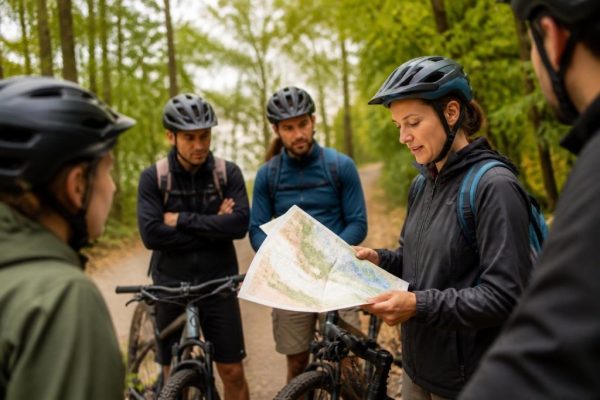
Modern bike tour guides integrate GPS navigation, weather apps, and communication tools with traditional map-reading and navigation skills. Technology failures remain possible, making paper backups and compass proficiency valuable insurance. Route-tracking apps also provide valuable post-tour data for refining future journeys and demonstrating value to participants.
Local partnerships enhance tour quality significantly. Relationships with bike shops along routes provide emergency support options, while connections with cafes or cultural sites can secure preferential access or pricing. These insider connections mirror the approach taken by expert tour operators who leverage local knowledge to create distinctive experiences.
Client Engagement and Experience Enhancement
Technical competence alone doesn't create outstanding tours. A skilled bike tour guide weaves storytelling, cultural interpretation, and personal connection into the cycling experience. Participants remember emotional connections and meaningful insights as much as physical achievements or scenic vistas.
Storytelling Techniques That Resonate
Effective guides prepare narratives that connect locations with human experiences, historical context, and contemporary relevance. Rather than reciting encyclopedic facts, they share carefully selected stories that illuminate places and engage diverse interests. Personal anecdotes, local legends, and surprising details create memorable moments that distinguish professional tours from self-guided rides.
Pacing narratives throughout the tour maintains engagement without overwhelming participants. Information delivery during gentle sections keeps minds active, while challenging climbs might require reduced commentary that allows focus on physical effort. Reading group energy helps guides adjust their approach dynamically.
Engagement strategies include:
- Asking open-ended questions that encourage participant sharing
- Incorporating local food tastings or craft demonstrations
- Highlighting connections between locations and popular culture
- Sharing photographer tips at scenic viewpoints
- Facilitating group interaction through collaborative activities
Adapting to Diverse Participant Needs
Groups invariably include varying fitness levels, cultural backgrounds, and personal interests. A professional bike tour guide recognizes these differences and creates inclusive experiences where all participants feel valued. This might involve providing multiple difficulty options at certain points, varying narrative themes across stops, or facilitating smaller conversation clusters during breaks.
Understanding rules for shared paths and trails becomes particularly important when guiding diverse groups, as explaining trail etiquette ensures harmony with other path users while maintaining group cohesion.
Building a Successful Guide Career
The bike tour guide profession offers diverse career pathways from seasonal positions to year-round operations, freelance work to employed positions, and local tours to international expeditions. Success requires business acumen alongside guiding skills, particularly for independent operators building their own client bases.
Marketing Your Services Effectively
Personal branding distinguishes guides in competitive markets. Developing a specialty-whether historical tours, culinary cycling, photography-focused rides, or adventure challenges-helps attract ideal clients. Social media platforms showcase tour experiences through participant photos, testimonials, and behind-the-scenes content that builds authenticity and trust.
Professional guides maintain detailed client records, enabling personalized follow-up and relationship building. Post-tour communications might include photo galleries, route maps, or recommendations for future adventures. These touchpoints foster loyalty and generate referrals, the most valuable marketing channel for guided services.
| Marketing Channel | Time Investment | Effectiveness | Cost |
|---|---|---|---|
| Social Media | High | Medium-High | Low |
| Referral Programs | Low | Very High | Low |
| Tour Platforms | Low | Medium | Medium (commission) |
| Content Marketing | High | High | Low-Medium |
| Partnerships | Medium | High | Variable |
Collaboration with established operators provides valuable experience while building reputation. Many guides begin careers with established companies like professional touring organizations before launching independent ventures, leveraging skills and connections developed during employed positions.
Continuous Professional Development
The best bike tour guides never stop learning. Industry conferences, advanced certifications, and peer networking provide ongoing skill development. Participating in familiarization trips to new destinations expands geographic knowledge, while cross-training in related areas like outdoor education or cultural interpretation enhances value delivery.
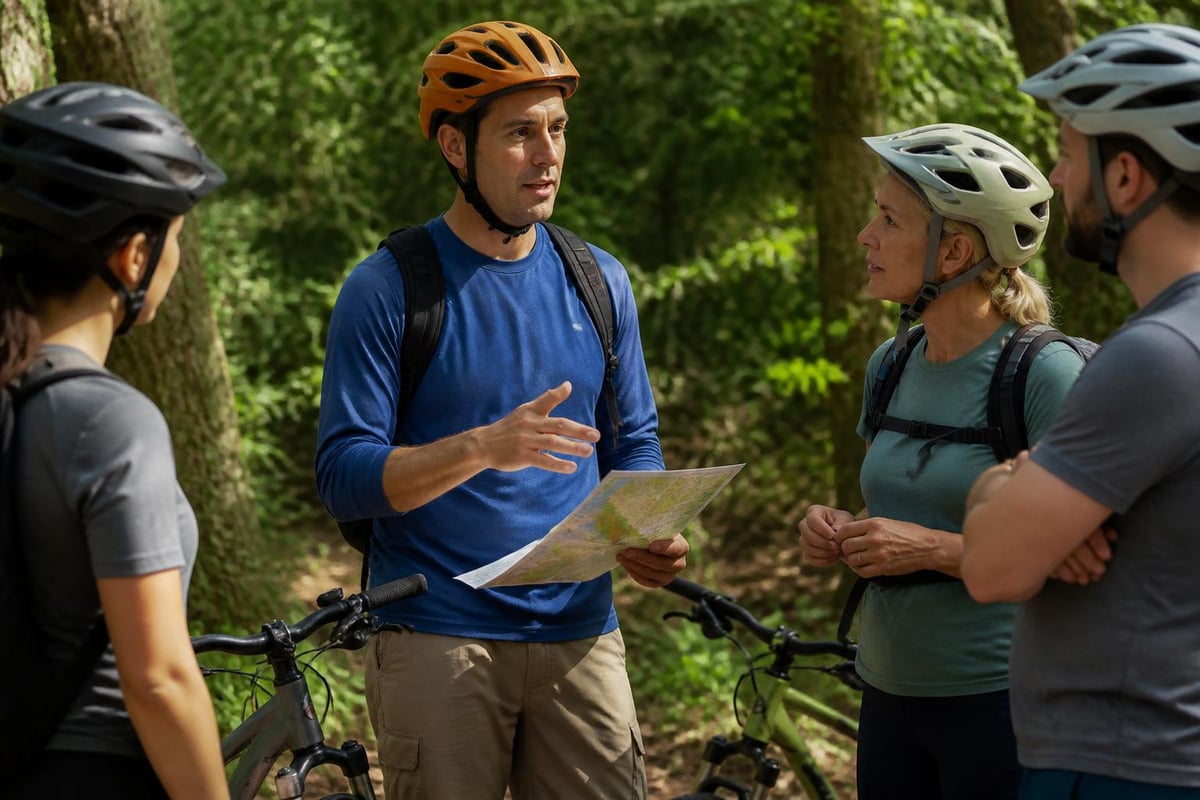
Staying current with cycling technology, safety research, and industry trends maintains competitive advantage. Following resources from organizations offering safety guidelines and best practices ensures guides implement current standards rather than outdated approaches.
Financial Considerations and Pricing
Establishing appropriate pricing balances market rates, operating costs, and desired income. Independent guides must account for equipment maintenance, insurance, marketing expenses, and seasonal income fluctuations when setting tour fees. Value-based pricing that reflects expertise and experience quality often succeeds better than competing solely on low prices.
Diversifying income streams through private tours, corporate events, equipment sales, or instructional content creates financial stability. Some guides develop winter revenue through bike maintenance courses, indoor training programs, or destination tour planning services.
Revenue optimization strategies:
- Offering tiered service levels from basic to premium experiences
- Creating package deals combining multiple tour types
- Implementing dynamic pricing for peak versus off-peak periods
- Developing corporate team-building programs
- Partnering with hotels or tourism boards for referral arrangements
Specialized Tour Types and Niche Markets
While general city tours provide foundational opportunities, specialized bike tour guide services often command premium pricing and attract passionate participants. Identifying underserved niches allows guides to differentiate themselves while pursuing personal interests.
Thematic and Cultural Tours
Literary tours following famous authors' footsteps, architectural explorations showcasing design movements, or culinary cycling connecting local food producers create rich thematic experiences. These specialized offerings attract engaged participants willing to pay premium rates for expert curation and insider access.
Cultural sensitivity becomes paramount when guiding international visitors or exploring communities different from one's own. Guides must research appropriate conduct, hire local co-guides when beneficial, and approach cultural interpretation with humility and accuracy rather than superficial stereotypes.
Adventure and Challenge-Focused Experiences
Some markets prefer physical challenges over cultural immersion. Multi-day expeditions, mountain biking adventures, or endurance-focused tours appeal to accomplished cyclists seeking new challenges. These tours require enhanced technical skills, wilderness first aid training, and expedition planning capabilities beyond standard urban guiding.
Understanding regulations for guided bicycle tours in protected areas, such as those outlined by the National Park Service, ensures compliance when operating in special jurisdictions. Permit requirements, group size limitations, and designated route restrictions vary significantly across locations.
Equipment Knowledge and Maintenance Skills
A proficient bike tour guide functions as mobile mechanic, equipment specialist, and gear advisor. While catastrophic failures remain rare, minor mechanical issues occur regularly during tours. Guides must diagnose and resolve common problems quickly, minimizing disruption while maintaining participant confidence.
Essential Repair Capabilities
Every guide should master fundamental repairs performed roadside with limited tools. Flat tire repairs, brake adjustments, gear tuning, and chain repairs represent the most common issues encountered during tours. Carrying comprehensive tool kits and spare parts appropriate for group size ensures preparedness for various scenarios.
Standard tool kit components include:
- Multi-tool with chain breaker
- Tire levers and patch kit
- Spare tubes in multiple sizes
- Portable pump or CO2 inflators
- Spoke wrench and adjustable wrench
- Lubricant and cleaning supplies
- First aid supplies and emergency blanket
Preventive maintenance reduces incident frequency. Pre-tour inspections identify potential problems before departure, while teaching participants basic bike care helps prevent user-caused issues. Many guides include brief maintenance workshops as tour components, adding educational value while reducing mechanical interruptions.
Selecting and Recommending Equipment
Participants often seek guidance on bicycle selection, accessories, and clothing appropriate for tours. Guides should maintain current knowledge of equipment options across price ranges, offering recommendations tailored to individual needs rather than universal prescriptions. Understanding bike safety and security considerations helps guides advise participants on protecting investments during tours.
Rental fleet management falls to guides working with tour operators. Maintaining diverse bicycle sizes and styles, ensuring proper fitting procedures, and conducting post-rental inspections preserves equipment quality while ensuring participant comfort. Detailed fitting protocols prevent discomfort that diminishes tour enjoyment.
Weather Adaptability and Seasonal Considerations
Experienced bike tour guides develop sophisticated weather management skills, distinguishing between conditions requiring cancellation versus those demanding adaptation. Understanding meteorological patterns, seasonal variations, and microclimate effects enables proactive planning and informed decision-making.
Reading Weather and Making Go/No-Go Decisions
Safety always supersedes schedule adherence. Guides must establish clear criteria for tour cancellation or modification based on temperature extremes, precipitation intensity, wind speeds, and visibility conditions. These parameters should be communicated transparently to participants before booking, managing expectations around weather-related changes.
Real-time weather monitoring during tours allows dynamic routing adjustments. Knowing alternate routes that provide shelter, shortened versions that reduce exposure, or indoor backup activities demonstrates professionalism and protects participant experience even when conditions deteriorate.
Seasonal Route Variations
Successful year-round guides adapt offerings seasonally rather than simply reducing operations during challenging periods. Winter tours might emphasize shorter urban routes with frequent indoor stops, while summer enables extended countryside explorations. Spring and fall shoulder seasons often provide ideal conditions, justifying premium pricing for perfect weather windows.
Seasonal narrative adjustments keep tours fresh for repeat clients while reflecting current conditions. Cherry blossom tours in spring, foliage rides in autumn, and holiday light tours in winter leverage seasonal attractions that enhance standard routes with timely variations.
Becoming an exceptional bike tour guide requires dedication to continuous improvement across technical, interpersonal, and business dimensions. The profession rewards those who combine cycling passion with genuine interest in people and places, creating experiences that resonate long after tours conclude. Whether you're planning to explore Stockholm's historic neighborhoods or seeking expertly curated cycling adventures, Adding:tours offers personalized guided experiences led by knowledgeable local experts who bring the city to life through insider perspectives and tailored itineraries designed for private groups.