History Tour Guide: Essential Skills & Best Practices
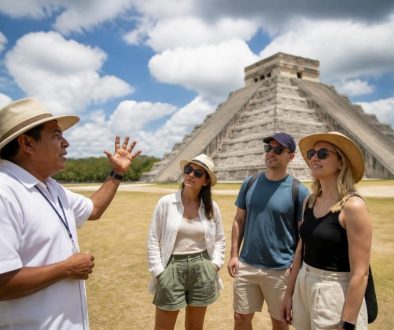
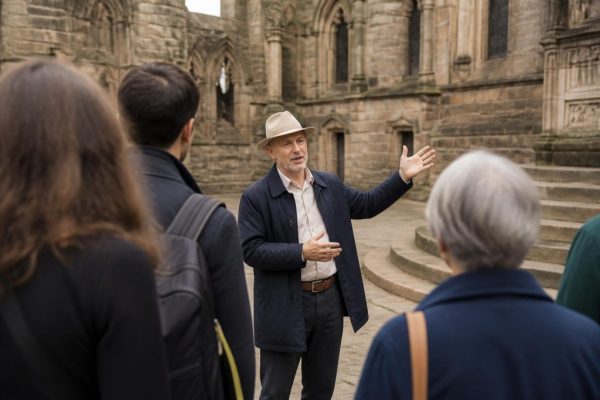
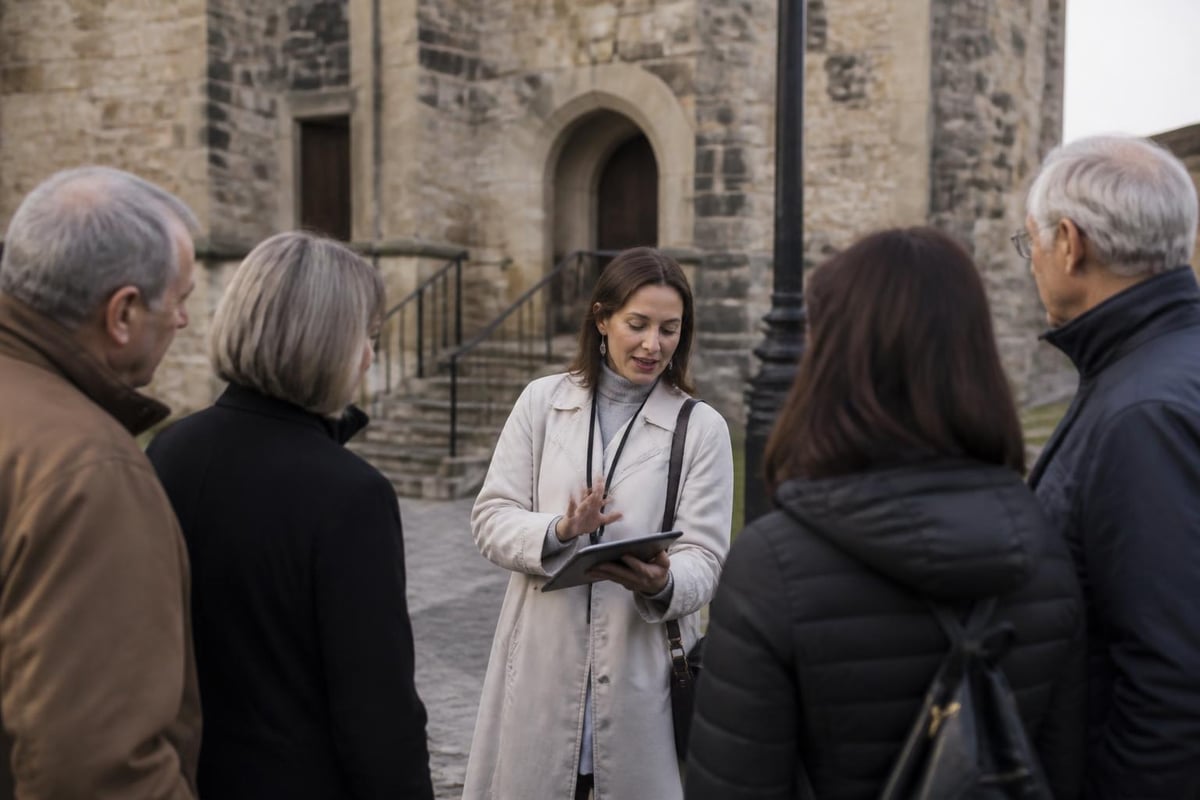
The role of a history tour guide extends far beyond reciting dates and facts to visitors. These specialized professionals serve as storytellers, educators, and cultural interpreters who bring the past to life through engaging narratives and deep contextual knowledge. Whether leading groups through ancient ruins, historic battlefields, or centuries-old city centers, an effective history tour guide creates meaningful connections between visitors and the locations they explore. This profession requires a unique blend of historical expertise, communication skills, and the ability to adapt presentations to diverse audiences while maintaining historical accuracy and fostering genuine engagement.
Essential Qualifications and Training Pathways
Becoming a successful history tour guide requires more than just passion for the past. Professional credentials and structured training programs provide the foundation for excellence in this field.
Formal Education and Certification Options
Many aspiring guides pursue degrees in history, archaeology, or related fields to build comprehensive knowledge. However, formal education represents just one pathway into this profession. The Certified Interpretive Guide program offers foundational training that covers interpretation techniques essential for connecting visitors with historical content.
Key educational components include:
- Historical research methodology and source evaluation
- Public speaking and presentation techniques
- Cultural sensitivity and inclusive interpretation
- Safety protocols and emergency management
- Business administration for independent guides
Specialized programs cater to specific historical contexts. For instance, becoming a Licensed Battlefield Guide requires intensive study of specific campaigns, terrain analysis, and military history expertise. Similarly, the Certified Utah Tour Guide Program emphasizes continuous learning and adherence to professional standards.
Developing Core Competencies
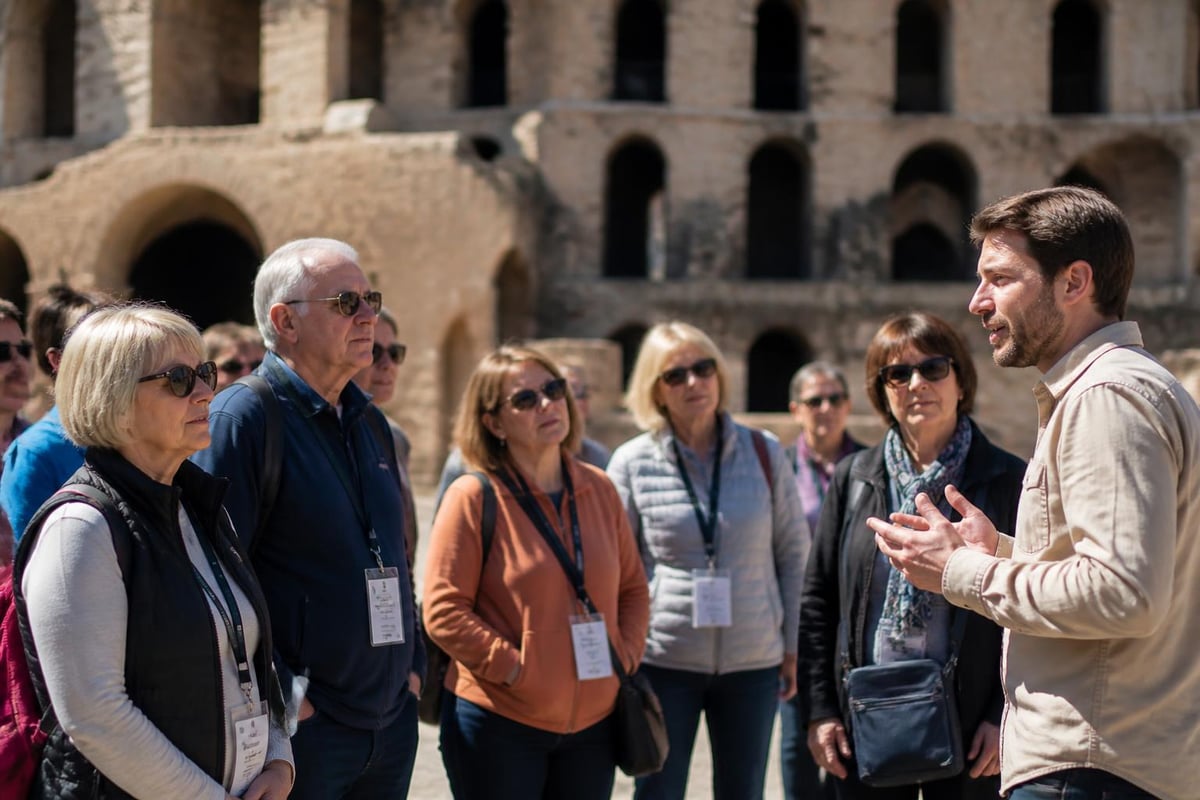
Beyond formal credentials, successful history tour guides cultivate specific skills that distinguish exceptional tours from mediocre ones. Research capabilities form the bedrock of credibility. A professional history tour guide must verify information through primary sources, stay current with historical scholarship, and acknowledge when historical interpretation evolves based on new evidence.
| Competency Area | Skills Required | Development Methods |
|---|---|---|
| Historical Knowledge | Period-specific expertise, contextual understanding | Academic study, independent research, museum collaboration |
| Communication | Storytelling, voice projection, clarity | Public speaking courses, practice tours, peer feedback |
| Engagement | Reading audiences, interactive techniques | Observation of experienced guides, experimentation |
| Logistics | Route planning, time management | Practical experience, mentorship programs |
The International Tour Management Institute provides globally recognized programs that address these competency areas systematically. Their curriculum combines theoretical knowledge with practical application, ensuring guides can perform effectively in real-world scenarios.
Crafting Compelling Historical Narratives
The distinction between a forgettable tour and a memorable experience often lies in narrative construction. A history tour guide must transform historical information into engaging stories that resonate emotionally while maintaining scholarly integrity.
Storytelling Techniques for Historical Content
Effective historical storytelling balances accuracy with accessibility. Rather than overwhelming visitors with encyclopedic detail, skilled guides select specific narratives that illustrate broader historical themes. This approach allows audiences to grasp complex historical processes through relatable human experiences.
Proven storytelling strategies include:
- Beginning with compelling questions that frame historical exploration
- Introducing historical figures as fully realized individuals with motivations and challenges
- Creating narrative tension through historical conflicts and resolutions
- Drawing connections between past events and contemporary issues
- Incorporating sensory details that help audiences imagine historical environments
The National Park Service best practices emphasize the importance of designing experiences that promote discovery rather than passive reception. This approach transforms visitors into active participants who construct historical understanding through guided exploration.
For specialized history tours that focus on particular themes or periods, narrative coherence becomes especially important. Whether exploring Stockholm's medieval origins or following literary trails through modern neighborhoods, each tour element should support an overarching narrative arc that gives the experience shape and meaning.
Balancing Multiple Historical Perspectives
Contemporary historical interpretation acknowledges that single, authoritative narratives often obscure complex realities. A responsible history tour guide presents multiple perspectives on historical events, particularly when addressing contested or sensitive topics.
This approach requires careful navigation. Guides must avoid false equivalencies that suggest all interpretations hold equal validity while remaining open to diverse viewpoints. The goal involves helping visitors understand how different groups experienced the same historical moments differently based on their positions within social structures.
When leading cultural tours through Stockholm's neighborhoods, for instance, guides might explore how various communities contributed to the city's development, ensuring that working-class experiences receive attention alongside royal histories. This inclusive approach enriches understanding and reflects contemporary scholarly standards.
Engaging Diverse Audiences Effectively
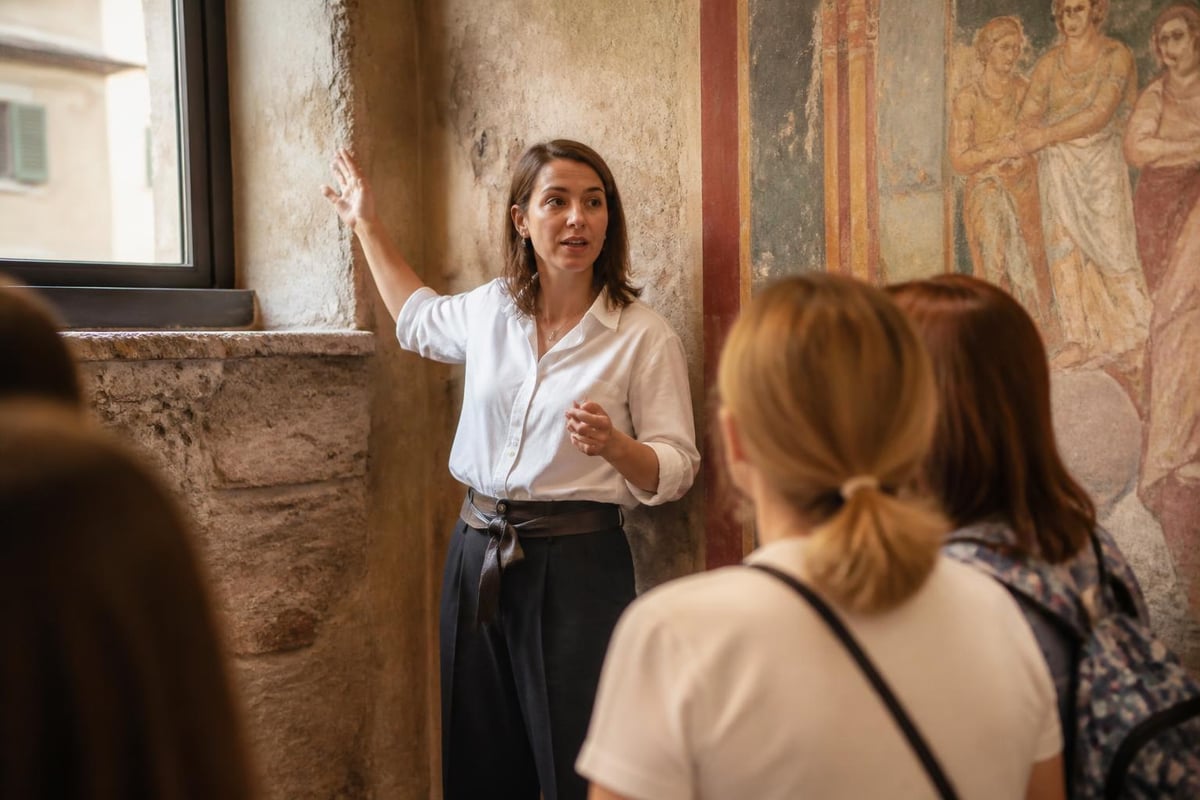
Every tour group presents unique dynamics that influence how a history tour guide should structure and deliver content. Adaptive techniques allow professionals to meet varied audience needs without compromising content quality.
Reading and Responding to Group Dynamics
Experienced guides develop keen observational skills that inform real-time adjustments. Physical cues indicate engagement levels, comprehension, and comfort. A group leaning forward and making eye contact signals active interest, while fidgeting, conversation, and distraction suggest the need for tactical changes.
Effective adaptation strategies:
- Adjusting pacing to match audience energy and interest
- Incorporating questions and interactive elements when attention wanes
- Providing optional detailed information for enthusiasts without overwhelming casual visitors
- Modifying language complexity based on audience composition
- Creating participation opportunities appropriate to group size and personality
According to expert tour guide tips, successful guides master the art of gauging audience preferences quickly. Some groups prefer analytical deep dives into historical causation, while others respond better to character-driven narratives and anecdotal content.
Accommodating Different Learning Styles
Not everyone processes historical information identically. Visual learners benefit from maps, photographs, and architectural features. Auditory learners engage deeply with storytelling and period music. Kinesthetic learners need opportunities to interact with spaces and objects.
A versatile history tour guide incorporates multi-sensory elements throughout tours. Walking through narrow medieval streets provides tactile and spatial understanding of urban development. Pausing at specific locations allows visual observation of architectural details. Sharing period accounts adds auditory dimension to historical comprehension.
For English walking tours designed for international visitors, guides must also consider language proficiency variations. Clear enunciation, controlled pacing, and strategic repetition of key concepts ensure comprehension across varying English fluency levels.
Managing Logistics and Practical Considerations
Historical knowledge and storytelling prowess prove insufficient without competent logistics management. A professional history tour guide handles numerous practical elements that ensure smooth, safe, and enjoyable experiences.
Route Planning and Time Management
Effective tours balance content delivery with physical comfort and schedule adherence. Route selection considers walking distances, terrain difficulty, rest opportunities, and weather protection. Time allocation accounts for narrative delivery, question periods, photography opportunities, and transit between locations.
| Tour Duration | Typical Stops | Content Depth | Rest Breaks |
|---|---|---|---|
| 90 minutes | 5-7 locations | Brief narratives, key themes | 1 brief stop |
| 3 hours | 8-12 locations | Moderate detail, multiple themes | 2-3 stops |
| Full day | 15-20 locations | Comprehensive coverage | Meal break plus 3-4 stops |
When designing Stockholm walking tours, guides must navigate the Old Town's cobblestone streets while accounting for accessibility needs, weather variability, and seasonal daylight changes. Strategic planning prevents rushed experiences that undermine educational objectives.
Safety and Risk Management
History tour guides bear responsibility for participant wellbeing throughout tours. Risk assessment identifies potential hazards specific to historical sites-uneven surfaces, confined spaces, traffic exposure, and environmental conditions. Guides should maintain current first aid certification and carry emergency contact information.
Communication protocols establish clear expectations regarding group cohesion, particularly in crowded or complex environments. When leading private tour experiences, guides can customize safety measures to specific group needs, whether accommodating mobility limitations or addressing concerns unique to family groups with children.
Building Professional Expertise and Specialization
The most successful history tour guides develop specialized knowledge that distinguishes their offerings in competitive markets. Niche expertise allows professionals to command premium rates while serving passionate audiences seeking in-depth exploration.
Developing Thematic Specializations
Rather than presenting generic overviews, specialized guides cultivate deep knowledge in particular historical areas. This might involve focusing on specific periods, such as medieval urban development or 20th-century political history. Alternatively, specialization could center on thematic approaches like women's history, industrial heritage, or military campaigns.
Literary tours represent one popular specialization that combines historical context with cultural analysis. Following Stieg Larsson's footsteps through Stockholm requires understanding both the city's contemporary character and the author's narrative choices. This dual expertise creates richer experiences than simple location identification.
Specialization benefits include:
- Enhanced credibility with knowledgeable audiences
- Opportunities for media features and expert recognition
- Higher price points reflecting specialized value
- Reduced competition in niche markets
- Deeper personal satisfaction from expertise development
The professional tour guide designation reflects commitment to continuous improvement and specialized knowledge development. Professionals invest in ongoing education, attend academic conferences, and maintain relationships with historians and researchers.
Continuous Learning and Research
Historical scholarship evolves constantly as new evidence emerges and interpretive frameworks develop. A committed history tour guide engages with this scholarship to ensure tours reflect current understanding rather than outdated narratives.
Research methods include consulting academic journals, attending lectures and symposia, visiting museum exhibitions, and participating in professional development programs. The International Guide Academy and TripSchool certification courses offer structured learning opportunities that keep guides current with industry best practices.
Guides should also cultivate relationships with local historians, archaeologists, and preservation specialists. These connections provide access to emerging research, behind-the-scenes insights, and occasionally, special access to restricted sites or collections that enhance tour offerings.
Integrating Technology and Traditional Methods
Modern history tour guides balance technological tools with time-tested interpretive techniques. Technology enhances certain aspects of tours while traditional methods remain irreplaceable for others.
Strategic Use of Digital Resources
Smartphones and tablets enable guides to share visual resources-historical photographs, maps, archaeological reconstructions-that clarify complex historical concepts. Apps can overlay historical imagery onto contemporary streetscapes, helping visitors visualize change over time.
However, technology should support rather than dominate tours. Excessive screen time during tours disconnects participants from physical environments and interrupts narrative flow. Strategic deployment-brief image sharing at relevant moments rather than continuous digital presentation-maintains engagement while leveraging technological benefits.
The Irreplaceable Value of Physical Presence
Despite technological capabilities, physical presence in historical locations provides irreplaceable educational value. Standing where historical events occurred creates visceral connections that virtual experiences cannot replicate. The scale of spaces, relationships between locations, and environmental contexts become comprehensible only through direct experience.
For Stockholm old town walking tours, the narrow medieval alleys, preserved architecture, and layered urban development reveal themselves through embodied exploration. A skilled history tour guide directs attention to architectural details, spatial relationships, and environmental qualities that communicate historical information beyond verbal narration.
Marketing and Business Development
History tour guides operating independently or through small companies must master business skills alongside historical expertise. Effective marketing, customer service, and financial management determine professional sustainability.
Building Your Professional Brand
Successful guides establish recognizable brands that communicate their unique value propositions. This involves identifying target audiences, articulating specialized knowledge, and developing consistent messaging across marketing channels.
Essential branding elements:
- Clear specialization statement defining your expertise
- Professional website showcasing tour offerings and credentials
- Social media presence sharing historical insights and tour highlights
- Client testimonials demonstrating value and satisfaction
- Professional photography illustrating tour experiences
When offering tailored tours for private groups, personalization becomes a key brand differentiator. Marketing materials should emphasize customization capabilities, insider access, and the advantages of small-group experiences over mass tourism alternatives.
Customer Service Excellence
Outstanding customer service transforms one-time participants into repeat clients and referral sources. This begins with clear pre-tour communication about logistics, expectations, and preparation. During tours, attentiveness to individual needs and questions demonstrates respect for participants' investments of time and money.
Post-tour follow-up provides opportunities for feedback collection and relationship maintenance. Simple gestures-sharing promised resources, sending relevant articles, or offering booking incentives for future tours-keep your services top-of-mind when clients plan subsequent visits or recommend guides to others.
Mastering the art and science of being a history tour guide requires dedication to continuous improvement, balancing scholarly expertise with engaging presentation, and maintaining unwavering commitment to participant experience. Whether you're exploring Stockholm's rich historical tapestry or any other destination, the principles of effective interpretation remain constant. Adding:tours specializes in creating personalized historical experiences through Stockholm's most significant locations, led by native English-speaking guides who combine deep local knowledge with professional expertise. Our tailored approach ensures your group discovers Stockholm's fascinating history at your own pace, with insider perspectives that transform sightseeing into genuine understanding.