Best Tour Groups: How to Choose the Right Experience
Choosing from the best tour groups can transform an ordinary trip into an extraordinary experience filled with insider knowledge, seamless logistics, and meaningful connections. With thousands of tour operators worldwide offering everything from massive bus tours to intimate walking experiences, selecting the right group requires careful consideration of your travel style, interests, and expectations. The best tour groups share common characteristics that elevate them above generic sightseeing experiences: knowledgeable guides, thoughtfully sized groups, flexible itineraries, and a commitment to creating memorable moments rather than simply checking off landmarks.
Understanding What Defines Exceptional Tour Groups
The best tour groups prioritize quality over quantity in every aspect of their operations. Group size represents one of the most critical factors influencing your experience. Smaller groups typically range from six to fifteen participants, allowing guides to provide personalized attention and facilitating genuine interactions among travelers. Larger groups may offer lower prices, but they often sacrifice intimacy and flexibility.
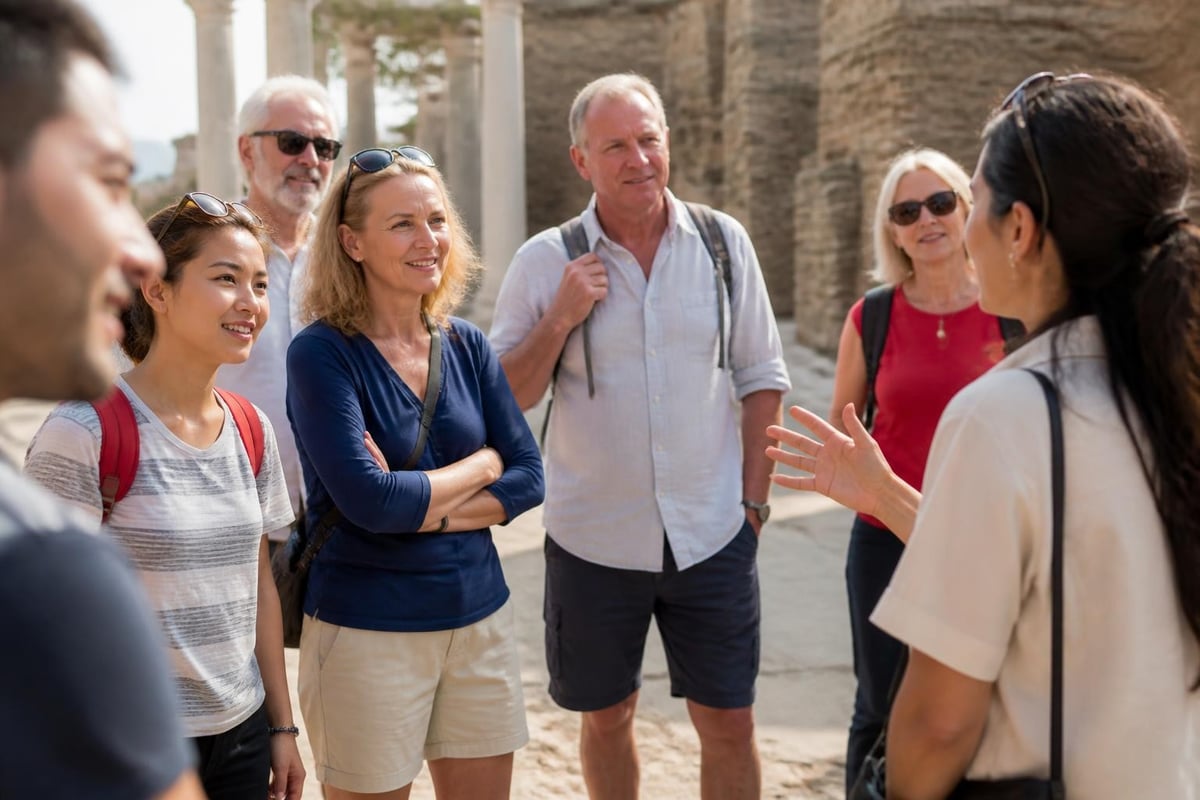
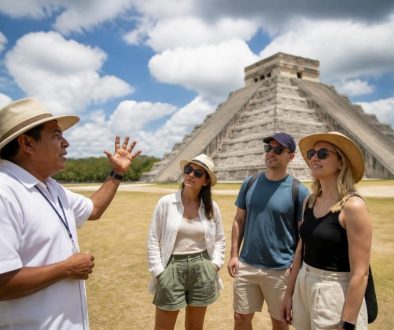
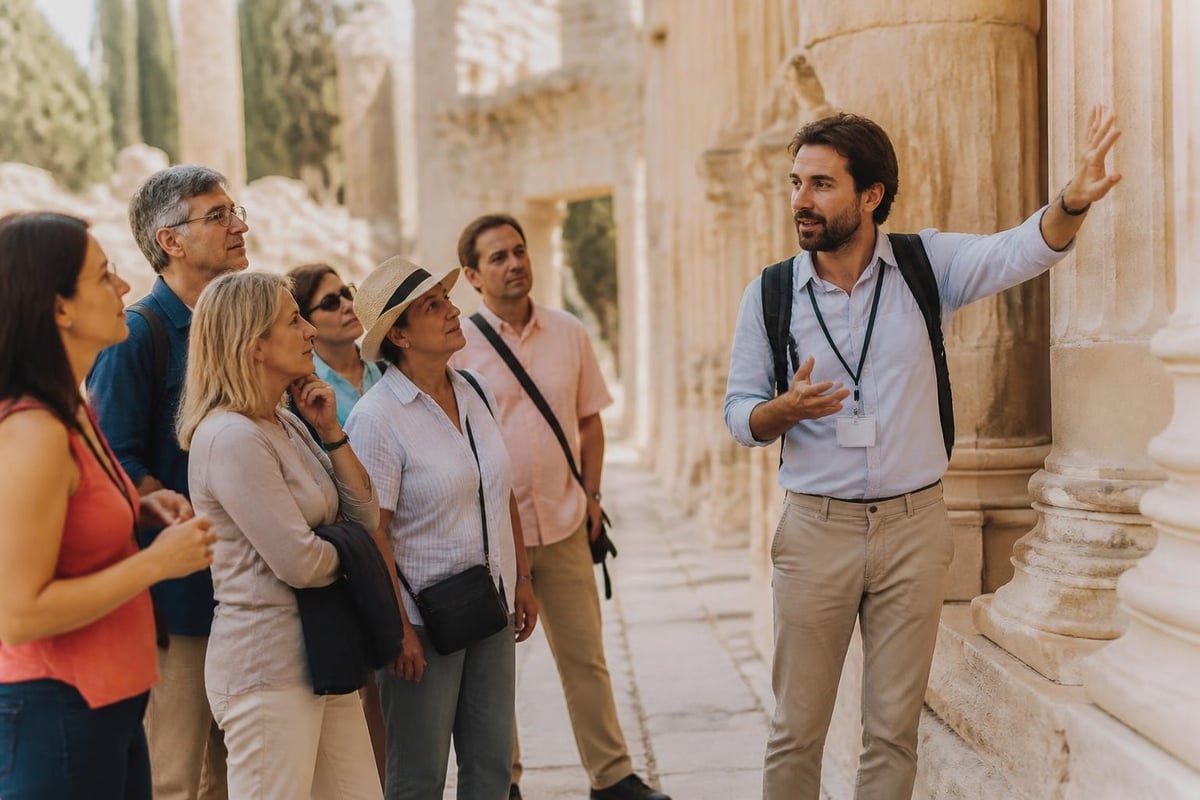
Guide expertise separates mediocre tours from exceptional ones. The best tour groups employ guides who possess deep local knowledge, engaging storytelling abilities, and genuine passion for their subject matter. Native English-speaking guides offer particular advantages for international travelers, eliminating communication barriers and providing cultural nuances that non-native speakers might miss.
Essential Quality Indicators
When evaluating potential tour operators, examine these distinguishing features:
- Transparent pricing that clearly outlines inclusions and exclusions
- Detailed itineraries showing realistic time allocations for each activity
- Responsive customer service available before, during, and after your tour
- Authentic reviews from verified travelers across multiple platforms
- Insurance coverage and safety protocols for participants
- Flexibility options allowing some customization or free time
The AARP guide to group tour questions provides valuable insights into critical considerations that help travelers identify quality operators and avoid common disappointments.
Matching Tour Styles to Your Preferences
Different travelers seek different experiences, and the best tour groups recognize this diversity by offering varied approaches. Active travelers thrive on walking tours that cover several miles daily, exploring neighborhoods and hidden corners that vehicles cannot access. These experiences suit those who enjoy physical engagement with destinations and prefer discovering cities on foot.
Cultural enthusiasts gravitate toward tours emphasizing history, art, architecture, and local traditions. Operators specializing in cultural immersion provide access to museums, historical sites, and authentic interactions with local communities. Stockholm’s Old Town walking tours exemplify this approach, combining historical narratives with exploration of medieval architecture and narrow cobblestone alleys.
Special interest tours cater to specific passions, whether literary history, music heritage, culinary adventures, or photography. These focused experiences attract like-minded travelers who share common interests, fostering deeper connections and more meaningful conversations. The ABBA journey experience demonstrates how themed tours create unique opportunities for music enthusiasts to connect over shared cultural touchstones.
Evaluating Activity Levels and Pace
Tour pace significantly impacts enjoyment and accessibility. Consider these categories:
| Activity Level | Daily Walking | Suitability | Typical Duration |
|---|---|---|---|
| Leisurely | 1-3 miles | All fitness levels | 2-3 hours |
| Moderate | 3-5 miles | Average fitness | 3-5 hours |
| Active | 5+ miles | Good fitness required | Full day |
| Strenuous | Extended hiking | Excellent fitness | Multiple days |
Understanding your physical capabilities and stamina ensures you select tours that challenge without overwhelming. The Boston Globe’s guide to picking tour companies emphasizes matching activity levels to personal abilities for maximum enjoyment.
Personalization and Customization Options
The best tour groups offer varying degrees of personalization to accommodate individual preferences. Private tours provide ultimate flexibility, allowing groups to set their own pace, adjust itineraries spontaneously, and focus on specific interests. While typically more expensive per person, private experiences deliver unparalleled customization and attention.
Semi-private tours strike a balance between personalization and value, limiting groups to small numbers while maintaining scheduled departures. These tours often accommodate special requests within structured frameworks, providing some flexibility without the premium cost of fully private experiences.
Customization capabilities vary significantly among operators. When researching options, inquire about:
- Pre-tour consultations to discuss interests and preferences
- Itinerary modifications to emphasize particular themes or locations
- Dietary accommodations for meals included in tour packages
- Accessibility adjustments for participants with mobility challenges
- Language preferences for international groups with diverse backgrounds
Tailored tours demonstrate how operators can adapt standard offerings to meet specific group needs, creating experiences that feel personal rather than generic.
Evaluating Value Beyond Price
Price alone provides insufficient information for comparing tour groups. The best tour groups deliver value through comprehensive inclusions, expert guidance, and experiences that would be difficult or impossible to replicate independently. True value encompasses what you receive relative to cost, not simply the lowest price point.
Analyzing Inclusions and Exclusions
Transparent operators clearly specify what their packages include. Standard inclusions often encompass:
- Professional guide services throughout the tour duration
- Entrance fees to museums, monuments, or special venues
- Transportation between tour locations (when applicable)
- Meals or refreshments as specified in the itinerary
- Special access to restricted areas or exclusive viewings
Exclusions typically include gratuities, personal expenses, additional meals, and optional activities. Understanding exactly what you're paying for prevents unexpected costs and enables accurate price comparisons.
The JoinMyTrip booking guide offers practical frameworks for evaluating tour packages and understanding common industry practices regarding inclusions.
Group Dynamics and Social Considerations
The composition and size of your tour group profoundly influence your experience. Solo travelers often prefer tours that facilitate social interaction and friendship formation, while couples and families may prioritize different dynamics. The best tour groups attract compatible travelers through thoughtful marketing and clear communication about tour style.
Optimal Group Sizes by Tour Type
Research and traveler feedback consistently identify eight to twelve participants as ideal for walking tours and cultural experiences. This range allows for:
- Sufficient diversity in perspectives and backgrounds
- Easy communication between guide and all participants
- Ability to navigate crowded areas without losing group members
- Intimate enough for genuine connections among travelers
- Enough people to create dynamic group energy
According to Wandering Educators’ expert advice, groups larger than fifteen participants often subdivide naturally, diminishing cohesion and personalization benefits.
Private group tours work exceptionally well for pre-existing groups of friends, families, or colleagues who want exclusive experiences without integrating strangers. These arrangements preserve existing group dynamics while providing professional guidance and logistical support.
Researching Operator Reputation and Credentials
Due diligence protects against disappointing experiences and wasted investment. The best tour groups maintain strong reputations built over years of consistent service delivery. Online reviews provide valuable insights, but evaluating them requires discernment.
Effective Review Analysis Strategies
- Read recent reviews from the past twelve months for current accuracy
- Look for patterns in feedback rather than isolated complaints
- Check multiple platforms including Google, TripAdvisor, and social media
- Evaluate operator responses to negative feedback for professionalism
- Consider review volume as indicators of experience breadth
The TourRadar guide to choosing tours emphasizes the importance of verified traveler reviews in making informed decisions about tour operators.
Professional affiliations and certifications indicate commitment to industry standards. Reputable operators maintain memberships in tourism associations, hold required licenses, and carry appropriate insurance coverage. Verified tour reviews demonstrate transparency and confidence in service quality.
Questions to Ask Before Booking
Informed consumers ask specific questions that reveal operational details and help set appropriate expectations. The best tour groups welcome inquiries and provide detailed, honest answers that help travelers make confident decisions.
Critical Pre-Booking Inquiries
Regarding the itinerary:
- What percentage of time is structured versus free?
- How much walking is involved daily?
- Are there rest breaks scheduled throughout?
- What happens if weather conditions require changes?
Regarding the group:
- What is the maximum group size?
- What is the typical age range of participants?
- Are children welcome, and if so, is content age-appropriate?
- How does the operator handle difficult group members?
Regarding logistics:
- What is the cancellation policy?
- Are deposits refundable under any circumstances?
- What insurance do you recommend or require?
- How do you accommodate dietary restrictions or accessibility needs?
Flash Pack’s small group tour considerations outlines additional factors that help travelers assess compatibility between their expectations and operator offerings.

Regional Expertise and Local Connections
The best tour groups leverage deep local knowledge and established community relationships to provide authentic experiences unavailable through generic operators. Regional specialists offer advantages that broad-spectrum tour companies cannot match, including insider access, current local knowledge, and genuine community connections.
Benefits of Local Expertise
Native guides bring cultural fluency and contextual understanding that transforms standard sightseeing into meaningful exploration. They share personal stories, recommend authentic restaurants, explain subtle cultural nuances, and often provide access to locations or experiences unknown to outsiders.
Stockholm-focused tours exemplify how regional specialization creates superior experiences through concentrated expertise, established relationships with local venues, and guides who truly understand their city's character and evolution.
Seasonal considerations represent another area where local expertise proves invaluable. Regional specialists understand optimal timing for various activities, can predict crowd patterns, and adjust recommendations based on current conditions rather than generic guidebook information.
Specialized Tour Categories
Beyond general sightseeing, the best tour groups often excel in specialized niches that align with their particular strengths and local opportunities. Literary tours appeal to book enthusiasts who want to walk in their favorite authors' footsteps, visiting locations that inspired fictional settings or played roles in writers' lives.
Music heritage experiences connect fans with the places where legendary artists created, performed, or lived. These tours often include venue visits, neighborhood exploration, and opportunities to understand the cultural context that shaped musical innovation.
Culinary tours combine food tasting with cultural education, introducing travelers to regional specialties, traditional preparation methods, and the historical influences that shaped local cuisine. The best culinary experiences balance eating with learning, providing context that enhances appreciation.
Evaluating Specialized Offerings
| Tour Category | Ideal For | Key Features | Duration Range |
|---|---|---|---|
| Literary | Book lovers | Author sites, filming locations | 2-4 hours |
| Music Heritage | Music enthusiasts | Performance venues, artist neighborhoods | 3-6 hours |
| Culinary | Food lovers | Tastings, market visits, cooking demos | 3-5 hours |
| Photography | Photographers | Optimal viewpoints, timing, techniques | Varies widely |
The Tour Scoop first-time guide offers practical advice for travelers new to specialized group experiences, helping them set appropriate expectations and prepare effectively.
Booking Strategies and Timing
Strategic booking maximizes value and ensures availability for popular experiences. The best tour groups often operate with limited capacity, particularly for specialized or private tours, making advance planning essential for preferred dates.
Early booking advantages include better availability, potential early-bird discounts, and adequate time for trip planning and preparation. Many operators offer price incentives for reservations made several months in advance, rewarding committed travelers with savings.
Last-minute opportunities occasionally arise when operators have unfilled spaces approaching tour dates. While risky as a primary strategy, flexible travelers with open schedules sometimes secure excellent values through late-availability offers.
Payment and Protection Considerations
- Deposit requirements typically range from 20% to 50% of total cost
- Final payment deadlines usually fall 30-60 days before tour dates
- Travel insurance protects against cancellations due to illness, emergencies, or unforeseen circumstances
- Credit card protections may provide additional recourse for disputes
- Cancellation policies vary significantly among operators
Understanding financial terms and protection options before committing ensures you can make informed decisions aligned with your risk tolerance and financial situation. FAQ resources often address common payment and booking questions, providing clarity before purchase.
Maximizing Your Tour Experience
Preparation significantly enhances tour enjoyment and learning. The best tour groups provide pre-departure information helping participants arrive ready to engage fully with their experience. Physical preparation for active tours prevents exhaustion and enables complete participation.
Research preparation involving preliminary reading about destinations, historical context, or featured subjects deepens appreciation and allows more sophisticated questions during tours. Guides particularly appreciate engaged participants who bring curiosity and foundational knowledge to discussions.
Practical Preparation Steps
- Review the detailed itinerary noting daily schedules and physical requirements
- Break in comfortable walking shoes well before your tour date
- Check weather forecasts and pack appropriate clothing layers
- Prepare questions about topics particularly interesting to you
- Inform guides of any special needs, interests, or concerns in advance
During the tour, active engagement enhances both personal experience and group dynamics. Ask questions, share observations, and interact with fellow participants to build connections and deepen learning.
The Kiplinger analysis of group versus solo travel explores how personal travel styles influence satisfaction with different tour formats, helping travelers make choices aligned with their preferences.
Technology and Communication Expectations
Modern tour operations incorporate technology for booking, communication, and experience enhancement. The best tour groups balance technological convenience with personal service, using digital tools to improve rather than replace human interaction.
Booking platforms should offer secure transactions, clear confirmation processes, and accessible customer support. Mobile-responsive websites enable easy browsing and booking from various devices, while automated confirmations provide immediate peace of mind.
Pre-tour communication might include email updates, digital itineraries, meeting point details with maps, and emergency contact information. Clear, timely communication reduces pre-trip anxiety and ensures participants arrive prepared and informed.
On-Tour Technology Integration
- Audio enhancement systems for larger groups ensuring everyone hears clearly
- Digital maps and resources supplementing live commentary
- Photo opportunities coordinated by guides knowing optimal locations and timing
- Social media integration for travelers wanting to share experiences
- Post-tour follow-up including photo sharing and feedback opportunities
City sightseeing options demonstrate how modern tour operators integrate technology while maintaining the personal touch that distinguishes exceptional experiences.
Selecting from the best tour groups requires evaluating multiple factors including group size, guide expertise, personalization options, and value proposition relative to your interests and travel style. Whether you're drawn to cultural immersion, specialized themes, or comprehensive sightseeing, the right tour group transforms ordinary travel into extraordinary discovery. Adding:tours specializes in creating personalized experiences for private groups and small gatherings throughout Stockholm, with native English-speaking guides providing insider access and tailored itineraries that match your specific interests. From classic Old Town exploration to literary adventures and music heritage journeys, our small group approach ensures you receive the attention and flexibility that defines truly memorable travel experiences.