
Guided Walks: Benefits, Safety, and Planning Tips
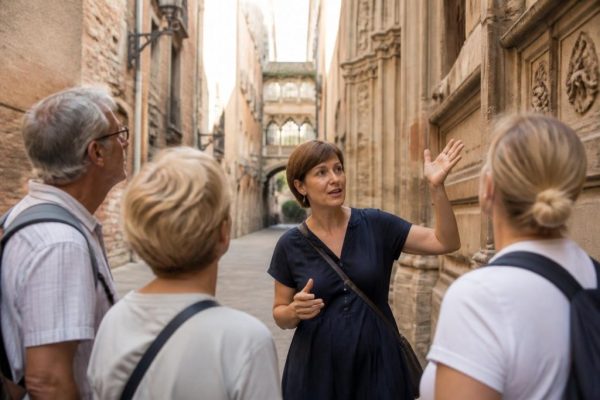
Guided walks represent one of the most rewarding ways to explore new destinations, combining physical activity with cultural immersion and expert storytelling. Whether you're navigating narrow cobblestone alleys in a historic district, following literary trails, or discovering hidden local gems, guided walks transform ordinary sightseeing into memorable experiences. These curated journeys offer more than just directions-they provide context, safety, and access to stories that independent exploration often misses. For travelers seeking authentic connections with places like Stockholm, where centuries of history layer upon modern innovation, guided walks unlock perspectives that guidebooks simply cannot capture.
The Evolution of Guided Walks in Modern Tourism
The tourism landscape has shifted dramatically over the past decade, with travelers increasingly seeking personalized, small-group experiences over mass-market tours. Guided walks have emerged as the perfect solution to this demand, offering intimate encounters with destinations while maintaining the safety and expertise of professional leadership.
Private groups and small gatherings now dominate the guided walk market, reflecting a broader trend toward customization and flexibility. Unlike traditional bus tours that follow rigid schedules and predetermined scripts, modern guided walks adapt to participant interests and physical capabilities.
Why Travelers Choose Guided Walks Over Independent Exploration
The decision to join guided walks often stems from multiple motivations that independent travelers cannot easily replicate on their own:
- Expert storytelling that brings historical sites to life through narratives and local anecdotes
- Safety considerations in unfamiliar urban or natural environments
- Time efficiency for visitors with limited schedules who want maximum impact
- Social connections with fellow travelers who share similar interests
- Access to restricted areas or insider knowledge not available to the general public
For destinations like Stockholm, where cultural tours navigate both famous landmarks and lesser-known neighborhoods, the value of local expertise becomes immediately apparent. Native guides transform simple walking routes into immersive experiences that connect visitors to authentic stories.
Safety Considerations for Guided Walks
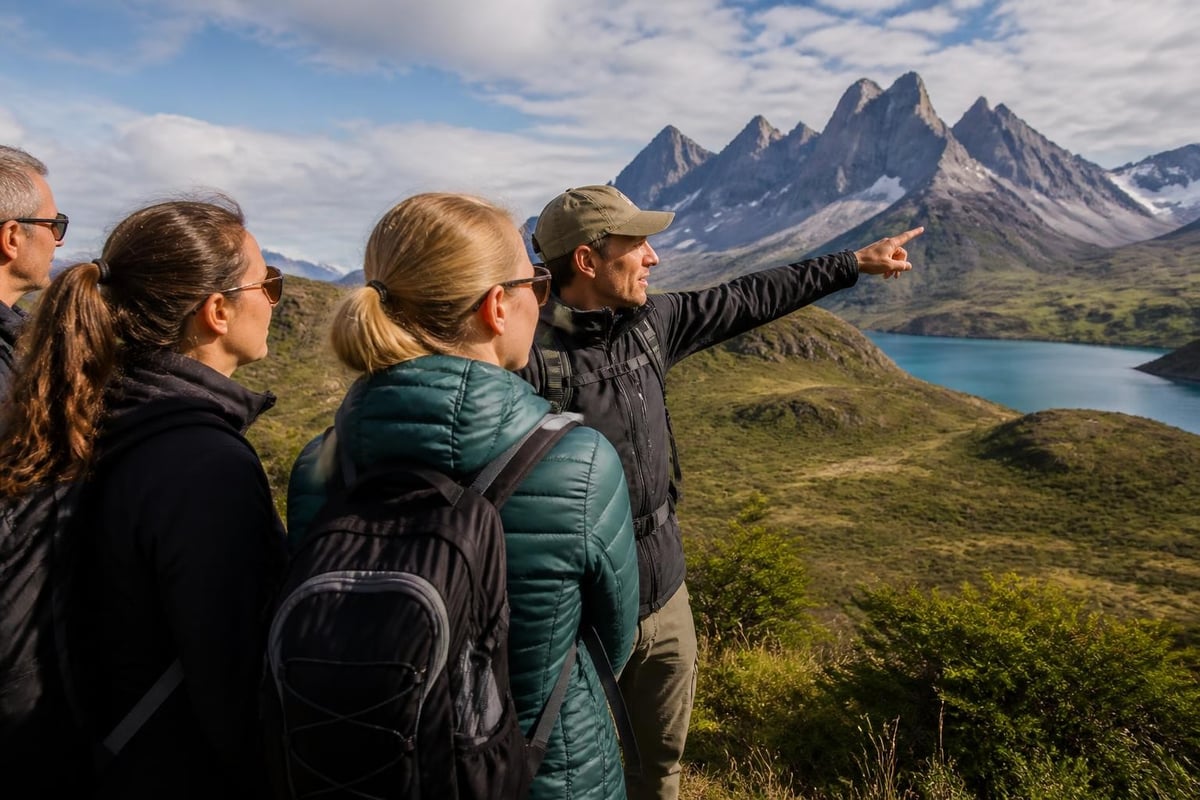
Safety remains paramount for any outdoor activity, and guided walks require careful attention to multiple factors that protect both participants and guides. Understanding these considerations helps travelers prepare appropriately and set realistic expectations.
Preparation and Physical Readiness
Before embarking on guided walks, participants should honestly assess their fitness levels and physical limitations. The Friends of DalesBus grading system provides an excellent framework for understanding difficulty levels across different terrain types and distances.
Essential preparation steps include:
- Review the walk's distance, elevation gain, and estimated duration
- Assess your current fitness level against the stated requirements
- Gather appropriate footwear with adequate traction and ankle support
- Plan clothing layers suitable for changing weather conditions
- Arrange necessary medications and inform guides of any health concerns
Professional tour operators offering Stockholm tours typically provide detailed information about physical requirements, allowing participants to make informed decisions. This transparency ensures everyone's safety and enjoyment throughout the experience.
Environmental Awareness and Group Dynamics
Successful guided walks depend on participants understanding their environment and respecting group protocols. Penn State Extension’s safe walking guidelines emphasize the importance of staying alert to surroundings, particularly in urban settings with vehicular traffic.
| Safety Aspect | Participant Responsibility | Guide Responsibility |
|---|---|---|
| Route Navigation | Follow designated paths | Clear communication of directions |
| Group Cohesion | Maintain visual contact | Regular headcounts |
| Emergency Response | Carry personal medications | First aid training and supplies |
| Weather Monitoring | Appropriate clothing | Route modification authority |
Guides leading English walking tours through Stockholm's Old Town must balance historical storytelling with constant awareness of narrow streets, uneven cobblestones, and tourist crowds. This dual focus requires experienced professionals who can manage both content delivery and participant safety simultaneously.
Designing Personalized Guided Walk Experiences
The most memorable guided walks share a common characteristic: they feel uniquely tailored to the participants rather than following a generic script. This personalization distinguishes exceptional experiences from mediocre ones.
Matching Content to Participant Interests
Effective guides begin by understanding what draws people to specific locations. A group interested in architecture notices different details than one focused on literary history or musical heritage. This recognition allows guides to emphasize relevant information while maintaining engagement.
Interest categories that shape guided walk content:
- Historical events and political developments
- Architectural styles and urban planning evolution
- Literary connections and famous authors' haunts
- Musical heritage and performance venues
- Culinary traditions and local food culture
- Photography opportunities and visual composition
When designing tailored tours, professional operators gather information about group preferences, age ranges, mobility considerations, and specific curiosities. This preparation transforms standard routes into meaningful journeys that resonate with each participant's personal interests.
Balancing Structure with Flexibility
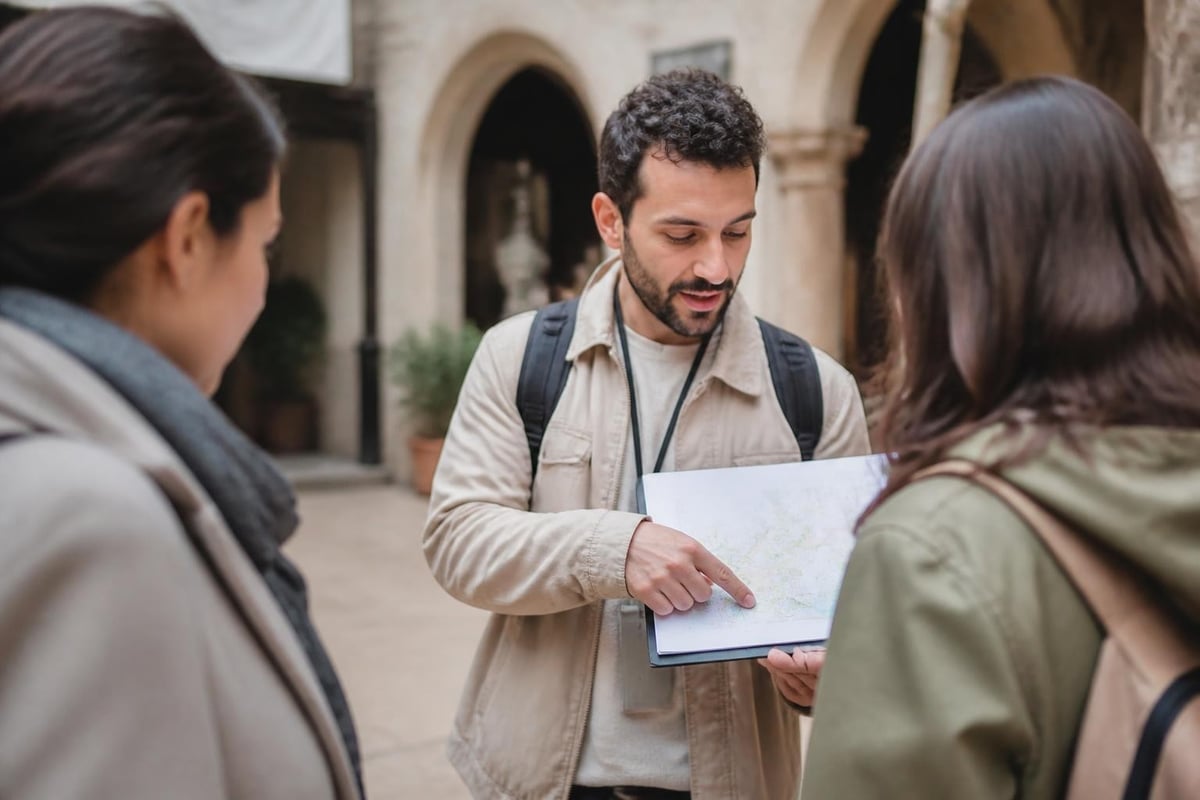
While guided walks require organizational structure to ensure timely completion and comprehensive coverage, the best experiences maintain room for spontaneity. Skilled guides recognize when participants show particular interest in specific topics or locations, adjusting timing to allow deeper exploration without sacrificing overall objectives.
The ABBA journey adventure exemplifies this balance, combining predetermined destinations with flexible timing that accommodates participant questions, photography breaks, and unexpected moments of connection. This approach creates authentic experiences rather than rigid checklist tourism.
Small Group Advantages in Guided Walks
Group size dramatically impacts the quality and character of guided walks, with smaller gatherings offering distinct advantages over large tour groups. Understanding these benefits helps travelers make informed booking decisions.
Communication Quality and Personal Connection
In groups of six to twelve participants, every person can comfortably hear the guide without amplification systems, ask questions without disrupting flow, and develop genuine connections with fellow travelers. This intimacy fosters deeper engagement with content and creates memorable social experiences.
Small group benefits include:
- Direct access to guides for immediate questions and clarifications
- Flexible pacing that accommodates the group's collective energy and interest
- Authentic interactions with local residents and shop owners
- Photography opportunities without coordinating large crowds
- Personalized recommendations for dining, shopping, and future exploration
For families, friends, or colleagues exploring together, private group tours eliminate the awkwardness of joining strangers while maintaining professional guidance and local expertise. This arrangement provides the best of both worlds-intimacy with your own party and expert leadership.
Enhanced Access to Restricted or Crowded Locations
Many historic sites, museums, and cultural venues restrict group sizes to preserve visitor experience and protect fragile environments. Guided walks limited to small numbers gain access to spaces unavailable to larger tours, creating exclusive experiences.
| Location Type | Large Group Limitations | Small Group Advantages |
|---|---|---|
| Historic Buildings | Restricted entry times | Flexible scheduling |
| Narrow Streets | Traffic congestion | Easy navigation |
| Museums | Noise concerns | Intimate discussions |
| Local Businesses | Disruption fears | Welcome interactions |
The narrow alleys of Stockholm's Old Town perfectly illustrate this dynamic. While large tour groups create bottlenecks and noise that frustrate both participants and residents, small guided walks flow naturally through these spaces, pausing for stories without blocking passage or overwhelming the medieval atmosphere.
Literary and Thematic Guided Walks
Specialized guided walks organized around specific themes create particularly engaging experiences by connecting physical locations to broader narratives. These focused journeys appeal to enthusiasts while introducing general audiences to new interests.
Following in Authors' Footsteps
Literary-themed guided walks transform cities into living books, allowing participants to stand where fictional characters confronted challenges or where authors drew inspiration. The popularity of Stieg Larsson's Millennium trilogy has created substantial interest in Stockholm locations featured throughout "The Girl with the Dragon Tattoo" series.
These walks accomplish multiple objectives simultaneously:
- Geographic orientation as participants learn neighborhood layouts through story context
- Cultural insight into contemporary Swedish society and historical developments
- Literary appreciation through discussing plot points in their actual settings
- Photography opportunities at recognizable locations fans have imagined
- Local perspective on how fiction reflects or distorts reality
Guides leading literary walks must balance factual historical information with fictional narrative without conflating the two. This skillful separation maintains intellectual honesty while enhancing enjoyment for devoted fans and curious newcomers alike.
Musical Heritage Exploration
Music-focused guided walks tap into powerful emotional connections between sound, place, and memory. For international visitors, few Swedish musical exports resonate as strongly as ABBA, making themed walks through relevant Stockholm locations particularly appealing.
These experiences succeed when they combine biographical information, historical context, and participatory elements. Rather than simply pointing out where band members lived or recorded, exceptional guides incorporate music into the experience, discuss cultural impact, and create opportunities for participants to connect through shared musical appreciation.
Practical Planning for Guided Walk Participants
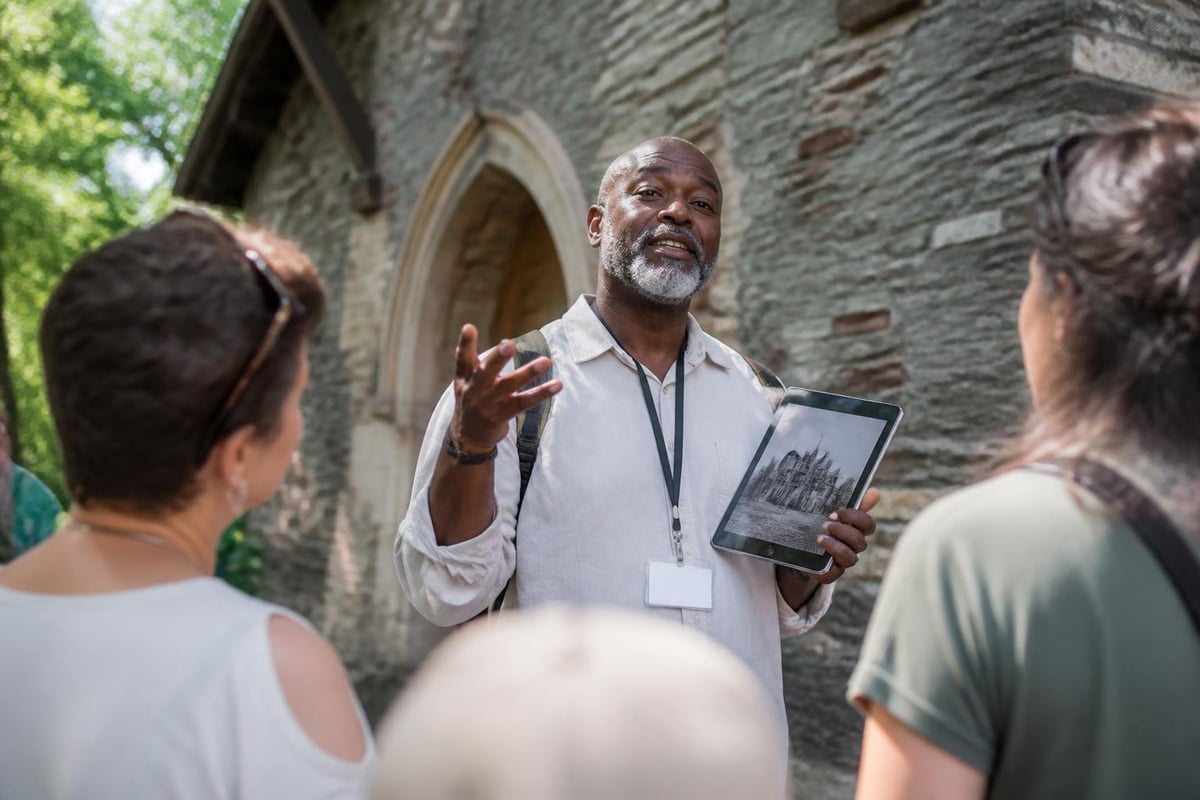
Success in guided walks depends partly on the operator's expertise but equally on participant preparation. Understanding what to bring, how to prepare, and what to expect maximizes enjoyment and minimizes discomfort.
Essential Items and Clothing Considerations
Proper preparation begins with assembling appropriate gear matched to weather conditions, terrain, and walk duration. Even short urban guided walks benefit from thoughtful packing.
Recommended items for most guided walks:
- Comfortable, broken-in walking shoes with good traction
- Weather-appropriate layers that allow temperature regulation
- Small backpack or crossbody bag for hands-free carrying
- Reusable water bottle to maintain hydration
- Snacks for energy maintenance during longer walks
- Fully charged smartphone for photography and emergency contact
- Sunscreen and sun protection regardless of cloud cover
- Small first aid supplies including blister treatment
The National Park Service safety guidelines emphasize preparation importance even for shorter excursions, noting that weather can change rapidly and minor inconveniences can escalate without proper supplies.
Communication and Expectation Setting
Before joining guided walks, participants should clearly communicate any concerns, limitations, or special interests to operators. This exchange allows guides to adjust routes, pacing, or content emphasis to accommodate the group's needs.
Questions to address with tour operators:
- What specific route will the walk follow and how long will it take?
- Are there opportunities for restroom breaks and refreshments?
- What happens if weather conditions become unfavorable?
- Can the route accommodate wheelchairs or strollers if needed?
- Is photography permitted at all locations along the route?
Professional operators offering customizable tours welcome these conversations, recognizing that clarity before the walk begins prevents disappointment and ensures satisfaction. This collaborative approach creates partnerships between guides and participants rather than passive service relationships.
The Role of Native English-Speaking Guides
Language proficiency dramatically impacts guided walk quality, particularly for international visitors exploring non-English-speaking destinations. Native English-speaking guides offer distinct advantages beyond basic translation capabilities.
Nuanced Communication and Cultural Translation
Understanding a language at native level enables guides to capture subtleties, humor, and cultural references that second-language speakers often miss. This depth allows for richer storytelling that connects foreign visitors to local contexts through familiar linguistic frameworks.
Communication advantages include:
- Idiomatic expressions that create immediacy and relatability
- Humor timing and delivery that builds rapport
- Complex concept explanation without oversimplification
- Question anticipation based on cultural perspective understanding
- Analogies drawing from shared English-language cultural references
When exploring Stockholm’s sightseeing opportunities, native English-speaking guides help international visitors understand Swedish cultural norms, historical developments, and contemporary society through frameworks that resonate with their existing knowledge.
Building Confidence in Unfamiliar Environments
First-time international travelers often feel anxious about navigation, communication, and cultural missteps in unfamiliar destinations. Native English-speaking guides reduce this anxiety by providing linguistic comfort while maintaining authentic local expertise.
| Traveler Concern | How Native English Guides Help |
|---|---|
| Getting lost | Clear directional communication |
| Restaurant recommendations | Explanation of menu items and dining customs |
| Local etiquette | Advance warning about cultural differences |
| Emergency situations | Confident communication capability |
This combination of linguistic accessibility and local knowledge creates ideal conditions for relaxed, enjoyable exploration. Participants focus on experiencing destinations rather than managing basic communication challenges.
Measuring Guided Walk Quality and Value
Travelers investing time and money in guided walks deserve clear criteria for evaluating quality before booking and assessing satisfaction afterward. Understanding these metrics helps both consumers make informed decisions and operators maintain high standards.
Professional Qualifications and Experience Indicators
Not all guided walks deliver equal value, and distinguishing exceptional operators from mediocre ones requires examining specific credentials and experience markers.
Quality indicators to evaluate:
- Years of guiding experience in the specific destination
- Professional certifications or accreditations from tourism organizations
- Specialized knowledge relevant to tour themes (history degrees, literary expertise)
- Safety training including first aid certification
- Customer reviews emphasizing specific positive attributes
- Transparent communication about tour details and limitations
When researching operators, potential participants should review detailed information about guides' backgrounds and expertise. Companies offering professional tour guide services typically highlight these credentials prominently, understanding they differentiate quality experiences from generic alternatives.
Post-Experience Evaluation
After completing guided walks, participants should reflect on multiple dimensions of the experience to assess overall value and provide meaningful feedback to operators.
Evaluation categories worth considering:
- Content depth: Did the information provided match expectations and interests?
- Pacing appropriateness: Was the walk's speed comfortable for the group's abilities?
- Guide engagement: Did the guide demonstrate enthusiasm and responsiveness?
- Route selection: Were the locations visited worthwhile and well-sequenced?
- Overall value: Did the experience justify its cost in terms of knowledge gained and enjoyment?
Constructive reviews help future travelers make informed decisions while giving operators specific feedback for continuous improvement. The reviews section provides valuable insights into consistent strengths and areas where different operators excel.
Guided walks transform ordinary travel into extraordinary experiences through expert knowledge, personalized attention, and safe exploration of both familiar and unfamiliar destinations. Whether you're interested in historical narratives, literary connections, musical heritage, or simply discovering authentic local perspectives, thoughtfully designed guided walks deliver value that independent exploration cannot match. Adding:tours specializes in creating these meaningful experiences for private groups and small gatherings throughout Stockholm, combining native English-speaking guides with deep local expertise to ensure every walk becomes a cherished memory. Let us design a personalized guided walk that brings your Stockholm vision to life.