Old Town Tour: Your Guide to Historical Walking Adventures
Wandering through cobblestone streets where centuries of history echo in every corner offers travelers an unparalleled connection to the past. An old town tour provides more than just sightseeing; it delivers an immersive experience that transforms how visitors understand a destination's cultural heritage, architectural evolution, and the stories of people who shaped these historic neighborhoods. Whether you're exploring Stockholm's Gamla Stan, Chicago's architectural gems, or Albuquerque's cultural landmarks, these guided experiences create lasting memories while offering insider perspectives that independent exploration simply cannot match.
Understanding What Makes an Old Town Tour Special
Historic districts represent the soul of any city, preserving architectural treasures and cultural narratives that modern development often obscures. These neighborhoods maintain their original character through protected buildings, traditional street layouts, and carefully preserved landmarks that tell stories spanning generations.
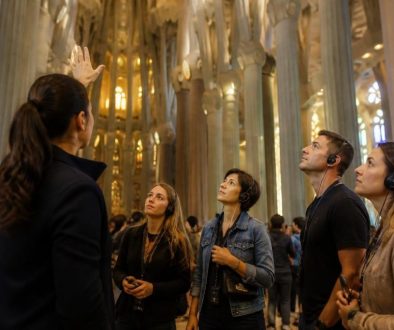
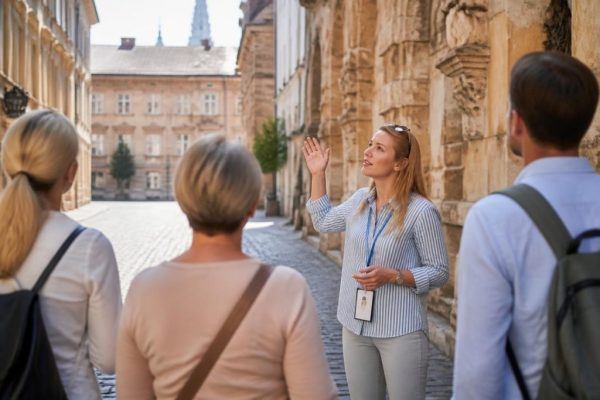
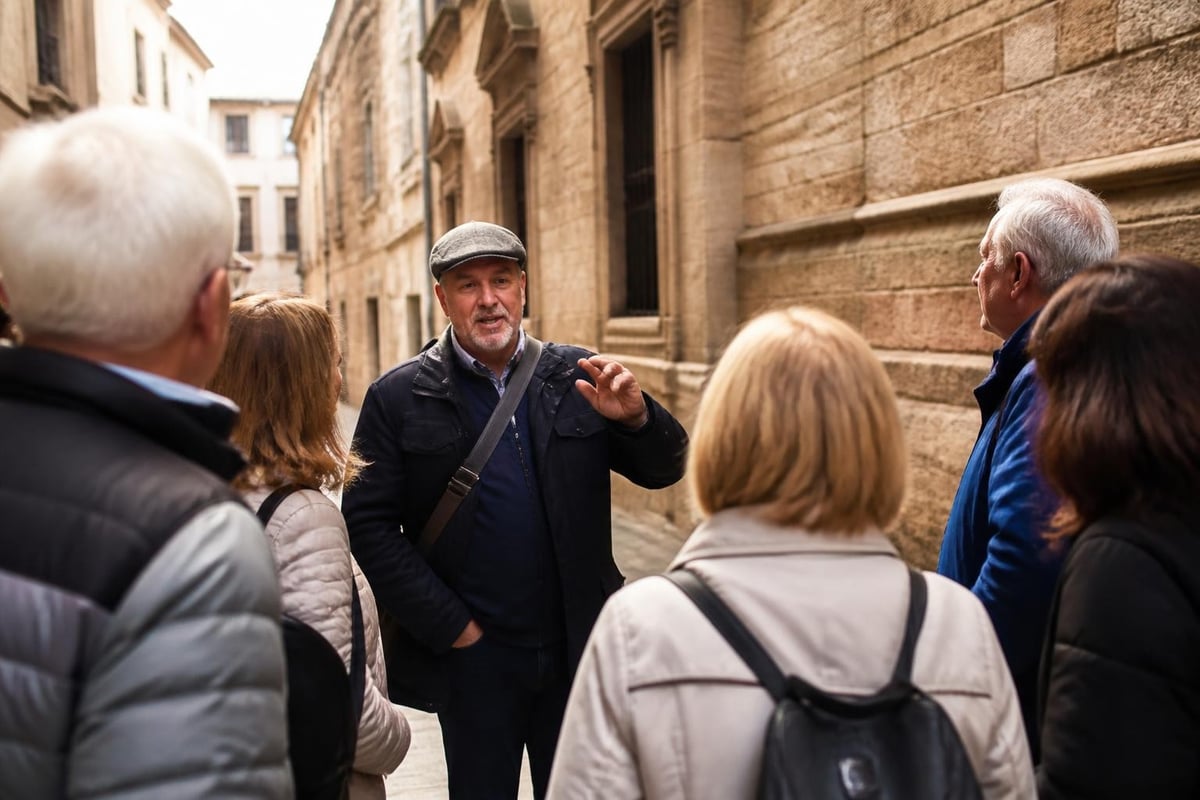
When selecting an old town tour, the quality of your experience depends significantly on several crucial factors. Expert guides transform simple walks into educational journeys, sharing anecdotes and historical context that bring ancient walls to life. Group size affects intimacy and interaction, with smaller gatherings allowing for personalized attention and flexibility in pacing.
The Evolution of Historical District Tours
Traditional sightseeing has evolved dramatically over recent decades. Cities like Chicago have developed sophisticated programs like the Old Town Triangle tour, which emphasizes architectural styles and neighborhood development patterns. Meanwhile, destinations such as Albuquerque offer comprehensive history tours that highlight cultural heritage and historical significance.
Modern visitors expect more than generic information delivery. They seek authentic connections, insider knowledge, and experiences tailored to their specific interests. This shift has prompted tour operators to develop specialized offerings that cater to diverse preferences, from architecture enthusiasts to literature fans.
Planning Your Perfect Historical Walking Experience
Successful old town tour experiences require thoughtful preparation and strategic decision-making. The most rewarding visits combine research, appropriate expectations, and openness to unexpected discoveries.
Timing and Seasonal Considerations
Historical districts reveal different facets throughout the year. Summer months bring vibrant street life and extended daylight hours, ideal for photography and outdoor exploration. Spring and autumn offer comfortable temperatures and fewer crowds, creating more intimate experiences. Winter presents unique charm with holiday decorations and atmospheric lighting, though weather may limit certain activities.
Peak Season Benefits:
- Extended operating hours for attractions
- More frequent tour departures
- Vibrant street festivals and events
- Maximum accessibility to all sites
Off-Season Advantages:
- Reduced crowds enable better photography
- More personalized guide interaction
- Lower prices for accommodations
- Authentic local atmosphere without tourist congestion
Choosing Between Private and Group Experiences
The decision between private and shared experiences significantly impacts your journey through historic neighborhoods. Private tours offer unmatched flexibility, allowing participants to adjust pacing, focus areas, and duration based on group preferences. For families with young children, elderly participants, or visitors with mobility considerations, this customization proves invaluable.
Group tours provide social opportunities and cost efficiency. Meeting fellow travelers from diverse backgrounds enriches the experience through shared observations and varied perspectives. However, these tours follow fixed schedules and predetermined routes that may not align with every participant's interests.
| Tour Type | Best For | Flexibility | Cost Per Person | Interaction Level |
|---|---|---|---|---|
| Private | Families, special occasions | High | Higher | Very personal |
| Small Group | Solo travelers, couples | Moderate | Moderate | Interactive |
| Large Group | Budget-conscious visitors | Low | Lower | Limited |
Essential Elements of Memorable Historical Tours
Quality old town tour experiences share common characteristics that distinguish exceptional offerings from mediocre alternatives. Understanding these elements helps visitors make informed decisions when selecting tour operators.
Native Language Expertise and Local Knowledge
Professional guides who are native English speakers provide clarity and nuanced communication that non-native guides struggle to match. They articulate complex historical concepts, explain cultural subtleties, and engage in spontaneous conversations that enhance understanding. This linguistic proficiency becomes particularly valuable when discussing literary connections, historical events, or architectural terminology.
Local expertise extends beyond memorized scripts. Genuine residents share personal anecdotes, recommend authentic restaurants away from tourist traps, and explain how historical events continue influencing contemporary life. Their insights transform static monuments into living stories that resonate with modern visitors.
Architectural Focus and Building Stories
Architecture serves as the physical manifestation of historical narratives. Every building style, construction material, and design element reflects the economic conditions, available technologies, and cultural preferences of its era. Old Town San Diego’s walking tour demonstrates how thorough architectural analysis enriches visitor understanding of settlement patterns and community development.
Skilled guides highlight specific features that casual observers miss: hand-carved details in doorways, strategic defensive positions in city planning, or evidence of building modifications across centuries. These observations create deeper appreciation for craftsmanship and historical continuity.

Specialized Thematic Tour Opportunities
Beyond general historical overviews, specialized tours cater to specific interests that transform standard sightseeing into passionate exploration. These focused experiences attract enthusiasts while introducing casual visitors to unexpected fascinations.
Literary and Cultural Heritage Walks
Literature lovers find exceptional value in tours connecting physical locations with beloved stories and authors. Stockholm's literary adventures following Stieg Larsson's "The Girl with the Dragon Tattoo" locations exemplify how fiction and reality intersect, creating unique appreciation for both the narrative and the city.
Cultural heritage tours emphasize the diverse communities that shaped historic neighborhoods. Old Town San Diego’s diversity tour explores how different ethnic groups contributed to the area's development, acknowledging both celebrated achievements and difficult historical truths.
Music and Entertainment History
Musical heritage tours celebrate artistic legacies that define cities. Stockholm's ABBA journey to Viggsö combines historical sites with culinary experiences, demonstrating how entertainment history intersects with broader cultural narratives. These specialized tours attract international fans while educating visitors about Sweden's contribution to global pop culture.
Maximizing Your Tour Investment
Financial and temporal investments in guided experiences deserve strategic approaches that ensure maximum return. Smart planning enhances enjoyment while respecting budgets and schedules.
Pre-Tour Research Strategies
Successful participants arrive prepared with background knowledge that enriches guide commentary. Reading brief historical overviews, familiarizing yourself with key figures, and understanding basic timelines allows you to ask informed questions and recognize references during the tour.
Essential Preparation Steps:
- Review destination history through reliable sources
- Identify three specific topics of personal interest
- Research weather conditions and dress appropriately
- Prepare questions for your guide
- Download offline maps for reference
Physical preparation matters equally. Historical districts typically feature uneven surfaces, stairs, and extended walking periods. Comfortable footwear, appropriate clothing layers, and reasonable fitness levels prevent discomfort from overshadowing educational content.
Photography and Documentation Approaches
Capturing memories through photography requires balance between active participation and documentation. Constantly viewing experiences through camera lenses diminishes engagement with physical surroundings and guide narratives. Strategic approaches involve photographing during designated stops, focusing on personally meaningful subjects, and trusting professional tour photographs when available.
Consider documenting through written notes or audio recordings that capture guide insights without visual distraction. These records often prove more valuable than generic landmark photographs when revisiting memories or sharing experiences with others.
The Role of Professional Tour Operators
Quality tour companies distinguish themselves through consistent excellence, safety standards, and genuine commitment to visitor satisfaction. Understanding what separates professional operations from amateur offerings protects consumers while supporting sustainable tourism.
Credentials and Industry Standards
Legitimate tour operators maintain proper licensing, insurance coverage, and guide certifications appropriate to their jurisdiction. They comply with accessibility regulations, maintain equipment safety standards, and follow ethical practices regarding historical site preservation. Researching operator backgrounds through reviews, industry affiliations, and operational history reveals commitment to professionalism.
Professional tour guides undergo extensive training covering historical accuracy, emergency procedures, crowd management, and customer service excellence. Their expertise extends beyond knowledge to include interpersonal skills that create comfortable, inclusive environments for diverse participant groups.
Customization and Flexibility
Superior operators offer tailored tours that acknowledge different interests, mobility levels, and time constraints. This personalization transforms generic itineraries into meaningful experiences aligned with participant priorities. Flexibility includes adjusting routes for weather, accommodating dietary restrictions during culinary components, and modifying pacing for varying energy levels.
Accessibility and Inclusive Tourism
Historic districts present unique accessibility challenges due to centuries-old infrastructure predating modern standards. Cobblestone streets, narrow passages, and buildings lacking elevators create barriers for visitors with mobility limitations. Progressive tour operators address these challenges through thoughtful planning and transparent communication.
Physical Accessibility Considerations
Honest assessment of route difficulty helps participants make informed decisions. Detailed descriptions should specify distance, elevation changes, rest opportunities, and surface conditions. Alternative routes or modified itineraries accommodate wheelchair users, families with strollers, and visitors with limited mobility without sacrificing educational value.
Accessibility Features to Verify:
- Route surface types and conditions
- Availability of rest areas
- Bathroom accessibility along routes
- Alternative transportation options
- Building entrance accommodations
Cultural and Linguistic Inclusion
Inclusive tours welcome diverse backgrounds through culturally sensitive narratives that acknowledge multiple perspectives. Historical events affected different communities distinctly, and comprehensive storytelling recognizes these varied experiences. Multilingual materials, when available, expand accessibility beyond English speakers.
Combining Tours with Independent Exploration
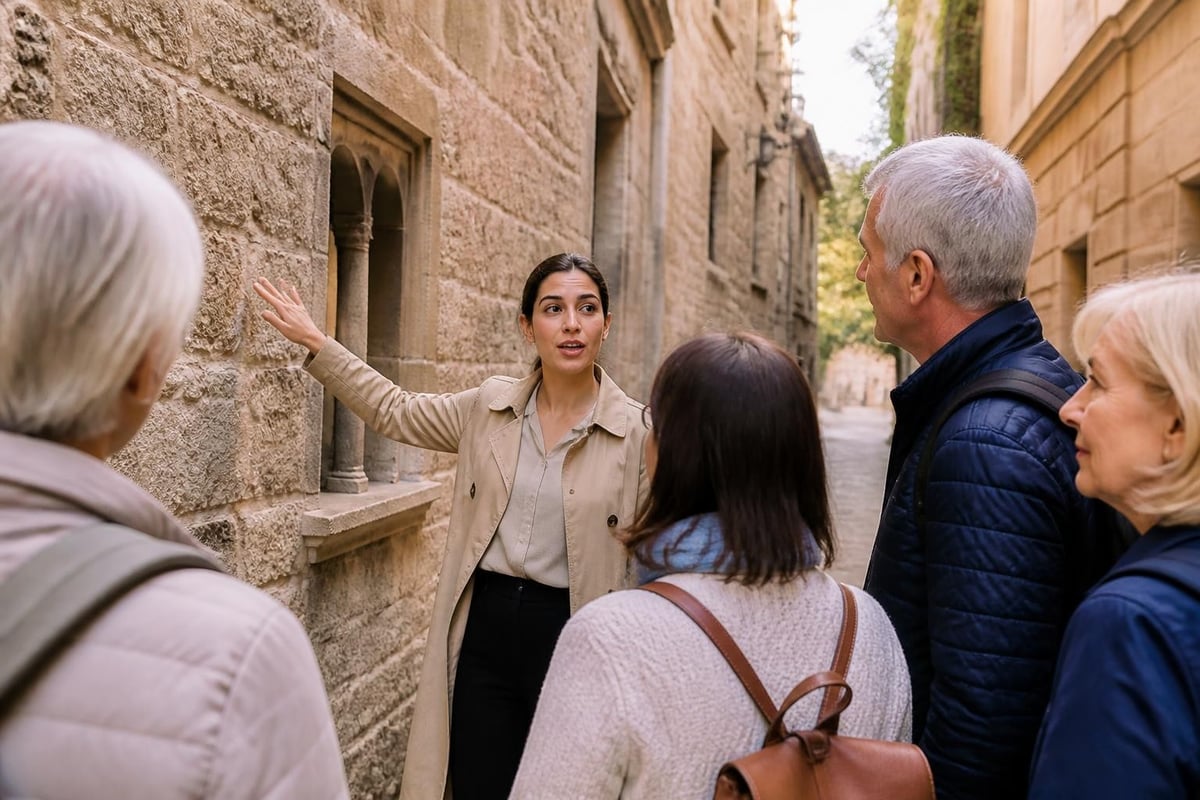
Guided experiences provide foundations for deeper independent investigation. Smart travelers use professional tours as educational starting points, then return to locations that sparked particular interest for extended exploration.
Post-Tour Extension Strategies
After completing an old town tour, revisit compelling sites during different times of day. Morning light reveals architectural details obscured during midday glare, while evening atmosphere transforms familiar streets into romantic settings. This repeated exposure builds intimate connection with places beyond superficial tourist engagement.
Museums, archives, and specialty shops mentioned during tours deserve follow-up visits. Guides often recommend specific exhibits or collections aligned with participant interests. These suggestions represent insider knowledge unavailable through standard guidebooks or online resources.
Technological Integration in Modern Tours
Contemporary old town tour experiences increasingly incorporate technology that enhances rather than replaces human guidance. Augmented reality applications overlay historical images onto current streetscapes, revealing dramatic transformations over centuries. Audio enhancements provide supplementary content without interrupting guide presentations.
However, technology should support rather than dominate the experience. The irreplaceable value of guided tours lies in human interaction, spontaneous insights, and adaptive storytelling that responds to participant questions and interests. Digital tools serve best when they complement these core strengths.
Digital Resources and Trip Planning
Online platforms facilitate research, booking, and preparation for historical district visits. Virtual tours offer previews that help visitors decide between multiple destinations or operators. Review platforms provide authentic feedback from previous participants, revealing operational strengths and potential concerns.
Stockholm tours demonstrate how professional operators use websites to communicate their unique value propositions, share itinerary details, and establish transparent pricing. Quality online presence reflects organizational professionalism and customer service commitment.
Beyond Tourism: Educational and Cultural Benefits
Old town tour participation generates benefits extending beyond vacation memories. These experiences foster cultural appreciation, historical literacy, and global citizenship awareness that influences participants long after returning home.
Educational Value for All Ages
Families discover that guided historical walks engage children more effectively than classroom instruction. Physical movement, visual stimuli, and storytelling combine to create memorable learning experiences. Parents report that children retain tour information remarkably well, often surprising family members with detailed recollections months later.
Adult participants gain perspectives that challenge assumptions about historical events, cultural development, and contemporary issues. Understanding how communities evolved, navigated conflicts, and preserved heritage informs modern discussions about urban planning, preservation, and cultural identity.
Sustainable and Responsible Tourism Practices
Conscientious travelers recognize their role in preserving historical districts for future generations. Sustainable tourism practices balance visitor access with conservation needs, ensuring that popular destinations maintain their authentic character despite tourism pressures.
Supporting Local Economies
Choosing local operators over international chains directs revenue toward community residents rather than distant corporations. These businesses employ neighborhood guides, purchase supplies from local vendors, and reinvest profits in their communities. This economic circulation strengthens the social fabric that makes historic districts worth visiting.
Visiting during shoulder seasons distributes tourist impact more evenly throughout the year, reducing strain on infrastructure and services during peak periods. This distribution benefits local businesses through extended operating seasons while improving visitor experiences through reduced crowding.
Weather Preparedness and Seasonal Adaptations
Outdoor old town tour experiences remain subject to weather conditions that affect comfort and safety. Professional operators monitor forecasts and communicate expectations, but participants share responsibility for appropriate preparation.
Seasonal Equipment Recommendations
| Season | Essential Items | Optional Additions | Safety Considerations |
|---|---|---|---|
| Summer | Sunscreen, hat, water bottle | Sunglasses, cooling towel | Hydration, heat exhaustion |
| Winter | Warm layers, gloves, hat | Hand warmers, thermos | Hypothermia, icy surfaces |
| Spring/Fall | Light jacket, umbrella | Waterproof bag | Variable conditions, layering |
Layered clothing systems adapt to changing conditions during multi-hour tours. Starting cool mornings warm as sun intensity increases, while afternoon tours may encounter temperature drops as shadows lengthen. Removable layers provide flexibility without carrying excessive items.
Exploring historic neighborhoods through professional guidance creates connections that independent wandering cannot replicate, transforming simple sightseeing into meaningful cultural education. Whether you're interested in architectural heritage, literary connections, or authentic local perspectives, Adding:tours specializes in personalized experiences designed specifically for private groups and small gatherings throughout Stockholm. Our native English-speaking guides share insider knowledge and exclusive stories that bring Stockholm's Old Town to life, ensuring your visit becomes truly unforgettable.