Tours Tourism: Elevating Travel Through Guided Experiences
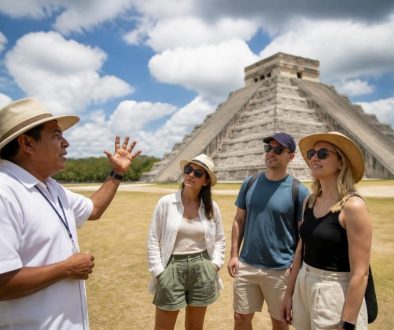
The travel industry continues to evolve dramatically in 2026, and tours tourism stands at the forefront of this transformation. Modern travelers increasingly seek more than superficial sightseeing; they crave authentic connections, insider perspectives, and experiences tailored to their specific interests. This shift has fundamentally changed how guided tour operators design and deliver experiences, moving away from one-size-fits-all bus tours toward intimate, personalized adventures that reveal the true character of a destination. Understanding this evolution helps both travelers and tour providers create memorable journeys that resonate long after the vacation ends.
The Evolution of Modern Tours Tourism
Tours tourism has undergone remarkable changes over the past decade, driven by shifting consumer expectations and technological advancements. Recent data from the USTOA survey reveals that 68% of tour operators reported increased sales in 2025, with half experiencing gains of 10% or more. This growth demonstrates the enduring appeal of guided experiences when they're executed thoughtfully.
Key drivers reshaping tours tourism include:
- Demand for personalized, small-group experiences over mass-market packages
- Growing preference for local guides who provide authentic cultural insights
- Integration of technology for seamless booking and customization
- Emphasis on sustainable and responsible travel practices
- Rising interest in niche themes such as literary tours, culinary adventures, and wellness journeys
The traditional model of herding large groups through predetermined routes has given way to flexible itineraries designed around specific interests. Private group tours allow families, friends, or colleagues to explore at their own pace while benefiting from expert guidance. This transformation reflects broader societal trends toward customization and meaningful experiences over generic consumption.
The Small-Group Advantage
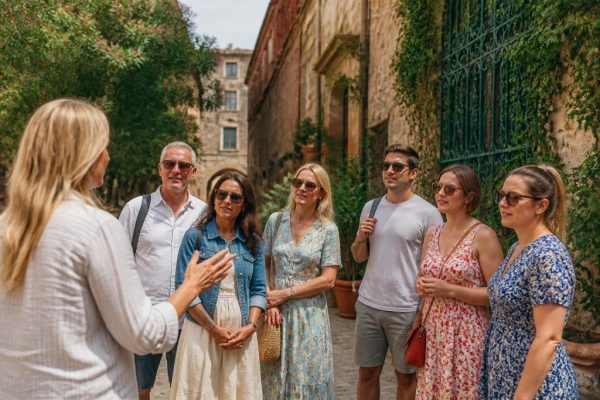
Small-group tours tourism offers distinct benefits that larger operations cannot match. Groups of 2-15 people create intimate environments where guides can adapt narratives, answer detailed questions, and accommodate spontaneous detours to hidden gems. This flexibility transforms passive observation into active discovery.
| Small-Group Benefits | Large-Group Limitations |
|---|---|
| Personalized attention from guides | Generic commentary for diverse audiences |
| Flexible itineraries | Rigid schedules |
| Access to intimate venues | Restricted to tourist-friendly locations |
| Meaningful conversations | Limited interaction |
| Authentic local connections | Transactional experiences |
Crafting Personalized Travel Experiences
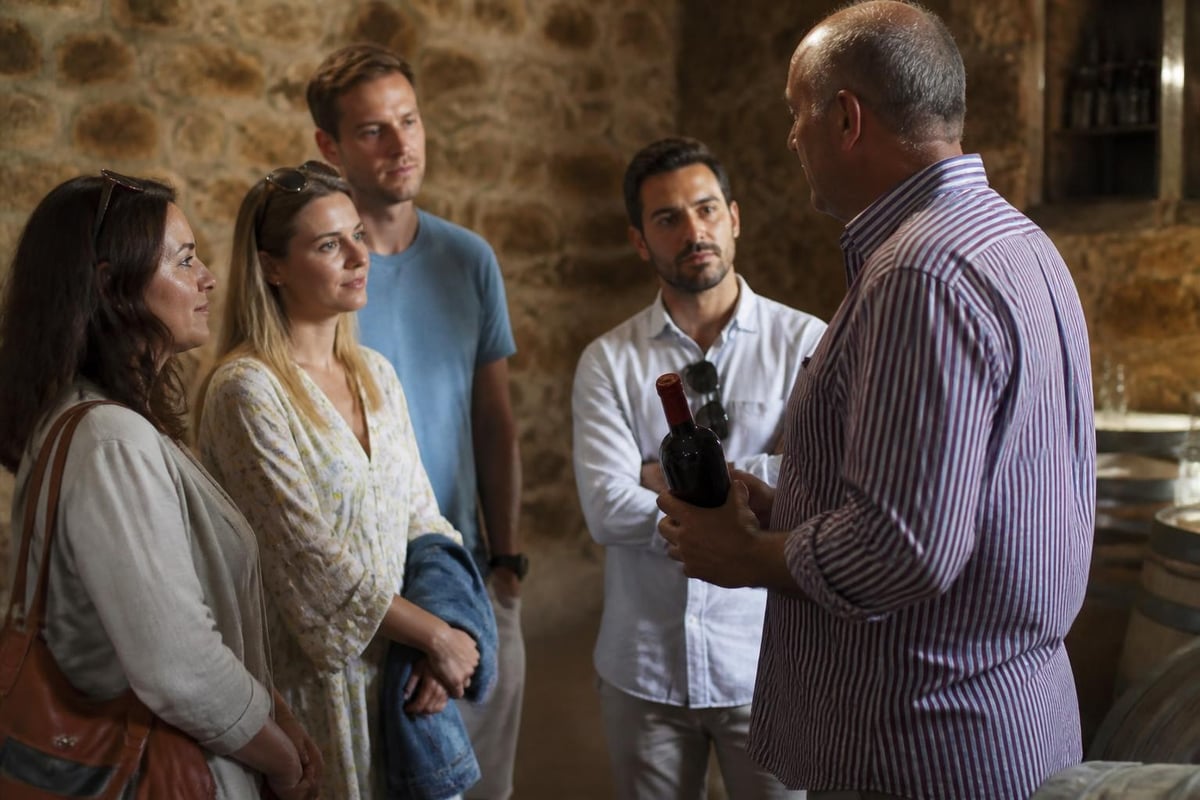
The hallmark of exceptional tours tourism lies in personalization. Modern travelers expect experiences curated to their preferences, whether they're history enthusiasts, architecture admirers, food lovers, or cultural explorers. Professional tour guides excel when they can adapt their expertise to match group interests rather than delivering rehearsed scripts.
Effective personalization begins with understanding guest motivations. Some visitors seek comprehensive historical context, while others prioritize photography opportunities or local culinary experiences. A skilled guide recognizes these preferences quickly and adjusts the pace, content, and focus accordingly. For instance, a walking tour through Stockholm's Old Town might emphasize medieval architecture for one group while highlighting modern Scandinavian design influences for another.
Building Authentic Local Connections
Tours tourism succeeds when it bridges the gap between visitors and destinations. Native English-speaking guides who call the city home bring invaluable perspectives that transcend guidebook facts. They share personal anecdotes, recommend neighborhood favorites, and explain cultural nuances that illuminate daily life beyond tourist attractions.
These authentic connections transform sightseeing into genuine cultural exchange. When guides share stories about their favorite local cafes, seasonal traditions, or community initiatives, travelers gain insights unavailable through independent exploration. This depth of understanding fosters appreciation and respect for the destination's character.
- Pre-tour consultation to understand group interests and preferences
- Customized itinerary creation balancing must-see attractions with hidden gems
- Flexible pacing allowing time for spontaneous discoveries
- Interactive storytelling encouraging questions and dialogue
- Local recommendations for post-tour exploration
Thematic Tours: Catering to Niche Interests
The rise of hyper-niche tours tourism reflects travelers' desire for specialized experiences. According to WeTravel’s poll indicating a rise in solo-only and hyper-niche group tours, customized and unique experiences are becoming industry standards rather than premium offerings. This trend empowers tour operators to develop creative programming around specific themes that attract passionate enthusiasts.
Literary tours exemplify this niche specialization. Following in the footsteps of beloved authors or fictional characters adds narrative depth to urban exploration. Stockholm's literary landscape offers rich opportunities, from Stieg Larsson's Millennium trilogy locations to August Strindberg's haunts. These cultural tours appeal to readers who want to experience the settings that inspired their favorite stories.
Music and Pop Culture Adventures
Music-themed tours tourism creates powerful emotional connections for fans. The enduring global appeal of ABBA makes Stockholm a pilgrimage site for enthusiasts seeking to trace the band's origins. An ABBA journey that includes visits to significant locations, shared meals, and opportunities to connect with fellow fans from around the world combines entertainment, education, and community building.
Popular thematic tour categories include:
- Literary trails exploring author birthplaces, fictional settings, and literary landmarks
- Musical heritage tracing band origins, concert venues, and recording studios
- Culinary journeys discovering local food markets, traditional restaurants, and cooking techniques
- Architectural surveys examining historical periods, design movements, and iconic structures
- Film location tours visiting shooting sites from beloved movies and television series
These specialized offerings attract dedicated audiences willing to invest time and resources in deep-dive experiences aligned with their passions.

The Role of Walking Tours in Urban Exploration
Walking tours represent the most intimate form of tours tourism, fostering genuine connections with urban environments. Unlike bus tours that maintain physical and psychological distance, walking allows travelers to experience city rhythms, architectural details, and neighborhood atmospheres. The pace encourages observation, conversation, and serendipitous discoveries impossible from vehicle windows.
Stockholm old town walking tours showcase this approach's effectiveness. Gamla Stan's narrow medieval streets, colorful facades, and hidden courtyards reveal themselves fully only on foot. Guides can pause at significant sites, share detailed stories, and lead groups through passages inaccessible to vehicles. This immersive exploration creates memorable experiences grounded in place and history.
Designing Effective Walking Itineraries
Successful walking tours balance structure with flexibility. While planned routes ensure coverage of essential sites, experienced guides remain responsive to group energy, weather conditions, and emerging interests. Strategic pacing includes rest stops at cafes or scenic viewpoints, maintaining comfort while maximizing engagement.
Essential walking tour components:
- Logical routing that flows naturally between sites without excessive backtracking
- Duration management typically 2-3 hours to maintain energy and attention
- Rest intervals incorporating breaks at meaningful locations
- Accessibility considerations accounting for mobility limitations and terrain challenges
- Weather contingencies including sheltered alternatives or shortened routes
The best English walking tours accommodate diverse fitness levels without sacrificing content quality, ensuring all participants enjoy enriching experiences.
Cultural Immersion Through Expert Guidance
Tours tourism at its finest facilitates cultural immersion that independent travel struggles to achieve. Expert guides serve as cultural translators, contextualizing traditions, explaining social norms, and helping visitors navigate unfamiliar customs. This guidance proves particularly valuable in destinations where language barriers might otherwise limit meaningful interaction.
Stockholm offers compelling examples of how guided experiences deepen cultural understanding. Witnessing the changing of the guard at the Royal Palace becomes more meaningful when guides explain Swedish royal history, the ceremony's evolution, and its contemporary significance. Similarly, exploring Gamla Stan's narrow alleys gains depth through stories about medieval trade, architectural preservation efforts, and modern neighborhood life.
| Cultural Element | Independent Experience | Guided Experience |
|---|---|---|
| Historical context | Limited to plaques and guidebooks | Detailed narratives with expert analysis |
| Local customs | Observation without understanding | Explanation of traditions and meanings |
| Hidden locations | Easily missed or inaccessible | Insider access with backstories |
| Contemporary life | Tourist perspective only | Local insights and current issues |
Tailored tours excel when they balance classic attractions with contemporary cultural expressions, presenting destinations as living communities rather than historical museums.
Building Cross-Cultural Understanding
Quality tours tourism fosters mutual respect between visitors and host communities. Guides who emphasize cultural context over stereotypes help travelers appreciate complexity and avoid reductive generalizations. This educational component proves increasingly important as global tourism continues expanding, with profound transformations brought by global tourism impacting economies, societies, and environments worldwide.
Responsible tour operators acknowledge tourism's impacts while promoting sustainable practices. They support local businesses, respect community spaces, and educate travelers about minimizing their footprint. This approach aligns with broader trends toward slowness, sustainability, and cultural immersion in travel experiences that define 2026's travel landscape.
Leveraging Technology While Maintaining Human Connection
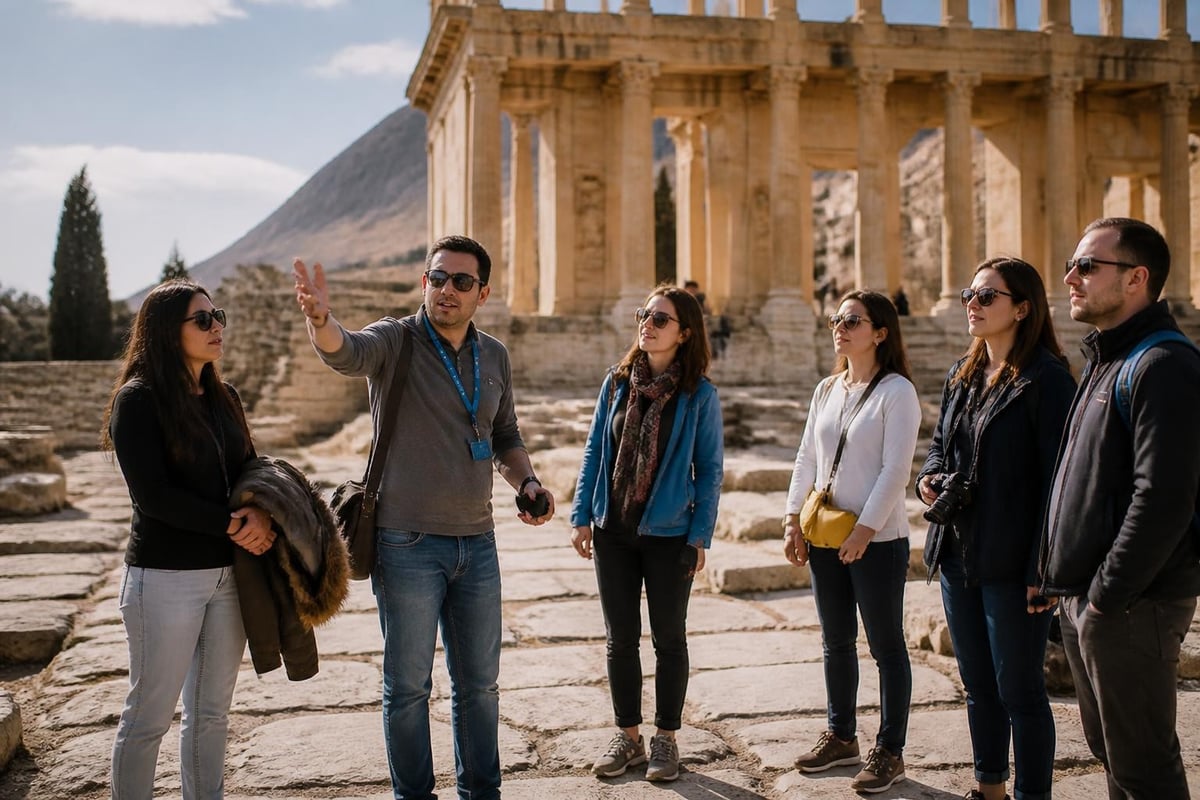
Modern tours tourism strategically incorporates technology without sacrificing the human elements that make guided experiences valuable. Digital tools enhance logistics, communication, and information delivery while preserving the irreplaceable value of personal interaction with knowledgeable guides.
Technology applications in tours tourism:
- Online booking platforms simplifying reservation and payment processes
- Digital itinerary sharing allowing pre-tour preparation
- Audio enhancement systems ensuring clear guide communication in noisy environments
- Photography assistance with location recommendations and technique tips
- Post-tour resource sharing including reading lists, restaurant suggestions, and photo galleries
However, the most successful operations recognize that technology serves as infrastructure rather than replacement for human expertise. Travelers book tours specifically for guide knowledge, storytelling ability, and adaptive responsiveness that no app can replicate. The goal involves using digital tools to eliminate friction points while maximizing face-to-face engagement during actual tours.
Balancing Information and Experience
Effective guides understand that tours tourism should prioritize experiential learning over information dumping. While historical facts and architectural details matter, the most memorable tours create emotional connections through storytelling, sensory experiences, and opportunities for personal discovery.
This balance requires curatorial skill. Guides must select which information serves the narrative while trusting travelers to explore additional details independently if interested. Providing context enhances appreciation without overwhelming participants or reducing tours to lectures. The art lies in sparking curiosity that extends beyond the tour itself.
The Economics of Quality Tours Tourism
Understanding tours tourism economics helps both operators and travelers appreciate the value exchange involved in premium guided experiences. Quality tours require substantial investment in guide training, ongoing education, operational logistics, and customer service. These costs reflect in pricing but deliver corresponding value through expertise, access, and personalized attention.
Private and small-group tours necessarily cost more per person than mass-market alternatives. However, this investment yields experiences impossible in larger settings: flexible pacing, customized content, intimate venues, and meaningful guide relationships. For many travelers, these benefits justify premium pricing as they maximize limited vacation time through efficient, enriching exploration.
Value factors in tours tourism pricing:
- Guide expertise including years of training, local knowledge, and communication skills
- Group size with smaller numbers requiring higher per-person costs
- Exclusive access to private locations or after-hours experiences
- Customization including pre-tour planning and itinerary adaptation
- Support services covering logistics, booking coordination, and customer care
The industry's growth, with 68% of tour operators reporting increased sales, demonstrates that travelers increasingly recognize this value proposition and willingly invest in quality experiences.
Seasonal Considerations in Tours Tourism
Tours tourism dynamics shift throughout the year, with seasonal variations affecting both visitor experiences and operational considerations. Understanding these patterns helps travelers choose optimal times while allowing operators to design seasonally appropriate programming.
Stockholm exemplifies how seasons transform destination character. Summer's long daylight hours and pleasant weather facilitate extensive walking tours and outdoor activities. Conversely, winter's shortened days and cold temperatures require adjusted itineraries emphasizing indoor attractions, seasonal traditions like Christmas markets, and cozy experiences that embrace Nordic winter culture.
| Season | Tour Advantages | Considerations |
|---|---|---|
| Spring | Moderate crowds, blooming landscapes, comfortable temperatures | Variable weather, some attractions still on winter schedules |
| Summer | Extended daylight, all attractions open, vibrant street life | Peak crowds, higher prices, advance booking essential |
| Fall | Beautiful foliage, cultural season begins, moderate temperatures | Decreasing daylight, weather variability |
| Winter | Festive atmosphere, minimal crowds, authentic local life | Limited daylight, cold weather, some venue closures |
Skilled tour operators adapt their offerings to highlight seasonal strengths. Winter Stockholm tours might emphasize cozy cafes, museum visits, and Swedish winter traditions, while summer programs maximize outdoor exploration and extended evening light.
Building Memorable Multi-Generational Experiences
Tours tourism serves diverse age groups simultaneously when designed thoughtfully. Multi-generational travel presents unique opportunities and challenges, requiring content and pacing that engage children, adults, and seniors equally. Private group tours excel in this context through customization that accommodates varying interests and physical capabilities.
Successful multi-generational itineraries include diverse elements appealing across ages. Interactive components like scavenger hunts engage younger participants, while historical depth satisfies adults seeking substantive content. Flexible pacing allows rest breaks for those needing them without boring energetic family members.
Multi-generational tour design principles:
- Varied activity types balancing walking, storytelling, and interactive elements
- Strategic rest points incorporating attractions like playgrounds or cafes
- Content layering with surface-level narratives plus deeper detail for interested listeners
- Photography opportunities appealing across generations
- Shared experiences creating family memories and conversation topics
The intimacy of private tours allows guides to read group dynamics and adjust approaches in real-time, maintaining engagement across all participants. This adaptability transforms potential challenges into strengths, creating experiences that bring families closer through shared discovery.
Future Directions in Tours Tourism
The tours tourism industry continues evolving in response to changing traveler expectations, technological capabilities, and global circumstances. Looking ahead, several trends will likely shape the sector's development through the remainder of this decade and beyond.
Hyper-personalization will intensify as data analytics and customer relationship management tools enable increasingly refined customization. Tour operators will leverage past booking patterns, expressed preferences, and behavioral data to suggest perfectly aligned experiences before travelers even recognize their desires.
Sustainability considerations will transition from differentiator to baseline expectation. Travelers increasingly demand environmentally responsible operations, community benefits, and cultural preservation efforts. Tour operators must demonstrate authentic commitment to these values through transparent practices and measurable impacts.
Emerging tours tourism trends:
- Wellness integration combining sightseeing with fitness, mindfulness, and health-focused activities
- Solo traveler programming designed specifically for individual explorers seeking social connection
- Extended micro-tours offering depth on single neighborhoods or themes over multiple short sessions
- Virtual preview experiences allowing advance exploration before booking physical tours
- Hybrid models blending guided and independent exploration for optimal flexibility
The industry's resilience and growth demonstrate tours tourism's enduring relevance. Despite technological advances enabling independent exploration, travelers continue valuing expert guidance, curated experiences, and human connections that transform sightseeing into meaningful discovery.
Tours tourism represents the intersection of expertise, storytelling, and personal connection that transforms ordinary travel into extraordinary experiences. Whether exploring Stockholm's medieval streets, tracing literary footsteps, or dancing to ABBA's legacy, guided adventures reveal destinations through local eyes while accommodating your unique interests and pace. Adding:tours specializes in creating these personalized journeys for private groups and small gatherings, combining insider knowledge with flexible itineraries that make every Stockholm visit truly special.